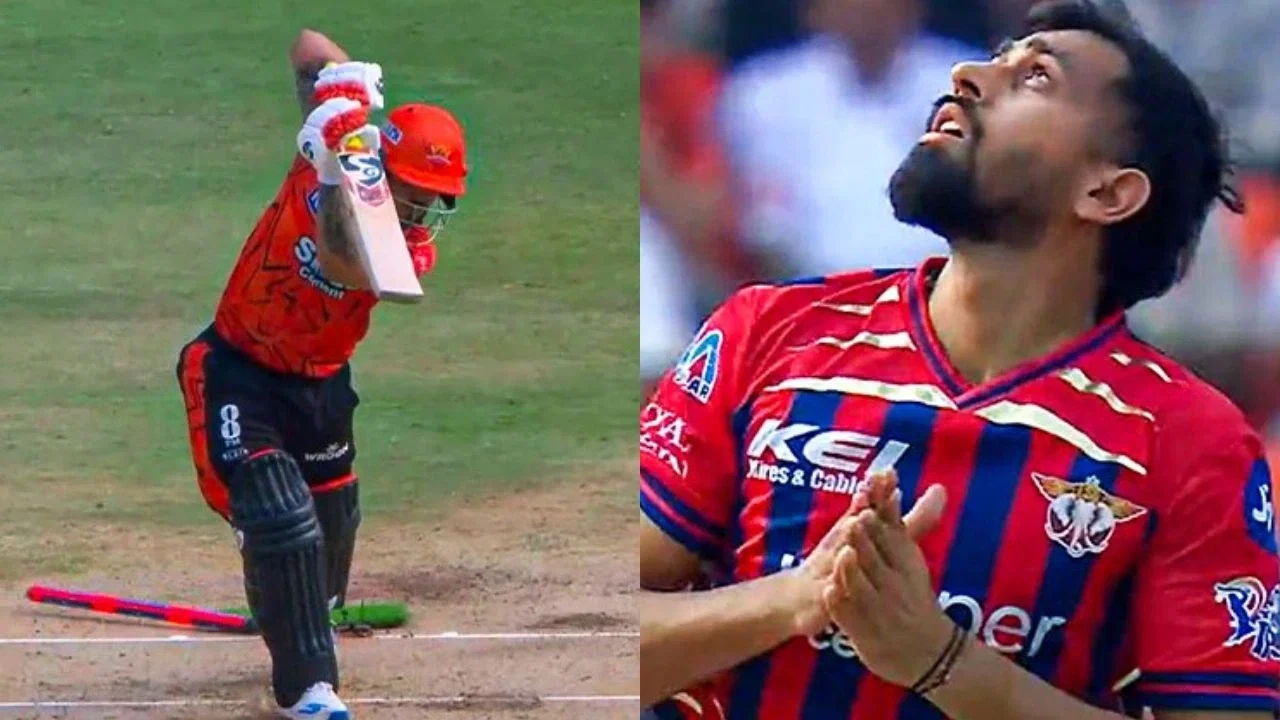
Shocking! Suryakumar Yadav’s post-match tribute in Asia Cup 2025 match vs Pakistan was Tokenism
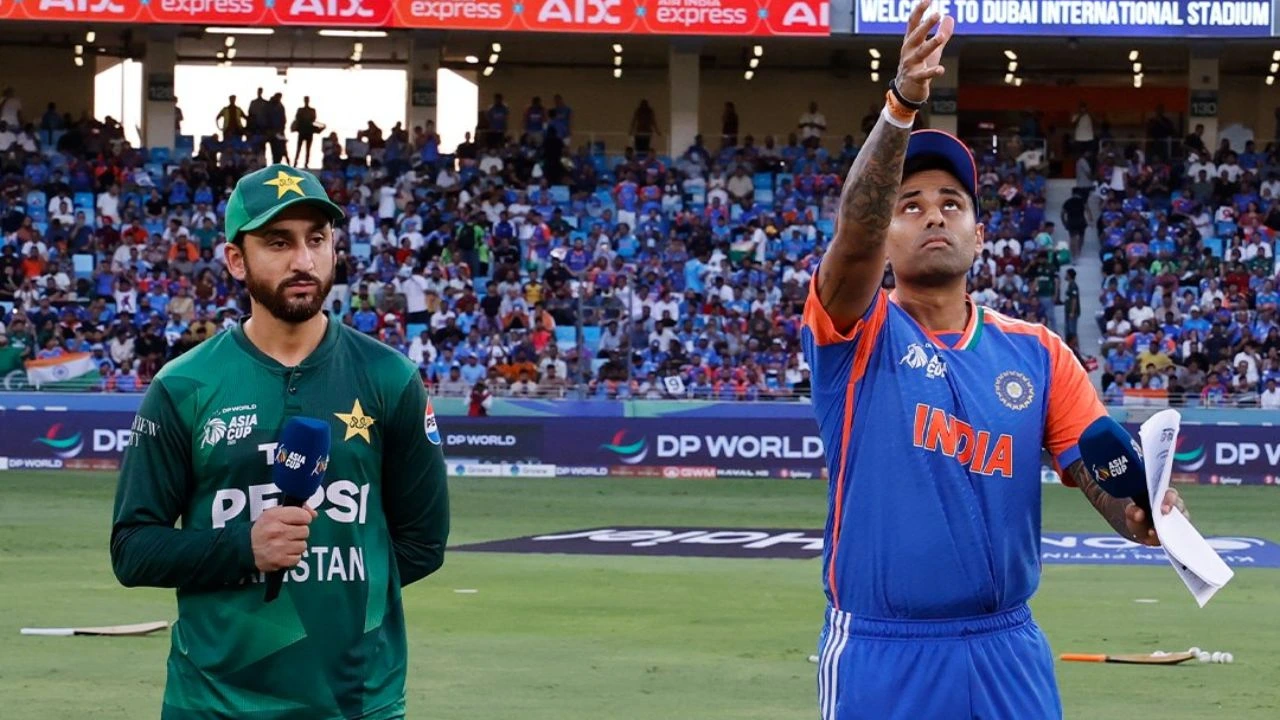
Former Indian Cricketer Atul Wassan Criticizes Suryakumar Yadav’s Tribute at Asia Cup 2025
Atul Wassan’s Controversial Take on Suryakumar Yadav’s Gesture
Former Indian cricketer Atul Wassan has sparked controversy surrounding India captain Suryakumar Yadav’s dedication of the team’s group-stage win over Pakistan at the ongoing Asia Cup 2025. Wassan claimed that Yadav was almost “obliged” to dedicate the victory to the victims of the Pahalgam terror attack.
After leading India to a seven-wicket victory over Pakistan, Suryakumar Yadav dedicated the win to the Indian armed forces and the victims of the tragic Pahalgam terror attack that occurred in April 2025.
Atul Wassan’s statement has stirred up a debate, with the Pakistan Cricket Board (PCB) lodging a complaint with the Asian Cricket Council (ACC) and the International Cricket Council (ICC). Following a hearing, Suryakumar Yadav was fined 30% of his match fees and warned against repeating the gesture.
Wassan’s Argument Against Public Pressure
Wassan argued that such tributes often stem from public pressure and optics rather than genuine sentiment. He compared Yadav’s situation to Pakistani players Haris Rauf and Sahibzada Farhan, who made controversial on-field gestures in a recent match.
The former cricketer emphasized that players on both sides face immense pressure to act in ways that attract attention. According to Wassan, Yadav’s gesture was more about public perception than patriotism, stating that tokenism does not diminish his patriotism.
Wassan was quoted as saying by NDTV, “I am against these optics and tokenism. If he hadn’t said it, he would still be a patriot, because it’s given that we are all there. But this is the kind of eyeballs and tokenism that people expected, and it acted like a balm, and they lapped it up. But he was obliged to say it, just like they were obliged to do that.”
Controversy Escalates: BCCI Challenges ICC Decision
The PCB’s complaint to the ICC alleged that Yadav’s tribute breached the law, with the board pushing for a Level 4 sanction due to the political nature of his words. While Yadav maintained that his tribute was not political, ICC match referee Richie Richardson ruled against him, resulting in the 30% fine.
Despite the controversy, the BCCI has challenged the ICC’s decision, arguing that Yadav’s statement was a gesture of humanity, not politics. With India set to face Pakistan in the Asia Cup 2025 final, tensions are high as key players like Abhishek Sharma, Hardik Pandya, and Tilak Varma face fitness concerns.
Abhishek and Tilak are expected to recover in time for the final, but Hardik’s availability remains uncertain, adding another layer of intrigue to the highly anticipated match.
Wassan’s Critique of Performative Patriotism in Cricket
Atul Wassan’s critique of Suryakumar Yadav’s tribute sheds light on the complex dynamics of performative patriotism in the world of cricket. The pressure on players to make symbolic gestures in the public eye has become increasingly common, often overshadowing the genuine emotions behind such acts. Wassan’s argument challenges the notion that public displays of patriotism should be a prerequisite for proving one’s love for their country.
He delves into the idea that players, especially in high-stakes matches like India vs. Pakistan, are expected to conform to certain narratives to appease fans, sponsors, and cricketing authorities. The fine imposed on Yadav serves as a reminder of the fine line players must walk between expressing genuine sentiments and succumbing to external expectations.
The Intersection of Sports and Politics
The controversy surrounding Yadav’s tribute also highlights the delicate intersection of sports and politics. Cricket, like many other sports, has often been used as a platform for political expression, whether intentional or not. The PCB’s reaction to Yadav’s dedication underscores how actions on the cricket field can have broader implications beyond the game itself.
By challenging the ICC’s decision, the BCCI is emphasizing the need to differentiate between personal gestures of empathy and overt political statements. The ongoing debate raises questions about where the line should be drawn when it comes to mixing sports and politics in the context of international competitions.
Implications for Future Player Conduct
As cricket continues to evolve, the scrutiny on player conduct both on and off the field is likely to intensify. The case of Suryakumar Yadav sets a precedent for how players navigate the complex landscape of public expectations, national pride, and individual expression.
Players, especially those representing cricket-crazy nations like India and Pakistan, may find themselves walking a tightrope between honoring their country’s values and staying true to their personal beliefs. The fallout from Yadav’s tribute serves as a cautionary tale for athletes who must balance their roles as sports icons and individuals with their own voices.
Looking Ahead to the Asia Cup Final
With the Asia Cup 2025 final between India and Pakistan looming, the spotlight on player behavior and performance is brighter than ever. The fitness concerns surrounding key players like Abhishek Sharma, Hardik Pandya, and Tilak Varma add another layer of complexity to an already charged atmosphere.
As the two cricketing giants prepare to face off on the field, the off-field controversies and debates only serve to heighten the drama surrounding the final match. The outcome of the game will not only determine the winner of the tournament but also influence the ongoing conversation about sportsmanship, patriotism, and the blurred lines between sports and politics.
Overall, Wassan’s criticism and the subsequent fallout from Suryakumar Yadav’s tribute underscore the evolving landscape of cricket and the challenges faced by players in navigating public expectations, personal beliefs, and the broader socio-political context in which the sport operates.
Latest News
Jitesh Sharma takes an excellent catch to dismiss Shivam Dube in RCB vs CSK clash
IPL Points Table 2026: Updated Standings, Orange Cap, Purple Cap After RCB vs CSK Match 11
“Loss is on me”: Ruturaj Gaikwad takes full responsibility after defeat vs RCB in IPL 2026
IPL Points Table 2026: Updated Standings, Orange Cap, Purple Cap After SRH vs LSG Match 10
Ambati Rayudu drops bombshell predicts RCB to outshine CSK in IPL 2026
“Rishabh played well”: Ishan Kishan points out Rishabh Pant’s innings led to SRH’s defeat vs LSG in IPL 2026
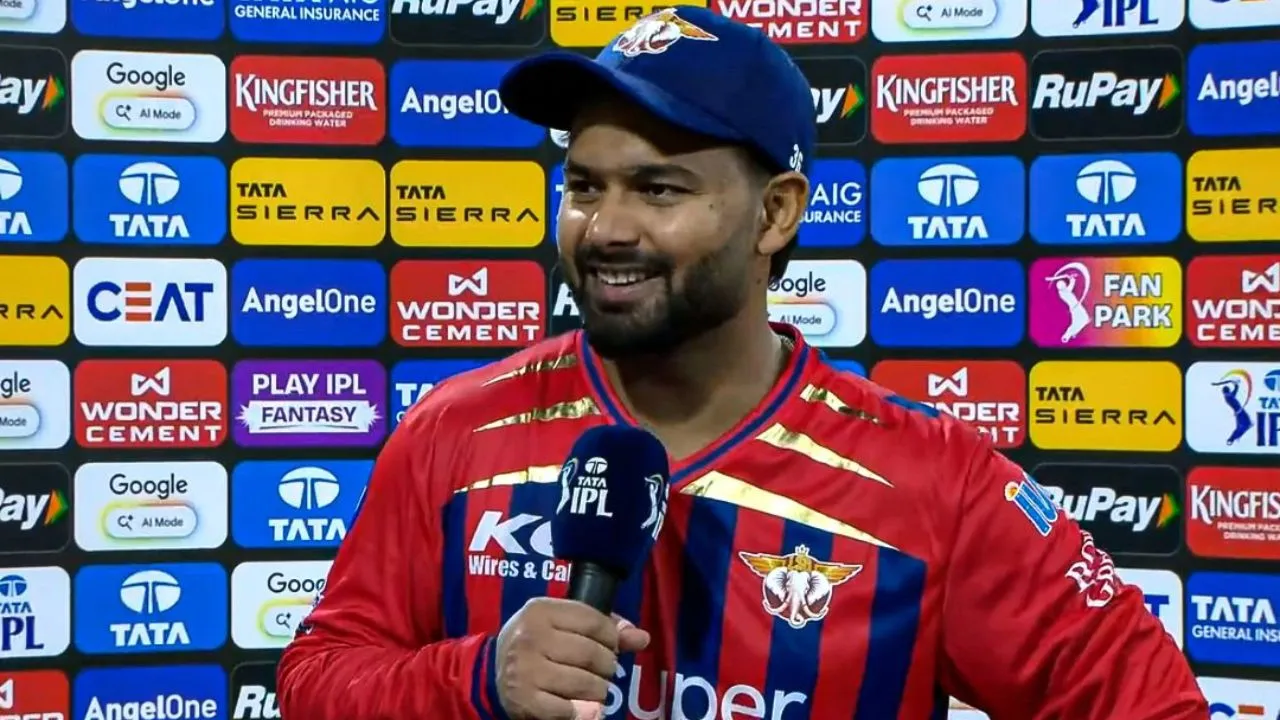
“Got to appreciate”: Rishabh Pant praises the Mohammed Shami after thrilling win vs SRH
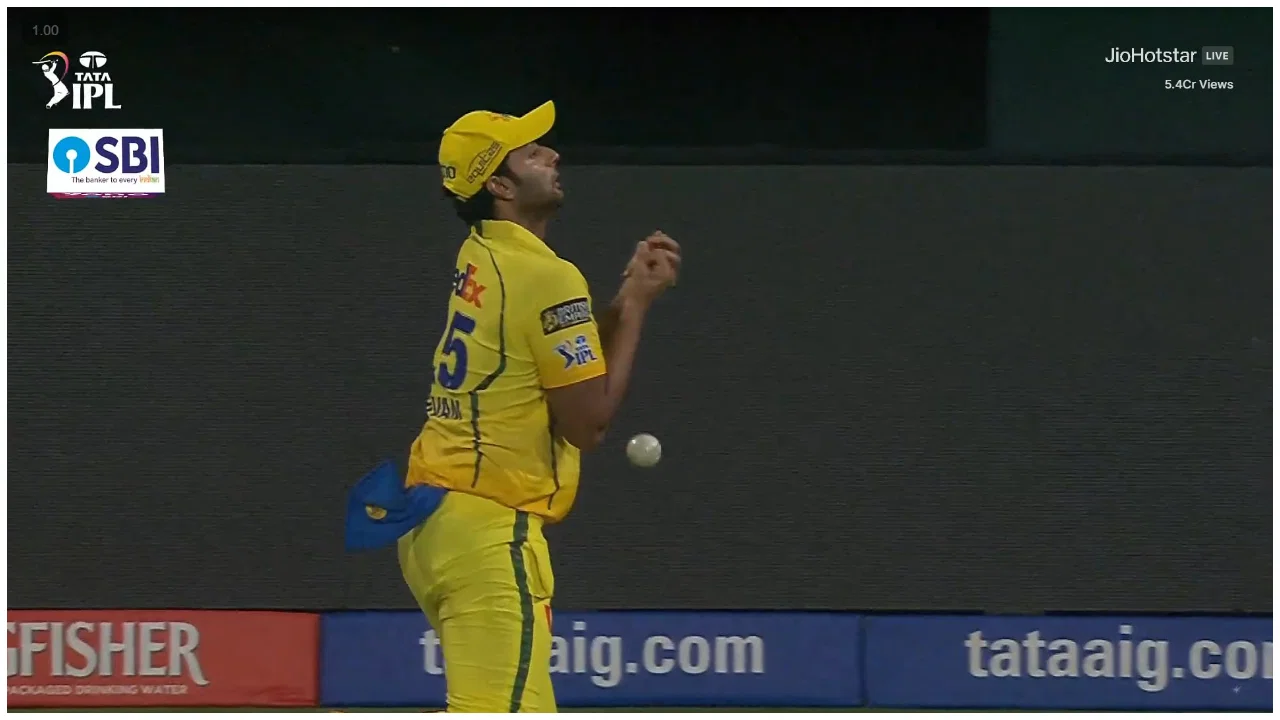
Shivam Dube puts down Virat Kohli in RCB vs CSK IPL 2026 clash
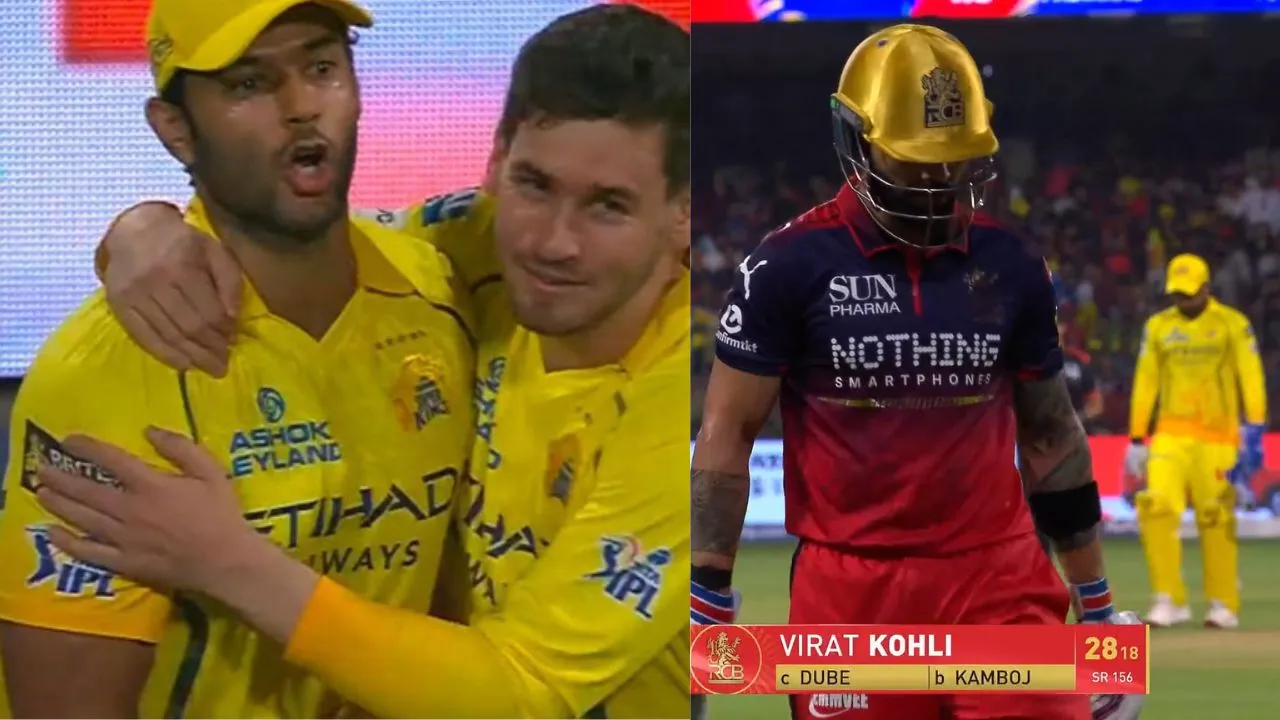
Be******d! Shivam Dube takes Virat Kohli’s catch, unleashes fiery celebration

Stephen Fleming provides massive update on Dewald Brevis during RCB vs CSK clash
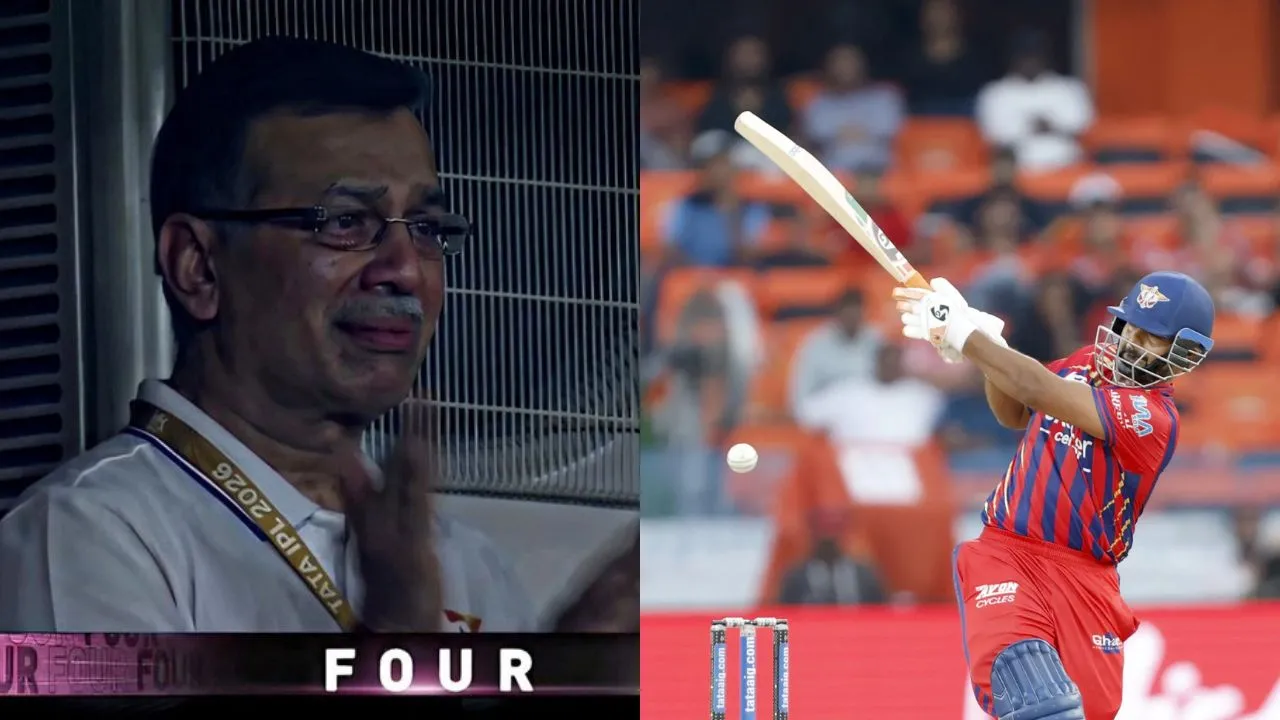
Sanjiv Goenka’s emotional reaction after Rishabh Pant’s match-winning finish goes viral
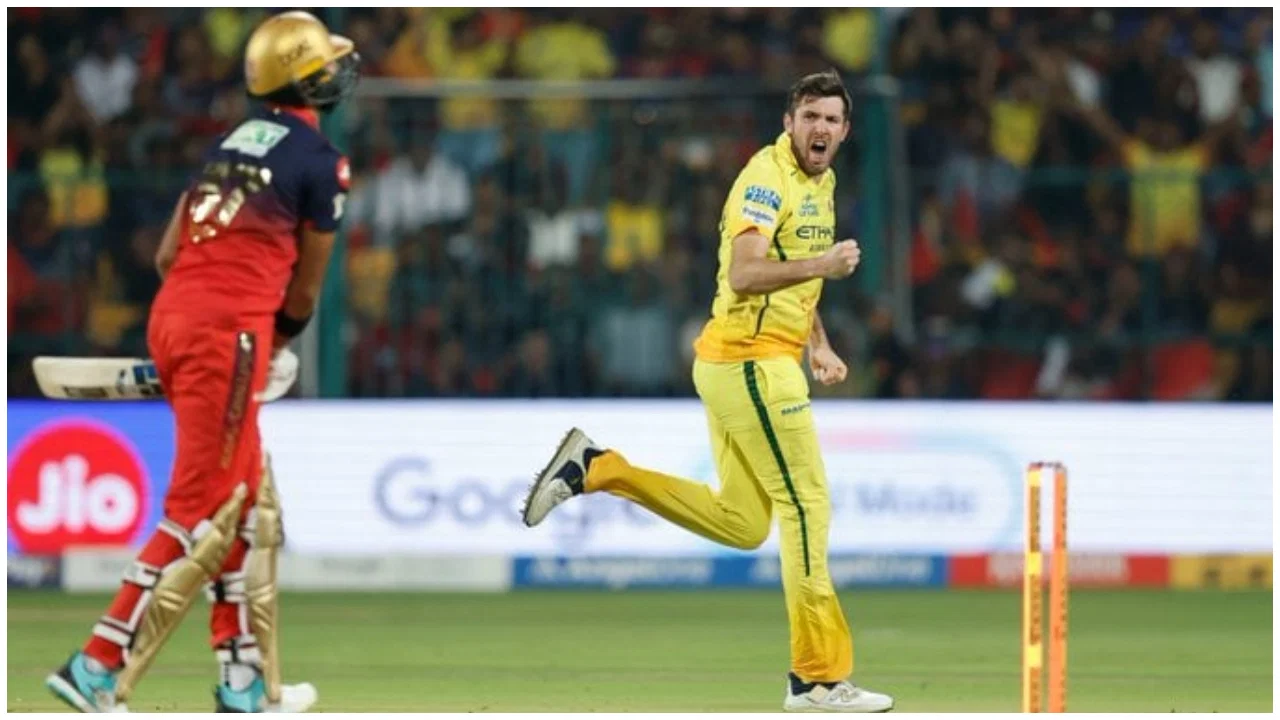
Jamie Overton bamboozles Devdutt Padikkal in RCB vs CSK clash
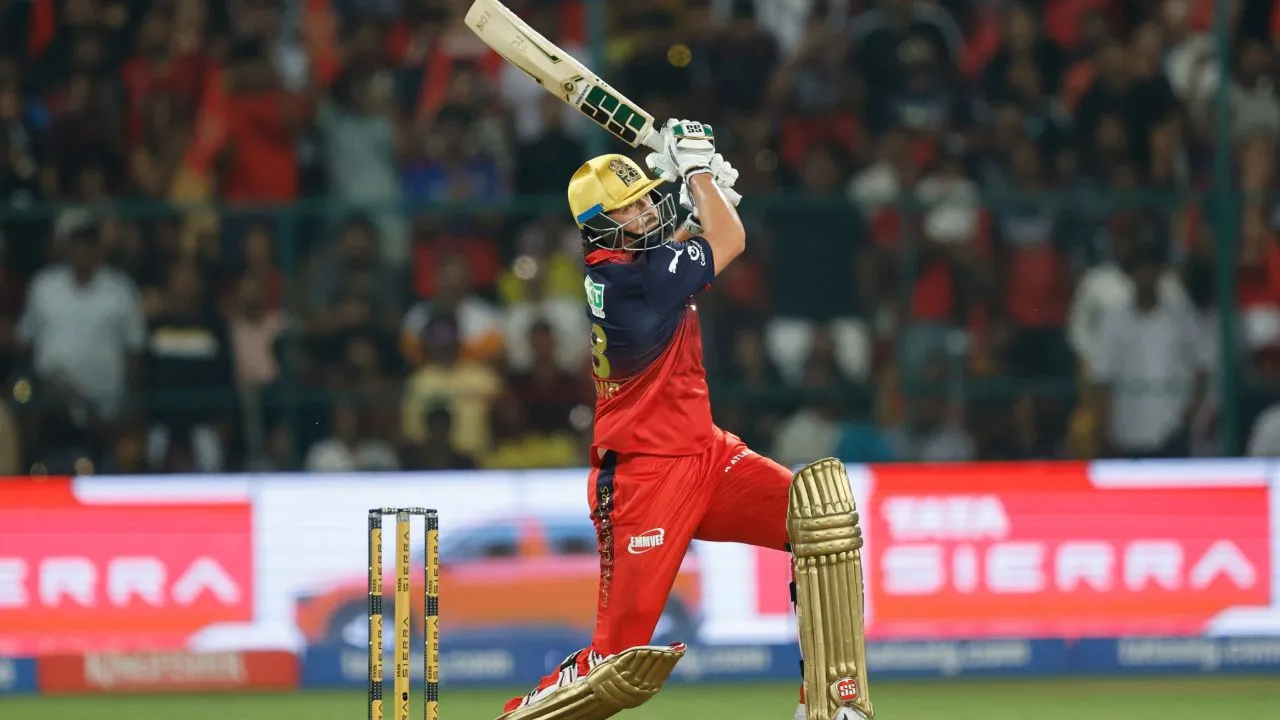
Tim David shows ruthless hitting, smashes 30 runs of Jamie Overton’s final over in RCB vs CSK clash
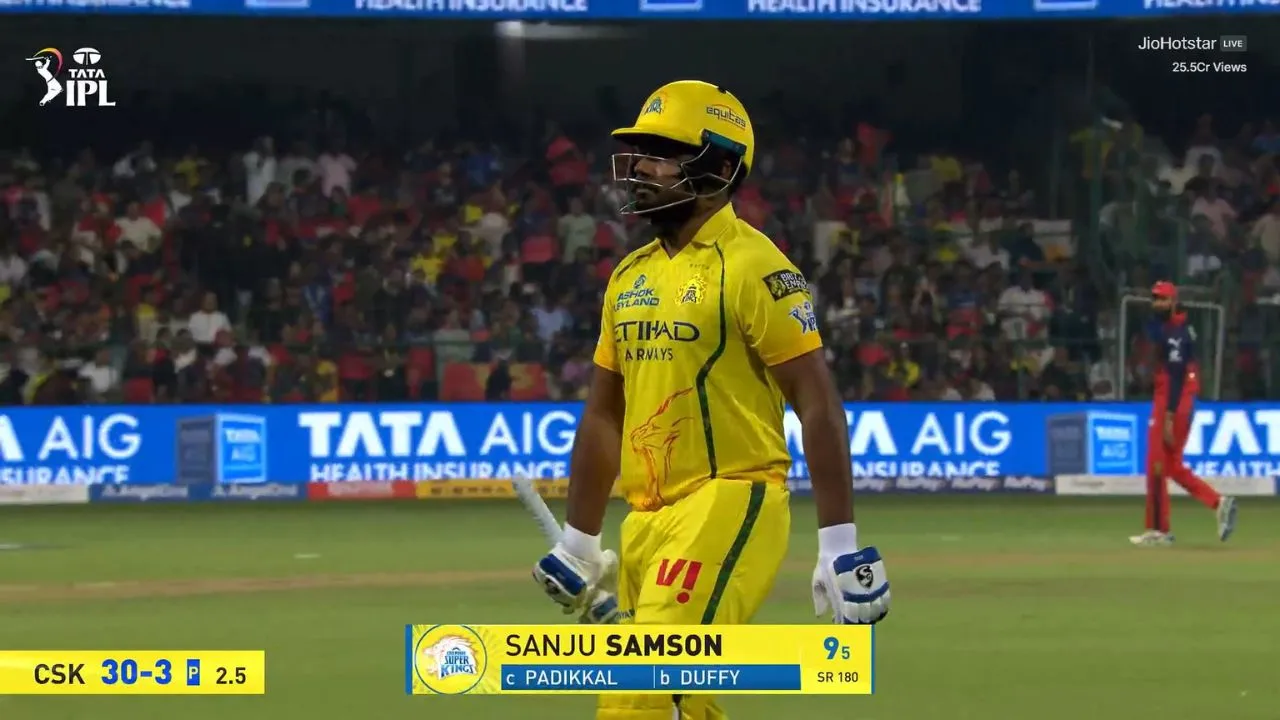
Sanju Samson falls cheaply again, poor run continues for CSK in IPL 2026