

Shreyas Iyer blocked from India captaincy; IPL final rides termed irrelevant
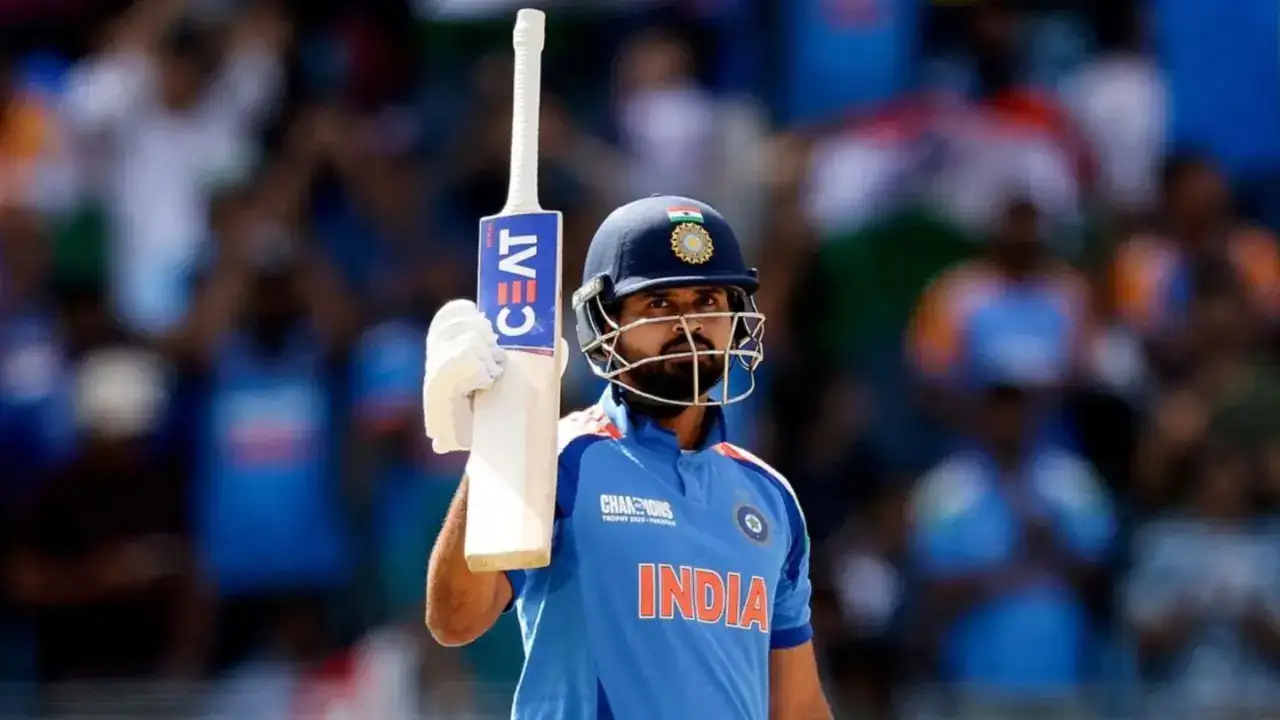
Veteran Pacer Sandeep Sharma Criticizes Speculation on Shreyas Iyer’s Captaincy
Veteran Indian Premier League (IPL) pacer Sandeep Sharma recently shared his thoughts on the ongoing speculation surrounding Shreyas Iyer potentially replacing Suryakumar Yadav as India’s T20I captain. Sharma dismissed the idea that leading a franchise to an IPL final should be the sole criterion for captaining the national cricket team, labeling the debate as senseless.
Franchise Success Does Not Equate to National Captaincy
In a conversation with CricTracker, Sandeep Sharma emphasized that captaining an IPL side does not automatically qualify a player to lead the Indian team in international cricket. He pointed out that while Iyer successfully guided Punjab Kings (PBKS) to their first final in over a decade, Suryakumar Yadav does not hold a captaincy role in the IPL, highlighting that leadership responsibilities in franchise cricket differ significantly from those at the international level.
Sharma drew a parallel by mentioning Rohit Sharma, who did not captain any IPL team for three years but continued to lead the T20I and one-day sides for India, as well as the Test team. He stressed that the dynamics of captaining in the IPL, where players come from various backgrounds, are distinct from leading a selected squad of 15 individuals at the highest level of international cricket.
Shreyas Iyer’s Track Record and Exclusion from Asia Cup 2025
Shreyas Iyer has a notable track record of guiding three different franchises to IPL finals, including Delhi Capitals in 2020 and Kolkata Knight Riders in 2024. Despite his success in the IPL, he was not included in the Indian squad for the upcoming Asia Cup 2025, scheduled to commence on September 9 in the UAE. Additionally, he was not among the five standby players selected for the tournament.
The right-handed batter has amassed 1,104 runs in 51 T20Is at an average of 30.67 and a strike rate of 136.13, with eight half-centuries to his name and a best score of 74. His last T20I appearance was against Australia in Bengaluru in December 2023, where he contributed 53 runs off 37 balls in India’s victory.
Understanding the Distinction Between IPL and International Cricket
Sandeep Sharma reiterated the importance of recognizing the differences between captaining in the IPL and leading the Indian national team. He emphasized that managing a diverse mix of players in franchise cricket is not the same as overseeing a selected squad of 15 individuals in international cricket, requiring distinct leadership abilities.
Sharma urged cricket enthusiasts to gain a deeper understanding of the complexities involved in captaining different formats of the game before making judgments or commenting on players’ suitability for leadership roles, emphasizing the need for a more nuanced perspective on the matter.
As the debate surrounding Shreyas Iyer’s captaincy continues to spark conversations among fans and experts, it remains to be seen how the Board of Control for Cricket in India (BCCI) will assess and decide on the leadership of the Indian T20I team in the future.
The Role of Experience and Leadership Qualities in Captaining
When it comes to selecting a captain for the national team, experience and leadership qualities play a crucial role. While success in the IPL can be a testament to a player’s skills and abilities, it is not the sole determinant of their suitability for leading the Indian team on the international stage. Captaining a side requires a deep understanding of the game, effective communication skills, strategic thinking, and the ability to inspire and motivate teammates.
Players like Shreyas Iyer, who have shown their leadership acumen in the IPL, must also demonstrate these qualities consistently in international cricket to be considered for the captaincy role. The pressure and expectations at the international level are significantly higher, requiring captains to make quick decisions under intense scrutiny.
The Importance of Consistency and Performance in Selection Decisions
While Shreyas Iyer’s track record in the IPL is commendable, selectors and team management often look at a player’s overall performance, consistency, and adaptability in different conditions before making captaincy decisions. In addition to on-field performance, factors like off-field behavior, team dynamics, and the ability to handle pressure situations also come into play when evaluating a player’s leadership potential.
It is essential for players aspiring to lead their country to consistently perform at a high level, both with the bat and in terms of leadership on and off the field. Captains are expected to lead by example, exhibiting resilience, determination, and adaptability in challenging situations, which are essential qualities for success at the international level.
Looking Ahead: The Evolution of Leadership in Indian Cricket
As Indian cricket continues to evolve, the leadership landscape is also undergoing changes. With a new generation of talented players emerging and challenging the status quo, the criteria for selecting captains may shift to reflect the demands of modern cricket. While traditional leadership qualities remain crucial, attributes like innovation, adaptability, and the ability to strategize in fast-paced formats like T20 cricket are becoming increasingly important.
Players like Shreyas Iyer, who have shown their ability to thrive in high-pressure situations and adapt to different roles within their teams, are well-positioned to lead India in the future. However, the decision on the captaincy ultimately rests with the selectors and team management, who will assess all relevant factors before making a final call.
Conclusion
In conclusion, the debate surrounding Shreyas Iyer’s potential captaincy highlights the complexities and nuances involved in selecting leaders for the Indian national team. While success in the IPL can be a strong indicator of a player’s capabilities, it is essential to consider a wide range of factors, including experience, consistency, performance under pressure, and the ability to inspire and unite a diverse group of individuals.
As Indian cricket continues to thrive on the global stage, the evolution of leadership qualities and the changing dynamics of the game will shape the future of captaincy decisions. Players like Shreyas Iyer represent the next generation of leaders who bring a fresh perspective and innovative approach to the game, setting the stage for an exciting chapter in Indian cricket’s rich history.
Latest News
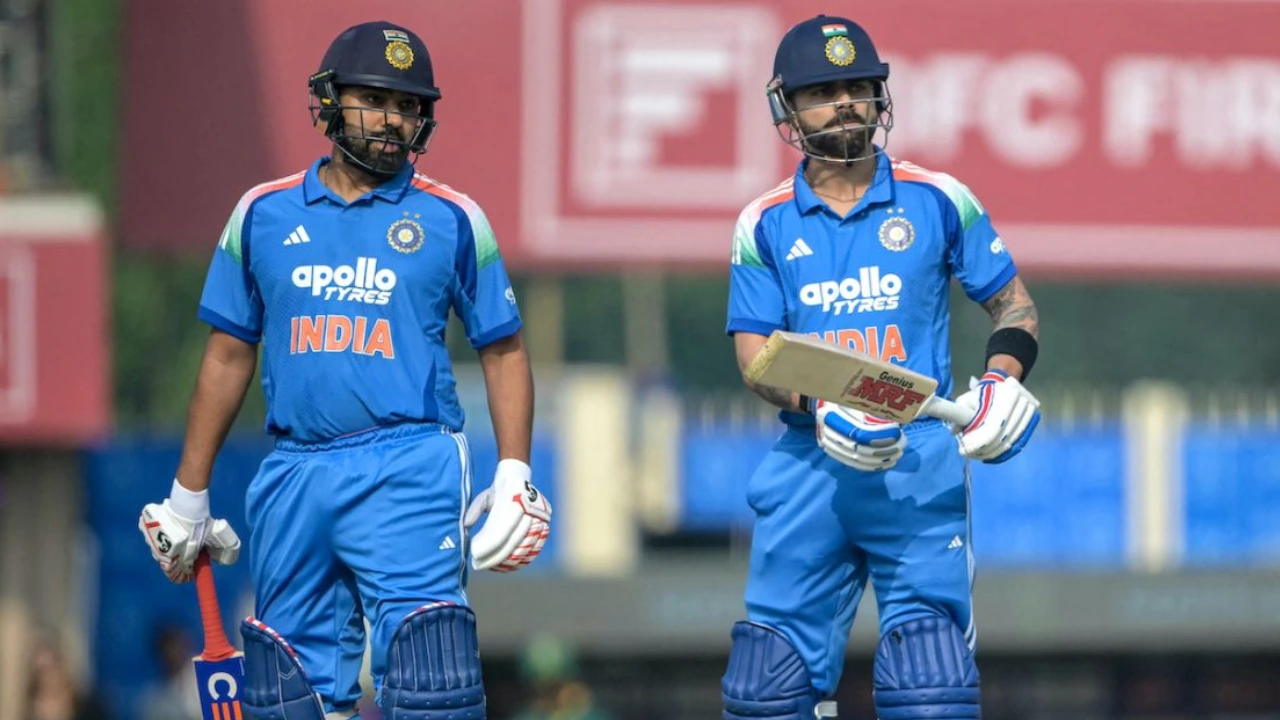
Not just Virat Kohli, Rohit Sharma! BCCI makes Vijay Hazare participation mandatory for all India players

Cameron Green bags ₹30.50 crore deal, Liam Livingstone follows at ₹19 crore in IPL 2026 mock auction
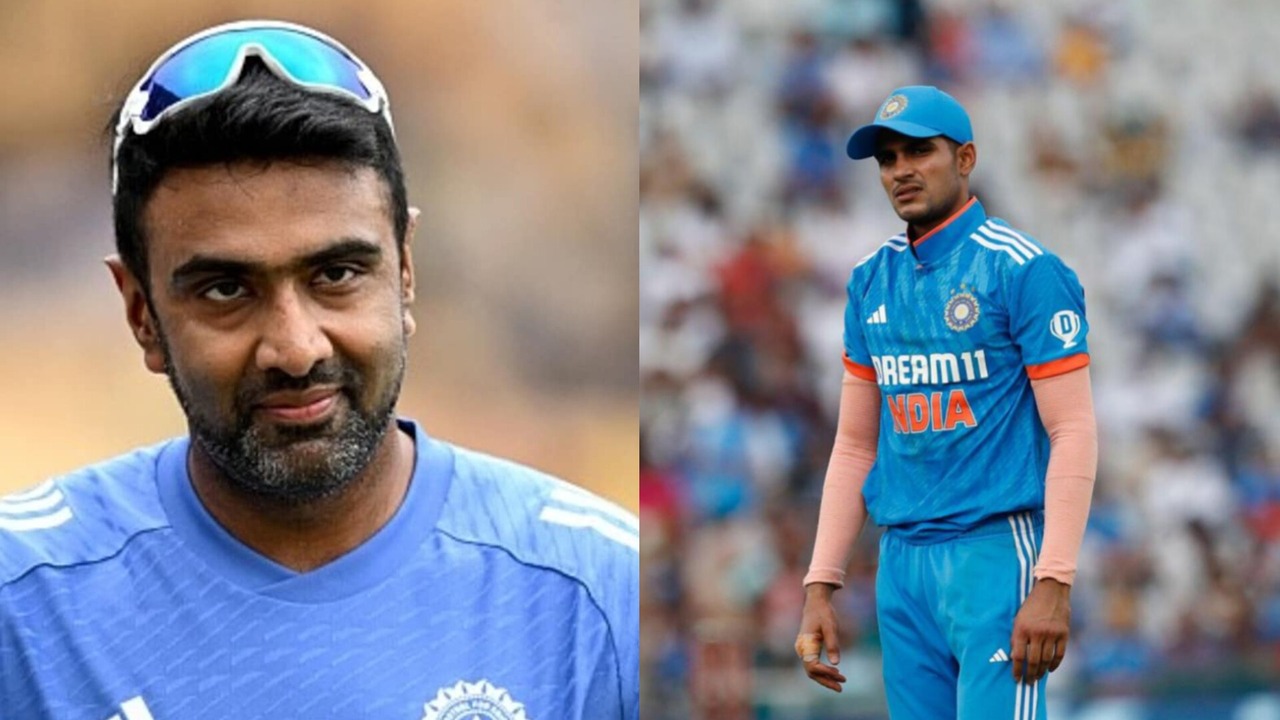
Ravichandran Ashwin lays brutal condition that may END Shubman Gill’s T20I career forever

ICC Chairman Jay Shah gifts Lionel Messi special jersey, bat and T20 World Cup 2026 match ticket
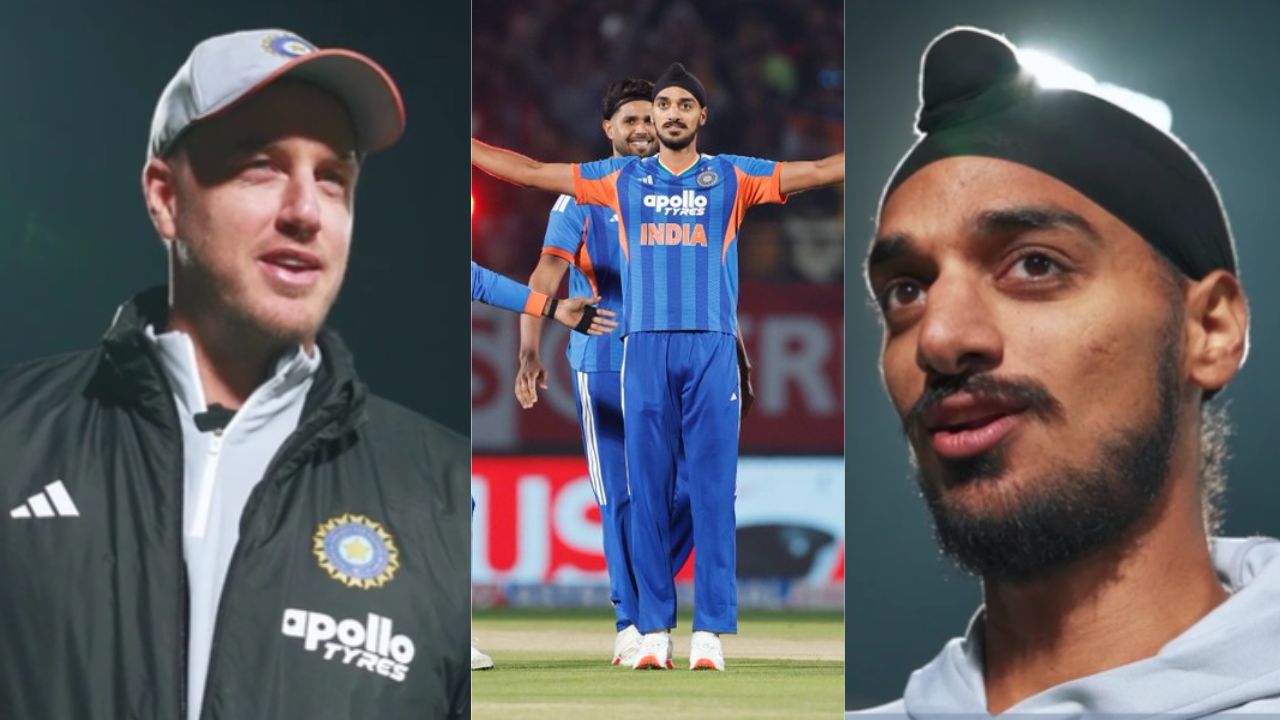
Arshdeep Singh issues public apology to Morne Morkel for bowling costly wides in 2nd T20I vs SA
Tilak Varma snatches Virat Kohli’s ‘Chasemaster’ crown after historic rise
PSL declares war on IPL again as PCB challenges BCCI’s supremacy
ICC honours Simon Harmer for destroying India in Test series; Shafali Verma also rewarded
Steve Smith’s health scare sparks PANIC in Australian camp before 3rd Test of Ashes 2025-26
Shaheen Afridi BANNED mid-over in BBL for dangerous bowling vs Melbourne Renegades
Axar Patel ruled out of remainder of five-match T20I series against South Africa
Arshdeep Singh savagely trolls Gautam Gambhir with ‘wide-ball’ celebration after Dharamsala heroics
Arshdeep Singh savagely trolls Gautam Gambhir with ‘wide-ball’ celebration after Dharamsala heroics
Arshdeep Singh savagely trolls Gautam Gambhir with ‘wide-ball’ celebration after Dharamsala heroics

