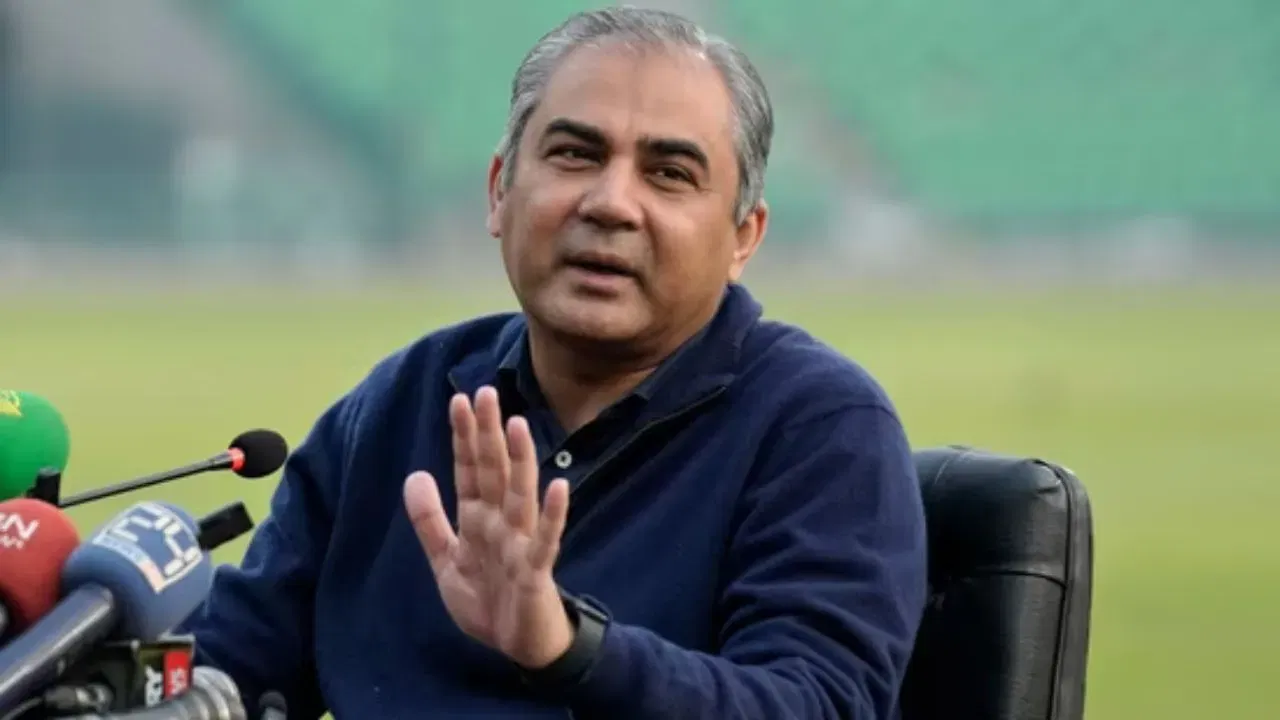
Shubman Gill blocked from India’s T20 Captaincy, Suryakumar Yadav to continue
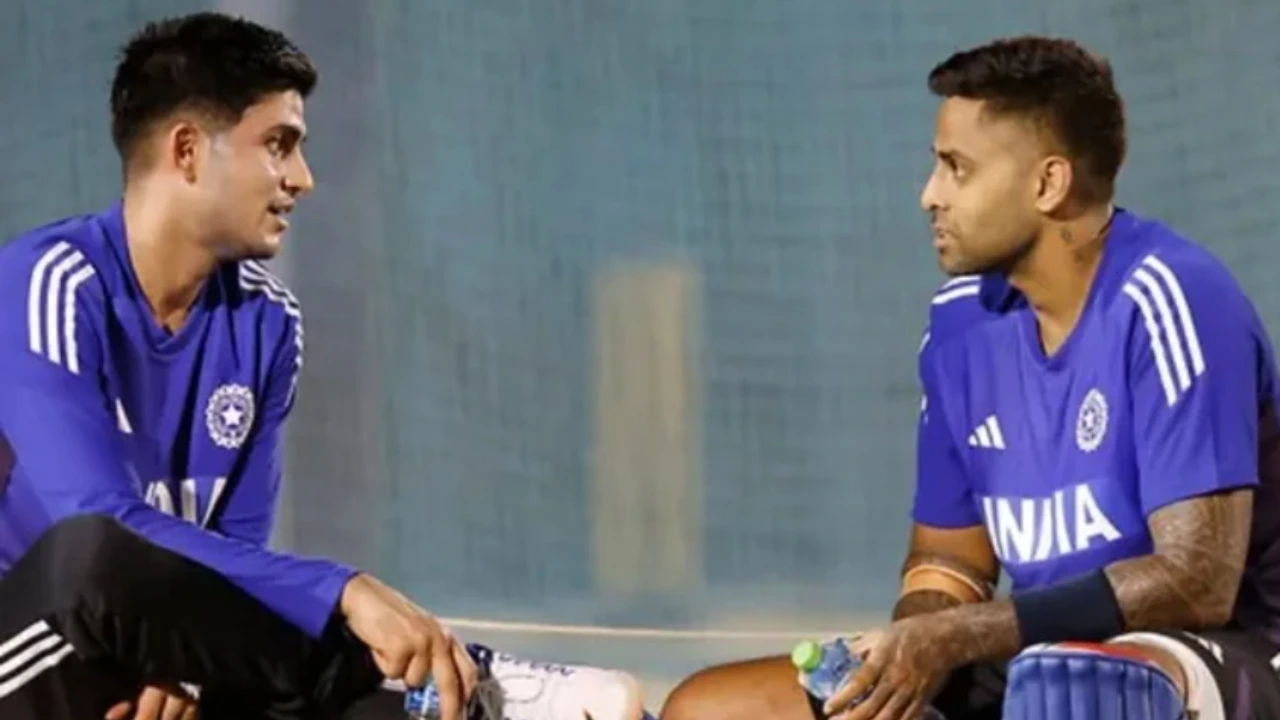
Wasim Jaffer Raises Concern Over Suryakumar Yadav’s Form Ahead of Asia Cup 2025
Former Indian cricketer and commentator Wasim Jaffer recently shared his views on India’s T20I team as they gear up for the Asia Cup 2025. Of particular focus were the performances of captain Suryakumar Yadav and vice-captain Shubman Gill. Jaffer expressed his thoughts on Yadav’s form and leadership role within the team.
Suryakumar Yadav’s Performance Analysis
Since taking on the role of India’s T20I captain, Suryakumar Yadav has faced scrutiny for his batting performances. Jaffer highlighted that Yadav has scored only 558 runs in 22 T20Is, falling short of expectations for a player of his caliber. The recent series against England raised concerns as Yadav struggled, managing only 28 runs with a disappointing average of 5.60 and two ducks.
Jaffer pointed out that Yadav seemed to rely heavily on his leg-side game, neglecting scoring opportunities on the offside. The former cricketer emphasized the importance of Yadav diversifying his shots and improving his shot selection to lead the team effectively.
Hopes for Improvement in Asia Cup 2025
Despite his struggles, Jaffer remains hopeful that Yadav will address his inconsistencies and deliver strong performances in the upcoming Asia Cup 2025. The commentator acknowledged Yadav’s improved form in the IPL 2025 season, where he showcased a more well-rounded batting approach. Jaffer expressed confidence in Yadav’s abilities and urged him to continue performing across all areas of the field.
Shubman Gill’s Role as Vice-Captain
Shubman Gill’s appointment as vice-captain has sparked discussions about his leadership potential within the Indian team. Gill, known for his composed batting and strong performances in Tests, has earned the selectors’ trust with his consistent displays on the field. Jaffer clarified that Gill’s role as vice-captain is not intended to put pressure on Yadav but rather signifies the selectors’ vision for developing future leaders within the team.
Jaffer highlighted the selectors’ strategic approach in managing players like Jasprit Bumrah and Hardik Pandya, emphasizing the importance of grooming leaders for the long term. He emphasized that having Gill as vice-captain reflects the team’s depth and planning for various scenarios on the field.
Predictions for the Future
While Jaffer remains optimistic about Yadav’s potential, former England spinner Monty Panesar suggested that the Indian selectors might consider handing the white-ball captaincy to Gill if Yadav fails to perform or secure victory in the Asia Cup 2025. Panesar also predicted that Gill could eventually become India’s all-format captain post the retirement of Rohit Sharma.
In conclusion, as India prepares for the Asia Cup 2025, the performances of Yadav and Gill will be closely monitored, with fans and experts eager to see how the dynamic between the two leaders shapes the team’s future.
Analysis of Suryakumar Yadav’s Batting Technique
Delving deeper into Suryakumar Yadav’s batting technique, it is evident that his struggles in the recent series against England were partly due to his susceptibility to the short ball. Bowlers exploited this weakness, causing Yadav to fall into a pattern of dismissals. Jaffer stressed the importance of Yadav working on this aspect of his game to avoid predictability and enhance his adaptability in high-pressure situations.
Moreover, Yadav’s shot selection under pressure has been a point of concern, with instances of him playing rash shots leading to his downfall. To succeed as a captain, Yadav must exhibit better decision-making skills under duress, showcasing maturity and composure in crucial moments. By honing his temperament and refining his shot selection, Yadav can elevate his batting to match his leadership responsibilities.
Strategic Considerations for the Asia Cup 2025
As India prepares for the Asia Cup 2025, strategic planning and tactical acumen will play a pivotal role in determining the team’s success. Jaffer emphasized the need for the coaching staff and senior players to provide support and guidance to Yadav and Gill, fostering a cohesive and unified team environment. Building team chemistry and ensuring clear communication channels will be essential in maximizing the potential of the squad.
Furthermore, the selectors’ foresight in grooming future leaders like Shubman Gill reflects a proactive approach towards succession planning. By identifying and nurturing talent early on, India can ensure a seamless transition of leadership roles, securing the team’s stability in the long term. Gill’s appointment as vice-captain underscores the selectors’ confidence in his leadership abilities and highlights their commitment to building a robust leadership pipeline.
Prospects for Team India’s Leadership Structure
Looking ahead, the evolving dynamics of leadership within Team India present intriguing possibilities for the future. Should Suryakumar Yadav continue to face challenges as captain, the selectors may indeed consider alternate leadership options, with Shubman Gill emerging as a strong contender. Gill’s maturity, tactical acumen, and consistent performances make him a promising candidate for assuming a greater leadership role within the team.
Moreover, the transition towards appointing Gill as India’s all-format captain post Rohit Sharma’s retirement signifies a strategic shift towards grooming young leaders to steer the team forward. This strategic foresight bodes well for Team India’s long-term prospects, ensuring continuity and stability in leadership transitions.
Final Thoughts on India’s Path Forward
As India navigates the challenges and opportunities presented by the Asia Cup 2025, the performances of Suryakumar Yadav and Shubman Gill will be under intense scrutiny. Their ability to lead by example, adapt to changing game situations, and inspire their teammates will be critical in shaping India’s success on the international stage.
Ultimately, the synergy between Yadav and Gill, supported by the strategic vision of the selectors and coaching staff, will determine Team India’s trajectory in the competitive landscape of world cricket. With a blend of experience, talent, and strategic planning, India has the potential to establish itself as a dominant force in global cricket, setting the stage for a new era of success and achievement.
Latest News
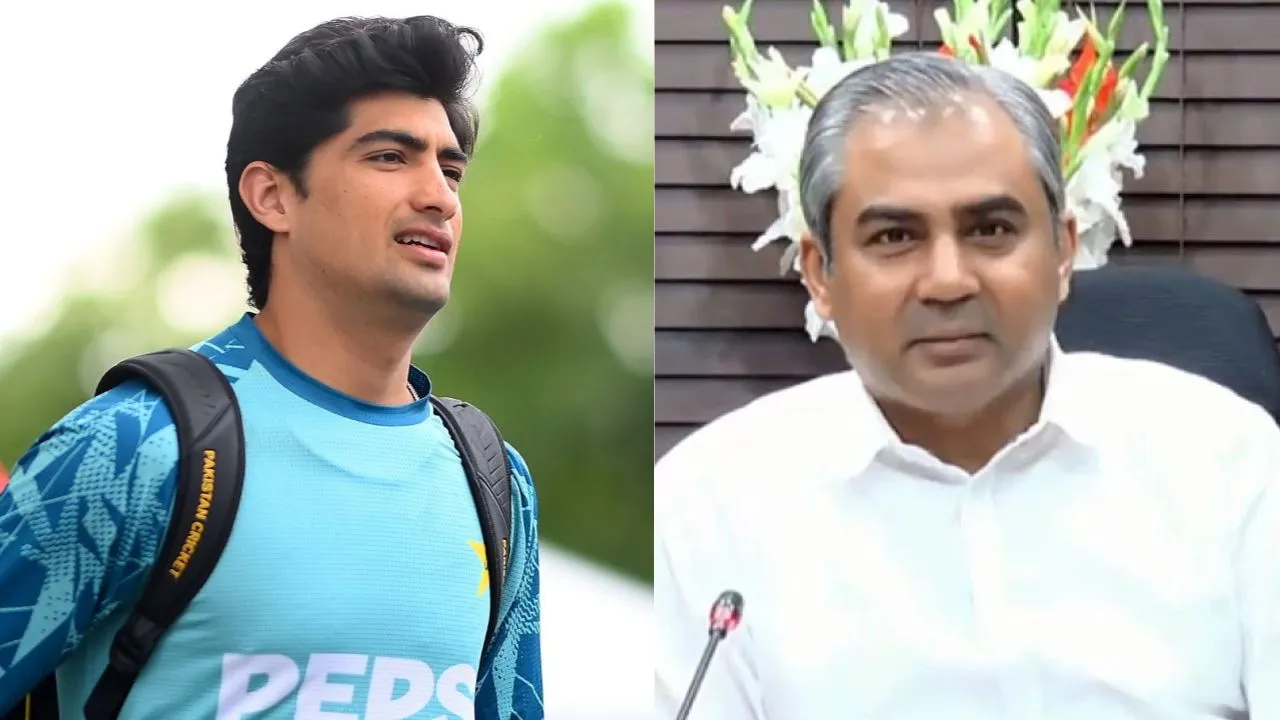
Mohsin Naqvi enforces new social media rules for Pakistan players following Naseem Shah incident
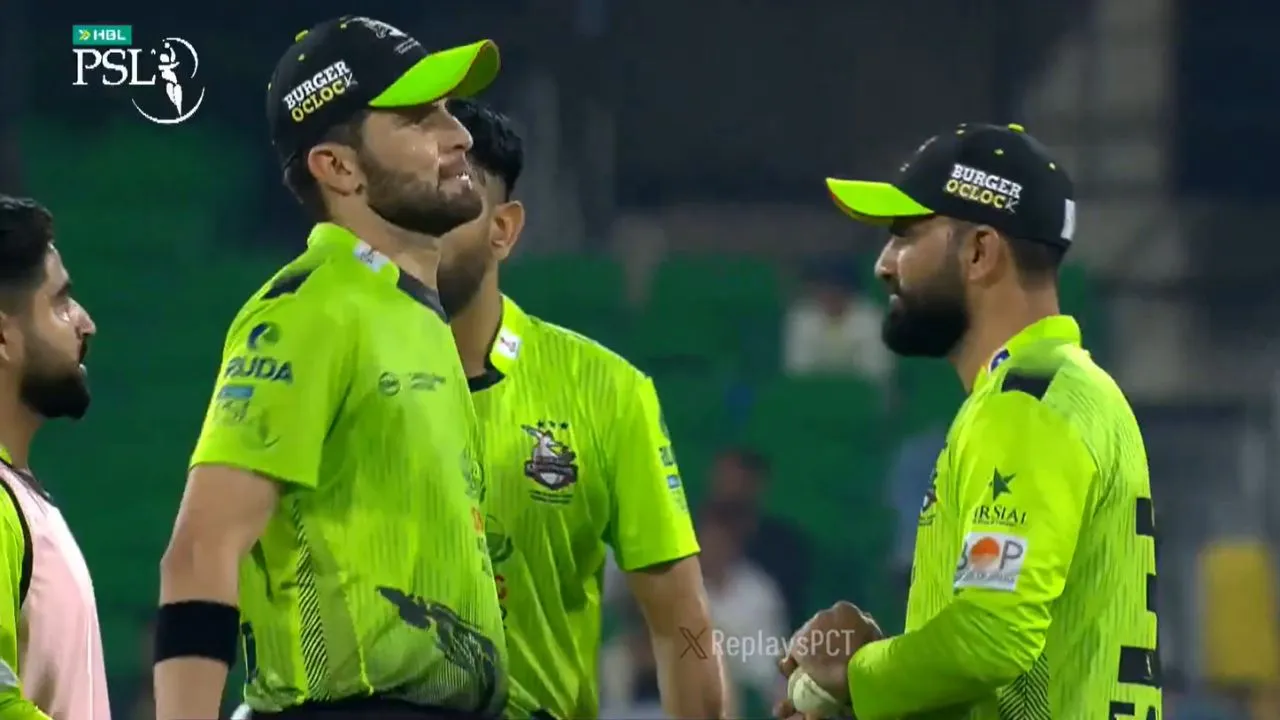
Fakhar Zaman officially handed cricket ban after PSL 2026 ball-tampering controversy
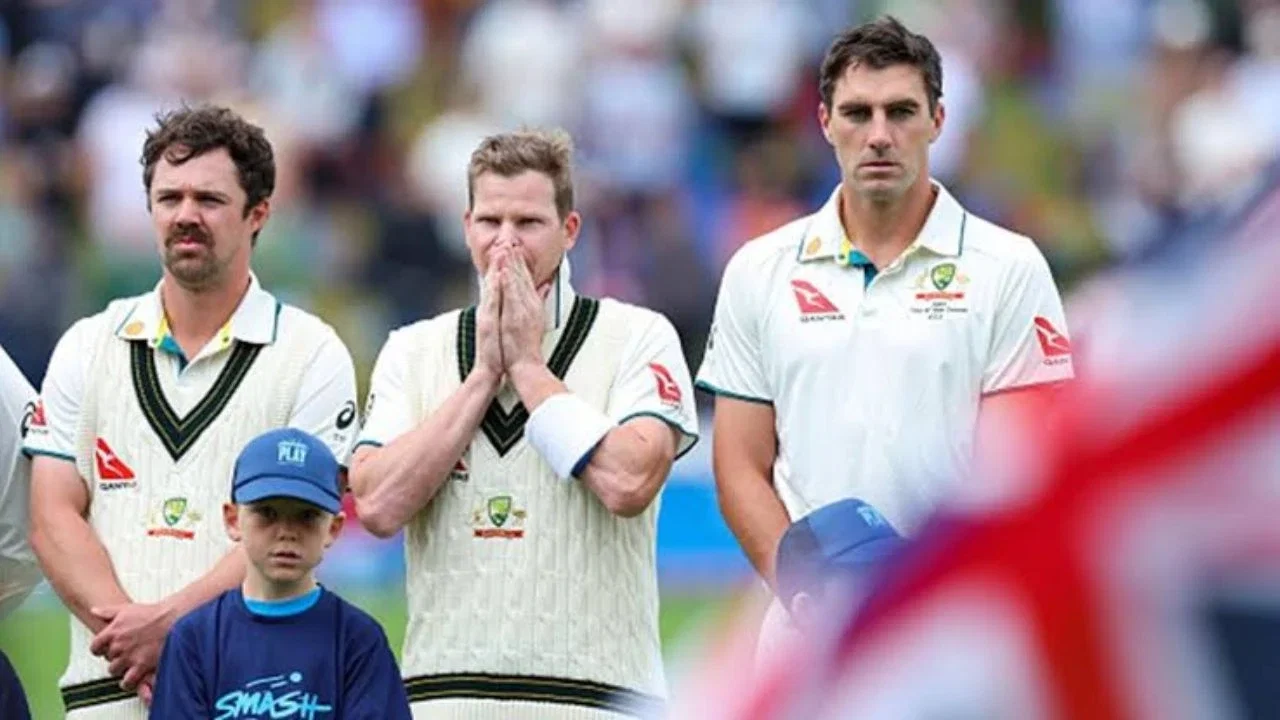
Pat Cummins forces Cricket Australia to slash central contracts list to secure premium deal
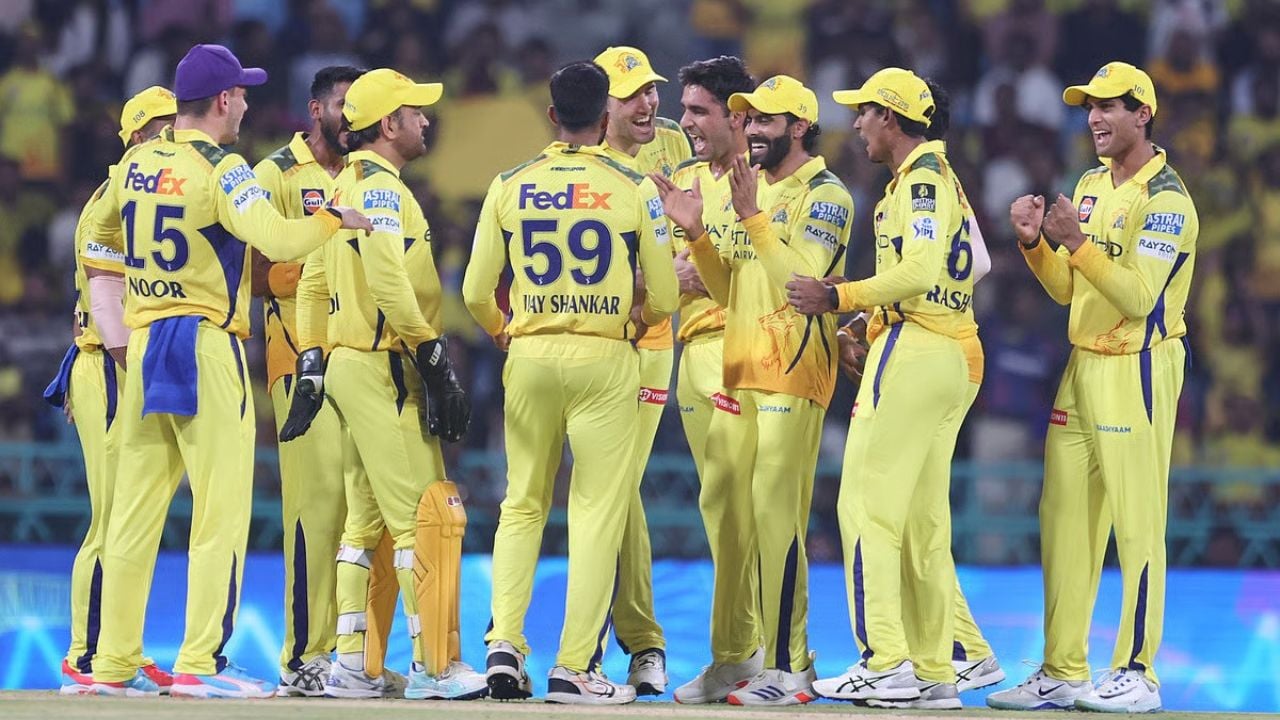
CSK’s big promise to players revealed amid IPL 2026: “Whatever BCCI offers, we’ll double it”
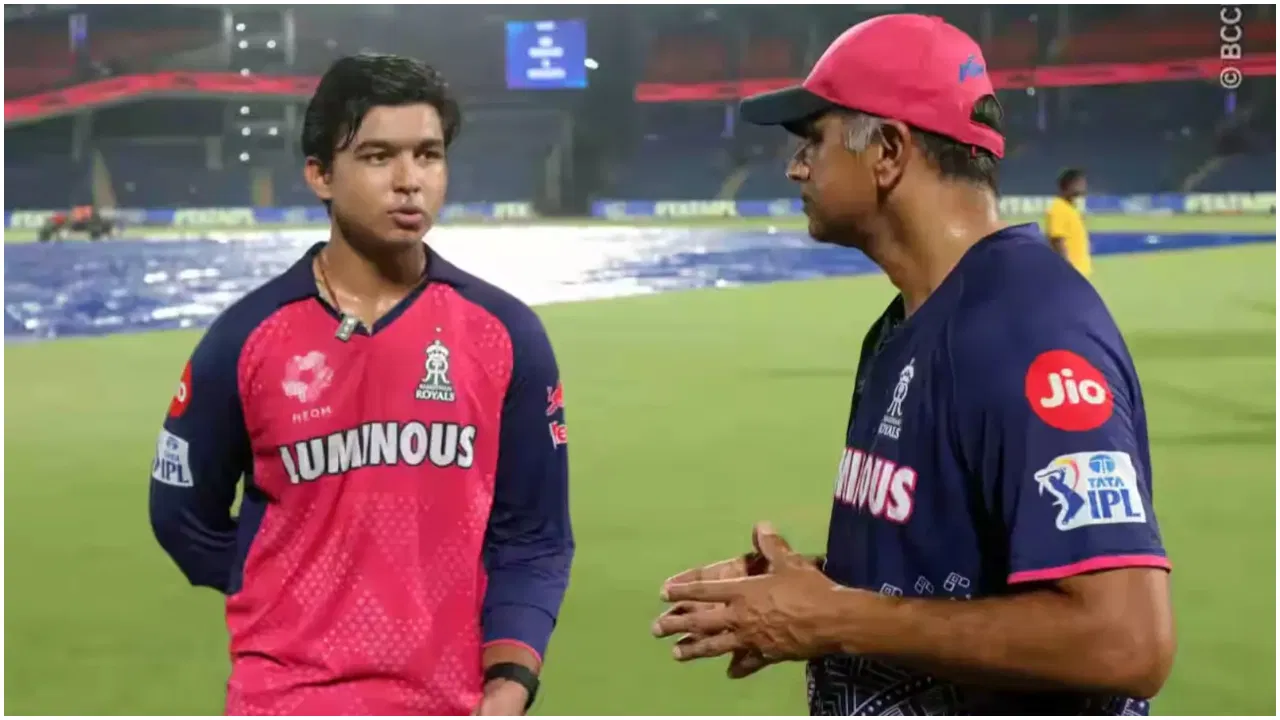
Ravichandran Ashwin rules out Vaibhav Sooryavanshi’s India call-up
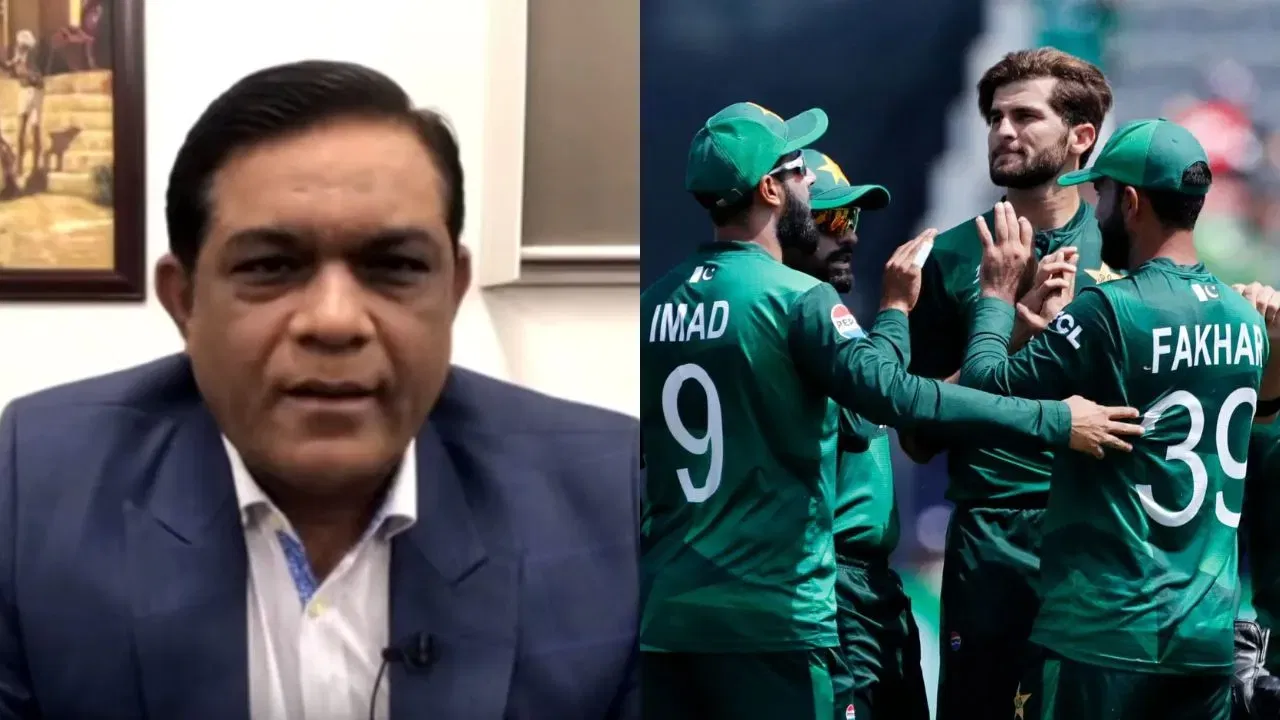
Rashid Latif claims PSL ball-tampering row was deliberately created for attention amid IPL rivalry
Mohammed Shami breaks silence on retirement buzz after India snub; has special message for LSG
Mohammed Shami reveals IPL 2026 Top 4, leaves out five-time champions
Mohammed Shami hits back at Ravichandran Ashwin over LSG’s poor IPL 2026 prediction
Riyan Parag mocked Sanju Samson? Batter’s muscle-flex celebration after sensational 6 vs CSK goes viral
IPL 2026 hit by tragedy! British broadcast engineer dies in Mumbai hotel room
Brad Haddin reveals reality of Shreyas Iyer as captain
Jos Buttler set to dominate IPL 2026, thanks to Ashish Nehra
Ravindra Jadeja says he had no conversation with MS Dhoni after RR move