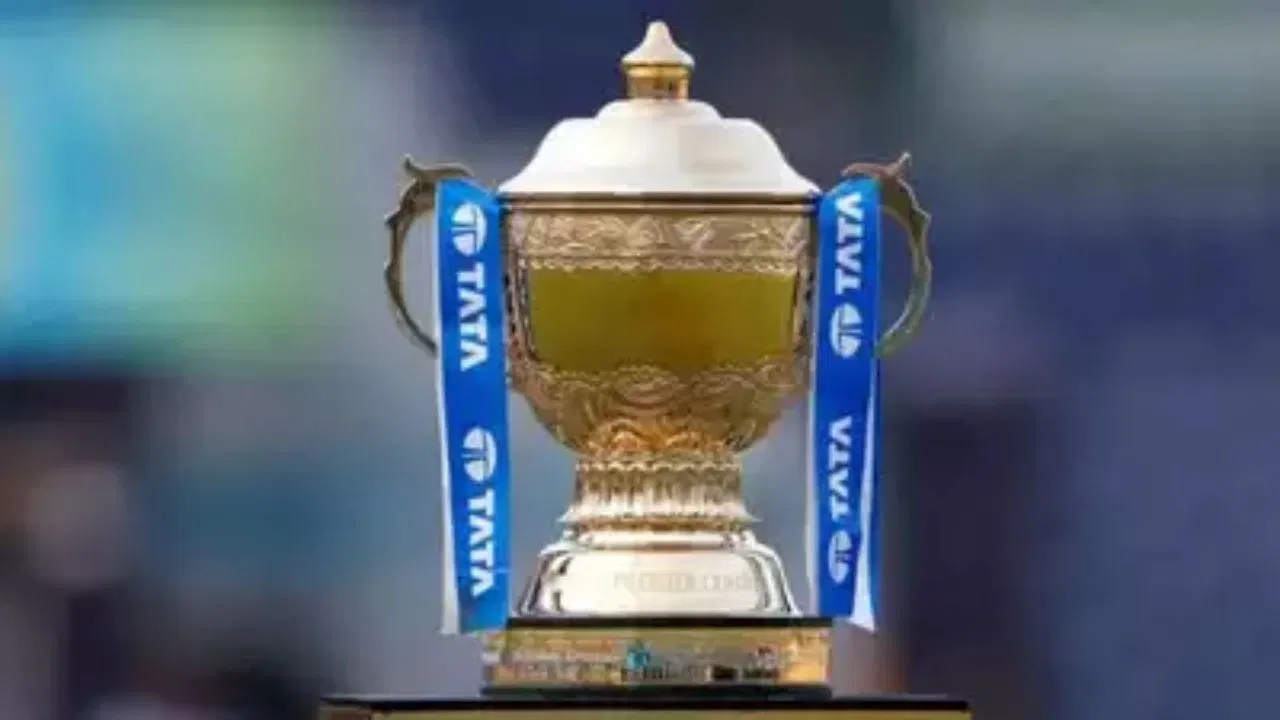
‘Shubman Gill didn’t want ODI captaincy’: Ex-India star drops bombshell on Rohit Sharma’s sacking
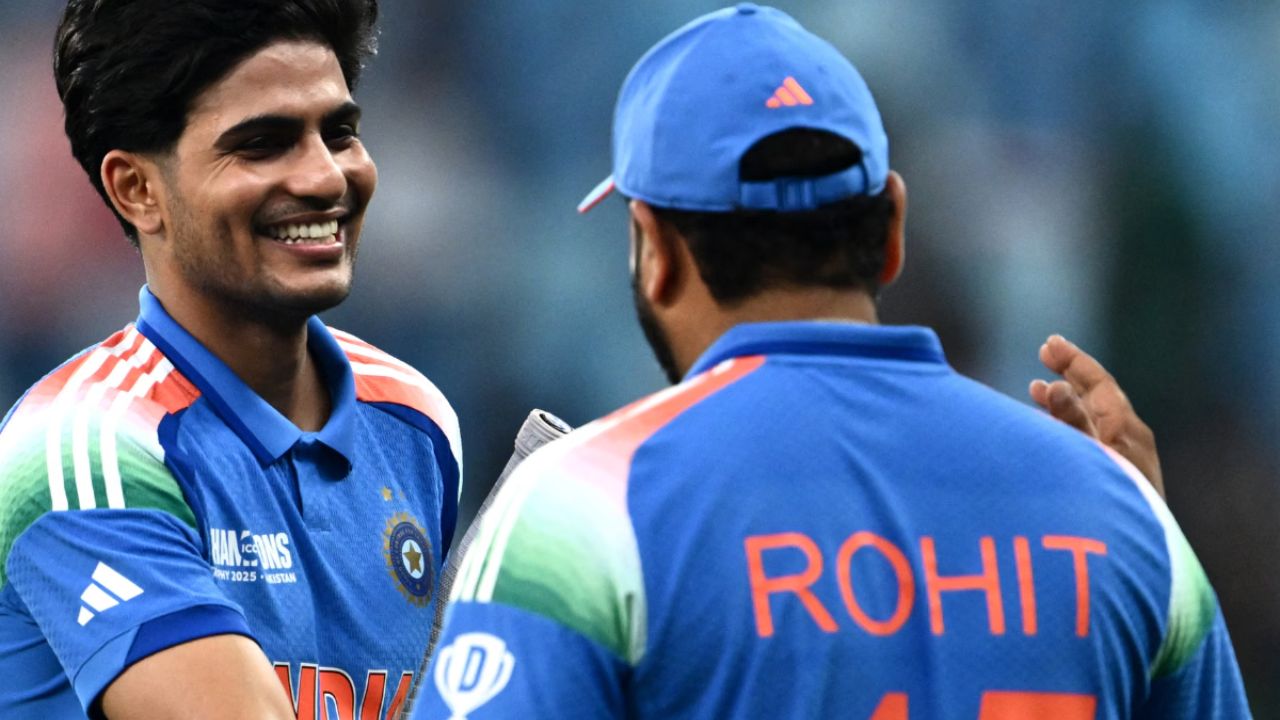
Mohammad Kaif Criticizes India’s Decision to Remove Rohit Sharma as ODI Captain
Mohammad Kaif, a former Indian cricketer, recently voiced his concerns about the unexpected change in India’s ODI leadership. Kaif openly criticized the decision to remove Rohit Sharma as captain and suggested that the Indian chief selector, Ajit Agarkar, may have pressured Shubman Gill into taking on the role earlier than expected.
Questioning Rohit Sharma’s Removal
Kaif expressed regret that Rohit Sharma was denied a longer stint as ODI captain despite his exceptional performance as a batter in the format. He believed that Rohit had all the necessary qualities – experience, fitness, and skill – to effectively lead the team to success, including the upcoming ICC World Cup 2027. Kaif emphasized that removing Rohit from the captaincy not only diminished his contributions to Indian cricket but also created unnecessary instability within the team.
In a video on his YouTube channel, Kaif stated, “What wrong has Rohit Sharma done? It’s very unfortunate that we didn’t get a long captaincy run from Rohit—not even four years. A great batter, an outstanding leader, and as captain, he could have had an even more impressive record. When you snatch captaincy, I feel a player loses his right hand.”
Concerns Over Shubman Gill’s Workload
Besides criticizing the decision to remove Rohit as captain, Kaif also raised concerns about Shubman Gill’s heavy workload across different formats. He highlighted that Gill is currently leading India in Tests, serving as the T20I vice-captain, and now faces the added pressure of captaining the ODI side. Kaif cautioned that overburdening Gill could affect his performance and put unnecessary stress on the young player.
Expressing his worries, Kaif said, “However, the load falls on Gill. He’s getting all of it in a hurry. It could also backfire. When you get so much responsibility in such a short time, it could affect performance. Everyone knows he didn’t want it. You can’t demand it, but everyone seems to like him a lot and considers him a captain for the future. The selectors, including Ajit Agarkar, have pressured him.”
Upcoming ODI Series and the New Captain
Despite the controversy surrounding the captaincy change, Shubman Gill is set to make his ODI captaincy debut during the upcoming Australia tour. This means that both Rohit Sharma and Virat Kohli will now play under the leadership of the young skipper. The tour is scheduled to begin on October 19 in Australia and will feature three ODIs and three T20Is.
Overall, Mohammad Kaif’s comments have sparked a debate within the Indian cricketing community, with fans and experts alike questioning the timing and implications of the sudden captaincy change. The upcoming series will undoubtedly be closely watched to see how Shubman Gill performs in his new role and how the team adjusts to the leadership transition.
Analysis of India’s Decision to Remove Rohit Sharma as ODI Captain
While Mohammad Kaif’s criticism of India’s decision to remove Rohit Sharma as ODI captain has stirred up debate, it also sheds light on the challenges faced by the Indian cricket team in managing leadership transitions. The abrupt change in captaincy raises questions about the selectors’ decision-making process and the impact it may have on team dynamics and performance.
One key aspect to consider is the timing of the captaincy change. With the ICC World Cup 2027 on the horizon, the decision to replace Rohit Sharma with Shubman Gill raises concerns about stability and continuity in leadership. As Kaif rightly pointed out, Rohit Sharma’s experience, skills, and leadership qualities could have been instrumental in guiding the team to success in the upcoming tournament. The sudden shift in leadership without giving Rohit a longer stint as captain may disrupt the team’s momentum and cohesion.
Additionally, the burden placed on Shubman Gill to lead the ODI side while already shouldering responsibilities in Tests and T20Is raises concerns about player workload management. As a young player with immense potential, overburdening Gill with captaincy duties across formats could impact his performance and overall well-being. It is crucial for the selectors to consider the long-term development and welfare of players when making such decisions.
Implications for Team Dynamics and Performance
The controversy surrounding Rohit Sharma’s removal as ODI captain and Shubman Gill’s sudden elevation to the role also raises questions about how the team will adapt to the leadership transition. Team dynamics play a crucial role in the success of any cricket team, and a change in captaincy can impact player morale, decision-making processes, and overall team chemistry.
As Shubman Gill takes on the captaincy for the upcoming Australia tour, all eyes will be on how he manages the team and navigates the challenges of leading a side comprising experienced players like Rohit Sharma and Virat Kohli. The tour will serve as a litmus test for Gill’s leadership abilities and his capacity to inspire and unite the team towards a common goal.
Looking Ahead: The Future of Indian Cricket Leadership
With the ODI captaincy now in the hands of Shubman Gill, the Indian cricket team is entering a new era of leadership. The selectors, led by Ajit Agarkar, must carefully consider the implications of their decisions on the team’s future success and the development of young talent like Gill.
As fans and experts eagerly await the outcomes of the upcoming series against Australia, the performance of the team under Gill’s captaincy will provide valuable insights into the direction of Indian cricket leadership. The selectors will need to closely monitor the team dynamics, player performances, and overall impact of the leadership change to ensure a smooth transition and sustained success in the long run.
In conclusion, Mohammad Kaif’s criticism of India’s decision to remove Rohit Sharma as ODI captain highlights the complexities and challenges of managing leadership transitions in cricket. The upcoming series against Australia will serve as a test for Shubman Gill and the Indian team as they navigate this period of change and adjustment.
Latest News
LSG vs DC Match No. 5 Preview: Free Live Streaming, Pitch & Weather Report, Head-to-Head | IPL 2026
LSG vs DC Match Prediction – Who Will Win Match No.5? | IPL 2026
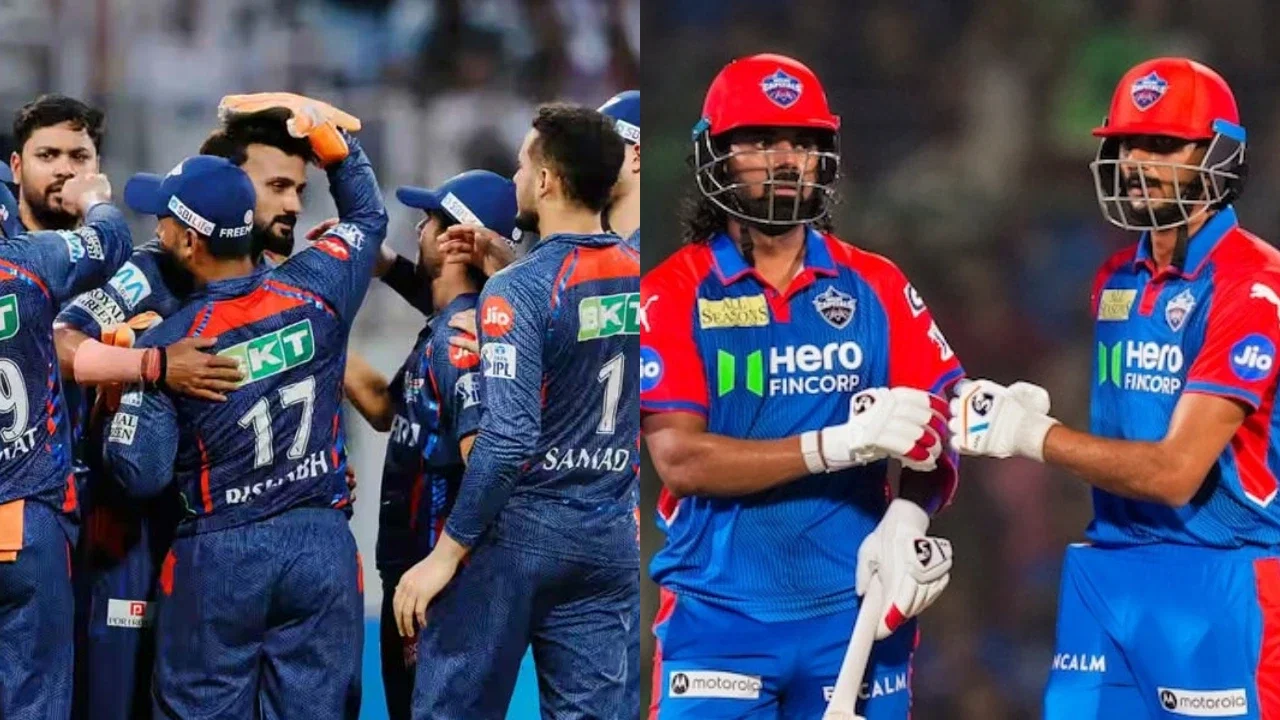
LSG Playing XI vs DC Playing XI – Match No. 5 | IPL 2026
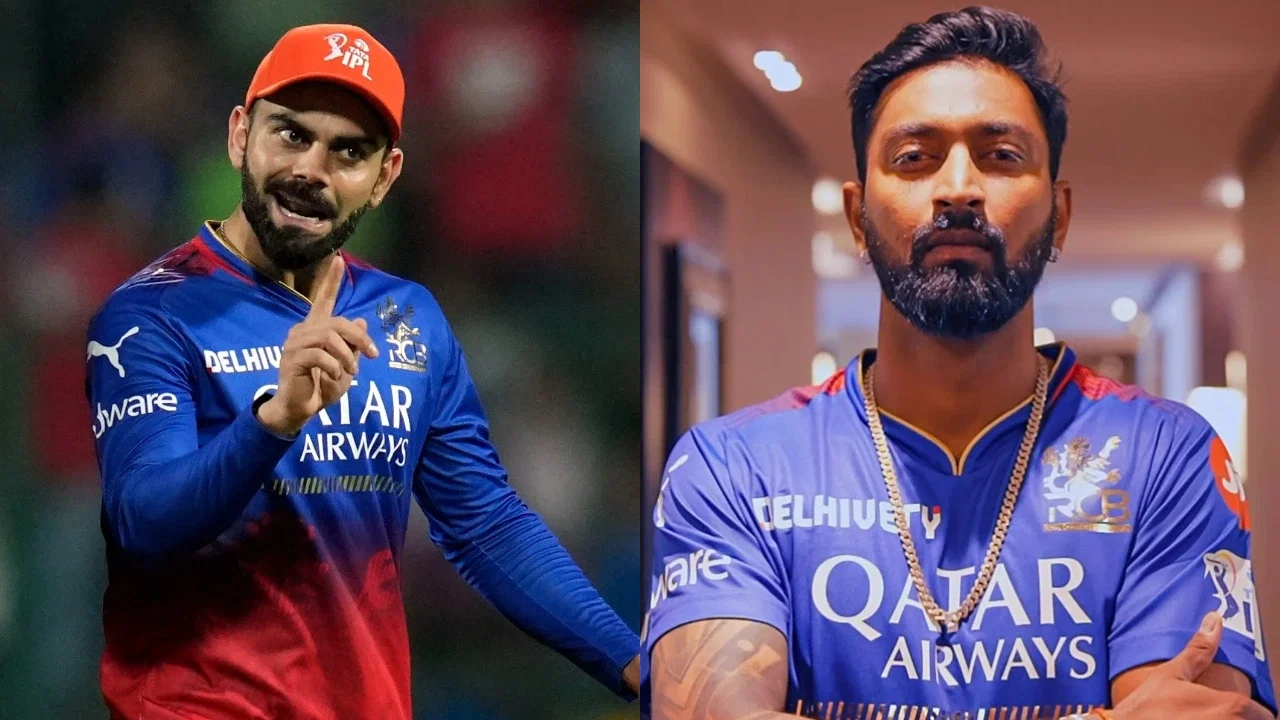
Krunal Pandya breaks silence on India snub, opens up on Virat Kohli
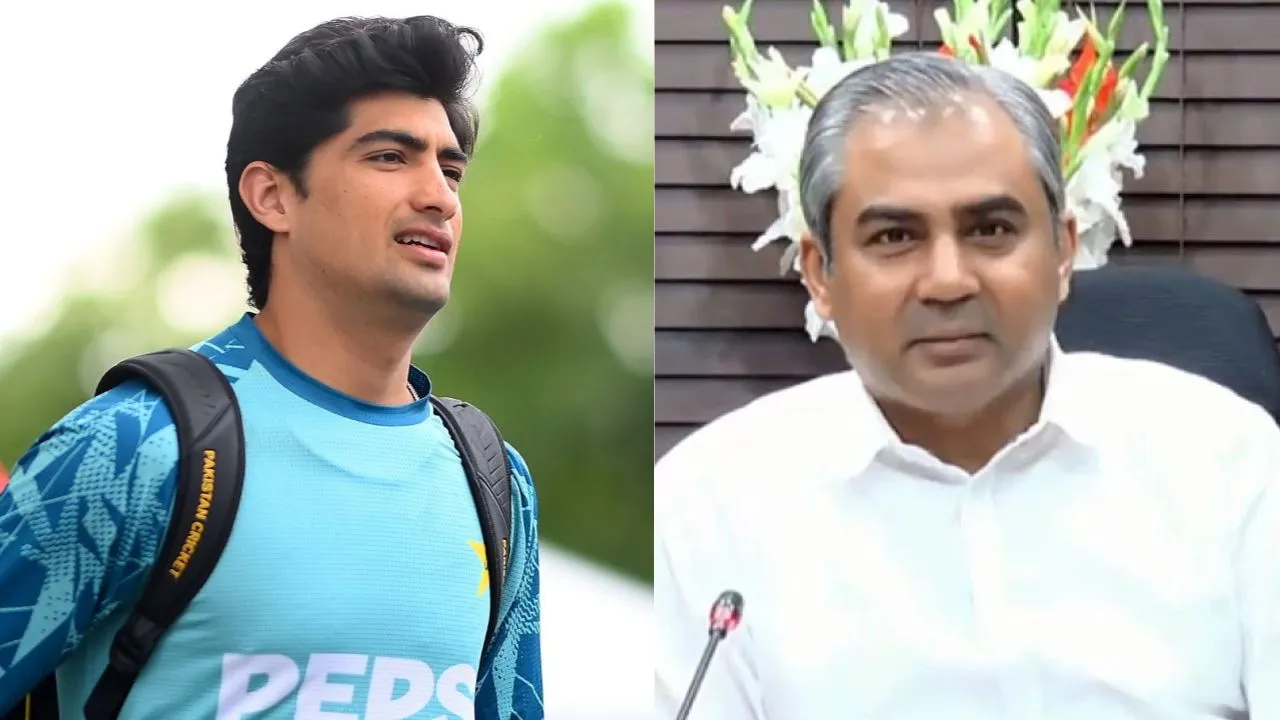
Mohsin Naqvi enforces new social media rules for Pakistan players following Naseem Shah incident
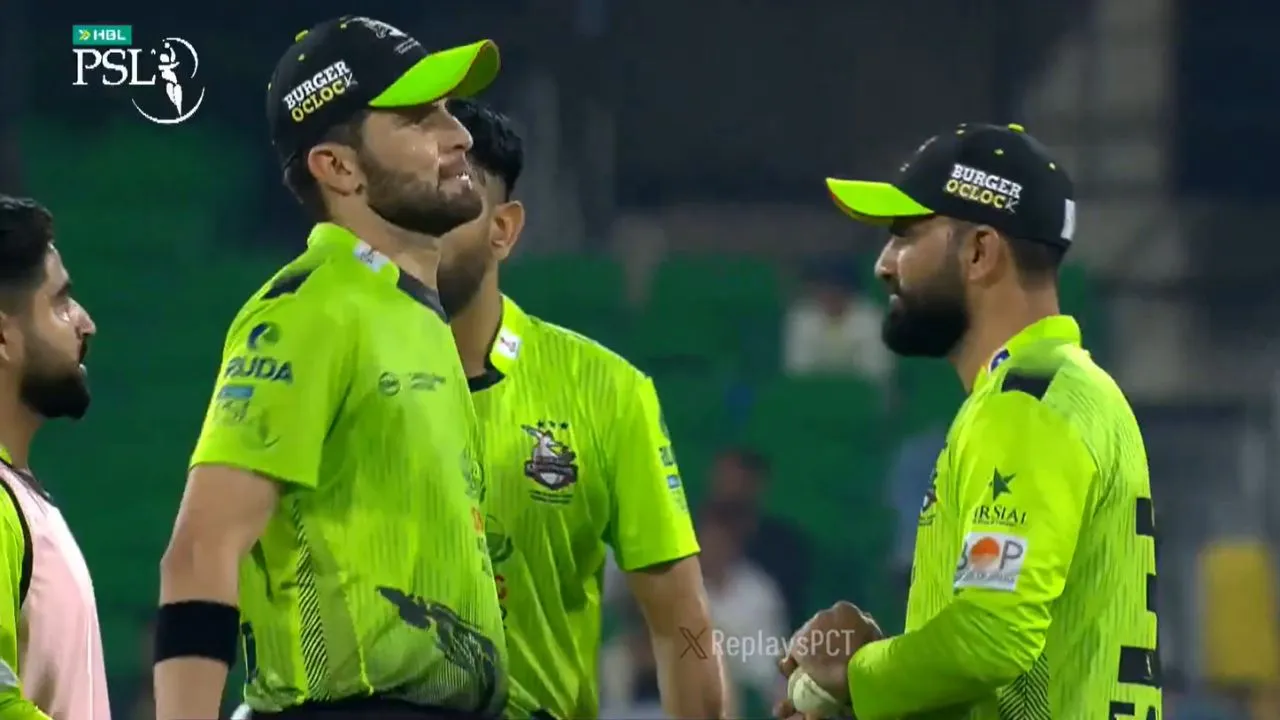
Fakhar Zaman officially handed cricket ban after PSL 2026 ball-tampering controversy
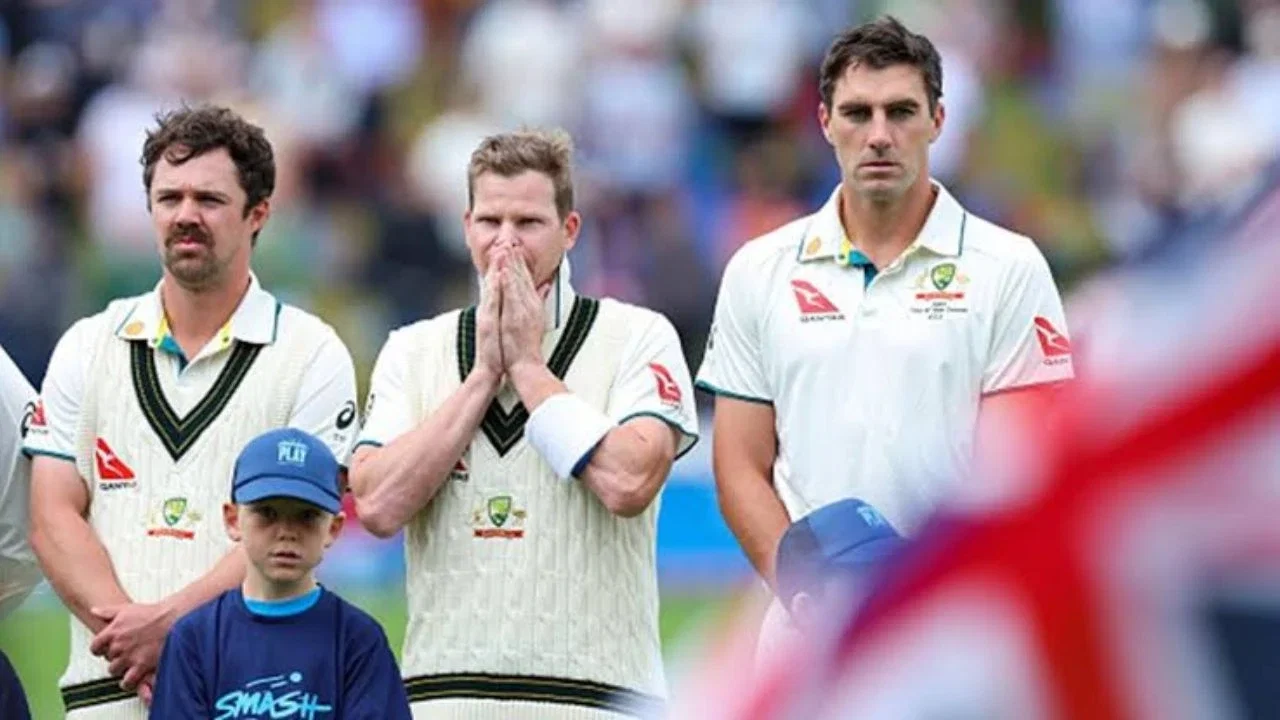
Pat Cummins forces Cricket Australia to slash central contracts list to secure premium deal
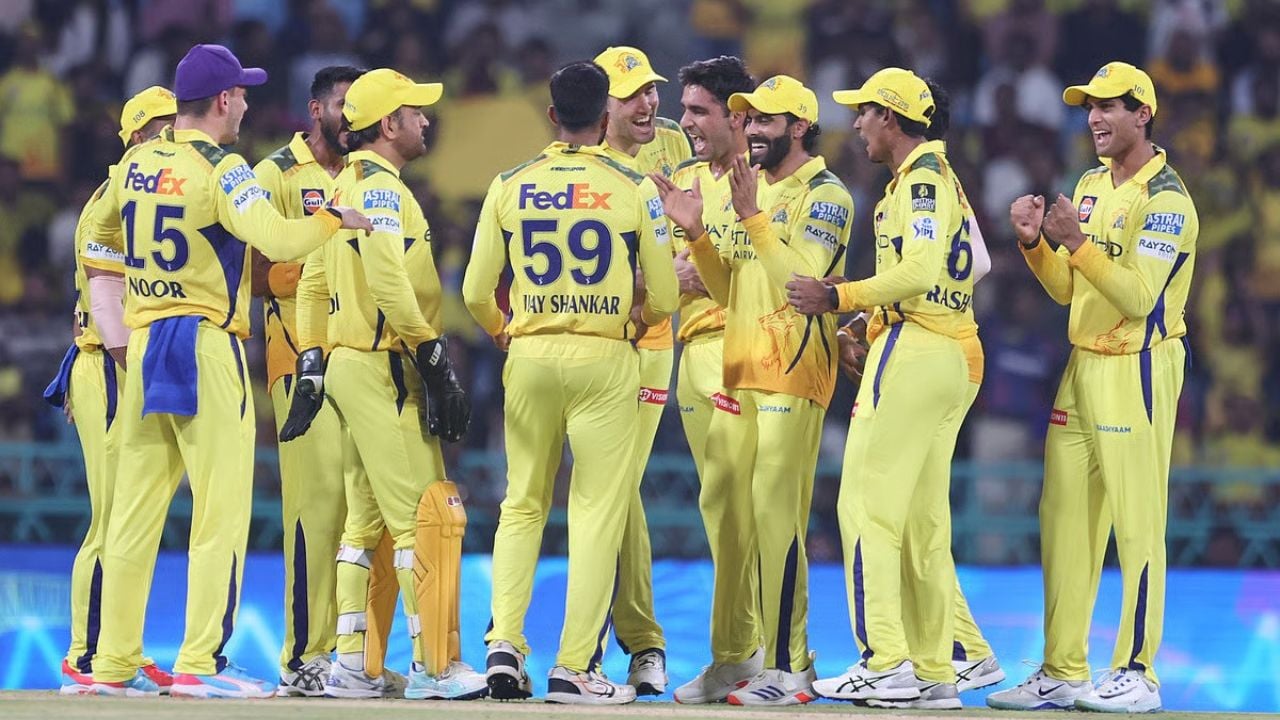
CSK’s big promise to players revealed amid IPL 2026: “Whatever BCCI offers, we’ll double it”
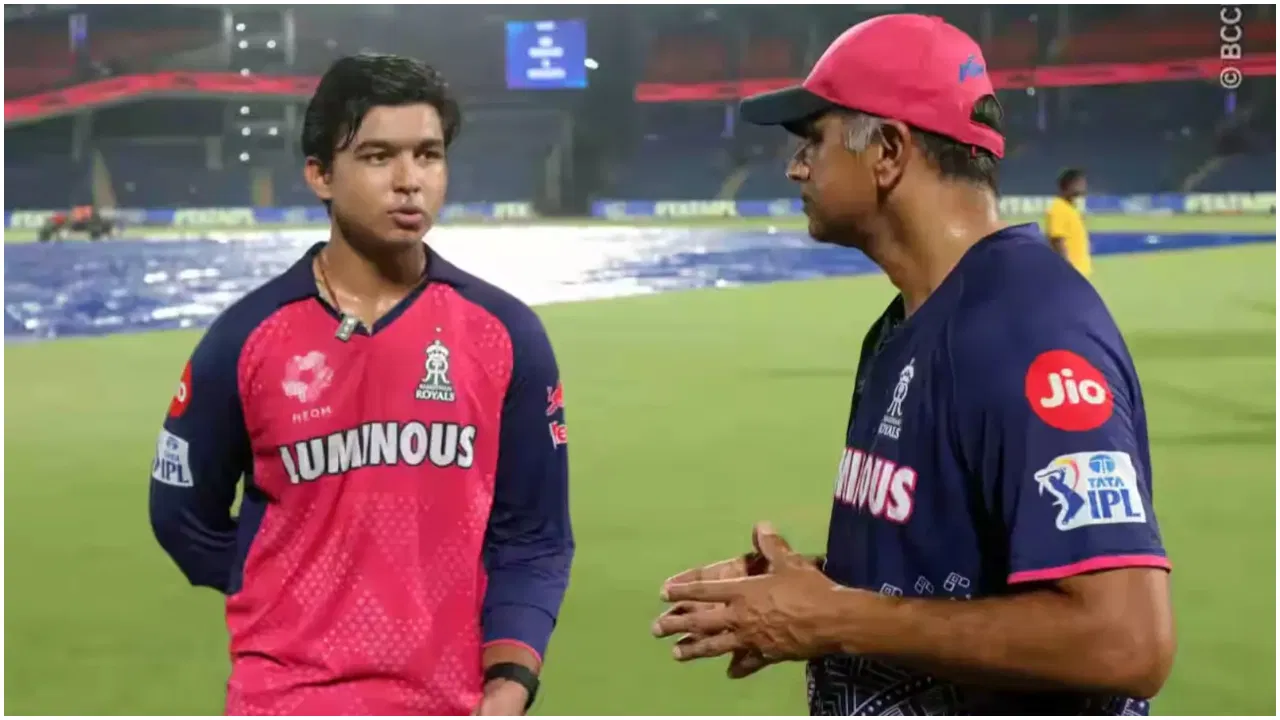
Ravichandran Ashwin rules out Vaibhav Sooryavanshi’s India call-up
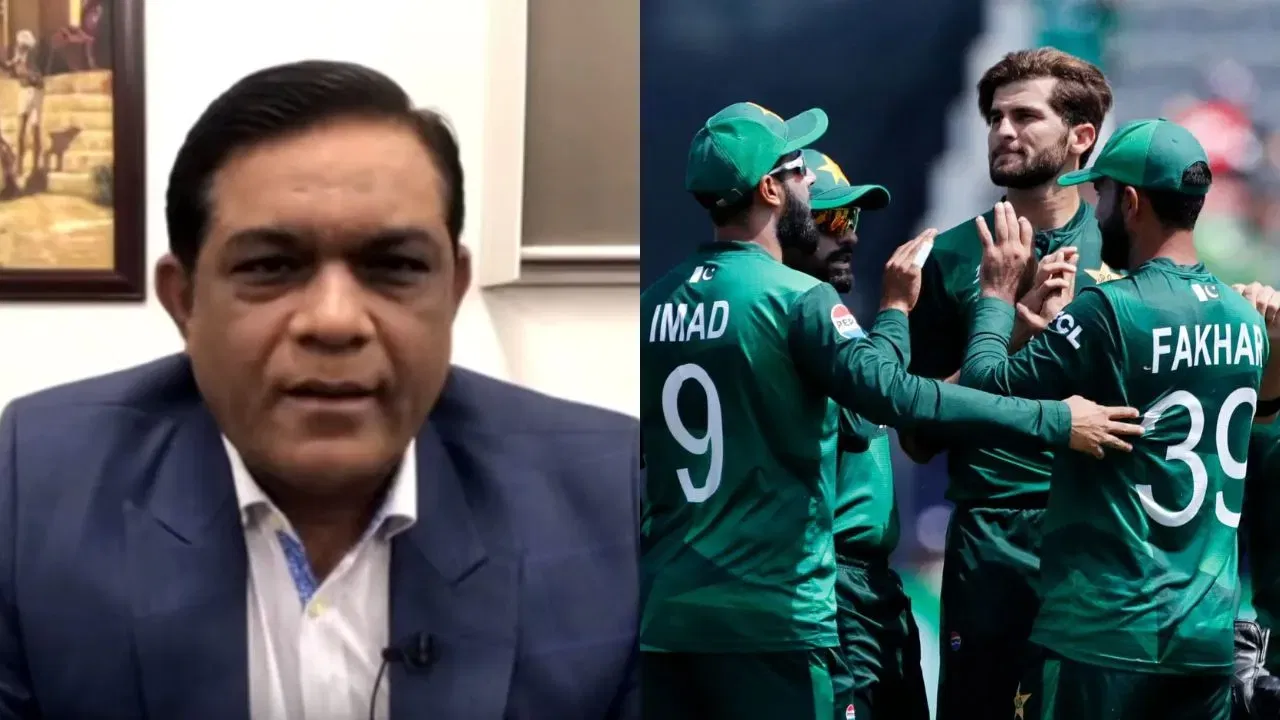
Rashid Latif claims PSL ball-tampering row was deliberately created for attention amid IPL rivalry
Mohammed Shami breaks silence on retirement buzz after India snub; has special message for LSG
Mohammed Shami reveals IPL 2026 Top 4, leaves out five-time champions
Mohammed Shami hits back at Ravichandran Ashwin over LSG’s poor IPL 2026 prediction
Riyan Parag mocked Sanju Samson? Batter’s muscle-flex celebration after sensational 6 vs CSK goes viral