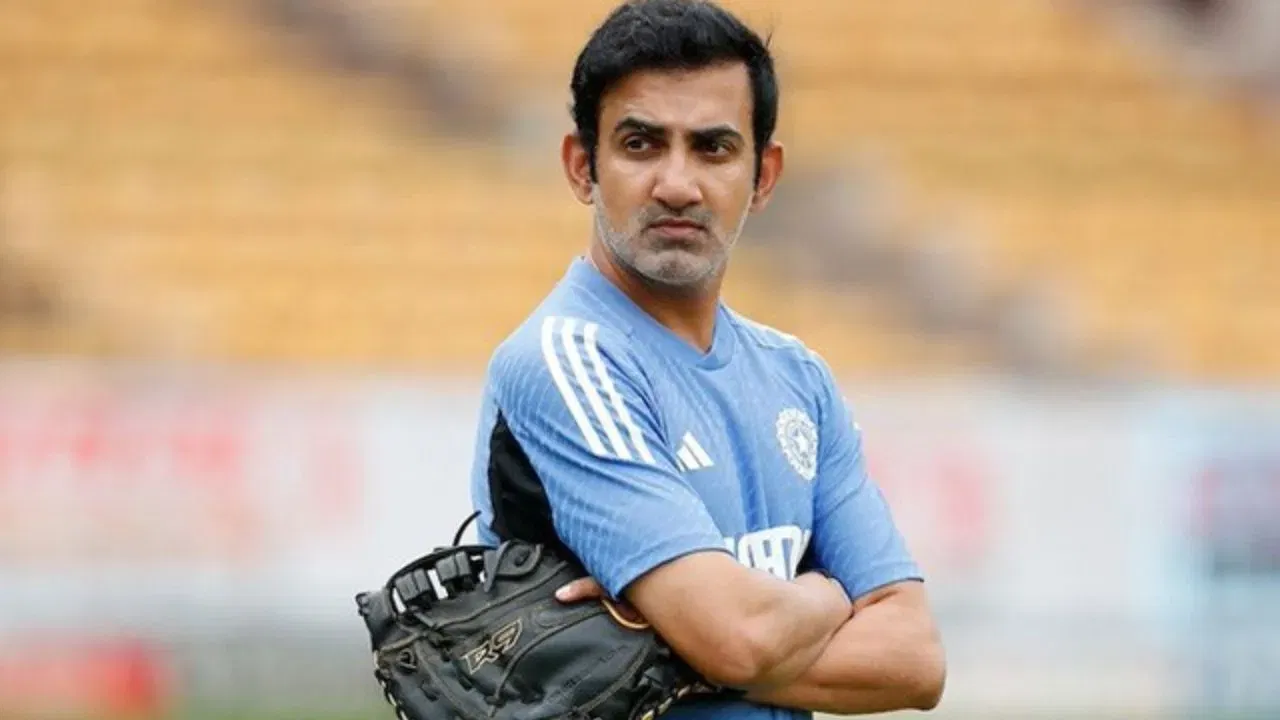
Shubman Gill punished for Umpire fight over Dukes ball
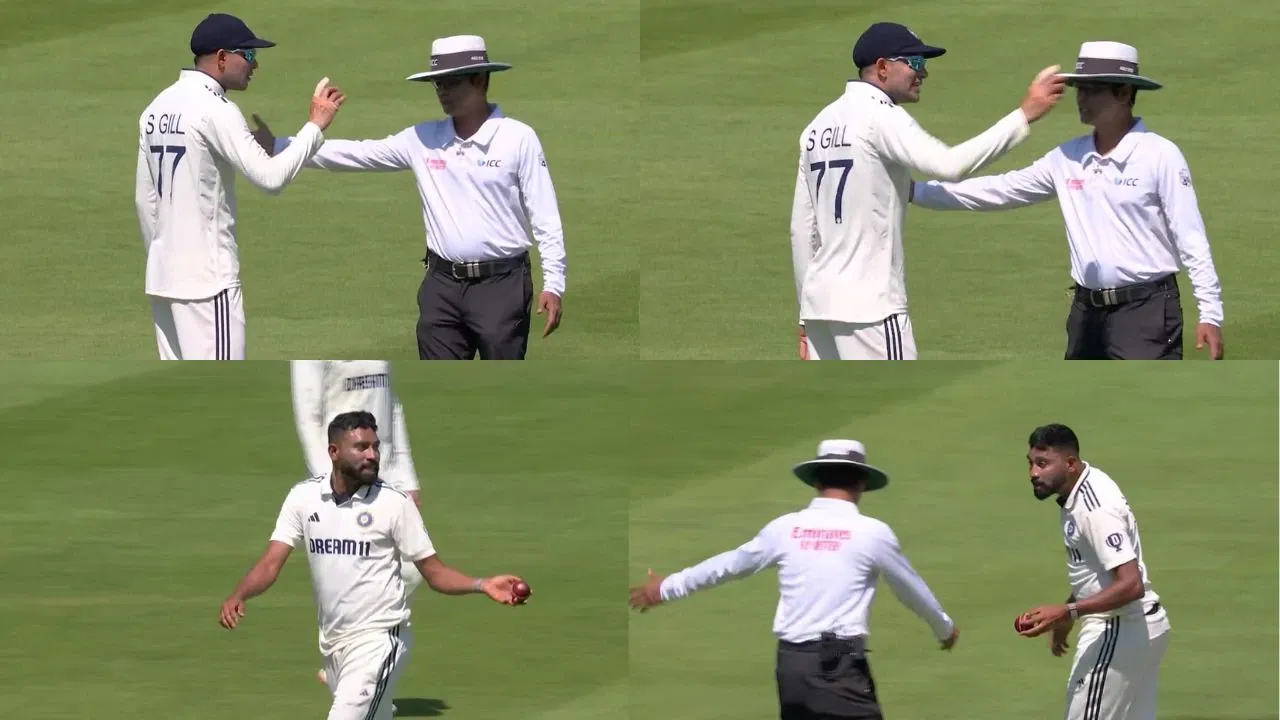
Former England Captain Nasser Hussain Criticizes India’s Ball Change Decision
Former England captain Nasser Hussain has expressed his disapproval of Indian skipper Shubman Gill’s decision to change the ball on Day 2 of the third Test match at Lord’s on Friday, July 11. Hussain labeled India’s request for a ball change as “one of the most bizarre decisions” and criticized the move during the final session on Day 1 after 80.1 overs.
Hussain’s Take on the Ball Change
During the match, Hussain observed that the second new ball was performing exceptionally well, showcasing movement and causing trouble for the batsmen. He highlighted that the ball was behaving better than at any other point in the game and was surprised by the decision to replace it.
“The ball was doing everything this morning. The ball they had for 63 deliveries was zipping around corners. Bumrah was going through a magic spell, Siraj at the other end was having catches dropped,” Hussain remarked during his commentary for Sky Sports.
He further added, “The ball was carried through to the wicketkeeper. It was doing everything. It was doing more than at any stage in the Test match. I cannot work out why you want to change a ball that was doing this much.”
Hussain’s Criticism of India’s Decision
Hussain continued to criticize India’s decision to change the ball after just 63 deliveries, emphasizing that Dukes balls can be unpredictable and that it is best to stick with a ball that is performing well. He pointed out that not only did India want the ball changed, but captain Shubman Gill also became animated when the umpires initially refused to do so.
“63 deliveries of the ball zipping around. Not only did they want it changed, but the captain (Shubman Gill) got really animated when they didn’t change it. I thought it was one of the most bizarre decisions,” Hussain expressed.
He concluded by saying, “You got a ball in your hand that is doing a lot. We all know these Dukes balls are variable. I thought it was a really odd thing for India to do, then to get really animated and now to say ‘the ball we got is no good’. Don’t change the good one.”
Day 2 Highlights
On the morning of Day 2, Jasprit Bumrah was in superb form with the second new ball, claiming three wickets in just 14 deliveries. However, concerns arose about the ball’s shape during the 91st over, leading to its replacement. Unfortunately, the new ball also lost shape after 48 deliveries, prompting another replacement.
By the end of Day 2, England had been dismissed for 387 in their first innings, with Bumrah securing a five-wicket haul. Meanwhile, Joe Root scored his eighth Test century at Lord’s. India ended the day at 145 for 3, with KL Rahul and Rishabh Pant at the crease.
In conclusion, Nasser Hussain’s criticism of India’s ball change decision adds an intriguing dimension to the ongoing Test match at Lord’s, sparking debates among cricket fans and experts alike.
Impact of Ball Changes in Cricket
Ball changes in cricket can have a significant impact on the game, influencing the performance of both bowlers and batsmen. A new ball can swing more, seam better, and have a harder surface, making it potentially more challenging for the batsmen to face. However, the decision to change a ball should be carefully considered, especially if the current ball is still in good condition and providing movement.
Former players like Nasser Hussain often have a keen eye for the nuances of the game, and their insights can shed light on strategic decisions made by teams during matches. In this case, Hussain’s criticism of India’s ball change decision highlights the importance of maximizing the advantages offered by a well-performing ball, especially in a crucial Test match like the one at Lord’s.
Strategic Considerations in Test Cricket
Test cricket is known for its tactical battles and strategic maneuvers, with captains and players constantly assessing conditions, field placements, and equipment choices to gain an edge over their opponents. The decision to change the ball is just one example of how teams must weigh the benefits of a new ball against the potential drawbacks of losing a well-performing one.
By questioning India’s choice to switch the ball, Hussain brings attention to the intricacies of decision-making in Test cricket and the impact such choices can have on the outcome of a match. It prompts viewers and analysts to consider the reasoning behind such moves and evaluate their effectiveness in the context of the game.
The Role of Umpires in Ball Management
In cricket, umpires play a crucial role in monitoring the condition of the ball and ensuring fair play between the teams. When a team requests a ball change, umpires must assess the situation and determine whether the replacement is warranted based on the rules and regulations of the game.
The incident at Lord’s involving the ball changes highlights the interactions between players, captains, and umpires during a match. It underscores the need for clear communication and mutual understanding to maintain the integrity of the game and uphold its standards of sportsmanship.
Conclusion
In conclusion, Nasser Hussain’s critique of India’s ball change decision offers valuable insights into the complexities of Test cricket and the strategic considerations that teams must make during a match. By questioning the rationale behind the move, Hussain sparks discussions and debates among fans and experts, enriching the overall viewing experience and deepening our appreciation for the nuances of the sport.
As the Test match at Lord’s continues to unfold, it will be interesting to see how the ball changes impact the outcomes for both teams and whether Hussain’s observations will influence future decisions made by captains and players in similar situations.
Latest News
Prithvi Shaw declares his mission to return to team India begins from IPL 2026
Irfan Pathan questions Arshdeep Singh’s bowling ahead of IPL 2026
“Mind is somewhere else”: Yuvraj’s Father exposes Abhishek Sharma’s indiscipline lifestyle

EX-RCB pacer joins KKR as replacement of Harshit Rana ahead of IPL 2026

“Win our first trophy”: Sanjiv Goenka crowns LSG as champions ahead of IPL 2026
New catching rule? Captains warned over ‘Incomplete’ catches ahead of IPL 2026
Pat Cummins in awe of Ishan Kishan’s captaincy
Ex-India star accuses teammates of ‘Racism’, blames it for early international exit
“I love watching Shreyas Iyer bat” – PBKS all-rounder Cooper Connolly ahead of IPL 2026
Yograj Singh gives Ravichandran Ashwin belt treatment because of Arjun Tendulkar remarks
CSK legend advises Shubman Gill the best way to bounce back in T20I team
Jasprit Bumrah Injury Scare, reason behind visit to CoE revealed
“Didn’t invite me”: R Ashwin puts Kuldeep Yadav in spotlight over wedding snub
Ireland Cricket announced the full list of central contracts for the 2026-27 season