Shubman Gill rejected for India’s Test captaincy, Jasprit Bumrah emerges as ‘automatic choice’
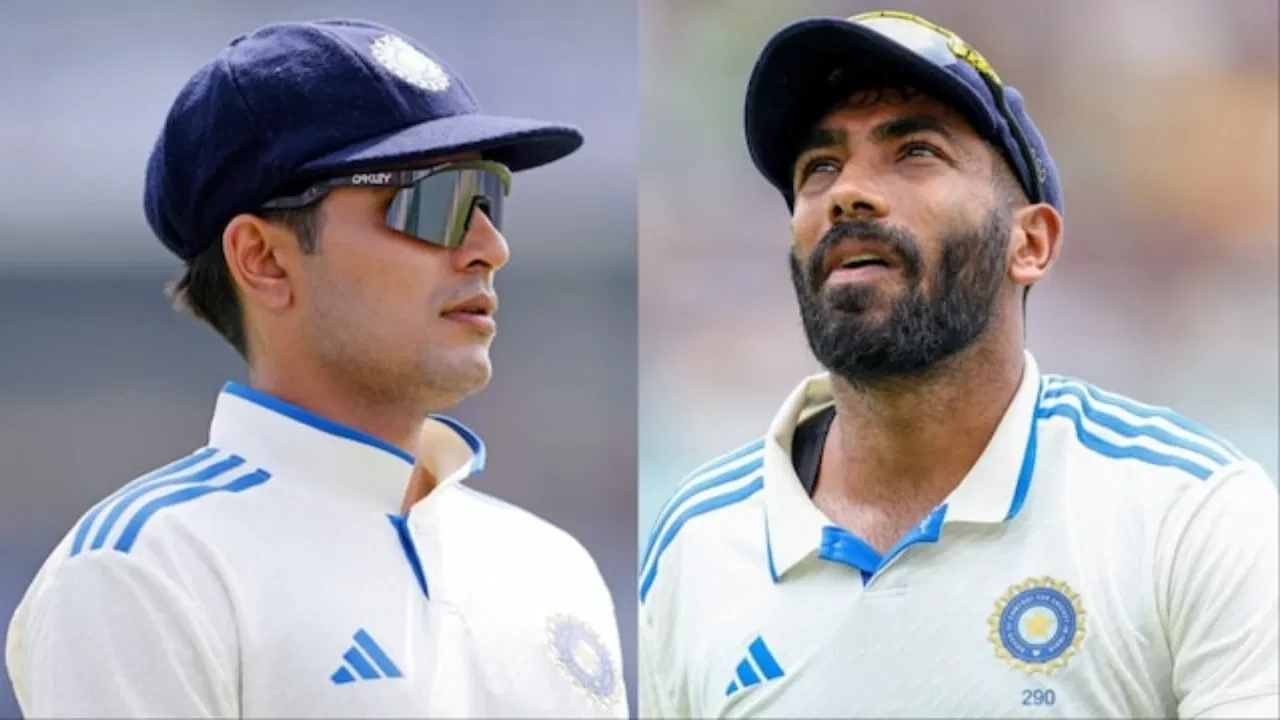
Wasim Jaffer Names Jasprit Bumrah as India’s Potential Next Test Captain
Former Indian cricketer Wasim Jaffer recently stirred up the cricketing world with his prediction for India’s next Test captain. Jaffer boldly stated that Jasprit Bumrah should be the automatic choice to lead the Indian team in the longest format of the game, unless Bumrah himself declines the responsibility.
Jaffer’s Endorsement of Bumrah over Shubman Gill
With Rohit Sharma retiring from Test cricket, the Board of Control for Cricket in India (BCCI) and selectors are faced with the task of choosing the right candidate to take over the captaincy. While reports suggest that Shubman Gill, the captain of Gujarat Titans, is being considered for the role, Jaffer believes that Bumrah is the ideal candidate.
Jaffer’s confidence in Bumrah’s leadership abilities stems from the pacer’s experience leading India in three Tests and serving as the vice-captain. Despite concerns about Bumrah’s injury history, Jaffer argues that Bumrah’s on-field presence is crucial for the team and that he should be given the opportunity to lead in Tests.
Gill’s Path to Leadership
While Shubman Gill has led India in T20Is and serves as the vice-captain in ODIs, Jaffer suggests that Gill would benefit from being appointed as Bumrah’s vice-captain in Tests. This arrangement would allow Gill to learn and grow as a leader without the pressure of full-time captaincy too soon.
Jaffer’s vision involves Bumrah leading the team with Gill stepping in when needed, allowing the young captain to gain valuable experience and preparation for future leadership roles. Jaffer emphasized the importance of grooming Gill for the role without overwhelming him with immediate responsibilities.
Shubman Gill’s Path to Captaincy
Recent reports indicated that Shubman Gill had a lengthy discussion with former cricketer Gautam Gambhir over lunch, leading to speculation that Gill is set to be named India’s next Test captain. Gill also reportedly met with chief selector Ajit Agarkar, further solidifying his position as a potential long-term captain for the team.
Gambhir’s influence in bringing back players like Shardul Thakur and Ishan Kishan into the Test scene indicates a strategic shift in the team’s composition for future matches. As preparations for the India A vs. England Lions series begin, Gill’s leadership qualities are being closely observed by the selectors.
With the cricketing world buzzing about potential captaincy choices for India’s Test team, all eyes are on Bumrah and Gill as they navigate their paths to leadership in the sport.
The Importance of Leadership in Cricket
Leadership in cricket is a crucial aspect that can make or break a team. A captain is not just responsible for making tactical decisions on the field but also for inspiring and motivating the team to perform at their best. With the retirement of key players like Virat Kohli and Rohit Sharma from Test cricket, India is in need of strong leadership to guide the team through challenging times.
Jasprit Bumrah, known for his calm demeanor and strategic mindset on the field, has shown the ability to lead the bowling attack effectively. His experience in international cricket, coupled with his understanding of the game, makes him a compelling choice for the role of Test captain. Bumrah’s leadership could bring a fresh perspective to the team and help in shaping the future of Indian cricket.
The Mentorship Factor
Mentorship plays a significant role in the development of young leaders in any field, including cricket. By appointing Bumrah as the Test captain with Shubman Gill as his vice-captain, the BCCI can create a mentorship dynamic that fosters growth and learning. Bumrah’s guidance and experience can help Gill navigate the challenges of leadership and prepare him for a future captaincy role.
Having a mentor like Bumrah can provide Gill with valuable insights into handling pressure situations, managing a team, and making strategic decisions on the field. This mentorship approach not only benefits Gill but also strengthens the team as a whole, as it creates a support system where young players can learn from experienced leaders.
Building a Sustainable Leadership Pipeline
Developing a sustainable leadership pipeline is essential for the long-term success of any cricket team. By grooming young talents like Shubman Gill for leadership roles, the BCCI can ensure a smooth transition of captaincy when the need arises. Investing in the development of future leaders is a strategic move that can secure India’s position as a cricketing powerhouse for years to come.
With the right mentorship, support, and opportunities, players like Gill can evolve into confident and effective captains who can lead the team to victory. The process of building a leadership pipeline requires patience, dedication, and a long-term vision, but the rewards of producing strong leaders are invaluable in the competitive world of international cricket.
Conclusion
As the debate continues over who should lead India in Test cricket, the endorsements for Jasprit Bumrah and Shubman Gill as potential captains highlight the wealth of talent and leadership potential in the Indian team. By considering factors like experience, mentorship, and long-term development, the BCCI can make informed decisions that benefit the team’s performance and future success.
Ultimately, the journey to leadership in cricket is a challenging yet rewarding one, filled with opportunities for growth, learning, and transformation. Whether it’s Bumrah, Gill, or another player who assumes the captaincy, the future of Indian cricket looks bright with a new generation of leaders ready to take the helm and steer the team to greater heights.
Latest News
Ben Duckett opts out from IPL 2026, set to face ban
“Players will prevail”: Sourav Ganguly’s drops big verdict on ‘Impact Player’ rule ahead of IPL 2026
“Players will prevail”: Sourav Ganguly’s drops big verdict on ‘Impact Player’ rule ahead of IPL 2026
3 LSG players who could struggle in IPL 2026 – ft Rishabh Pant
Rinku Singh gets major role for KKR ahead of IPL 2026
RCB gets new buyer ahead of IPL 2026, sold to…..
KKR take massive step to honour Andre Russell forever
“Mumbai Indians are winning it” – Ex-England captain makes bold prediction for IPL 2026
Mayank Yadav reveals real story behind his recovery and Sanjiv Goenka’s support
IPL 2026 ball change rule explained
Ottis Gibson reveals plan to revive Babar Azam’s confidence ahead of PSL 2026
Liam Livingstone survives as Rob Key confirms England spot after shocking interview claims
Kevin Pietersen credits RCB and IPL for career revival
Ottneil Baartman set to join CSK in IPL 2026 as replacement of….