

Shubman Gill’s India create history, do this for the 1st time ever in Tests
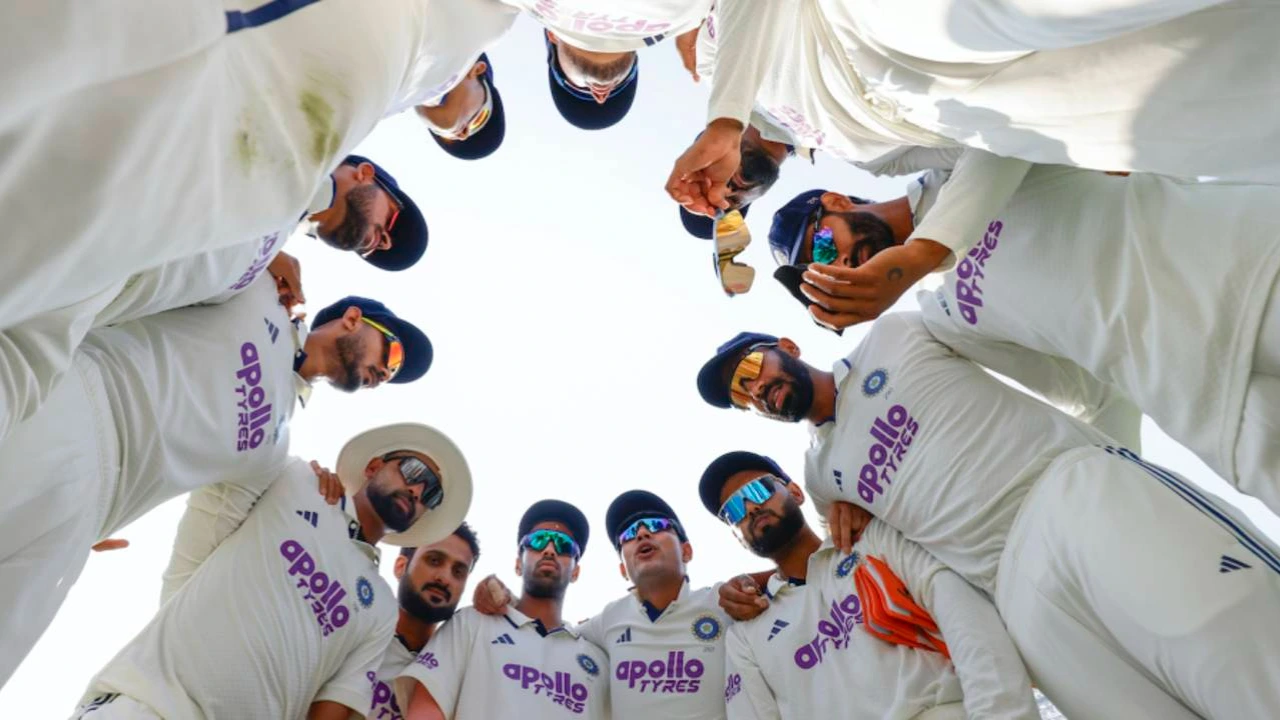
India Makes Test History with Unique Lineup at Eden Gardens
On Friday (November 14), the India National Cricket Team made headlines at the iconic Eden Gardens stadium in Kolkata as they took on the South Africa National Cricket Team in the first Test of a two-match series. The match witnessed a rare occurrence in Test cricket history as the Indian side fielded a lineup unlike anything seen before.
Unprecedented Lineup Featuring Six Left-Handers
For the first time ever, the Indian Test XI consisted of six left-handed batsmen. Yashasvi Jaiswal, Washington Sundar, Rishabh Pant, Ravindra Jadeja, Axar Patel, and Kuldeep Yadav all took the field, giving the Indian team a unique look that had never been witnessed in the long history of Indian cricket in the traditional format of the game.
This lineup dominated by left-handers added an interesting twist to the game, showcasing the team’s versatility and adaptability in selecting players based on their skills and form.
India’s Spin Dominance After 12 Years
Not only did India surprise cricket enthusiasts with their left-handed lineup, but they also fielded four specialist spinners in the Kolkata Test against South Africa. The last time India played four spinners in a Test match was in December 2012 against England in Nagpur.
With the likes of Ravindra Jadeja, Axar Patel, Washington Sundar, and Kuldeep Yadav forming the spin attack, India opted for a unique bowling strategy to exploit the conditions at the Eden Gardens and put pressure on the Proteas side.
South Africa’s Rollercoaster Ride in the First Innings
South Africa began their innings confidently after winning the toss, with openers Ryan Rickelton and Aiden Markram providing a solid start. However, the match took a dramatic turn as India’s Jasprit Bumrah broke the partnership with his exceptional bowling, sending both openers and captain Temba Bavuma back to the pavilion.
Despite efforts from the middle order batsmen like Wiaan Mulder and Tony de Zorzi, South Africa struggled to build partnerships and lost wickets at crucial junctures. Jasprit Bumrah’s fiery spell of 5/27, supported by Mohammed Siraj and Kuldeep Yadav, led to South Africa being bowled out for just 159 runs in their first innings.
Conclusion
As the first Test at Eden Gardens unfolded, India’s unique lineup and strategic bowling display showcased their depth and talent in the longer format of the game. The match not only highlighted the team’s ability to adapt to different conditions but also set the stage for an exciting series between two cricketing giants.
Cricket fans around the world eagerly await the remaining matches of the series to see how both teams continue to evolve and compete in the challenging Test arena.
Impact of the Unique Lineup on Team Dynamics
The decision to field a lineup featuring six left-handed batsmen was not merely a coincidence but a calculated strategy by the Indian team management. By opting for a majority of left-handers in the lineup, India aimed to disrupt the rhythm and line-lengths of the South African bowlers, who are more accustomed to bowling to right-handed batsmen. This tactical move not only showcased India’s innovative approach to the game but also highlighted the team’s willingness to think outside the box to gain a competitive edge.
Moreover, the presence of six left-handers in the batting lineup added a layer of complexity for the South African bowlers, forcing them to constantly adjust their plans and adapt to the unconventional challenge posed by the Indian batsmen. This approach demonstrated India’s commitment to strategic planning and utilizing every available resource to outsmart their opponents on the field.
Strategic Bowling Approach and Spin Dominance
The inclusion of four specialist spinners in the playing XI marked a significant departure from conventional bowling strategies in Test cricket, where teams typically rely more heavily on pace bowlers. India’s decision to load their lineup with spinners reflected their astute reading of the pitch conditions at Eden Gardens, which favored spin bowling due to crumbling pitches and unpredictable bounce.
By deploying a spin-heavy attack, India effectively exploited the conditions to their advantage, making it challenging for the South African batsmen to settle and score freely. The spin quartet of Jadeja, Patel, Sundar, and Yadav brought a variety of styles and variations to the bowling attack, keeping the opposition under constant pressure and forcing them to play cautiously to avoid getting out.
Implications for the Future of Indian Cricket
India’s performance in the first Test at Eden Gardens not only showcased their depth and adaptability but also hinted at a potential shift in the team’s approach to Test cricket. The willingness to experiment with unconventional lineups and bowling combinations suggests a growing confidence and willingness to take risks in pursuit of victory.
This bold and innovative approach could signal a new era of Indian cricket, where strategic flexibility and adaptability become key pillars of the team’s success in all formats of the game. As India continues to groom a new generation of talented cricketers, the emphasis on versatility and innovation in team selection and tactics could shape the future of Indian cricket and set new benchmarks for excellence in the sport.
Looking Ahead
As the series between India and South Africa progresses, cricket enthusiasts can expect more thrilling contests and intriguing battles between bat and ball. The unique lineup and strategic choices made by both teams in the first Test have set the stage for an enthralling series that promises to captivate fans and pundits alike.
With the spotlight on India’s groundbreaking approach to team selection and bowling strategies, the remainder of the series is poised to offer a fascinating glimpse into the evolution of the sport and the dynamics of modern-day Test cricket. Stay tuned for more excitement and drama as these cricketing giants continue to push the boundaries of the game and redefine the norms of traditional cricket.
Latest News

Rashid Latif claims PSL ball-tampering row was deliberately created for attention amid IPL rivalry

Mohammed Shami breaks silence on retirement buzz after India snub; has special message for LSG

Mohammed Shami reveals IPL 2026 Top 4, leaves out five-time champions
Mohammed Shami hits back at Ravichandran Ashwin over LSG’s poor IPL 2026 prediction

Riyan Parag mocked Sanju Samson? Batter’s muscle-flex celebration after sensational 6 vs CSK goes viral

IPL 2026 hit by tragedy! British broadcast engineer dies in Mumbai hotel room
Brad Haddin reveals reality of Shreyas Iyer as captain

Jos Buttler set to dominate IPL 2026, thanks to Ashish Nehra
Ravindra Jadeja says he had no conversation with MS Dhoni after RR move
Mohsin Naqvi totally angry and stressed as PSL 2026 controversies escalate

Mohsin Naqvi saves Naseem Shah from two-year ban, shocking claim emerges after controversy
Michael Vaughan claims Vaibhav Sooryavanshi’s India call-up for England tour is confirmed

Ravindra Jadeja’s teary-eyed reaction goes viral after RR demolish CSK in IPL 2026 clash

New Zealand ODI and T20I squads for Bangladesh tour officially announced

