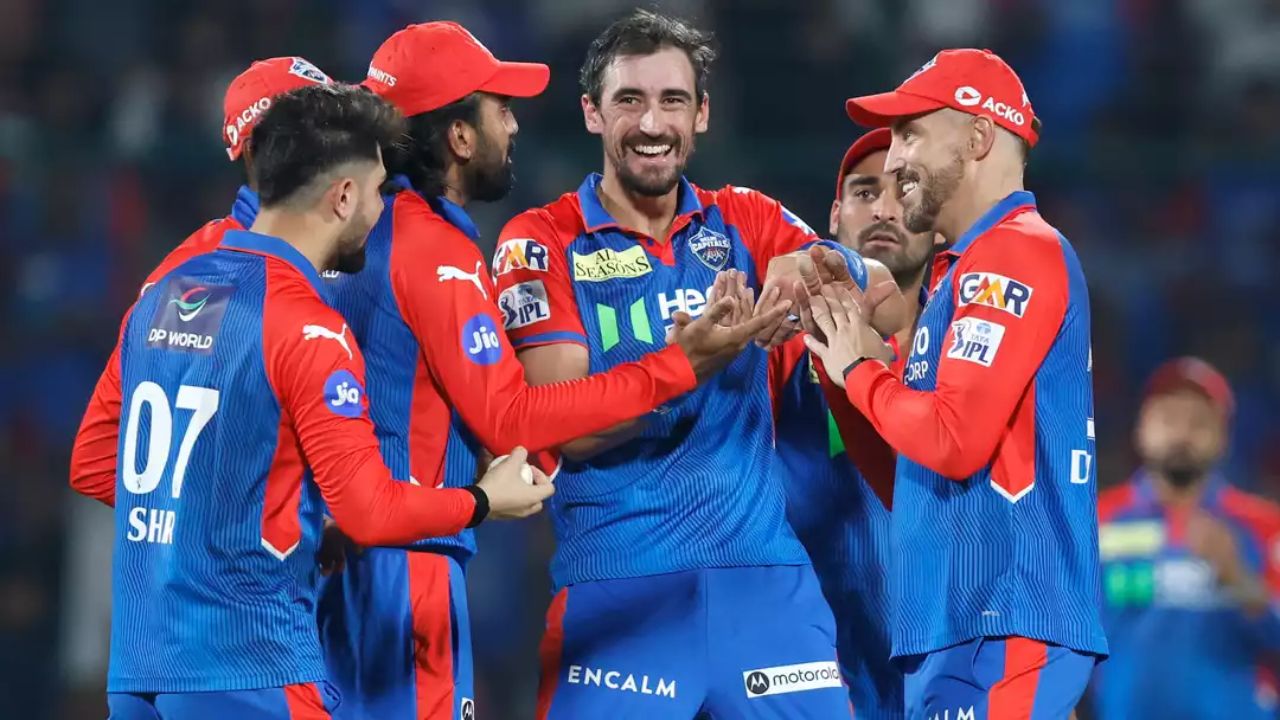
Shubman Gill’s Jasprit Bumrah OBSESSION draws heat from controversial India head coach
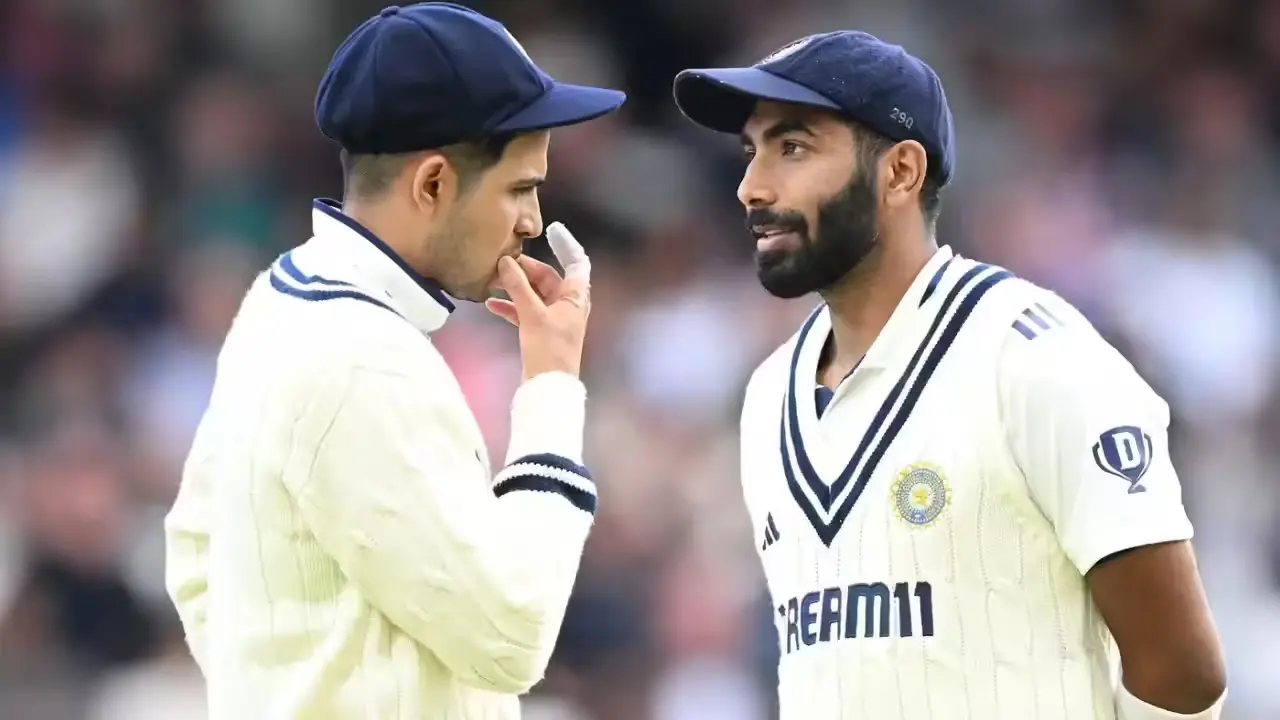
Former Australian Captain Greg Chappell Advises India to Focus on Team Performance over Individual Brilliance Ahead of Fourth Test Against England
As India gears up for the fourth Test against England at Old Trafford in Manchester, former Australian captain Greg Chappell has urged the team to shift their focus from individual players like Jasprit Bumrah to collective performance. Chappell emphasized that victories are built on teamwork rather than relying solely on the brilliance of individual players.
Jasprit Bumrah’s Impact Despite Missing the Second Test
Jasprit Bumrah, who has been in fine form with the ball, remains a crucial player for India in the ongoing series. Despite missing the second Test at Edgbaston, Bumrah has taken 12 wickets in four innings, including two five-wicket hauls. His availability for the upcoming match in Manchester is still uncertain due to workload management.
Assistant coach Ryan ten Doeschate has hinted at Bumrah’s inclusion in the playing XI for the fourth Test, highlighting the significance of his presence in India’s bowling attack.
India’s Track Record Without Jasprit Bumrah – Greg Chappell’s Insights
In his column for ESPNcricinfo, Greg Chappell pointed out that India has been successful in Tests even without Jasprit Bumrah in the lineup. Chappell emphasized the importance of teamwork and collective performance in achieving success, rather than depending solely on individual brilliance.
Chappell emphasized the role of the captain in ensuring that each player is clear, confident, and committed to the team’s plan. He highlighted that success in cricket is not about individual heroes but about partnerships and teams working together towards a common goal.
Shubman Gill’s Leadership Opportunity in Manchester Test
Chappell also highlighted the upcoming Test in Manchester as an opportunity for Shubman Gill to showcase his leadership skills. He encouraged Gill to lead by example, not just with the bat but also by setting high standards, backing his team selections, and holding players accountable.
Gill has the chance to establish himself as a great Test captain by demonstrating strong leadership qualities and bringing out the best in his team through effective communication and strategic decision-making.
In conclusion, as India prepares to face England in the crucial fourth Test, the emphasis on teamwork and collective performance, as advised by Greg Chappell, could be the key to turning the series in their favor. By focusing on the team’s strengths and working together towards a common goal, India has the opportunity to level the series and set the stage for an exciting finale.
The Importance of Teamwork in Cricket
Cricket is often referred to as a team sport, where the collective effort of all players is essential for success. While individual brilliance can certainly make a difference, it is the cohesion and synergy within the team that truly determine the outcome of a match or series. Each player has a specific role to play, whether it be a batsman, bowler, or fielder, and their contributions collectively shape the team’s performance.
Teamwork in cricket goes beyond just the actions on the field; it includes off-field preparation, strategy discussions, and the overall team culture. Developing a strong team bond and fostering a sense of unity can elevate a team’s performance and lead to consistent success in the long run.
The Role of Leadership in Team Performance
Leadership plays a crucial role in fostering teamwork within a cricket team. The captain, as the on-field leader, sets the tone for the team’s attitude, strategy, and approach to the game. A strong captain can inspire their teammates, keep them motivated during tough times, and make strategic decisions that benefit the team as a whole.
Additionally, vice-captains, coaches, and senior players also contribute to the leadership dynamic within a cricket team. Their guidance, experience, and support can help nurture a culture of teamwork and collaboration, where individuals thrive within the collective unit.
The Evolution of Cricket Tactics
Over the years, the game of cricket has evolved, with teams adopting new tactics and strategies to stay ahead of the competition. While individual brilliance is still valued, teams now place a greater emphasis on data analysis, sports science, and advanced coaching techniques to enhance their performance.
Modern cricket teams rely on a combination of talent, strategy, and teamwork to succeed in all formats of the game. From adjusting playing styles to match conditions to developing innovative game plans, teams continually look for ways to outsmart their opponents and achieve victory through collective effort.
The Impact of T20 Cricket on Team Dynamics
The rise of T20 cricket has brought about a shift in the way teams approach the game, with a greater focus on aggressive play, quick decision-making, and adaptability. In the fast-paced world of T20 cricket, teamwork is crucial as matches can be won or lost in a matter of overs.
Players who excel in T20 cricket often bring their skills and mindset to the longer formats of the game, injecting a sense of urgency and innovation into traditional cricket strategies. This evolution has led to a more dynamic and exciting brand of cricket, where individual brilliance and teamwork go hand in hand to achieve success.
By emphasizing the importance of teamwork, fostering strong leadership, adapting to evolving tactics, and embracing the impact of T20 cricket, teams like India can enhance their performance and achieve greater success on the field. As Greg Chappell advises, focusing on team performance over individual brilliance can be the key to unlocking a team’s true potential and securing victory in any cricketing contest.
Latest News
Yograj Singh makes blunt remark at Virat Kohli and Rohit Sharma over early retirement calls
Bhuvneshwar Kumar on brink of IPL history, needs two wickets for massive milestone
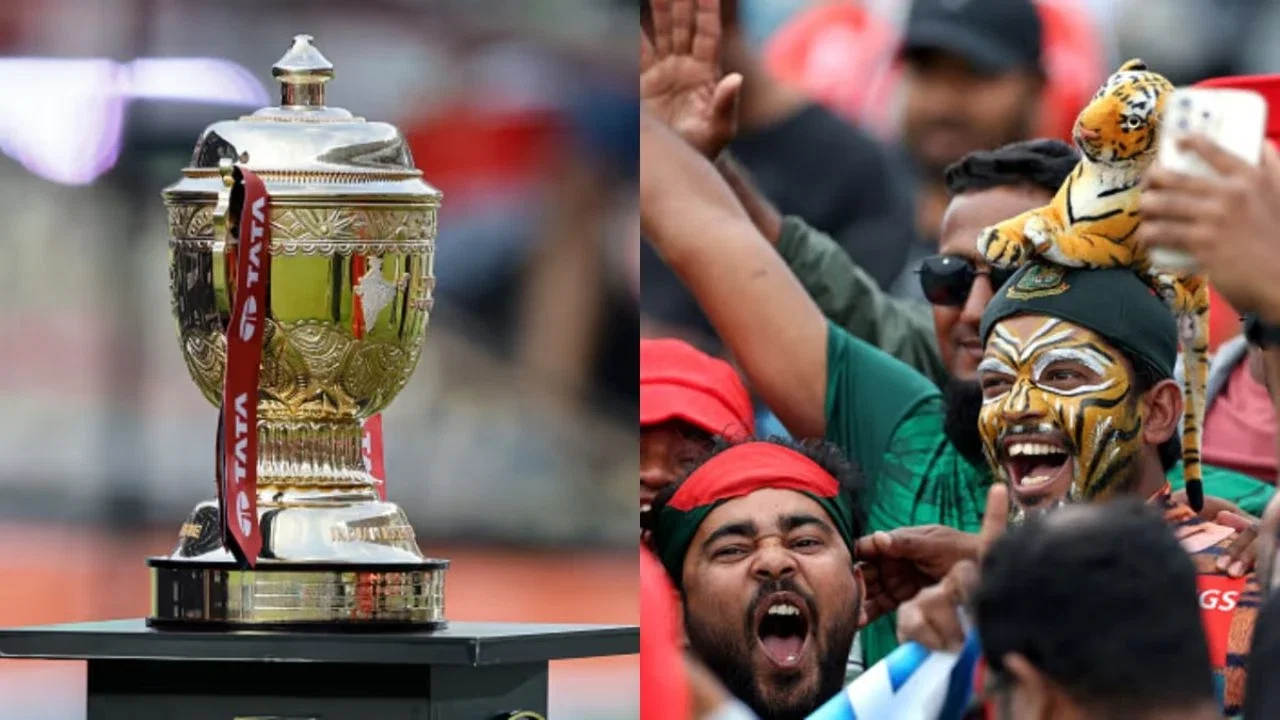
IPL to be broadcasted? Bangladesh government drops massive update on IPL broadcast ban
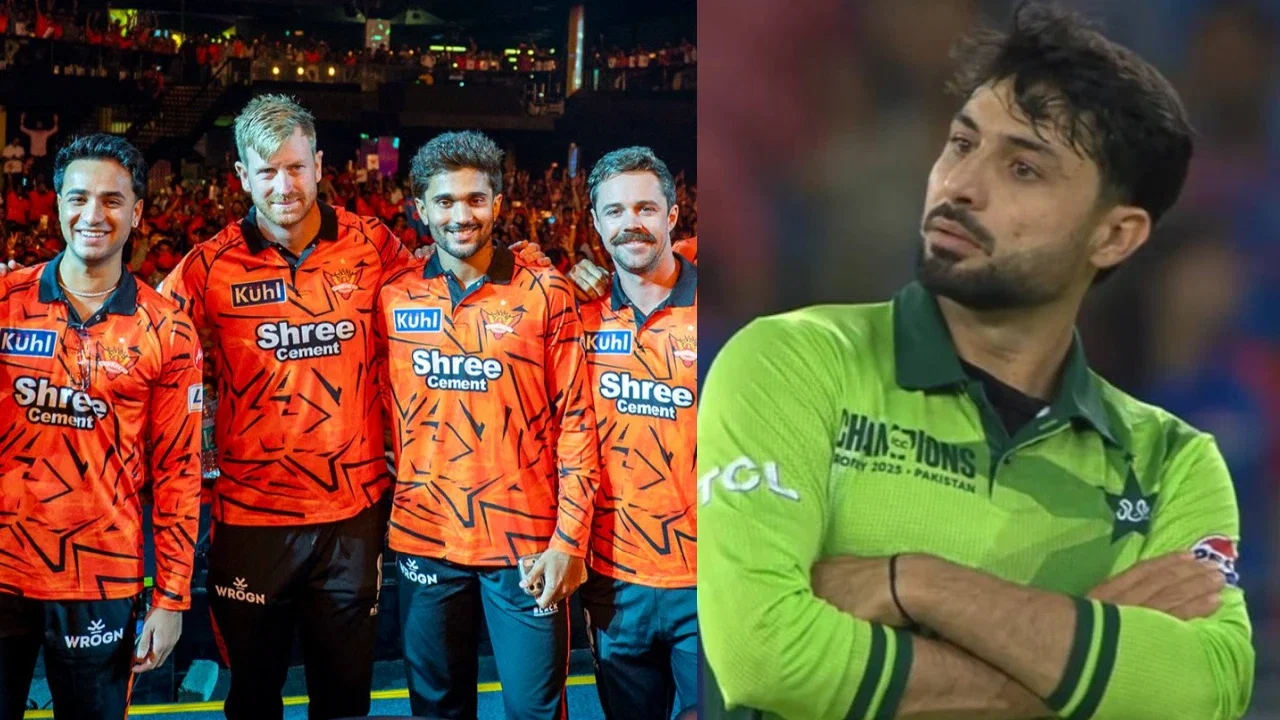
SRH fans to boycott IPL? Former India cricketer shares insights on social media drama around Abrar Ahmed
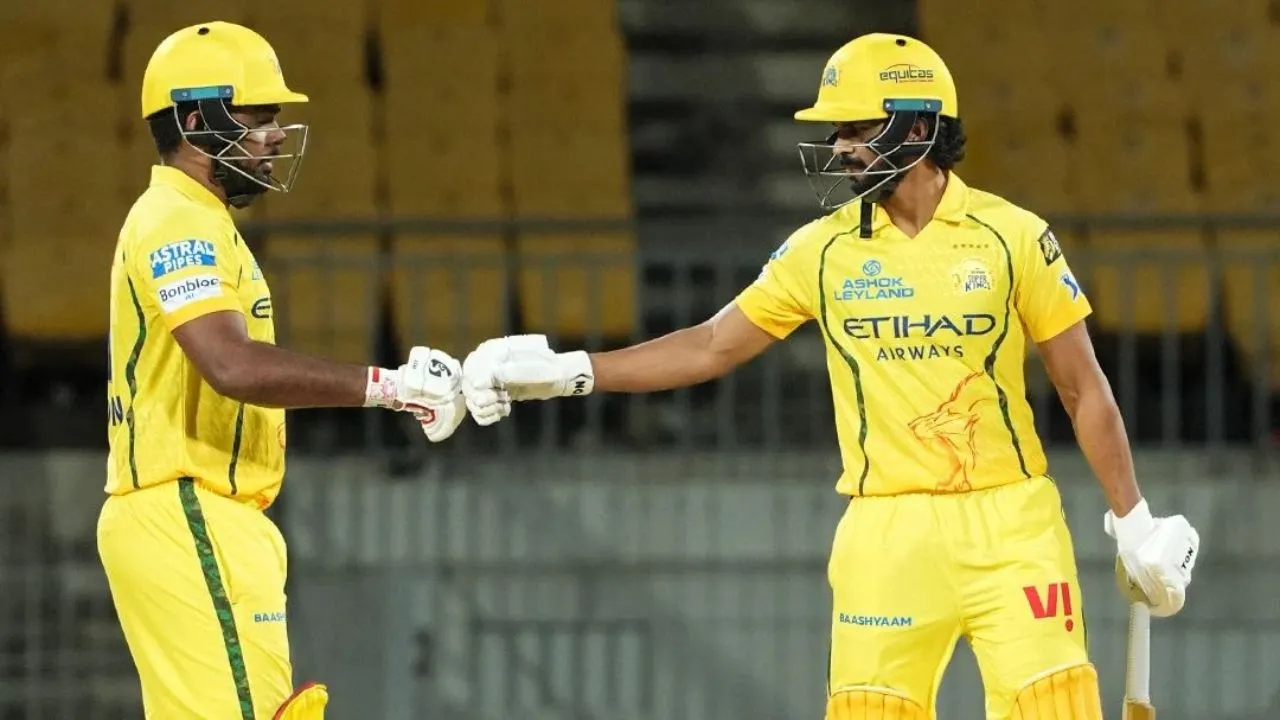
“Explore this opportunity”: Ruturaj Gaikwad shares inside story of convincing Sanju Samson to join CSK
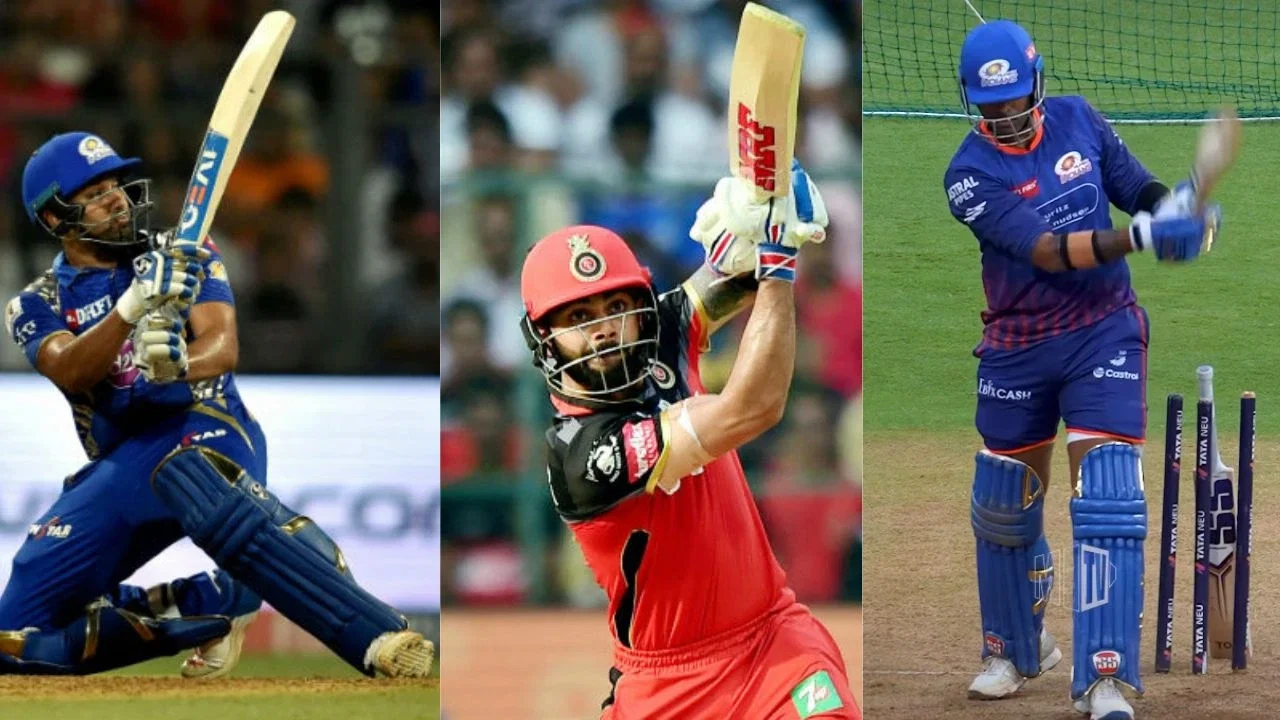
KKR pacer snubs Rohit Sharma, Virat Kohli, picks MI star as most difficult batter he’s bowled to
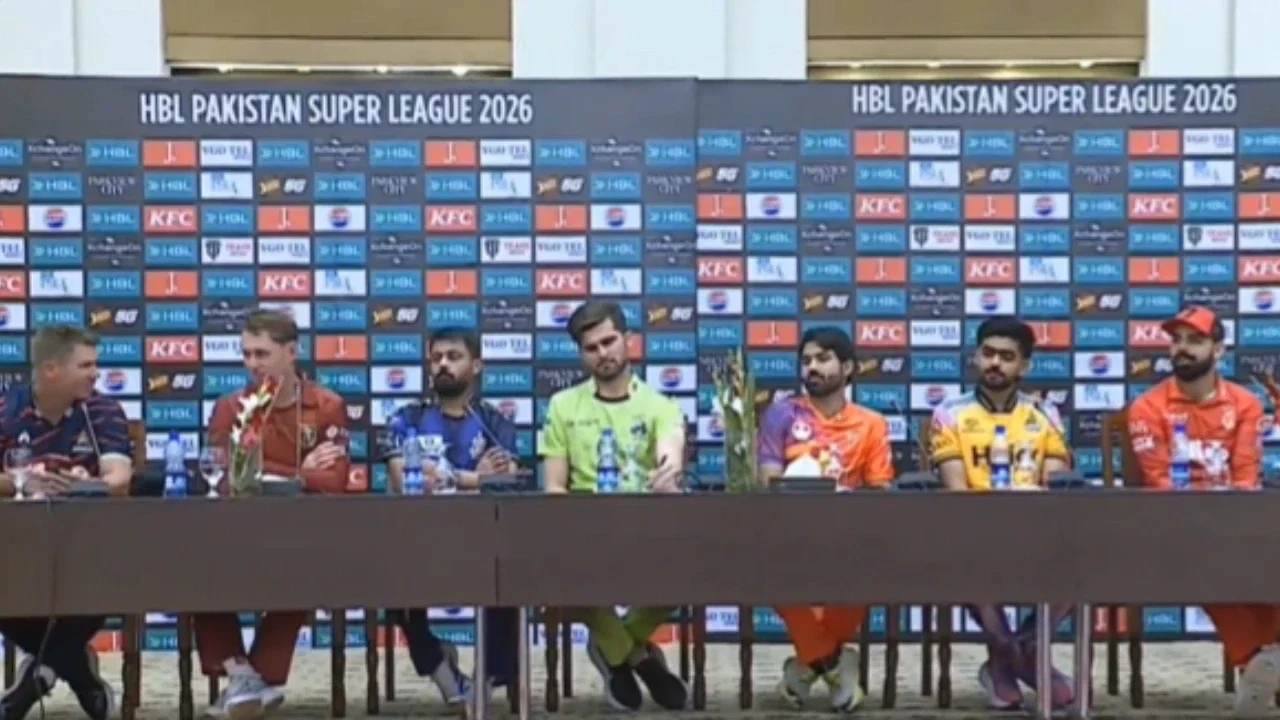
PSL drama erupts! Pakistan great blasted for “lack of manners” after embarrassing ex-England star
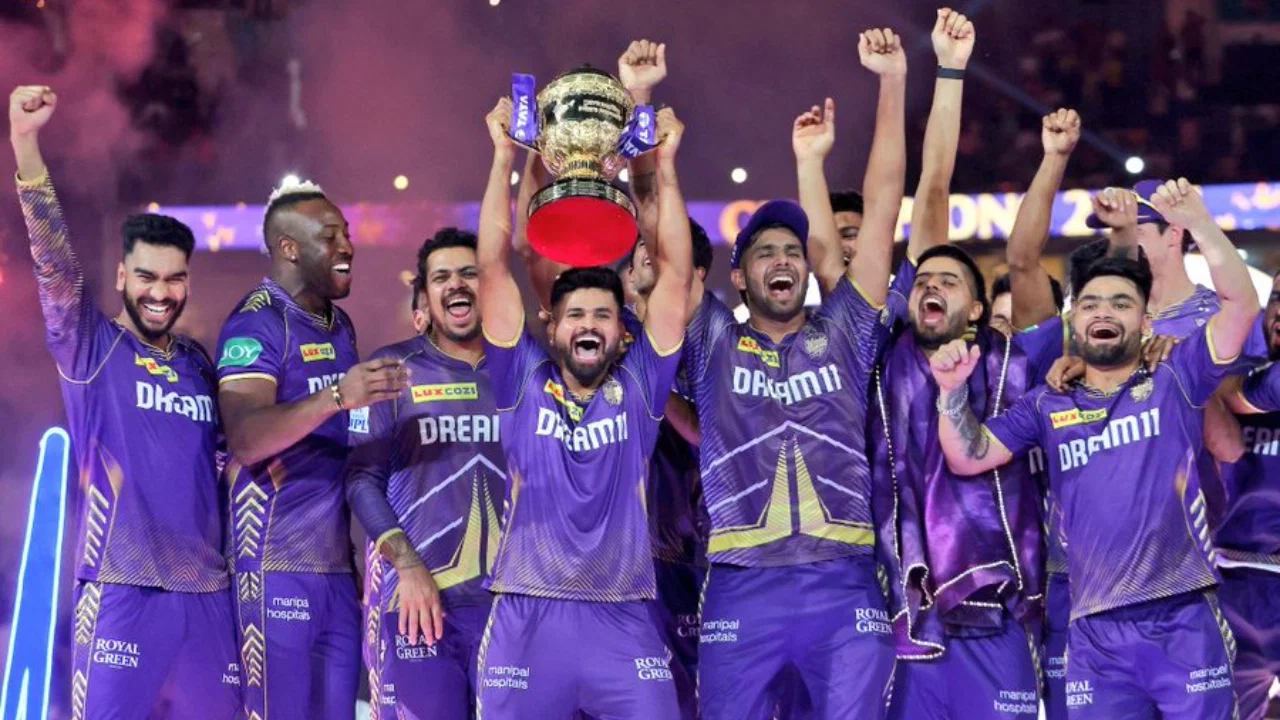
“2024 mein woh underrated the” – Vaibhav Arora on Shreyas Iyer not getting credit for KKR title win
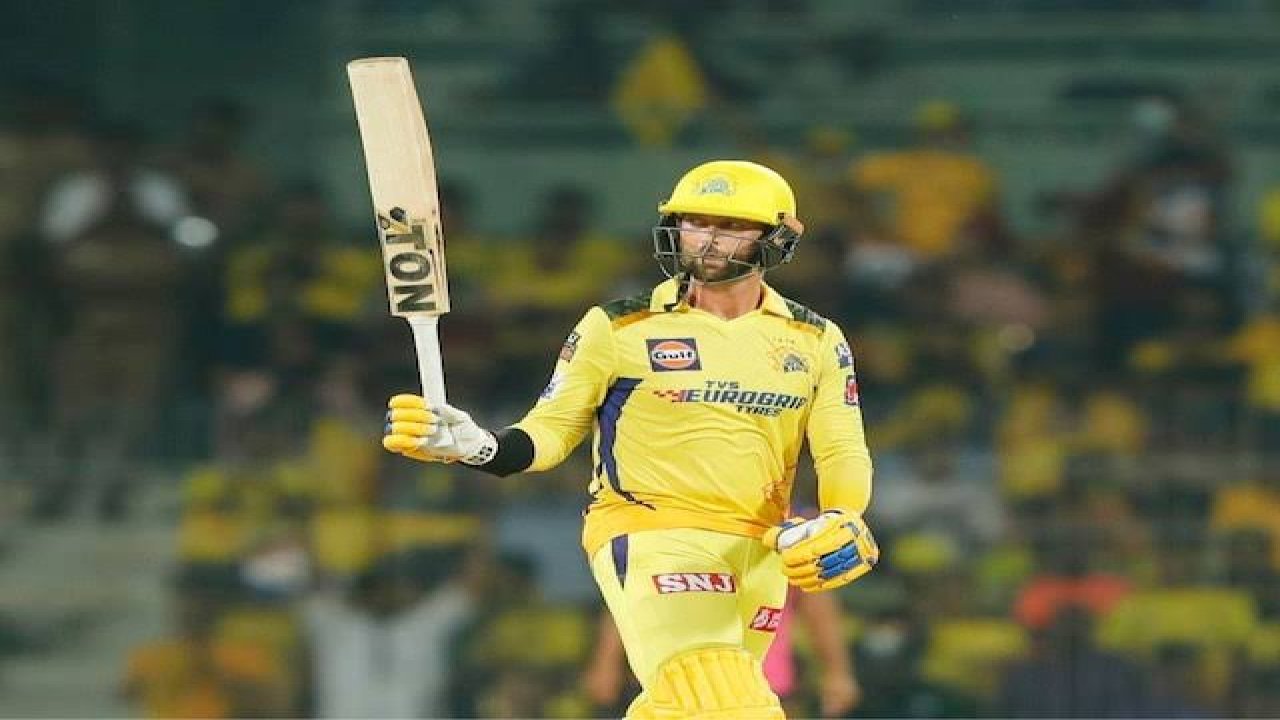
Devon Conway settles IPL vs PSL debate once and for all
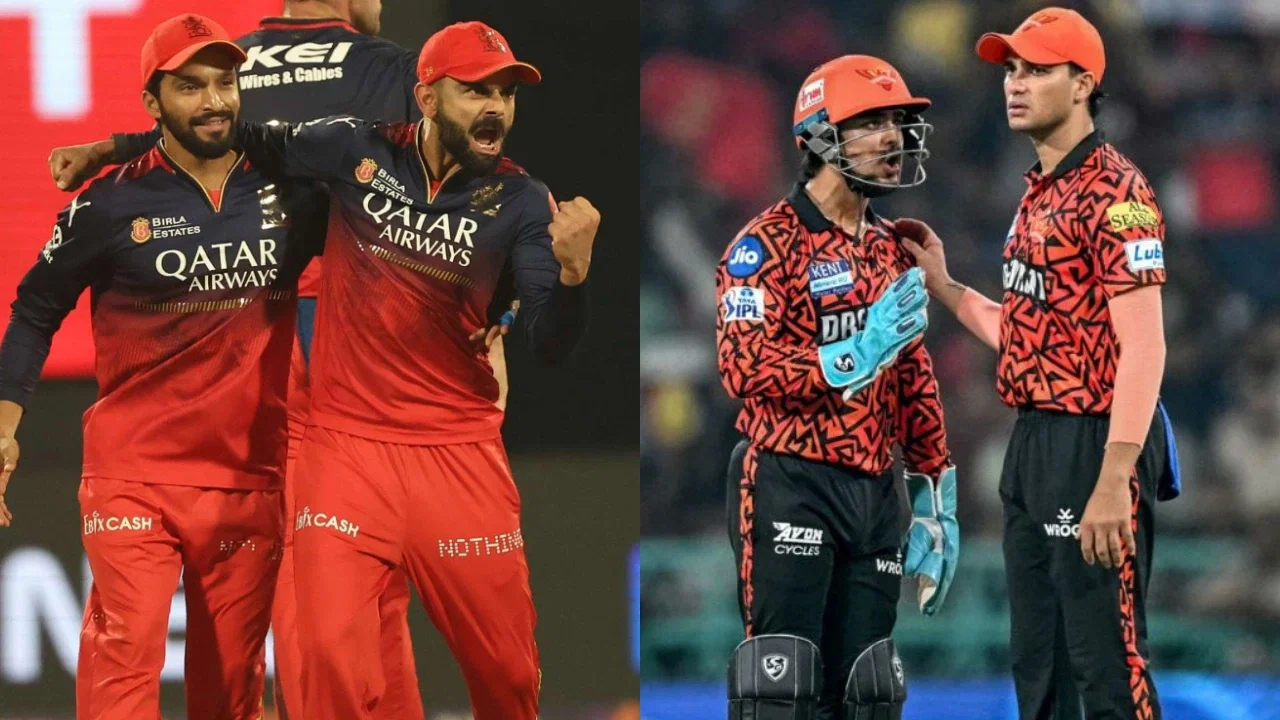
Ex-CSK star’s shocking claim on RCB vs SRH match ahead of IPL 2026
Misbah-ul-Haq takes legal action against Ahmed Shehzad over defamation claims
Naseem Shah charged with central contract violation during PSL 2026
MS Dhoni out of IPL 2026, has not recovered from calf strain
Jasprit Bumrah set to lead MI attack in blockbuster IPL 2026 clash vs KKR