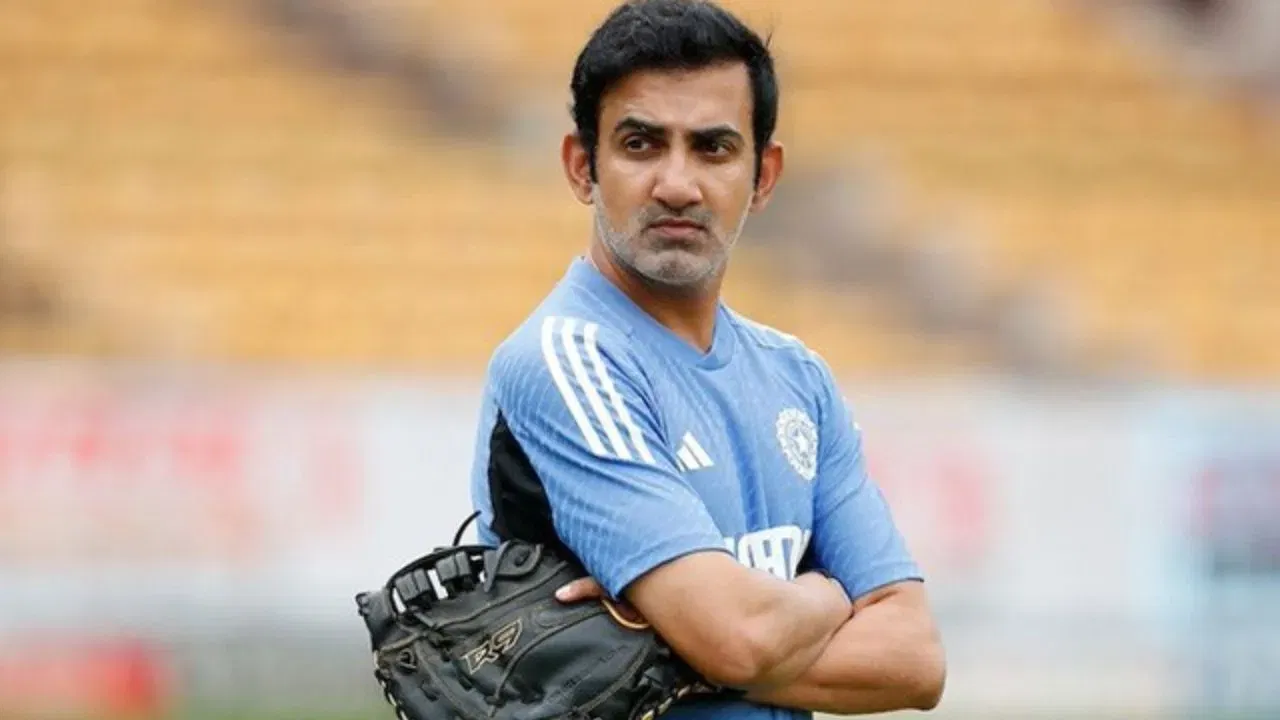
Shubman Gill’s Test captaincy under fire as David Lloyd exposes Edgbaston Test blunders
David Lloyd Criticizes Shubman Gill’s Defensive Tactics in Anderson-Tendulkar Trophy
The ongoing second Test of the Anderson-Tendulkar Trophy between India and England at Edgbaston has been nothing short of dramatic, with legendary cricketer David Lloyd expressing his disappointment with Indian captain Shubman Gill’s tactics during England’s stunning fightback led by Harry Brook and Jamie Smith.
Lloyd found Gill’s approach in the field puzzling, especially when England found themselves five wickets down for just 84 runs. Instead of capitalizing on the opportunity to break England down, Gill opted for a defensive strategy, pushing fielders back and easing the pressure, a move that ultimately backfired on Day 3.
Brook and Smith’s Historic Partnership
Brook and Smith took full advantage of the situation and went on to stitch together a historic 303-run partnership for the sixth wicket, which is England’s second-best ever in that stand and their third-best against India. This partnership helped England post a respectable total of 407 runs in reply to India’s first innings total of 587.
Brook smashed 158 runs off 234 balls, while Smith remained unbeaten on a sensational 184 off 207 deliveries. Lloyd criticized Gill’s defensive mindset, especially when India had a substantial lead of 587 runs. With only two slips in place during England’s counterattack, Lloyd questioned the field placements as England missed several chances.
India Regains Control
Despite England’s strong fightback, India managed to regain control of the match. Mohammed Siraj put on a fiery spell to clean up the tail, as England collapsed from 387/6 to 407 all out, losing five wickets for just 20 runs. India finished with a commanding lead of 180 runs at the end of Day 3.
At stumps on Day 3, India had reached 64/1 in their second innings, extending their lead to 244 runs in the ongoing second Test of the five-match series at Edgbaston.
England’s Mental Disintegration
Lloyd attributed England’s collapse to “mental disintegration,” noting that the batters were mentally drained after spending two long days in the field. This fatigue led to mistakes and confusion at the crease, ultimately resulting in their downfall.
In conclusion, Lloyd emphasized the mental aspect of Test cricket, stating that apart from Brook and Smith’s excellent performance, England as a whole seemed mentally spent after the grueling days on the field.
As the Anderson-Tendulkar Trophy continues, fans can expect more excitement and intense battles between two cricketing giants, with each team looking to outwit the other in this high-stakes series.
Shubman Gill’s Defensive Tactics: A Double-Edged Sword
While David Lloyd’s criticism of Shubman Gill’s defensive tactics in the Anderson-Tendulkar Trophy certainly sparked debate, it also brings to light the fine balance required in the game of cricket between aggression and caution. Gill’s decision to adopt a defensive approach may have seemed baffling at first, but it also highlights the intricate strategic nuances that captains must navigate during a Test match.
Cricket, often referred to as a game of glorious uncertainties, is known for its ability to shift momentum rapidly. Gill’s choice to pull fielders back and play a waiting game may have been an attempt to frustrate the English batsmen and force them into making mistakes under pressure. However, as seen in England’s remarkable fightback led by Brook and Smith, this strategy can also backfire if the opposition gains confidence and momentum.
The Psychology of Cricket: Mental Fortitude and Fatigue
David Lloyd’s observation regarding England’s mental disintegration sheds light on the psychological aspect of cricket. Test matches are not just physical battles but also mental ones, requiring players to maintain focus and resilience over long periods. The mental toll of spending hours in the field, facing relentless bowling attacks, and making split-second decisions can wear down even the most seasoned cricketers.
England’s collapse after the monumental partnership between Brook and Smith can be attributed to a combination of mental fatigue and the pressure of a high-stakes match. As Lloyd pointed out, the batters appeared drained and prone to errors, highlighting the importance of mental fortitude in enduring the challenges of Test cricket.
The Unpredictability of Test Cricket
One of the enduring charms of Test cricket lies in its unpredictability. Despite India’s commanding position after the first innings, England’s spirited fightback and subsequent collapse showcase how fortunes can change rapidly in the longest format of the game. This unpredictability adds an element of excitement and tension, keeping fans on the edge of their seats throughout the match.
As the Anderson-Tendulkar Trophy progresses, both teams will continue to seek ways to outmaneuver each other, adapting their strategies and tactics to seize the advantage. The ebb and flow of the game, characterized by moments of brilliance and setbacks, exemplify the enduring appeal of Test cricket as a test of skill, endurance, and mental strength.
Looking Ahead: The Battle Intensifies
With India holding a significant lead going into the remaining days of the second Test, the pressure is on England to stage a comeback and level the series. The tactical decisions made by captains, the individual performances of players, and the mental resilience of both teams will play a crucial role in determining the outcome of the match and shaping the narrative of the series.
As fans eagerly anticipate the continued action in the Anderson-Tendulkar Trophy, the stage is set for more twists and turns, high drama, and memorable moments that define Test cricket as the ultimate test of skill, strategy, and character. The battle between India and England promises to provide riveting cricketing action that showcases the essence of this beloved sport.
By delving into the strategic intricacies, psychological challenges, and inherent unpredictability of Test cricket, we gain a deeper appreciation for the captivating spectacle that unfolds on the field, enriching our understanding and enjoyment of this timeless game.
Latest News
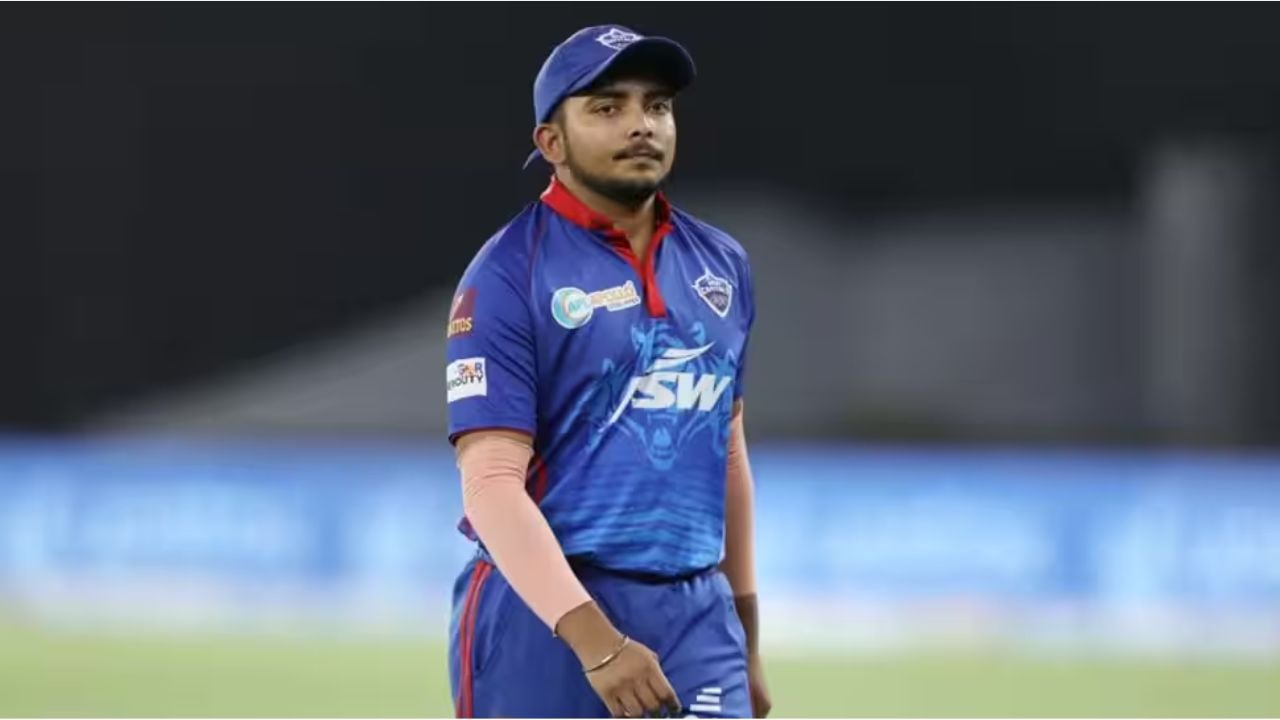
Prithvi Shaw declares his mission to return to team India begins from IPL 2026
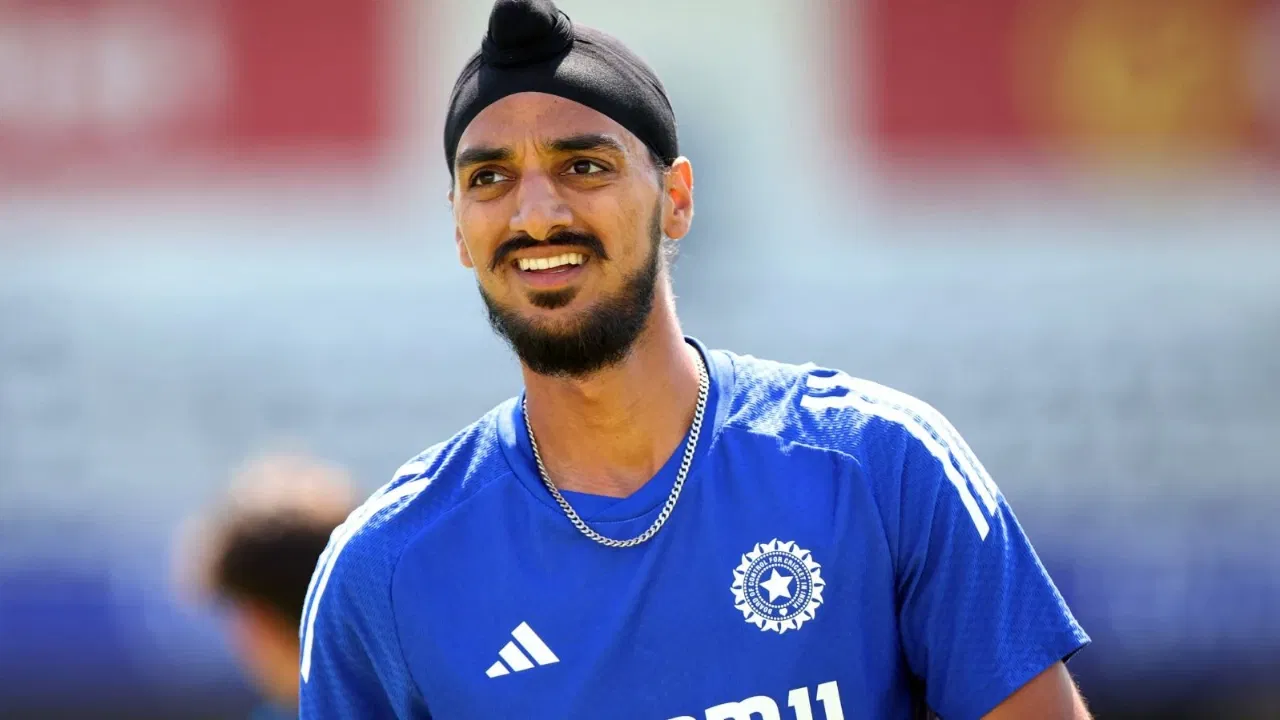
Irfan Pathan questions Arshdeep Singh’s bowling ahead of IPL 2026
“Mind is somewhere else”: Yuvraj’s Father exposes Abhishek Sharma’s indiscipline lifestyle

EX-RCB pacer joins KKR as replacement of Harshit Rana ahead of IPL 2026

“Win our first trophy”: Sanjiv Goenka crowns LSG as champions ahead of IPL 2026
New catching rule? Captains warned over ‘Incomplete’ catches ahead of IPL 2026
Pat Cummins in awe of Ishan Kishan’s captaincy
Ex-India star accuses teammates of ‘Racism’, blames it for early international exit
“I love watching Shreyas Iyer bat” – PBKS all-rounder Cooper Connolly ahead of IPL 2026

Yograj Singh gives Ravichandran Ashwin belt treatment because of Arjun Tendulkar remarks
CSK legend advises Shubman Gill the best way to bounce back in T20I team
Jasprit Bumrah Injury Scare, reason behind visit to CoE revealed
“Didn’t invite me”: R Ashwin puts Kuldeep Yadav in spotlight over wedding snub
Ireland Cricket announced the full list of central contracts for the 2026-27 season