“Sold a lie for 3 years”: Geoffrey Boycott levels shocking accusations against Ben Stokes, Brendon McCullum

Geoffrey Boycott Slams England Cricket Setup After Ashes Defeat
Former Cricketer Geoffrey Boycott Criticizes England’s Leadership
After Australia’s dominant 4-1 victory over England in the recent Ashes series, former cricketer Geoffrey Boycott did not hold back in his criticism of the current England setup. Boycott specifically targeted head coach Brendon McCullum, captain Ben Stokes, and managing director Rob Key, accusing them of misleading fans about the team’s direction.
In a scathing column for The Telegraph, Boycott expressed his frustrations, stating, “England’s three wise men turned out to be the three stooges. Brendon McCullum, Rob Key, and Ben Stokes sold a lie for three years, claiming they had planned meticulously for the Ashes. However, the tour was filled with mistakes, and they deserved to lose 4-1.”
Boycott Questions England’s Lack of Accountability
Boycott raised concerns about the lack of accountability within the team, emphasizing that players are given a “free license to do whatever they please” without facing any consequences for their actions. He criticized McCullum’s coaching philosophy, which encourages players to play without fear of failure and without the need to adapt or improve.
Geoffrey Boycott further stated, “Why should the players change, adapt, or improve if the coach and captain are satisfied with the status quo? England has talented cricketers, but their skills are not being utilized effectively under McCullum’s leadership.”
England’s Arrogance and Disregard for Advice
Boycott highlighted the arrogance displayed by the England management and players, noting their refusal to play competitive warm-up matches before the Ashes series. He criticized Stokes for dismissing former players as “has-beens” and refusing to listen to their advice on the importance of preparation.
Despite warnings from experienced ex-players about the need for practice matches to acclimatize to Australian conditions, the England team remained adamant in their approach. Boycott condemned their unwillingness to learn from past mistakes and their disregard for valuable insights from those who had succeeded in similar circumstances.
Calls for Change in England’s Cricket Structure
Geoffrey Boycott concluded by emphasizing the urgent need for a shift in England’s cricket structure and mindset. He called for greater discipline and accountability within the team, stressing the importance of harnessing the talents of the players to elevate their performance to the next level.
As England reflects on their Ashes defeat and looks ahead to future challenges, Boycott’s critique serves as a stark reminder of the work that lies ahead for the team. Whether the leadership heeds his advice remains to be seen, but one thing is clear: change is necessary if England aims to compete at the highest level of international cricket.
England’s Struggles in Test Cricket
Geoffrey Boycott’s criticism of the England cricket setup comes at a time when the team is facing significant challenges in the Test arena. The Ashes defeat highlighted underlying issues that have plagued the team’s performance in recent years, raising questions about their ability to compete consistently at the highest level.
One key aspect that Boycott touched upon was the lack of accountability within the team. In a sport where individual performances can have a significant impact on the outcome of a match, it is essential for players to take ownership of their roles and responsibilities. Without a culture of accountability, it becomes difficult to address weaknesses and make necessary improvements to drive success.
The Importance of Leadership in Cricket
Leadership plays a crucial role in shaping the culture and direction of a cricket team. Boycott’s critique of the coaching and captaincy during the Ashes series underscores the significance of strong leadership in navigating challenges and maximizing the team’s potential. Effective leadership not only motivates players but also provides strategic guidance and fosters a culture of continuous growth and improvement.
For England to bounce back from their Ashes defeat and regain their competitive edge, they must prioritize leadership development and ensure that the coaching staff and captain are equipped to steer the team in the right direction. This includes setting clear goals, fostering a winning mentality, and instilling a sense of accountability among the players.
Learning from Defeat
While defeat in a high-stakes series like the Ashes can be disheartening, it also presents an opportunity for reflection and growth. Boycott’s call for a change in England’s cricket structure is a reminder that setbacks can serve as catalysts for transformation and improvement. By acknowledging their weaknesses, learning from their mistakes, and implementing necessary changes, England can emerge stronger and more competitive in the future.
It is essential for the team to analyze their performance in the Ashes series, identify areas for improvement, and devise a clear roadmap for success moving forward. This process of introspection and adaptation is integral to the evolution of a cricket team and can pave the way for future victories on the international stage.
Looking Ahead: The Path to Redemption
As England regroups and recalibrates following their Ashes defeat, the focus now shifts to the road ahead. Boycott’s critique serves as a wake-up call for the team to reassess their approach, embrace change, and strive for excellence in all aspects of their game. The journey to redemption will require dedication, resilience, and a collective commitment to raising the bar and competing at the highest level.
With the right leadership, a culture of accountability, and a willingness to learn from past mistakes, England has the potential to bounce back from their Ashes disappointment and position themselves as a formidable force in world cricket. The path to redemption may be challenging, but it is through adversity that teams find the strength to evolve, grow, and ultimately achieve greatness.
By leveraging the lessons from defeat, embracing a mindset of continuous improvement, and embodying the spirit of resilience, England can embark on a transformative journey towards redemption and reclaim their status as a cricketing powerhouse in the global arena.
Latest News

Glenn Maxwell dropped as Australia part ways with star all-rounder

10 T20Is in one month! India’s full schedule vs Ireland, England, Zimbabwe revealed
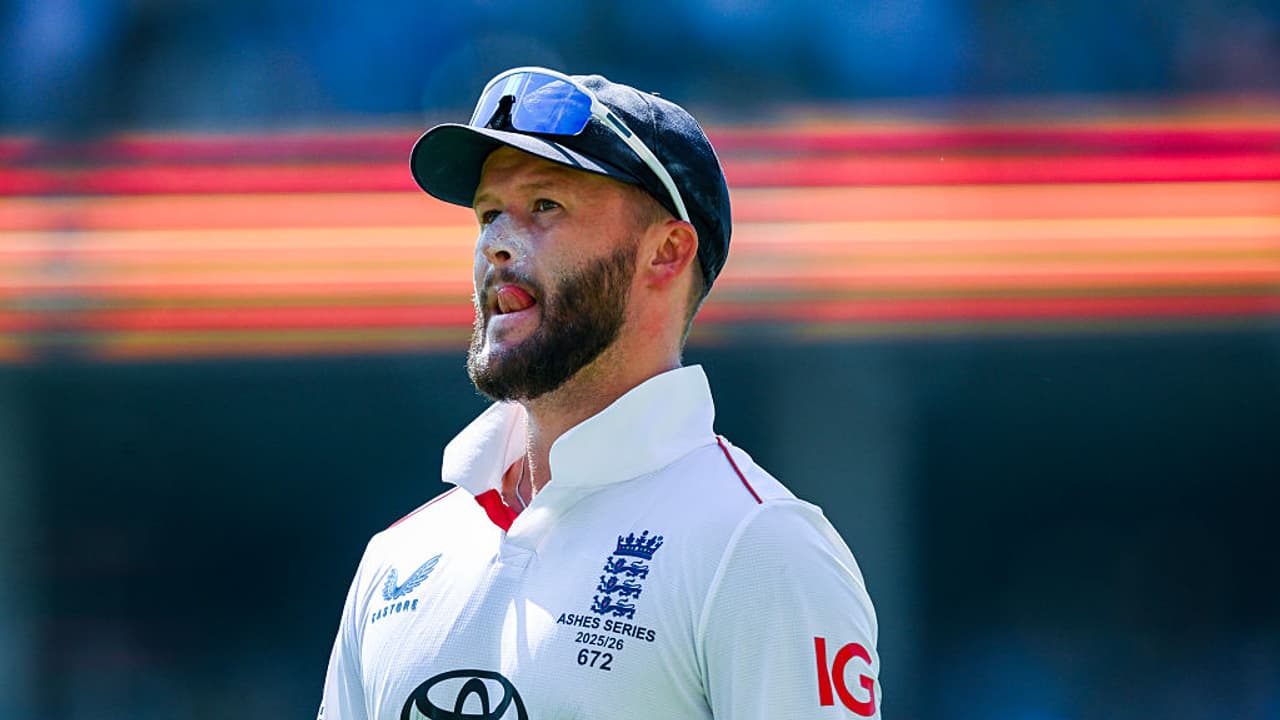
After MS Dhoni, Ben Duckett fined by police for overspeeding

Why Adam Zampa chose PSL over IPL? Australia star reveals ‘monetary’ reason
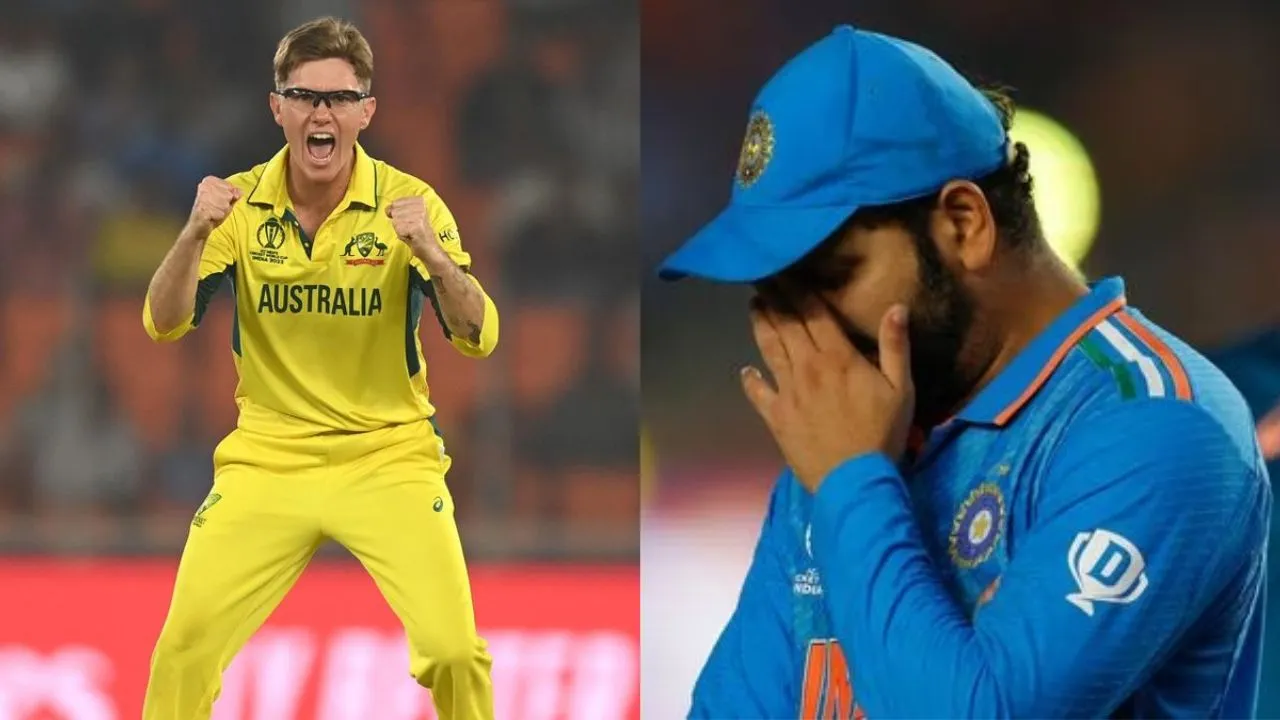
Making Indian crowd silent is a good feeling: Adam Zampa names 2023 CWC win as his favourite memory

Watch: Saim Ayub trains in heavy rain and thunderstorm, raises health concerns amid PSL 2026

Sri Lanka cricketer Bhanuka Rajapaksa sends legal notice to actress over false accusations
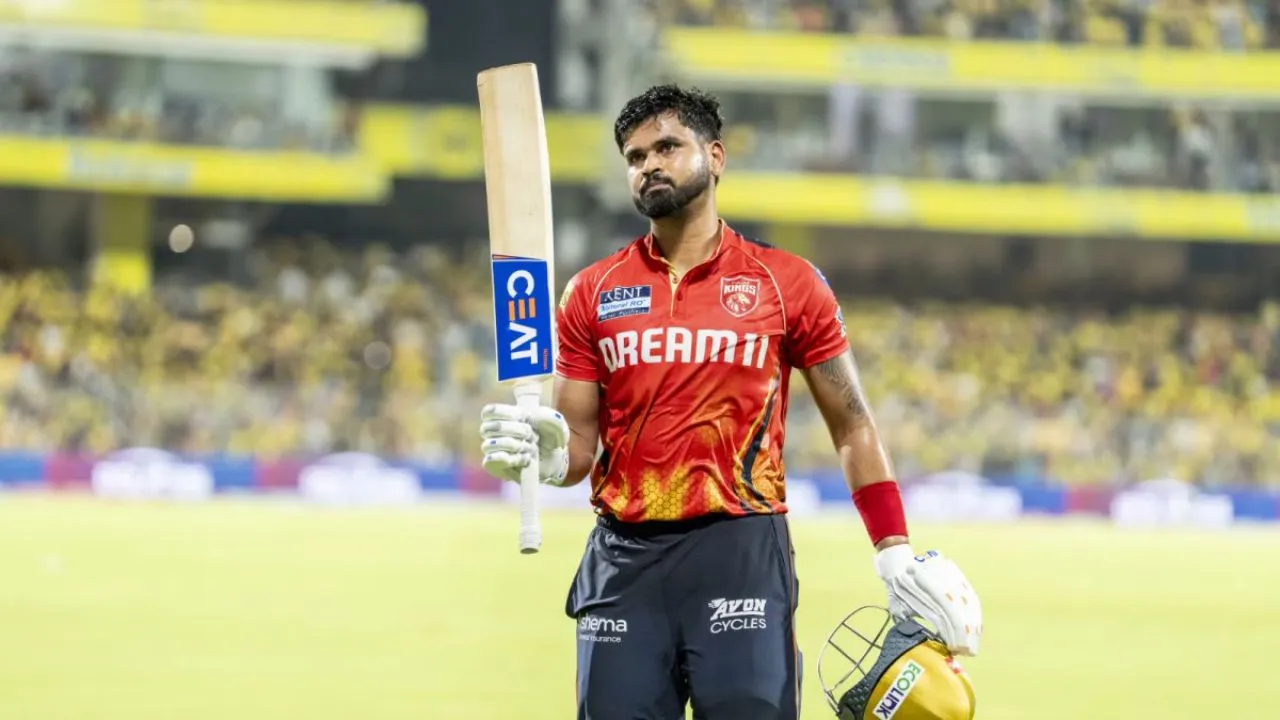
Punjab Kings penalised! Shreyas Iyer punished after win vs Gujarat Titans in IPL 2026
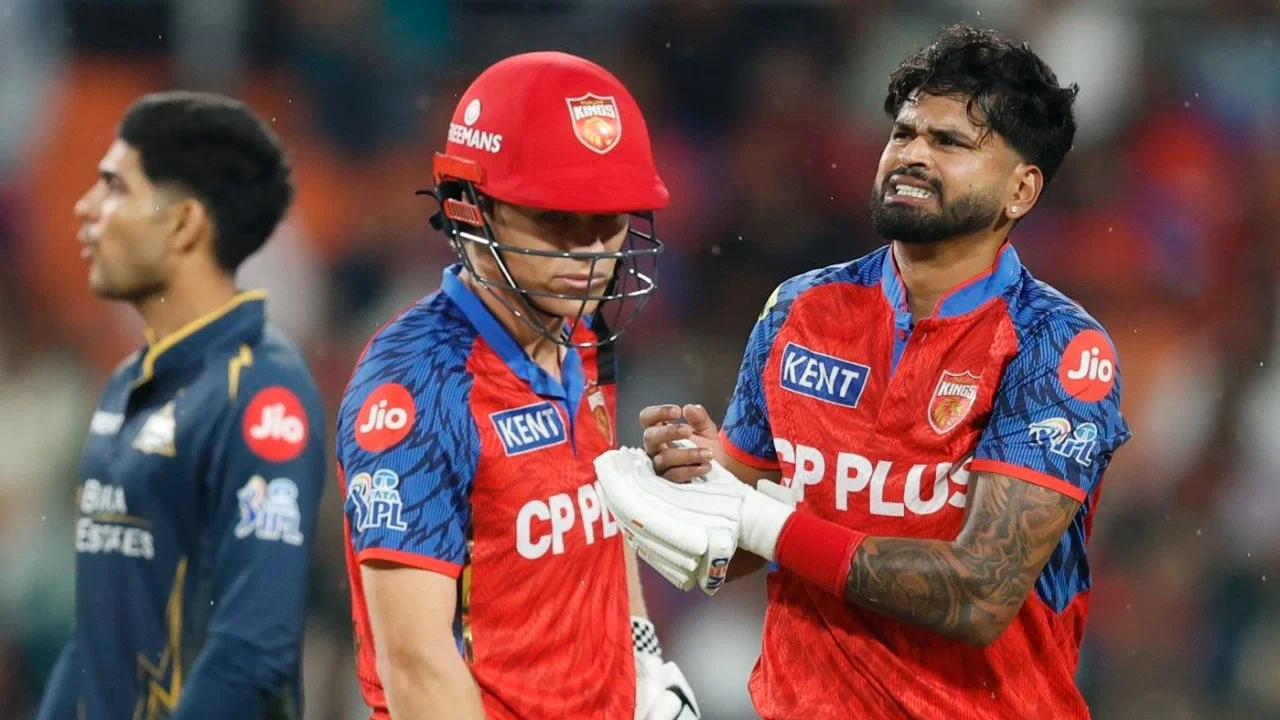
Shreyas Iyer injury update: Punjab Kings captain ruled out of IPL 2026?

LSG vs DC Match No. 5 Preview: Free Live Streaming, Pitch & Weather Report, Head-to-Head | IPL 2026

LSG vs DC Match Prediction – Who Will Win Match No.5? | IPL 2026

LSG Playing XI vs DC Playing XI – Match No. 5 | IPL 2026

Krunal Pandya breaks silence on India snub, opens up on Virat Kohli

Mohsin Naqvi enforces new social media rules for Pakistan players following Naseem Shah incident