South Africa bowler delivers Mohammad Amir-like ‘Fixing’ no-ball during match vs Afghanistan in ICC Under-19 World Cup 2026
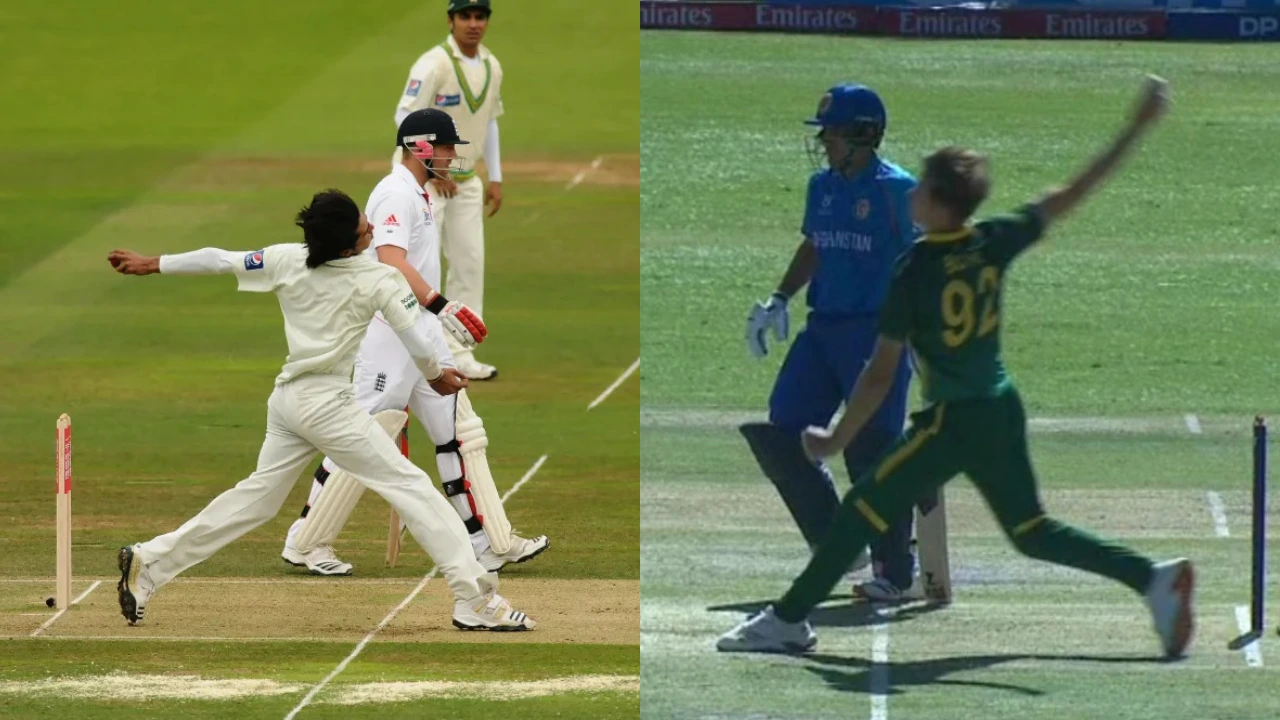
Massive No-Ball Evokes Memories of Mohammad Amir Incident at ICC Under-19 World Cup 2026
A jaw-dropping moment caught the attention of cricket fans during the 6th match of the ICC Under-19 World Cup 2026 in Windhoek. South Africa bowler Corne Botha bowled a huge no-ball to Afghanistan batter Khalid Ahmadzai, reminiscent of a notorious incident from cricket history.
The Incident:
During the 8.2 over of Afghanistan U19 team’s innings at the High-Performance Oval, Corne Botha overstepped significantly while bowling to Khalid Ahmadzai. The size of the no-ball immediately brought back memories of former Pakistan fast bowler Mohammad Amir’s infamous no-ball from the 2010 Lord’s Test against England.
The similarity between Botha’s no-ball and Amir’s spot-fixing incident sparked instant buzz on social media. While South Africa U19 would hope it was not deliberate, the moment revived memories of one of cricket’s most controversial chapters.
Mohammad Amir’s Dark Fixing Scandal at Lord’s:
Mohammad Amir’s no-ball at Lord’s remains one of the darkest moments in cricket history. The incident was a clear and deliberate overstep, later exposed through a secret sting operation by a British newspaper. The scandal involved Amir, Mohammad Asif, and former Pakistan captain Salman Butt, who were suspended and even sent to jail.
Amir spent six months in jail, while Asif served a 30-month sentence and Butt a one-year sentence. The scandal sent shockwaves through world cricket and highlighted the dangers of corruption in the sport.
Match Details:
In the ICC Under-19 World Cup 2026 match, South Africa U19 captain Muhammed Bulbulia chose to field first after winning the toss. Afghanistan, coming off a disappointing 2024 World Cup, was eager for a turnaround. South Africa, aiming to go one step further after narrowly missing the title in 2024, faced a strong Afghan team.
At the time of writing, Afghanistan was steady at 96/1, with Khalid Ahmadzai and Faisal Shinozada holding the fort against South Africa. The match promises to be an exciting clash between two talented young teams.
Team Lineups:
South Africa U19: Jorich Van Schalkwyk, Adnaan Lagadien, Muhammed Bulbulia (c), Jason Rowles, Armaan Manack, Paul James, Daniel Bosman, Lethabo Phahlamohlaka (w), Corne Botha, JJ Basson, Buyanda Majola.
Afghanistan U19: Osman Sadat, Khalid Ahmadzai, Faisal Shinozada, Uzairullah Niazai, Mahboob Khan (w/c), Azizullah Miakhil, Khatir Stanikzai, Nooristani Omarzai, Abdul Aziz, Wahidullah Zadran, Hafeez Zadran.
As the ICC Under-19 World Cup 2026 match unfolds, fans eagerly await the outcome of this thrilling encounter between two promising young teams.
Impact of Prediction Technology on Umpiring Decisions:
With the advancement of technology in cricket, particularly in the form of ball-tracking systems and predictive tools, the accuracy of umpiring decisions has significantly improved. In the past, incidents like Corne Botha’s massive no-ball might have gone unnoticed or led to controversies. However, with the aid of predictive technology, umpires now have access to real-time data that can help in making more informed decisions.
These predictive tools can analyze the trajectory of the ball, the bowler’s position, and other variables to determine if a delivery is legal or not. This technology not only benefits the umpires in making correct calls but also adds a layer of transparency to the game, reducing the chances of foul play or deliberate wrongdoing.
Challenges of Youth Cricket and the Pressure to Succeed:
The ICC Under-19 World Cup serves as a platform for young cricketers to showcase their talent and potentially launch their careers at the international level. The pressure to perform in high-stakes matches can sometimes lead to moments of indiscretion, as seen in Corne Botha’s no-ball incident. The intense competition and desire to succeed can sometimes cloud judgment, leading to mistakes that can have long-lasting consequences.
It is crucial for young cricketers to understand the importance of integrity and sportsmanship, especially in a sport with a history of scandals like match-fixing. Education on ethics and fair play should be a fundamental part of their development as athletes, to ensure that incidents like Mohammad Amir’s fixing scandal are not repeated in the future.
Looking Ahead: Lessons Learned and Moving Forward:
As the ICC Under-19 World Cup 2026 continues, it is essential for players, coaches, and officials to reflect on past incidents and learn from them. The Mohammad Amir fixing scandal serves as a cautionary tale of the consequences of crossing ethical boundaries in sport. It is a reminder that integrity and honesty are paramount in maintaining the sanctity of cricket as a game.
Moving forward, it is vital for cricketing authorities to continue their efforts in combating corruption and ensuring that the sport remains clean and fair. Emphasizing values like integrity, respect, and honesty at all levels of the game can help build a strong foundation for the future of cricket.
Conclusion:
While Corne Botha’s massive no-ball may have evoked memories of a dark chapter in cricket history, it also serves as a reminder of the progress that has been made in safeguarding the integrity of the sport. Through technological advancements, educational initiatives, and a collective commitment to fair play, cricket can continue to thrive as a symbol of sportsmanship and excellence.
As fans eagerly follow the ICC Under-19 World Cup 2026 and witness the talent and passion of young cricketers from around the world, let us all remember the importance of upholding the values that make cricket a truly remarkable and beloved sport.
Latest News
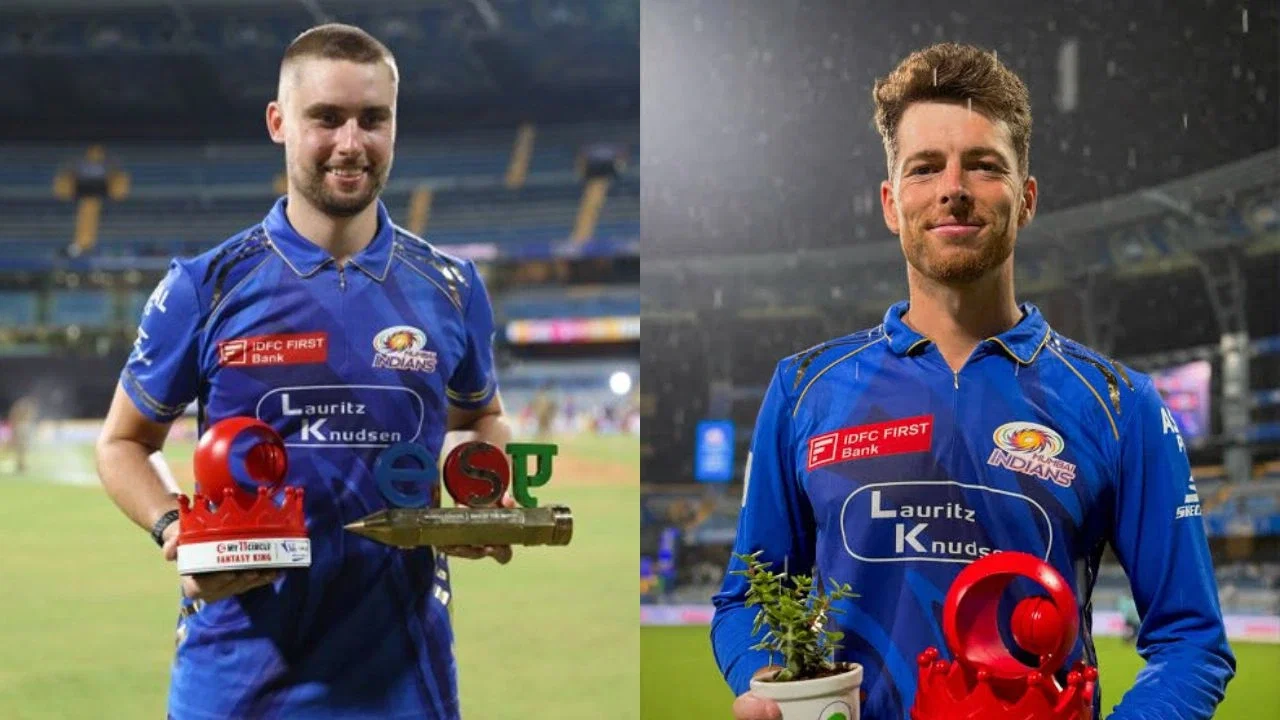
Mumbai Indians suffer blow! Mitchell Santner, Will Jacks ruled out of IPL 2026 games
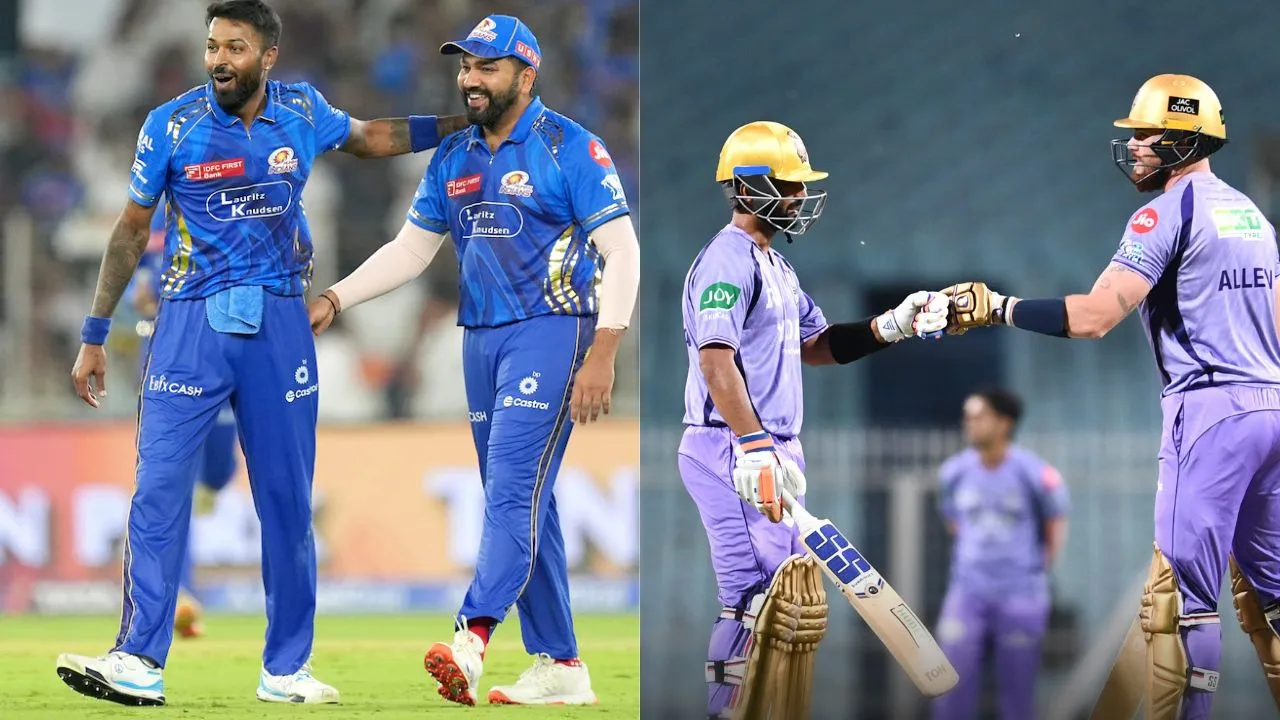
MI vs KKR Match Prediction – Who Will Win Match No.2? | IPL 2026
Mumbai Indians Playing XI vs Kolkata Knight Riders Playing XI- Match No. 2 | IPL 2026
MI vs KKR Match 2 Preview: Free Live Streaming, Pitch & Weather Report, Head-to-Head | IPL 2026
Not English cricket! Jos Buttler credits IPL for his success as a cricketer
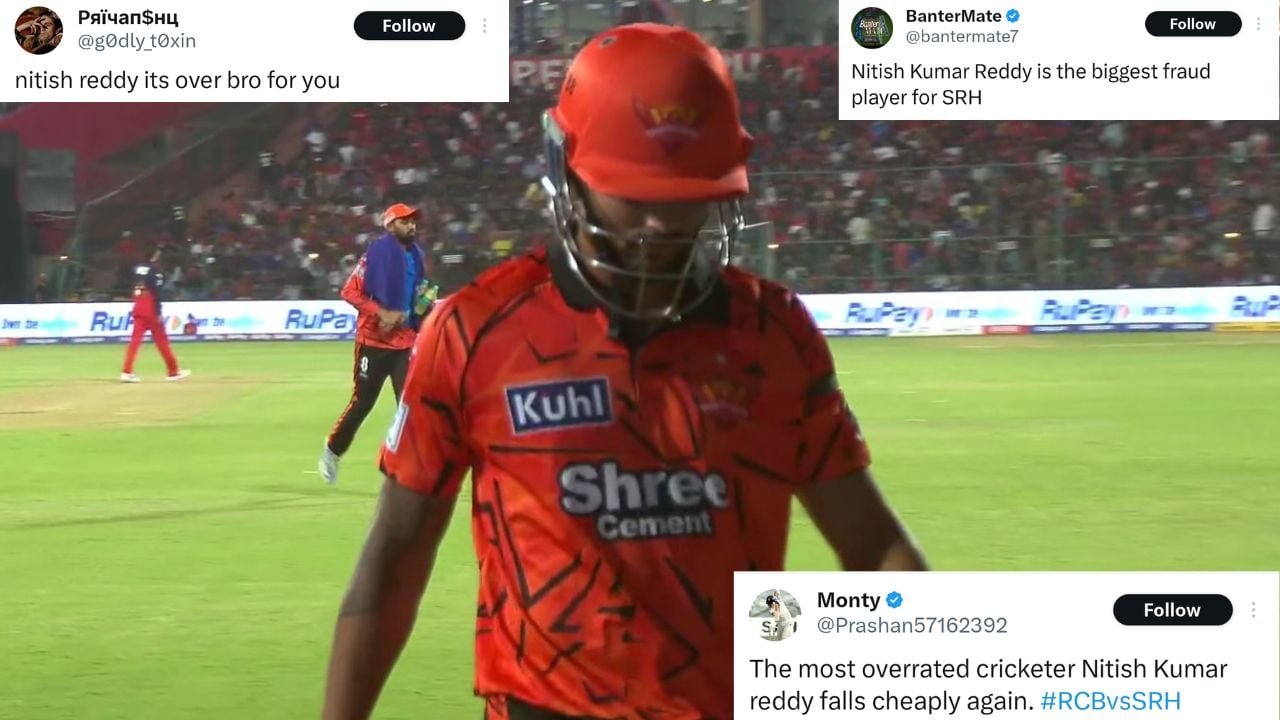
“Nitish Kumar Reddy is biggest fraud”: Fans fume as SRH star fails vs RCB in IPL 2026 opener
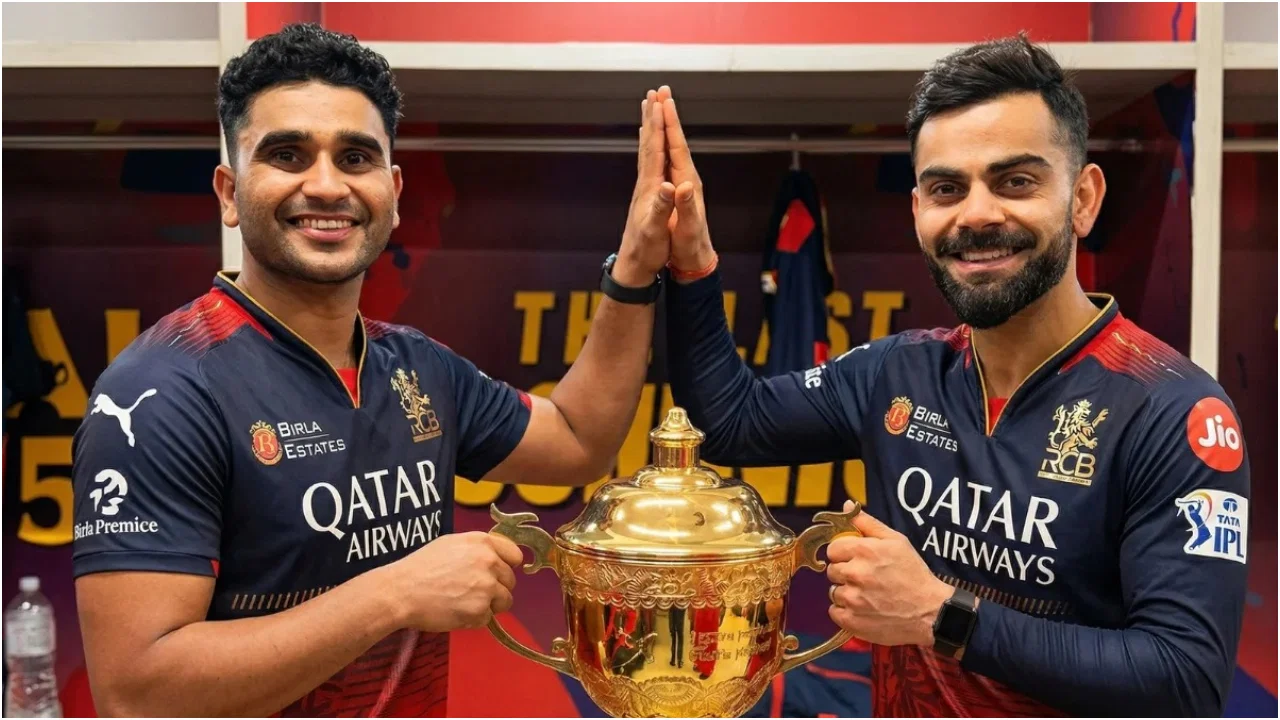
Who is Abhinandan Singh? The Virat Kohli troublemaker who made his IPL debut for RCB vs SRH
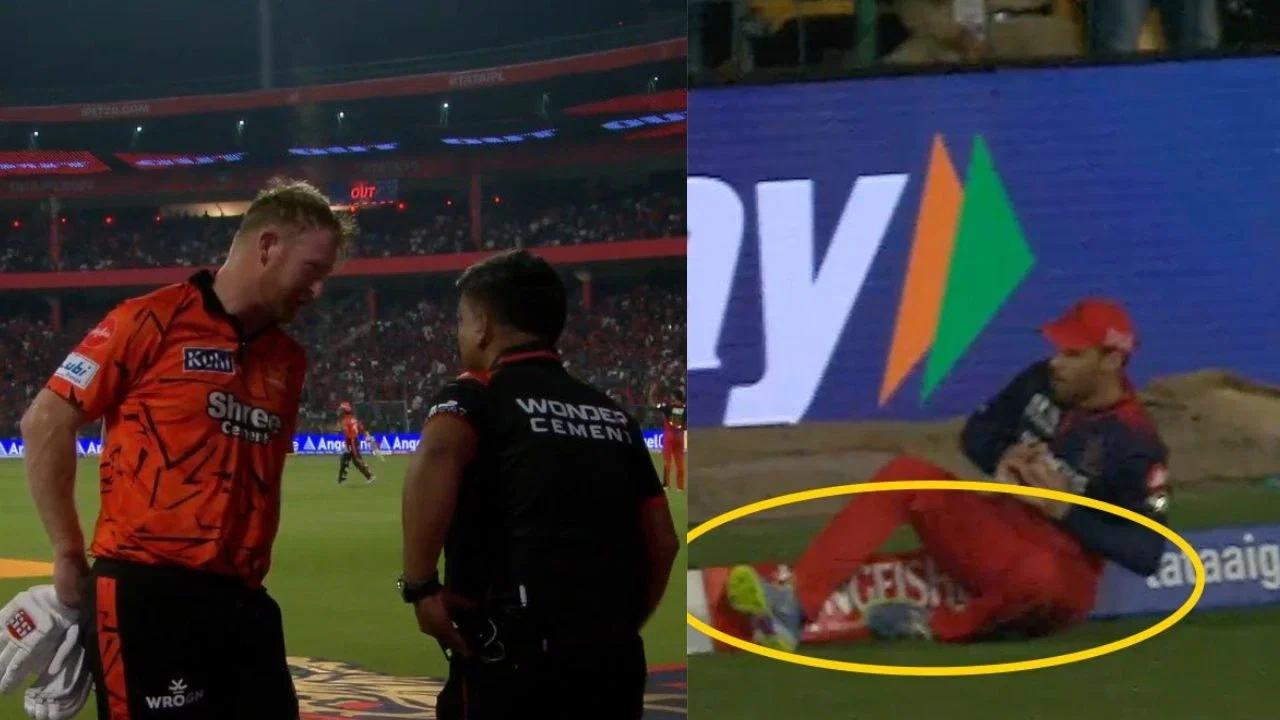
Heinrich Klaasen engages in heated chat with 4th umpire after Phil Salt’s controversial catch in IPL 2026
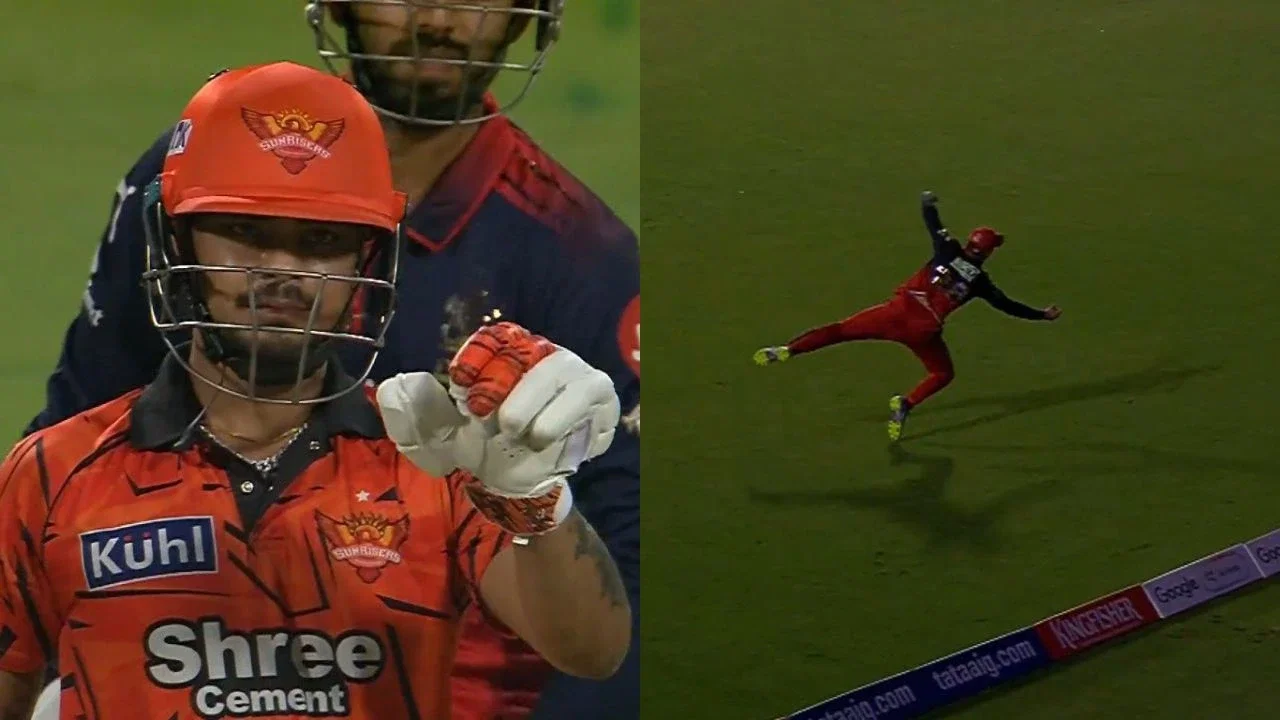
Phil Salt grabs one of the greatest catches in IPL history to dismiss Ishan Kishan
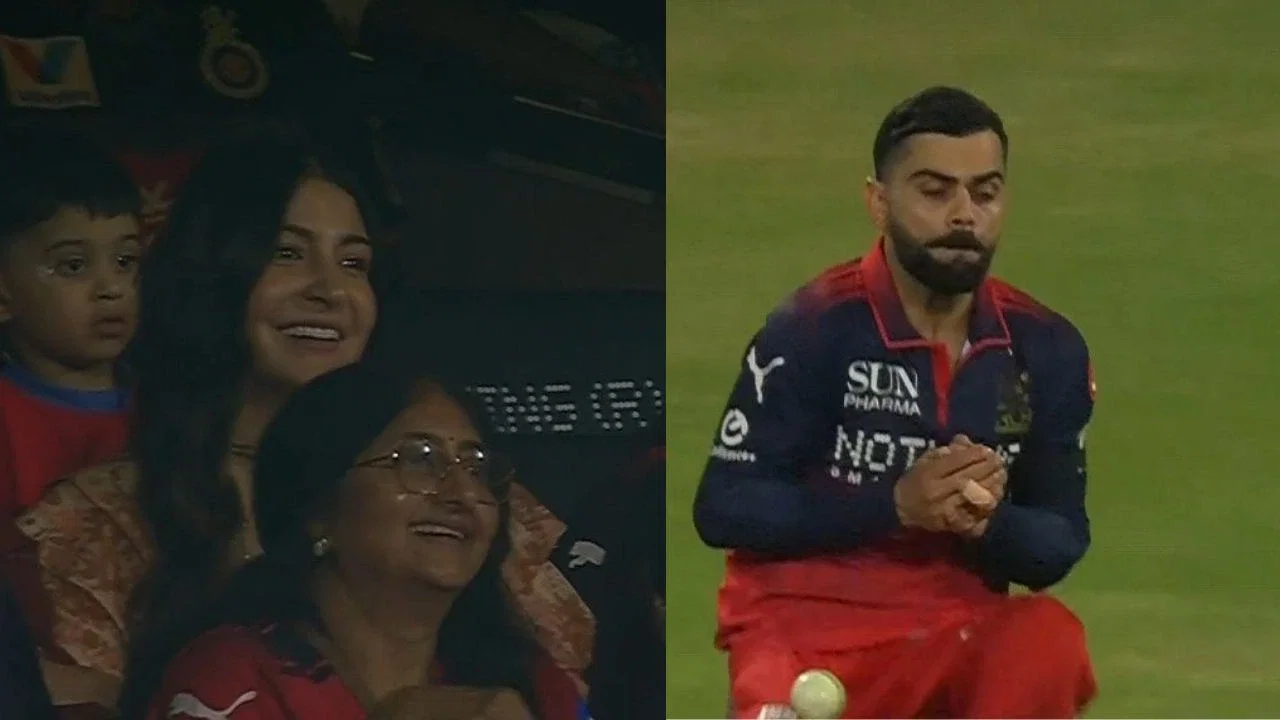
Anushka Sharma laughs as Virat Kohli drops a sitter in RCB vs SRH clash (Watch Video)
Anushka Sharma laughs as Virat Kohli drops a sitter in RCB vs SRH clash (Watch Video)
Anushka Sharma laughs as Virat Kohli drops a sitter in RCB vs SRH clash (Watch Video)
Anushka Sharma laughs as Virat Kohli drops a sitter in RCB vs SRH clash (Watch Video)
Anushka Sharma laughs as Virat Kohli drops a sitter in RCB vs SRH clash (Watch Video)