Sri Lanka captain to be JAILED before ICC T20 World Cup 2026
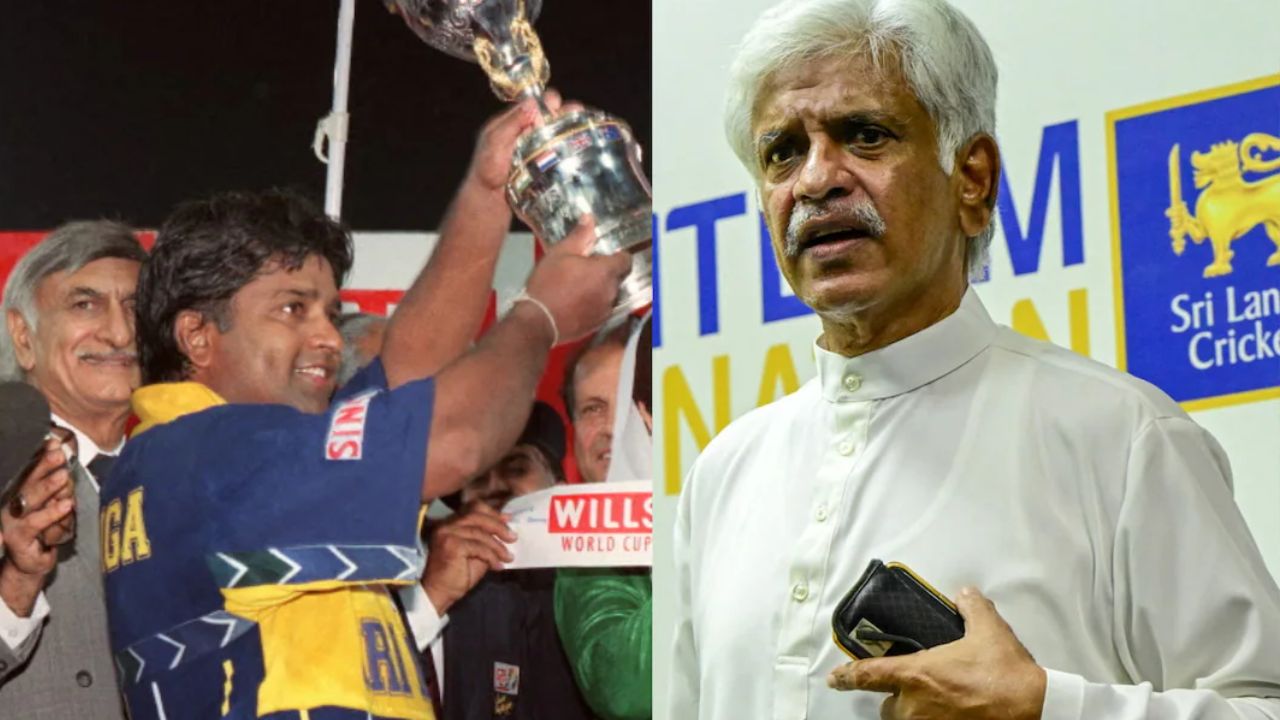
Arjuna Ranatunga, Sri Lankan Cricket Legend, Facing Arrest on Corruption Charges
After retiring from his successful cricketing career, Arjuna Ranatunga, the renowned Sri Lankan World Cup-winning captain of 1996, ventured into politics and served as the Minister of Petroleum in Sri Lanka. However, his political career is now under scrutiny as he is expected to face arrest on corruption charges by the Sri Lankan authorities.
A Turbulent Phase in Sri Lanka’s Political Landscape
In recent years, Sri Lanka has been grappling with political instability and corruption allegations within the government. The administration of President Anura Kumara Dissanayake, which promised to tackle corruption, has itself become embroiled in a corruption scandal, casting a shadow over the country’s governance.
Arjuna Ranatunga, who led Sri Lanka to a historic victory in the 1996 Cricket World Cup, defeating the formidable Australian team in the finals, is now implicated in a corruption case that has raised serious concerns within the nation.
Allegations Against Arjuna Ranatunga
The Sri Lankan authorities have revealed plans to arrest Arjuna Ranatunga over corruption charges related to his tenure as the country’s petroleum minister. Ranatunga and his brother have been accused of manipulating the process of awarding long-term oil procurement contracts, opting instead for costly spot purchases that incurred significant financial losses for the state.
An investigation by a corruption watchdog uncovered irregularities in the oil procurement deals, estimating that the state suffered losses amounting to 800 million rupees, equivalent to over $5 million at the time of the transactions in 2017.
Family Ties to Corruption
The corruption scandal involving the Ranatunga brothers has deepened with the arrest of Arjuna’s elder brother, Dhammika Ranatunga, who formerly held a key position at the state-run Ceylon Petroleum Corporation. Despite being granted bail, Dhammika faces legal restrictions on international travel due to his dual citizenship status.
Another brother, Prasanna Ranatunga, a former tourism minister, is also embroiled in legal troubles for his involvement in insurance fraud. Having been convicted previously for extortion, Prasanna is currently serving a suspended prison sentence.
Impending Legal Action
With one brother already in legal trouble and another convicted, Arjuna Ranatunga, the former cricket captain, is next in line to face the repercussions of the corruption scandal. Authorities are preparing to apprehend him upon his return to Sri Lanka, as investigations continue to unravel the extent of financial misconduct within the government.
The ongoing legal proceedings and arrests within the Ranatunga family underscore the challenges faced by Sri Lanka in combating corruption and restoring public trust in governance. As the nation grapples with these issues, the upcoming legal actions against Arjuna Ranatunga serve as a stark reminder of the consequences of unethical behavior in positions of power.
Legacy in Cricket and Transition to Politics
Arjuna Ranatunga’s journey from a cricketing legend to a political figure was marked by his illustrious career in sports. As the captain of the Sri Lankan cricket team, he led his squad to an unforgettable victory in the 1996 World Cup, capturing the hearts of a nation and etching his name in sporting history. Following his retirement from cricket, Ranatunga entered the political arena, leveraging his popularity to secure a ministerial position.
His foray into politics was not uncommon among former athletes seeking to use their public influence for societal change. However, the transition from the cricket pitch to the political stage brought Ranatunga face to face with the complexities and challenges of governance in a country plagued by corruption and instability.
Corruption in Sri Lanka’s Petroleum Sector
The allegations against Arjuna Ranatunga shed light on the pervasive corruption within Sri Lanka’s petroleum sector, where government officials have been accused of exploiting their positions for personal gain. The manipulation of oil procurement contracts not only resulted in financial losses for the state but also raised questions about the transparency and accountability of the country’s energy policies.
The revelation of irregularities in the procurement process underscores the need for stringent oversight mechanisms and anti-corruption measures to safeguard public funds and prevent abuse of power by those in positions of authority.
Challenges in Combatting Corruption
Sri Lanka’s struggle with corruption reflects a broader global issue wherein entrenched systems of patronage and nepotism undermine the principles of accountability and integrity in governance. The high-profile nature of the Ranatunga case serves as a stark reminder of the challenges faced in eradicating corruption and fostering a culture of transparency within governmental institutions.
Efforts to combat corruption require a multi-faceted approach encompassing legal reforms, institutional strengthening, and public awareness campaigns to instill a sense of ethical responsibility among public officials. The prosecution of individuals implicated in corrupt practices, regardless of their stature or influence, is essential in signaling a commitment to upholding the rule of law and ensuring justice for all citizens.
Impact on Sri Lanka’s Political Landscape
The unfolding corruption scandal involving Arjuna Ranatunga and his brothers has reverberated across Sri Lanka’s political landscape, tarnishing the reputation of prominent figures and raising doubts about the government’s ability to govern effectively. The erosion of public trust in elected officials underscores the urgent need for accountability and transparency in decision-making processes.
The legal proceedings against Ranatunga and his family members serve as a somber reminder of the consequences of ethical lapses in leadership and the imperative of upholding ethical standards in public service. As Sri Lanka grapples with the fallout from the corruption scandal, the nation faces a critical juncture in its quest for good governance and integrity in public life.
Conclusion
In conclusion, the impending arrest of Arjuna Ranatunga on corruption charges represents a critical moment in Sri Lanka’s fight against graft and malfeasance in government. The case underscores the need for robust anti-corruption measures, effective enforcement of the rule of law, and a commitment to ethical governance to rebuild public trust and strengthen democratic institutions.
As the legal proceedings unfold and accountability is sought for those implicated in corrupt practices, the Ranatunga case serves as a cautionary tale for public officials tempted to abuse their power for personal gain. Ultimately, the pursuit of justice and integrity in governance is essential for ensuring a fair and equitable society for all Sri Lankans.
Latest News
Mumbai Indians suffer blow! Mitchell Santner, Will Jacks ruled out of IPL 2026 games
MI vs KKR Match Prediction – Who Will Win Match No.2? | IPL 2026
Mumbai Indians Playing XI vs Kolkata Knight Riders Playing XI- Match No. 2 | IPL 2026
MI vs KKR Match 2 Preview: Free Live Streaming, Pitch & Weather Report, Head-to-Head | IPL 2026
Not English cricket! Jos Buttler credits IPL for his success as a cricketer
“Nitish Kumar Reddy is biggest fraud”: Fans fume as SRH star fails vs RCB in IPL 2026 opener
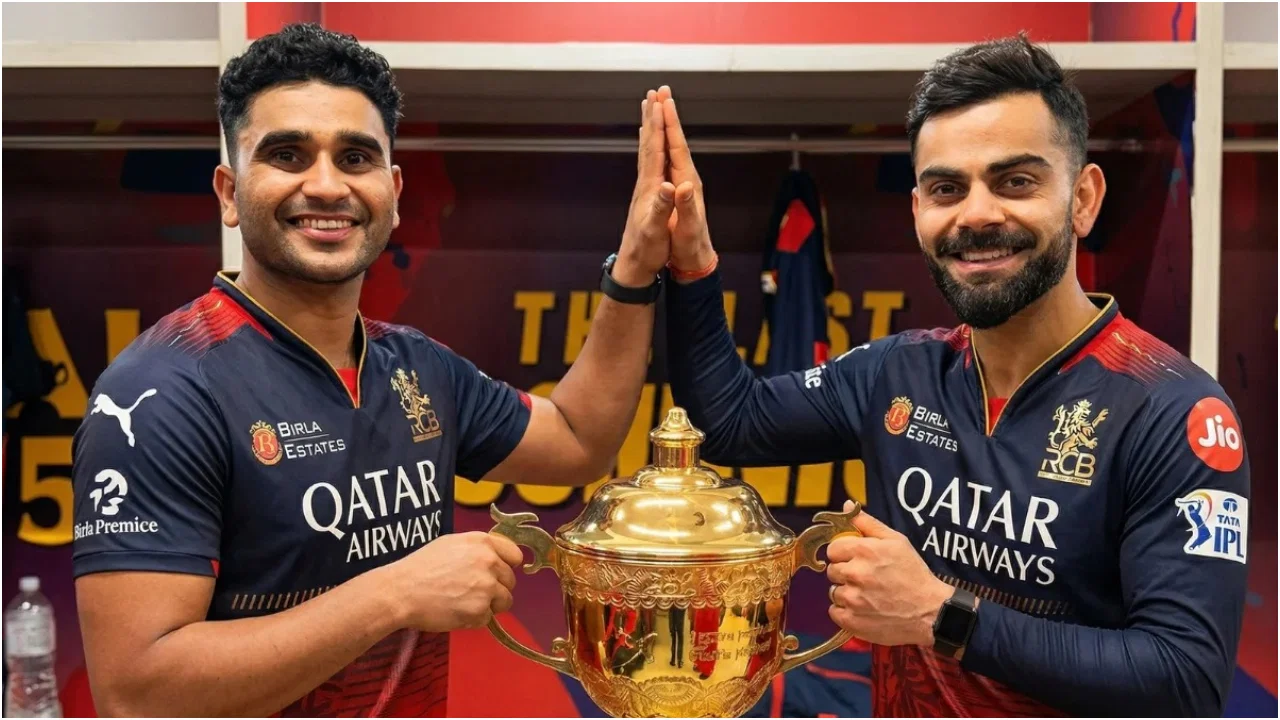
Who is Abhinandan Singh? The Virat Kohli troublemaker who made his IPL debut for RCB vs SRH
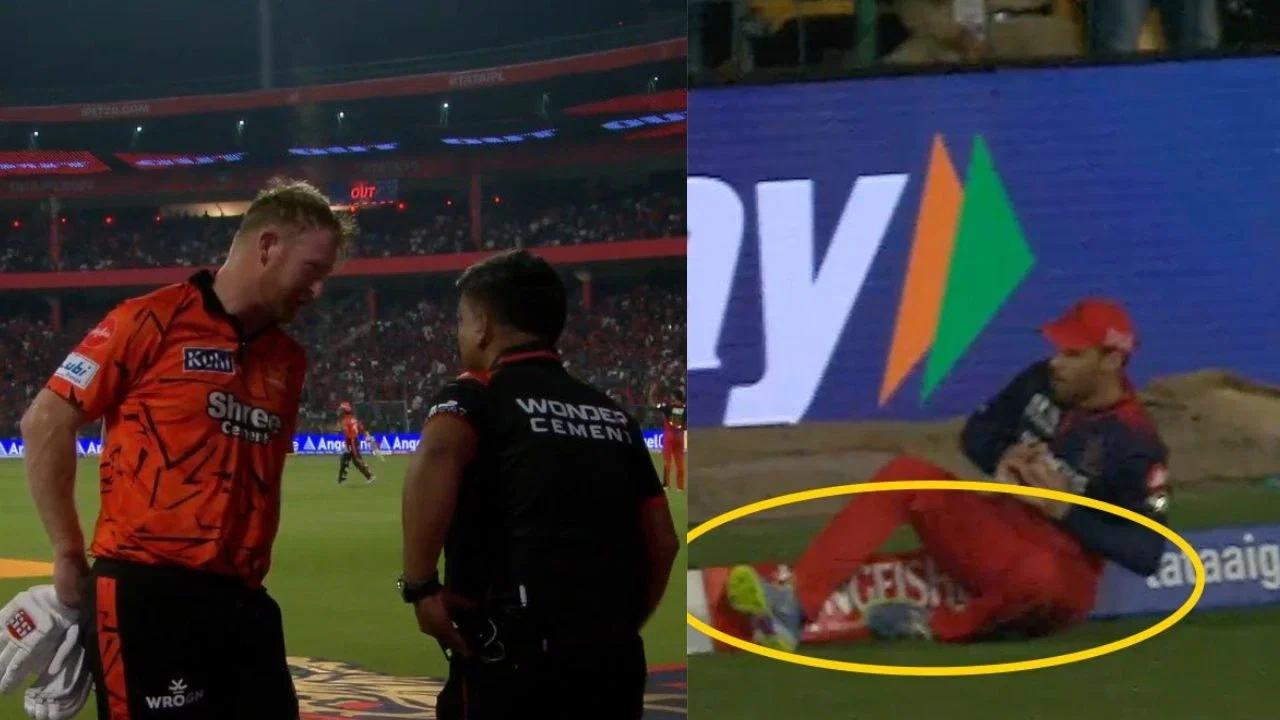
Heinrich Klaasen engages in heated chat with 4th umpire after Phil Salt’s controversial catch in IPL 2026
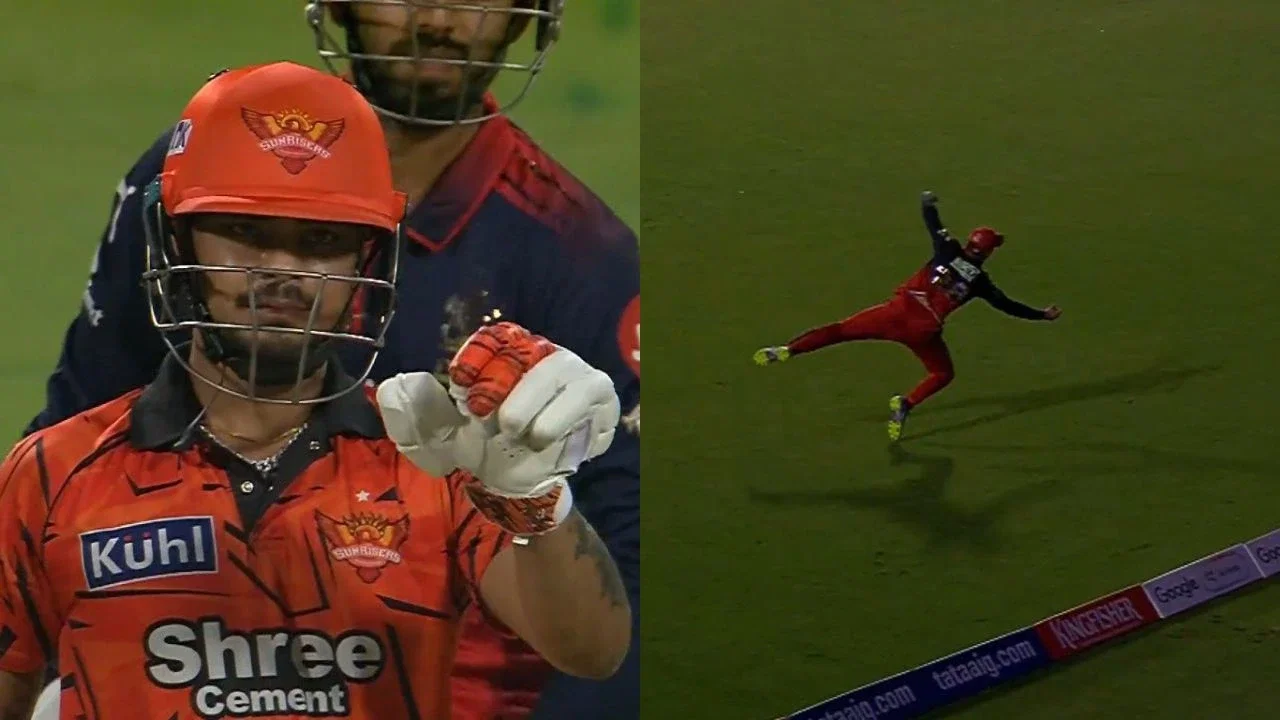
Phil Salt grabs one of the greatest catches in IPL history to dismiss Ishan Kishan
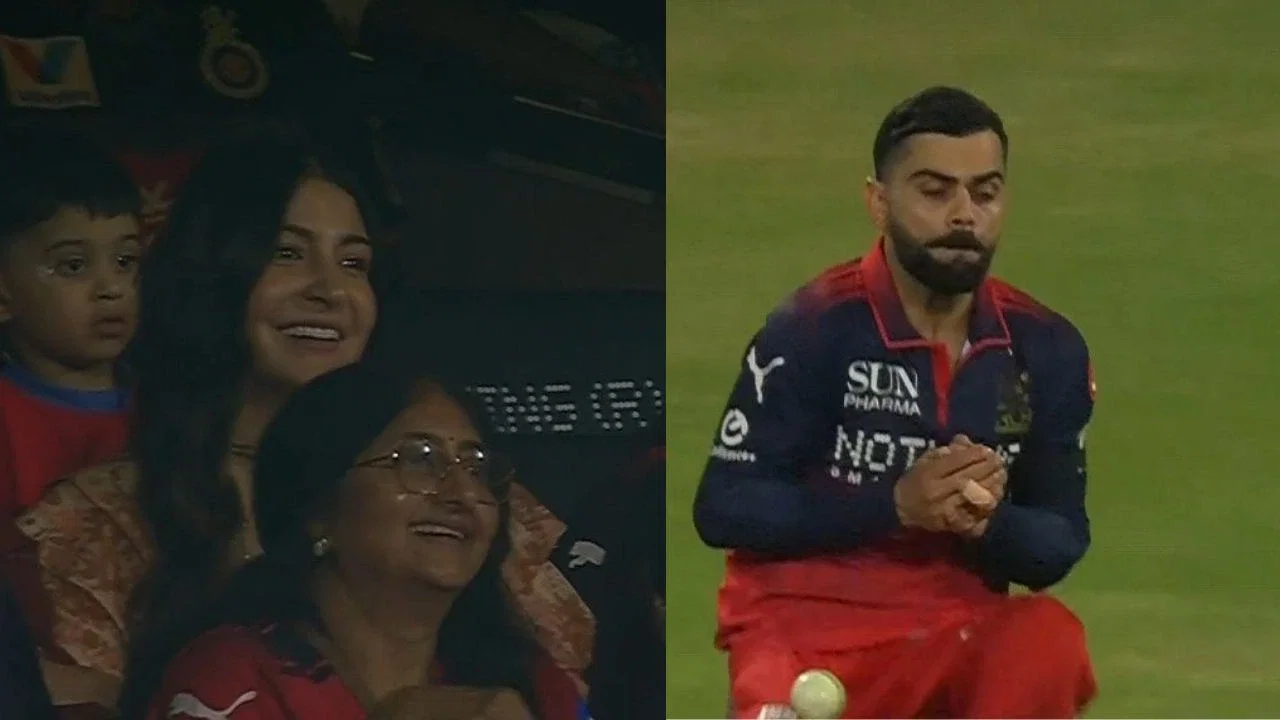
Anushka Sharma laughs as Virat Kohli drops a sitter in RCB vs SRH clash (Watch Video)
Anushka Sharma laughs as Virat Kohli drops a sitter in RCB vs SRH clash (Watch Video)
Anushka Sharma laughs as Virat Kohli drops a sitter in RCB vs SRH clash (Watch Video)
Anushka Sharma laughs as Virat Kohli drops a sitter in RCB vs SRH clash (Watch Video)
Anushka Sharma laughs as Virat Kohli drops a sitter in RCB vs SRH clash (Watch Video)