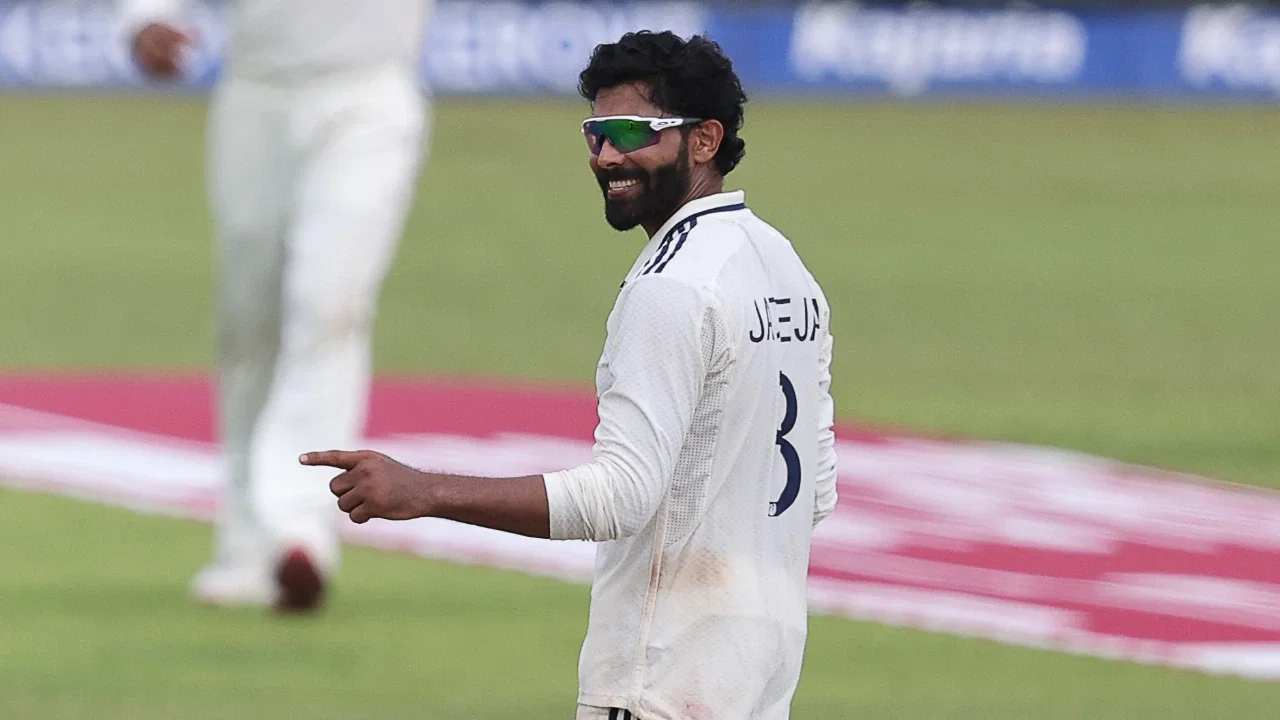
Sri Lanka cricket in turmoil after T20 World Cup exit; Shammi Silva’s sacking demanded
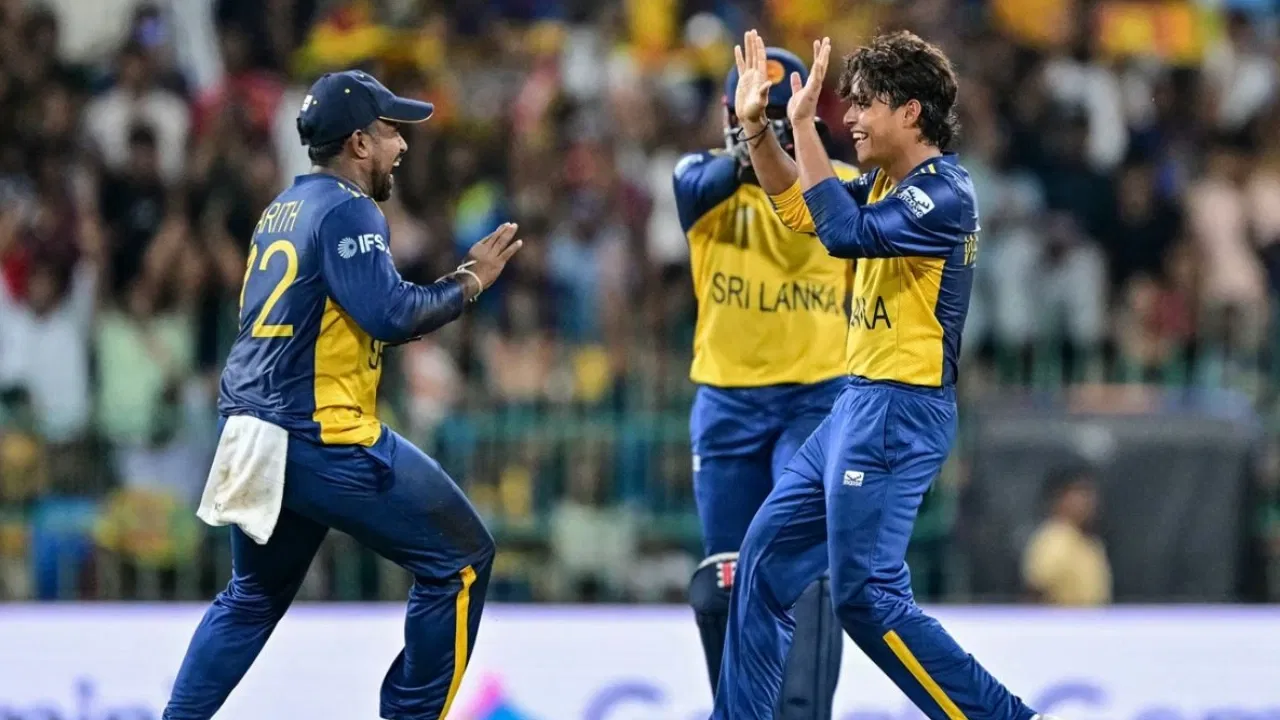
Sri Lanka National Cricket Team Eliminated from T20 World Cup 2026
The Sri Lanka National Cricket Team’s journey in the T20 World Cup 2026 came to a disappointing end with a crushing 61-run defeat against New Zealand in the Super 8 match held at the R. Premadasa International Cricket Stadium in Colombo on February 26. The defeat marked the fifth consecutive T20 World Cup where Sri Lanka failed to reach the semifinals since their championship victory in 2014. As a result, the co-hosts of the tournament are now officially out of contention.
Struggles on the Field
Chasing a target of 169, Sri Lanka got off to a poor start, finding themselves at 20 for 2 within the powerplay against a strong New Zealand bowling attack. Despite hopes that the Colombo pitch would favor the home team, the batters failed to handle the pressure, eventually posting a total of only 107 runs for the loss of 8 wickets. The standout performer for New Zealand was Rachin Ravindra, who claimed 4 wickets for 27 runs and effectively dismantled Sri Lanka’s middle order.
This defeat marked Sri Lanka’s third consecutive loss in the T20 World Cup 2026, having previously been defeated by Zimbabwe in the group stage and England in the Super 8 round. With two defeats in the Super 8 stage, Sri Lanka became the first team to be eliminated from contention for the semifinals.
Apologies from the Captain
Following the disappointing result, Sri Lanka captain Dasun Shanaka took responsibility for the team’s underwhelming performance and issued an apology to the fans. Shanaka expressed regret for not meeting the expectations set by the team and acknowledged the disappointment felt by supporters who had come out in large numbers to show their support during the tournament.
Shanaka addressed the media, saying, “Everyone had the desire to get into a semi-final. We all had that desire. But we didn’t do justice to the expectations. We couldn’t give fans what we wanted. For that we’re sorry.”
Addressing Negativity in Sri Lankan Cricket
Shanaka also raised concerns about the excessive negativity surrounding Sri Lankan cricket, highlighting the heavy criticism faced by players from external sources. He called for measures to protect future players from such toxic environments, emphasizing the importance of creating a more positive and supportive atmosphere within the cricketing community.
He emphasized, “A lot of times what we see and hear are negative things. No matter how we as cricketers try to stay positive, there is negativity outside. That’s a big loss for Sri Lankan cricket. This is the only sport we have, and I don’t know if we’ll be able to protect it.”
Shanaka concluded by urging for a change in the prevailing culture, stating, “If you look outside the stadium, you’ll see how many people are standing outside with mics, and people will say stuff without having watched the match. We will play and leave, but for the players who will come in the future, if the government can even stop it, that’s better for their mental health.”
Strategies for Improvement
As Sri Lanka reflects on their disappointing exit from the T20 World Cup 2026, there are key areas that the team may need to address moving forward. One aspect that stands out is the team’s batting performance, which has been inconsistent throughout the tournament. The inability to build partnerships and anchor innings has been a recurring issue, leading to collapses under pressure in crucial matches.
Additionally, the team’s bowling attack has also shown weaknesses, especially in the death overs where they have struggled to contain runs and take wickets. This has put added pressure on the batsmen to chase high totals, further exacerbating their challenges on the field.
Building a Strong Team Culture
In light of the captain’s concerns about negativity in Sri Lankan cricket, there is a growing recognition of the need to foster a more supportive team culture. Creating a positive environment where players feel motivated, respected, and valued can have a significant impact on performance and mental well-being.
Team management may consider implementing workshops, counseling services, and mentorship programs to help players cope with external pressures and criticism. Building a strong support system within the team can boost morale, enhance communication, and promote a sense of unity and purpose among the players.
Investing in Youth Development
Another avenue for improvement lies in investing in youth development programs to cultivate a new generation of talented cricketers. Identifying and nurturing young talent from a grassroots level can help rejuvenate the national team and provide a sustainable pipeline of skilled players for the future.
Establishing academies, training camps, and talent identification initiatives can help unearth promising young cricketers and provide them with the necessary resources and guidance to thrive in the competitive world of cricket. By focusing on youth development, Sri Lanka can build a strong foundation for sustained success in international cricket.
Strategic Planning and Long-Term Vision
Looking ahead, Sri Lanka must engage in strategic planning and adopt a long-term vision for the development of their national cricket team. This involves setting clear goals, identifying key performance indicators, and establishing a roadmap for success that extends beyond individual tournaments.
By aligning on a shared vision and working towards common objectives, the team can foster a sense of purpose, collaboration, and accountability among players, coaches, and stakeholders. This strategic approach can guide decision-making, resource allocation, and player development initiatives to drive sustainable growth and improvement in Sri Lankan cricket.
Conclusion
While the disappointment of elimination from the T20 World Cup 2026 may linger, it also presents an opportunity for Sri Lanka to reflect, regroup, and reset their course for the future. By addressing key areas for improvement, nurturing a positive team culture, investing in youth development, and adopting a strategic long-term vision, Sri Lanka can position themselves for success on the international cricket stage.
Through a collective effort to overcome challenges, learn from setbacks, and embrace a culture of growth and resilience, the Sri Lanka National Cricket Team can emerge stronger, more competitive, and ready to reclaim their position among the cricketing elite.
Latest News
New Zealand suffer blow as William O’Rourke misses India ODIs and Tests
Top 10 highest run-chases in T20 cricket history, ft. West Indies’ Ranchi win vs India
Aaryavir Sehwag and Anvay Dravid set to make headlines at U19 Asia Cup 2026
Longest ducks in Test cricket history ft. Nic Maddinson, Shoaib Akhtar
ECB to offer 39 central contracts to England players after Ben Stokes, Mark Wood’s retirement
Steve Smith surpasses Steve Waugh in all-time Test run-scorers’ list

Shane Watson identifies Gautam Gambhir’s biggest problem as India struggle for consistency
Is Bhuvneshwar Kumar in India’s 2027 World Cup plans? Ajinkya Rahane makes revelation
BCCI’s big ₹127 Crore move after injury crisis raises concerns over Team India

Parthiv Patel reveals RCB ignored his Jasprit Bumrah recommendation in IPL 2014 Auction
“Never spoke ill of any faith”: Irfan Pathan hits back at fake news using his name
Nic Maddinson bags 33-ball duck on Test comeback, disappoints George Bailey
Imran Tahir predicts 2027 ICC ODI World Cup Semi-Finalists, snubs India for title
Australia create unwanted history with first all-30-plus Test XI