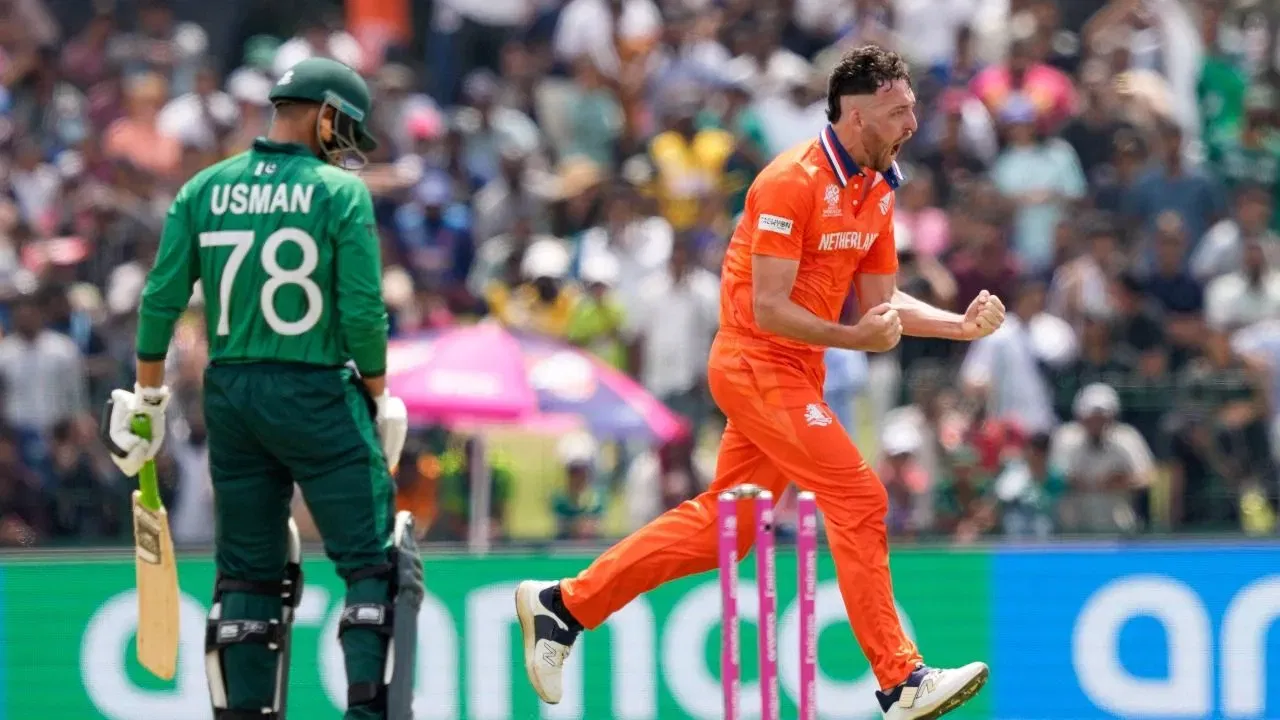
Sri Lanka’s 2014 T20 World Cup-winner Charged For Match-Fixing
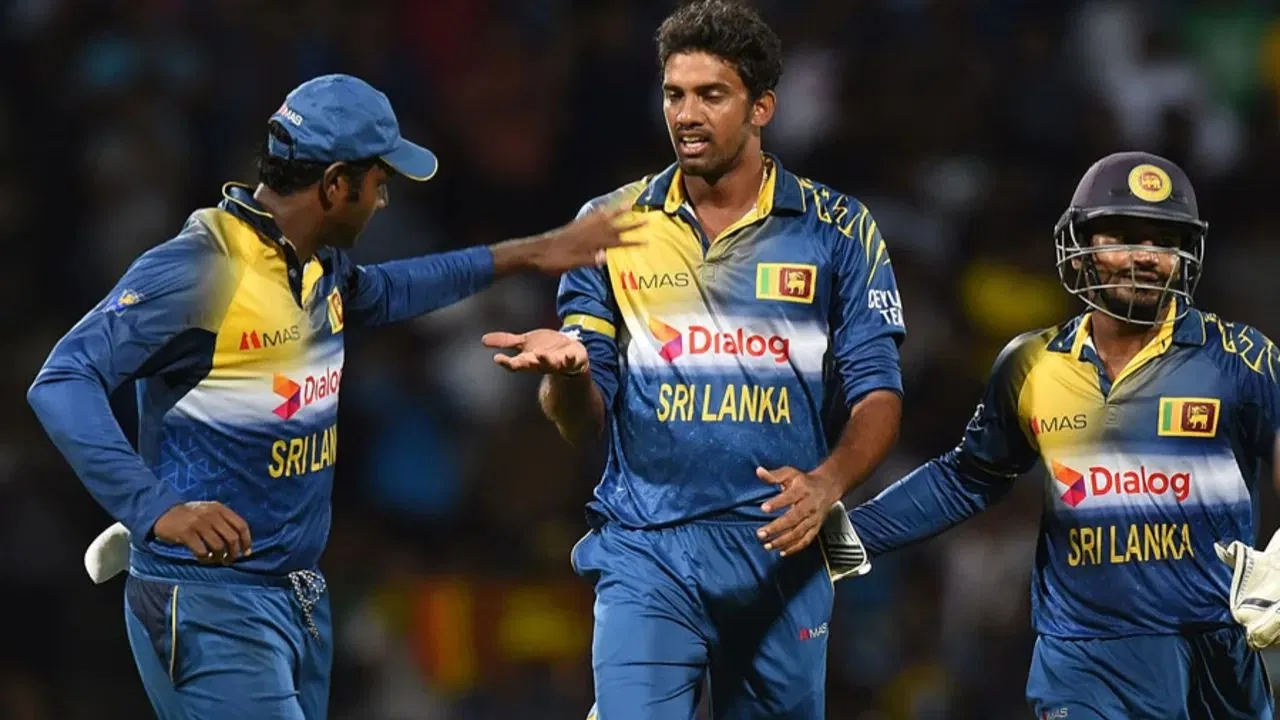
Former Sri Lankan Cricketer Sachithra Senanayake Charged with Match-Fixing
Former Sri Lanka spin bowler Sachithra Senanayake has been charged with involvement in match-fixing during the 2020 edition of a cricket tournament. The Hambantota High Court has indicted Senanayake for attempting to lure a fellow player into match-fixing. Although he was not a participant in the tournament and was overseas during the competition, reports suggest that he made contact with players to engage in match-fixing activities.
Allegations of Match-Fixing
According to a report in the Sri Lankan ‘Daily Mirror,’ Senanayake is alleged to have contacted two other cricketers who were playing in the 2020 tournament via telephone from Dubai, trying to persuade them to participate in match-fixing. This case is significant as it marks the first instance of a national-level cricketer being charged with match-fixing under Sri Lanka’s newly enacted anti-corruption law.
The Attorney General’s Department has confirmed that Senanayake, who is 40 years old, was arrested in 2023 and had a travel ban imposed on him. However, he was later released on bail after providing two sureties of LKR 5,000,000 each, although the travel ban remains in place.
Sachithra Senanayake’s Career and Controversies
Sachithra Senanayake rose to fame when he was signed by a team for a significant amount before the IPL 2013 season. The Kolkata-based franchise signed him for INR 3.3 crore, making him one of the most expensive players in the auction at that time. Despite the initial hype, Senanayake’s IPL career was short-lived, playing only 8 games for KKR in 2013 and picking up 9 wickets.
In 2014, he was part of the Sri Lankan squad that clinched the ICC World T20 in Bangladesh. However, his career was marred by controversy when he was banned from bowling in international cricket due to an illegal bowling action. Although he returned with a remodeled action, Senanayake failed to make a significant impact and eventually played his last international match for Sri Lanka in 2016.
Throughout his career, Senanayake played one Test match, 49 ODIs, and 24 T20Is for Sri Lanka between 2012 and 2016, claiming a total of 78 wickets across formats. Despite his early success and potential, his involvement in match-fixing allegations has now cast a shadow over his cricketing legacy.
In conclusion, the cricketing community is left shocked by the news of Sachithra Senanayake’s alleged involvement in match-fixing, a stain on the reputation of a player who once showed great promise on the field.
Stay tuned for updates as the legal proceedings unfold and more details emerge regarding this high-profile case.
Impact on Sri Lankan Cricket
The news of Sachithra Senanayake’s alleged involvement in match-fixing has not only tarnished his reputation but also raised concerns about the integrity of cricket in Sri Lanka. Match-fixing scandals can have far-reaching consequences, damaging the image of the sport and eroding the trust of fans and stakeholders.
Given Senanayake’s stature as a former international cricketer, this case has sent shockwaves through the Sri Lankan cricket community. It serves as a stark reminder of the constant vigilance required to combat corruption in the sport. Authorities and governing bodies must continue to enforce stringent anti-corruption measures to safeguard the integrity of cricket and prevent such incidents from occurring in the future.
Legal Ramifications and Future Prospects
As the legal proceedings against Sachithra Senanayake progress, the outcome of the case will have significant implications for his future in cricket. If found guilty of the charges, he could face severe penalties, including a lengthy ban from the sport. Moreover, his reputation as a cricketer may be irreparably damaged, impacting any potential involvement in coaching or mentoring roles post-retirement.
On the other hand, if Senanayake is acquitted of the match-fixing allegations, he may seek to clear his name and resume his involvement in cricket. However, regaining the trust of the cricketing fraternity and fans will be a challenging task, requiring transparency, accountability, and a commitment to upholding the spirit of the game.
Lessons Learned and Moving Forward
The case of Sachithra Senanayake underscores the need for greater awareness and education on the perils of match-fixing and corruption in sports. Players, officials, and administrators must be vigilant and report any suspicious activity to the relevant authorities promptly. Additionally, implementing robust anti-corruption protocols and conducting regular integrity checks can help safeguard the integrity of cricket and uphold its values.
While the allegations against Senanayake have sent shockwaves through the cricketing world, they also serve as a reminder of the ongoing battle against corruption in sports. By learning from such incidents and taking proactive measures to prevent malpractice, the cricketing community can strive to maintain the purity and fairness of the game for future generations.
Conclusion
The case of Sachithra Senanayake’s alleged involvement in match-fixing has brought to light the challenges and responsibilities associated with preserving the integrity of cricket. As the legal proceedings unfold and more details emerge, it is essential for stakeholders to remain vigilant, uphold ethical standards, and work towards eradicating corruption from the sport.
Ultimately, the outcome of this high-profile case will not only impact Senanayake’s personal legacy but also serve as a pivotal moment in addressing the scourge of match-fixing in cricket. By staying committed to transparency, accountability, and fair play, the cricketing fraternity can strive to uphold the values that define the spirit of the game.
Latest News
“I’m not coming down” – Jason Gillespie refuses ‘Stupid’ PSL welcome video
Spencer Johnson ditches MS Dhoni’s CSK, set for delayed IPL 2026 arrival

PSL 2026: Full list of players who have withdrawn from the tournament
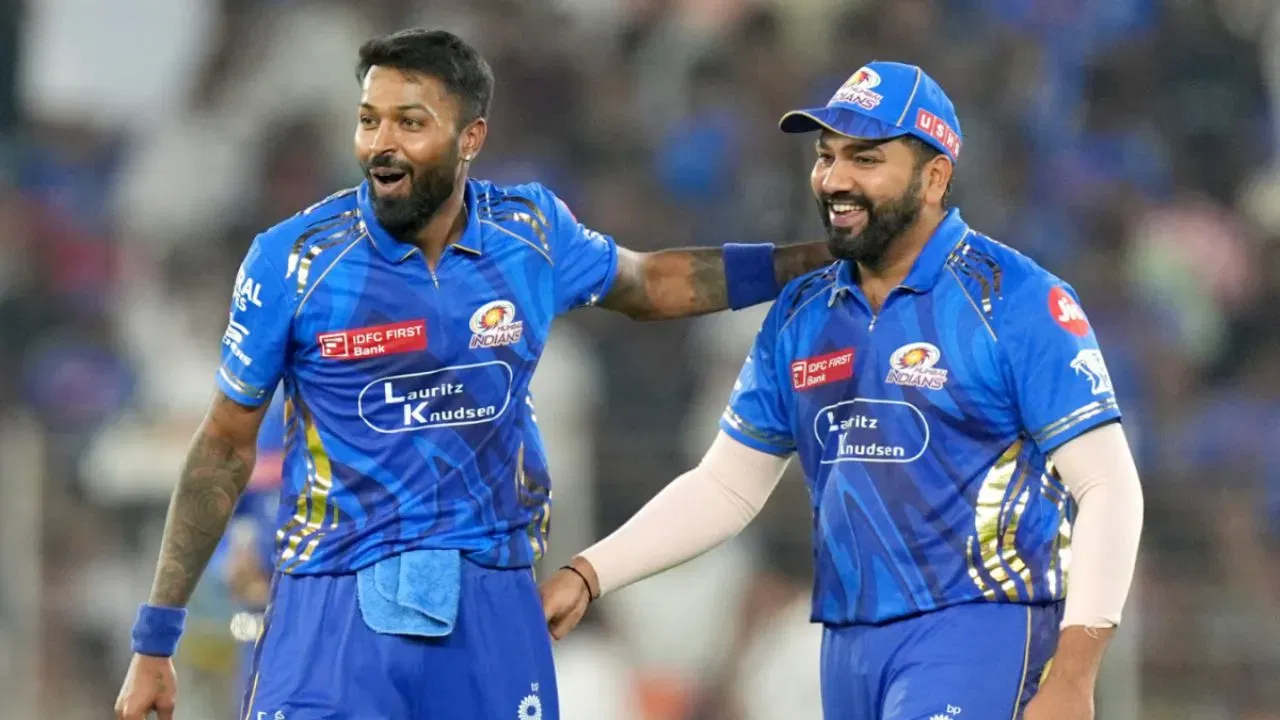
“He wants Rohit Sharma”: Ex-DC coach drops IPL ‘winning formula’ for MI and Hardik Pandya
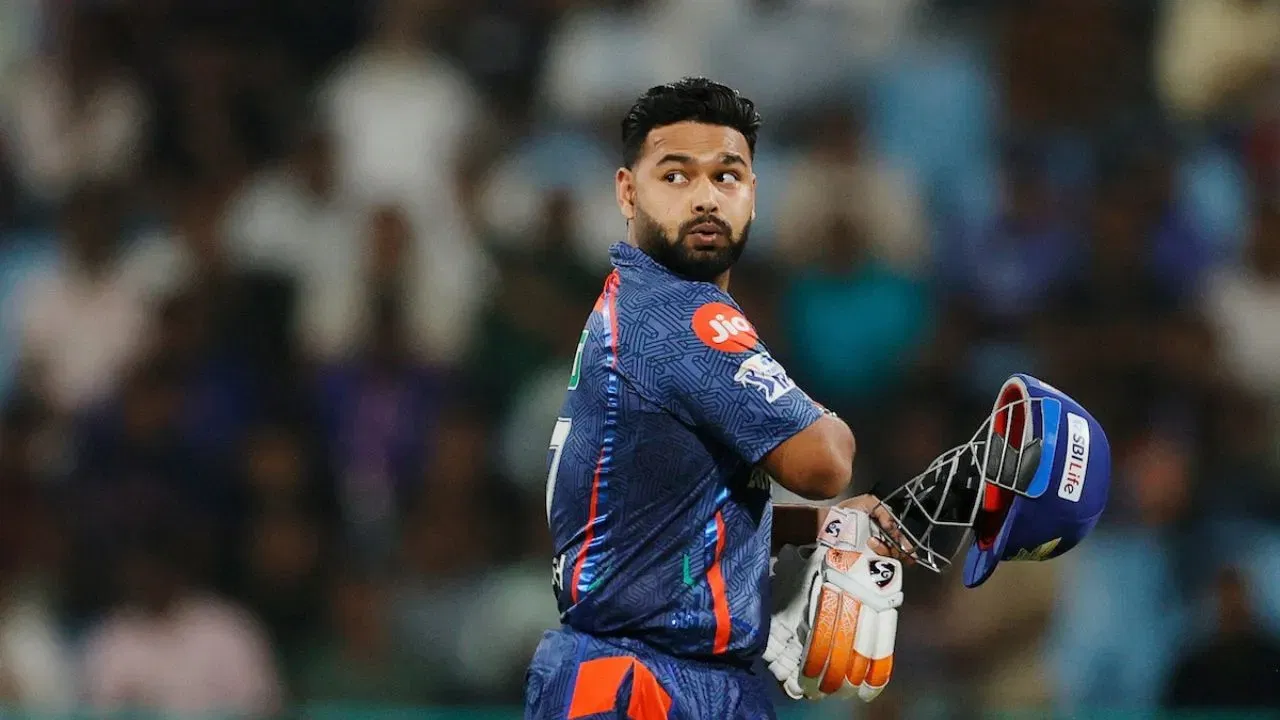
“He is a prisoner…”: Ex-KKR cricketer’s massive comment on Rishabh Pant
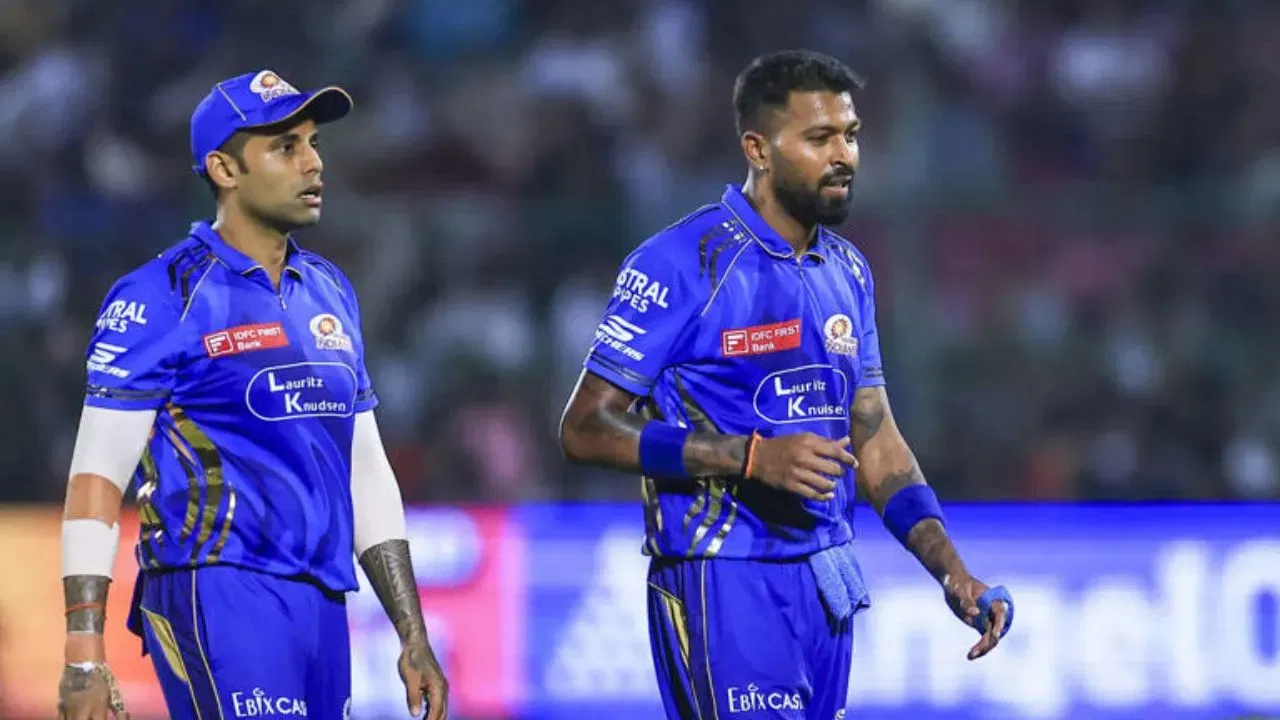
“He’ll captain now”: Ex-RCB batter drops bombshell on Mumbai Indians’ captaincy change before IPL 2026
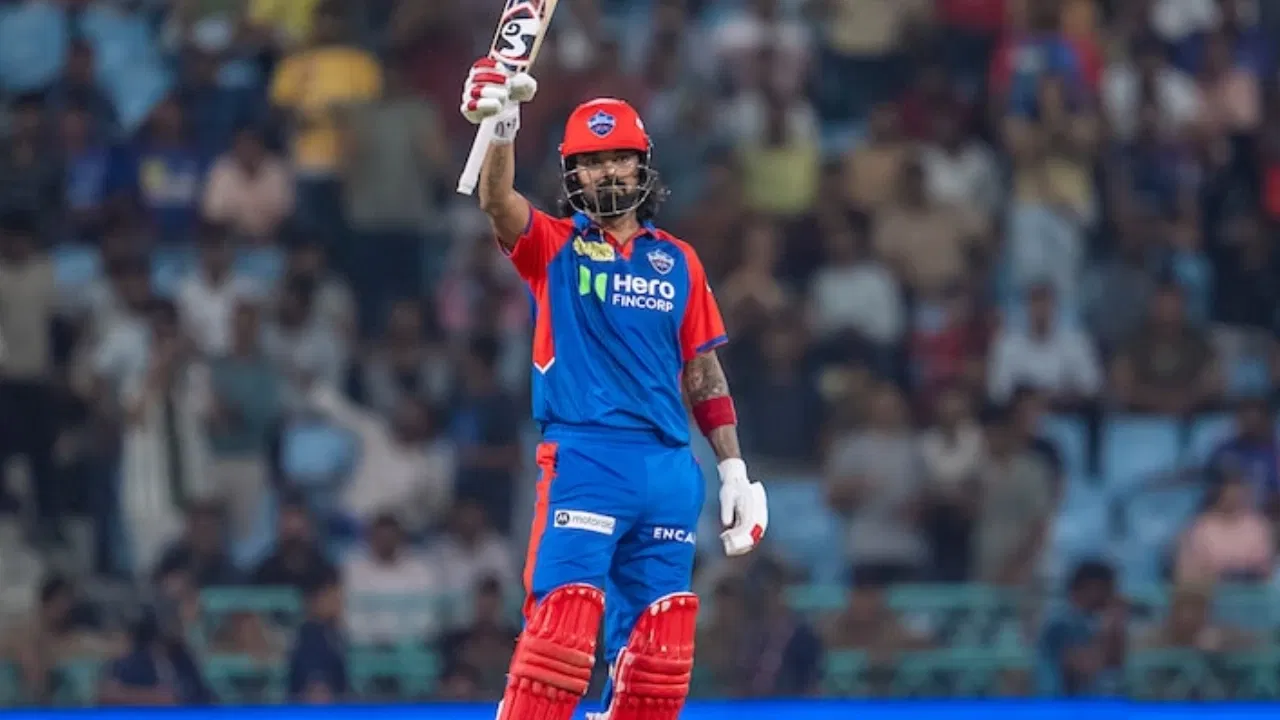
“KL Rahul is a classy player I’m fascinated by…” – Ian Bell ahead of IPL 2026
New Zealand’s Nick Kelly takes unbelievable catch vs SA in 5th T20I (Watch Video)
‘Making Indian team is easier than IPL team’: Sourav Ganguly on Mitchell Starc uncertainty
Shakib Al Hasan’s Bangladesh comeback on cards with 2-year plan in place
Jonny Bairstow blasts Brendon McCullum, Ben Stokes over Mark Wood’s injury struggles
“Winning prize is great”: Axar Patel praises Jay Shah, highlights BCCI’s financial support
‘IPL teams might start cancelling young English players’: Aakash Chopra on Ben Duckett controversy
Virat Kohli takes up new role for RCB ahead of IPL 2026