Steve Smith justifies ‘angry’ Nathan Lyon’s axing in Gabba Test, declares Michael Neser ‘more valuable’

Australia’s Stand-in Captain, Steve Smith, Defends Decision to Exclude Nathan Lyon from Second Ashes Test
Australia’s stand-in captain, Steve Smith, has come forward to defend the controversial decision to exclude senior spinner Nathan Lyon from the second Test of the Ashes 2025-26 series at the Gabba in Brisbane. The veteran batter emphasized that Michael Neser justified his selection with a remarkable five-wicket haul in Australia’s eight-wicket victory over England.
A Surprising Move by Selectors
The exclusion of Nathan Lyon for the second Test came as a surprise to many cricket fans and experts alike. The selectors opted for a full pace attack, bringing in Michael Neser as an additional seam-bowling option. This decision marked Lyon’s first absence from a home Test since 2012, leaving the veteran spinner understandably unhappy about the situation.
Steve Smith’s Explanation
Speaking after the match, Steve Smith made it clear that Nathan Lyon’s omission was not a reflection of his skills or contributions to the team. Smith explained that the team needed a different balance for this particular Test, especially with the focus on bolstering the batting lineup. Despite Lyon’s absence, Smith reiterated that the spinner remains a top-class player who has served Australia admirably for years.
“It could have gone a few different ways, and it’s certainly nothing against Nathan. He’s a freak. He’s been our spinner for such a long time, but the extra batting and the way the tail hung in for 50 overs gave us the balance we were after,” Smith stated. He also praised Neser’s unique contributions to the team, highlighting his ability to apply pressure on batters in crucial moments.
Michael Neser’s Five-Wicket Haul
During the second Test, the Australian bowling quartet of Mitchell Starc, Scott Boland, Brendan Doggett, and Michael Neser played a pivotal role in securing victory. Together, they accounted for 19 of England’s 20 wickets, with Neser impressing everyone with a five-wicket haul in the second innings.
Neser’s exceptional performance showcased Australia’s depth in the bowling department and demonstrated that the team can cope effectively even in the absence of a seasoned player like Nathan Lyon. With Alex Carey’s stellar wicketkeeping complementing the bowlers’ efforts, Australia managed to take a commanding 2-0 lead in the ongoing Ashes series.
Selection Dilemma for Australia Ahead of Third Test
Despite their success in Brisbane, the Australian selectors face a challenging task ahead of the third Test scheduled to begin on December 17 in Adelaide. With the return of Pat Cummins and Nathan Lyon, decisions need to be made regarding the team composition.
The potential exclusion of Michael Neser, who was a late addition to the team for the second Test, poses a tough choice for the selectors. Additionally, considering the workload of bowlers like Scott Boland, strategic decisions will have to be made to maintain the team’s balance and effectiveness on the field.
As Australia prepares for the upcoming Test, the selectors will undoubtedly deliberate on the best combination to field against a resilient England side, aiming to maintain their momentum and secure another victory in the Ashes series.
A New Era in Australian Cricket
The exclusion of Nathan Lyon and the emergence of Michael Neser in the second Ashes Test mark a significant shift in Australia’s cricketing landscape. With the team opting for a pace-heavy attack over a traditional spinner, it reflects a strategic evolution in the way Australia approaches their bowling line-up, adapting to different conditions and opponents.
This move also underscores the depth of talent available to the Australian team, with players like Neser stepping up when given the opportunity. It showcases the healthy competition within the squad, pushing each player to perform at their best and ensuring that no position is guaranteed, regardless of seniority.
The Role of Data Analytics in Team Selection
Behind every selection decision lies a wealth of data and analysis, guiding the selectors in choosing the best possible combination for each match. In the case of excluding Nathan Lyon, it is likely that statistical insights and match-ups played a crucial role in the decision-making process.
Modern cricket teams rely heavily on data analytics to predict player performance, assess opposition strengths and weaknesses, and optimize strategies for success. This data-driven approach ensures that selections are not based solely on reputation or past performances but on current form and tactical considerations.
Striking a Balance in Team Composition
As Australia navigates the selection dilemmas ahead of the third Test, finding the right balance between batting, bowling, and fielding will be paramount. The selectors will need to weigh the return of key players like Pat Cummins and Nathan Lyon against the impressive performances of newcomers like Michael Neser.
Maintaining a cohesive team dynamic while maximizing individual talents is a delicate balancing act that requires careful consideration. Each player brings a unique set of skills to the table, and finding the right mix to complement each other is essential for sustained success in the Test arena.
The Psychological Impact on Players
While selection decisions are primarily based on performance and strategy, they also have a psychological impact on the players involved. For Nathan Lyon, being left out of a home Test for the first time in nearly a decade can be a challenging experience, testing his resilience and motivation.
On the other hand, players like Michael Neser, who seize the opportunity and deliver standout performances, gain confidence and validation for their efforts. This psychological aspect of team selection highlights the mental fortitude required to succeed at the highest level of the sport.
Looking Ahead to the Future
As Australia gears up for the remainder of the Ashes series and beyond, the team’s ability to adapt, evolve, and make tough decisions will be critical. Building on the momentum of their early success, the Australian side must continue to fine-tune their strategies, nurture their talent pool, and remain agile in their approach to challenges on and off the field.
With a blend of experienced stalwarts and emerging stars, Australia is well-positioned to maintain their competitive edge in the international cricketing arena. The ongoing Ashes series serves as a testing ground for their resilience, teamwork, and ability to thrive under pressure, setting the stage for future triumphs and achievements.
Latest News

SRH suffer huge blow! Daniel Vettori confirms another overseas pacer injured amid crisis

IPL Points Table 2026: Updated Standings, Orange Cap, Purple Cap After RCB vs SRH Match 1
Virat Kohli, Anushka Sharma share adorable flying kiss moment after RCB vs SRH clash
“Absolutely world-class”: Virat Kohli backs Devdutt Padikkal for permanent Team India spot
Rajat Patidar refuses to comment on Virat Kohli; Ishan Kishan admits enjoying after SRH’s loss to RCB

Mumbai Indians suffer blow! Mitchell Santner, Will Jacks ruled out of IPL 2026 games
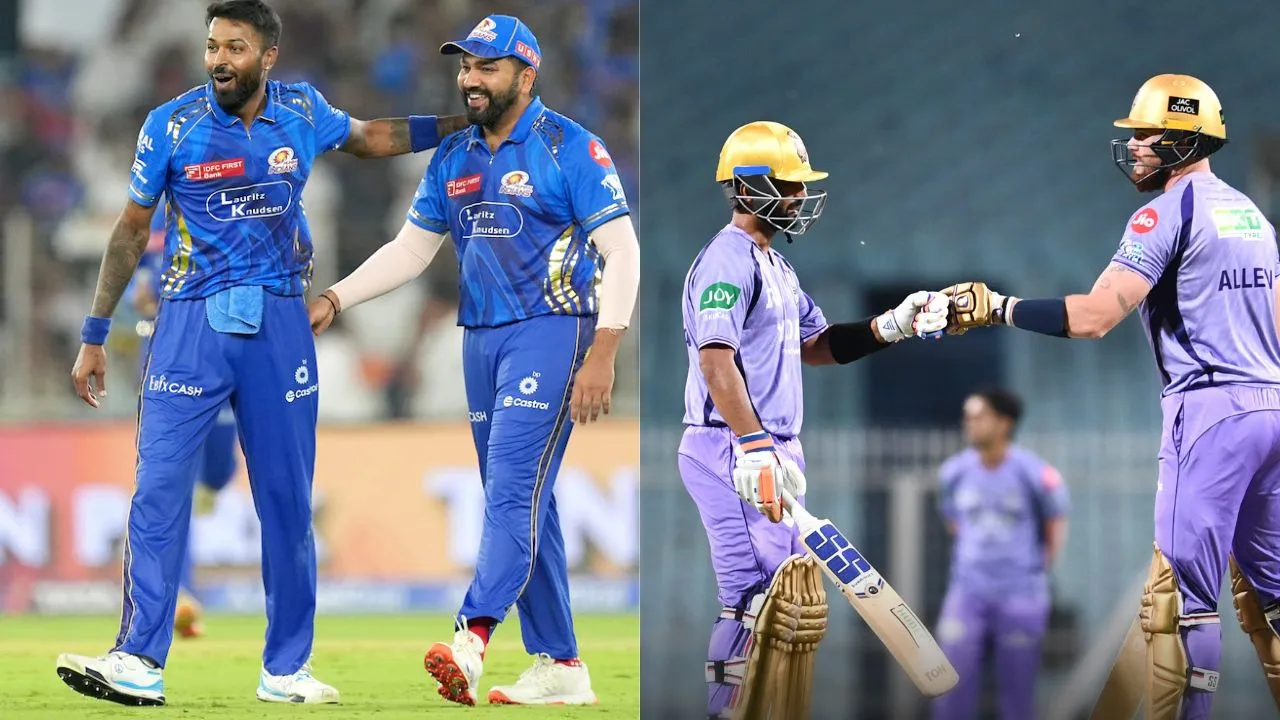
MI vs KKR Match Prediction – Who Will Win Match No.2? | IPL 2026

Mumbai Indians Playing XI vs Kolkata Knight Riders Playing XI- Match No. 2 | IPL 2026

MI vs KKR Match 2 Preview: Free Live Streaming, Pitch & Weather Report, Head-to-Head | IPL 2026
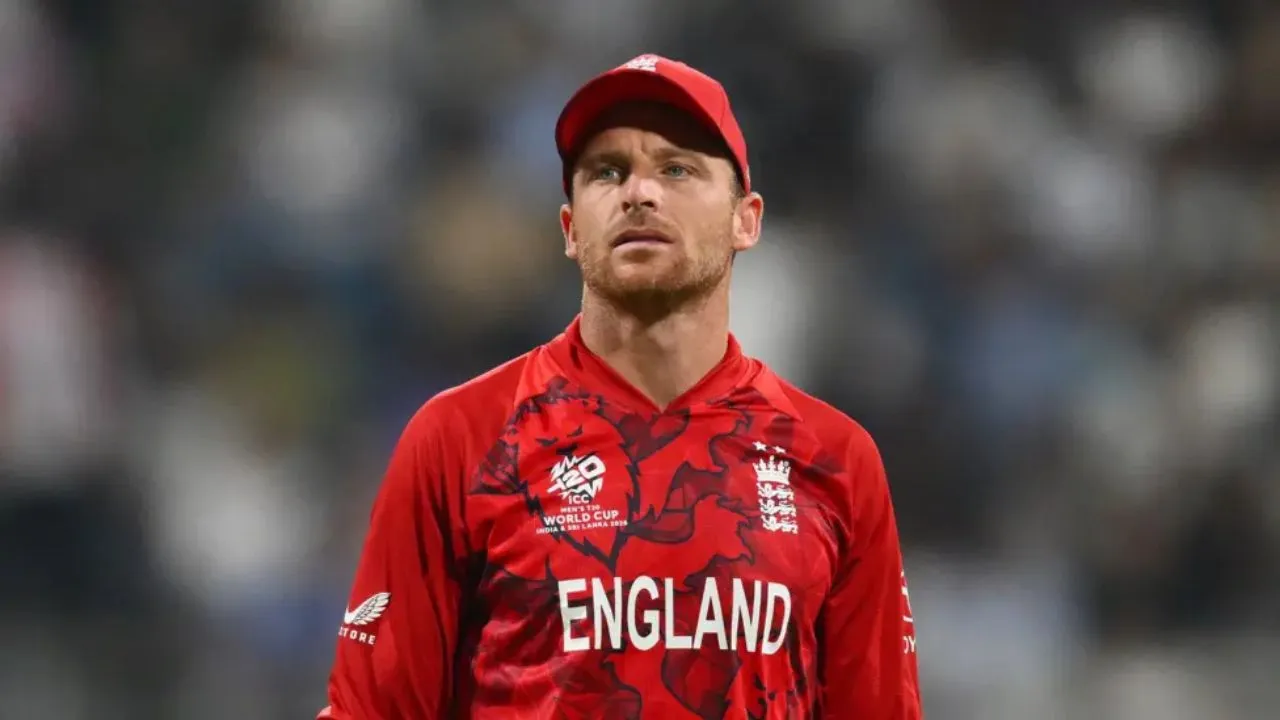
Not English cricket! Jos Buttler credits IPL for his success as a cricketer

“Nitish Kumar Reddy is biggest fraud”: Fans fume as SRH star fails vs RCB in IPL 2026 opener
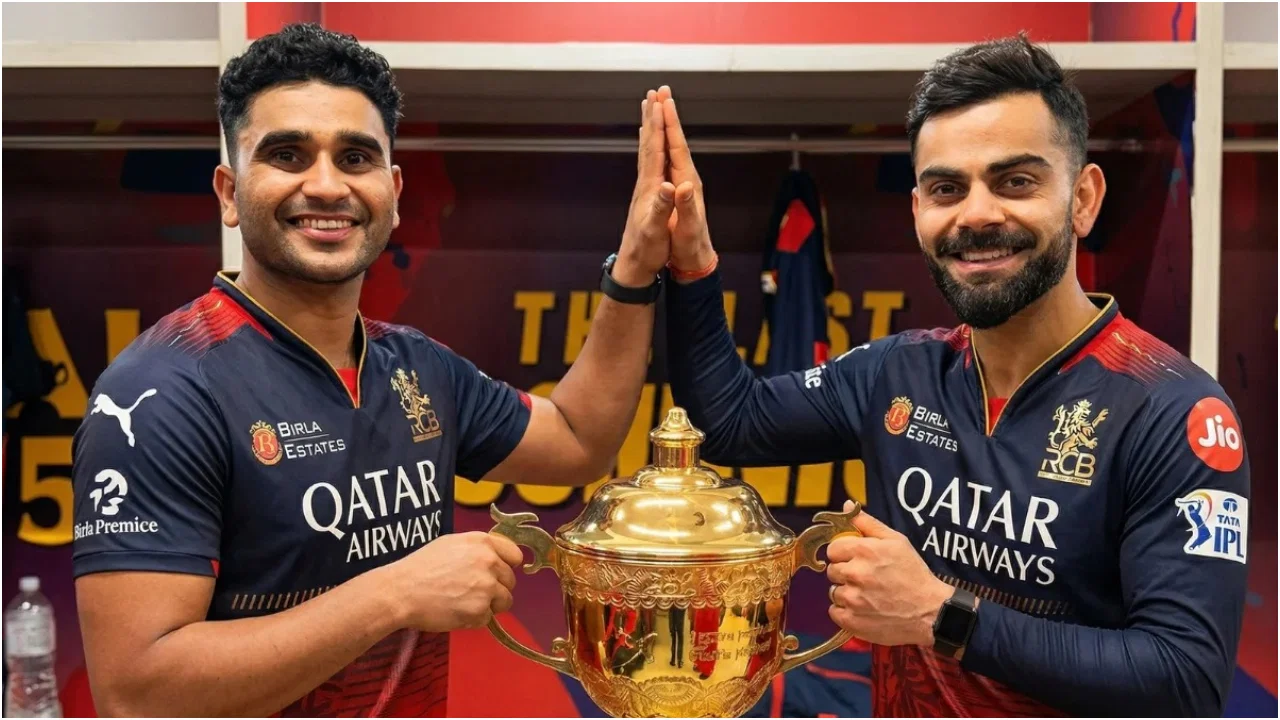
Who is Abhinandan Singh? The Virat Kohli troublemaker who made his IPL debut for RCB vs SRH

Heinrich Klaasen engages in heated chat with 4th umpire after Phil Salt’s controversial catch in IPL 2026
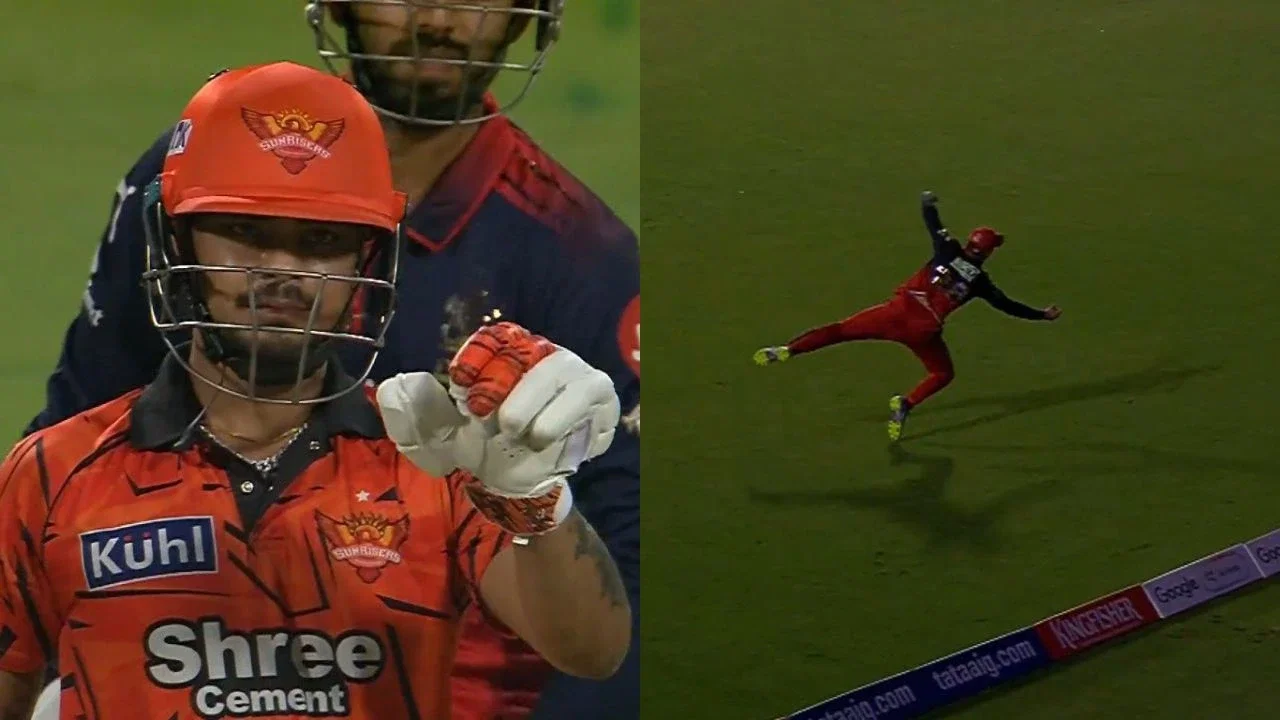
Phil Salt grabs one of the greatest catches in IPL history to dismiss Ishan Kishan