Sunil Gavaskar accuses ICC of bias against sub-continent pitches
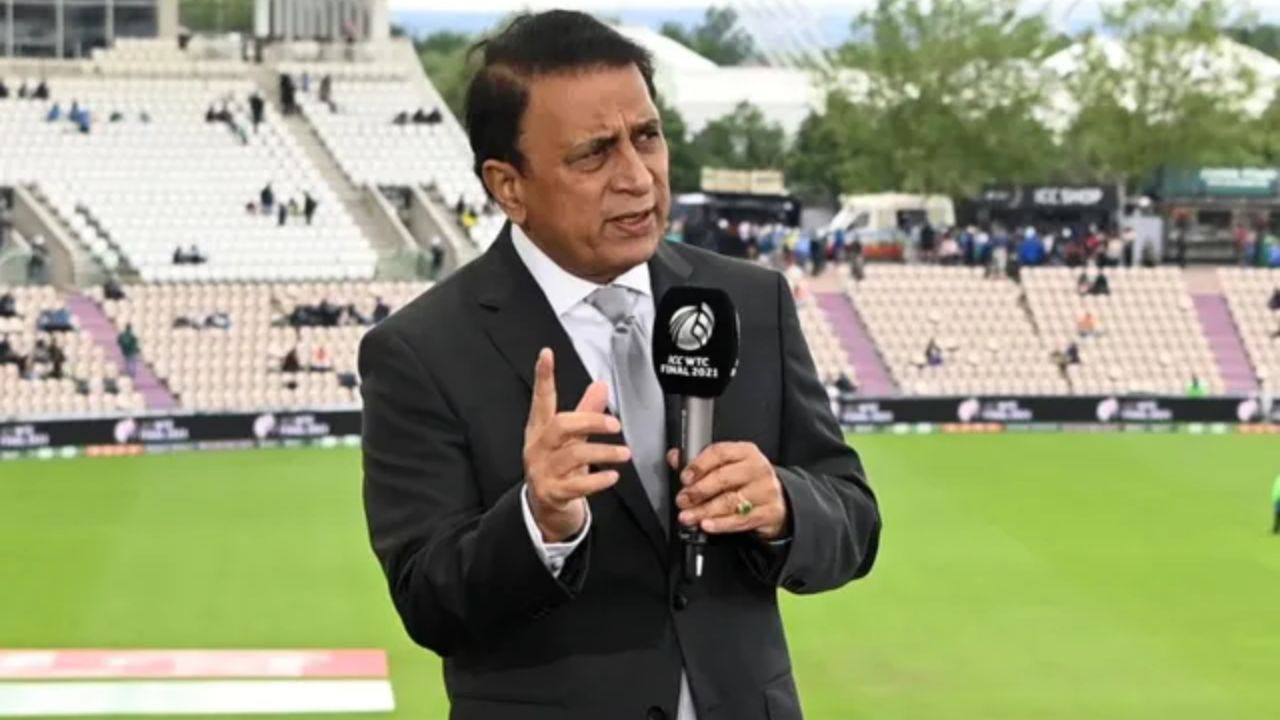
Sunil Gavaskar Criticizes ICC for Double Standards in Pitch Ratings
Legendary Indian cricketer Sunil Gavaskar recently spoke out against the International Cricket Council (ICC) for what he perceives as double standards in pitch ratings. While many believe that facing fast bowling on bouncy pitches is the ultimate challenge for a batter, Gavaskar argues that the real test lies in playing on turning pitches where spinners can make the ball grip, dip, and change direction sharply.
Ashes Test Sparks Controversy
Gavaskar’s comments came in the wake of the first Ashes Test in Perth, where the match ended within two days, with Australia emerging victorious by eight wickets. The pitch at Optus Stadium garnered a lot of attention, with Gavaskar noting the disparity in how pitches are perceived based on their characteristics.
According to Gavaskar, there is a longstanding double standard in cricket, where pitches that offer pace and danger are often praised, while those that assist spin and keep low are criticized. He emphasized that batting on turning tracks requires a different skill set and level of expertise compared to facing fast bowlers.
The Challenge of Playing on Turning Pitches
In his column for Sportstar, Gavaskar highlighted the intricacies of playing on spin-friendly pitches. He stressed the importance of judging the ball early, utilizing precise footwork, and sometimes moving down the pitch to counter the spin effectively. Gavaskar believes that mastering the art of batting on turning tracks is a true test of a player’s talent.
He also criticized the notion that some batters try to counter fast bowlers by stepping out of the crease, labeling it as a risky move that relies more on luck than technique. Gavaskar reiterated that scoring runs on turning pitches is a significant indicator of a batter’s skill and mastery.
Changing the Narrative in Cricket
Gavaskar expressed his frustration with the prevailing mindset in cricket, where batters are often judged based on their performance on specific types of pitches. He called for a shift in perspective, emphasizing the importance of recognizing and appreciating the challenges posed by spin-friendly conditions.
He concluded by urging cricket experts and fans to reevaluate their criteria for assessing batters, stating that true greatness in batting can only be achieved by excelling in all types of conditions, including those favoring spin. Gavaskar’s critique serves as a reminder of the diverse skills required to succeed in the sport and the need to value excellence across all playing surfaces.
Overall, Sunil Gavaskar’s outspoken stance on pitch ratings sheds light on the complexities of cricket and challenges the conventional wisdom surrounding the evaluation of batters. His insights encourage a broader appreciation for the nuances of the game and the diverse skills exhibited by players across different playing conditions.
Impact of Pitch Ratings on Performance Evaluation
When examining the impact of pitch ratings on performance evaluation, it is essential to consider the broader implications for players and teams. The way pitches are assessed can significantly influence how players are perceived in the cricketing world. A bias towards fast, bouncy pitches may inadvertently undervalue the skills of players who excel in spin-friendly conditions.
Players who are adept at playing spin bowling often face criticism for their performance on pitches that offer assistance to spinners. This disparity in judgment can lead to misconceptions about a player’s abilities and overshadow their achievements on challenging surfaces. By highlighting the double standards in pitch ratings, Gavaskar brings attention to the need for a more balanced and inclusive approach to evaluating player performance.
Adapting to Different Playing Environments
One of the key messages conveyed by Gavaskar’s criticism of pitch ratings is the importance of adaptability in cricket. Players who can adjust their techniques and strategies to suit varying playing conditions demonstrate a higher level of skill and versatility. Excelling in all types of pitches, whether fast or spin-friendly, requires a deep understanding of the game and a willingness to evolve as conditions change.
By recognizing the challenges posed by different pitch types and advocating for a more holistic evaluation of player performance, Gavaskar encourages players to broaden their skill sets and embrace the diversity of playing environments in cricket. This emphasis on adaptability not only enhances a player’s individual proficiency but also contributes to the overall development and competitiveness of the sport.
Educating Fans and Pundits
Another aspect that Gavaskar’s critique brings to the forefront is the role of education and awareness in shaping perceptions of cricket. Fans and pundits often rely on traditional metrics to assess players, focusing on statistics from matches played on specific types of pitches. However, Gavaskar’s argument prompts a reevaluation of these criteria, urging stakeholders in the cricketing community to appreciate the nuances of the game beyond surface-level statistics.
By educating fans and pundits about the intricacies of playing on different pitch conditions and the unique challenges they present, Gavaskar aims to foster a more informed and nuanced discussion around player performance. This shift towards a deeper understanding of the game can lead to a more inclusive and comprehensive evaluation of players, acknowledging their skills across a range of playing environments.
Promoting Diversity in Cricket
At its core, Gavaskar’s critique of pitch ratings serves as a call to action for promoting diversity and inclusivity in cricket. By challenging the dominant narrative that prioritizes certain pitch types over others, Gavaskar advocates for a more equitable and respectful appreciation of the game’s multifaceted nature. Embracing the diversity of playing conditions in cricket not only enhances the sport’s richness but also celebrates the talents of players who excel in different environments.
Ultimately, Gavaskar’s perspective encourages a shift towards a more holistic and enlightened approach to evaluating player performance in cricket. By recognizing the value of diverse skills and the challenges posed by various pitch types, the cricketing community can foster a more inclusive and dynamic environment that celebrates the talents of players across all playing surfaces.
With his insightful commentary, Sunil Gavaskar ignites a crucial conversation about the complexities of cricket and the need to reevaluate conventional norms in player assessment. His advocacy for a more balanced and inclusive approach to pitch ratings challenges the status quo and paves the way for a deeper appreciation of the diverse skills exhibited by players in the modern game.
Latest News

BCCI invites all stakeholders for high-profile meeting ahead of IPL 2027

New Zealand suffer blow as William O’Rourke misses India ODIs and Tests

Top 10 highest run-chases in T20 cricket history, ft. West Indies’ Ranchi win vs India
Aaryavir Sehwag and Anvay Dravid set to make headlines at U19 Asia Cup 2026
Longest ducks in Test cricket history ft. Nic Maddinson, Shoaib Akhtar

ECB to offer 39 central contracts to England players after Ben Stokes, Mark Wood’s retirement

Steve Smith surpasses Steve Waugh in all-time Test run-scorers’ list

Shane Watson identifies Gautam Gambhir’s biggest problem as India struggle for consistency

Is Bhuvneshwar Kumar in India’s 2027 World Cup plans? Ajinkya Rahane makes revelation

BCCI’s big ₹127 Crore move after injury crisis raises concerns over Team India

Parthiv Patel reveals RCB ignored his Jasprit Bumrah recommendation in IPL 2014 Auction
“Never spoke ill of any faith”: Irfan Pathan hits back at fake news using his name
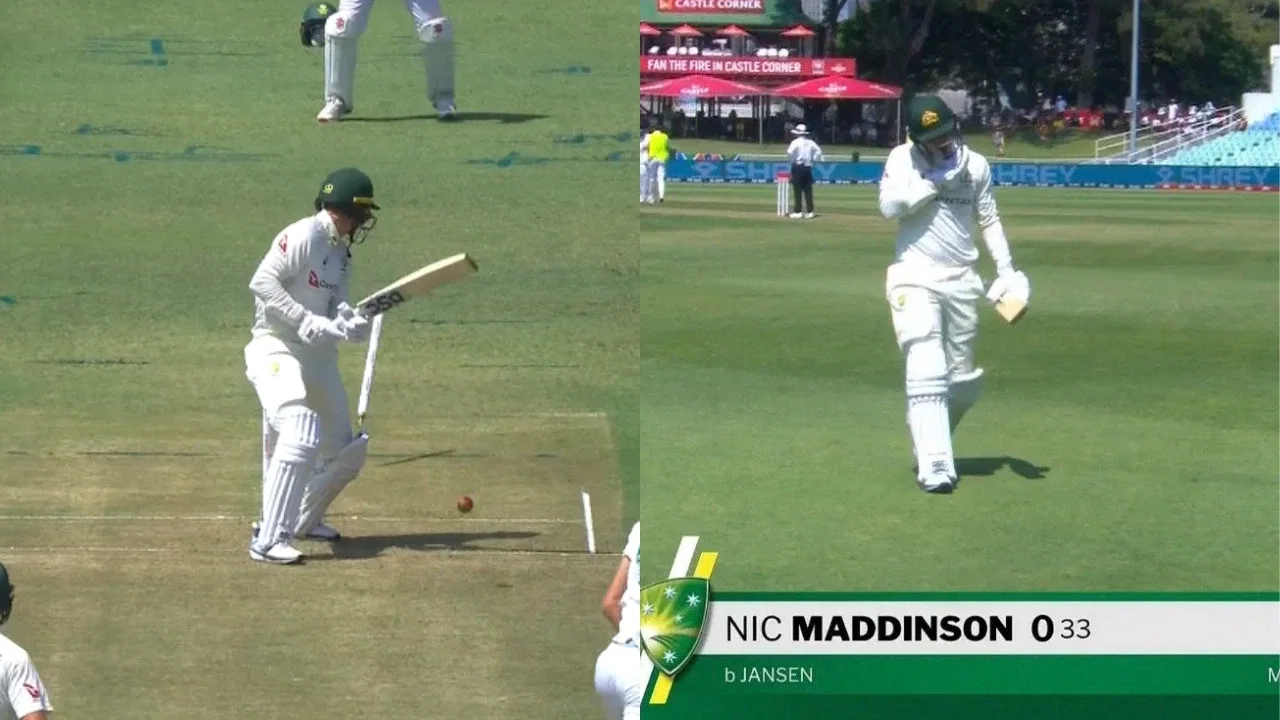
Nic Maddinson bags 33-ball duck on Test comeback, disappoints George Bailey

Imran Tahir predicts 2027 ICC ODI World Cup Semi-Finalists, snubs India for title