Sunil Gavaskar demands IPL auction ban for limited-availability players, calls for salary cap on uncapped stars

Sunil Gavaskar Criticizes Overseas Players for Selectively Participating in IPL Matches
Legendary Indian cricketer Sunil Gavaskar has expressed his disapproval of the increasing trend of overseas cricketers opting to play only a limited number of matches in the Indian Premier League (IPL) rather than committing to the entire tournament. Gavaskar believes that such players are not giving their full dedication to the league, which he considers the biggest T20 competition in the world.
Players Selectively Participating in IPL Matches
The issue came to light when several foreign players, including Australia’s Josh Inglis, Ashton Agar, and William Sutherland, along with New Zealand’s Adam Milne and South Africa’s Rilee Rossouw, informed the Board of Control for Cricket in India (BCCI) and their respective franchises that they would only be available for a portion of the upcoming IPL 2026 season. Inglis, for example, has committed to playing just 25% of the matches.
Gavaskar expressed his disappointment with such selective participation, stating that players should only miss IPL matches due to national commitments. He emphasized that anything else is a sign of disrespect towards the tournament.
Gavaskar’s Views on IPL Salaries and Young Cricketers
Besides criticizing overseas players’ selective participation, Gavaskar also raised concerns about the high salaries paid to uncapped Indian players in the IPL. He pointed out that many uncapped players are being bought for significant amounts, which may affect their hunger for success and growth as cricketers.
Reflecting on the initial prices at which successful Indian players were bought in the past, Gavaskar highlighted the difference in approach compared to the current scenario where uncapped players are fetching hefty sums without proving themselves on the field. He warned that this trend might hinder the development of young talents in the long run.
Upcoming IPL 2026 Auction
As the IPL 2026 auction approaches on December 16 in Abu Dhabi, where 77 vacant spots, including 31 for overseas players, are up for grabs, Gavaskar’s comments shed light on the challenges and dynamics of player recruitment in the league. With a total of 1,355 players registered for the auction, the competition among the 10 teams to secure the best talent will be intense.
In conclusion, Gavaskar’s critique of overseas players’ selective participation and the impact of high salaries on young cricketers provides valuable insights into the current state of affairs in the IPL. As the league continues to evolve, addressing these issues will be crucial for maintaining its position as the premier T20 cricket competition globally.
Impact of Overseas Players’ Selective Participation on Team Dynamics
One aspect that often gets overlooked when overseas players choose to participate selectively in IPL matches is the impact it can have on team dynamics. Cricket is a team sport that relies heavily on cohesion, communication, and understanding among players. When key overseas players are unavailable for a significant portion of the tournament, it can disrupt the team’s balance and strategy.
Teams often build their game plans around the strengths and weaknesses of their overseas players. If these players are only available for limited matches, it forces the team management to constantly adjust their line-ups and strategies, leading to inconsistency on the field. Moreover, the absence of key players can also affect the morale of the team, as players may feel demotivated or uncertain about their chances of success without their star performers.
Balancing National and League Commitments
While Sunil Gavaskar emphasized that players should prioritize IPL commitments unless they have national team obligations, it is essential to recognize the delicate balance that players need to maintain between various cricketing responsibilities. With the international cricket calendar becoming increasingly packed, players are constantly juggling between representing their countries and participating in lucrative T20 leagues like the IPL.
Players often face pressure from their boards, franchises, and personal considerations when deciding on their availability for IPL matches. National team duties, injuries, fatigue, and personal reasons can all play a role in a player’s decision to participate selectively in the IPL. It is crucial for stakeholders in cricket to find a harmonious balance that allows players to fulfill their commitments while also safeguarding their well-being and interests.
The Evolution of Player Salaries in the IPL
Sunil Gavaskar’s concerns regarding the inflated salaries of uncapped Indian players in the IPL point to a broader trend in the evolution of player remuneration in the league. The IPL has transformed the landscape of cricket economics by providing lucrative opportunities for players, especially young talents who may not have had exposure to international cricket.
While high salaries can be a motivating factor for players to excel and secure their financial future, there is also a potential downside in terms of complacency and pressure to perform. As Gavaskar highlighted, uncapped players receiving significant sums without proving themselves on the field could lead to a lack of hunger and determination to succeed in the long term.
Ensuring Sustainable Growth and Development in Cricket
As the IPL 2026 auction approaches and teams gear up to strengthen their squads with new acquisitions, it is essential to consider the long-term implications of player recruitment strategies. Balancing the demands of a high-profile league like the IPL with the need to nurture young talent, maintain team harmony, and uphold the integrity of the game is a delicate task that requires thoughtful planning and execution.
Addressing the concerns raised by Sunil Gavaskar regarding overseas players’ selective participation and the impact of inflated salaries on young cricketers is crucial for ensuring sustainable growth and development in cricket. By fostering a culture of respect for the game, commitment to team objectives, and responsible financial management, the IPL can continue to thrive as a premier T20 competition while also contributing to the overall health of the sport.
Ultimately, the success of the IPL lies not just in the star power of overseas players or the financial rewards for uncapped talents but in the collective efforts of all stakeholders to uphold the spirit of cricket and promote a holistic approach to player development and competition.
Latest News

SRH suffer huge blow! Daniel Vettori confirms another overseas pacer injured amid crisis
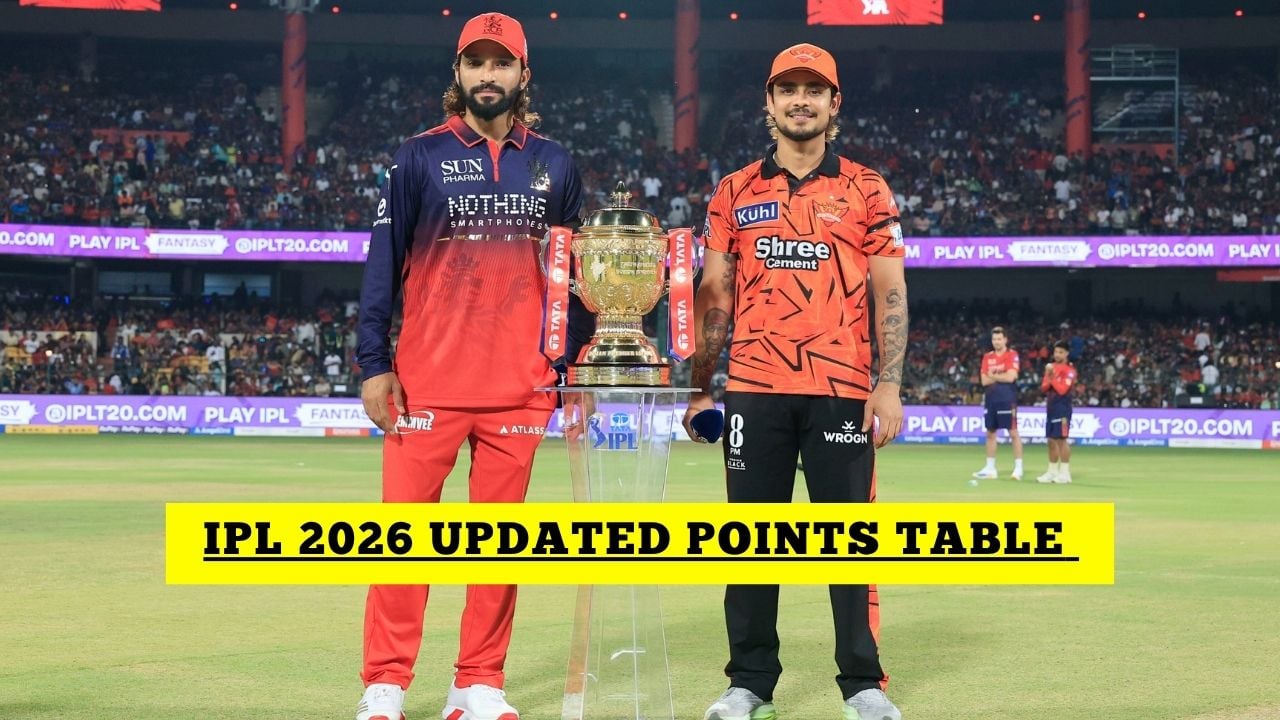
IPL Points Table 2026: Updated Standings, Orange Cap, Purple Cap After RCB vs SRH Match 1
Virat Kohli, Anushka Sharma share adorable flying kiss moment after RCB vs SRH clash
“Absolutely world-class”: Virat Kohli backs Devdutt Padikkal for permanent Team India spot
Rajat Patidar refuses to comment on Virat Kohli; Ishan Kishan admits enjoying after SRH’s loss to RCB

Mumbai Indians suffer blow! Mitchell Santner, Will Jacks ruled out of IPL 2026 games
MI vs KKR Match Prediction – Who Will Win Match No.2? | IPL 2026
Mumbai Indians Playing XI vs Kolkata Knight Riders Playing XI- Match No. 2 | IPL 2026
MI vs KKR Match 2 Preview: Free Live Streaming, Pitch & Weather Report, Head-to-Head | IPL 2026
Not English cricket! Jos Buttler credits IPL for his success as a cricketer
“Nitish Kumar Reddy is biggest fraud”: Fans fume as SRH star fails vs RCB in IPL 2026 opener
Who is Abhinandan Singh? The Virat Kohli troublemaker who made his IPL debut for RCB vs SRH
Heinrich Klaasen engages in heated chat with 4th umpire after Phil Salt’s controversial catch in IPL 2026
Phil Salt grabs one of the greatest catches in IPL history to dismiss Ishan Kishan