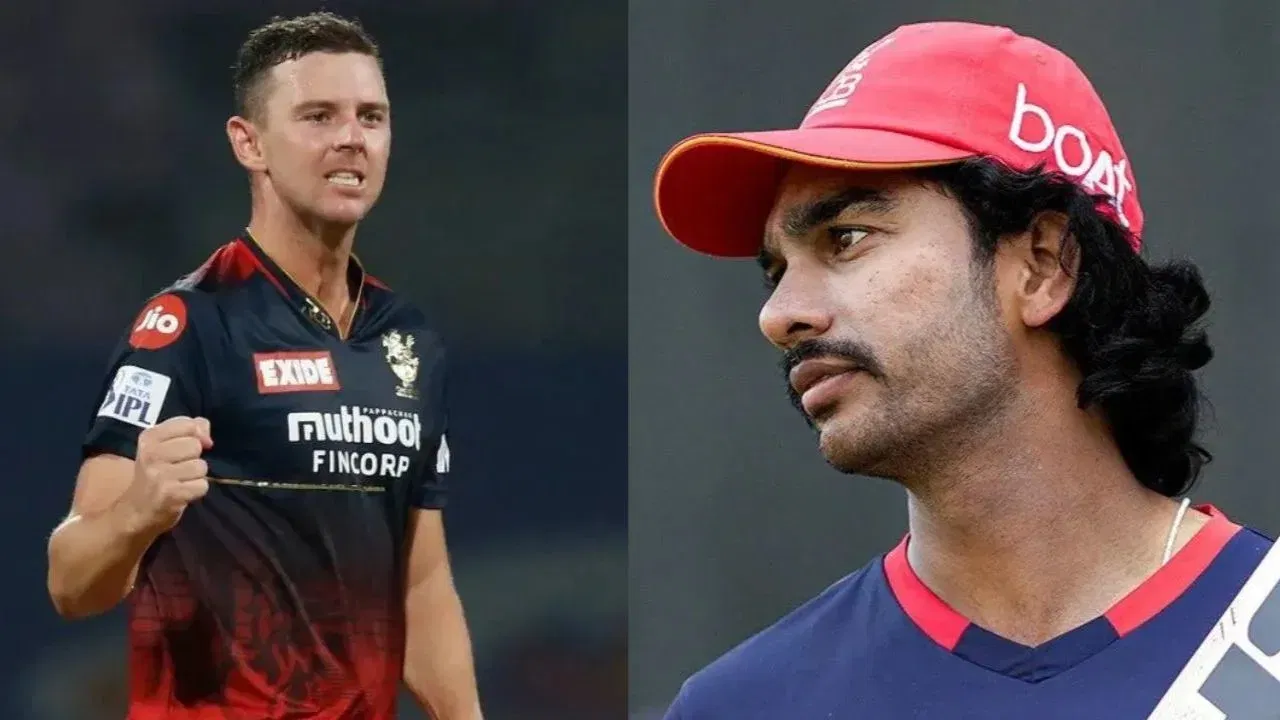
Sunil Gavaskar questions MCC laws after Rohit Sharma’s dismissal in IND vs ENG 2nd ODI
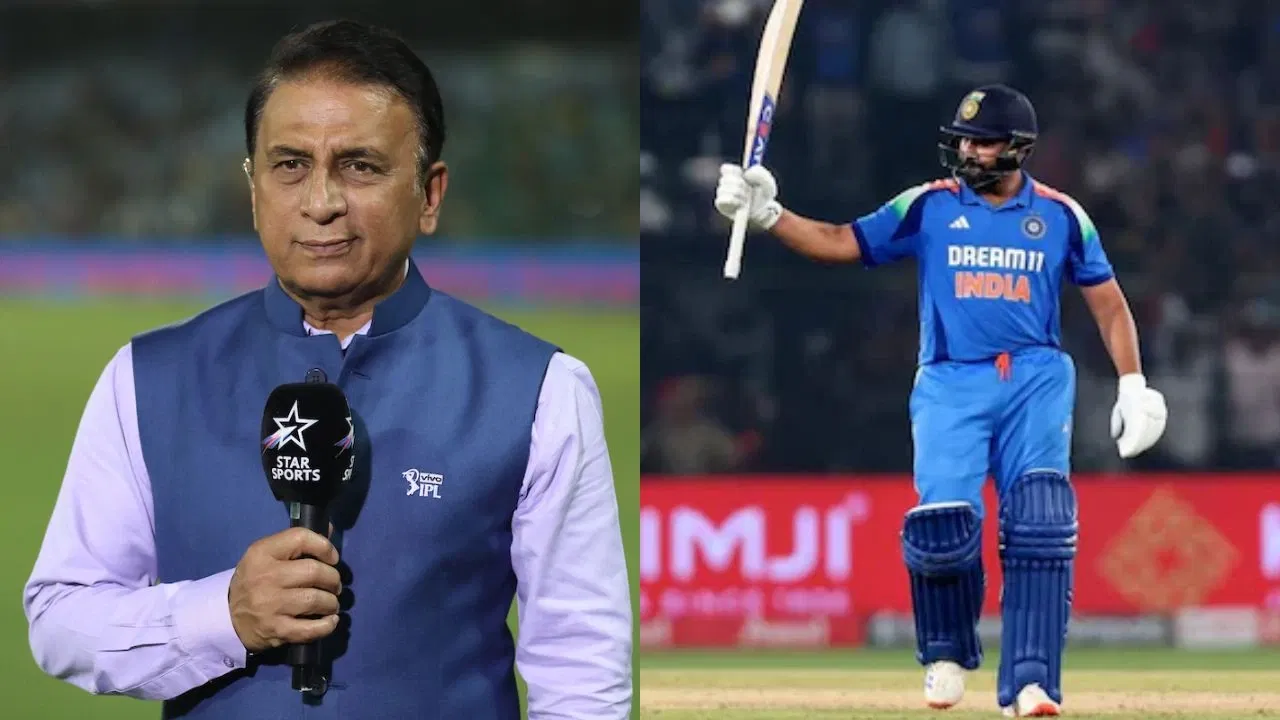
Sunil Gavaskar Questions MCC Decision on Batters Changing Ends
Legendary India opener Sunil Gavaskar has raised concerns over the recent rule change by the Marylebone Cricket Club (MCC) regarding batters changing ends before getting caught. The debate was reignited after India’s Rohit Sharma was dismissed during the second ODI against England in Cuttack.
During his innings of 119, Rohit Sharma attempted to hit a full toss bowled by Liam Livingstone over the midwicket boundary. However, he mistimed the shot, and the ball went high up in the air. Adil Rashid took a good catch at midwicket. At that moment, the batters had a chance to cross each other before the catch was taken.
MCC Rule Change
Previously, if the batters crossed ends before a catch was taken, the non-striker would face the next ball. However, under the new rule, the incoming batter must face the ball regardless of the crossing of ends. This change in law has sparked a debate within the cricketing community, with Gavaskar questioning the decision made by the private organization, MCC.
Gavaskar expressed his opinion during his commentary on Star Sports, suggesting that former captains like Graeme Smith, Rahul Dravid, and Ricky Ponting should be involved in making such decisions. He emphasized the need for international experience in the laws committee to ensure fair and informed rule changes.
Former Players’ Involvement
Gavaskar also highlighted the importance of having former cricketers in the MCC along with umpires to provide valuable insights into rule changes. He questioned the rationale behind altering the non-striker’s rule without a clear justification, citing the need for background information for any law amendments.
The new rule came into effect in October 2022 and was first observed during The Hundred tournament. The MCC has been active in introducing various rule changes in recent years, including the controversial ‘Mankad’ rule under the run-out category.
Rohit Sharma’s Stellar Performance
On a brighter note, Rohit Sharma marked his return to form with a scintillating 119 runs off just 90 balls during the Cuttack ODI against England. His innings included 12 boundaries and 7 sixes, showcasing his aggressive batting style right from the start. This timely performance by Sharma bodes well for India ahead of the upcoming Champions Trophy.
As the cricketing world debates the MCC’s recent rule change, Gavaskar’s insights shed light on the importance of involving experienced players in decision-making processes to ensure the integrity and fairness of the game.
Implications of the MCC Rule Change
The MCC’s decision to change the rule regarding batters changing ends before getting caught has significant implications for the game. By mandating that the incoming batter must face the ball regardless of the crossing of ends, the dynamics of the game are altered. This rule change adds a new layer of strategy for teams to consider, as the non-striker’s position becomes crucial in determining who faces the next delivery.
With this rule in place, teams will need to be more cautious when attempting quick singles or doubles, as the risk of losing a key batsman who is set at the crease becomes higher. This change could potentially lead to a shift in the way batters approach their innings, with more emphasis on communication and coordination between the batting pair to avoid unnecessary dismissals.
Role of Former Players in Rule Changes
The involvement of former players in discussions surrounding rule changes is essential to ensure that the decisions made are rooted in practical cricketing knowledge and experience. Players like Gavaskar, Smith, Dravid, and Ponting bring a unique perspective to the table, having been at the forefront of the game at the highest level.
The insights provided by these former players can help the MCC make informed decisions that take into account the complexities of the game and how rule changes may impact the overall gameplay. Their expertise can also serve as a bridge between the administrators and the players, ensuring that the rules are fair and balanced for all parties involved.
Evolution of Cricket Rules
The evolution of cricket rules is a natural process that reflects the changing dynamics of the game. As cricket continues to evolve, so too must the rules that govern it. The MCC, as the custodian of the laws of cricket, plays a vital role in adapting and refining the rules to keep pace with the modern game.
While not all rule changes may be universally accepted, it is important to recognize the intent behind them and the rationale for their implementation. By involving a diverse range of stakeholders, including former players, umpires, and administrators, the MCC can ensure that the rules are updated in a way that enhances the spirit of the game while maintaining its integrity.
Conclusion
In conclusion, the recent rule change by the MCC regarding batters changing ends before getting caught has sparked debate within the cricketing community. While concerns have been raised about the decision-making process and the impact of the rule change, it is essential to approach these discussions with a balanced perspective.
By involving former players and experts in the decision-making process, the MCC can ensure that the rules are updated in a way that benefits the game as a whole. As cricket continues to evolve, it is crucial to embrace change while upholding the core values and principles that make the sport beloved by millions around the world.
Ultimately, the debate surrounding the MCC’s rule change serves as a reminder of the ongoing dialogue and evolution that defines the game of cricket, ensuring that it remains relevant and engaging for generations to come.
Latest News
“Mumbai Indians are winning it” – Ex-England captain makes bold prediction for IPL 2026

Mayank Yadav reveals real story behind his recovery and Sanjiv Goenka’s support
IPL 2026 ball change rule explained
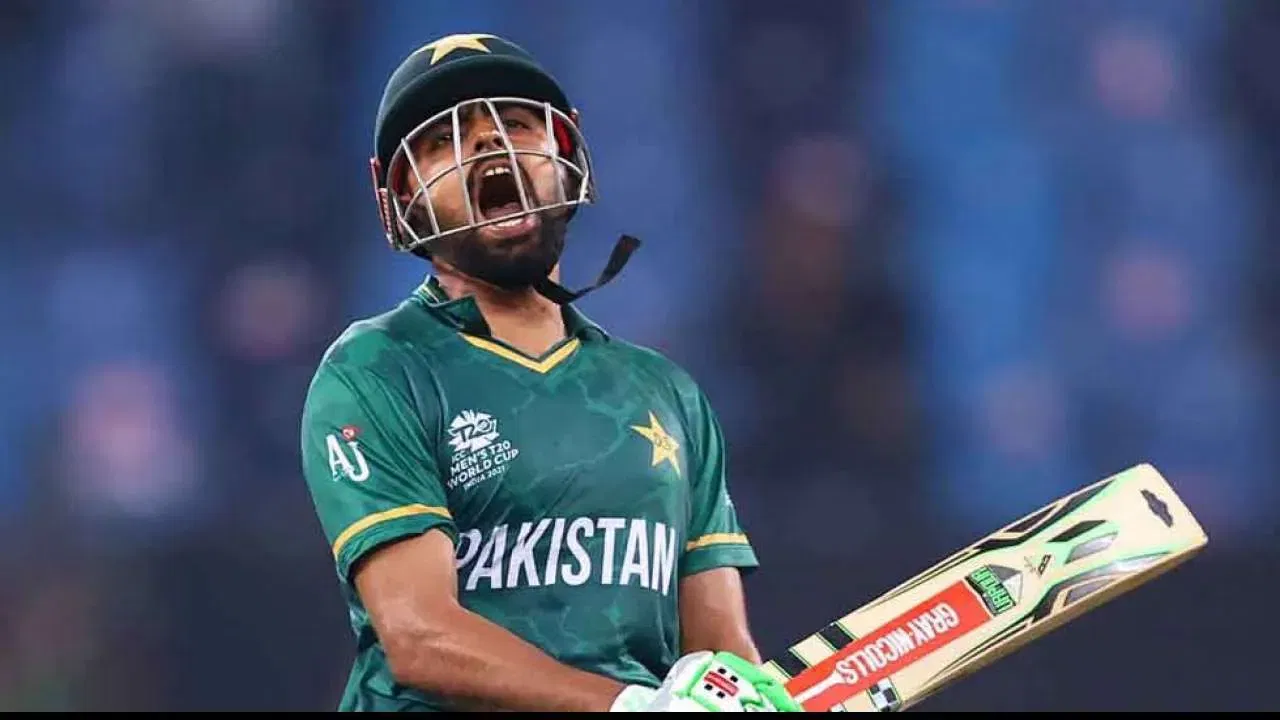
Ottis Gibson reveals plan to revive Babar Azam’s confidence ahead of PSL 2026

Liam Livingstone survives as Rob Key confirms England spot after shocking interview claims
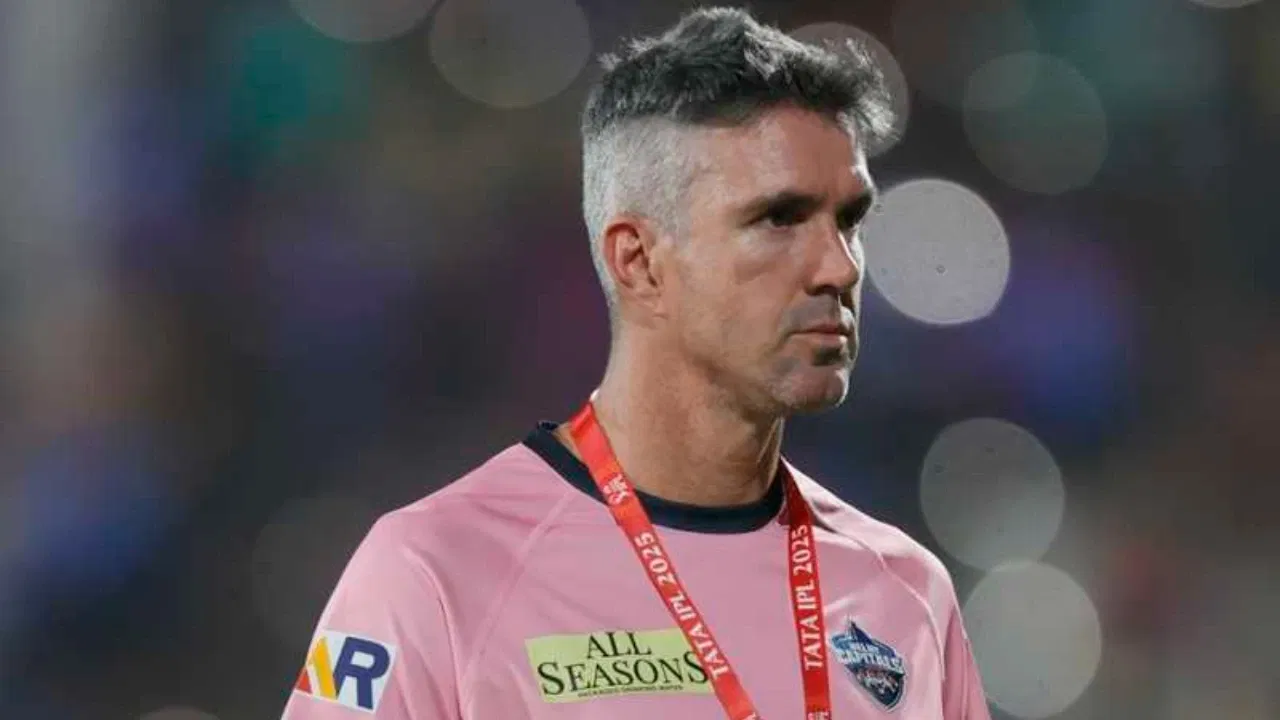
Kevin Pietersen credits RCB and IPL for career revival

Ottneil Baartman set to join CSK in IPL 2026 as replacement of….
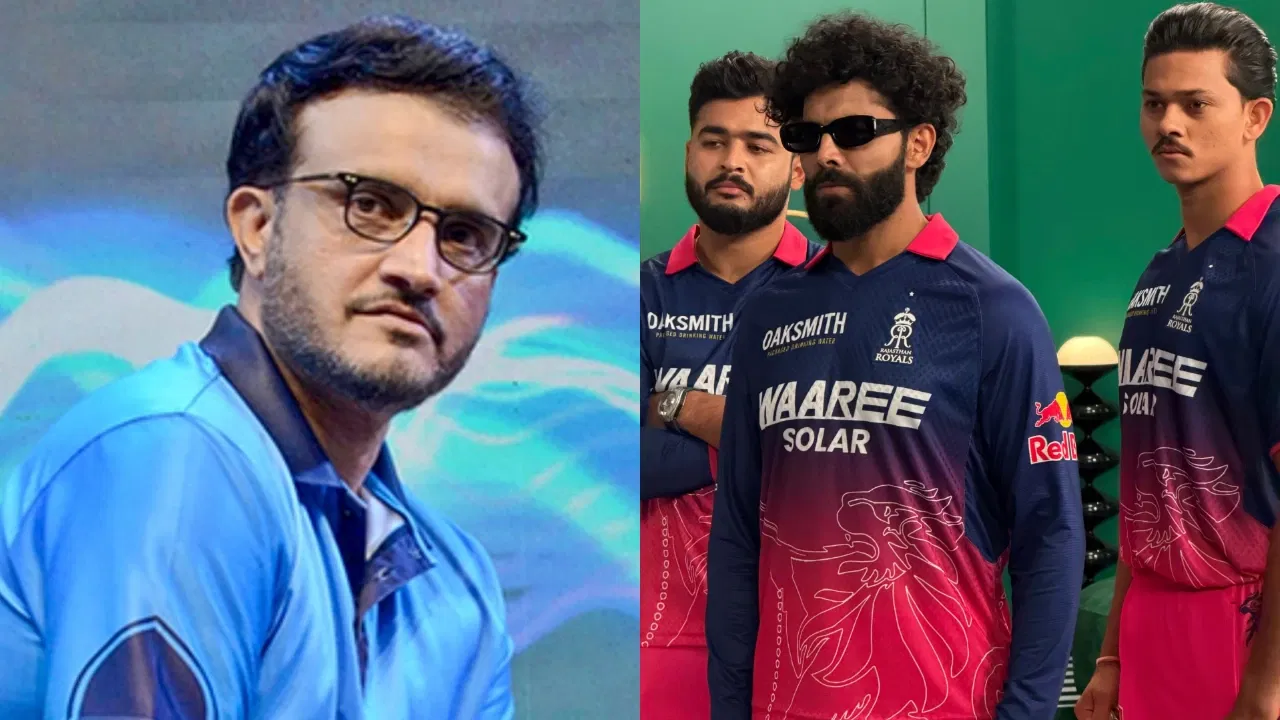
“Great news for IPL”: Sourav Ganguly reacts to Rajasthan Royals being sold for staggering $1.63 billion

NZ vs SA 5th T20I Preview: Free Live Streaming, Pitch & Weather Report, Head-to-Head | South Africa tour of New Zealand 2026
NZ vs SA Match Prediction – Who Will Win 5th T20I? | South Africa tour of New Zealand 2026
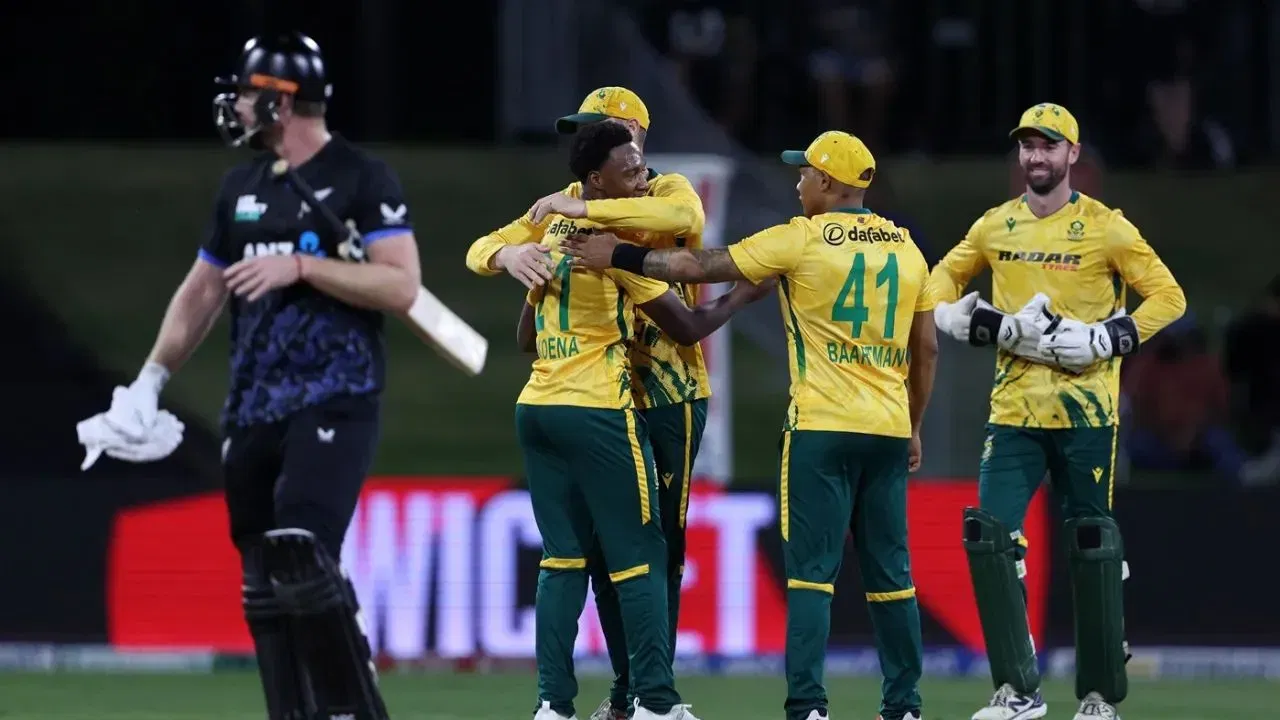
New Zealand Playing XI vs South Africa Playing XI – 5th T20I | South Africa tour of New Zealand 2026
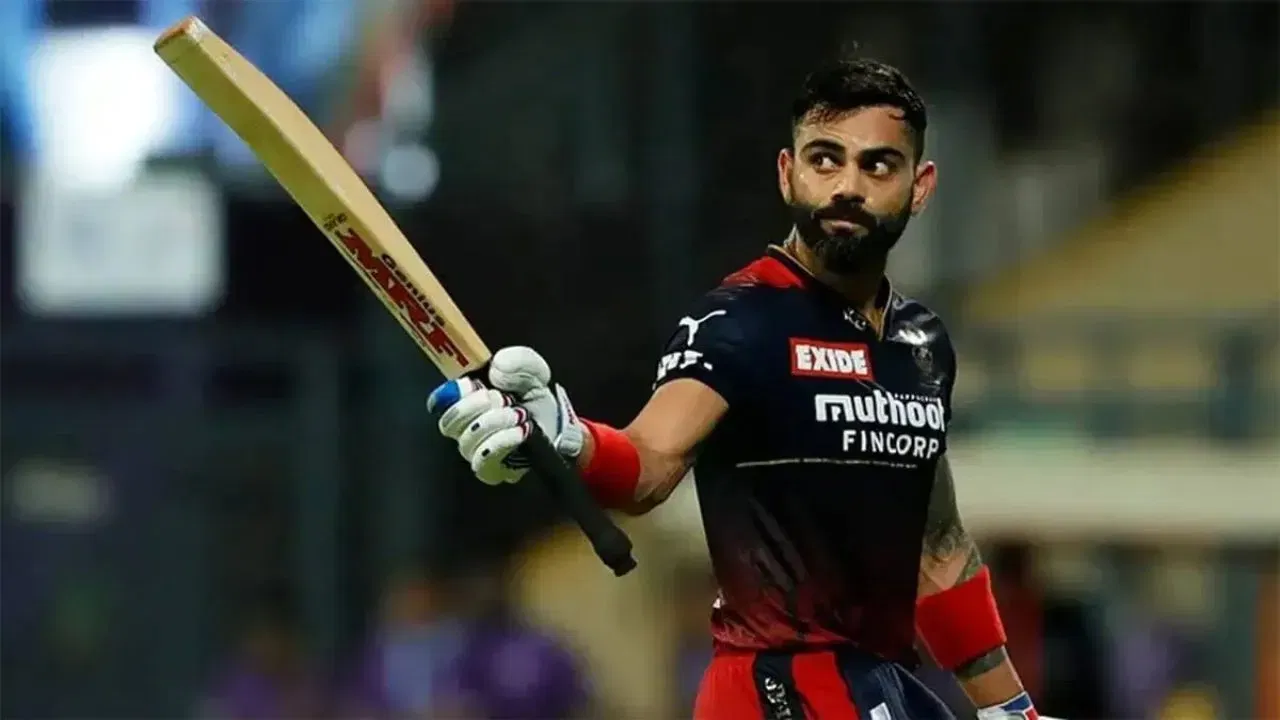
PBKS spinner calls Virat Kohli his idol, makes bold dismissal claim ahead of IPL 2026

“Not stupid”: Adam Gilchrist, Mark Waugh break silence on ECB not sacking Brendon McCullum

Revealed: Why RCB players will wear black armbands and No.11 jersey in IPL 2026?