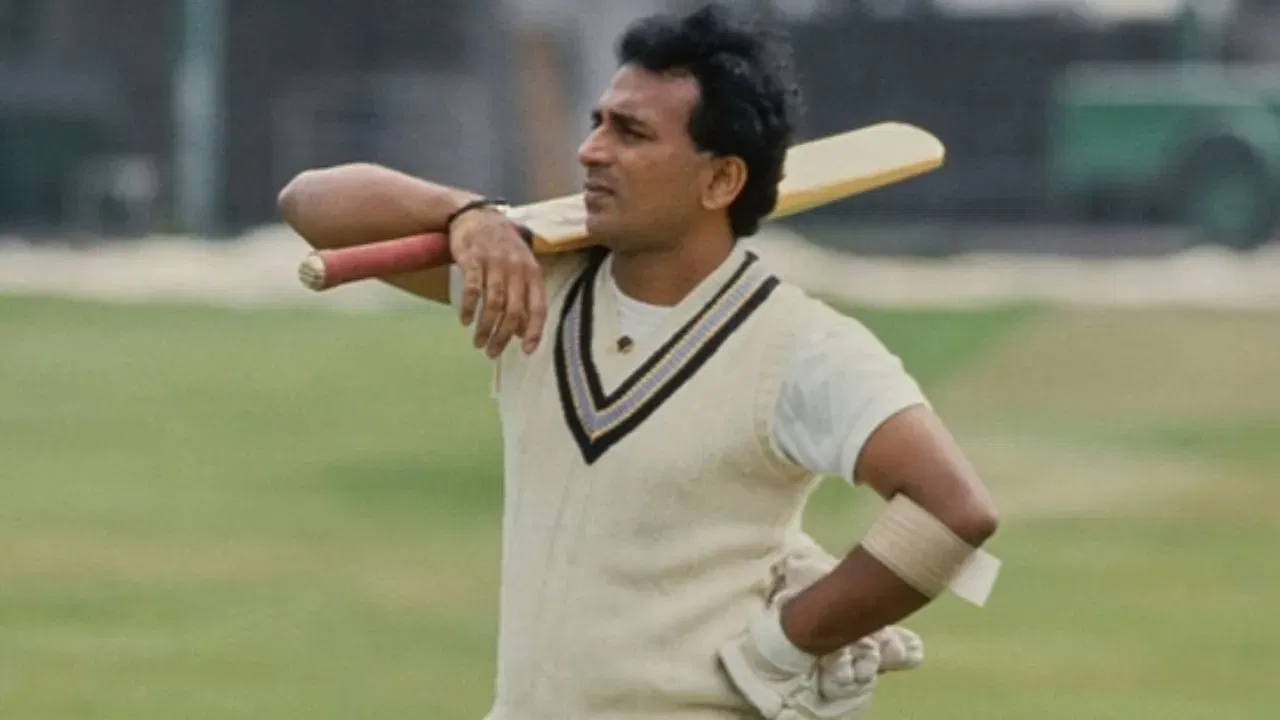
Sunil Gavaskar received death threats from West Indies pacers, reveals ex-cricketer
Former Indian Cricketer Yograj Singh Recalls Intimidation Faced by Indian Batters from West Indies Pacers
Former Team India cricketer Yograj Singh, father of current cricketer Yuvraj Singh, recently shared chilling details of the intimidation Indian batters faced from the formidable West Indies pacers in the past. Singh vividly described the threats and abuse legendary Indian opener Sunil Gavaskar endured from the Caribbean quicks during their fierce battles on the cricket field.
Death Threats and Abuse from West Indies Pacers
Speaking to Inside Sports, Yograj Singh recounted how renowned bowlers like Malcolm Marshall, Andy Roberts, Michael Holding, and Colin Croft would intimidate Gavaskar with death threats. The West Indies pacers weren’t just focused on delivering fast bouncers, but also on verbally abusing their opponents to unsettle them mentally.
“You should have seen the West Indians. Ask Sunil Gavaskar. He will tell you. Oh, it’s another man. Small man. ‘I’m going to kill you, man. You have kids. Go home. You bloody this and this and this and this,'” Singh recalled, highlighting the intensity of the threats Gavaskar had to endure during those matches.
Yograj Singh emphasized that the West Indies bowlers wouldn’t hesitate to aim directly at Gavaskar’s head, making the battles between the Indian opener and the Caribbean pacers a memorable and intense spectacle for cricket fans.
Sunil Gavaskar’s Dominance Against West Indies Pace Attack
Despite the intimidating tactics employed by the West Indies pacers, Sunil Gavaskar established his dominance against their fast bowling attack in the late 1970s and 1980s. Known for his exceptional performances, Gavaskar faced the challenge head-on and delivered consistent and skillful displays with the bat.
During the 1983 World Cup group match, Gavaskar’s teammate Dilip Vengsarkar was struck on the chin by Malcolm Marshall, leading to his exclusion from the rest of the tournament. The West Indies bowlers targeted Gavaskar not out of malice, but out of respect for his skill and the threat he posed to their team’s success.
Throughout his career, Gavaskar amassed impressive statistics against the West Indies, scoring 2,749 runs in 27 Tests at an average of 65.45, including 13 centuries. His performances in the Caribbean were particularly noteworthy, as he scored 1,404 runs in 13 Tests at an average of 70, with 7 centuries.
Debut in India’s Tour of the West Indies in 1971
Gavaskar made his Test debut during India’s tour of the West Indies in 1971, where he immediately made a mark with his exceptional batting skills. Scoring a remarkable 774 runs in just four matches, Gavaskar set a record as the highest run-scorer by an Indian in a bilateral Test series at that time.
Despite facing challenges such as a painful whitlow on his finger just before departure, which almost led to a severe medical condition, Gavaskar displayed immense resilience and skill throughout the series. His performances, including memorable scores of 124 and 220, solidified his reputation as one of India’s greatest cricketers of all time.
In conclusion, the battles between Sunil Gavaskar and the West Indies pacers remain a timeless tale in cricket history, showcasing the grit, determination, and skill of one of India’s cricket legends against formidable opponents.
The Psychological Warfare in Cricket
Yograj Singh’s recollection of the intimidation faced by Indian batters from West Indies pacers sheds light on the psychological warfare that often takes place in cricket. The mind games played by bowlers to unsettle batsmen have been a common tactic used to gain an edge on the field.
It’s not just about the physical battle of hitting the ball with the bat; cricket is a mental game as well. The verbal abuse, aggressive body language, and intimidating tactics employed by some bowlers aim to disrupt the concentration and focus of the batsmen, making it harder for them to perform at their best.
Players like Malcolm Marshall, Andy Roberts, Michael Holding, and Colin Croft were masters of not only bowling fast but also getting into the heads of their opponents. Their ability to instill fear in the minds of batsmen was as crucial to their success as their bowling skills.
The Evolution of Fast Bowling and Batsmanship
The era of West Indies dominance in cricket, especially in the 1970s and 1980s, marked a significant shift in the dynamics between fast bowlers and batsmen. The aggressive and intimidating style of bowling adopted by the Caribbean pacers forced batters to evolve their techniques and mental strength to survive and succeed against such formidable opponents.
Sunil Gavaskar’s ability to not just survive but thrive against the West Indies pace attack showcased the resilience and adaptability of a top-class batsman. His success against some of the greatest fast bowlers in cricket history is a testament to his skill, determination, and mental fortitude.
As the game of cricket has evolved over the years, the art of fast bowling and batsmanship has also undergone significant transformations. Batsmen are now better equipped to handle pace and bounce, thanks to advancements in equipment, training methods, and strategies employed to counter the threat posed by fast bowlers.
The Legacy of Sunil Gavaskar
Sunil Gavaskar’s legacy as one of India’s greatest cricketers is not just based on his impressive statistics but also on his ability to overcome challenges and excel in the face of adversity. His performances against the West Indies pacers serve as a source of inspiration for aspiring cricketers and a reminder of the resilience required to succeed at the highest level of the sport.
Gavaskar’s impact on Indian cricket goes beyond the runs he scored or the records he set. He paved the way for future generations of Indian batsmen to believe in their abilities and take on any challenge thrown their way, much like he did against the fearsome West Indies pacers.
In conclusion, the battles between Sunil Gavaskar and the West Indies pacers not only highlight the intense rivalries and competitive spirit of cricket but also showcase the mental strength and skill required to succeed in the sport. These encounters will forever be etched in the annals of cricket history as a testament to the enduring legacy of one of India’s cricketing icons.
Latest News

“I’m not coming down” – Jason Gillespie refuses ‘Stupid’ PSL welcome video
Spencer Johnson ditches MS Dhoni’s CSK, set for delayed IPL 2026 arrival

PSL 2026: Full list of players who have withdrawn from the tournament
“He wants Rohit Sharma”: Ex-DC coach drops IPL ‘winning formula’ for MI and Hardik Pandya
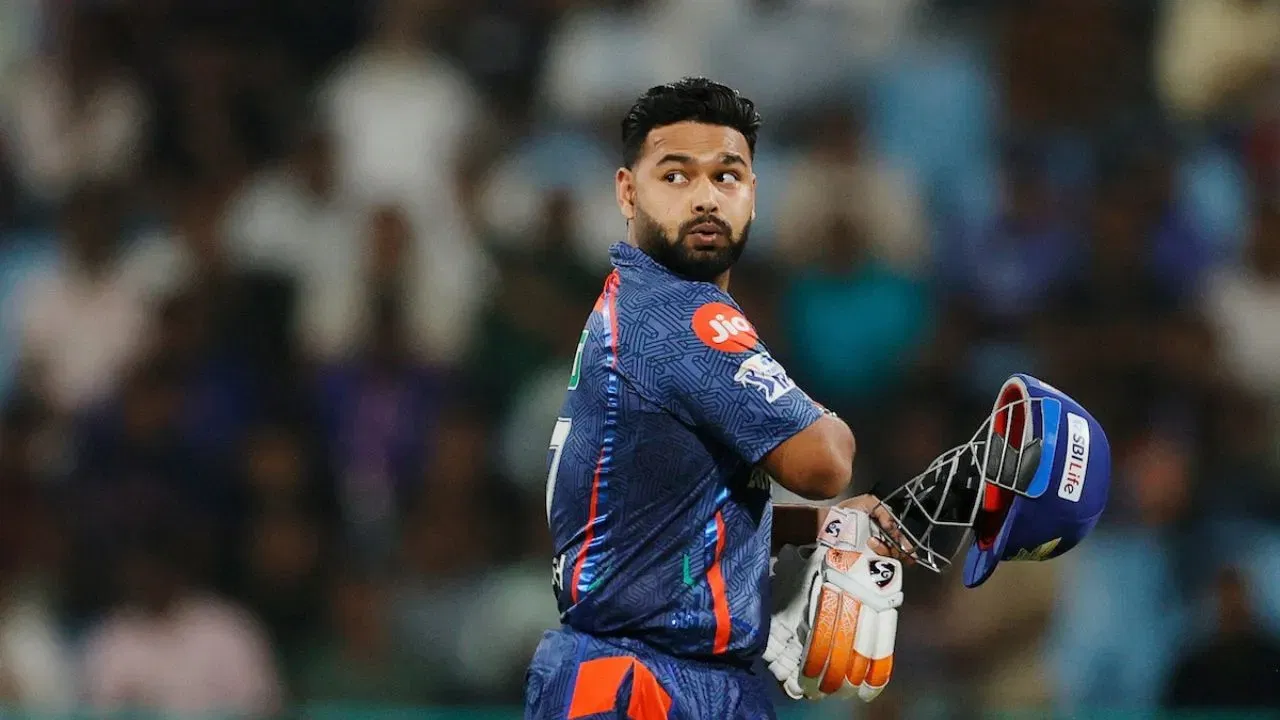
“He is a prisoner…”: Ex-KKR cricketer’s massive comment on Rishabh Pant
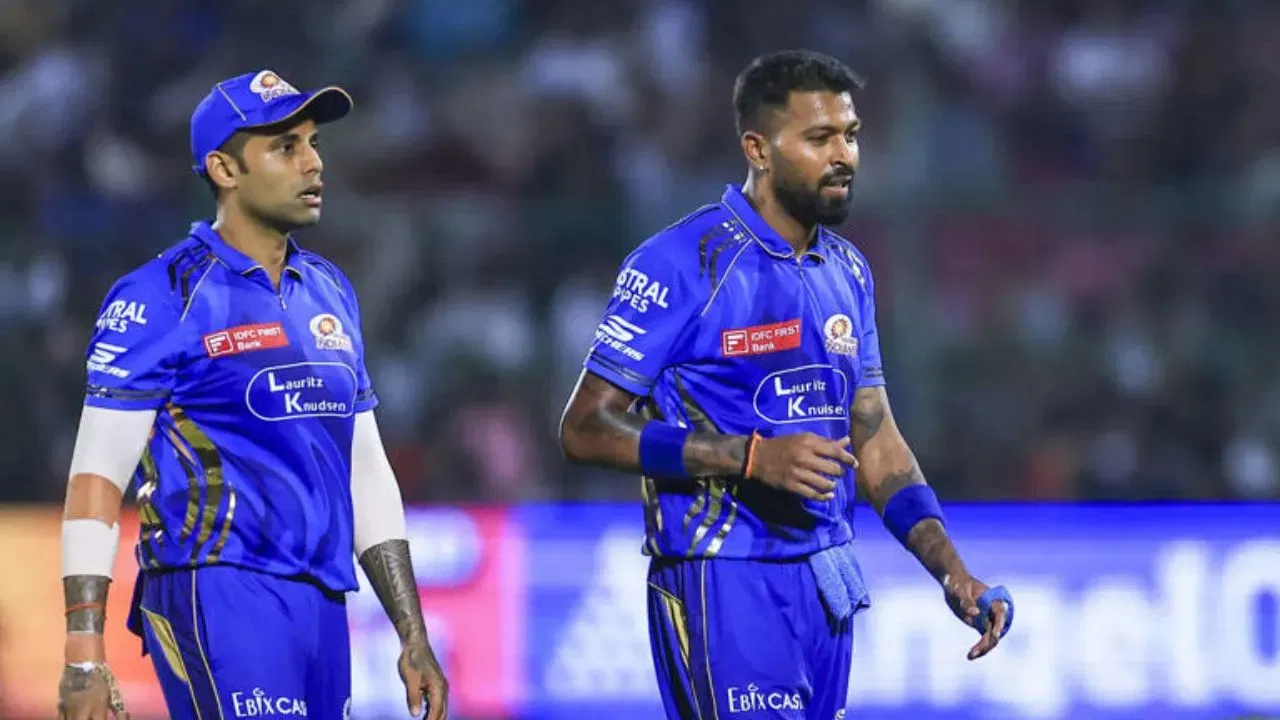
“He’ll captain now”: Ex-RCB batter drops bombshell on Mumbai Indians’ captaincy change before IPL 2026
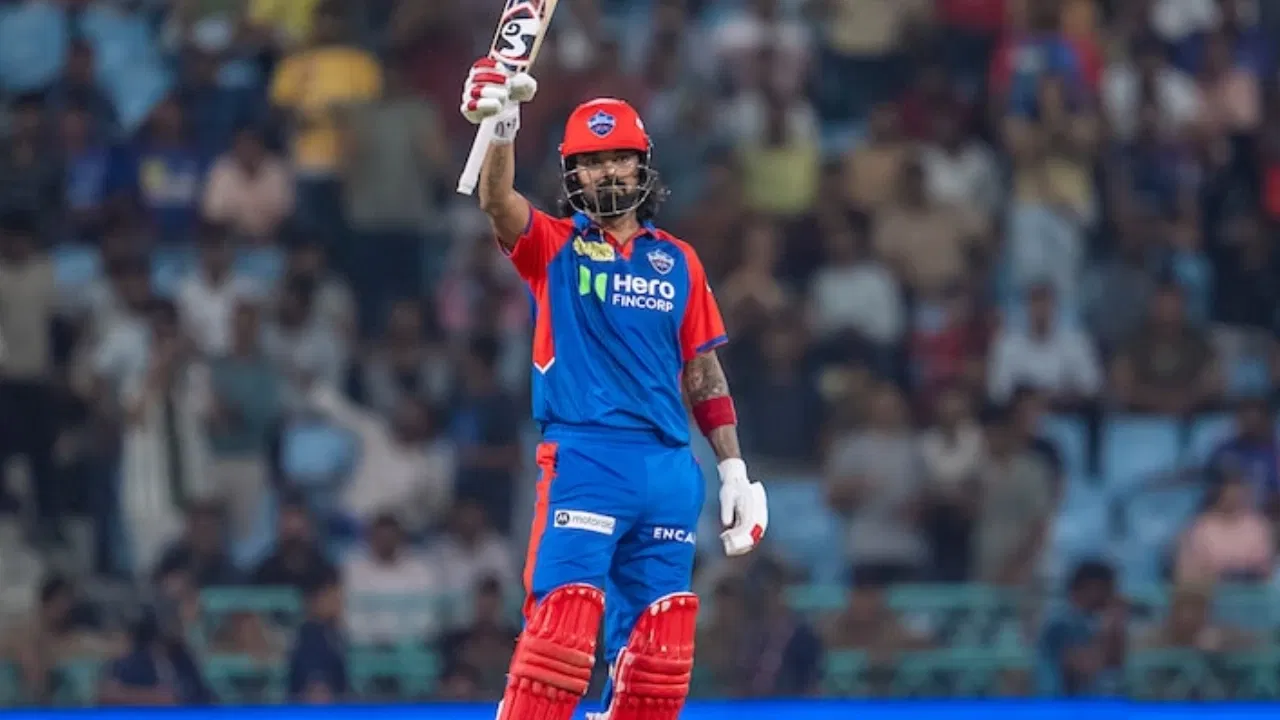
“KL Rahul is a classy player I’m fascinated by…” – Ian Bell ahead of IPL 2026
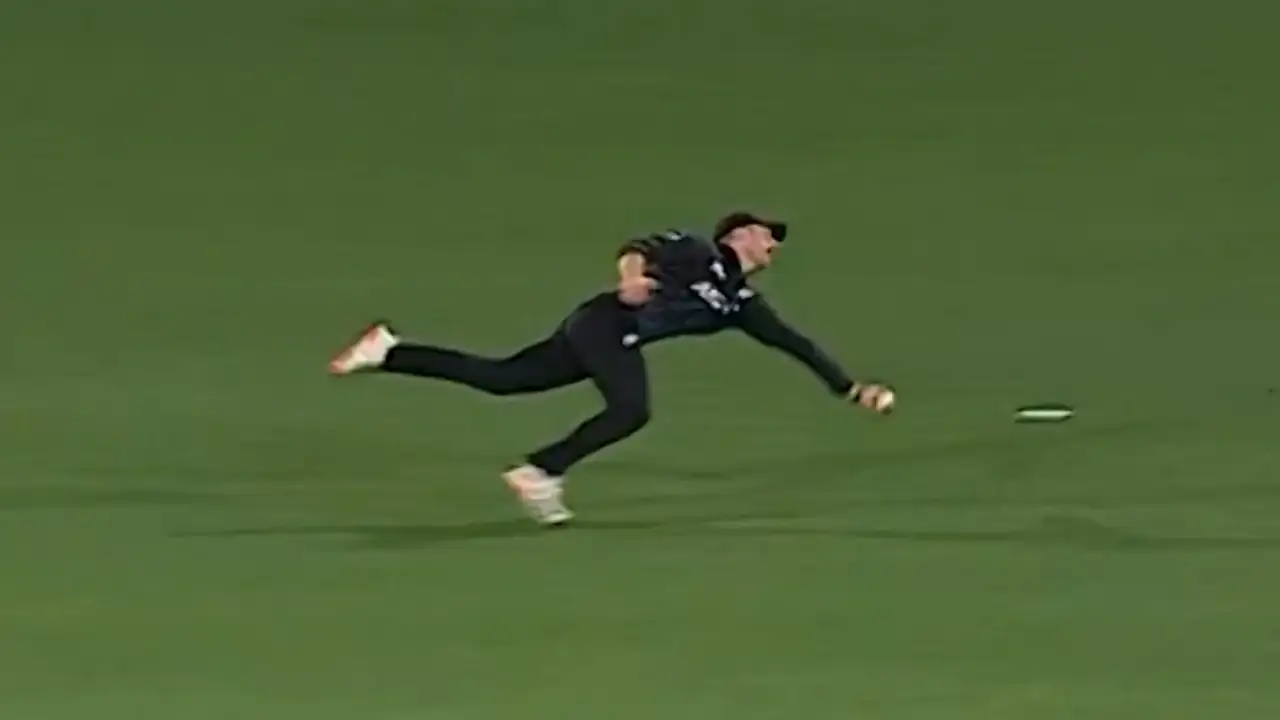
New Zealand’s Nick Kelly takes unbelievable catch vs SA in 5th T20I (Watch Video)

‘Making Indian team is easier than IPL team’: Sourav Ganguly on Mitchell Starc uncertainty
Shakib Al Hasan’s Bangladesh comeback on cards with 2-year plan in place
Jonny Bairstow blasts Brendon McCullum, Ben Stokes over Mark Wood’s injury struggles
“Winning prize is great”: Axar Patel praises Jay Shah, highlights BCCI’s financial support
‘IPL teams might start cancelling young English players’: Aakash Chopra on Ben Duckett controversy

Virat Kohli takes up new role for RCB ahead of IPL 2026