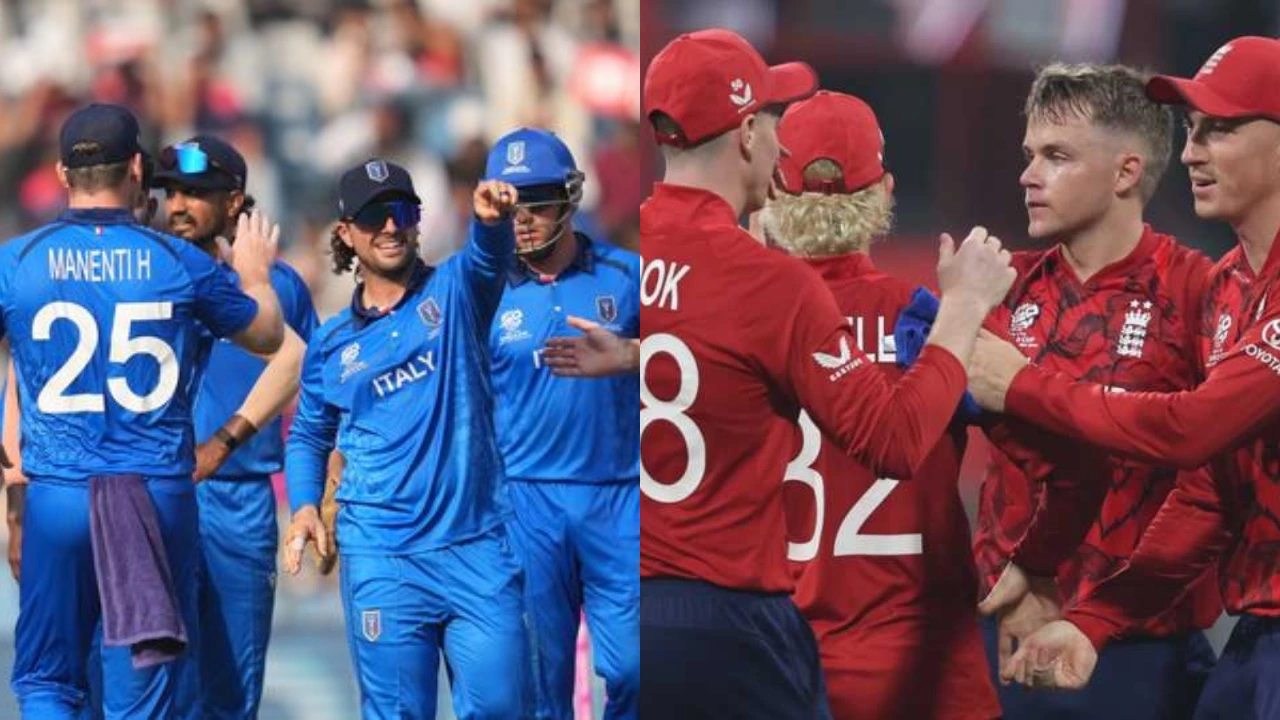
Suryakumar Yadav breaks silence on India ending handshake boycott with Pakistan in T20 World Cup 2026
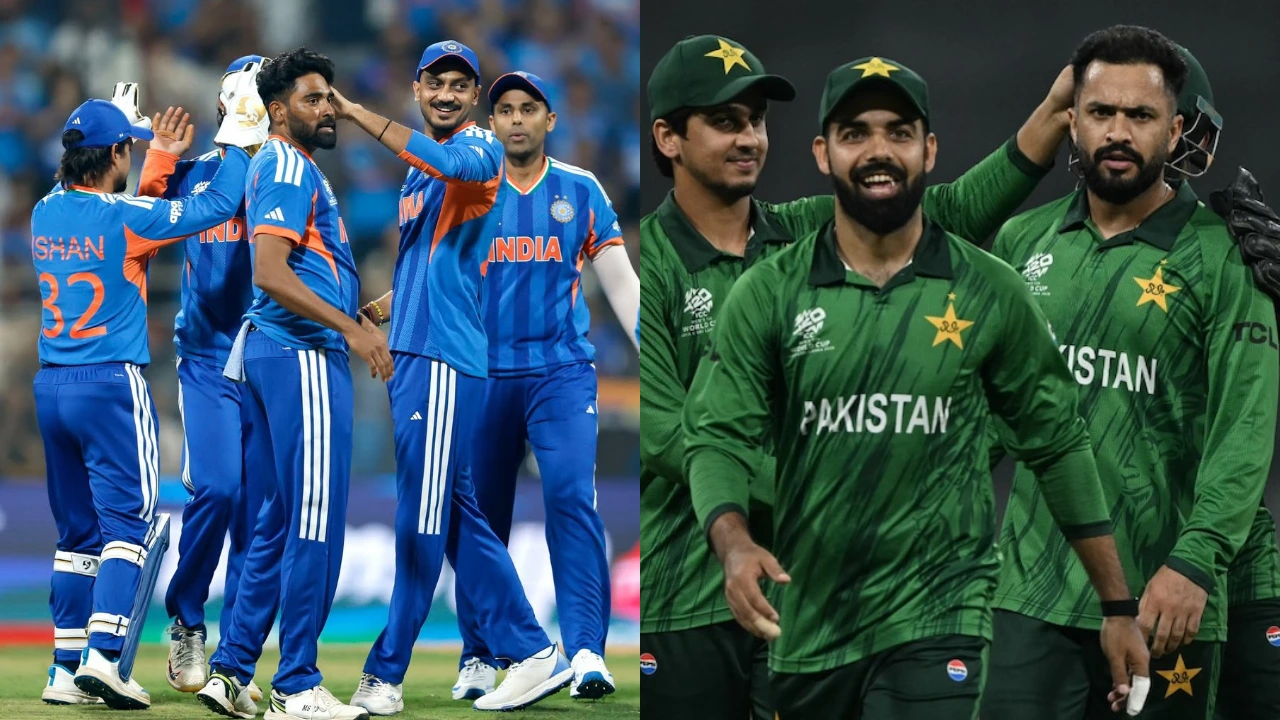
## India vs. Pakistan: Will the Handshake Boycott End in the ICC T20 World Cup 2026?
### Drama Unfolds Ahead of the Highly Anticipated Match
As tensions between India and Pakistan escalate, all eyes are on the upcoming match in the ongoing ICC T20 World Cup 2026. The spotlight is on whether the longstanding ‘no handshake’ stance between the two rival countries will finally come to an end on the cricket field.
### The Question Looms Over the Captains
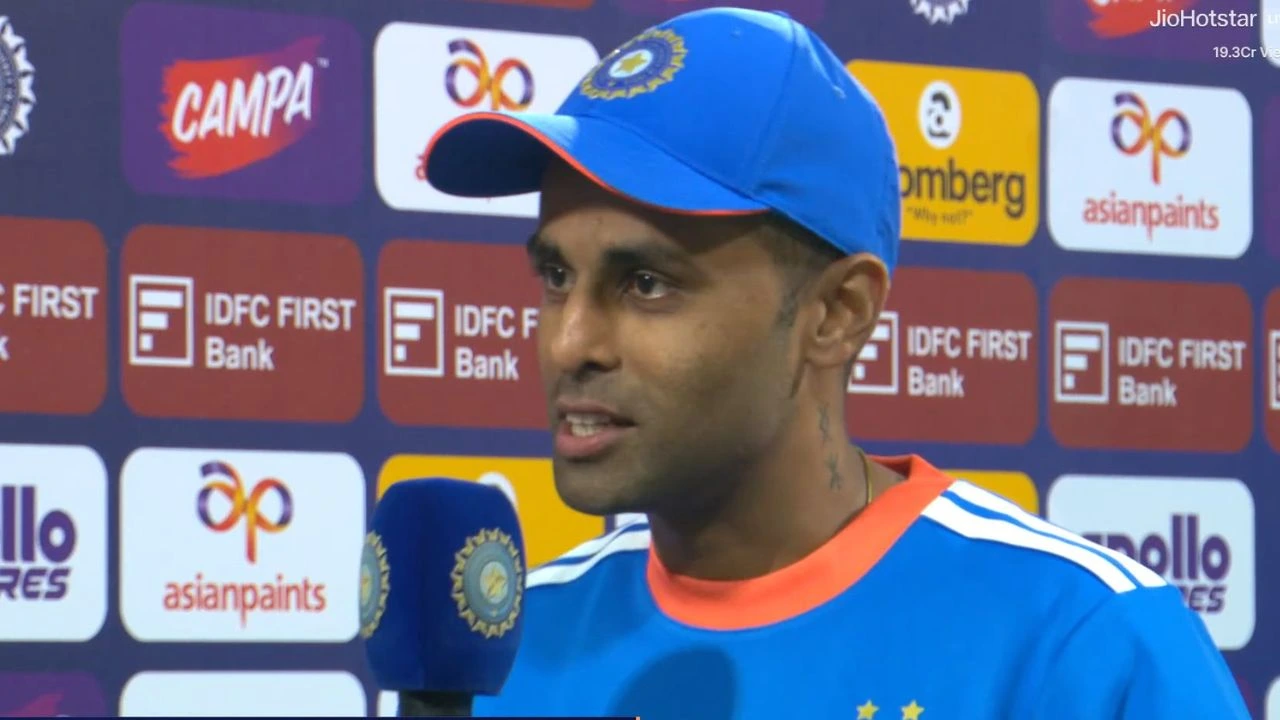
India captain Suryakumar Yadav found himself at the center of attention as he faced the inevitable question regarding shaking hands with the Pakistan cricket team before their match scheduled for Sunday, February 15, in Colombo. Instead of providing a straightforward answer, Yadav kept everyone in suspense by saying, “Wait for 24 hours. Eat well, sleep well, and we will see tomorrow.”
### The Background of Drama
The lead-up to the India vs. Pakistan match has been filled with drama both on and off the field. The Pakistan Cricket Board (PCB) and the Government of Pakistan faced threats to boycott the match in solidarity with Bangladesh. The International Cricket Council (ICC) intervened by arranging a meeting to defuse the tension, which included representatives from the Bangladesh Cricket Board (BCB).
### ICC’s Decision Regarding Bangladesh’s Participation
The reason behind the drama stemmed from Bangladesh’s reluctance to travel to India for the T20 World Cup, citing safety concerns for their players. Ultimately, the PCB reevaluated their boycott stance ahead of Bangladesh’s general elections. The diplomatic strain between India and Pakistan was further exacerbated during the Asia Cup 2025, following Operation Sindoor in response to a terror attack in Pehelgam.
### The No Handshake Policy: A History
In the midst of heightened tensions, India had previously refused to shake hands with the Pakistan cricket team during the Asia Cup 2025, adding another layer of strain between the two countries. The question now remains whether India will uphold their ‘no handshake’ policy in the T20 World Cup 2026.
### Captains’ Responses
Pakistan captain Salman Ali Agha emphasized the importance of playing the game in good spirits, focusing on cricket rather than external factors like the toss. Agha stated, “We want the game to be played in good spirits. The game should be played like it has been played since it started.”
### Anticipation Builds
As the clock ticks down to the India vs. Pakistan match, the cricketing world eagerly awaits to see whether the traditional ‘no handshake’ stance will persist or if a new chapter of sportsmanship will unfold on the field. Will the players extend their hands in a gesture of goodwill, setting a new tone for cricketing relations between the two nations in the ICC T20 World Cup 2026? The world waits with bated breath to witness the outcome.
The Rivalry Between India and Pakistan
The rivalry between India and Pakistan in cricket is one of the most intense and historic in the world of sports. Both countries have a long history of political tensions, which often spill over onto the cricket field. Matches between the two nations are not just about the game but also about national pride and honor. The anticipation and excitement surrounding these matches are unparalleled, with fans from both sides eagerly awaiting the outcome.
The Impact of Political Relations on Cricket
The political relations between India and Pakistan have a significant impact on cricketing ties between the two countries. Any political tensions or conflicts between the nations often manifest in the form of cricketing boycotts, protests, or controversies. The sport becomes a battleground for expressing national sentiments and ideologies, adding a layer of complexity to the already intense rivalry between the teams.
The Role of Sportsmanship in Cricket
Cricket has always been known for its emphasis on sportsmanship and fair play. The ‘gentleman’s game’ prides itself on upholding values of respect, integrity, and camaraderie. While the India vs. Pakistan rivalry is fierce, there is also a deep-rooted respect for the game and its traditions. The question of whether the two teams will shake hands before the match goes beyond just a simple gesture; it symbolizes a commitment to upholding the spirit of cricket despite political differences.
The Significance of Gestures in International Relations
In the realm of international relations, gestures and symbols play a crucial role in shaping perceptions and building relationships. A handshake between the Indian and Pakistani cricket teams could signify a willingness to move past political tensions and focus on the shared love for the sport. It has the potential to send a powerful message of unity and reconciliation to fans, stakeholders, and the global community watching the match.
The Future of Cricketing Relations
The outcome of the India vs. Pakistan match in the ICC T20 World Cup 2026 could set a precedent for the future of cricketing relations between the two nations. Beyond the result on the field, the way the teams interact and conduct themselves could have far-reaching implications for how the rivalry evolves in the years to come. While the competitive spirit will always be present, there is also an opportunity for cricket to transcend political boundaries and foster a sense of commonality among players and fans.
Conclusion
As the cricketing world eagerly awaits the India vs. Pakistan match in the ICC T20 World Cup 2026, the question of the handshake boycott looms large. The drama, anticipation, and historical context surrounding this rivalry make it a spectacle like no other in the world of sports. Whether the two teams choose to shake hands or uphold their ‘no handshake’ policy, the match is sure to be a momentous occasion that transcends boundaries and captures the essence of cricket as a unifying force in a divided world.
Latest News
Aiden Markram equals Rohit Sharma’s world record with blazing fifty against New Zealand
Abhishek Sharma’s father recalled when he turned down his son’s request during U-19 days
Special security plans in place for India vs Pakistan clash in Colombo
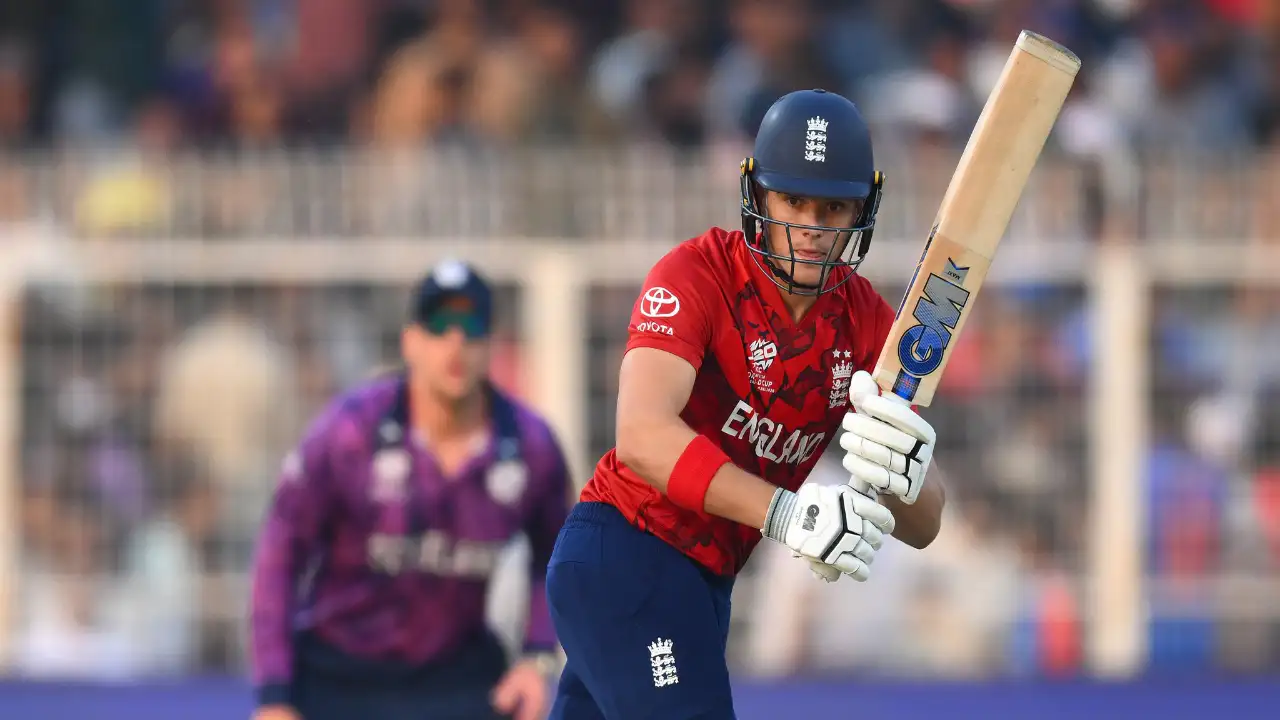
England achieve incredible first after win over Scotland
Ex-Pakistan cricketer wishes for rain during India vs Pakistan match
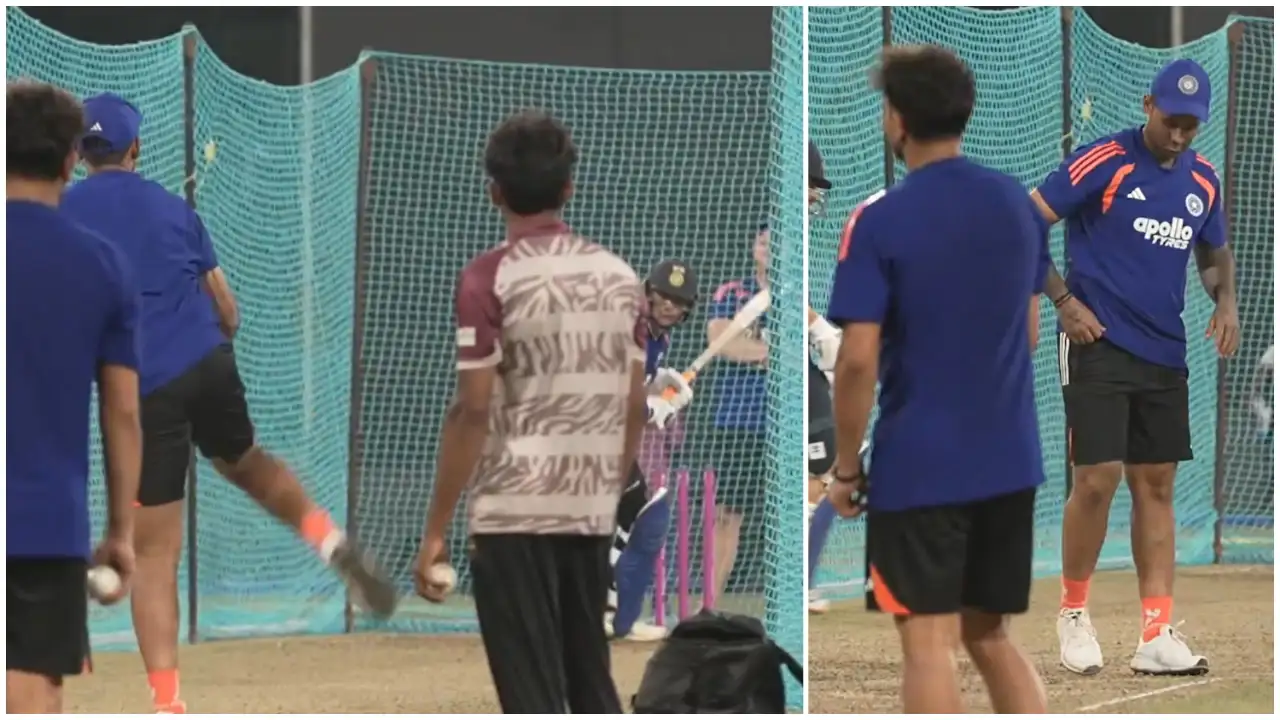
Watch: Bowling like Usman Tariq: Suryakumar Yadav trains his teammates with Tariq-like bowling action
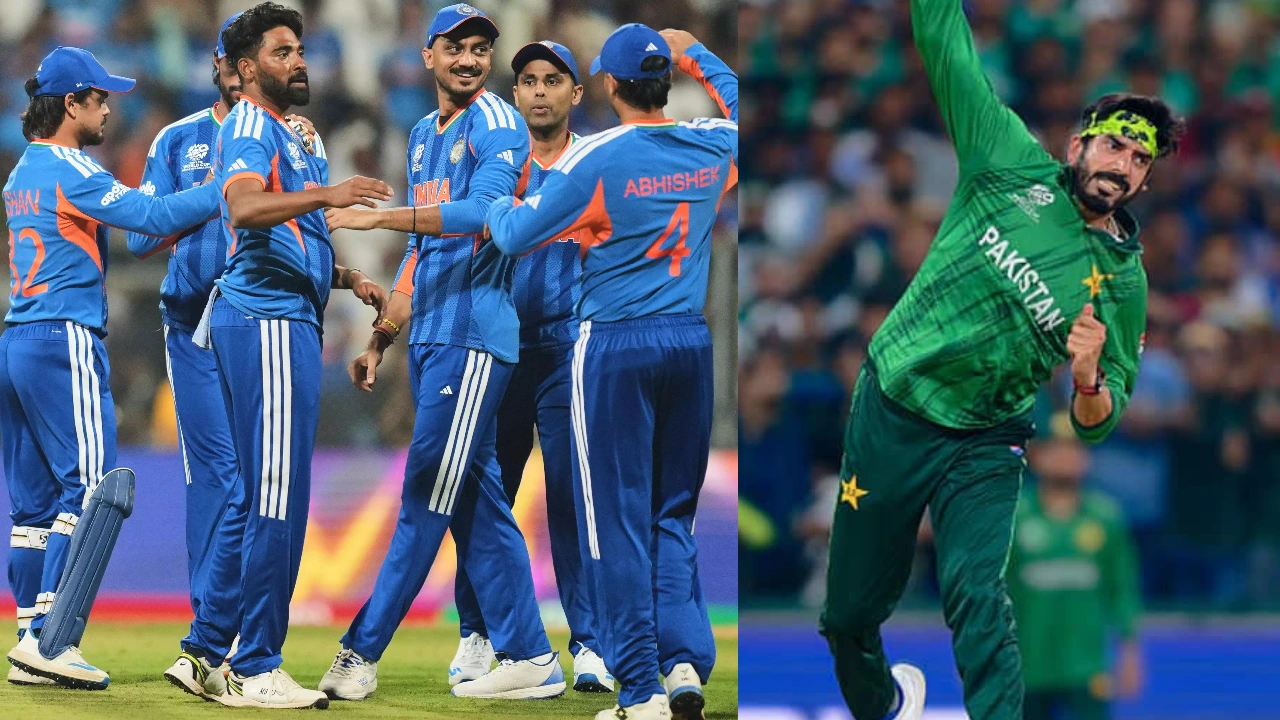
Suryakumar Yadav thinks Usman Tariq is ‘chucker’? India captain breaks silence on threatening spinner
Suryakumar Yadav breaks silence on India ending handshake boycott with Pakistan in T20 World Cup 2026
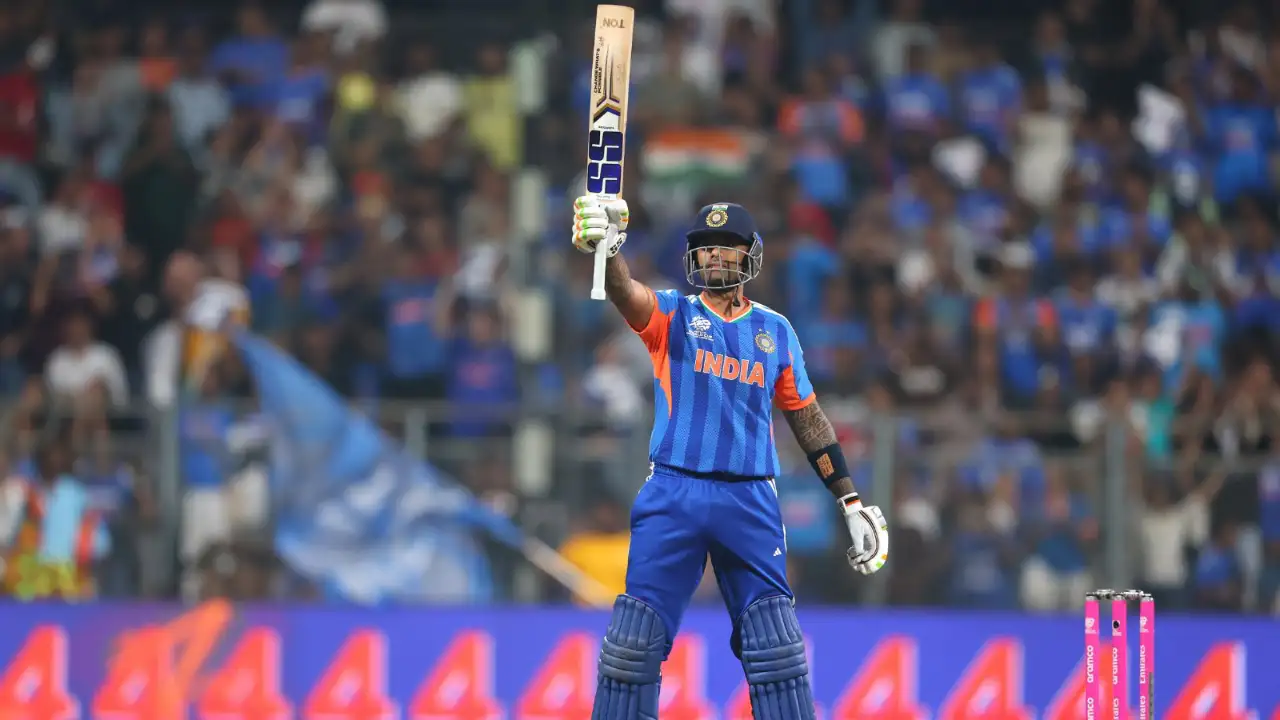
Suryakumar Yadav unleashes Kuldeep Yadav vs Pakistan, alleges ‘unfair advantage’ for Salman Ali Agha & Co.
Suryakumar Yadav delivers huge verdict on India-Pakistan bilateral ties ahead of T20 World Cup clash
USA Playing XI vs Namibia Playing XI, Match No.26 – ICC T20 World Cup 2026
USA vs NAM Match Prediction: Who Will Win Game No.26? ICC T20 World Cup 2026
WI vs NEP Match 25 Preview: Free Live Streaming, Pitch & Weather Report, Head-to-Head, Playing XIs | ICC T20 World Cup 2026
USA vs NAM Match No.26 Preview: Free Live Streaming, Pitch & Weather Report, Head-to-Head, Playing XIs | ICC T20 World Cup 2026