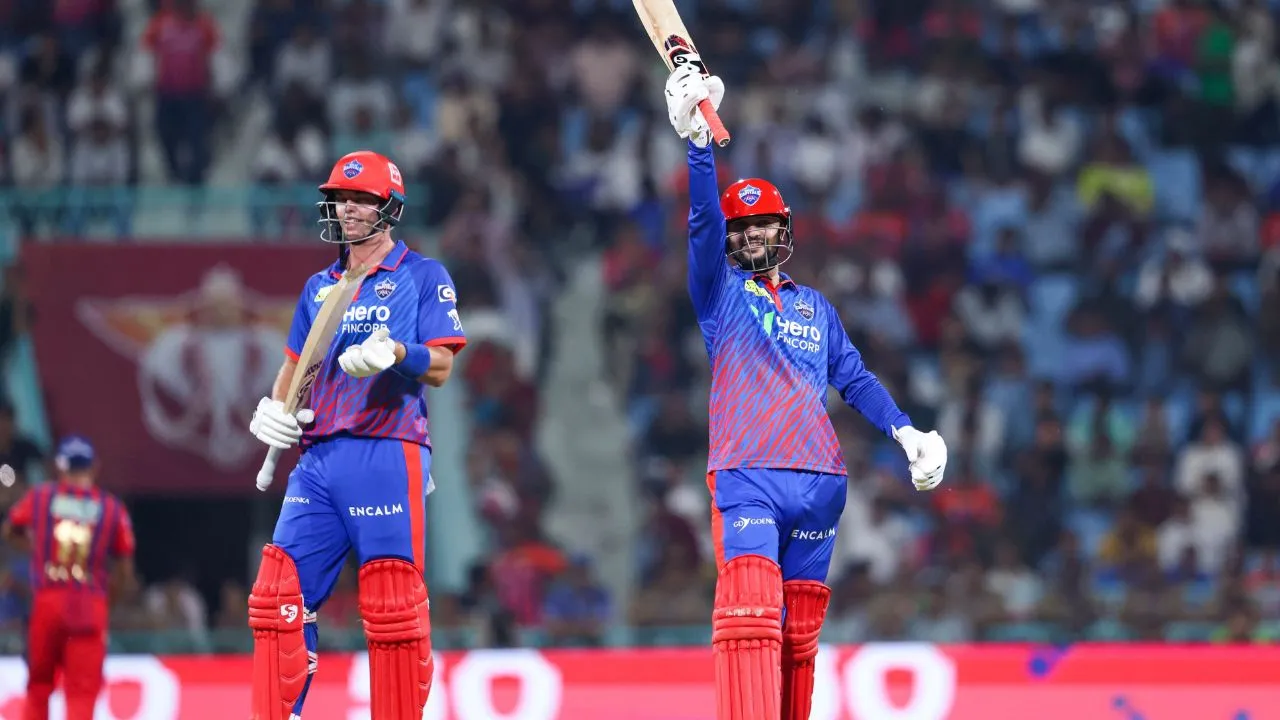
Suryakumar Yadav credits Shubman Gill’s sluggish 39-ball 46 for India’s win in 4th T20I vs Australia

India Secures Victory in the Fourth T20I Against Australia
The fourth T20I match of the five-match series between the India National Cricket Team, led by Suryakumar Yadav, and the Australia National Cricket Team, led by Mitchell Marsh, took place on Thursday, November 6. The match was held at the Gold Coast Stadium (Carrara) in Gold Coast, where Team India emerged victorious, defeating Team Australia by 48 runs. The final match of the series is scheduled to be played in Brisbane on Saturday, November 8.
Chaotic Batting Order Strategy
The team management, under the leadership of Gautam Gambhir, has implemented a dynamic batting strategy for the T20I matches. Except for the openers, Abhishek Sharma and Shubman Gill, no fixed batting positions have been assigned to the players. This decision has led to frequent shuffling in the batting order to enhance adaptability among the players.
However, the chaotic batting order strategy did not yield the desired results in the fourth T20I match. Despite scoring a total of 167/8, the Indian team struggled to accelerate the run rate. Players like Abhishek Sharma, Shubman Gill, and Shivam Dube failed to score quick runs, resulting in a modest total on the scoreboard.
Key Contributions and Bowlers’ Performance
Despite the challenges faced in the batting department, Suryakumar Yadav (20) and Axar Patel (21*) played crucial innings, along with contributions from others like Washington Sundar. The bowlers, including Arshdeep Singh, Jasprit Bumrah, Washington Sundar, Shivam Dube, Varun Chakravarthy, and Axar Patel, displayed an excellent performance by taking wickets at crucial moments.
During the post-match presentation, Suryakumar Yadav appreciated the efforts of Abhishek Sharma and Shubman Gill for their significant roles in the team’s victory. He commended their smart approach during the powerplay, acknowledging that the pitch conditions were not conducive for a high scoring game.
Flexibility and Team Effort
Suryakumar Yadav also highlighted the flexibility displayed by the bowlers in adapting to the match situations. He emphasized the importance of having bowlers who can contribute with two or three overs, allowing the team to adjust their bowling strategies based on the game’s requirements.
Overall, the victory in the fourth T20I against Australia showcased a complete team effort by the Indian National Cricket Team. With a blend of strategic batting decisions and exceptional bowling performances, the team under Suryakumar Yadav’s captaincy demonstrated resilience and adaptability, securing a convincing win over the opponents.
Unpredictable Nature of T20 Cricket
One of the key aspects that make T20 cricket so exciting is its unpredictable nature. In a format where every ball can change the course of the game, teams must be prepared to adapt quickly to different situations. The chaotic batting order strategy employed by Team India is a reflection of this need for flexibility and innovation in T20 cricket. While it may not always result in immediate success, it showcases the team’s willingness to experiment and try new approaches to stay ahead of the competition.
In the fast-paced world of T20 cricket, teams must constantly evolve and refine their strategies to stay competitive. The ability to think on your feet, make quick decisions, and execute under pressure are essential skills for success in this format of the game. The fourth T20I match between India and Australia highlighted the importance of adaptability and teamwork in achieving victory.
Building Momentum for the Future
As Team India gears up for the final match of the series in Brisbane, the momentum from their recent victory will be crucial. Confidence plays a significant role in cricket, and a win can boost morale and motivation within the team. Suryakumar Yadav’s leadership and the team’s collective effort have set a solid foundation for a successful performance in the upcoming match.
Going forward, Team India will need to build on their strengths and address any weaknesses to maintain their winning streak. Consistency in performance, both with the bat and the ball, will be key to securing another victory against Australia. The players must continue to support each other, communicate effectively on the field, and execute their game plan with precision.
The Role of Psychology in Cricket
Psychology plays a crucial role in cricket, especially in high-pressure situations like T20 matches. The mental aspect of the game can often determine the outcome, as players need to stay focused, remain calm under pressure, and make quick decisions. Suryakumar Yadav’s ability to lead his team effectively, keep their spirits high, and maintain a positive attitude even in challenging circumstances is a testament to his strong mental fortitude.
Understanding the psychological dynamics of the game can give teams a competitive edge. By mastering the mental aspects of cricket, players can enhance their performance, overcome obstacles, and achieve success on the field. The fourth T20I victory against Australia not only demonstrates Team India’s cricketing skills but also their mental resilience and ability to handle pressure effectively.
Looking Ahead
As the final match of the series approaches, Team India will be looking to maintain their winning momentum and secure another victory against Australia. The upcoming match in Brisbane presents an opportunity for the team to showcase their skills, teamwork, and determination once again. With Suryakumar Yadav at the helm and a talented squad of players by his side, Team India is well-positioned to finish the series on a high note.
Cricket fans can expect an exciting and competitive match as the two teams face off in the series finale. The unpredictability of T20 cricket ensures that anything can happen on the day, making it a thrilling spectacle for fans around the world. Team India’s victory in the fourth T20I has set the stage for an intense showdown in Brisbane, where both teams will be vying for supremacy on the cricket field.
Latest News
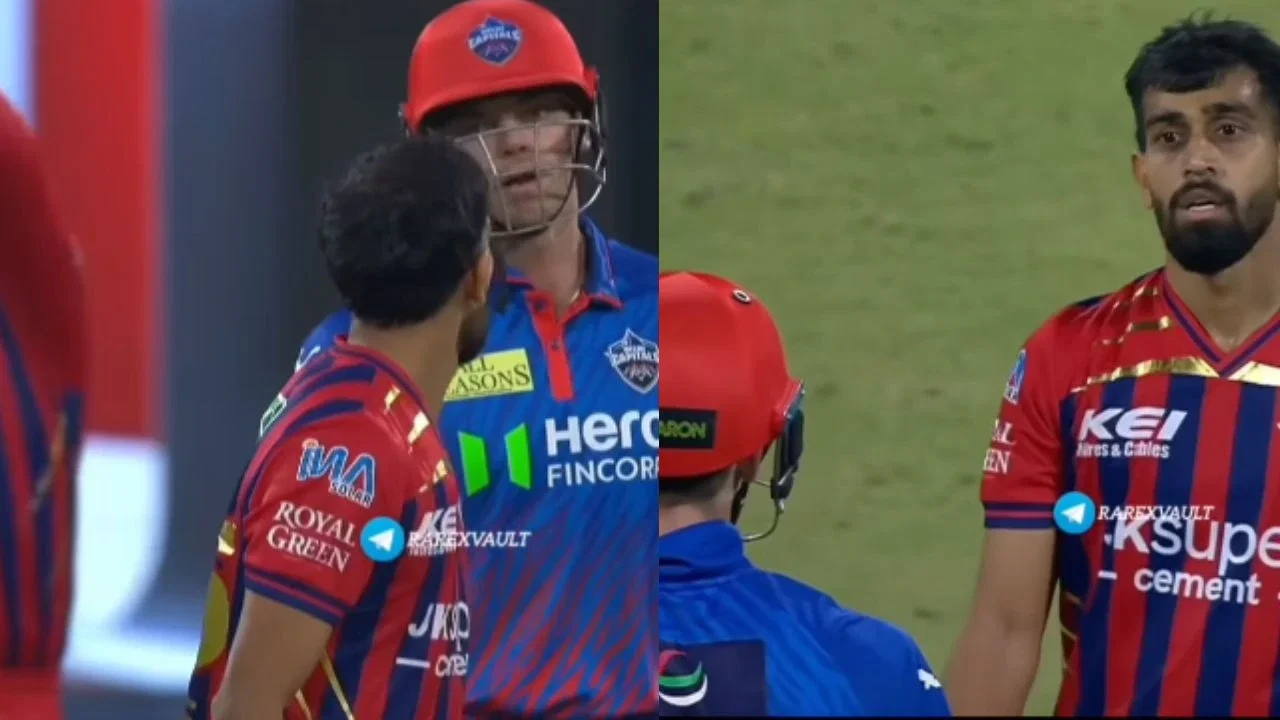
Watch: Tristan Stubbs vs Prince Yadav altercation video goes viral in IPL 2026
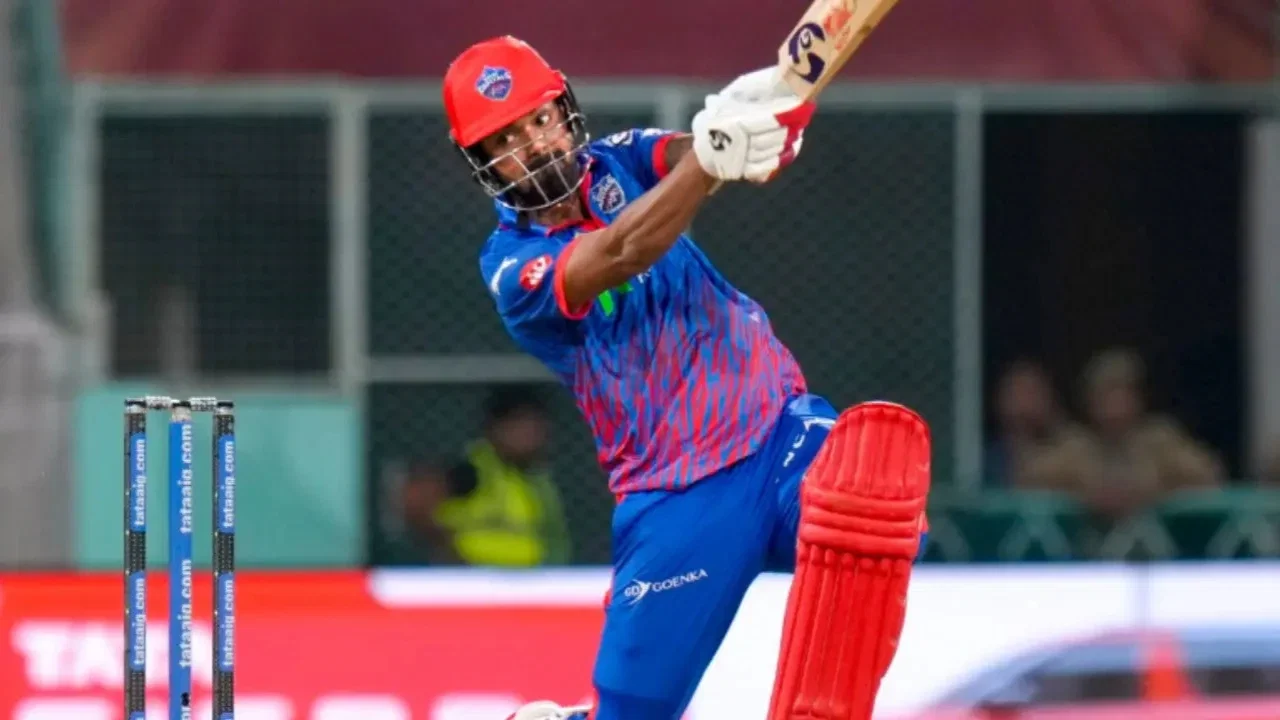
LSG take disgusting dig at KL Rahul, DC fire back with savage post as IPL 2026 heats up

Virat Kohli teases RCB teammate Romario Shepherd by imitating him in a hilarious fashion

Rassie van der Dussen announces retirement after South Africa contract snub
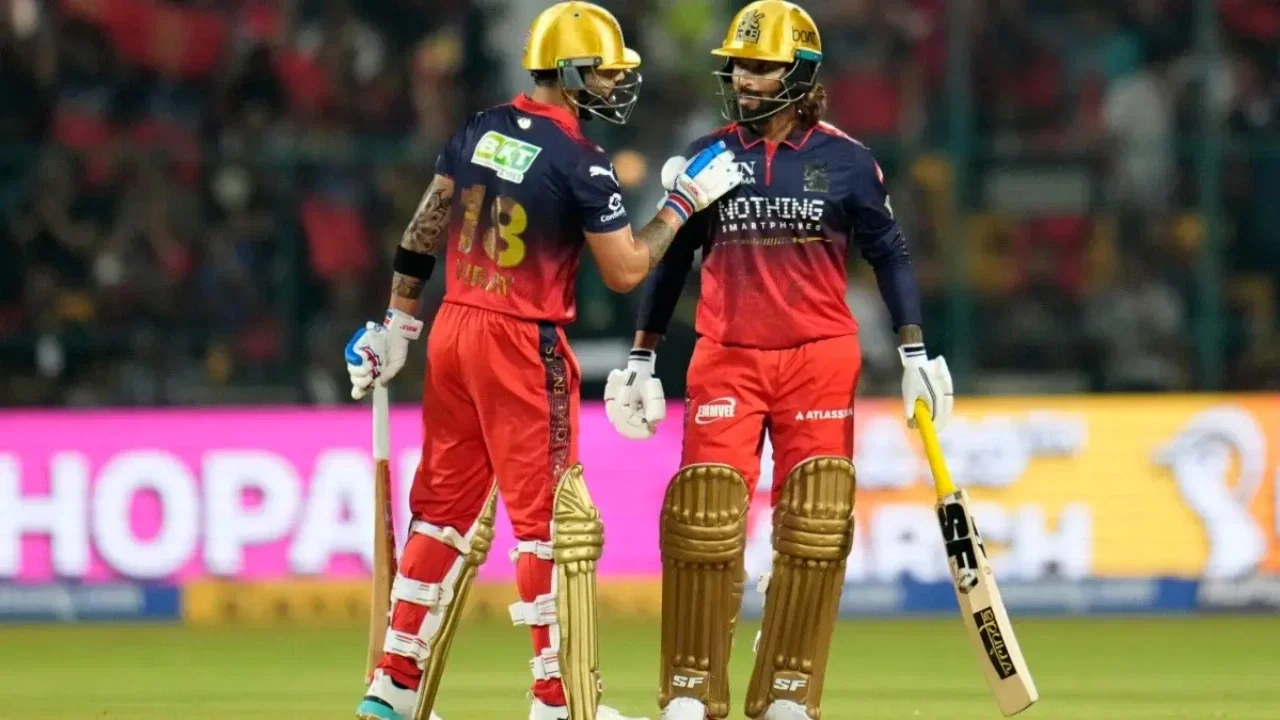
Rajat Patidar ignores MS Dhoni, Virat Kohli as he names best IPL captain
Yuvraj Singh name-dropped as ex-LSG coach gives honest verdict on Rishabh Pant’s T20 game

Abhishek Nayar urges Cameron Green to become Andre Russell 2.0 for KKR
Shreyas Iyer fully fit for Punjab Kings’ IPL 2026 clash against CSK
Matheesha Pathirana’s NOC delayed by SLC, KKR’s woes heighten in IPL 2026
Matheesha Pathirana’s NOC delayed by SLC, KKR’s woes heighten in IPL 2026
Nuwan Thushara takes legal action against SLC to secure RCB move for IPL 2026
Harry Brook and Jacob Bethell punished after conduct probe by cricket regulator
Sanjiv Goenka engages in heated chat with LSG coaches after loss to DC

Axar Patel dismissed on ‘Golden Duck’ by Prince Yadav in LSG vs DC IPL 2026 clash