Suryakumar Yadav gives burn marks to Pakistan, bans journalists from calling IND vs PAK a RIVALRY
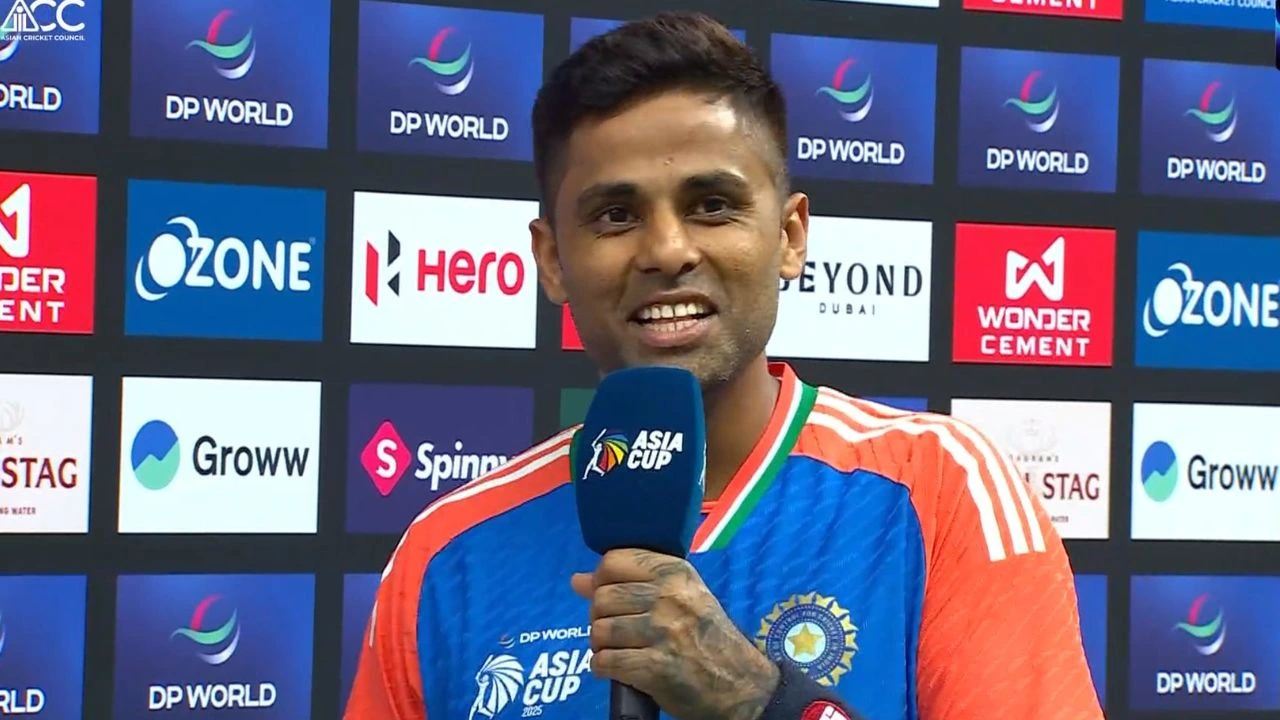
Suryakumar Yadav Declares India-Pakistan Matches Not a Rivalry Anymore
After India’s dominant six-wicket victory over Pakistan in the Asia Cup 2025 Super Four stage, captain Suryakumar Yadav made a statement urging the media to stop labeling matches between the two sides as a “rivalry.” Yadav emphasized that the current scenario no longer qualifies as a rivalry, especially considering India’s clear dominance in their head-to-head clashes with Pakistan.
India’s Unmatched Performance
Throughout the ongoing Asia Cup, India has showcased their supremacy over Salman Ali Agha’s Pakistani team. In both encounters, the Men in Blue outplayed Pakistan, demonstrating superior energy and intensity with both bat and ball. Pakistan struggled to match India’s performance level, ultimately failing to put up a significant fight in either match.
Suryakumar Yadav’s Perspective
Speaking at the post-match conference, Suryakumar Yadav elaborated on his stance, downplaying the traditional India-Pakistan rivalry. He expressed that the media should refrain from continuing to portray these matches as a rivalry, emphasizing that his team simply played better cricket than Pakistan. Yadav emphasized that true rivalries are reflected in closely contested matches with similar win-loss records, unlike the current lopsided statistics between India and Pakistan.
“You guys should stop asking about the rivalry. If the two teams are playing 15-20 games and the scoreline is 7-7 or 8-7, then it is called a rivalry. If the scoreline is 10-1 or 13-0, I don’t know the exact number, but this is not a rivalry anymore,” Suryakumar Yadav stated.
India’s Unbeaten Streak
India’s victory over Pakistan extended their unbeaten streak against their rivals since the 2022 T20 World Cup. Their impressive record in T20Is now stands at 12 wins and 3 losses, highlighting a consistent gap in quality between the two teams. With seven consecutive wins, India has not lost to Pakistan in any white-ball format since the T20 World Cup.
Player of the Match
Abhishek Sharma was named the Player of the Match for his stellar batting performance. During India’s run chase, Sharma, along with Shubman Gill, set a solid foundation with a 105-run opening partnership. Sharma’s explosive innings of 74 runs off 39 balls, including six fours and five sixes, propelled India towards victory. Tilak Varma’s unbeaten 30 from 19 balls sealed the six-wicket win for India.
Upcoming Matches
India will face Bangladesh next in the Super Four stage on September 24, followed by a match against Sri Lanka on September 26. With a victory in the upcoming match, the Men in Blue can virtually secure their spot in the final, further solidifying their position as the dominant force in the ongoing Asia Cup.
As per Suryakumar Yadav’s perspective, the notion of a rivalry between India and Pakistan seems outdated, given India’s consistent success and dominance over their arch-rivals in recent times.
India’s Continued Dominance
India’s recent success against Pakistan is indicative of their overall dominance in the cricketing world. The Men in Blue have consistently performed well across all formats of the game, establishing themselves as a powerhouse in international cricket. Their strong bench strength, strategic planning, and exceptional talent have propelled them to the top of the rankings, making them a formidable opponent for any team, including traditional rivals like Pakistan.
The Evolution of Cricketing Rivalries
Cricketing rivalries have evolved over the years, shaped by various factors such as player dynamics, team performances, and changing landscapes in the sport. While India-Pakistan encounters have historically been perceived as intense rivalries, the recent trend of one-sided matches has led to a shift in perception. The focus now lies on competitive matches between teams with similar levels of performance, rather than solely on historical tensions or political undertones.
Impact on Players
For players like Suryakumar Yadav and his team, the emphasis is on consistent performance and maintaining their winning streak, rather than getting caught up in the hype of a traditional rivalry. The focus on skill, strategy, and teamwork has become paramount in the contemporary cricketing landscape, overshadowing the narrative of intense rivalries that once defined the sport.
The Global Cricketing Landscape
As cricket continues to evolve as a global sport, the dynamics of traditional rivalries are also changing. Newer teams are emerging as strong contenders, challenging the established order and introducing fresh competition. The rise of T20 leagues, the proliferation of cricketing talent from various countries, and the increasing parity among teams have contributed to a more diverse and competitive cricketing landscape.
Looking Ahead
As India progresses through the Asia Cup and prepares for future tournaments, the focus remains on sustained success, continuous improvement, and staying ahead of the competition. While the India-Pakistan matches may no longer carry the same weight of a traditional rivalry, they serve as a platform for showcasing high-quality cricket and pushing the boundaries of excellence in the sport.
Ultimately, the essence of cricket lies in the spirit of competition, camaraderie among players, and the thrill of the game itself. Whether labeled as a rivalry or not, every match presents an opportunity for players to shine, teams to excel, and fans to witness the magic of cricket unfold on the field.
As the cricketing world evolves, so too do the narratives surrounding traditional rivalries, highlighting the dynamic nature of the sport and the ever-changing landscape of international cricket.
Latest News
CSK’s big promise to players revealed amid IPL 2026: “Whatever BCCI offers, we’ll double it”
Ravichandran Ashwin rules out Vaibhav Sooryavanshi’s India call-up
Rashid Latif claims PSL ball-tampering row was deliberately created for attention amid IPL rivalry
Mohammed Shami breaks silence on retirement buzz after India snub; has special message for LSG
Mohammed Shami reveals IPL 2026 Top 4, leaves out five-time champions
Mohammed Shami hits back at Ravichandran Ashwin over LSG’s poor IPL 2026 prediction
Riyan Parag mocked Sanju Samson? Batter’s muscle-flex celebration after sensational 6 vs CSK goes viral
IPL 2026 hit by tragedy! British broadcast engineer dies in Mumbai hotel room
Brad Haddin reveals reality of Shreyas Iyer as captain
Jos Buttler set to dominate IPL 2026, thanks to Ashish Nehra
Ravindra Jadeja says he had no conversation with MS Dhoni after RR move
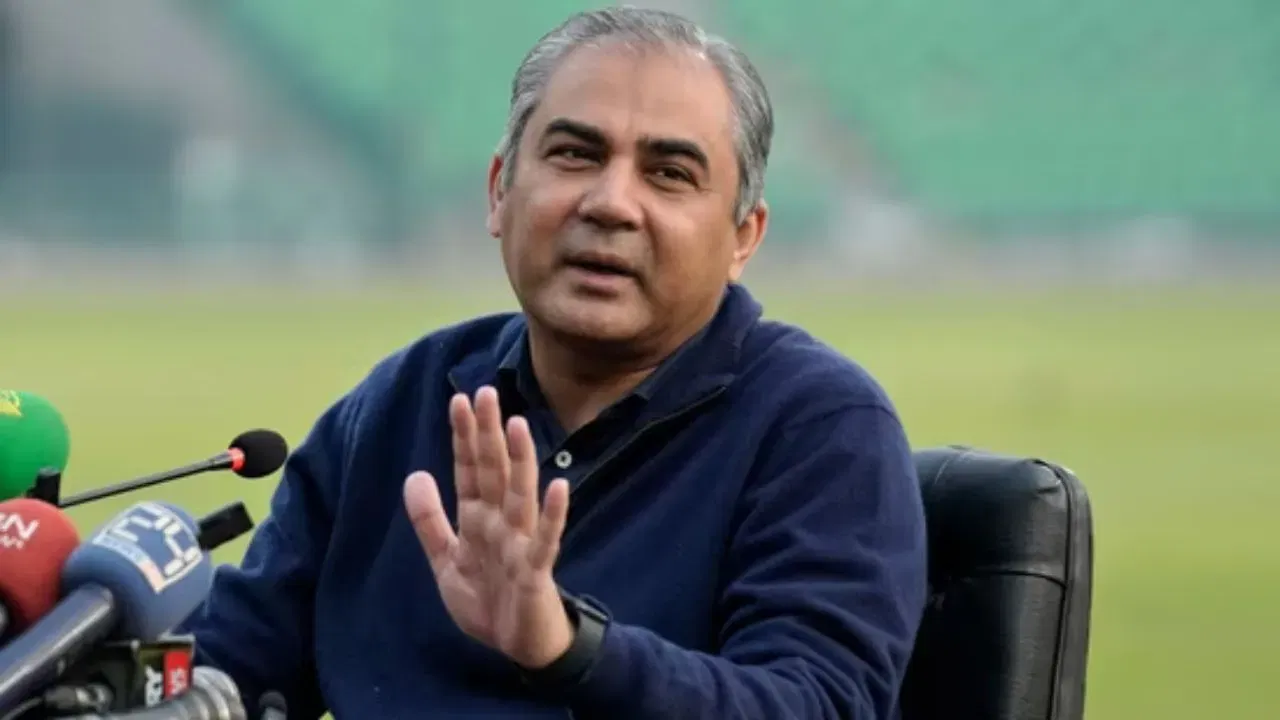
Mohsin Naqvi totally angry and stressed as PSL 2026 controversies escalate
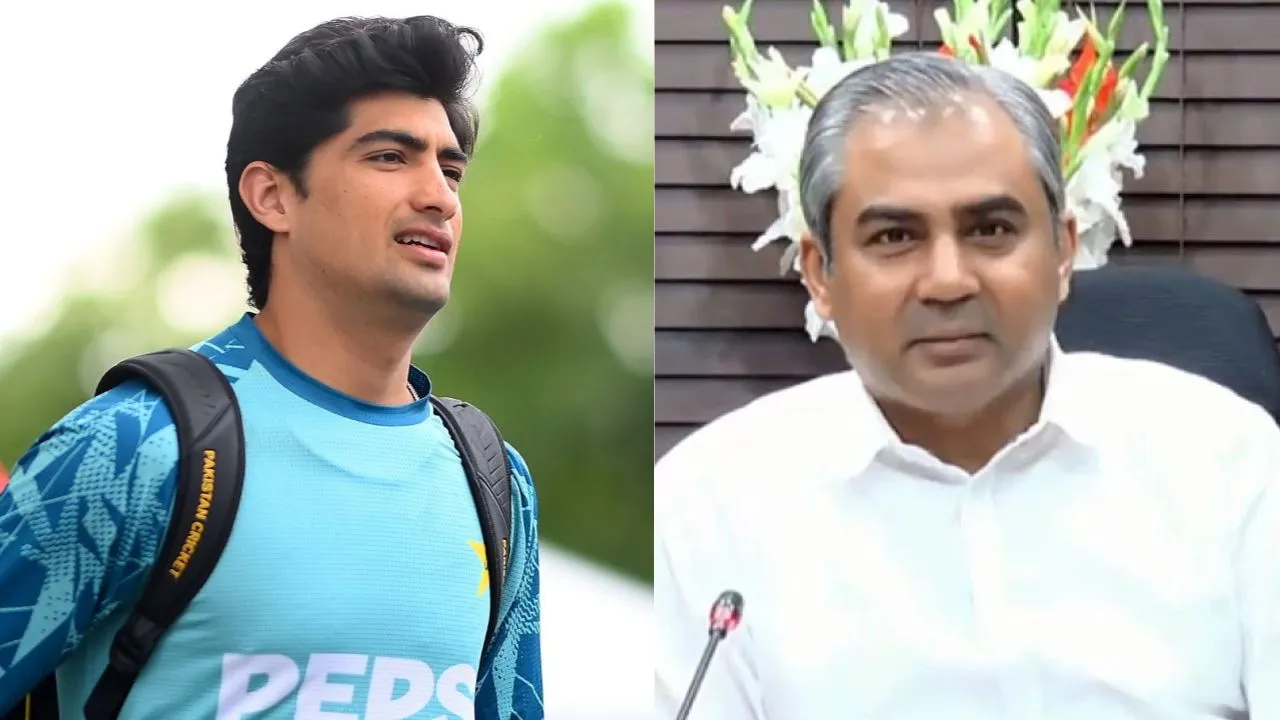
Mohsin Naqvi saves Naseem Shah from two-year ban, shocking claim emerges after controversy
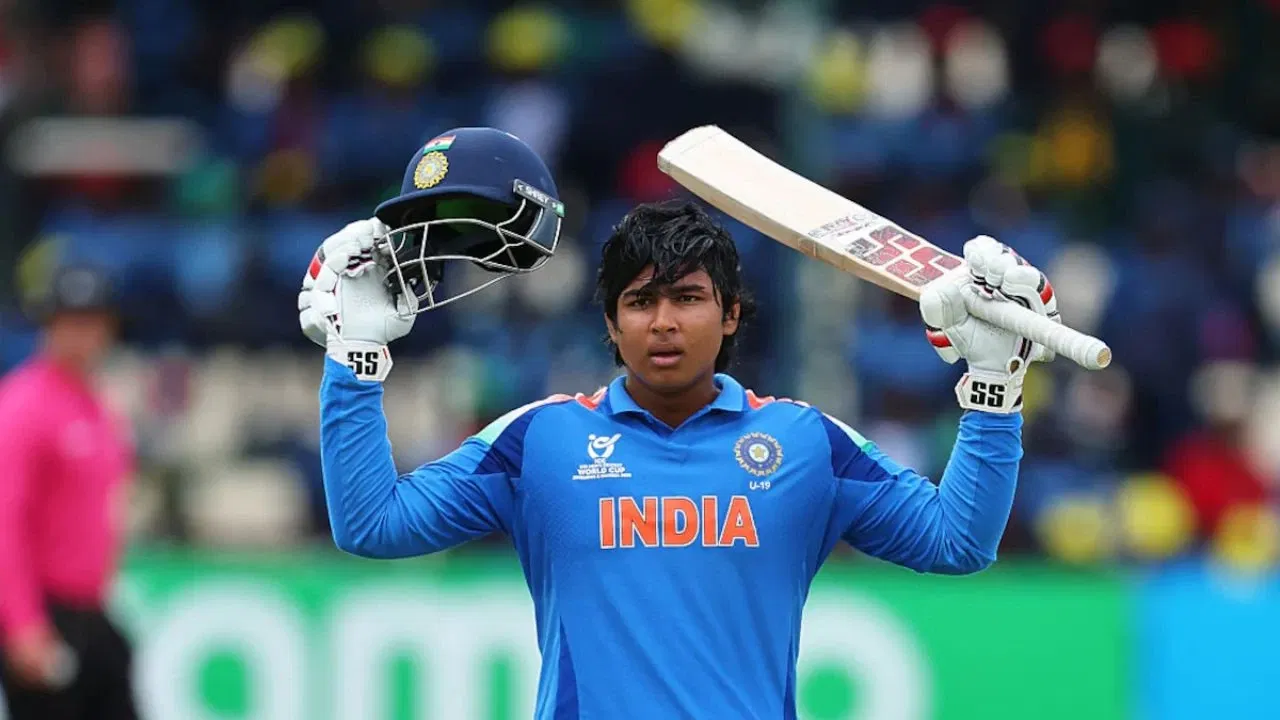
Michael Vaughan claims Vaibhav Sooryavanshi’s India call-up for England tour is confirmed