

Suryakumar Yadav receives ICC warning; India vs Pakistan tensions high
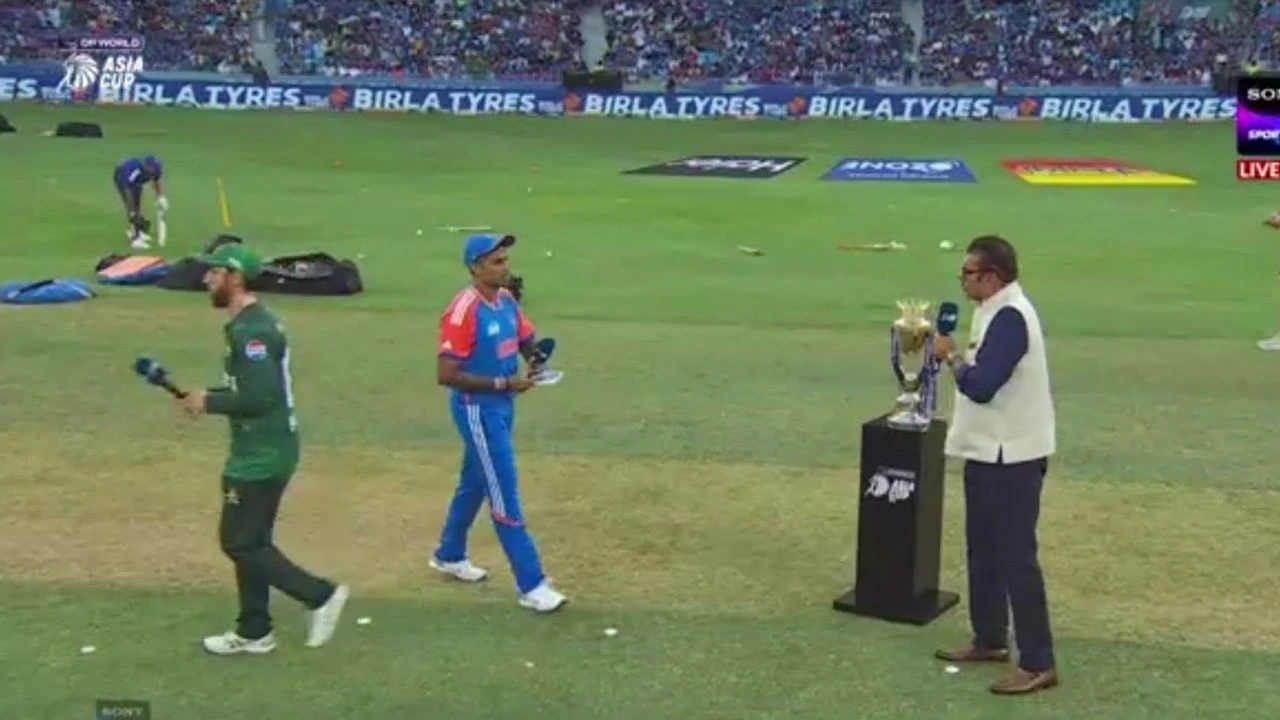
ICC Warns Indian Skipper Suryakumar Yadav Over Political Statements Ahead of Asia Cup 2025 Final
The Asia Cup 2025 has been filled with intense on-field action, but off the field, politics has now entered the fray. Indian skipper Suryakumar Yadav has found himself under the scrutiny of the International Cricket Council (ICC) after making political statements following India’s group clash victory over Pakistan on September 14. The ICC has issued a strict warning to Yadav ahead of the final between India and Pakistan on September 28 in Dubai.
ICC Hearing and Warning
On September 25, Yadav was summoned for an official hearing by ICC match referee Richie Richardson in response to a complaint filed by the Pakistan Cricket Board (PCB). During the hearing, the focus was on Yadav’s post-match comments where he expressed support for Indian Army personnel involved in Operation Sindoor and showed solidarity with the victims of the Pahalgam terror attack earlier this year. The ICC emphasized that Yadav must avoid making statements that could be perceived as political in nature to maintain the integrity of the sport.
Although Yadav pleaded not guilty during the hearing, it was made clear that any further political statements could result in a Level 1 violation, potentially leading to a 15% fine on match fees. The ICC reiterated the importance of players refraining from making politically sensitive remarks to prevent controversies.
Pakistan Players Face ICC Hearing
Alongside Yadav, Pakistan players Haris Rauf and Sahibzada Farhan are also set to face an ICC hearing on September 26 following controversial gestures made during the Super Four match against India. Sahibzada celebrated his fifty with a gun-firing-in-the-air gesture, while Rauf mocked Indian fans with a “6-0” and Rafale crashing gesture, referencing Operation Sindoor.
The Board of Control for Cricket in India (BCCI) filed a complaint against Rauf and Sahibzada for their actions, adding to the escalating tensions between the two cricketing nations. The gestures made by the Pakistani players have further fueled the rivalry ahead of the Asia Cup 2025 final.
India-Pakistan Tensions Rise
The recent incidents involving political statements and provocative gestures have heightened tensions between India and Pakistan, both on and off the cricket field. With official complaints lodged by both cricket boards, the focus has shifted from the game to the political undertones surrounding the upcoming final in Dubai.
As fans eagerly anticipate the India-Pakistan clash in the Asia Cup 2025 final, the spotlight remains on the players and their conduct, emphasizing the need for sportsmanship and respect in the game of cricket. The ICC’s warnings and forthcoming hearings serve as a reminder to all players to uphold the spirit of the sport and avoid actions that could lead to controversies.
Impact on India-Pakistan Relations
The political statements and gestures made by players from both India and Pakistan have not only stirred controversy within the cricketing world but have also had repercussions on the broader diplomatic relations between the two countries. Given the historical tensions and ongoing conflicts between India and Pakistan, any instance of political rhetoric seeping into cricket matches can further strain already fragile ties.
While cricket has often been seen as a medium to ease tensions and promote peace between the two nations, incidents like these serve as a stark reminder of the deep-rooted animosity that exists. The Asia Cup 2025 final has now taken on added significance beyond just a cricket match, with the potential to exacerbate political tensions and public sentiment on both sides.
Role of ICC in Managing Political Controversies
The ICC’s intervention in warning players about making political statements during matches underscores the organization’s commitment to maintaining the neutrality and integrity of cricket as a sport. By enforcing strict guidelines regarding player conduct and speech, the ICC aims to ensure that cricket remains a unifying force rather than a platform for political posturing and divisiveness.
While it is essential for players to express themselves freely, they must also recognize the impact of their words and actions on the larger cricketing community and beyond. The ICC’s role in reining in political controversies within the sport sends a clear message that cricket should be a space for camaraderie, respect, and fair competition, devoid of external influences that could disrupt the essence of the game.
Lessons in Sportsmanship and Unity
As the cricketing world grapples with the fallout of the recent incidents, there is a valuable lesson to be learned about the importance of sportsmanship, unity, and mutual respect in the realm of sports. Cricket, with its rich history of transcending borders and bringing people together, serves as a powerful tool for fostering goodwill and understanding between nations.
Players like Suryakumar Yadav, Haris Rauf, and Sahibzada Farhan have an opportunity to lead by example by channeling their energies into promoting sportsmanship, camaraderie, and healthy competition on the field. By setting aside political differences and focusing on the game itself, they can inspire a sense of unity and togetherness among fans and spectators, regardless of national allegiances.
Looking Ahead to a Unifying Future
As the Asia Cup 2025 final approaches, all eyes are on the players to see how they navigate the political tensions and rivalries that have permeated the cricketing arena. While the stakes are high on the field, there is an even greater opportunity for players to rise above differences and showcase the true spirit of sportsmanship and unity.
Ultimately, cricket has the power to transcend boundaries, forge connections, and unite people in a shared passion for the game. As the India-Pakistan rivalry takes center stage once again, the hope is that the players will rise to the occasion and demonstrate that cricket can serve as a bridge between nations, fostering friendship and goodwill that extends far beyond the final match in Dubai.
Latest News
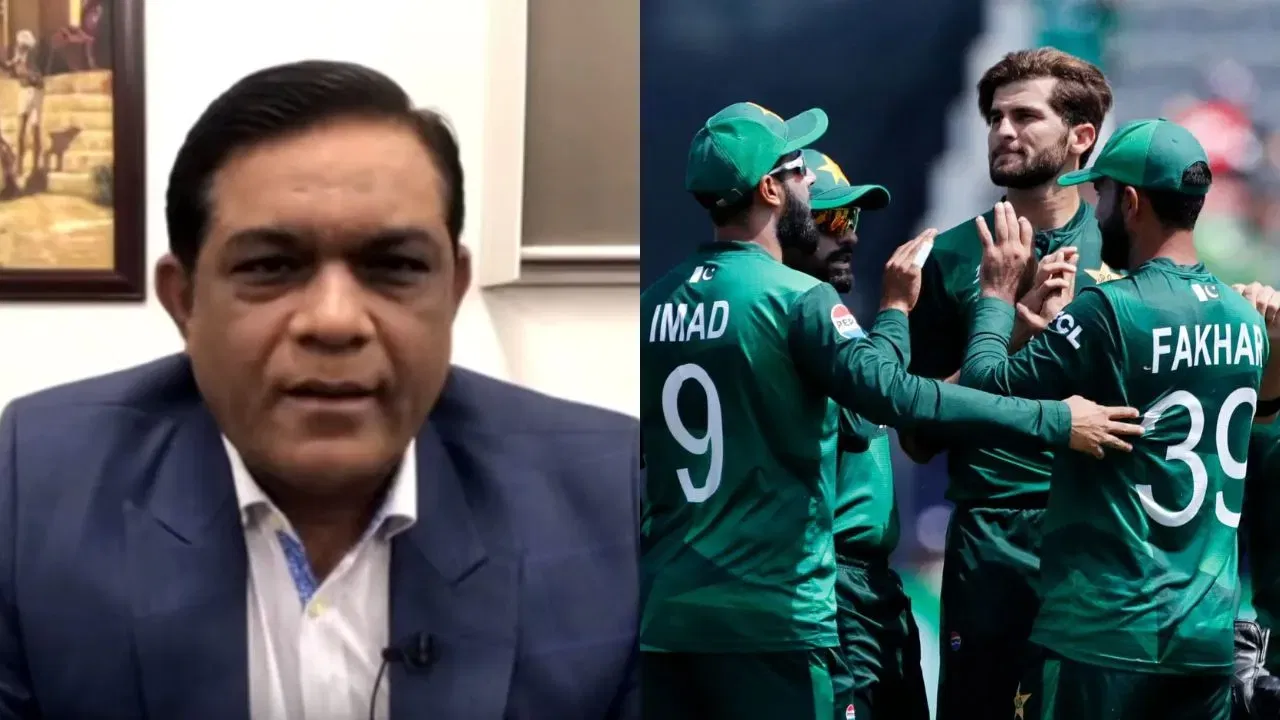
Rashid Latif claims PSL ball-tampering row was deliberately created for attention amid IPL rivalry
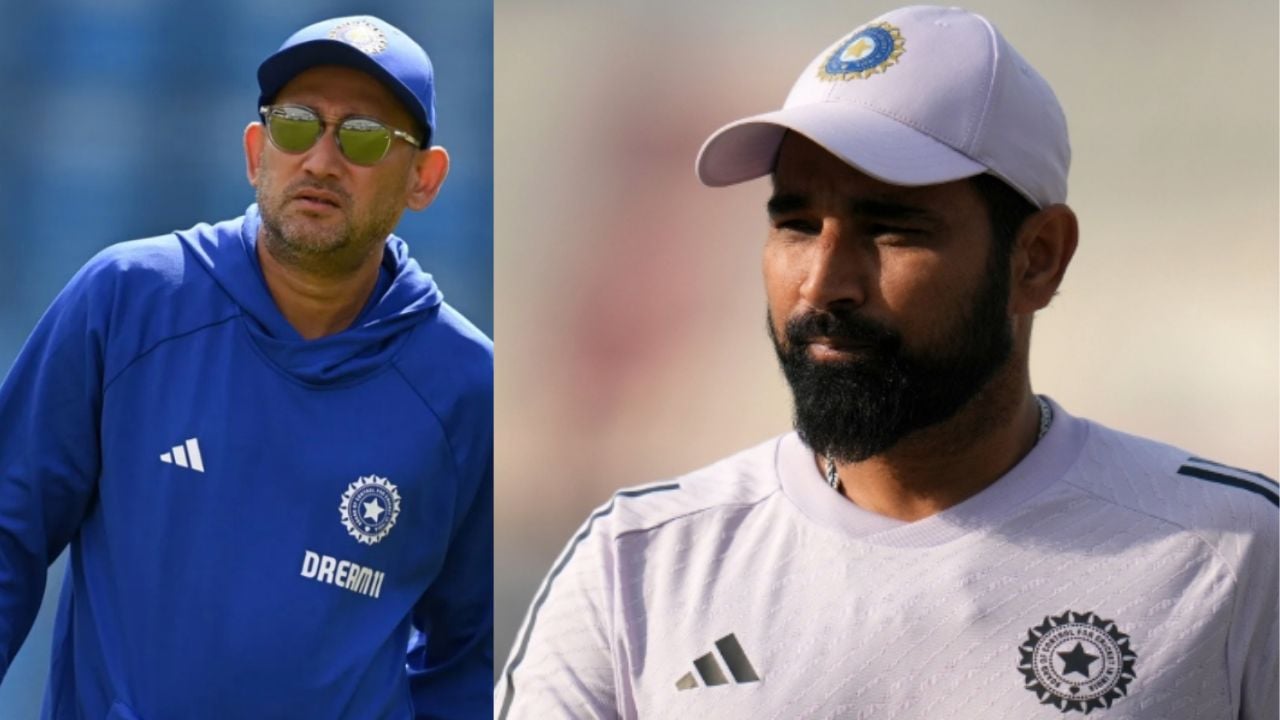
Mohammed Shami breaks silence on retirement buzz after India snub; has special message for LSG
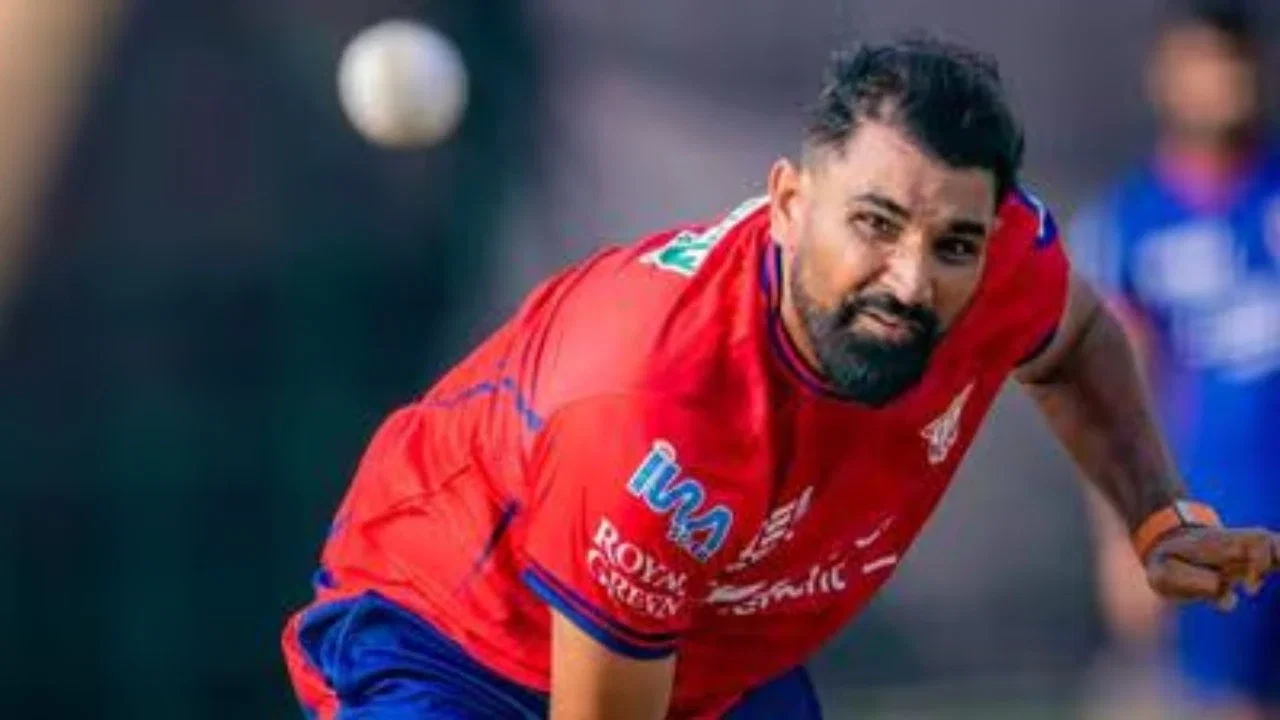
Mohammed Shami reveals IPL 2026 Top 4, leaves out five-time champions
Mohammed Shami hits back at Ravichandran Ashwin over LSG’s poor IPL 2026 prediction
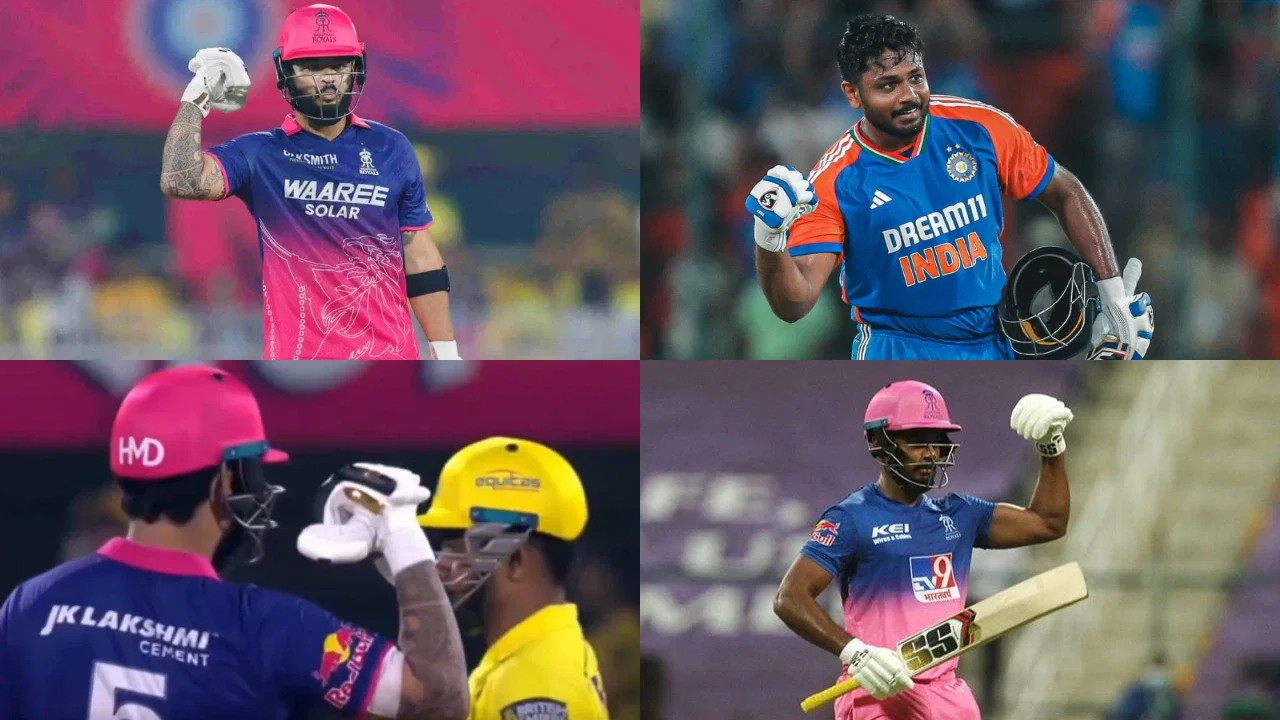
Riyan Parag mocked Sanju Samson? Batter’s muscle-flex celebration after sensational 6 vs CSK goes viral
IPL 2026 hit by tragedy! British broadcast engineer dies in Mumbai hotel room
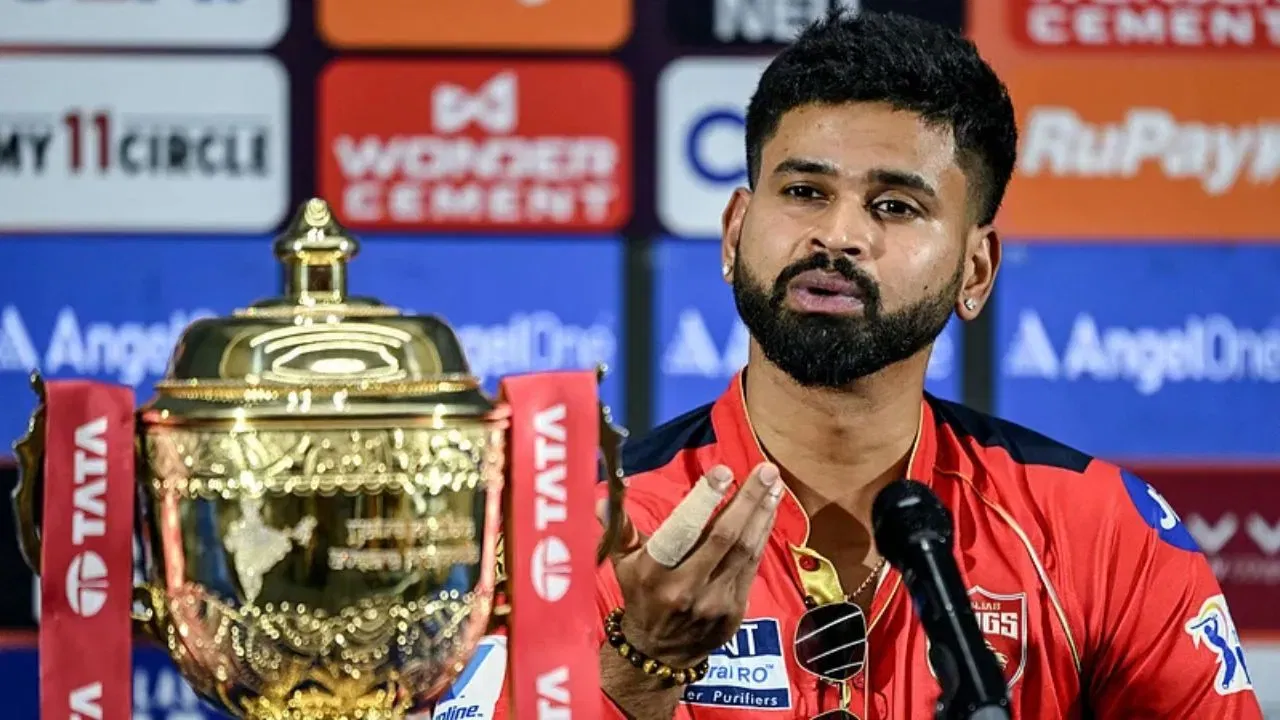
Brad Haddin reveals reality of Shreyas Iyer as captain
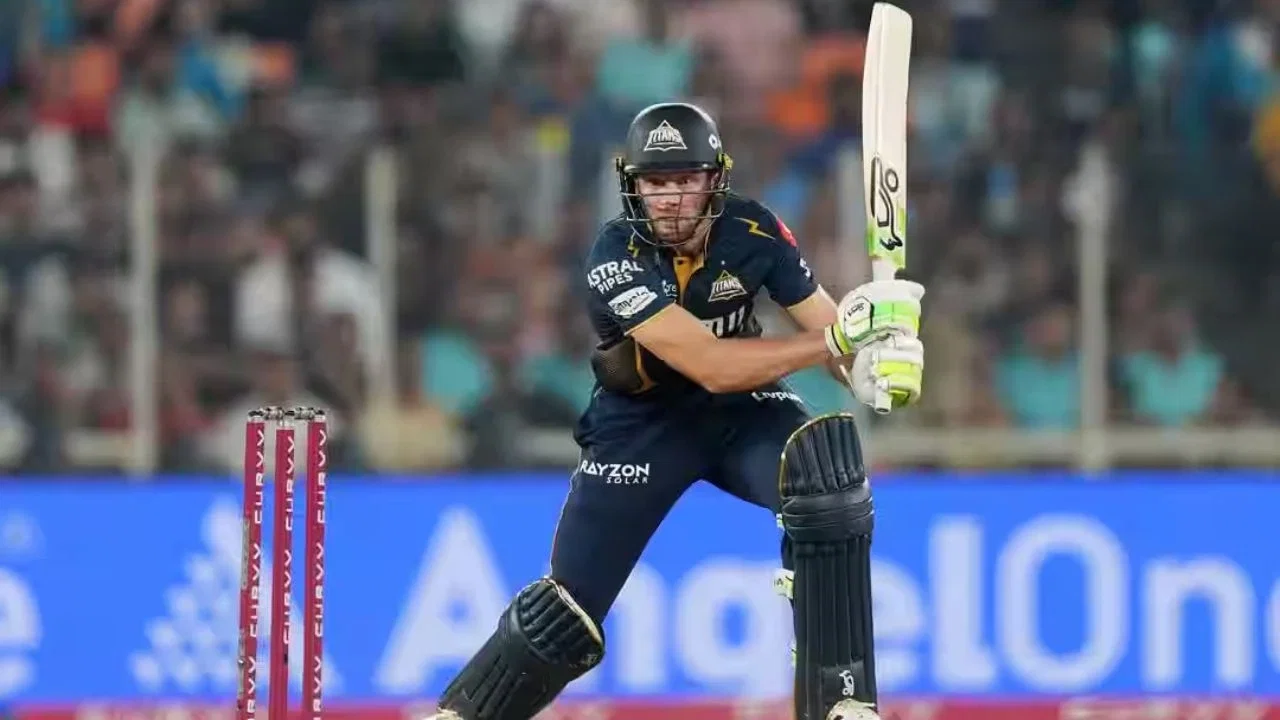
Jos Buttler set to dominate IPL 2026, thanks to Ashish Nehra
Ravindra Jadeja says he had no conversation with MS Dhoni after RR move
Mohsin Naqvi totally angry and stressed as PSL 2026 controversies escalate
Mohsin Naqvi saves Naseem Shah from two-year ban, shocking claim emerges after controversy
Michael Vaughan claims Vaibhav Sooryavanshi’s India call-up for England tour is confirmed
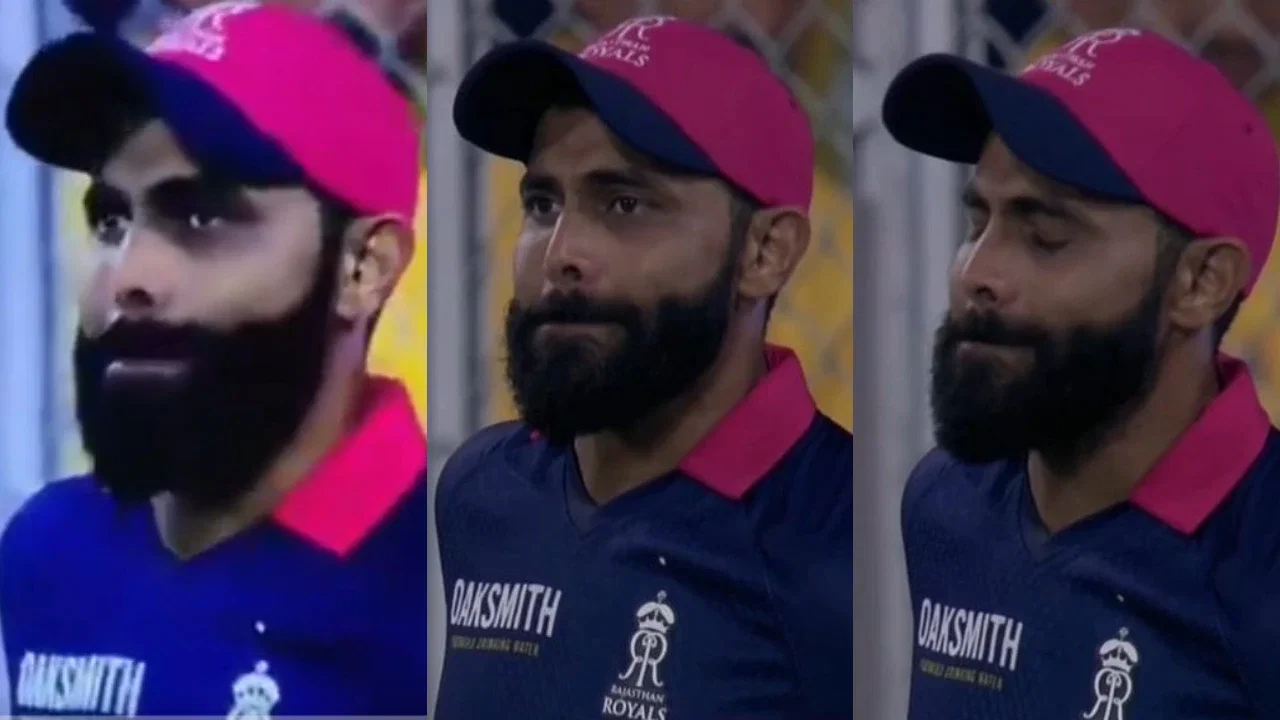
Ravindra Jadeja’s teary-eyed reaction goes viral after RR demolish CSK in IPL 2026 clash

New Zealand ODI and T20I squads for Bangladesh tour officially announced

