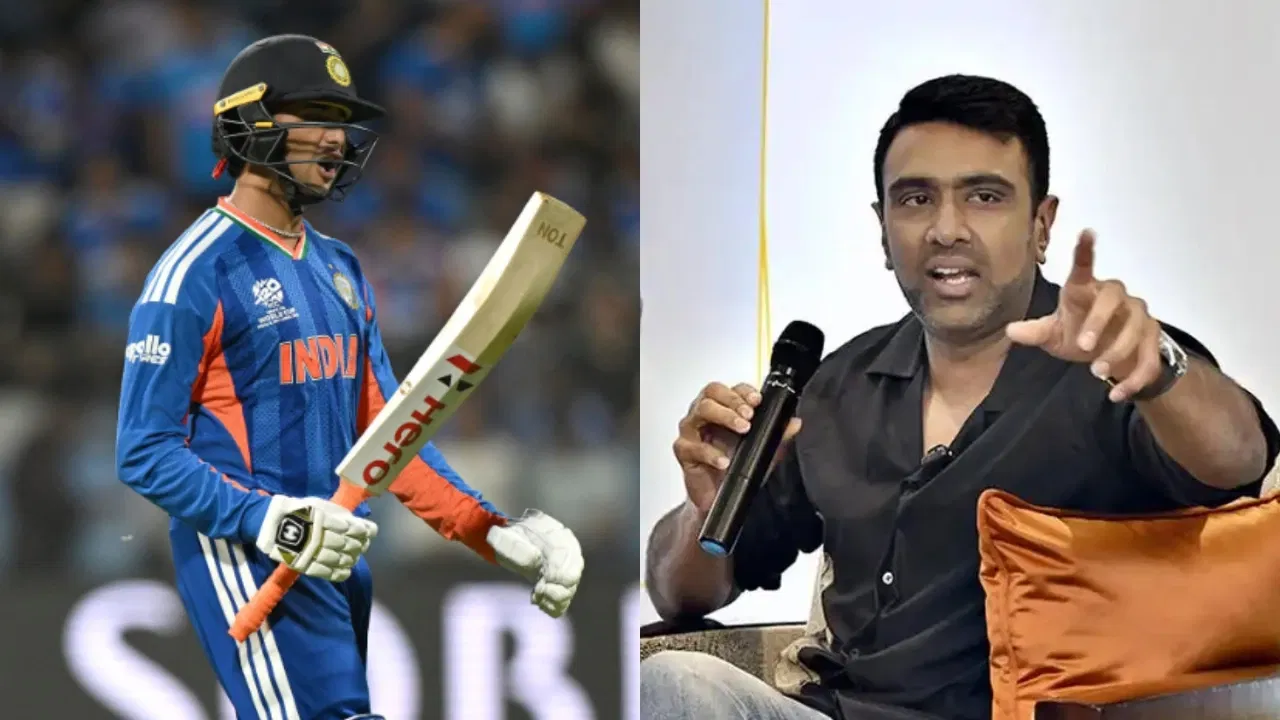
‘Suryakumar Yadav shook hands with me in private’: Salman Agha claims India skipper is under political pressure
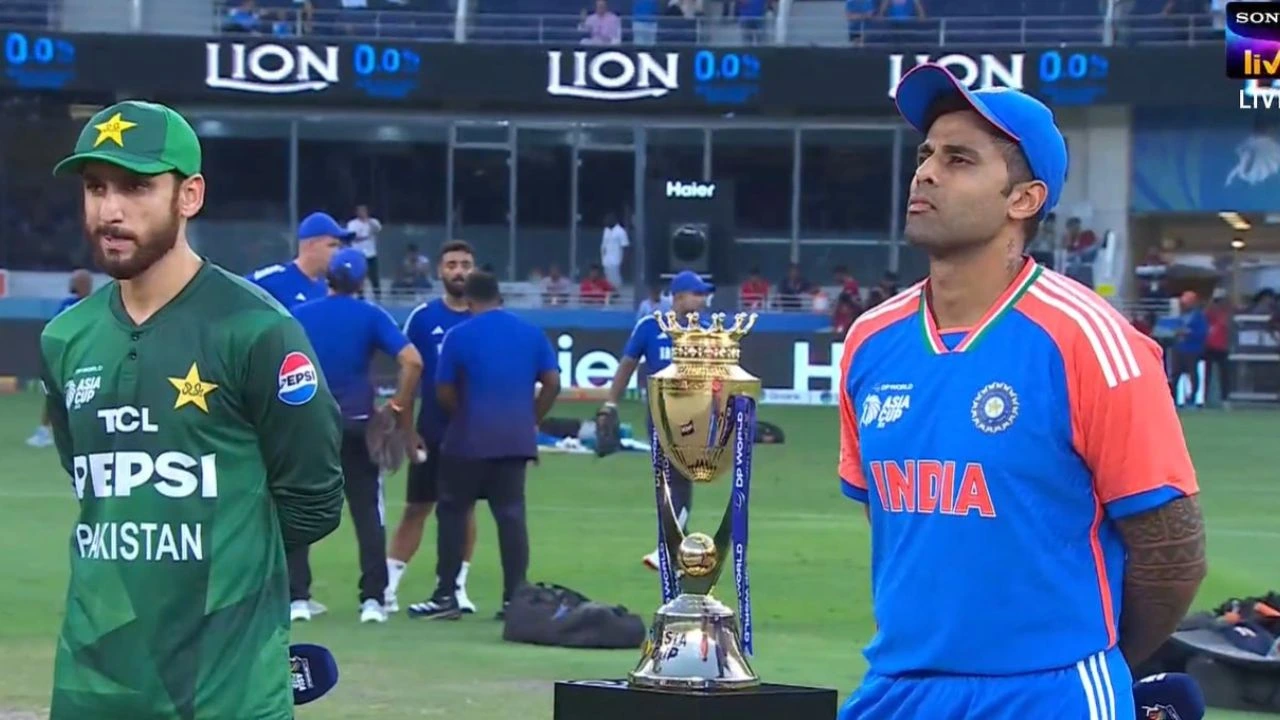
Pakistan Captain Salman Agha Reveals Private Handshake with Indian Skipper
In a surprising revelation, Pakistan National Cricket Team captain Salman Agha has claimed that the India National Cricket Team skipper greeted him and shook hands with him in private. This disclosure comes after India’s no-handshake policy during the matches against Pakistan at the recently concluded Asia Cup 2025.
Disrespecting Cricket, Not Just Us
During the Asia Cup 2025, the India National Cricket Team players refused to partake in the customary post-match handshakes with their Pakistani counterparts in all three matches between the two sides. Moreover, the two captains did not greet each other during the toss in any of the matches.
Things escalated further in the final when Suryakumar Yadav and Salman Agha were interviewed by different presenters – Ravi Shastri and Waqar Younis. Speaking about India’s no-handshake stance in the post-match press conference, Salman Agha criticized Suryakumar Yadav & Co. for disrespecting the game with their behavior.
Salman Agha expressed his disappointment by stating, “What India have done this tournament is very disappointing. They’re not disrespecting us by not shaking hands, they’re disrespecting cricket. Good teams don’t do what they did today. We went to pose with the trophy on our own because we wanted to fulfill our obligations. We stood there and took our medals. I don’t want to use harsh words but they’ve been very disrespectful.”
Private Gestures vs. Public Image
Furthermore, Salman Agha revealed that Suryakumar Yadav had shaken hands with him in private at the beginning of the tournament but refrained from doing so in front of the cameras due to pressure from Indian officials. Agha mentioned, “He shook hands with me in private at the start of the tournament. Both at the pre-tournament press conference, and when we met in the referee’s meeting. But when they’re out in the world in front of the cameras, they don’t shake our hands. I’m sure he’s following the instructions he’s been given, but if it was up to him, he’d shake hands with me.”
Celebrating with an Invisible Trophy
After winning the Asia Cup 2025, India refused to accept the trophy from the ACC President and PCB Chairman, Mohsin Naqvi. Salman Agha expressed his disappointment in this action and emphasized the importance of ending the controversies between India and Pakistan for the betterment of cricket.
Agha stated, “This is the first time I’ve ever seen this happen. Whatever happened in this tournament was very bad, and I hope it stops at some stage because it’s bad for cricket. Everything that happened today was a consequence of all that happened [before]. Of course, the ACC president will give the trophy to the winners. If you won’t take the trophy from him, how will you get it?”
Setting an Example for Future Generations
Salman Agha concluded by highlighting the impact of such behavior on young cricket fans, mentioning, “I’m not just a captain, I’m a cricket fan. If a kid’s watching in India or Pakistan, we’re not sending them a good message. People think of us as role models, but if we’re behaving like this, we’re not inspiring them. What happened shouldn’t have happened, but you should ask the people [India] responsible for this rather than me.”
Salman Agha’s revelations shed light on the complexities of cricket diplomacy and the need for mutual respect and sportsmanship in the game.
Unveiling the Human Side of Cricket Rivalry
Salman Agha’s account of the private handshake with Suryakumar Yadav brings a humanizing aspect to the intense rivalry between India and Pakistan in cricket. It reveals that beneath the competitive facade, there exists a level of mutual respect and camaraderie between players from both sides. This private gesture showcases the personal relationships that often transcend the public display of sportsmanship.
Cricket diplomacy has long been embedded in the India-Pakistan cricket rivalry, with gestures both on and off the field holding significance beyond the game itself. The nuances of interactions between players, such as private handshakes, offer a glimpse into the complexities of sportsmanship, cultural ties, and political tensions that define this historic rivalry.
Impact on Cricketing Legacies
The refusal to engage in traditional post-match formalities and accept the tournament trophy not only reflects poorly on the teams involved but also sets a precedent for future generations of cricketers and fans. The actions of players in high-stakes matches like the Asia Cup 2025 can shape the perceptions of cricket fans, especially impressionable young audiences who look up to these athletes as role models.
By prioritizing sportsmanship, respect, and the spirit of the game, cricketing icons have the opportunity to leave a lasting legacy that transcends wins and losses. Salman Agha’s call for introspection among players and officials underscores the importance of upholding the values of cricket, fostering goodwill, and promoting a positive image for the sport.
Navigating the Intersection of Sports and Politics
The India-Pakistan cricket rivalry has always been intertwined with political tensions and historical animosities. As a platform for diplomacy and international relations, cricket often finds itself at the crossroads of sporting competition and broader socio-political narratives. The decisions made by players and officials not only impact the outcome of matches but also influence public perceptions and diplomatic relations between the two nations.
Salman Agha’s revelations shed light on the delicate balance that players must navigate between representing their countries on the field and upholding the principles of sportsmanship and fair play. The private handshake incident underscores the complexities of managing personal relationships amidst the larger context of sporting rivalries and nationalistic fervor.
Encouraging Dialogue and Reflection
Salman Agha’s candid remarks serve as a catalyst for dialogue and reflection within the cricketing community, urging stakeholders to reconsider their actions and uphold the values that define the sport. By engaging in constructive conversations and introspection, players and officials can work towards fostering a culture of respect, understanding, and unity within the cricketing fraternity.
Ultimately, Salman Agha’s revelations highlight the power of individual gestures in shaping perceptions, fostering relationships, and setting examples for future generations of cricketers and fans. As cricket continues to serve as a bridge between nations and cultures, the importance of sportsmanship, mutual respect, and camaraderie cannot be understated in sustaining the spirit of the game.
Latest News
“Only God can save them”: SRH’s bowling attack slammed as “fake” and “terrible” after RCB thrashing
“I find him quite bizarre”: Ravichandran Ashwin’s no-nonsense verdict on Virat Kohli
Michael Vaughan makes a bold declaration on IPL 2026, hands SRH no chance for the playoffs
‘Virat Kohli made my job easier’: Devdutt Padikkal bows down to King after heroics vs SRH
“We dedicate this win to 11 fans”: RCB captain Rajat Patidar pays tribute to stampede victims
Ravi Bishnoi trolls Babar Azam from the Rajasthan Royals training camp
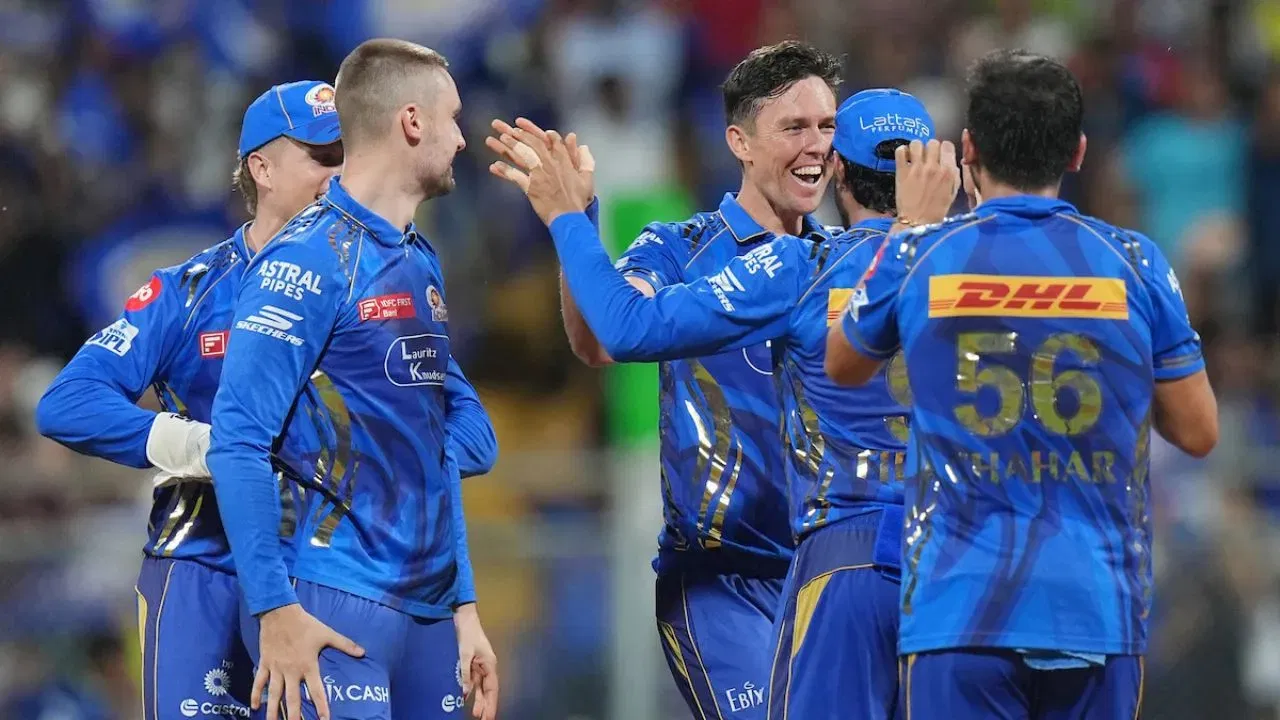
Mumbai Indians on the verge of history ahead of IPL 2026 clash against KKR
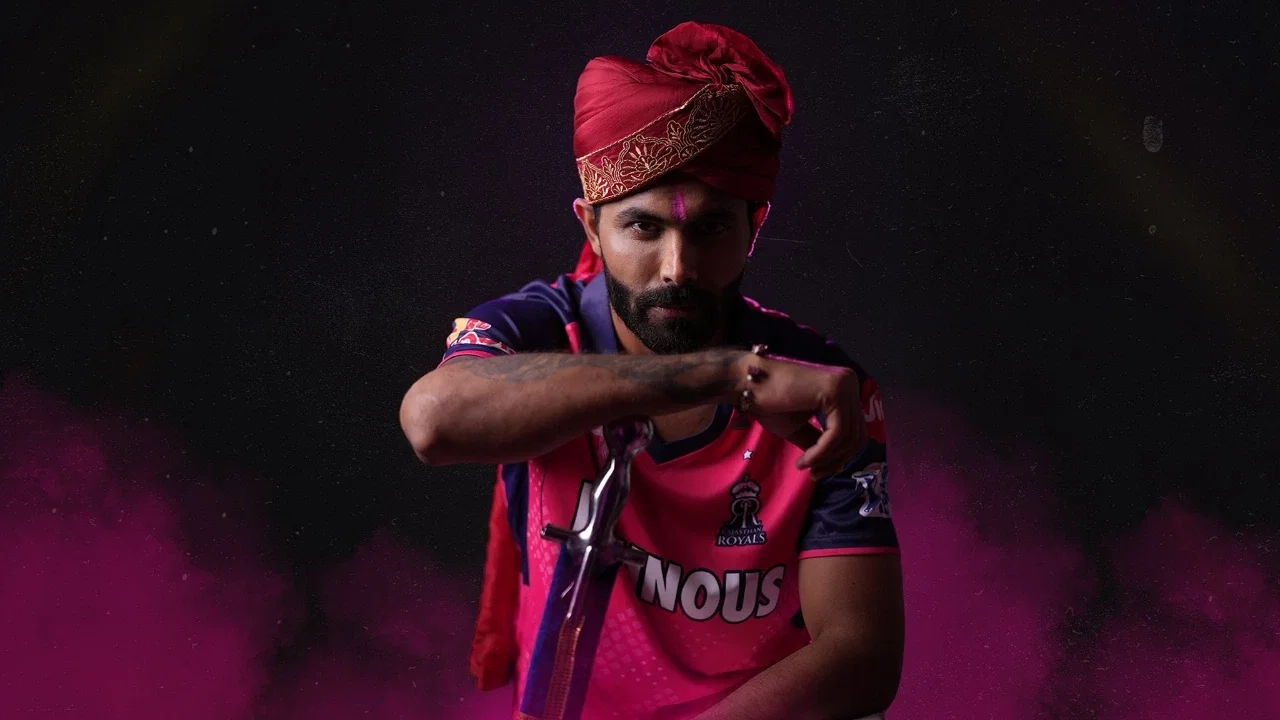
Jofra Archer imitates Ravindra Jadeja’s bowling action in nets amid IPL 2026 (Watch video)

‘Tommy, Ek ko papa chun le’: Harbhajan Singh delivers abusive responses to commentary critics
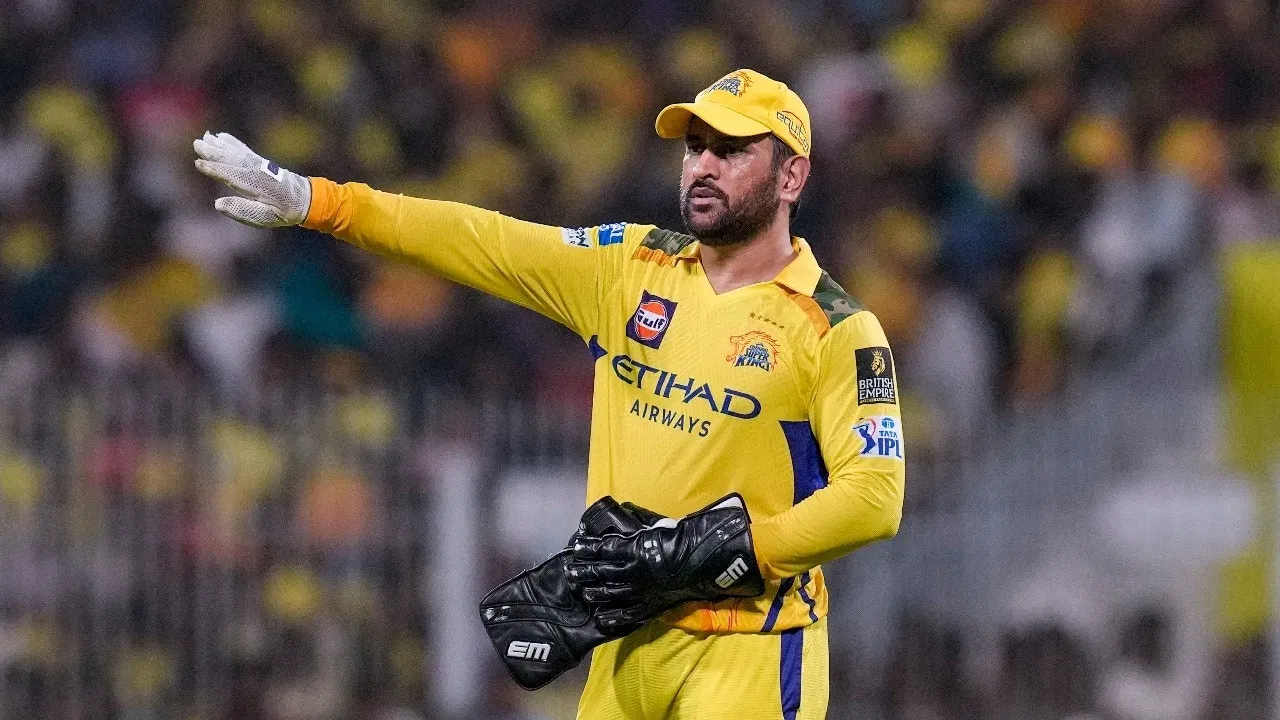
Huge blow for CSK! MS Dhoni likely out for six matches in IPL 2026
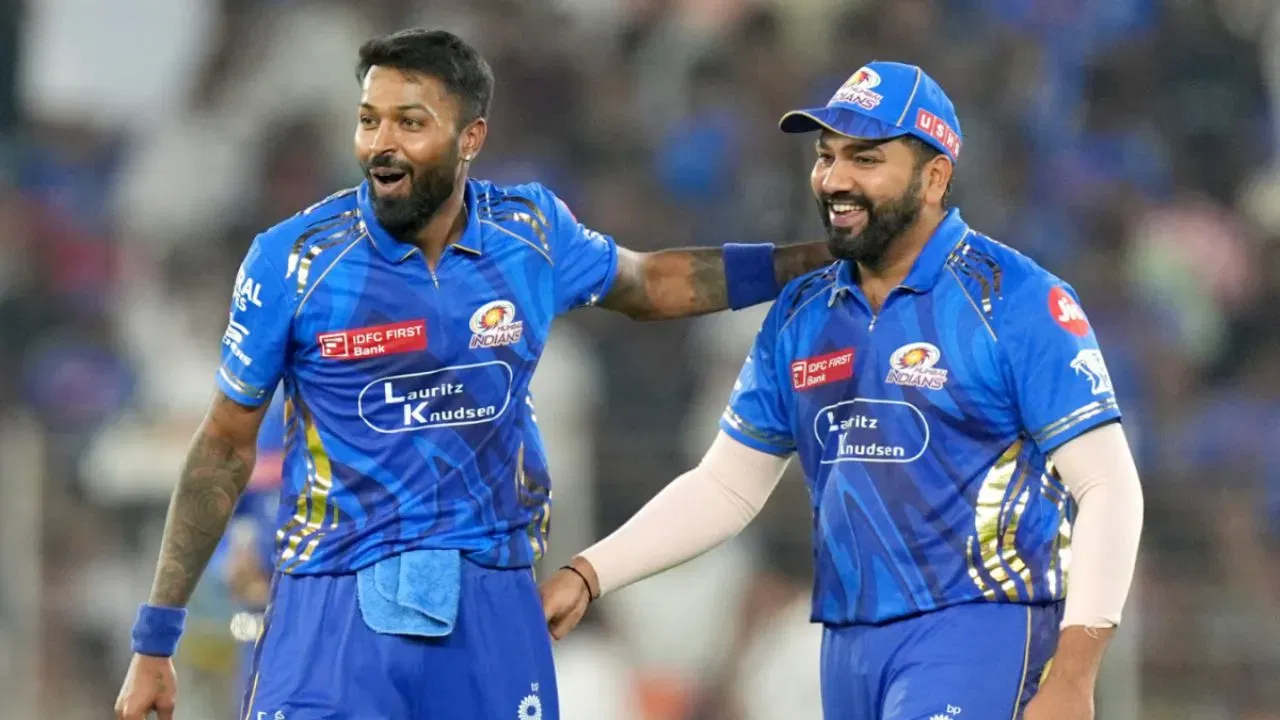
Rohit Sharma to wreak havoc at Wankhede! Ex-BCCI selector’s massive warning for KKR bowlers
‘Shreyas Iyer is one of the strongest captains in IPL’ – Australia star in awe of PBKS skipper
Shubman Gill out? Virat Kohli’s Test comeback as captain suggested by CSK legend
Jason Gillespie gives major update on Glenn Maxwell’s availability for PSL 2026