

Suryakumar Yadav struggles to justify Axar Patel’s No.3 move while coach offers bizarre explanation
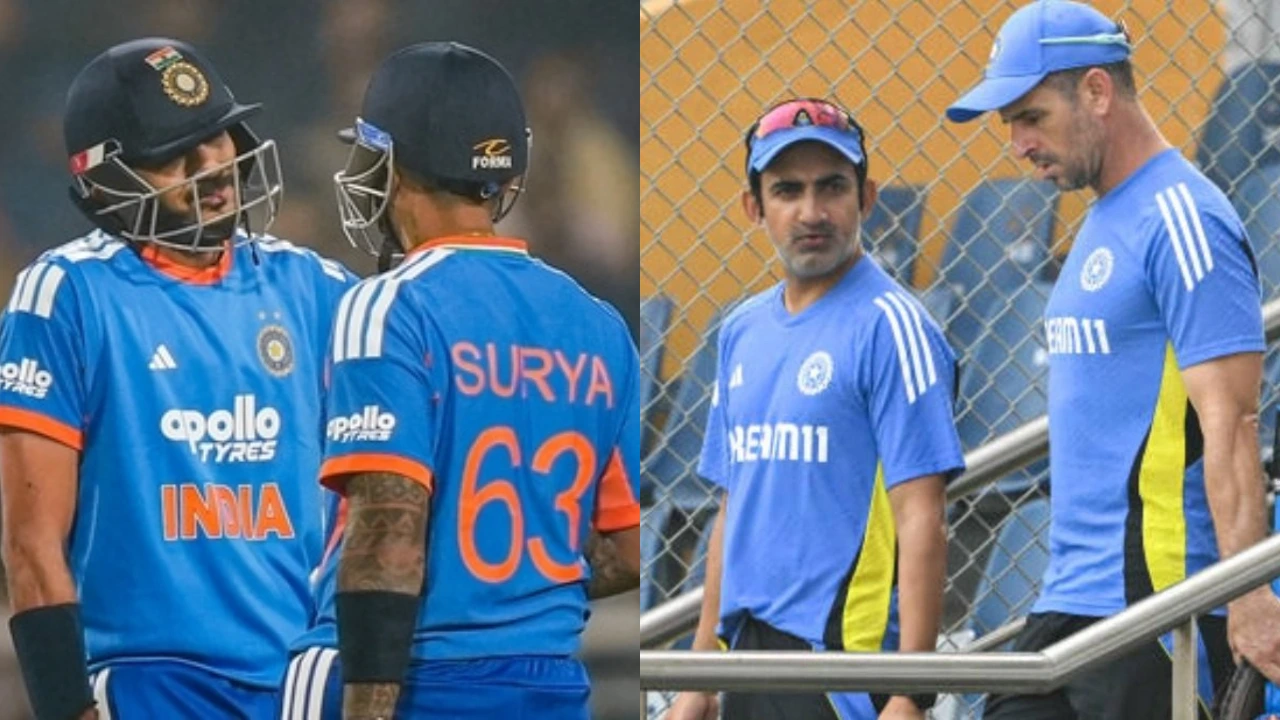
Indian Captain and Coach Criticized for Decision Leading to Defeat Against South Africa
Indian captain Suryakumar Yadav and head coach Gautam Gambhir are facing criticism following India’s 51-run defeat in the second T20I of the ongoing series against South Africa on December 11 in Mullanpur. The decision to promote Axar Patel to No. 3 during the chase of a massive target of 214 runs has been a point of contention.
Unexpected Decision Leads to Confusion
After South Africa leveled the series 1-1 with their victory in Mullanpur, fans and experts were left baffled by the decision to send Axar Patel to bat at No. 3. With vice-captain Shubman Gill dismissed for a golden duck in the first over, it was expected that either Suryakumar Yadav or Tilak Varma would walk in to stabilize the innings. However, Axar’s promotion came as a surprise, as it did not align with the match situation.
India already had a left-hander in Abhishek Sharma at the top, and Tilak Varma has a proven track record of performing well at No. 3 in T20Is. The move to send Axar Patel, who managed only 21 runs off 21 balls, backfired, leaving India in a difficult position.
Explanations and Justifications
Following the match, Suryakumar Yadav defended the decision by stating that they wanted Axar Patel to replicate his performance from the previous match. However, the move raised questions about India’s batting order strategy, especially with the ICC T20 World Cup 2026 approaching.
Assistant coach Ryan ten Doeschate explained that the team is experimenting with different batting combinations to strengthen the middle order and establish a smoother transition between the openers and the big hitters. With several games left before the World Cup, India is looking to address their tendency to lose early wickets.
Looking Ahead
The criticism surrounding the decision to promote Axar Patel highlights the challenges faced by the Indian team as they prepare for major tournaments. Finding the right batting combinations and ensuring players are utilized effectively will be crucial for India’s success in future matches.
As the series against South Africa continues and the World Cup draws closer, all eyes will be on the Indian team to see how they adapt and improve their strategies to avoid similar setbacks in the future.
Public Backlash and Media Scrutiny
Following the defeat against South Africa, social media platforms were abuzz with criticism directed towards Suryakumar Yadav and Gautam Gambhir for the decision that led to India’s loss. Fans expressed their disappointment and frustration over what they perceived as a strategic error that cost the team the match. The incident sparked debates among cricket enthusiasts, with many questioning the rationale behind promoting Axar Patel in such a crucial moment.
The media also played a significant role in amplifying the discontent surrounding the decision. Sports analysts and cricket experts dissected the move, offering their opinions on why it might have backfired and what it signified for India’s approach to team composition and strategy. The incident was extensively covered in sports news outlets, further fueling the debate and putting pressure on the Indian team management.
Team Dynamics and Decision-Making Process
The incident involving the promotion of Axar Patel sheds light on the complexities of team dynamics and decision-making in high-pressure situations. Captains and coaches often face immense scrutiny for their strategic choices, especially when they result in unfavorable outcomes. The episode serves as a reminder of the fine line that exists between bold experimentation and reckless decision-making in the world of professional cricket.
Understanding the dynamics within the Indian team is crucial in comprehending why certain decisions are made during matches. Factors such as player form, match conditions, opposition strengths, and long-term team objectives all play a role in shaping the strategic decisions taken by the captain and coaching staff. While fans and critics may not always agree with the choices made, it is essential to consider the complexities involved in leading a top-tier cricket team.
Lessons Learned and Adaptation
Despite the defeat and the subsequent criticism, the Indian team can use this experience as a learning opportunity to refine their strategies and enhance their performance in future matches. Analyzing the decision to promote Axar Patel can provide valuable insights into the team’s approach to batting order management and the importance of adaptability in the face of adversity.
By reflecting on the events of the match against South Africa and taking constructive feedback on board, the Indian team can make necessary adjustments to their game plan and ensure better outcomes in upcoming fixtures. The ability to learn from setbacks and evolve as a unit is a hallmark of successful teams in competitive sports, and India has the opportunity to showcase their resilience and growth in the face of challenges.
Conclusion
In conclusion, the decision to promote Axar Patel to No. 3 during the match against South Africa may have sparked controversy and criticism, but it also presents a chance for the Indian team to introspect, adapt, and improve. As they navigate through the remainder of the series and prepare for future tournaments, the lessons learned from this incident can serve as a catalyst for positive change and strategic refinement. Ultimately, how the team responds to challenges and refines their approach will determine their success on the international stage.
Latest News
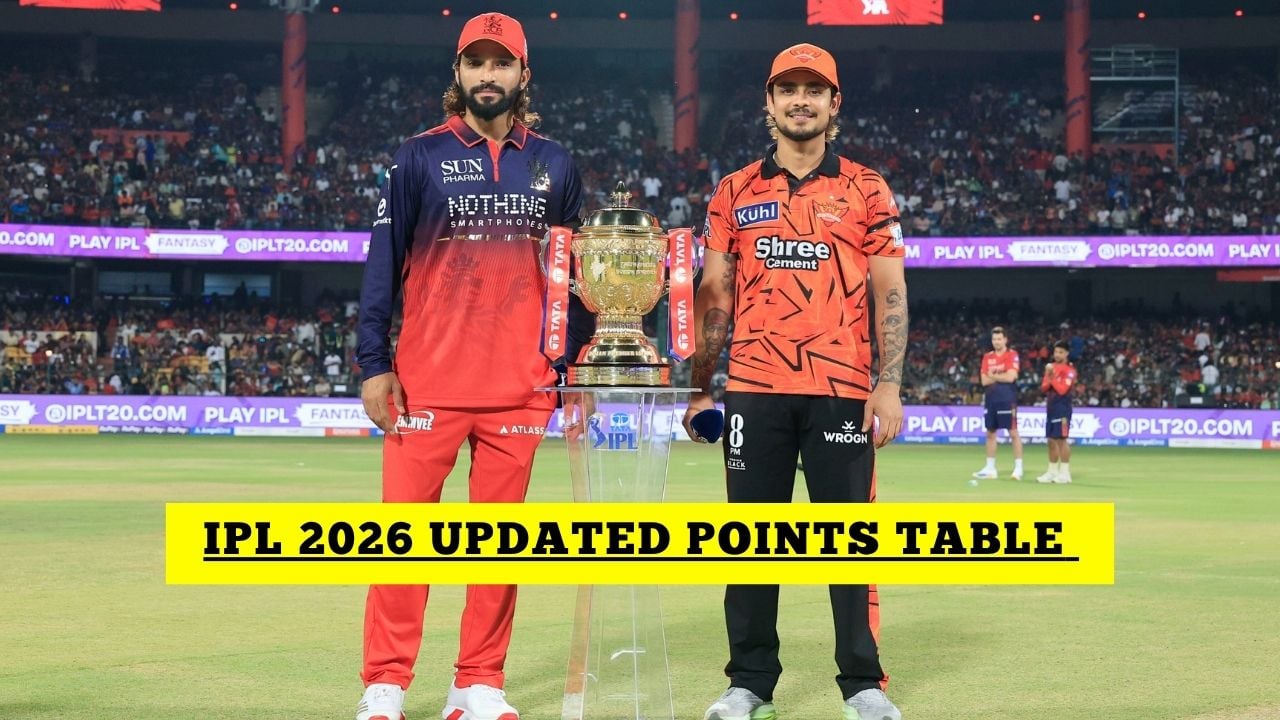
IPL Points Table 2026: Updated Standings, Orange Cap, Purple Cap After RCB vs SRH Match 1
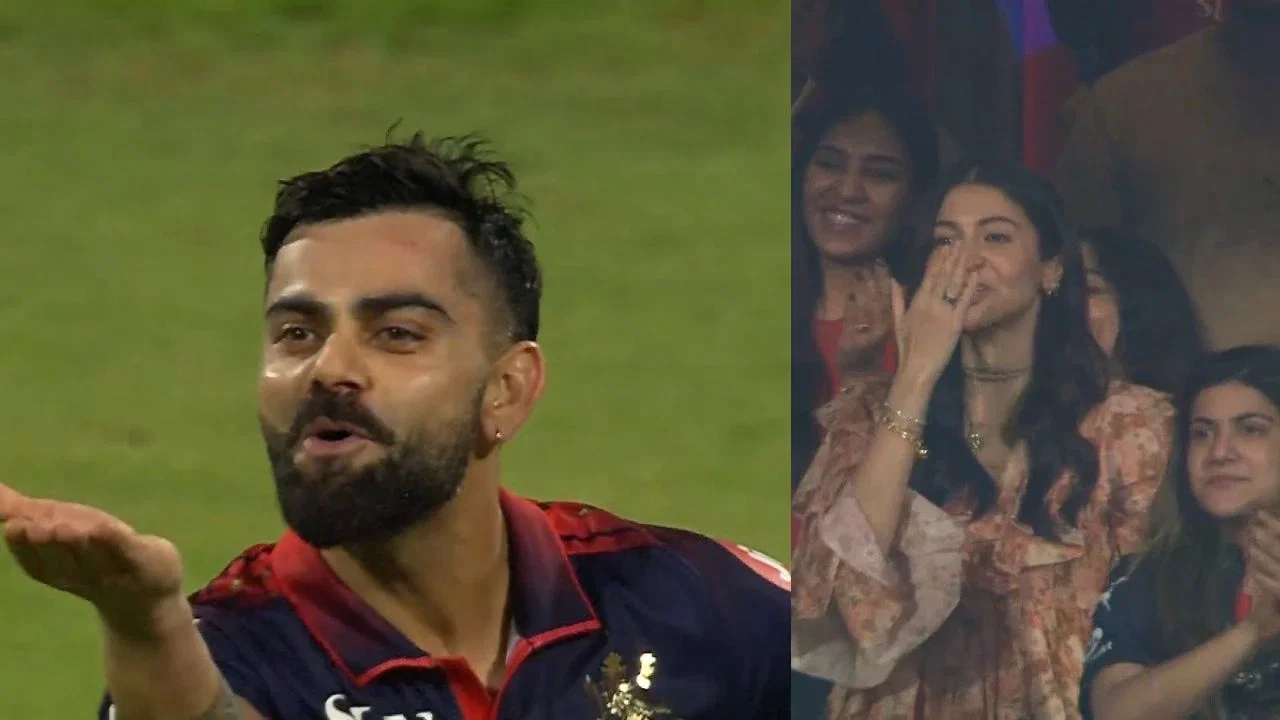
Virat Kohli, Anushka Sharma share adorable flying kiss moment after RCB vs SRH clash
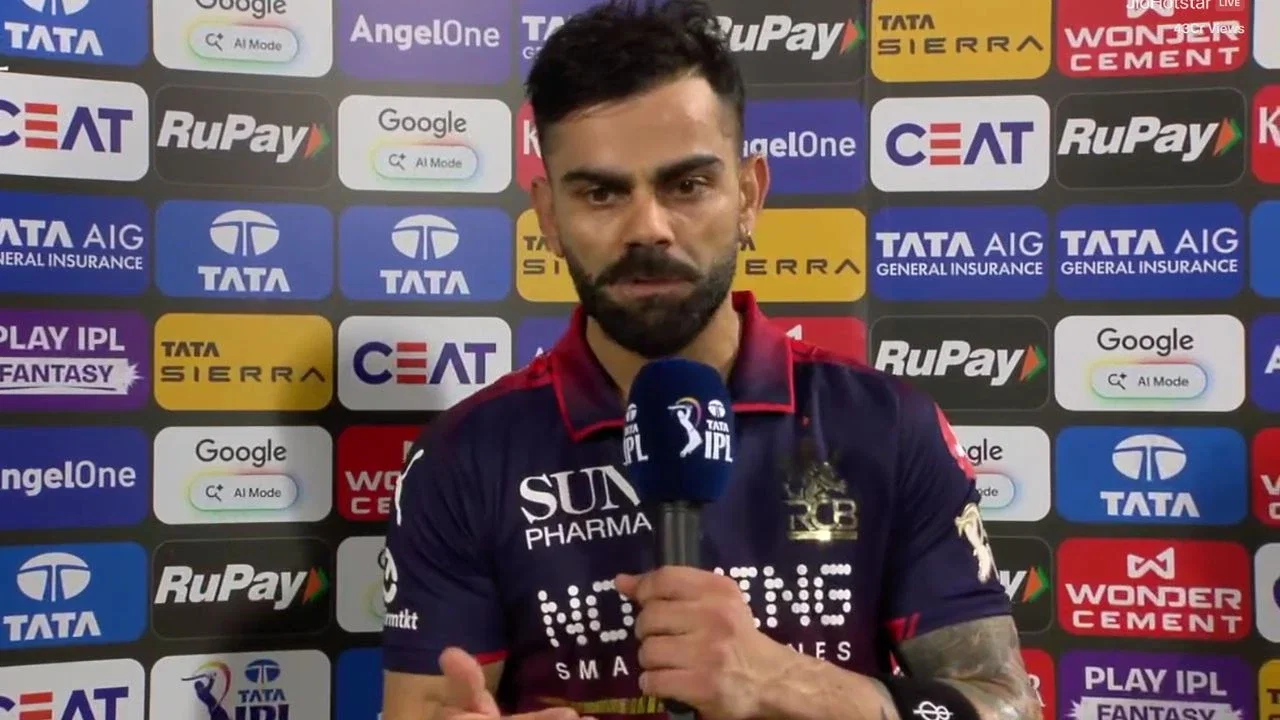
“Absolutely world-class”: Virat Kohli backs Devdutt Padikkal for permanent Team India spot
Rajat Patidar refuses to comment on Virat Kohli; Ishan Kishan admits enjoying after SRH’s loss to RCB

Mumbai Indians suffer blow! Mitchell Santner, Will Jacks ruled out of IPL 2026 games
MI vs KKR Match Prediction – Who Will Win Match No.2? | IPL 2026
Mumbai Indians Playing XI vs Kolkata Knight Riders Playing XI- Match No. 2 | IPL 2026
MI vs KKR Match 2 Preview: Free Live Streaming, Pitch & Weather Report, Head-to-Head | IPL 2026

Not English cricket! Jos Buttler credits IPL for his success as a cricketer

“Nitish Kumar Reddy is biggest fraud”: Fans fume as SRH star fails vs RCB in IPL 2026 opener
Who is Abhinandan Singh? The Virat Kohli troublemaker who made his IPL debut for RCB vs SRH
Heinrich Klaasen engages in heated chat with 4th umpire after Phil Salt’s controversial catch in IPL 2026
Phil Salt grabs one of the greatest catches in IPL history to dismiss Ishan Kishan
Anushka Sharma laughs as Virat Kohli drops a sitter in RCB vs SRH clash (Watch Video)

