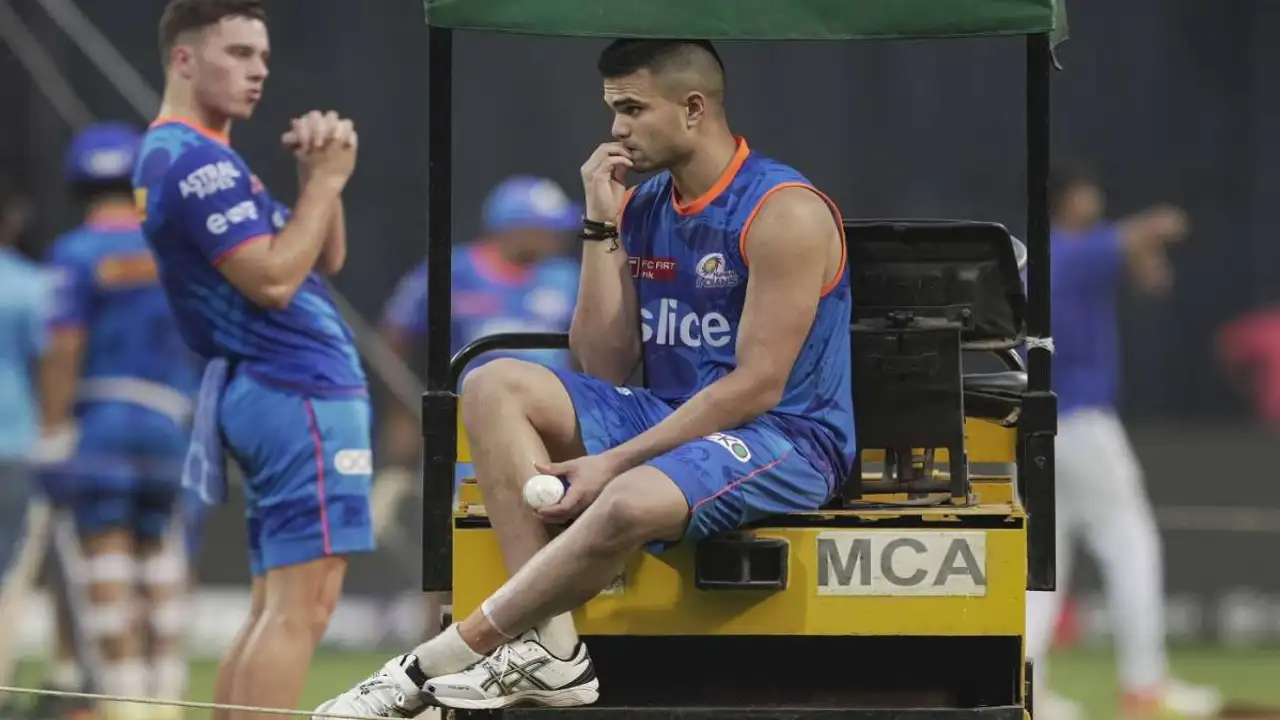
Suryakumar Yadav takes fresh ‘trophy’ dig as BCCI resolves Asia Cup issue with Mohsin Naqvi
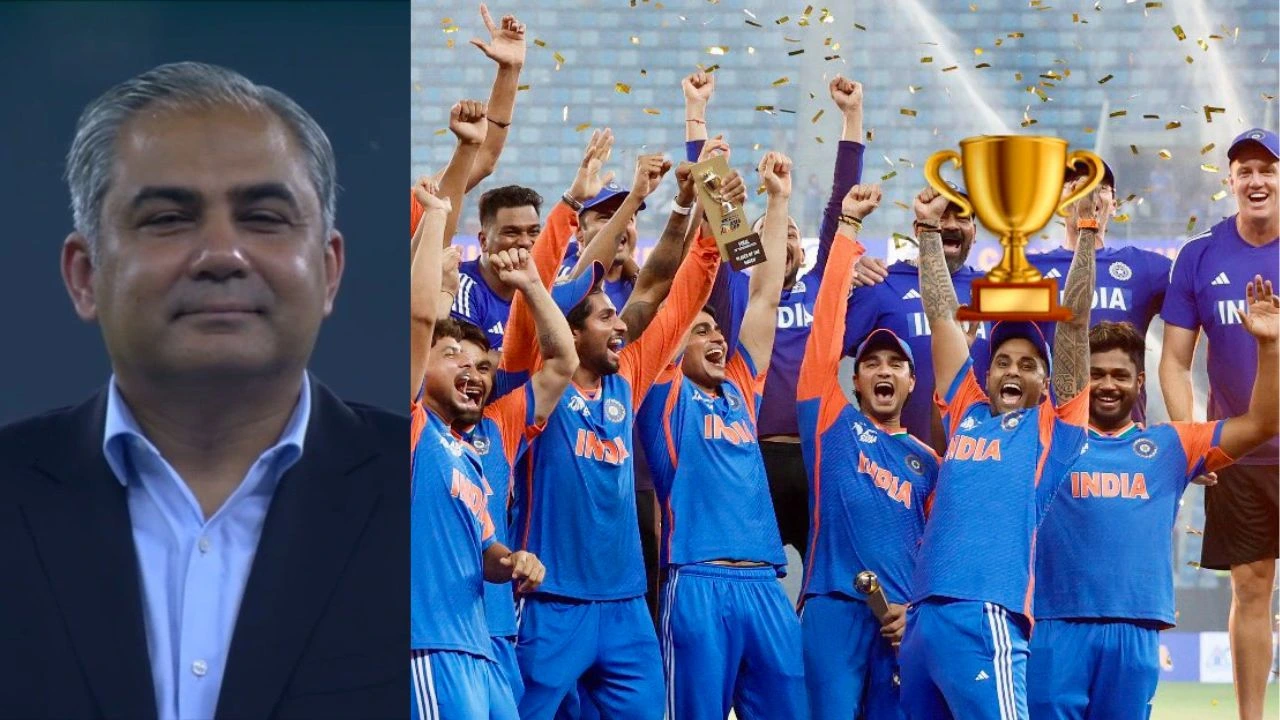
Suryakumar Yadav Mocks Asia Cup Trophy Controversy in Recent Interview
India National Cricket Team skipper Suryakumar Yadav has once again made headlines with his cheeky dig at the Asia Cup 2025 trophy controversy while speaking to reporters in Australia. This comes at a time when the Board of Control for Cricket in India (BCCI) is working towards resolving the issue with the Asian Cricket Council (ACC) President and the Pakistan Cricket Board (PCB) chairman, Mohsin Naqvi.
The Asia Cup 2025 Victory
Team India, under the leadership of Suryakumar Yadav, emerged victorious in the most recent edition of the Asia Cup held in the United Arab Emirates (UAE). Despite not being in their top form, the Men In Blue played exceptional cricket throughout the competition, remaining unbeaten and clinching the title. A notable highlight was India’s three consecutive victories against arch-rivals Pakistan, including in the final match.
However, the victory was overshadowed by the controversy surrounding the trophy, as Mohsin Naqvi took the trophy from the venue after India refused to accept it due to tensions between India and Pakistan. Despite multiple warnings, Naqvi has held onto the trophy, sparking a standoff between the two cricketing nations.
Suryakumar Yadav’s Reaction
After leading India to another trophy by defeating Australia in a five-match T20I series, Suryakumar Yadav humorously commented on finally getting to touch the trophy. He expressed his joy at holding the series victory trophy and mentioned the recent success of the Indian women’s team in winning the World Cup.
During a recent press conference, Suryakumar Yadav stated, “It feels great to finally get to touch the trophy. Felt it in my hands, when I was handed over the trophy for the series victory. A few days back another trophy arrived in India – our women’s team has won the World Cup. That trophy has also arrived back home. It feels great and getting to touch this trophy as well feels good.”
Efforts Towards Resolution
On the same day as Suryakumar Yadav’s comments, BCCI Secretary Devajit Saikia revealed that discussions with Mohsin Naqvi were underway to resolve the Asia Cup trophy matter. Saikia participated in meetings with ICC representatives and expressed optimism that a solution would be reached soon.
Saikia stated, “It was really good to start the process of negotiation. Both sides cordially participated in the meeting which took place on the sidelines of the ICC board meet. Definitely, in the coming times, if things go in a positive way, the issue will be sorted at the earliest.”
In conclusion, the Asia Cup trophy controversy continues to be a topic of discussion in the cricketing world, with players and officials working towards a resolution that benefits all parties involved.
Impact of Trophy Controversy on India-Pakistan Relations
The Asia Cup trophy controversy has not only captured the attention of the cricketing world but has also had broader implications on the strained relationship between India and Pakistan. The refusal to accept the trophy by India due to political tensions reflects the ongoing geopolitical issues that have plagued the two nations for decades.
By holding onto the trophy, Mohsin Naqvi has inadvertently escalated tensions and created a standoff that goes beyond the realm of sports. The trophy has become a symbol of the complex and often contentious relationship between India and Pakistan, highlighting the deep-rooted issues that continue to divide the two countries.
Role of Sports Diplomacy in Resolving Conflicts
Sports have long been recognized as a powerful tool for diplomacy and conflict resolution. In the case of the Asia Cup trophy controversy, cricket has the potential to serve as a platform for dialogue and reconciliation between India and Pakistan. By engaging in discussions to resolve the trophy matter, both sides have an opportunity to demonstrate goodwill and cooperation, transcending political differences through the spirit of sportsmanship.
Efforts to find a resolution to the trophy dispute not only have the potential to defuse tensions but also to pave the way for improved relations between India and Pakistan. Sports diplomacy offers a unique avenue for fostering understanding and building bridges between nations, emphasizing shared values and common interests beyond political differences.
Global Implications of Trophy Controversy
The Asia Cup trophy controversy has reverberated beyond the borders of India and Pakistan, attracting international attention to the challenges faced in the region. As cricket enthusiasts around the world follow the developments surrounding the trophy dispute, the spotlight is placed on the broader issues of politics, sports, and identity that intersect in the context of the rivalry between the two cricketing nations.
The outcome of the negotiations between the BCCI and the ACC will not only impact the future of the Asia Cup but also send a message about the role of sports in diplomacy and conflict resolution on a global scale. The resolution of the trophy controversy could set a precedent for how sporting disputes are handled in the future, emphasizing the importance of dialogue, compromise, and cooperation in overcoming obstacles and fostering peace.
Looking Ahead: The Future of India-Pakistan Cricket Relations
As discussions continue to unfold and efforts are made to resolve the Asia Cup trophy controversy, there is hope that a positive outcome can be achieved that benefits both India and Pakistan. The spirit of sportsmanship and the shared love for cricket have the potential to transcend political divides and create opportunities for collaboration and understanding.
Regardless of the outcome, the Asia Cup trophy controversy serves as a reminder of the complexities and challenges inherent in the India-Pakistan cricket rivalry. While competition on the field is fierce, there is also an opportunity for unity, camaraderie, and mutual respect to prevail, shaping the future of cricket relations between the two nations.
Overall, the Asia Cup trophy controversy underscores the multifaceted nature of sports diplomacy and the power of cricket to bridge divides, foster dialogue, and promote peace in the face of adversity.
Latest News
Harry Brook and Jacob Bethell punished after conduct probe by cricket regulator
Sanjiv Goenka engages in heated chat with LSG coaches after loss to DC
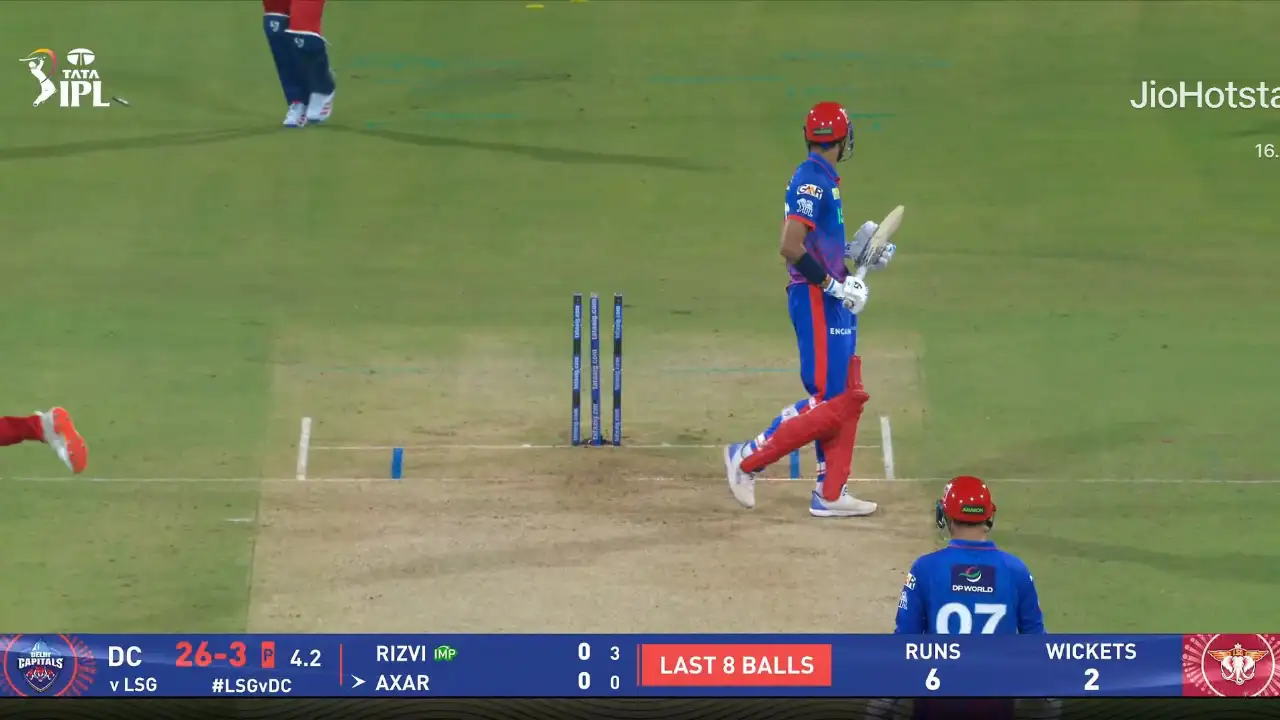
Axar Patel dismissed on ‘Golden Duck’ by Prince Yadav in LSG vs DC IPL 2026 clash
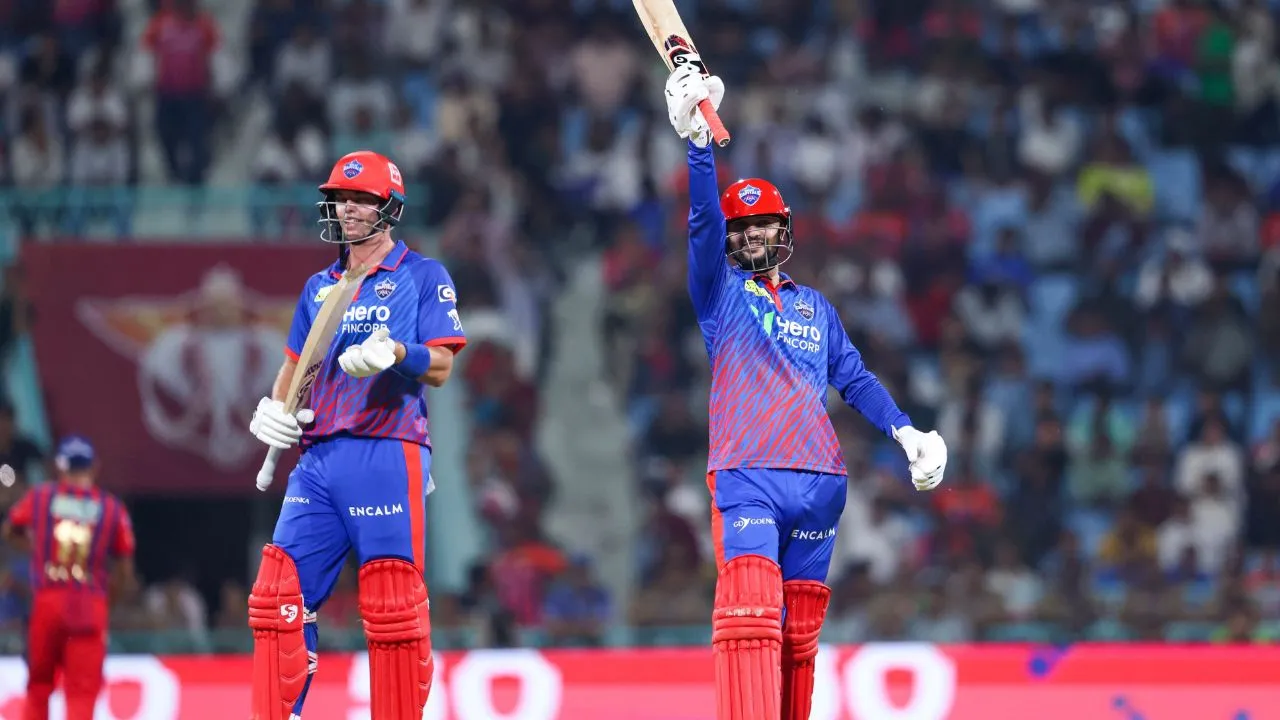
IPL Points Table 2026: Updated Standings, Orange Cap, Purple Cap After LSG vs DC Match 5
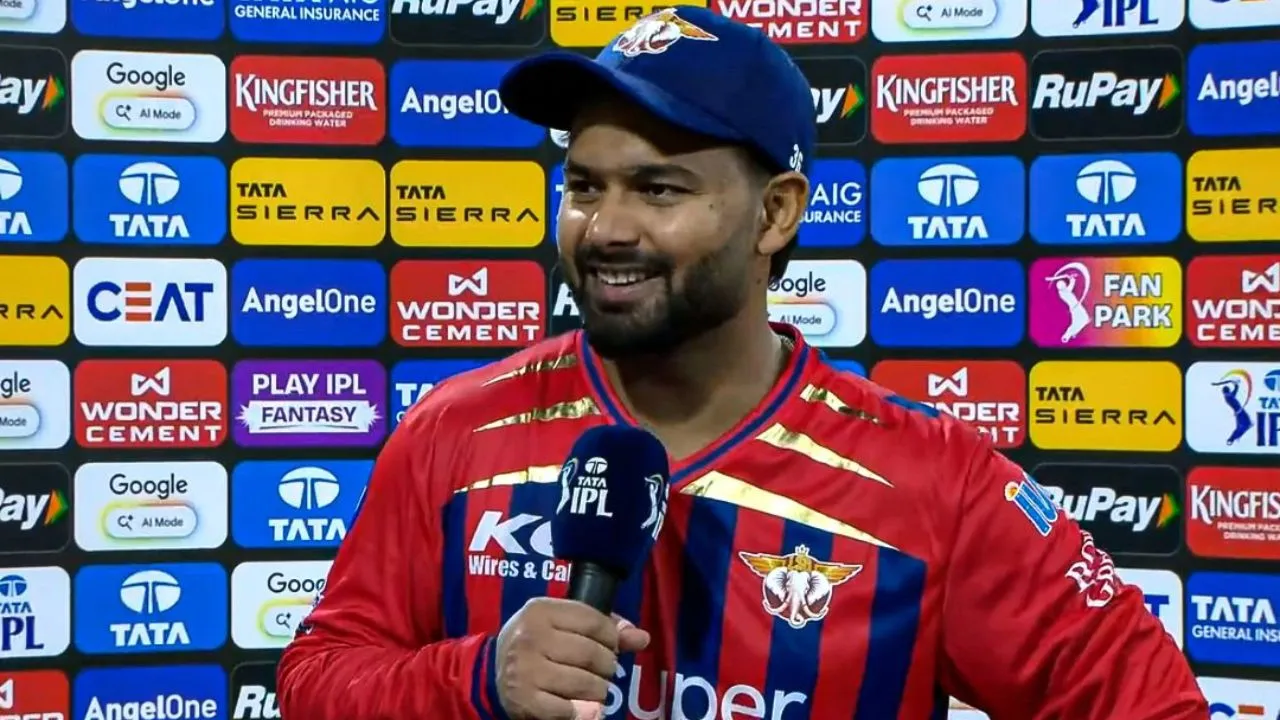
“We didn’t have enough”: Rishabh Pant takes responsibility after LSG’s batting failure in loss to DC in IPL 2026
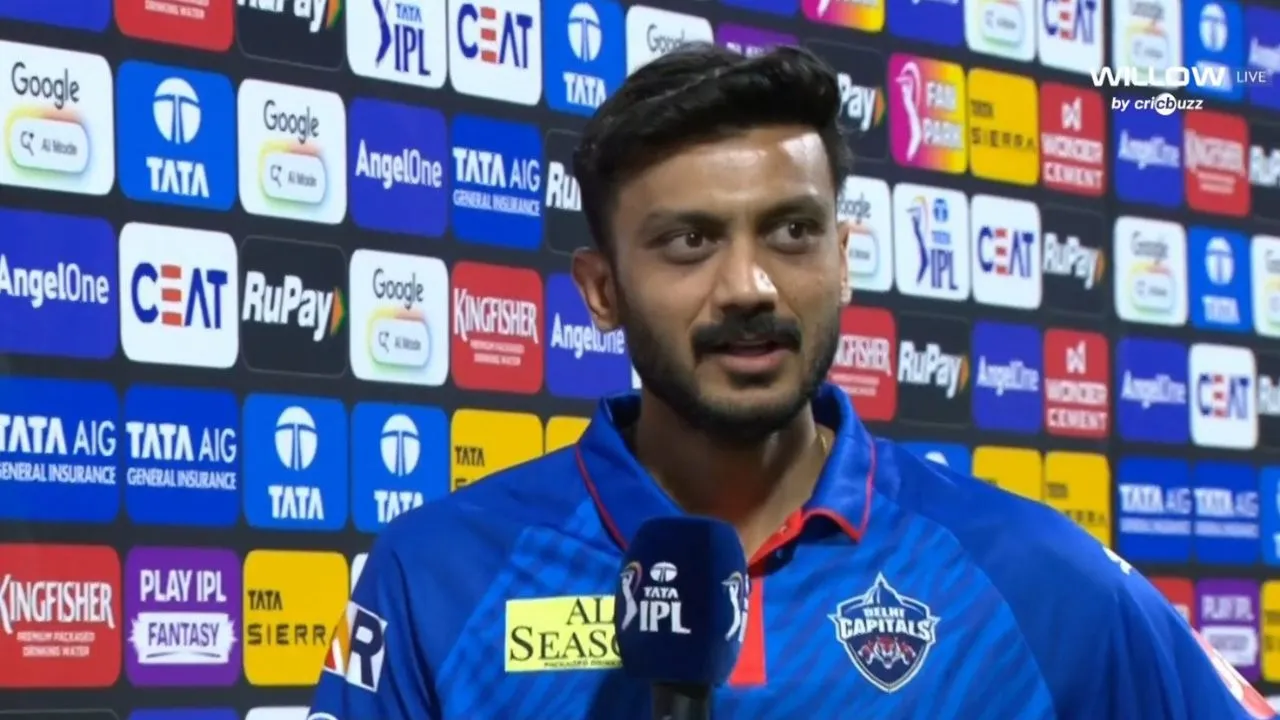
“Works hard on his game”: Axar Patel lauds Sameer Rizvi after match winning knock vs LSG
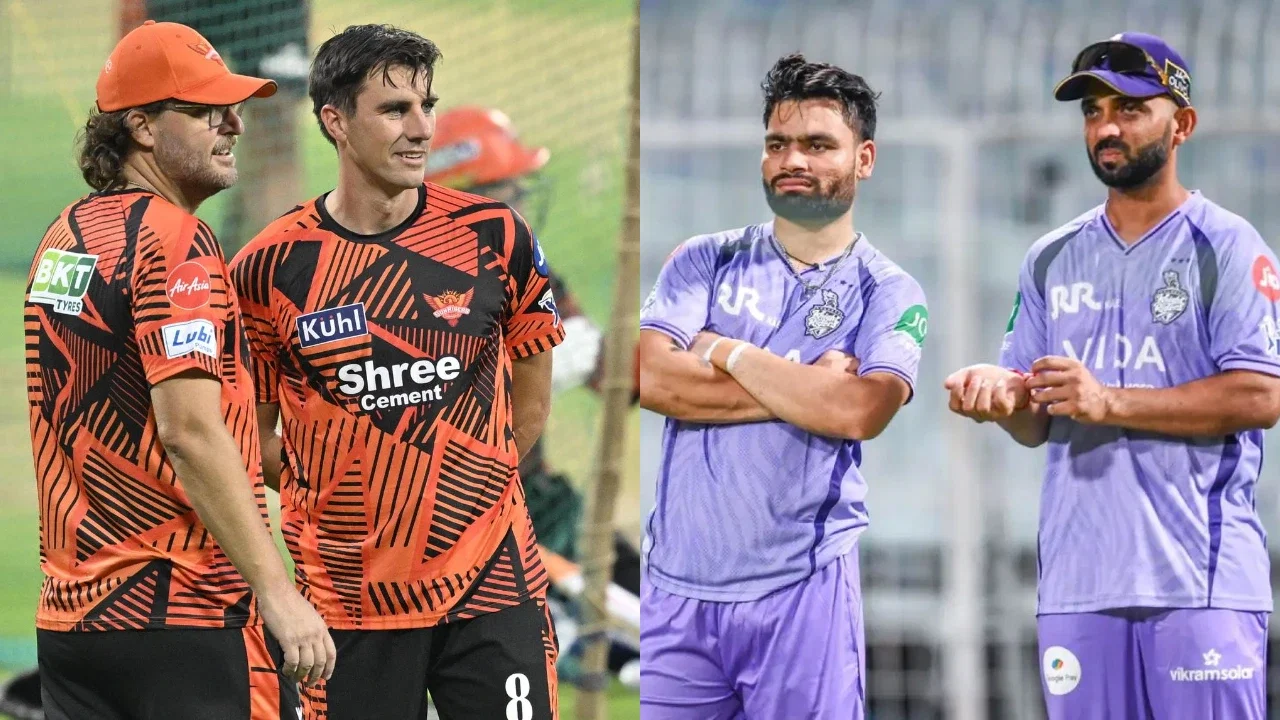
KKR vs SRH Match No. 6 Preview: Free Live Streaming, Pitch & Weather Report, Head-to-Head | IPL 2026
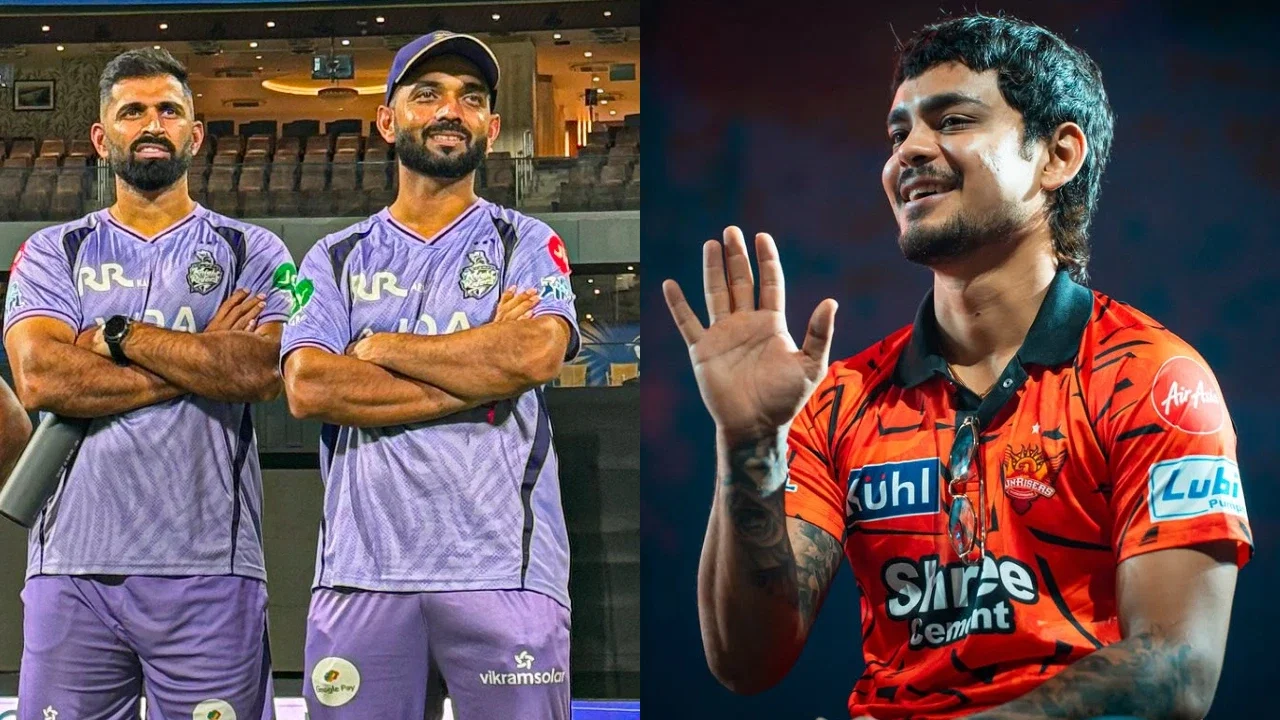
KKR Playing XI vs SRH Playing XI – Match No. 6 | IPL 2026
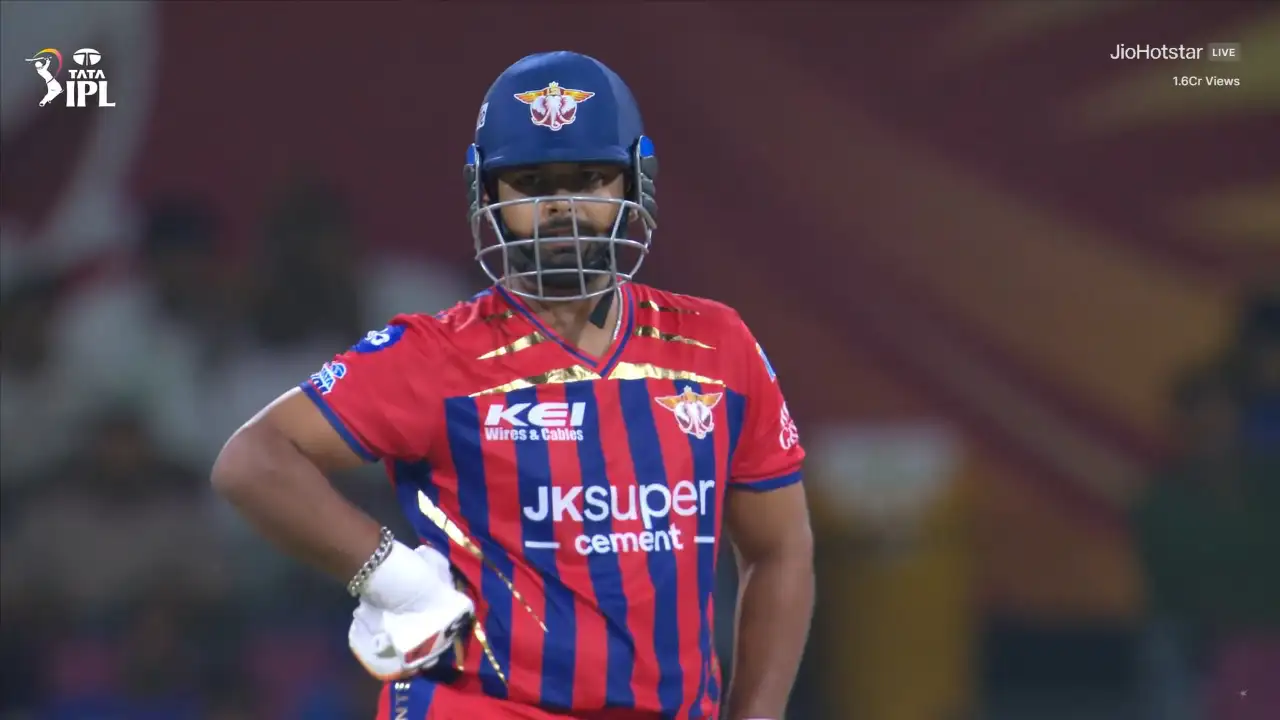
Rishabh Pant’s opening stint cut-short by run-out at non-striker’s end
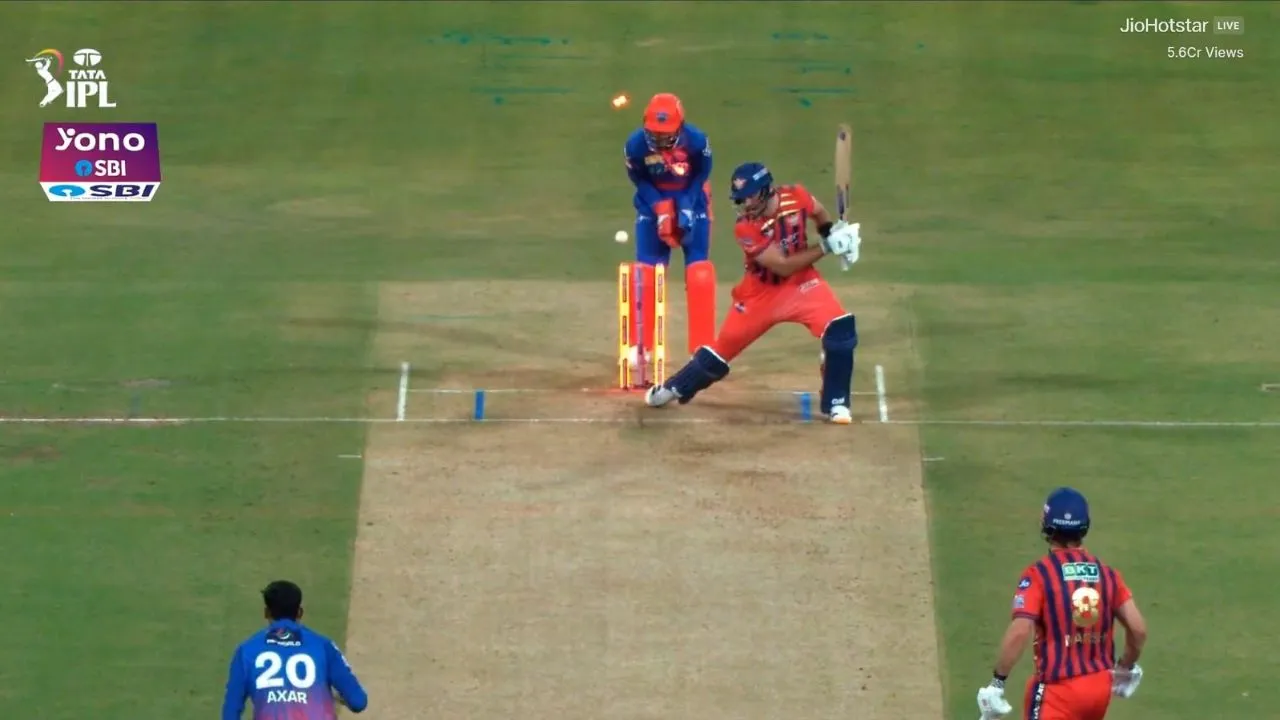
Axar Patel produces a peach to dismiss Aiden Markram in LSG vs DC IPL 2026 clash

Lungi Ngidi bamboozles Nicholas Pooran with stunning off-cutter in LSG vs DC IPL 2026 clash
Lungi Ngidi credits KKR mentor after amazing bowling display vs LSG in IPL 2026 clash

Mohammed Shami gets a dream start dismisses KL Rahul for a golden duck in LSG vs DC IPL 2026 clash
Vaibhav Sooryavanshi to share dressing room with Rohit-Kohli after IPL 2026, predicts ex-Pakistan star