Suryakumar Yadav to be banned after Pahalgam statement, handshake snub vs Pakistan? Report reveals
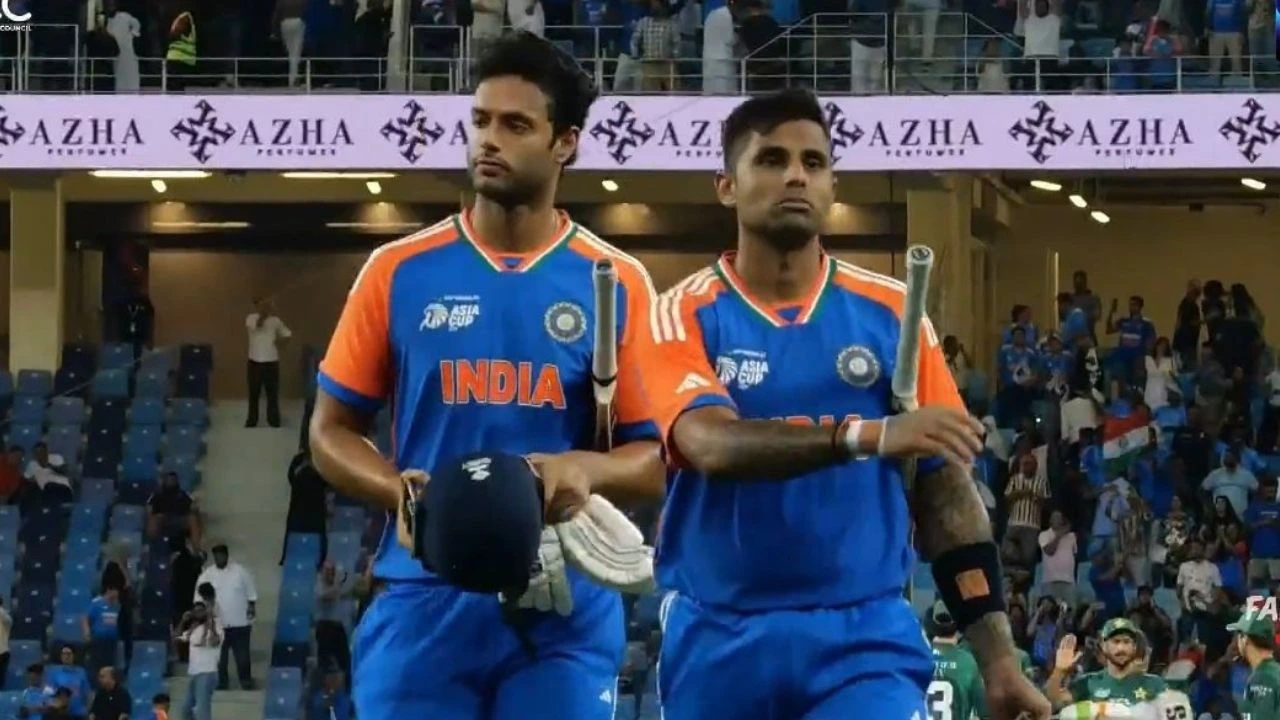
Controversy Erupts as Indian Skipper Refuses Handshake with Pakistan Players
After a dominant seven-wicket victory over Pakistan in the Asia Cup 2025 Group Stage, Indian skipper Suryakumar Yadav made headlines by leading his team straight into the dressing room, denying the customary handshake with the opposition players. This action has sparked a heated debate within the cricketing community, with questions arising about whether the skipper should face sanctions for his refusal.
Pre-Match Decision
In the post-match press conference, Suryakumar Yadav clarified that the decision not to participate in the handshake ritual was pre-decided within the Indian team. He mentioned that discussions had taken place with the team management, the government, and the Board of Control for Cricket in India (BCCI) prior to the match.
Yadav defended the team’s actions, stating, “Our government and BCCI – we were aligned today. Rest, we took a call [about not shaking hands]. We came here to just play the game. We have given a proper reply.” He also expressed solidarity with the victims of the recent Pahalgam terror attacks.
Sanctions Clarified
Despite the controversy surrounding the handshake snub, sources close to the situation have indicated that Suryakumar Yadav is unlikely to face any sanctions for his actions. Citing past instances where similar statements were made by cricketers without facing repercussions, the source emphasized that the handshake tradition is not a mandate in any rule book.
The source explained, “It’s an ACC issue, but if he wasn’t sanctioned the first time around, why would he be the second time? How do you sanction someone for something that’s just a convention and not in the rule book?”
ICC’s Stance on the Controversy
While the incident has sparked debate over whether India should be penalized for their actions, the International Cricket Council’s (ICC) rules provide some clarity. The ICC’s Preamble—Spirit of Cricket, included in the T20I Playing Conditions, emphasizes the importance of congratulating and thanking the opposition and officials at the end of a match, regardless of the result.
Furthermore, Article 2.1.1 of the ICC Code of Conduct lists “conduct that is contrary to the spirit of the game” as a Level 1 offense. However, since the handshake tradition is not a formal rule, it is unlikely that India will face any official sanctions for their refusal.
In conclusion, while Suryakumar Yadav’s actions have sparked controversy and debate, it seems that the skipper is unlikely to face any formal repercussions for his decision not to participate in the handshake ritual with Pakistan players. The incident serves as a reminder of the complexities of sportsmanship and traditions in the world of cricket.
The Importance of Predicting Player Behavior in High-Stakes Matches
One aspect that this incident brings to light is the critical role of predicting player behavior in high-stakes matches. In the world of sports, especially in intense rivalries like India vs. Pakistan, emotions can run high, and players’ actions can have wide-reaching consequences. By analyzing past interactions, team dynamics, and external factors, sports psychologists and analysts can make educated predictions about how players might react in certain situations.
Understanding the psychology of athletes and anticipating their responses can help teams and governing bodies better prepare for potential controversies or conflicts. In the case of Suryakumar Yadav’s decision not to shake hands with Pakistan players, a more nuanced understanding of the underlying motivations and pressures could have mitigated the ensuing debate and backlash.
Impact of Political Tensions on Sportsmanship
The longstanding political tensions between India and Pakistan have often spilled over into the realm of sports. Cricket matches between the two nations are not just sporting events but also symbolic of larger geopolitical issues. The decision by the Indian team to forego the handshake tradition can be seen as a manifestation of these broader tensions, where actions on the cricket field are imbued with political significance.
As political landscapes evolve and relations between countries fluctuate, sportsmanship in cricket and other sports can become entangled with diplomatic complexities. Predicting and navigating these intersections between sports and politics is crucial for maintaining the integrity and spirit of the game while respecting the diverse backgrounds and perspectives of players.
The Evolution of Sports Etiquette in Modern Cricket
Traditions and rituals in cricket, such as the post-match handshake, have evolved over time to reflect changing norms and values in the sport. While sportsmanship and respect for the opposition remain fundamental principles, the ways in which they are expressed and enforced have transformed with the modernization of cricket.
With the rise of social media, instant communication, and heightened scrutiny of players’ actions, the expectations surrounding sports etiquette have become more complex. Players are not only representing themselves and their teams but also navigating public perceptions, sponsorships, and societal expectations. Predicting how these external factors influence on-field behavior is essential for maintaining the integrity and reputation of the sport.
Conclusion
In conclusion, the controversy surrounding Suryakumar Yadav’s refusal to shake hands with Pakistan players highlights the intricate interplay between sports, politics, psychology, and tradition in cricket. By delving deeper into the motivations behind such actions, predicting player behavior, and understanding the broader context in which sporting events unfold, stakeholders in the cricketing world can proactively address challenges and uphold the spirit of the game.
As the landscape of sportsmanship continues to evolve, the ability to predict and navigate complex situations like these will be crucial for fostering a culture of respect, integrity, and fair play in cricket and beyond.
Latest News
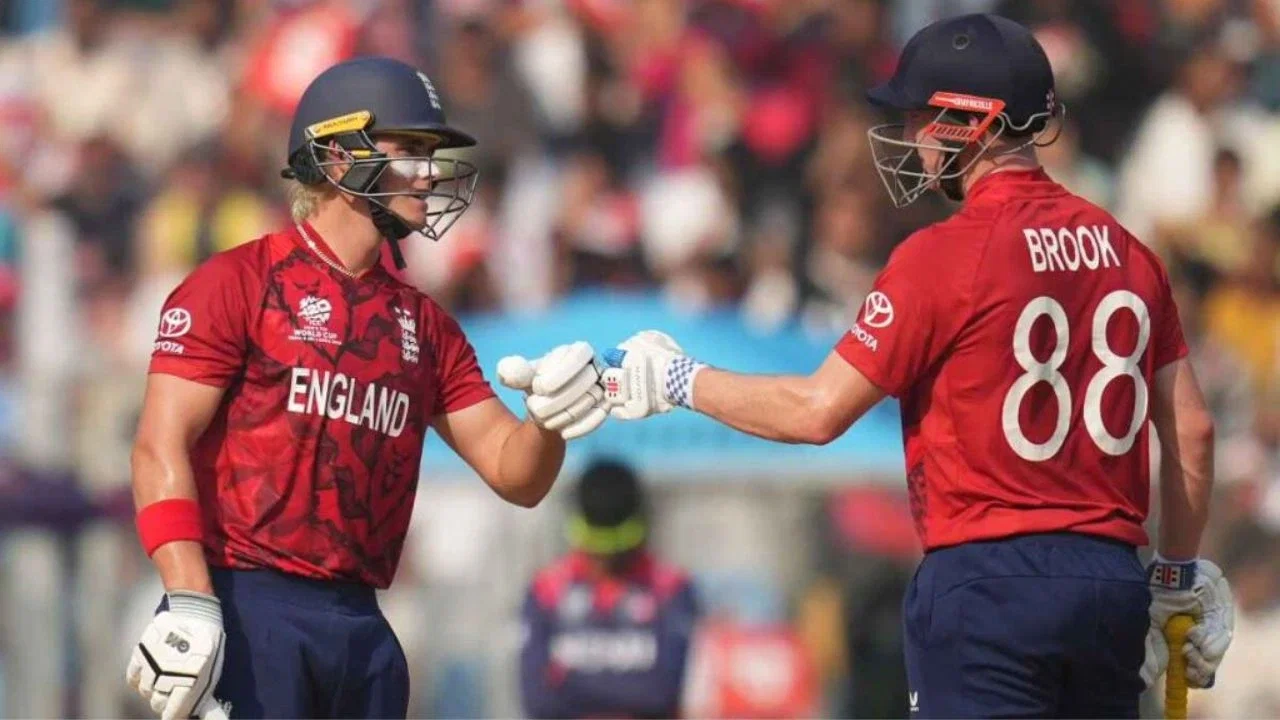
Harry Brook and Jacob Bethell punished after conduct probe by cricket regulator
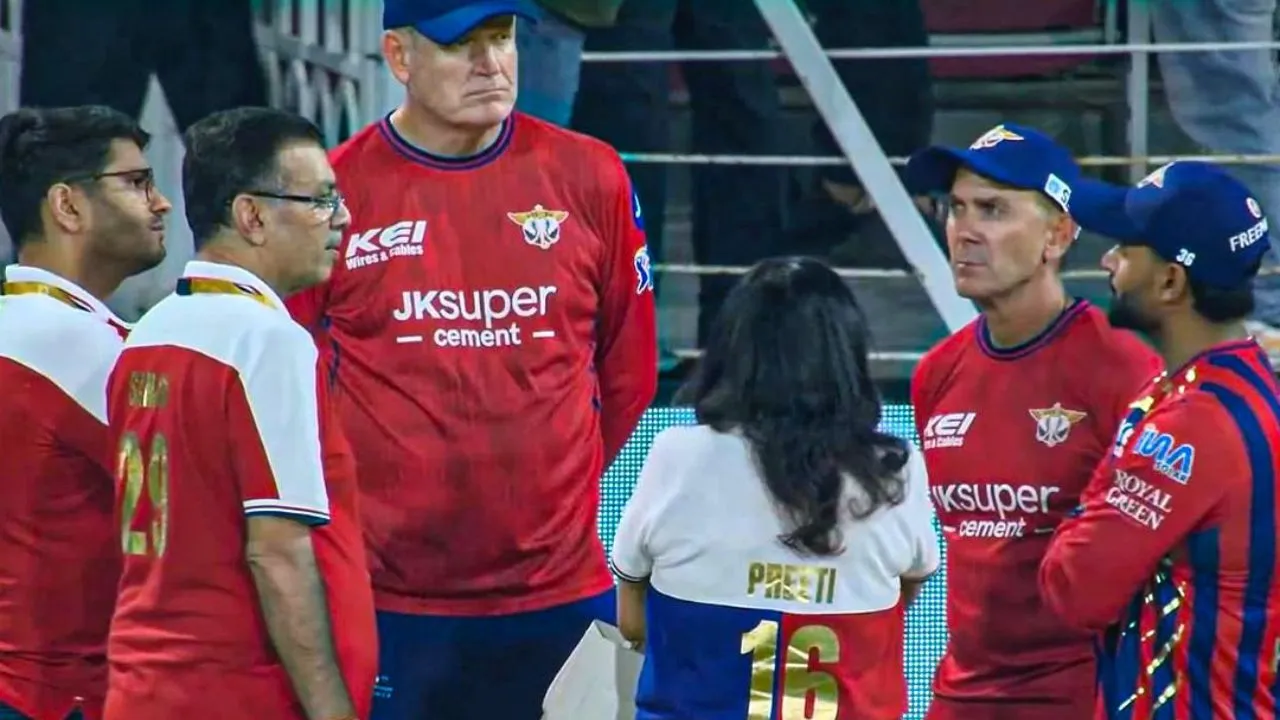
Sanjiv Goenka engages in heated chat with LSG coaches after loss to DC
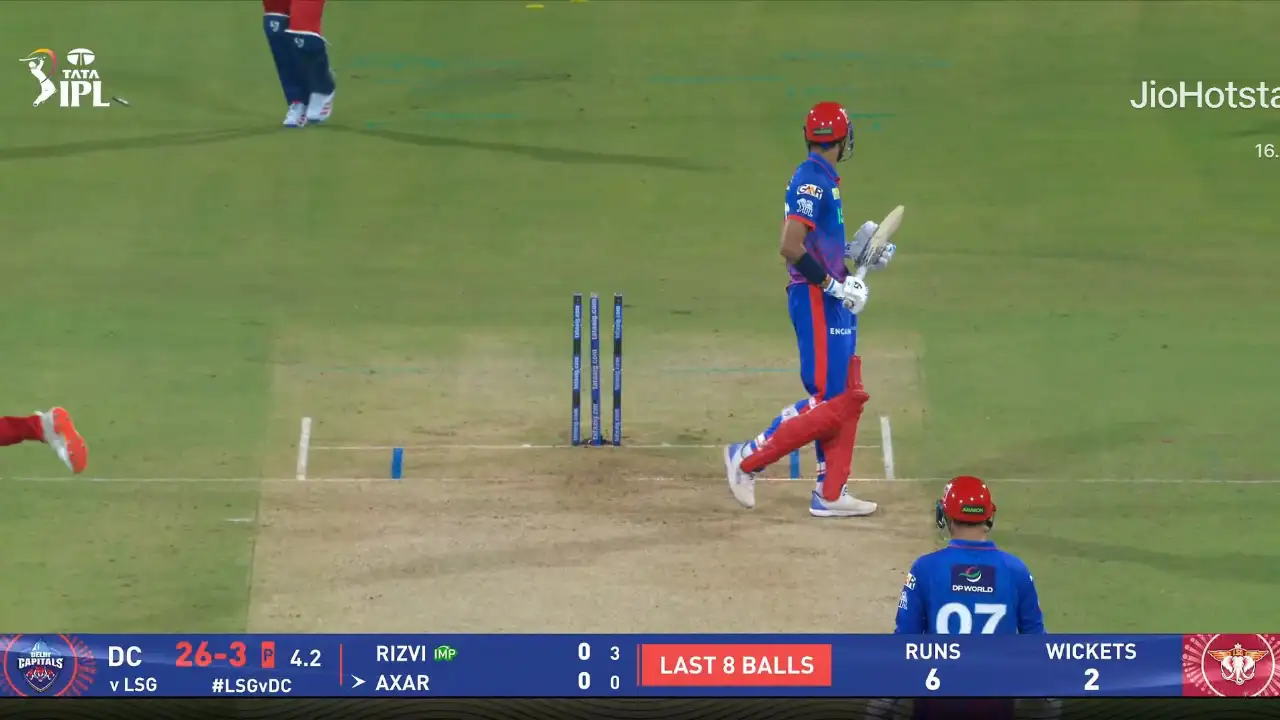
Axar Patel dismissed on ‘Golden Duck’ by Prince Yadav in LSG vs DC IPL 2026 clash
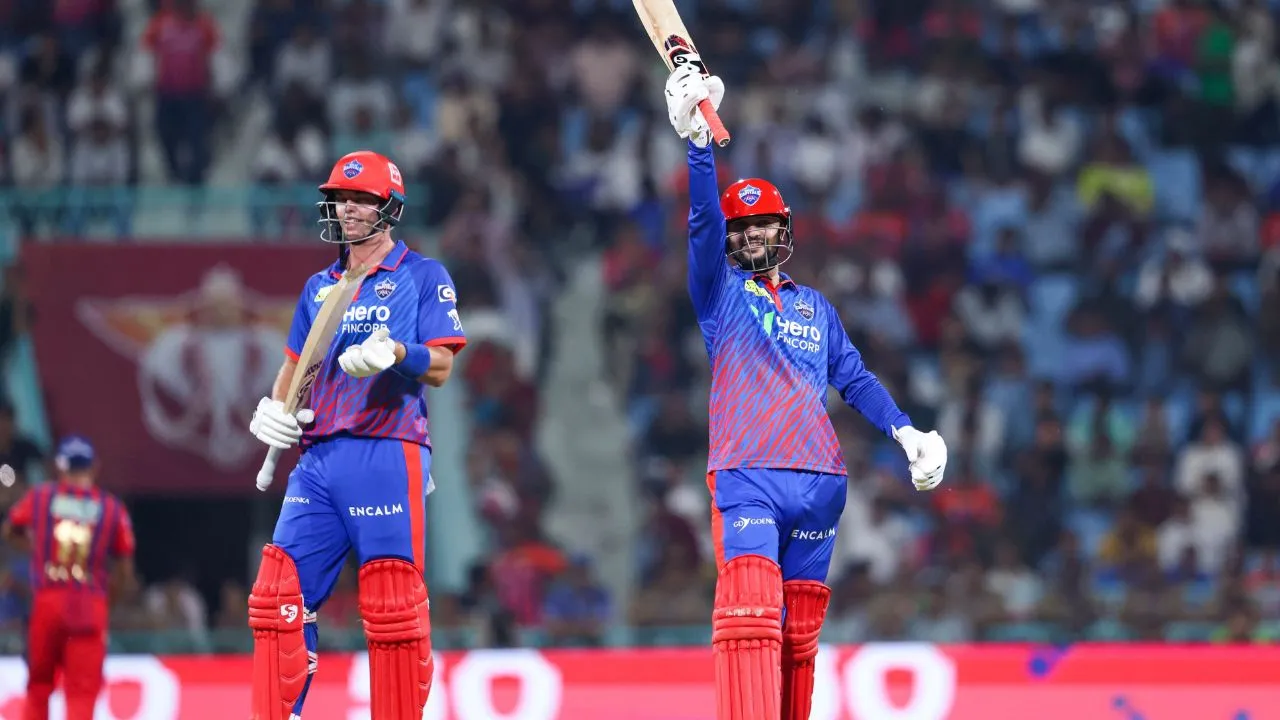
IPL Points Table 2026: Updated Standings, Orange Cap, Purple Cap After LSG vs DC Match 5
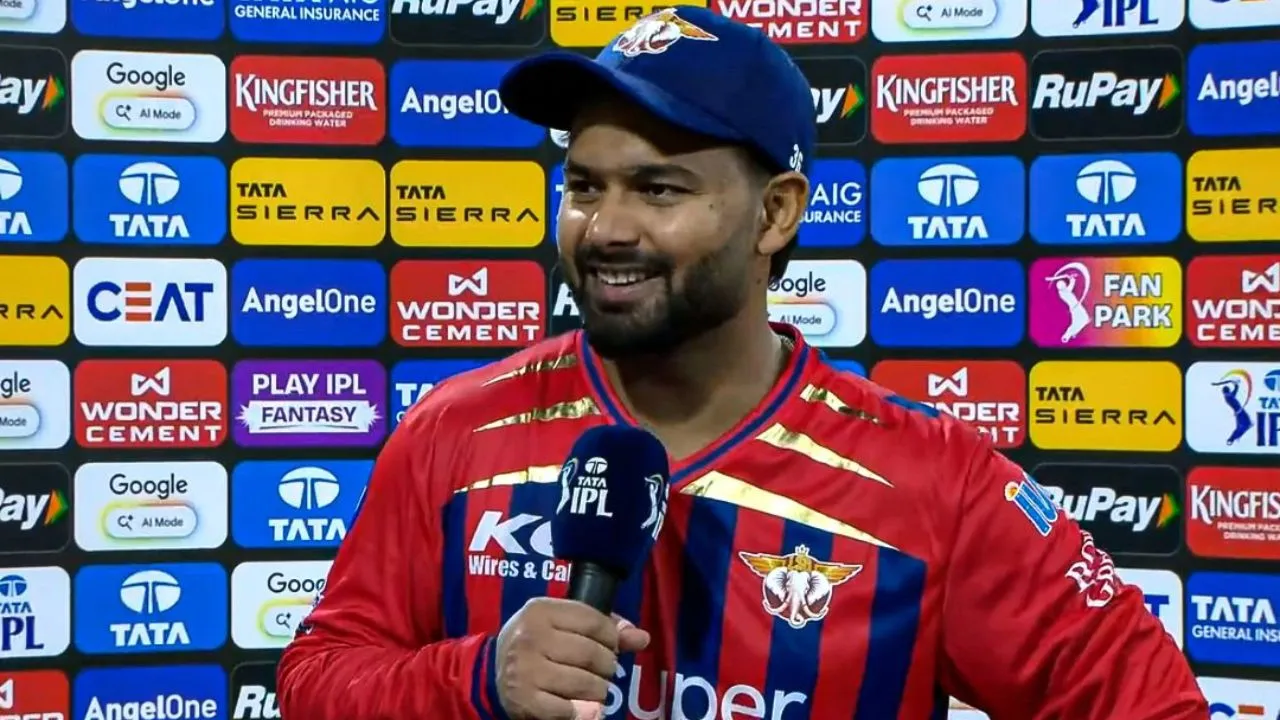
“We didn’t have enough”: Rishabh Pant takes responsibility after LSG’s batting failure in loss to DC in IPL 2026
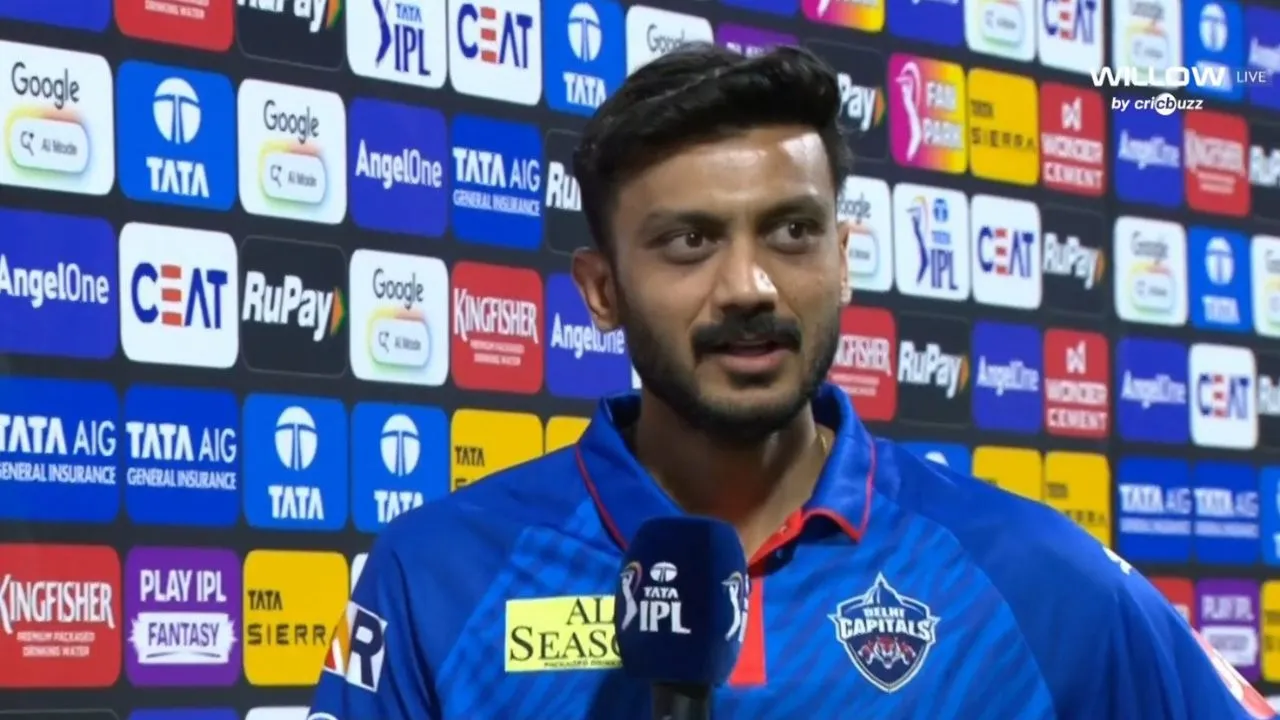
“Works hard on his game”: Axar Patel lauds Sameer Rizvi after match winning knock vs LSG
KKR vs SRH Match No. 6 Preview: Free Live Streaming, Pitch & Weather Report, Head-to-Head | IPL 2026
KKR Playing XI vs SRH Playing XI – Match No. 6 | IPL 2026
Rishabh Pant’s opening stint cut-short by run-out at non-striker’s end
Axar Patel produces a peach to dismiss Aiden Markram in LSG vs DC IPL 2026 clash
Lungi Ngidi bamboozles Nicholas Pooran with stunning off-cutter in LSG vs DC IPL 2026 clash
Lungi Ngidi credits KKR mentor after amazing bowling display vs LSG in IPL 2026 clash
Mohammed Shami gets a dream start dismisses KL Rahul for a golden duck in LSG vs DC IPL 2026 clash
Vaibhav Sooryavanshi to share dressing room with Rohit-Kohli after IPL 2026, predicts ex-Pakistan star