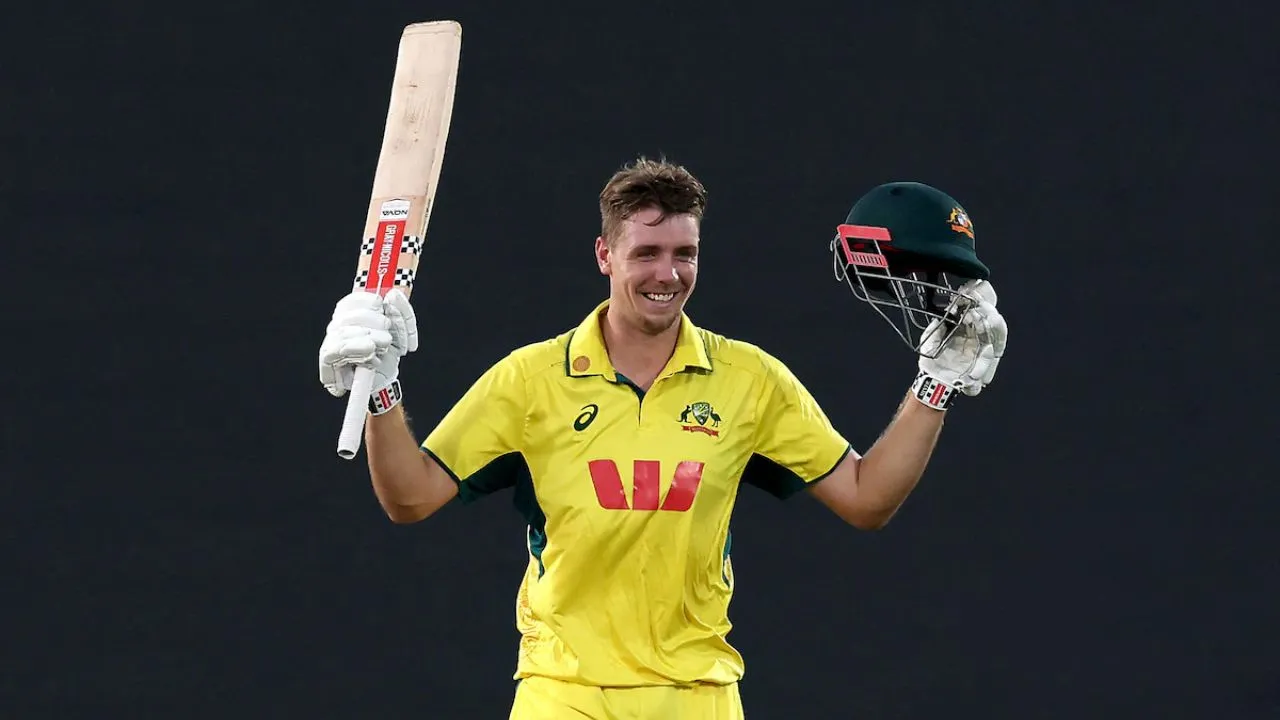
‘Taking your wives on tours is not wrong…’- Kapil Dev reacts to BCCI rule

Kapil Dev Supports BCCI’s New Rule to Limit Family Time for Players on Tours
The Board of Control for Cricket in India (BCCI) has stirred controversy with its recent decision to restrict the time players can spend with their families during tours. While this move has faced criticism from former cricketers, one legendary figure, Kapil Dev, has come out in support of the new policy.
Kapil Dev’s Perspective
Kapil Dev, the captain of the 1983 World Cup-winning Indian cricket team, believes that while there is nothing inherently wrong with players having their families accompany them on tours, he stresses the importance of team bonding. He argues that players should prioritize their national commitments while also nurturing team unity.
According to Kapil Dev, allowing wives and families to join players on tours can be beneficial, but he suggests imposing restrictions to ensure that the team gets enough time together to build camaraderie. He proposes that on longer tours exceeding one month, family members should only be allowed to join after a certain period, emphasizing the need for players to focus on team dynamics early on.
BCCI’s New Rules
Under the latest guidelines set by the BCCI, players can have their wives and families with them for up to 14 days on tours lasting more than 45 days. For shorter tours, this period is limited to seven days. The board implemented these rules following concerns that constant family presence could potentially affect player performance and team unity, especially in the aftermath of India’s disappointing tour of Australia.
Kapil Dev commended the BCCI’s initiative to enhance team unity and performance by regulating family time during tours. He underscored the significance of cricket as a team sport, highlighting the importance of traveling together to maintain unity and spirit among players.
Virat Kohli and Rohit Sharma’s Return to Domestic Cricket
Aside from addressing the new tour rules, Kapil Dev also shared his views on star players Virat Kohli and Rohit Sharma’s recent participation in domestic cricket matches after a long hiatus. Following the BCCI’s mandate for players not on national duty to play for their state teams, Kohli represented Delhi after 13 years, while Sharma played for Mumbai after a decade in the Ranji Trophy 2024-25.
Kapil Dev expressed reservations about senior players like Kohli and Sharma returning to domestic cricket after significant gaps, suggesting that the focus should be on strengthening the overall domestic cricket system rather than solely on individual performances. He emphasized the need for structural improvements to support players at all levels of the game.
Final Thoughts from Kapil Dev
In conclusion, Kapil Dev raised concerns about the optics of elite players like Kohli and Sharma participating in domestic cricket matches after extended periods, urging a broader perspective on enhancing the cricket ecosystem. He emphasized the importance of maintaining a robust system that supports players regardless of their performance levels, urging a holistic approach to cricket development.
While the BCCI’s new rule on family time during tours has sparked debate, Kapil Dev’s nuanced perspective sheds light on the complex dynamics at play in Indian cricket, emphasizing the need for balance between personal and professional commitments for players aiming for success at the highest level.
Impact of Family Time Restrictions on Player Performance
While Kapil Dev and the BCCI support the new rule limiting family time for players on tours, there is a debate on how this restriction may impact player performance. Some critics argue that having family members around can provide emotional support to players, helping them relax and perform better on the field. On the other hand, detractors suggest that excessive family time can lead to distractions and potentially affect focus and team dynamics.
It is essential to consider the individual preferences of players when it comes to having family around during tours. Some athletes may thrive in a supportive family environment, while others may prefer to maintain a strict focus on their professional duties. Finding a balance that caters to the diverse needs of players while maximizing team cohesion is crucial for the success of the Indian cricket team.
Evolution of Team Culture in Indian Cricket
The discussion around family time restrictions on tours also reflects the evolving team culture in Indian cricket. In the past, the presence of family members on tours was more common and seen as a way to provide comfort to players during extended periods away from home. However, with the increasing professionalization of the sport and the demand for high performance, there is a shift towards prioritizing team unity and focus.
By reevaluating the role of family members on tours, the BCCI aims to create a more disciplined and cohesive team environment that fosters a winning mentality. This strategic approach aligns with the global standards of professional sports where the emphasis is on teamwork, dedication, and sacrifice for the greater good of the team.
Building Resilience and Mental Toughness
Another aspect to consider in the debate over family time restrictions is the development of resilience and mental toughness in players. By imposing limitations on family interactions during tours, players are challenged to rely on their inner strength and camaraderie with teammates to navigate the pressures of international cricket.
Building resilience is essential for athletes to cope with the intense scrutiny, performance expectations, and rigorous schedules that come with representing the national team. By creating an environment that encourages players to focus on their professional responsibilities and bond with their teammates, the BCCI’s new rule may inadvertently contribute to the mental fortitude of Indian cricketers.
Future Implications for Team Dynamics
As the Indian cricket team adapts to the new rules regarding family time on tours, the long-term implications for team dynamics remain to be seen. While the immediate goal is to enhance performance and unity, it is essential to monitor how players respond to these changes and whether they positively impact the team’s overall success.
By instilling a sense of discipline and cohesion through regulations on family time, the BCCI aims to create a winning culture that prioritizes the collective goals of the team over individual preferences. This shift in focus towards team dynamics and performance could shape the future trajectory of Indian cricket and its competitiveness on the global stage.
Conclusion
In conclusion, the debate surrounding family time restrictions for players on tours in Indian cricket highlights the complexities of balancing personal and professional commitments in a high-pressure environment. While the BCCI’s new rule aims to strengthen team unity and performance, the nuanced perspectives of figures like Kapil Dev shed light on the multifaceted considerations at play.
As the Indian cricket team navigates these changes and strives for success on the international stage, finding the right equilibrium between family support, team bonding, and individual resilience is essential for sustaining a winning culture. By embracing these challenges and evolving with the times, Indian cricket can continue to prosper and excel on the global cricketing landscape.
Latest News
‘Rohit Sharma is good enough to be part of Indian T20I team’: MS Dhoni’s ex-teammate’s big remark
3 RCB players who could struggle in IPL 2026 – ft Venkatesh Iyer
3 RCB players who could struggle in IPL 2026 – ft Venkatesh Iyer
3 MI players who could struggle in IPL 2026 – ft Rohit Sharma
3 CSK players who could struggle in IPL 2026 – ft MS Dhoni
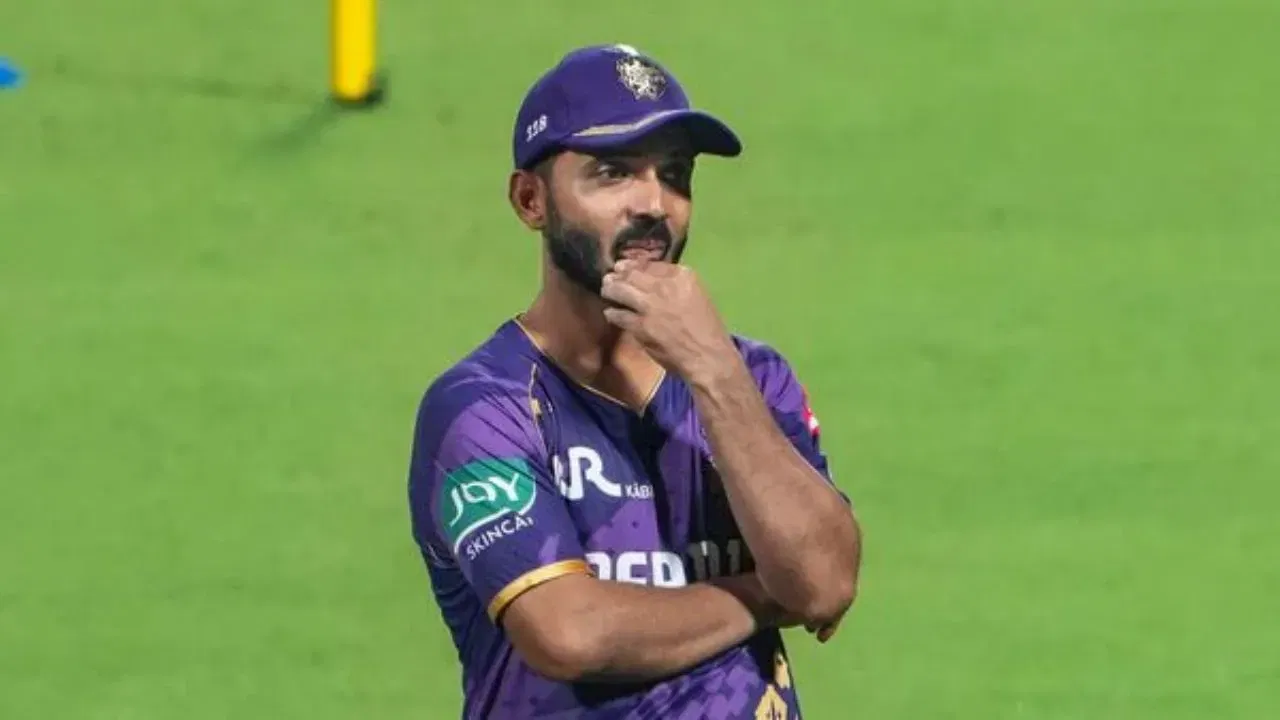
3 KKR players who could struggle in IPL 2026 – ft Ajinkya Rahane

3 SRH players who could struggle in IPL 2026 – ft Liam Livingstone

3 DC players who could struggle in IPL 2026 – ft Mitchell Starc

3 RR players who could struggle in IPL 2026 – ft Jofra Archer
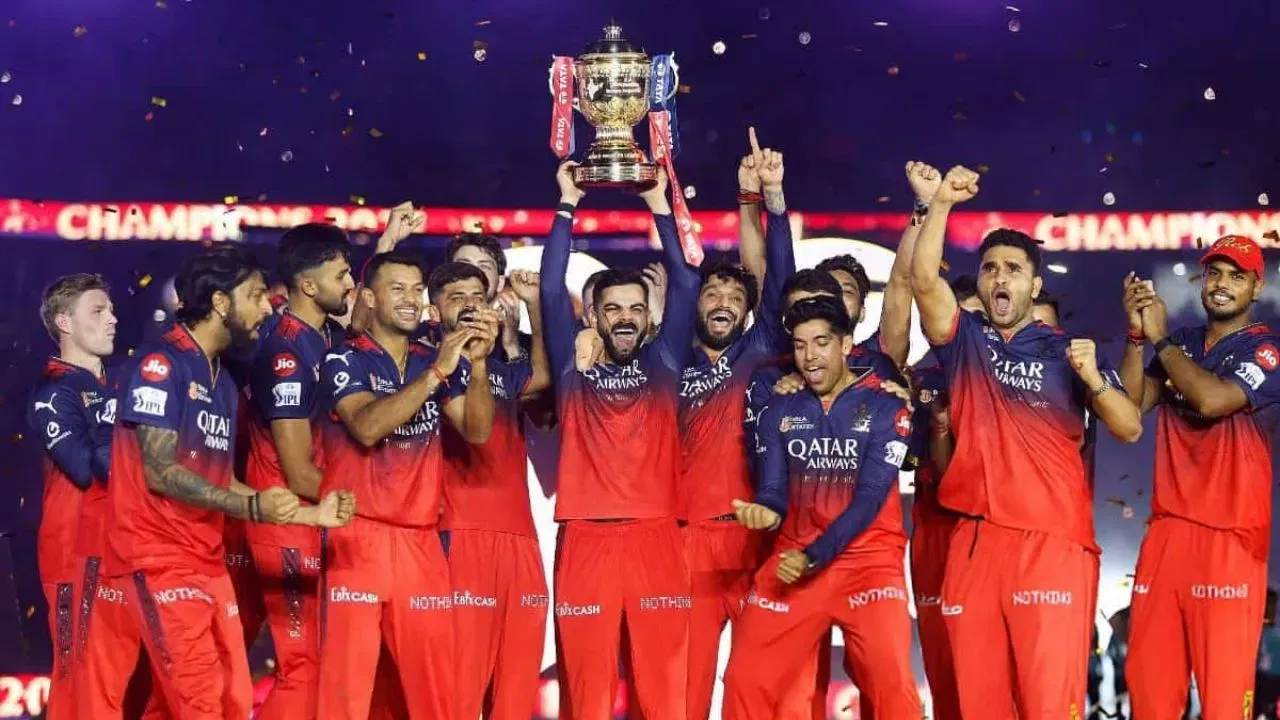
IPL suffers big setback! Media rights value expected to plateau despite huge popularity
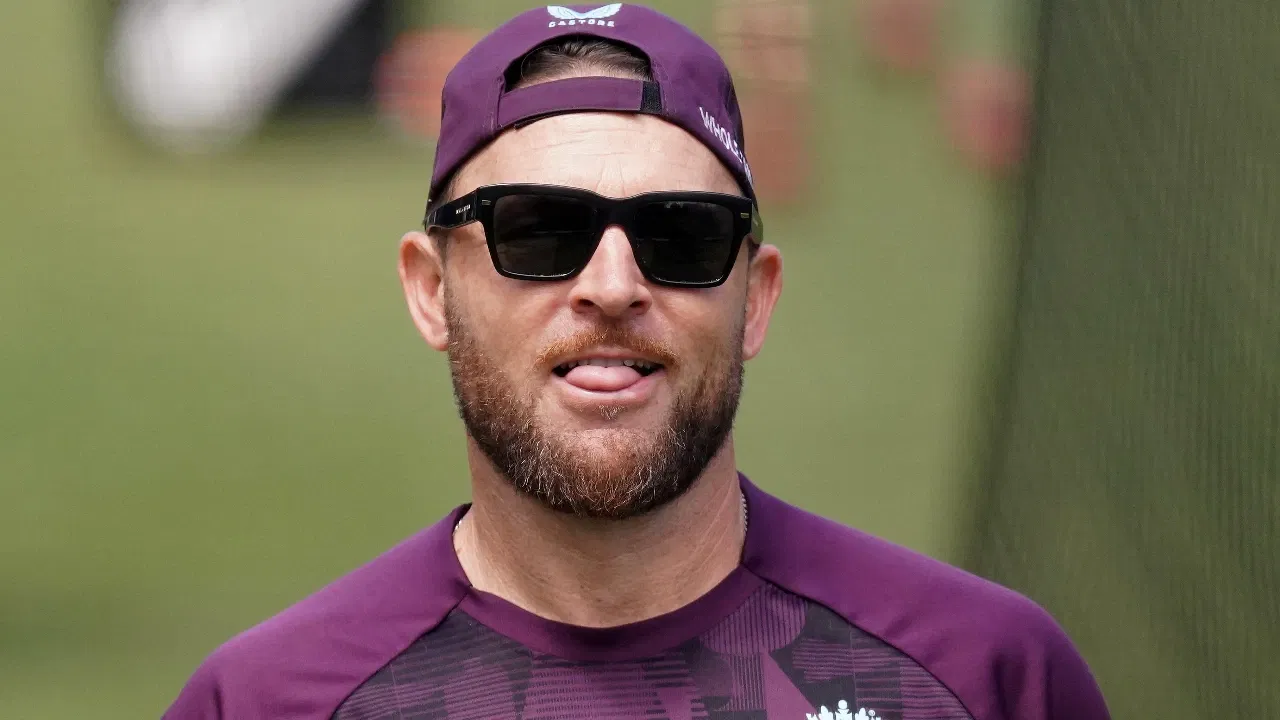
‘Most of ECB hierarchy should be sacked’: England legend blasts decision to retain Brendon McCullum
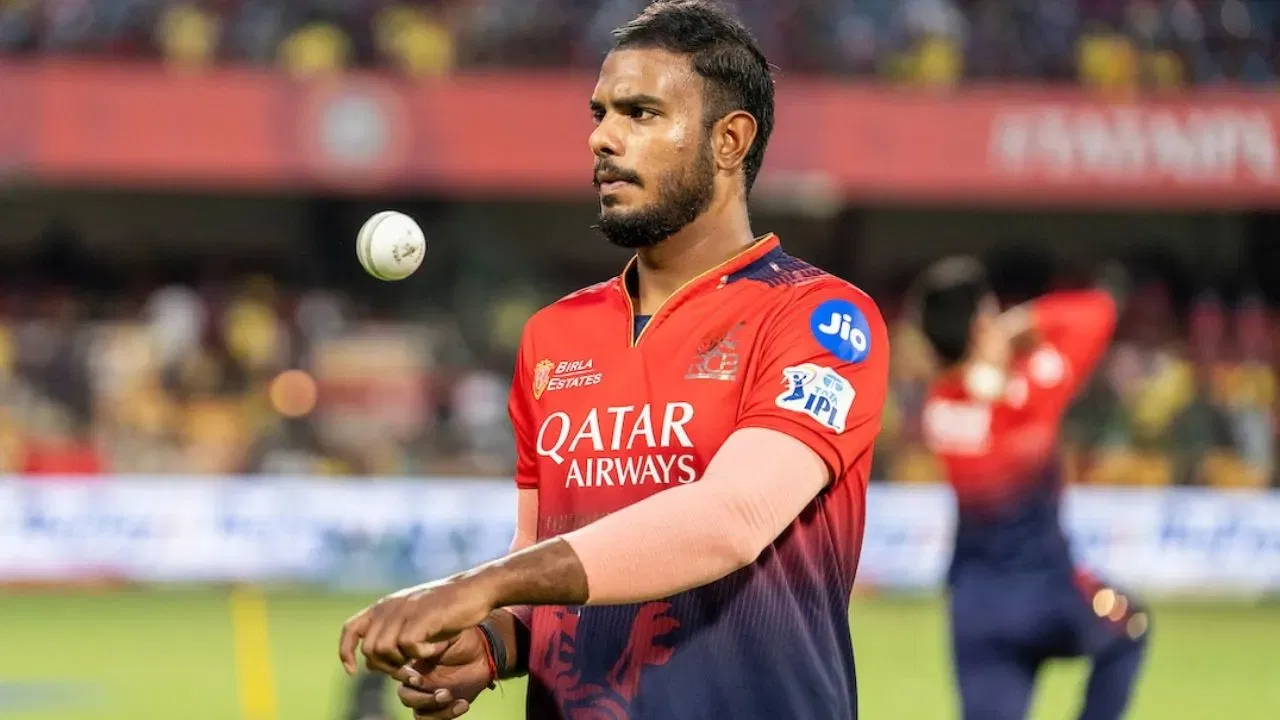
Yash Dayal remains under RCB contract but won’t play IPL 2026 amid legal case
SRH officially announce replacement for injured Australian ahead of IPL 2026
India Women’s squad for South Africa T20Is announced; Anushka Sharma called up