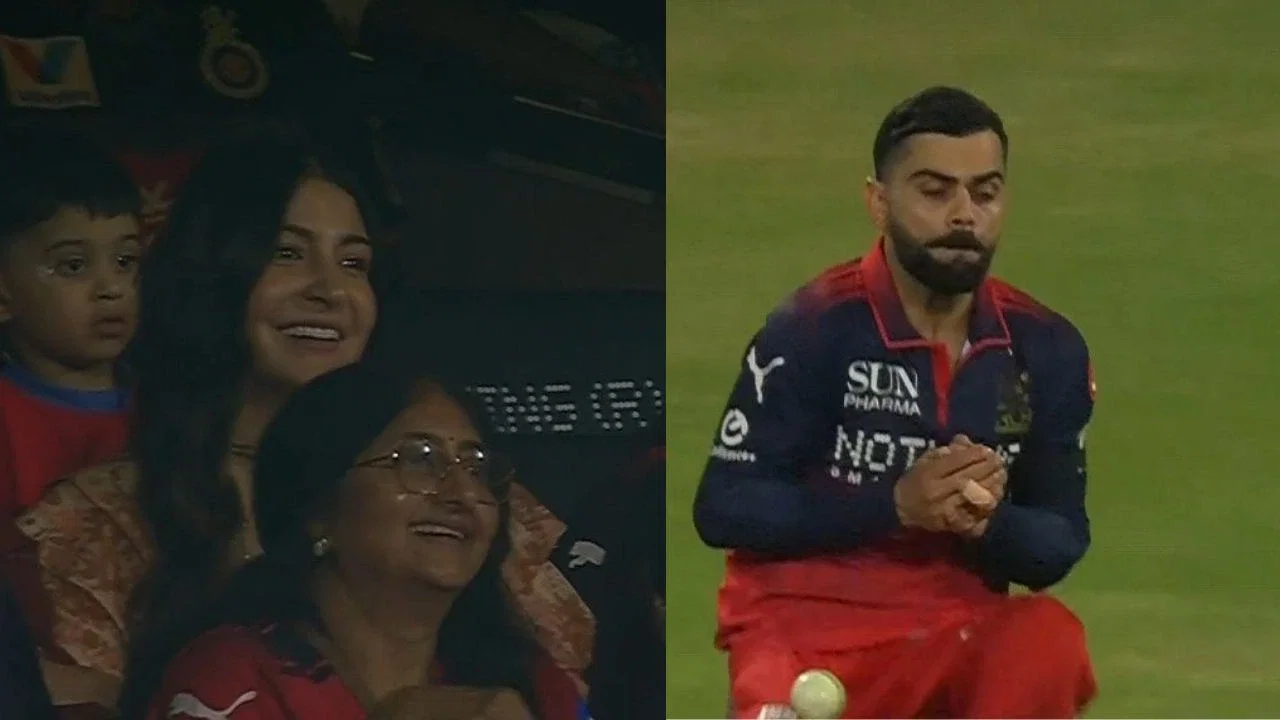
Temba Bavuma links Jasprit Bumrah’s ‘Bauna’ remark to ongoing ‘Grovel’ controversy
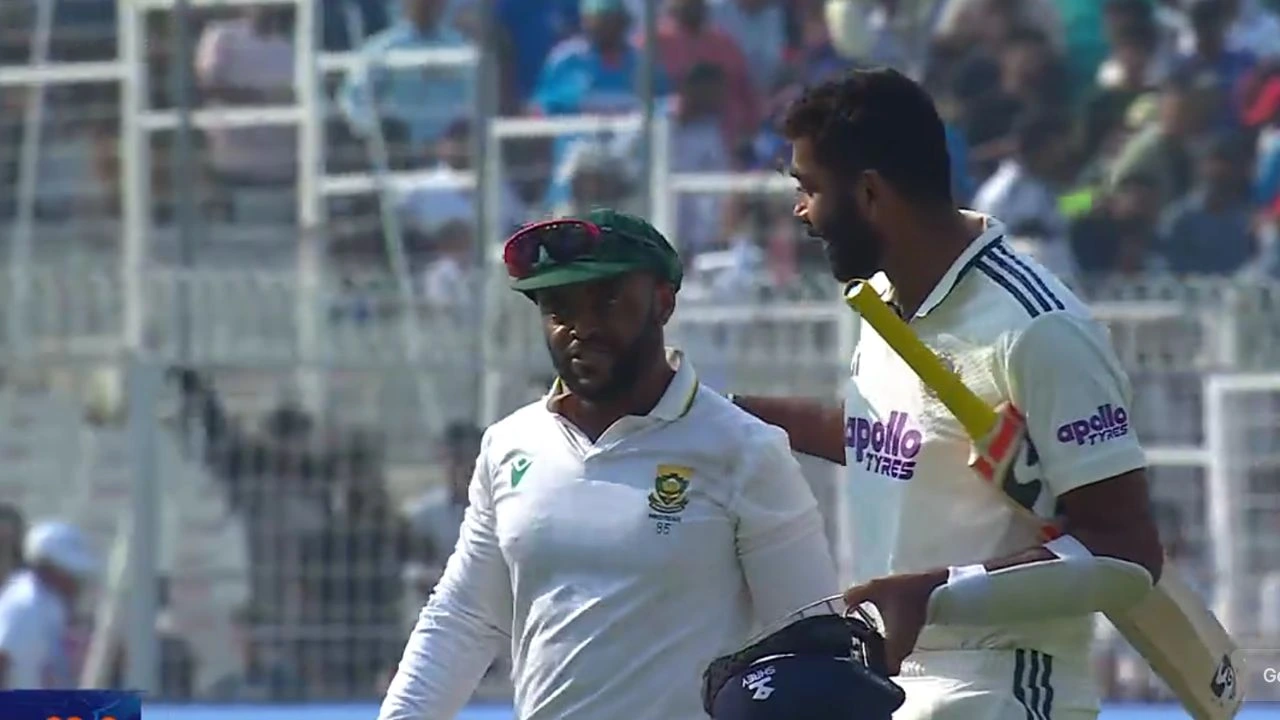
South Africa Captain Temba Bavuma Addresses Controversial Comments by Coach Shukri Conrad
After the conclusion of the second and final Test match against Team India in Guwahati, South Africa skipper Temba Bavuma found himself in the midst of controversy surrounding head coach Shukri Conrad’s “grovel” comment. Conrad’s remark about wanting India to “really grovel” after a grueling match sparked backlash from former Indian players Anil Kumble, Cheteshwar Pujara, and Aakash Chopra.
Bavuma’s Response
Temba Bavuma, in a post-match press conference, addressed the issue and distanced himself from Conrad’s statement. He mentioned that he had only heard about the comments that morning and had not discussed it with the coach. Bavuma emphasized that Conrad, being close to 60 years old, would review his own words.
Bavuma stated: “Comments made by coach came to me this morning. I was focused on the game and didn’t have a chance to speak to him. Shukri is close to 60 years old and he will have a look at his comments.”
The Sensitivity Surrounding the Term “Grovel” in Cricket
The term “grovel” holds a significant historical weight in cricket due to its controversial usage in the past. In 1976, England captain Tony Greig’s remark about making the West Indies “grovel” before a series led to a fierce response from Clive Lloyd’s side. The West Indies went on to dominate the series, with Viv Richards and Michael Holding delivering remarkable performances.
Shukri Conrad’s use of the same term during the recent Test series against India reignited discussions about the impact of such language in cricket and its historical context.
South Africa’s Series Victory and Recollection of Jasprit Bumrah’s Comment
Despite the controversy, South Africa emerged victorious in the series with a 2-0 sweep, marking their first Test series triumph in India in 25 years. After the win, Temba Bavuma also recalled a verbal exchange from the first Test where Jasprit Bumrah made a comment about his height, using the Hindi phrase “bauna.”
Bavuma remarked: “In this series, certain exchanges have gone both ways. Not saying the coach crossed the line, but he will surely think about it.”
The series between South Africa and India showcased competitive cricket, but also highlighted the need to maintain sportsmanship and respectful conduct on and off the field.
As the cricketing world reflects on the recent events, players, coaches, and officials are reminded of the importance of upholding the spirit of the game while expressing passion and competitiveness in a respectful manner.
Reflections on the Impact of Coach’s Words in Cricket
The controversy surrounding Coach Shukri Conrad’s use of the term “grovel” brings to light the power of language in the world of cricket. Words uttered in the heat of the moment can have lasting repercussions, shaping perceptions and influencing the spirit of the game. In a sport where respect and sportsmanship are cherished values, the choice of language holds immense weight.
Cricket has a rich history of verbal exchanges and banter on the field, adding to the drama and intensity of the game. However, there is a fine line between competitive banter and crossing into disrespectful territory. Players and coaches must navigate this line carefully to ensure that the essence of the sport is preserved.
Lessons in Sportsmanship and Mutual Respect
As South Africa celebrates their historic Test series victory in India, it serves as a reminder of the importance of sportsmanship and mutual respect in cricket. While the game thrives on rivalry and competition, it is imperative to maintain a sense of decorum and dignity both on and off the field.
Players like Temba Bavuma, who handled the controversy with grace and composure, exemplify the values of sportsmanship that cricket upholds. By distancing himself from his coach’s contentious remark and focusing on the game, Bavuma showcased leadership and maturity in navigating a delicate situation.
Looking Ahead: Building Bridges Through Cricket
As the cricketing world moves forward from the recent events, there is an opportunity to use these incidents as catalysts for positive change. By promoting open dialogue, understanding, and empathy, players and coaches can foster a culture of inclusivity and respect within the sport.
Cricket has the unique ability to bridge divides, transcend boundaries, and unite individuals from diverse backgrounds. Through moments of controversy and conflict, there is a chance to build bridges of communication and forge stronger connections within the cricketing community.
Conclusion
In conclusion, the controversy surrounding Coach Shukri Conrad’s comments and South Africa’s Test series victory in India offer valuable lessons for the cricketing world. By upholding the principles of sportsmanship, mutual respect, and thoughtful communication, players and coaches can contribute to a more harmonious and inclusive cricketing environment.
As the sport continues to evolve, it is essential to remember that the words spoken on the field carry weight beyond the game itself. Each interaction, whether verbal or non-verbal, shapes the narrative of cricket and influences the perceptions of players, fans, and stakeholders worldwide.
By embracing the values of integrity, respect, and empathy, cricket can continue to thrive as a sport that not only entertains but also educates, inspires, and unites individuals across the globe.
Latest News
SRH suffer huge blow! Daniel Vettori confirms another overseas pacer injured amid crisis
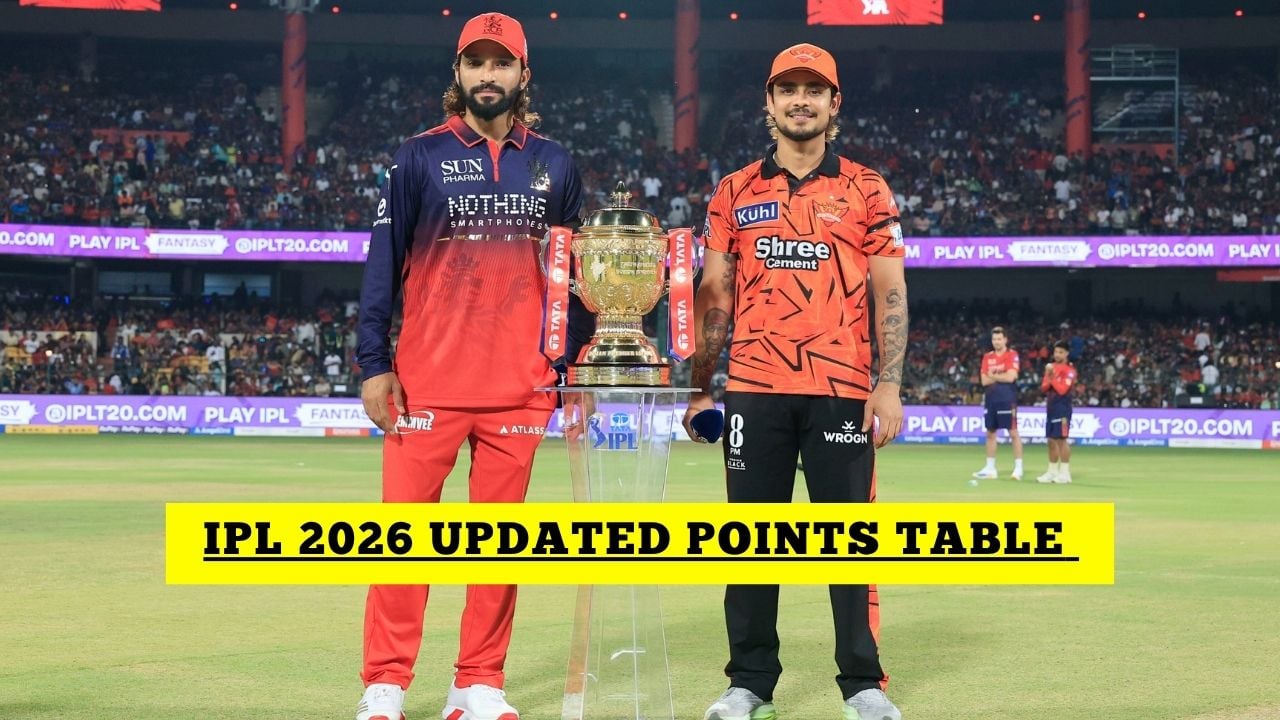
IPL Points Table 2026: Updated Standings, Orange Cap, Purple Cap After RCB vs SRH Match 1
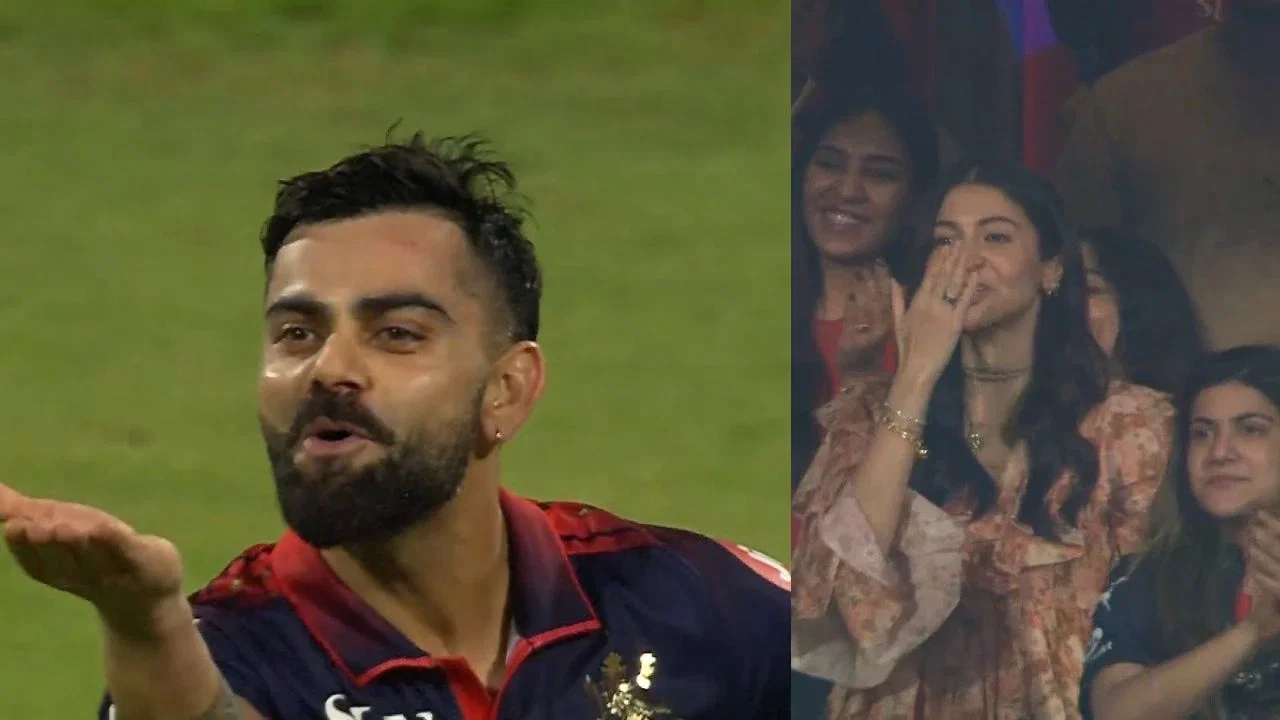
Virat Kohli, Anushka Sharma share adorable flying kiss moment after RCB vs SRH clash
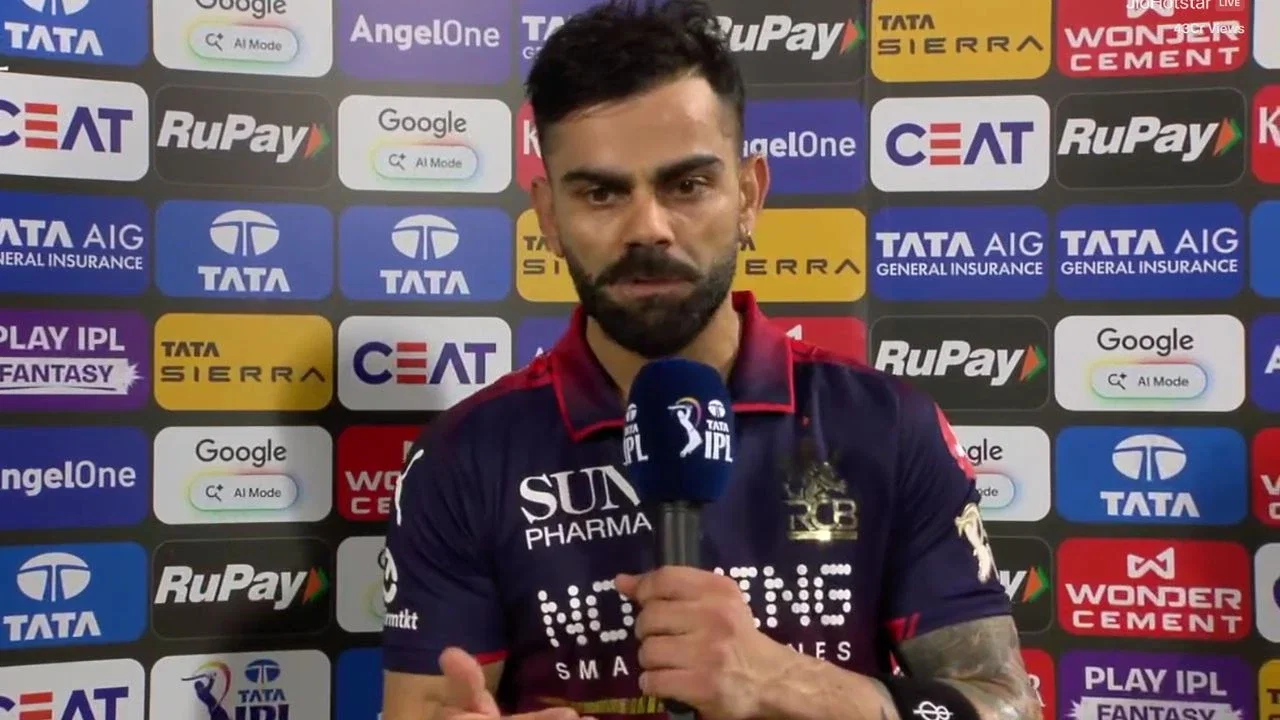
“Absolutely world-class”: Virat Kohli backs Devdutt Padikkal for permanent Team India spot
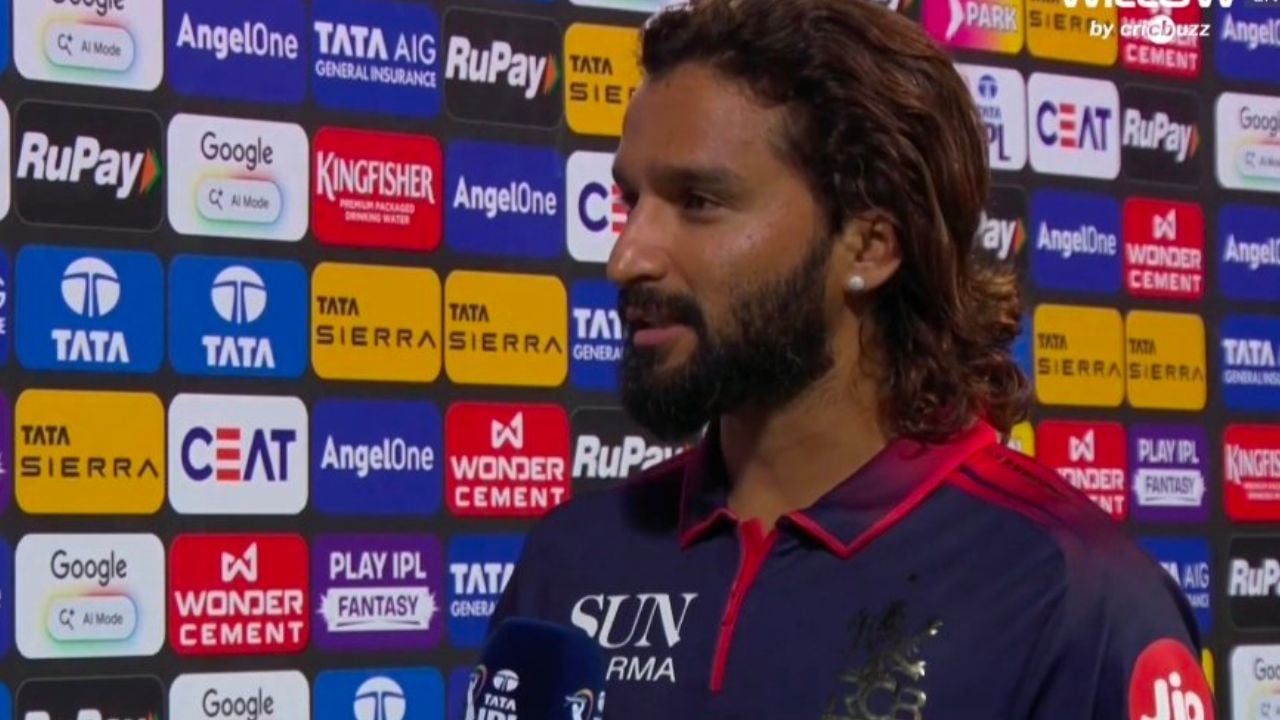
Rajat Patidar refuses to comment on Virat Kohli; Ishan Kishan admits enjoying after SRH’s loss to RCB
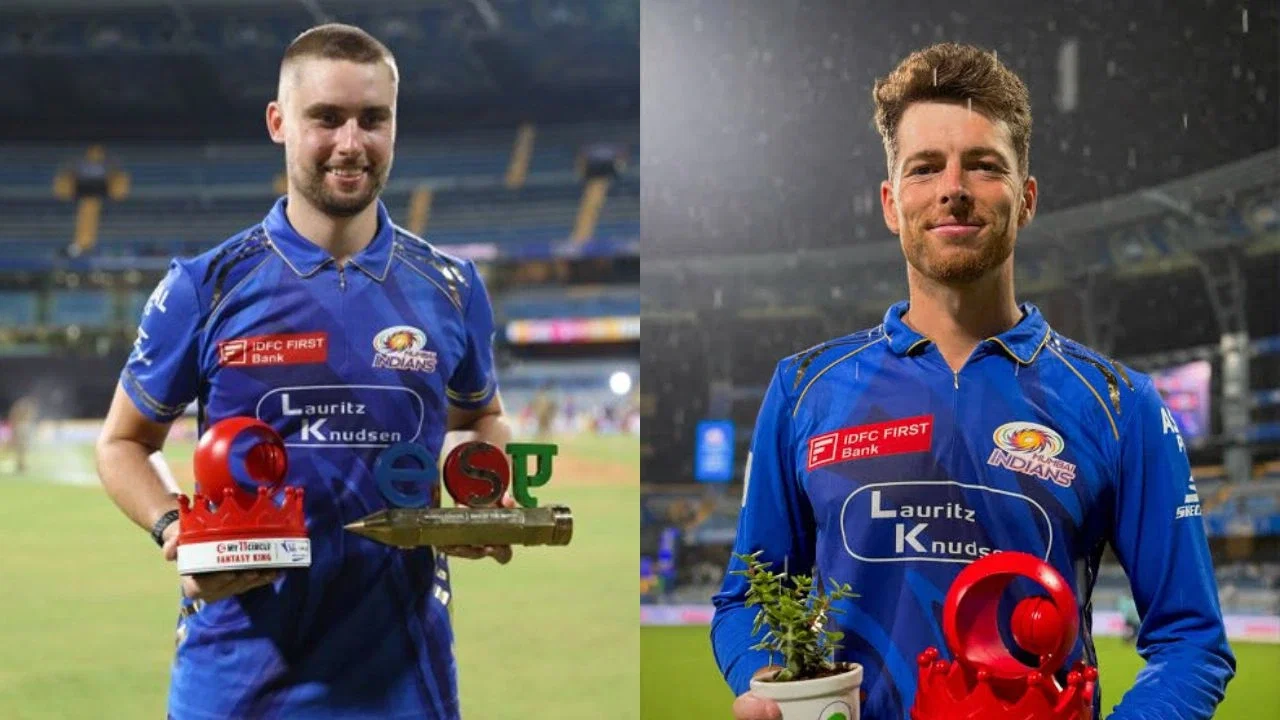
Mumbai Indians suffer blow! Mitchell Santner, Will Jacks ruled out of IPL 2026 games
MI vs KKR Match Prediction – Who Will Win Match No.2? | IPL 2026
Mumbai Indians Playing XI vs Kolkata Knight Riders Playing XI- Match No. 2 | IPL 2026
MI vs KKR Match 2 Preview: Free Live Streaming, Pitch & Weather Report, Head-to-Head | IPL 2026
Not English cricket! Jos Buttler credits IPL for his success as a cricketer
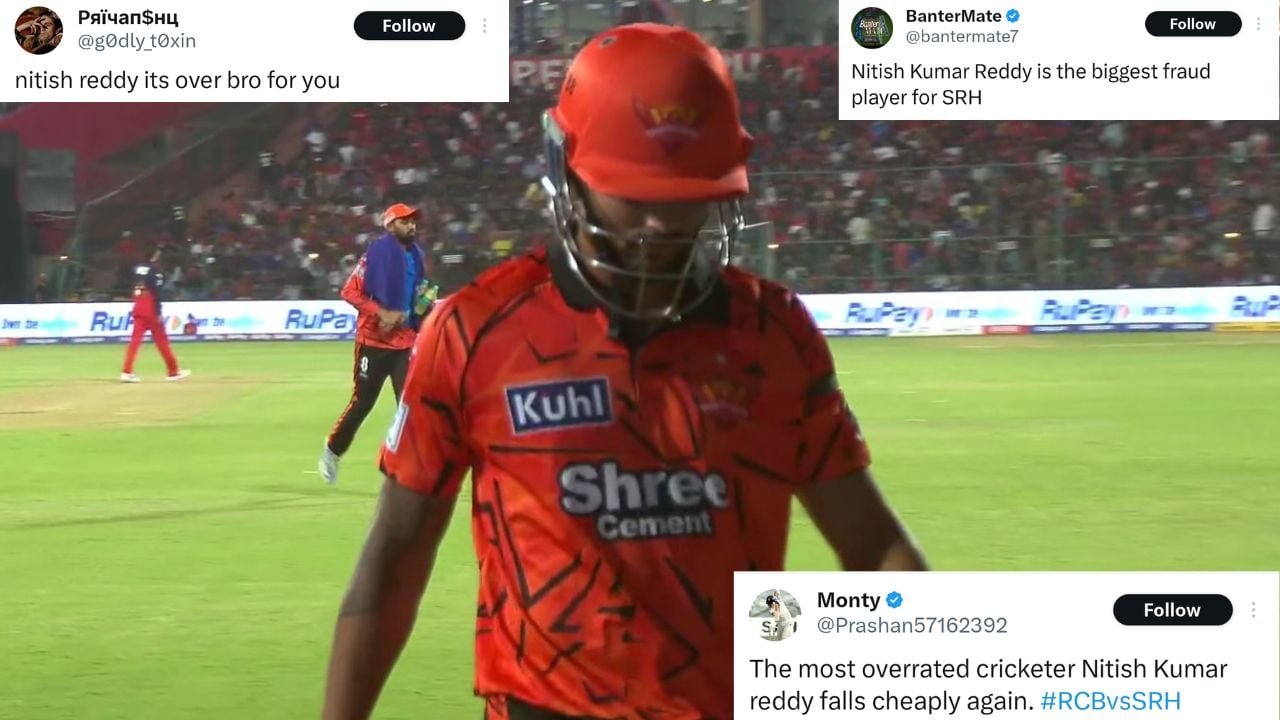
“Nitish Kumar Reddy is biggest fraud”: Fans fume as SRH star fails vs RCB in IPL 2026 opener
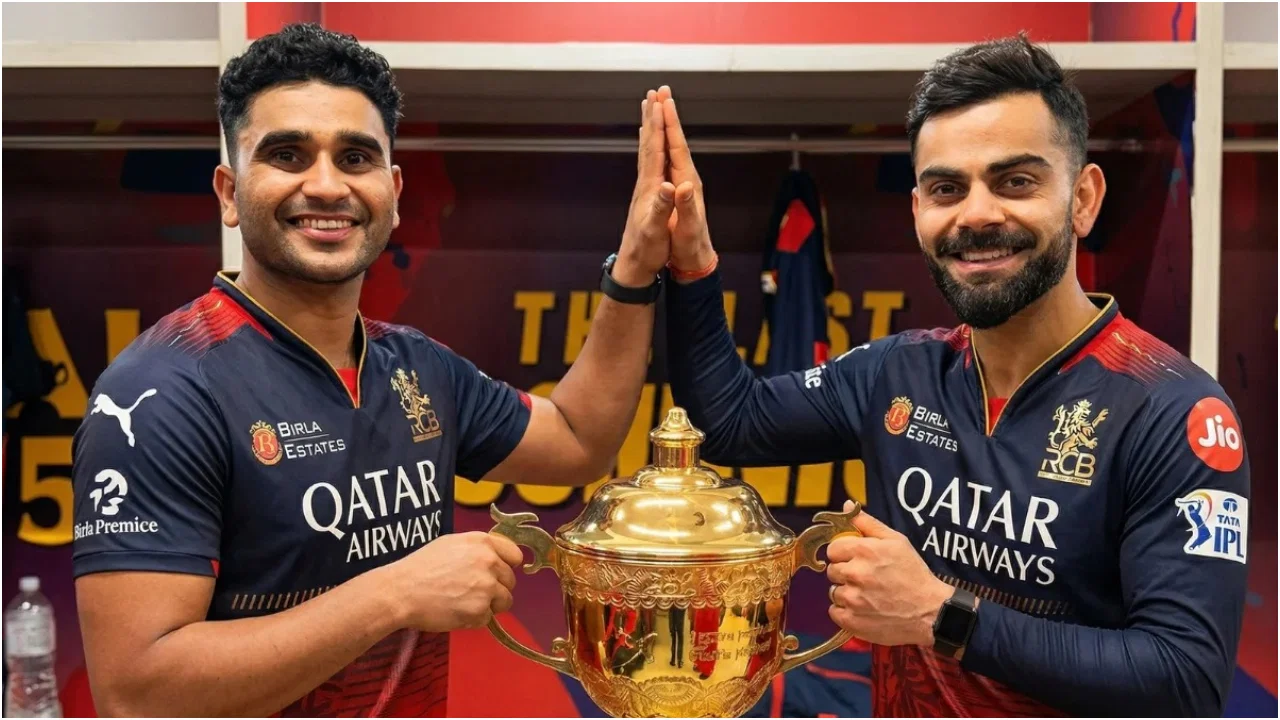
Who is Abhinandan Singh? The Virat Kohli troublemaker who made his IPL debut for RCB vs SRH
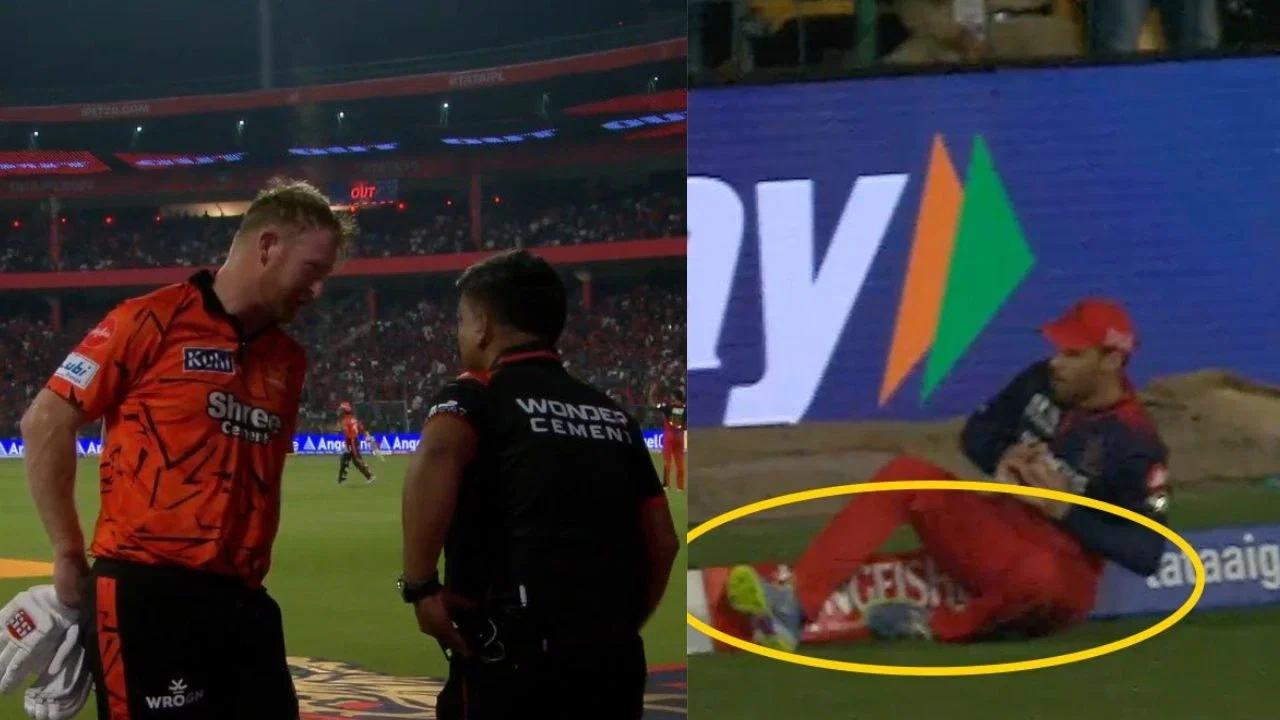
Heinrich Klaasen engages in heated chat with 4th umpire after Phil Salt’s controversial catch in IPL 2026
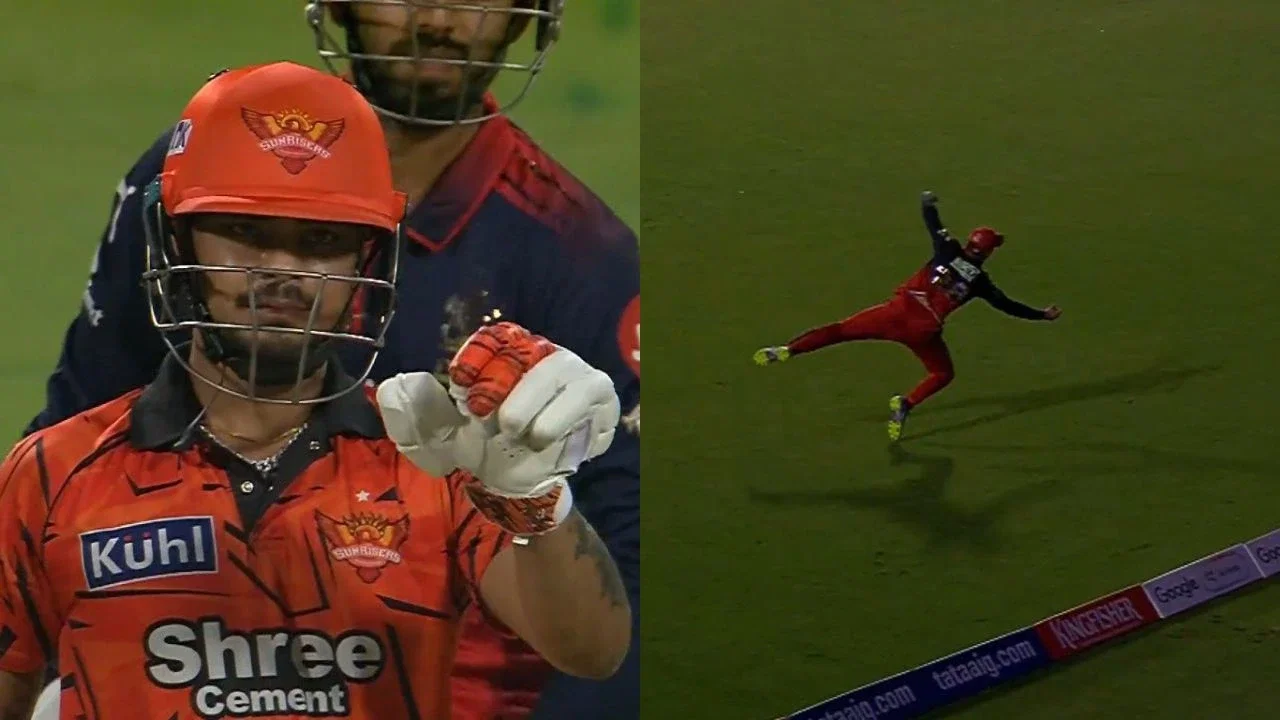
Phil Salt grabs one of the greatest catches in IPL history to dismiss Ishan Kishan