The execution was missing with the ball: Salman Ali Agha blames spinners after loss against India
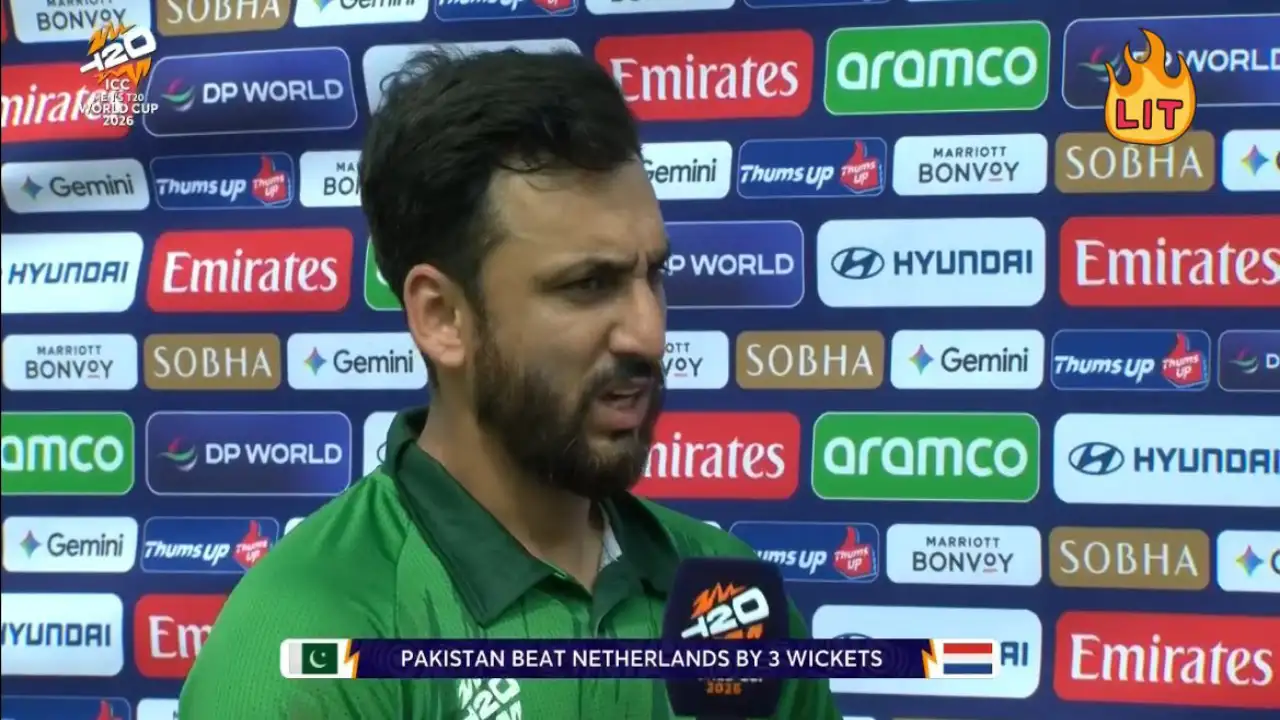
Salman Ali Agha Blames Spinners for Pakistan’s Defeat Against India
Salman Ali Agha, the captain of the losing side in the recent India vs Pakistan match on February 15th, expressed his disappointment after his team suffered a defeat by 61 runs against archrival India at the R. Premadasa Stadium in Colombo. Agha specifically pointed fingers at the spinners of the Pakistan cricket team for their poor performance.
Spinners Fail to Deliver
Considered as their trump card, the spinners of the Pakistan cricket team failed to live up to expectations in the crucial match against India. Ishan Kishan and captain Suryakumar Yadav took advantage of the bowling attack, with additional runs coming from Tilak Varma, Shivam Dube, and Rinku Singh. Agha openly criticized the spinners for their lackluster execution during the game.
“Our spinners had an off day. Execution was missing in some parts. We believe in our spinners; they’ve done well in the last six months,” Agha stated after the match.
Batters Struggle as Well
While the spinners faced criticism for their performance, the Pakistani batters also failed to deliver, resulting in a total of only 114 runs in 18 overs against India’s 175. Agha acknowledged the team’s struggle with both bat and ball during the match.
“We lost too many wickets in the powerplay with the bat. In the first innings it was tacky; the ball was gripping as well. The execution was missing with the ball. Pitch played better in the second innings than it did in the first,” Agha added.
Looking to Bounce Back
Despite the defeat, Agha remains optimistic about his team’s future performance. With a crucial match against Namibia coming up on February 18 at the SSC Cricket Ground in Colombo, Agha is focused on regrouping and securing a win to qualify for the Super Eights.
“In these kinds of games, the emotions are always going to be high. Have to deal with it. Have played enough games like that. Have a game in two days’ time; have to look forward to that. Need to win that game and qualify for the Super Eights. Then it’s a new tournament again,” Agha concluded.
Conclusion
The India vs Pakistan match always draws large crowds and intense emotions, and the recent game was no exception. Despite the setback against India, Agha and his team are determined to bounce back and make a strong comeback in their upcoming matches.
Impact of Pitch Conditions
One aspect that played a crucial role in the India vs Pakistan match was the pitch conditions at the R. Premadasa Stadium. The tacky nature of the pitch made batting challenging, especially for the Pakistani team during the powerplay overs. The spinners could not capitalize on the conditions, as the ball was gripping and not turning as expected. This factor contributed to the spinners’ struggle and the overall low total posted by Pakistan.
Pressure of the India-Pakistan Rivalry
The intense rivalry between India and Pakistan adds another layer of pressure to an already high-stakes match. The players from both teams are well aware of the expectations and emotions that come with facing off against their archrivals. This pressure can sometimes lead to lapses in execution and performance, as seen in the case of Pakistan’s spinners in this match. Managing these emotions and staying focused on the game plan becomes crucial in such intense encounters.
Learning from Mistakes
As Salman Ali Agha looks ahead to the upcoming match against Namibia, there is a valuable opportunity for the Pakistan team to learn from their mistakes and make necessary adjustments. Analyzing what went wrong in the match against India, especially in terms of both batting and bowling performances, can help the team address weaknesses and come back stronger in the next game. Agha’s leadership will play a key role in motivating the team and instilling a sense of resilience moving forward.
Importance of Team Cohesion
In high-pressure situations like international cricket matches, team cohesion and support become paramount. It is essential for the players to rally together, support each other, and maintain a positive attitude despite setbacks. Building a strong team culture that fosters resilience and unity can greatly impact the team’s performance on the field. Agha will need to work on keeping the team morale high and instilling a sense of belief in their abilities to bounce back from defeats.
Looking Beyond Individual Performances
While individual performances are important in cricket, Agha’s focus on the team’s collective effort and performance highlights the significance of teamwork in achieving success. Emphasizing the need for all players to contribute effectively, both with the bat and the ball, underscores the collaborative nature of the sport. A cohesive team effort will be key for Pakistan to secure a win against Namibia and progress in the tournament.
In conclusion, the defeat against India serves as a valuable learning experience for Salman Ali Agha and the Pakistan team. By identifying areas of improvement, maintaining team cohesion, and focusing on a collective effort, they can aim to bounce back and deliver a strong performance in their upcoming matches. The journey towards success in international cricket is often marked by challenges and setbacks, but it is the ability to learn, adapt, and grow that defines a team’s resilience and determination.
Latest News

Watch: Caring Mohammed Siraj wins hearts with his heartwarming gesture for injured Ishan Kishan
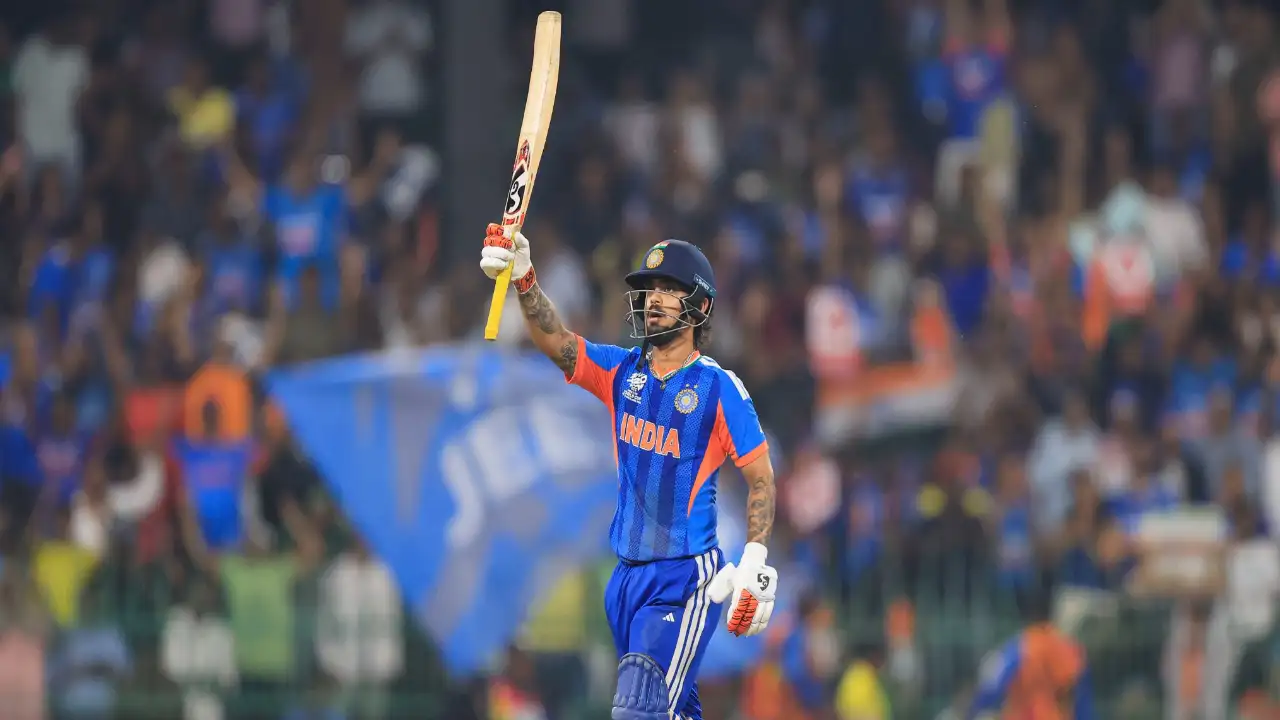
Just have to believe and focus on your strength : Ishan Kishan after blowing away Pakistan
The execution was missing with the ball: Salman Ali Agha blames spinners after loss against India
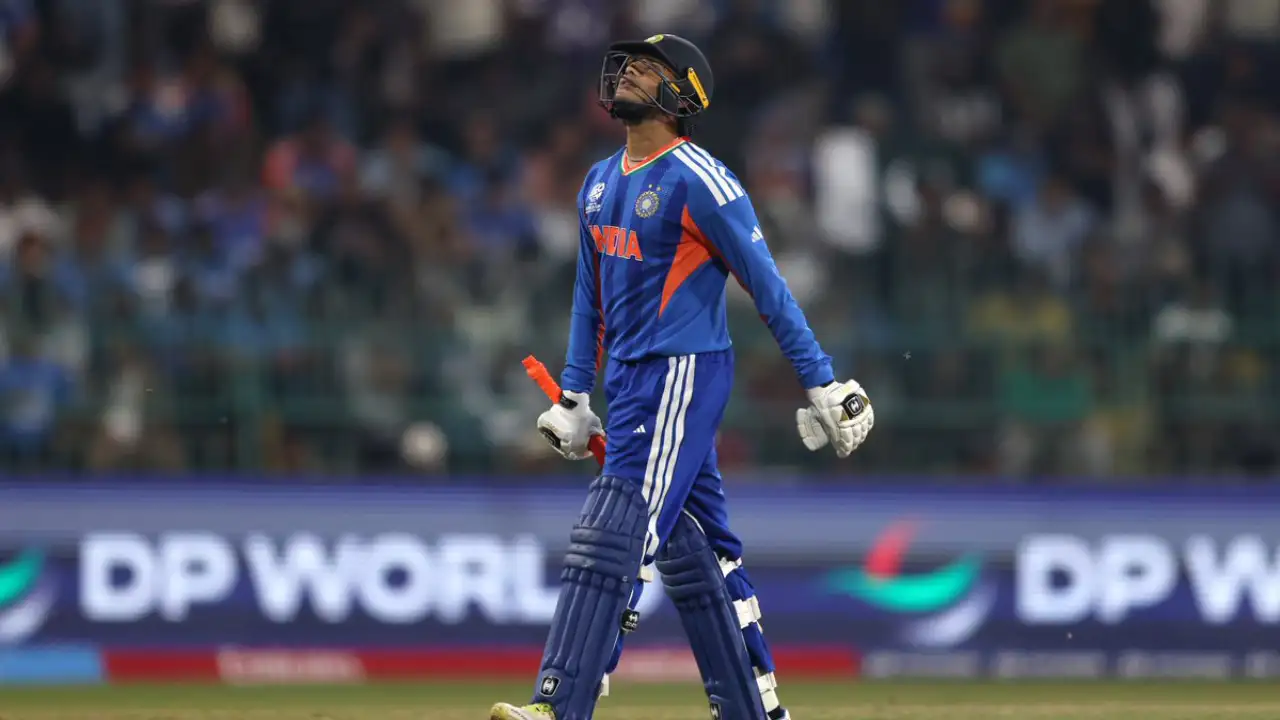
“Mine and Abhishek Sharma’s runs are equal in the T20 World Cup”: Fans brutally troll India opener as he is dismissed for duck against Pakistan
“Mine and Abhishek Sharma’s runs are equal in the T20 World Cup”: Fans brutally troll India opener as he is dismissed for duck against Pakistan
“Mine and Abhishek Sharma’s runs are equal in the T20 World Cup”: Fans brutally troll India opener as he is dismissed for duck against Pakistan
“Mine and Abhishek Sharma’s runs are equal in the T20 World Cup”: Fans brutally troll India opener as he is dismissed for duck against Pakistan

ENG vs ITA Match Prediction: Who Will Win Game 29? ICC T20 World Cup 2026
Ishan Kishan breaks fastest half-century record with stunning knock against Pakistan
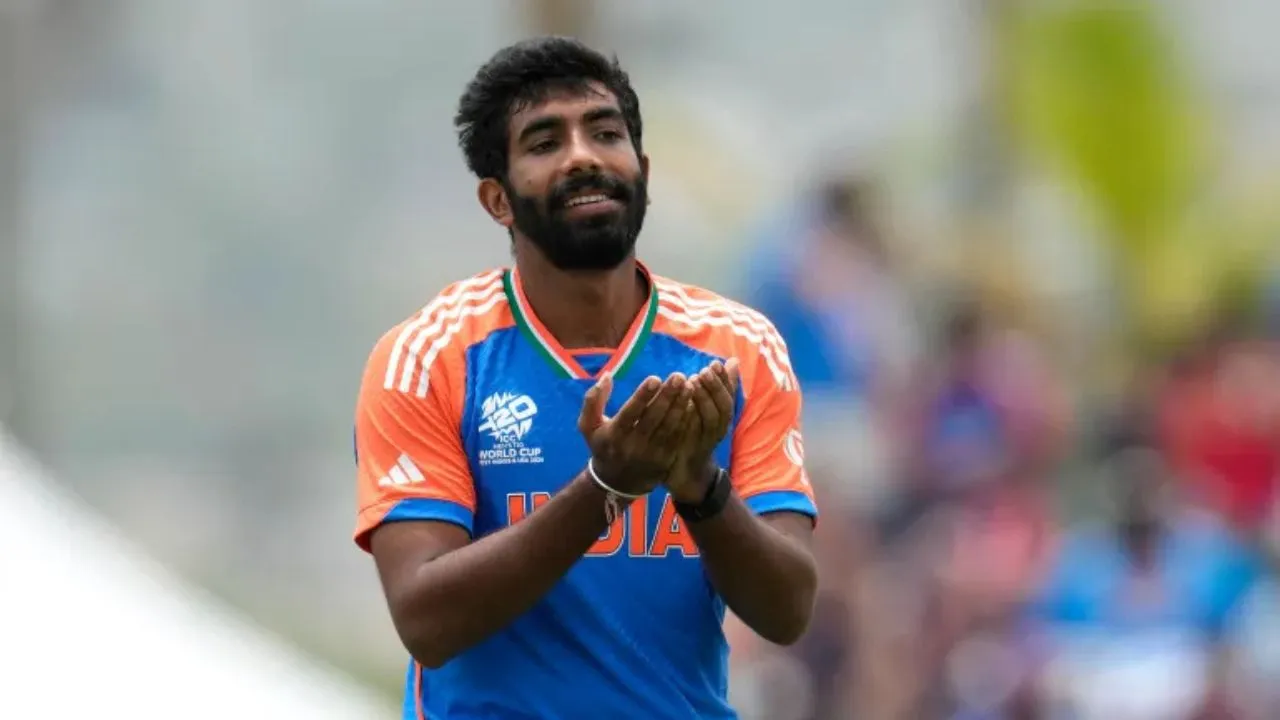
Watch: Jasprit Bumrah gives Saim Ayub a death stare after dismissing him with a stunning yorker
Watch: Jasprit Bumrah gives Saim Ayub a death stare after dismissing him with a stunning yorker
Watch: Jasprit Bumrah gives Saim Ayub a death stare after dismissing him with a stunning yorker
Watch: Jasprit Bumrah gives Saim Ayub a death stare after dismissing him with a stunning yorker

Shivam Dube furious at Rinku Singh after being Run Out against Pakistan