“The responsibility lies with…”: BCCI issues statement on refund demands after Lucknow T20I
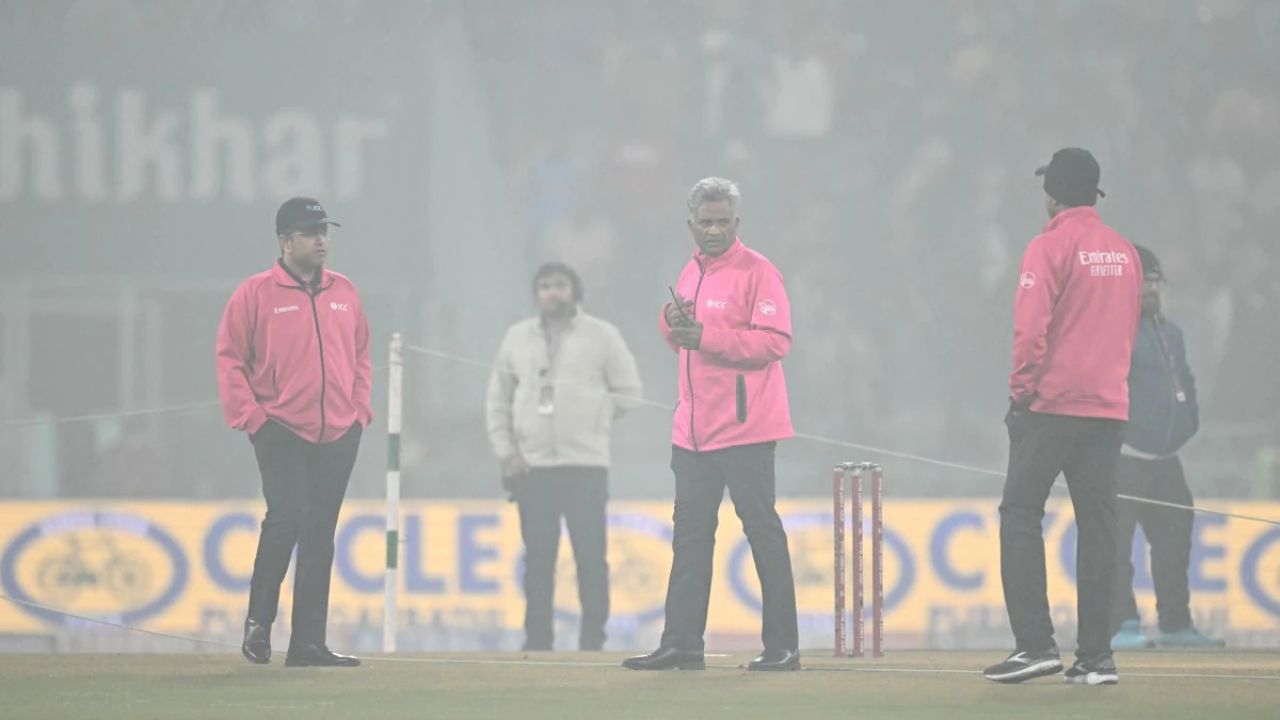
Foggy Weather Forces Abandonment of Fourth T20I Match Between India and South Africa
The Board of Control for Cricket in India (BCCI) has officially addressed the situation regarding the fourth T20I match between India and South Africa, which was abandoned due to heavy fog in Lucknow. BCCI secretary Devajit Saikia has stated that the Uttar Pradesh Cricket Association (UPCA) will be handling ticket refunds for the disappointed fans.
Details of the Abandoned Match
The fourth T20I match between India and South Africa at the Ekana Cricket Stadium in Lucknow was marred by heavy fog, which ultimately led to the abandonment of the game. Scheduled on Wednesday, December 17, the match was unable to commence due to poor visibility caused by the fog.
The toss, which was supposed to take place at 6:30 pm, had to be delayed as the conditions were deemed unsafe for play. Despite multiple inspections by the umpires throughout the evening, the visibility did not improve. The match was officially called off at 9:30 pm with no balls bowled.
Implications and Series Standings
With the fourth T20I abandoned, India maintains a 2-1 lead in the five-match series against South Africa. The fate of the series will now be decided in the fifth and final match at the Narendra Modi Stadium in Ahmedabad on December 19.
The abandonment of the match has raised concerns about scheduling international matches during the winter season. India is set to host the T20 World Cup next year in February-March, prompting discussions about weather considerations for upcoming tournaments.
Ticket Refunds Handled by UPCA
Fans who purchased tickets for the fourth T20I match are left wondering about refunds for the abandoned game. BCCI secretary Devajit Saikia clarified that all decisions regarding ticket refunds fall under the jurisdiction of the host association, in this case, the Uttar Pradesh Cricket Association (UPCA).
According to Saikia, “Everything in ticketing is done by the state association, as the BCCI just gives them the hosting rights and all these things are taken care of and are under the domain of the state association.”
Final Thoughts on the Weather Situation
Saikia emphasized that the foggy weather conditions in Lucknow were a rare occurrence and described it as a “solitary weather situation.” While the abandonment of the match disappointed fans and raised logistical challenges, the focus now shifts to the final showdown between India and South Africa in Ahmedabad.
As cricket enthusiasts eagerly await the conclusion of the T20I series, the BCCI and UPCA are working together to ensure that all ticketing-related issues are addressed promptly and fairly.
Challenges of Hosting Cricket Matches in Winter
The abandonment of the fourth T20I match between India and South Africa due to heavy fog highlights the challenges of hosting cricket matches during the winter season. In countries like India, where winters can bring foggy conditions and poor visibility, scheduling matches becomes a logistical challenge for cricket boards and associations.
For players, coaches, and fans alike, the unpredictability of weather conditions during the winter months can disrupt crucial matches and series, impacting the outcome of tournaments. The decision to host international matches during this time requires careful consideration of weather patterns and potential risks of abandonment due to fog, rain, or other weather-related factors.
Weather Considerations for Future Tournaments
As India prepares to host the T20 World Cup next year in February-March, the recent abandonment of the fourth T20I match raises important questions about weather considerations for upcoming tournaments. Cricket boards and associations must take into account historical weather data, seasonal patterns, and potential disruptions when planning international events.
By incorporating weather forecasts, contingency plans, and flexible scheduling options, cricket authorities can mitigate the risks associated with hosting matches during the winter season. Collaborating with meteorological experts and venue managers can help ensure that matches proceed smoothly, even in the face of adverse weather conditions.
Impact on Players and Team Preparation
For players and teams involved in international cricket tournaments, unexpected match abandonments can disrupt their preparation and momentum. The uncertainty surrounding weather-related cancellations can affect player morale, fitness levels, and strategic planning, leading to challenges in maintaining peak performance throughout a series.
In the case of the abandoned fourth T20I match between India and South Africa, both teams will need to regroup and refocus for the final showdown in Ahmedabad. The extended break between matches can disrupt the flow of the series, requiring players to adapt quickly to changing conditions and maintain their competitive edge in the decider.
Looking Ahead to the Final Match
As the T20I series between India and South Africa reaches its conclusion with the fifth and final match in Ahmedabad, cricket fans are eagerly anticipating a thrilling showdown between the two teams. With the series hanging in the balance, both sides will be looking to deliver standout performances and secure victory in the decisive match.
Despite the challenges posed by the weather conditions in Lucknow, the focus now shifts to the upcoming match at the Narendra Modi Stadium. As the players take to the field, cricket enthusiasts around the world will be watching closely to see which team emerges victorious in this closely contested series.
In conclusion, while the abandonment of the fourth T20I match due to fog may have been disappointing for fans and players alike, it serves as a reminder of the unpredictable nature of outdoor sports and the importance of weather considerations in cricket. As the sport continues to evolve, cricket boards and associations must adapt their strategies to minimize the impact of weather-related disruptions and ensure the smooth conduct of international tournaments.
Latest News

Mumbai Indians suffer blow! Mitchell Santner, Will Jacks ruled out of IPL 2026 games
MI vs KKR Match Prediction – Who Will Win Match No.2? | IPL 2026
Mumbai Indians Playing XI vs Kolkata Knight Riders Playing XI- Match No. 2 | IPL 2026
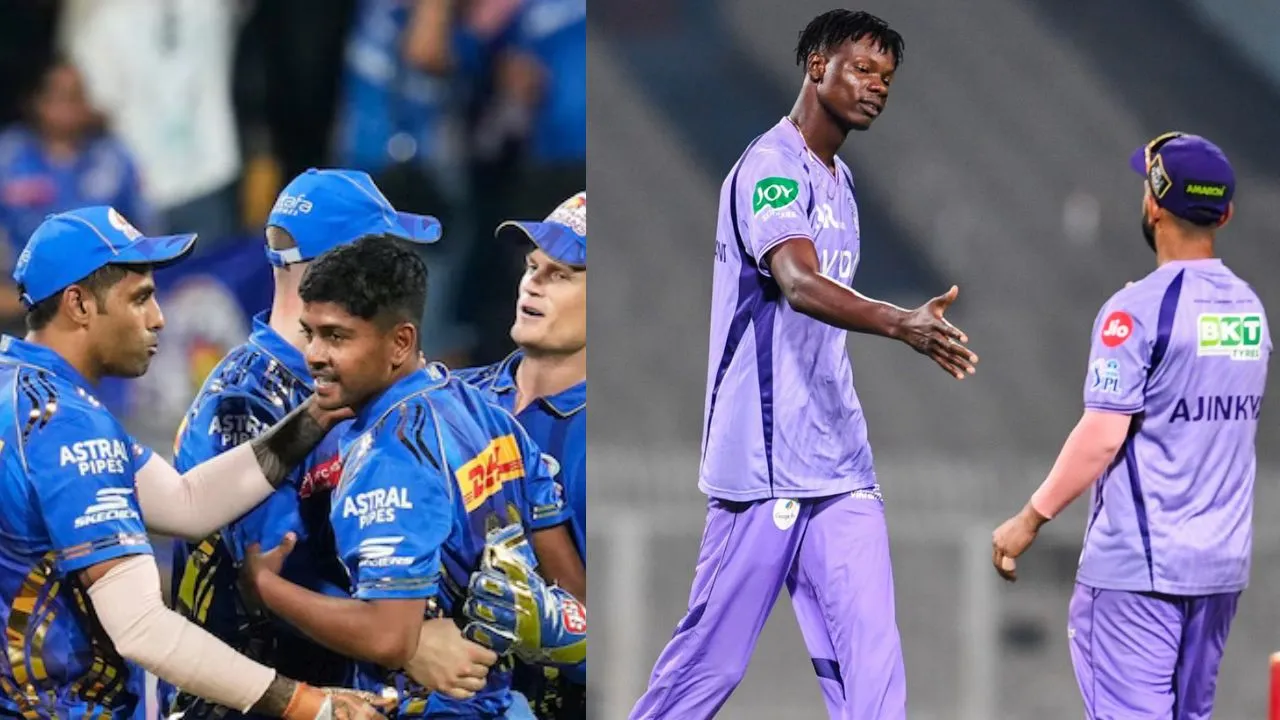
MI vs KKR Match 2 Preview: Free Live Streaming, Pitch & Weather Report, Head-to-Head | IPL 2026
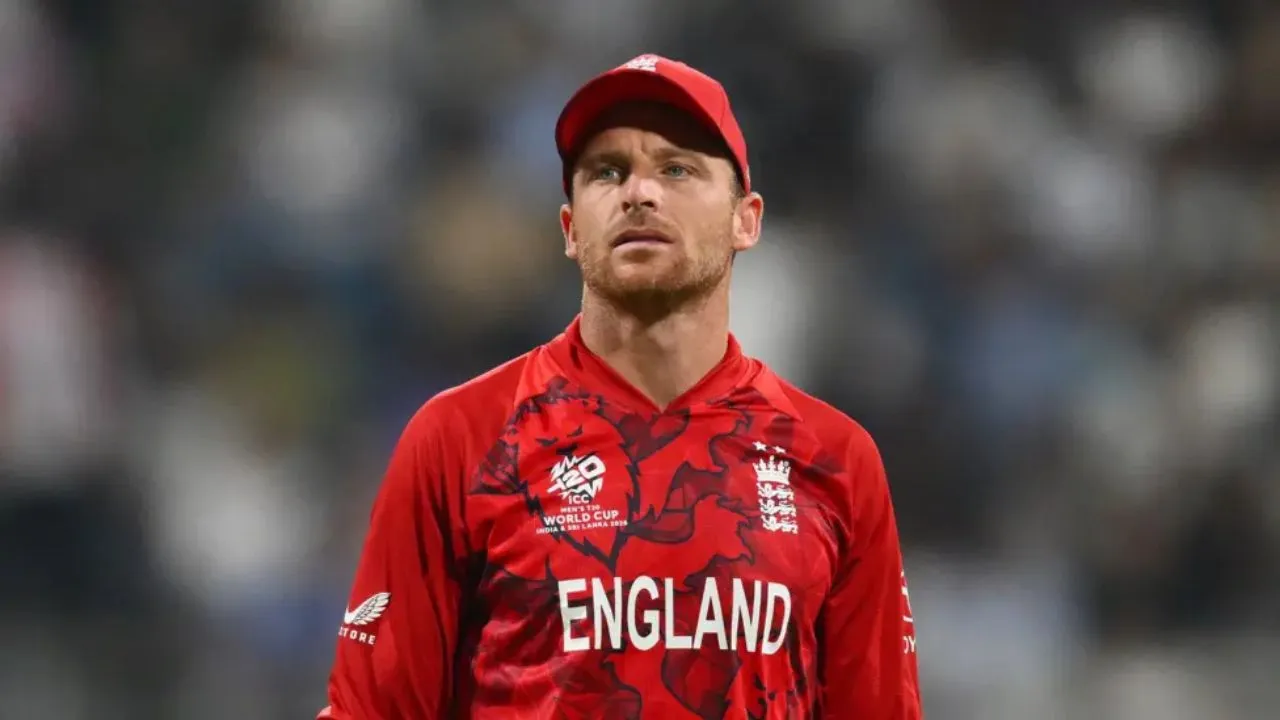
Not English cricket! Jos Buttler credits IPL for his success as a cricketer
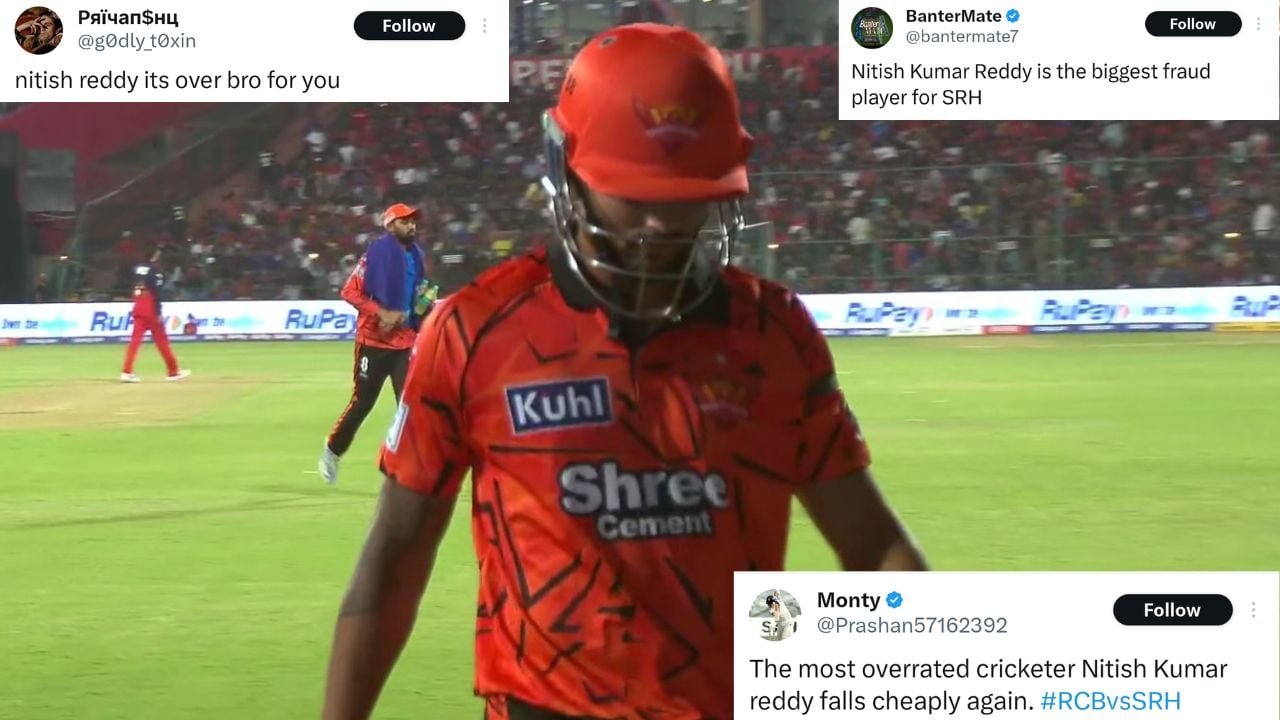
“Nitish Kumar Reddy is biggest fraud”: Fans fume as SRH star fails vs RCB in IPL 2026 opener
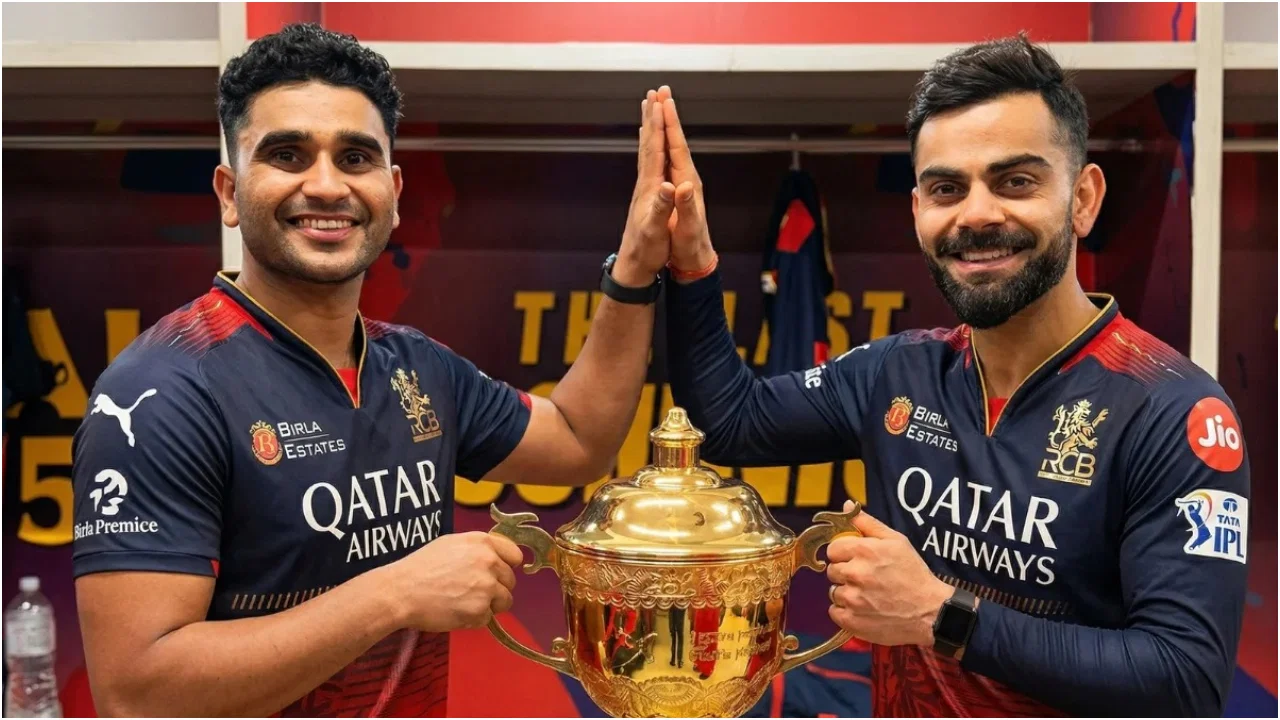
Who is Abhinandan Singh? The Virat Kohli troublemaker who made his IPL debut for RCB vs SRH
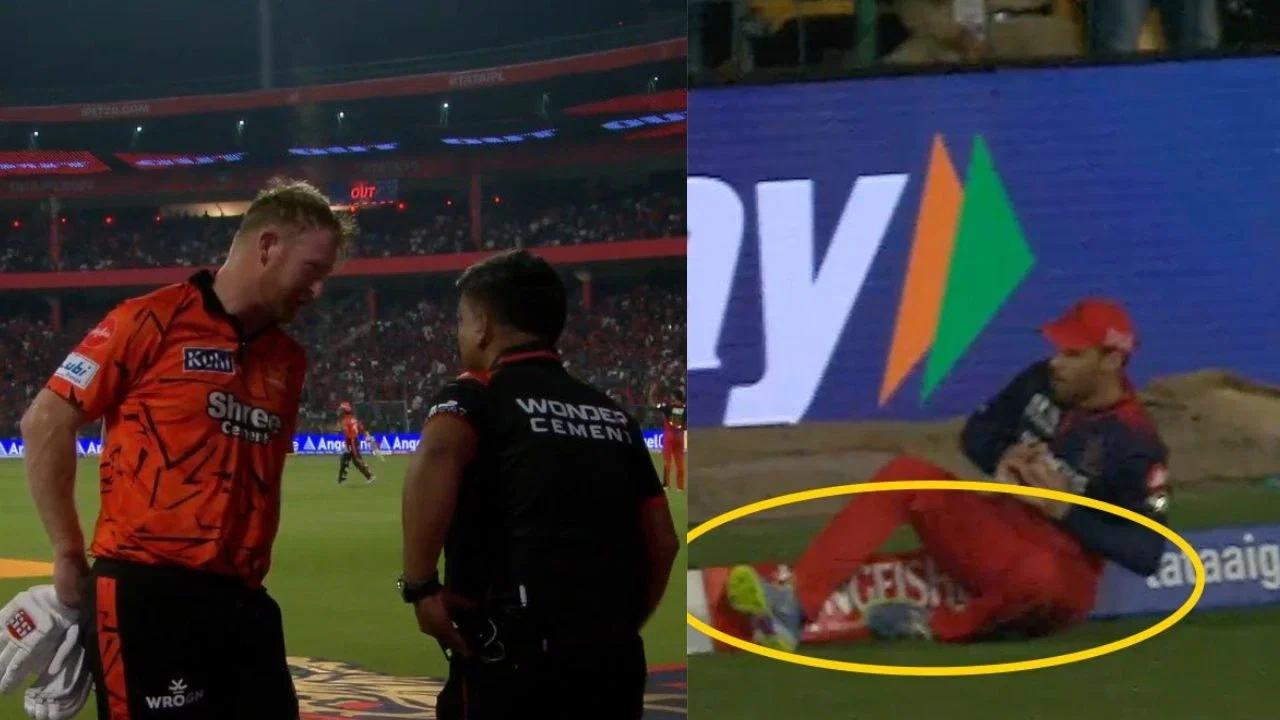
Heinrich Klaasen engages in heated chat with 4th umpire after Phil Salt’s controversial catch in IPL 2026
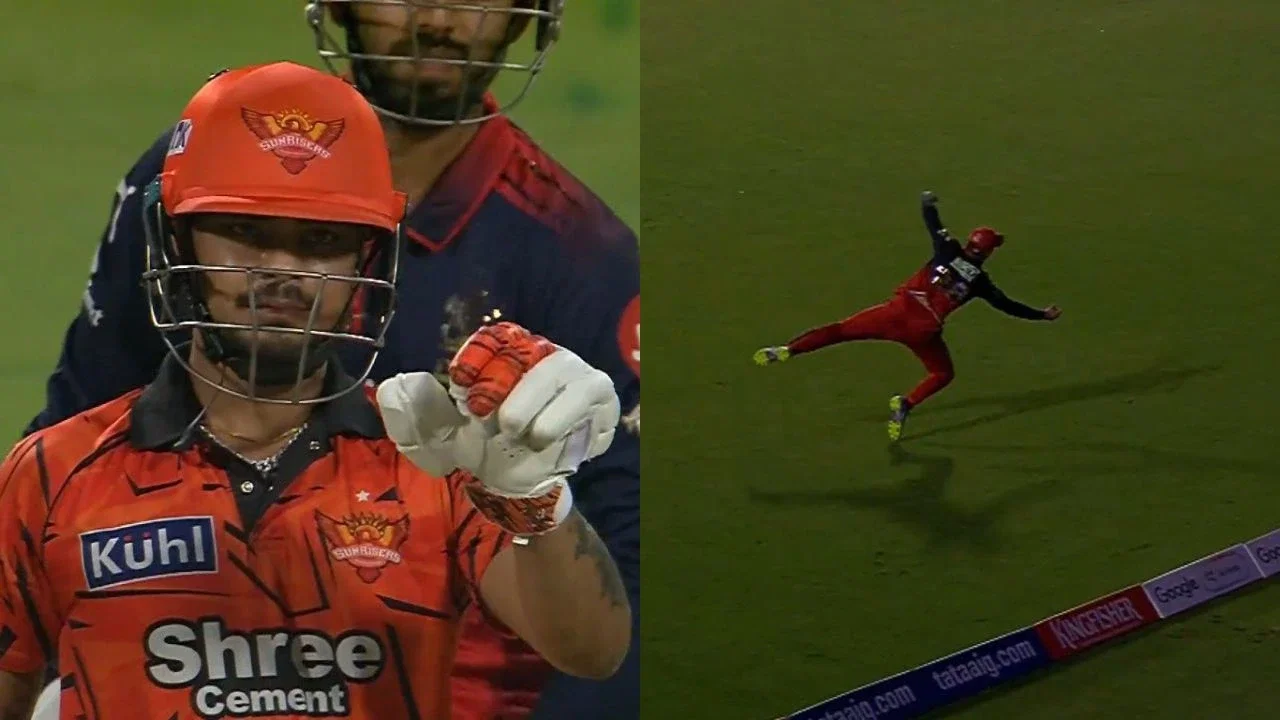
Phil Salt grabs one of the greatest catches in IPL history to dismiss Ishan Kishan
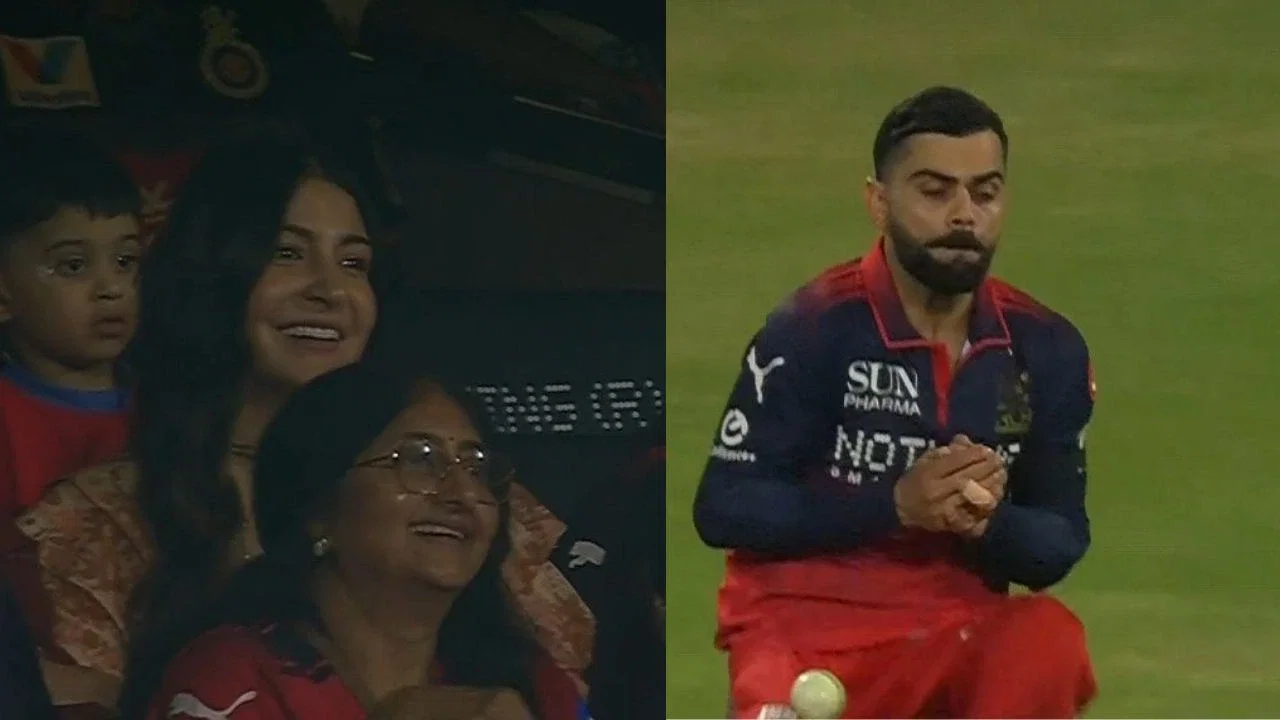
Anushka Sharma laughs as Virat Kohli drops a sitter in RCB vs SRH clash (Watch Video)
Anushka Sharma laughs as Virat Kohli drops a sitter in RCB vs SRH clash (Watch Video)
Anushka Sharma laughs as Virat Kohli drops a sitter in RCB vs SRH clash (Watch Video)
Anushka Sharma laughs as Virat Kohli drops a sitter in RCB vs SRH clash (Watch Video)
Anushka Sharma laughs as Virat Kohli drops a sitter in RCB vs SRH clash (Watch Video)