

There is a fine line…: AB de Villiers reacts after Gautam Gambhir calls batting order ‘overrated’

AB de Villiers Shares Thoughts on Gautam Gambhir’s Remarks on Batting Order
Former South Africa cricket star AB de Villiers has weighed in on India head coach Gautam Gambhir’s recent controversial comments regarding the batting order in white-ball cricket. Gambhir sparked debate by stating that the batting order is overrated, following India’s series win over South Africa.
Gambhir’s Comments and Response
Gambhir’s remarks came after India’s 2-1 series victory over South Africa, where there were unconventional batting placements, such as designated opener Ruturaj Gaikwad batting at number four. Additionally, Washington Sundar was used as a floater during the series.
In a post-match press conference, Gambhir emphasized his belief that a flexible batting order can be more effective in certain situations. Despite facing criticism, Gambhir stood by his comments, stating, “The key is to be adaptable and make decisions based on the match situation.”
AB de Villiers’ Perspective
The cricketing community has been divided in response to Gambhir’s views, with some supporting the concept of a fluid batting order, while others argue that consistency is crucial for team performance. AB de Villiers has expressed his support for Gambhir’s stance, with a word of caution.
De Villiers highlighted the importance of maintaining a balance when implementing changes in the batting order. He stressed that while it’s acceptable to experiment, a clear strategy and understanding of players’ roles are essential for success. “Team management should avoid excessive tinkering with batting positions,” de Villiers stated on his YouTube channel.
India’s Dominance in T20 Cricket
Meanwhile, India has taken the lead in the ongoing five-match T20I series against South Africa, emerging victorious in the first T20I by a significant margin of 101 runs. The Men in Blue displayed a dominant performance, showcasing their strength in the format.
With the momentum from the first win, India aims to extend their lead in the series by clinching the second T20I scheduled for Thursday, December 11. The team will be looking to capitalize on their strong start and continue their winning streak against South Africa.
As the series progresses, all eyes will be on how India’s batting order evolves and whether Gambhir’s unconventional approach will continue to yield success on the field.
Analysis of Gambhir’s Comments
Gautam Gambhir’s perspective on the batting order reflects a growing trend in modern cricket, where teams are increasingly focusing on adaptability and flexibility rather than rigid structures. The traditional notion of set batting positions for players is being challenged as teams explore innovative strategies to maximize their scoring potential.
By advocating for a dynamic approach to the batting order, Gambhir is promoting a style of play that allows for quick adjustments based on match conditions and the opposition’s strengths and weaknesses. This flexibility can keep the opposition guessing and give the batting side an edge in exploiting any vulnerabilities in the fielding team.
However, the success of this approach hinges on effective communication and understanding within the team. Players need to be clear about their roles and responsibilities, even in a fluid batting order scenario. Coaches and team management play a crucial role in ensuring that these changes do not disrupt the team’s overall strategy and game plan.
Striking a Balance in Batting Order Changes
AB de Villiers’ endorsement of Gambhir’s viewpoint underscores the importance of finding a balance between innovation and stability in team dynamics. While experimentation can lead to breakthrough performances and strategic advantages, excessive tinkering can unsettle players and create uncertainty within the team.
It is essential for teams to strike a balance between trying out new approaches and maintaining a core structure that provides stability and consistency. By carefully managing changes in the batting order, teams can harness the benefits of adaptability without compromising the team’s overall cohesion and performance.
Implications for Team India
As India continues to excel in T20 cricket and experiment with unconventional tactics, the team’s performance in the ongoing series against South Africa will be closely scrutinized. The results of these matches will serve as a litmus test for Gambhir’s theory on the flexibility of the batting order.
If India’s success continues to reinforce the effectiveness of a fluid batting order, other teams may be inspired to adopt similar strategies in their gameplay. The evolution of tactics in cricket, driven by innovative thinkers like Gambhir, can shape the future of the sport and influence the way teams approach their strategies in white-ball cricket.
Looking Ahead
As the cricketing world awaits the outcome of the remaining matches in the T20I series between India and South Africa, the debate on the batting order will likely intensify. The clash of traditional beliefs with modern approaches will continue to be a topic of discussion among players, coaches, and fans.
Regardless of the outcome, the willingness to challenge conventional wisdom and explore new possibilities in cricket is a testament to the sport’s dynamic nature and its capacity for evolution. The ongoing series serves as a platform for innovation and experimentation, shaping the future of cricket strategy and gameplay.
With Gambhir’s remarks sparking a lively debate and AB de Villiers adding his perspective to the conversation, the cricketing community is poised to witness an exciting evolution in the approach to team strategies and batting orders in white-ball cricket.
Latest News
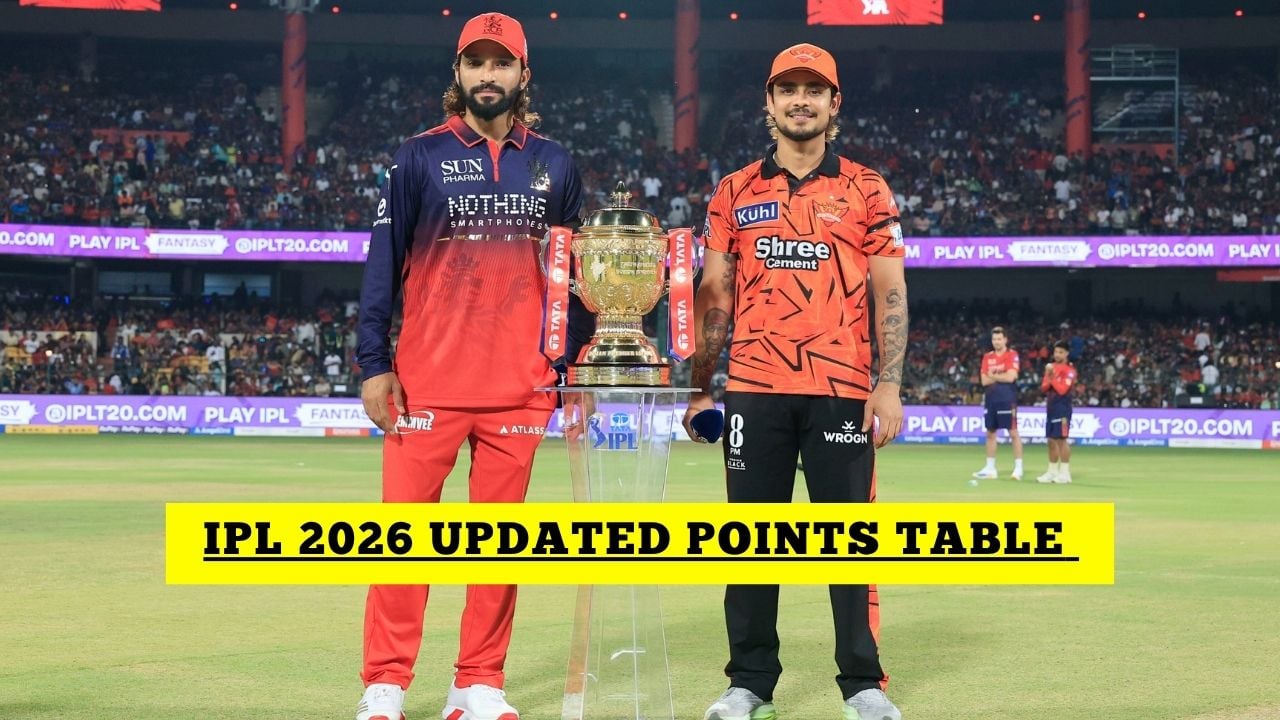
IPL Points Table 2026: Updated Standings, Orange Cap, Purple Cap After RCB vs SRH Match 1
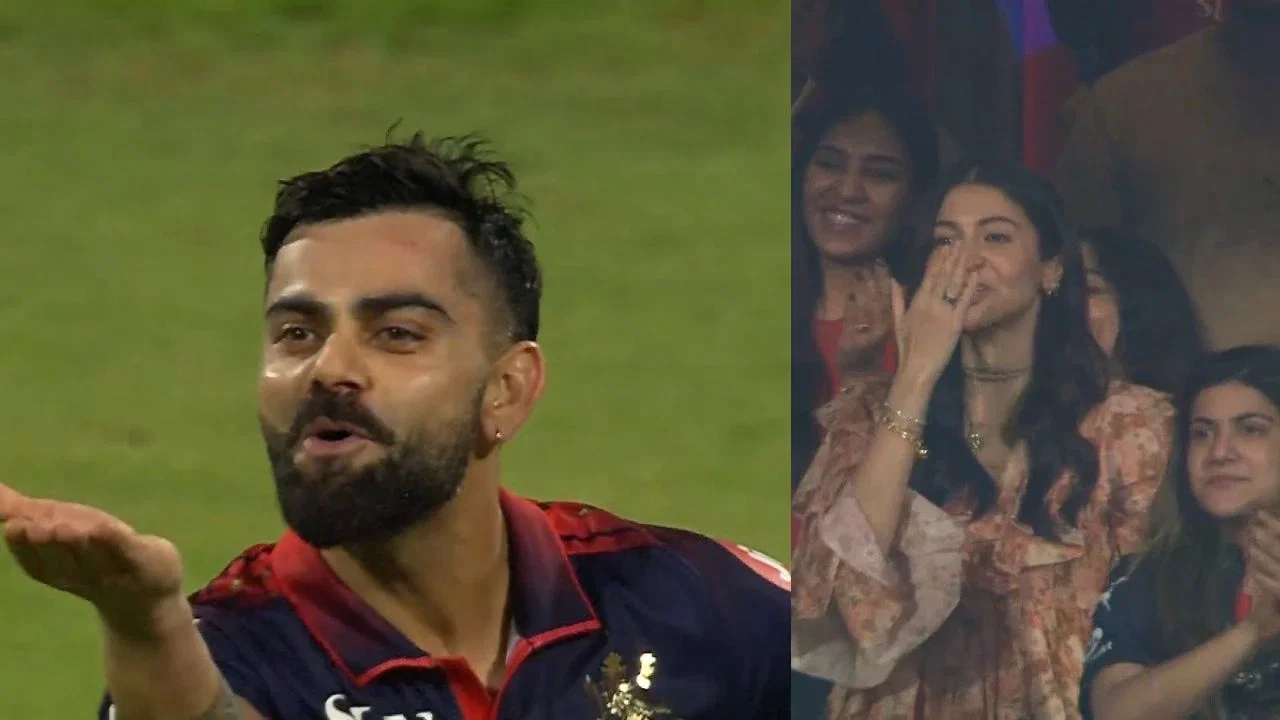
Virat Kohli, Anushka Sharma share adorable flying kiss moment after RCB vs SRH clash
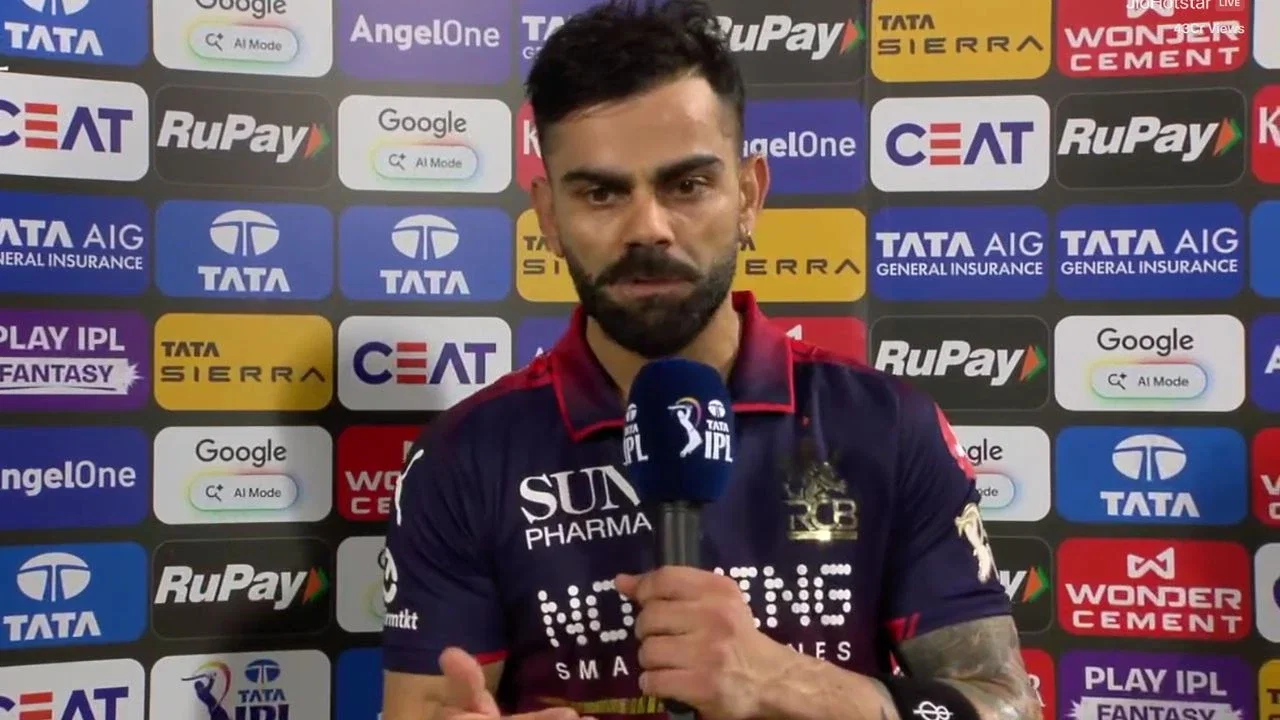
“Absolutely world-class”: Virat Kohli backs Devdutt Padikkal for permanent Team India spot
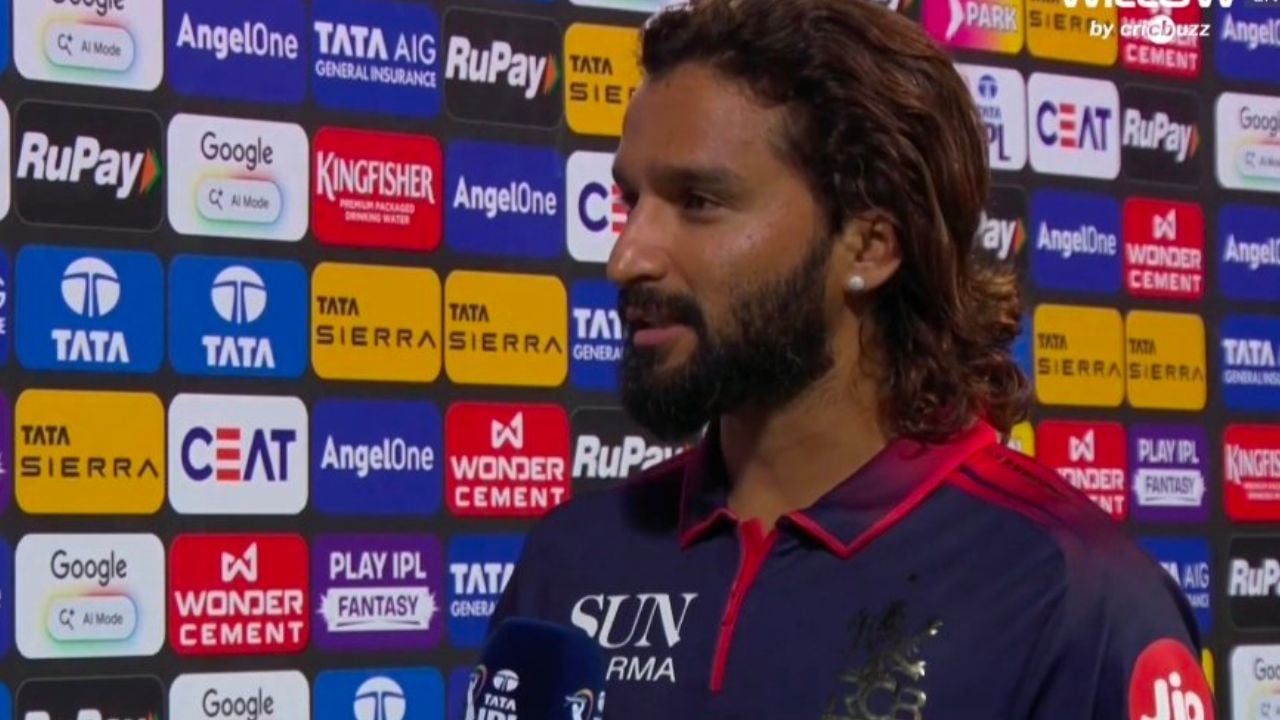
Rajat Patidar refuses to comment on Virat Kohli; Ishan Kishan admits enjoying after SRH’s loss to RCB

Mumbai Indians suffer blow! Mitchell Santner, Will Jacks ruled out of IPL 2026 games
MI vs KKR Match Prediction – Who Will Win Match No.2? | IPL 2026
Mumbai Indians Playing XI vs Kolkata Knight Riders Playing XI- Match No. 2 | IPL 2026
MI vs KKR Match 2 Preview: Free Live Streaming, Pitch & Weather Report, Head-to-Head | IPL 2026
Not English cricket! Jos Buttler credits IPL for his success as a cricketer
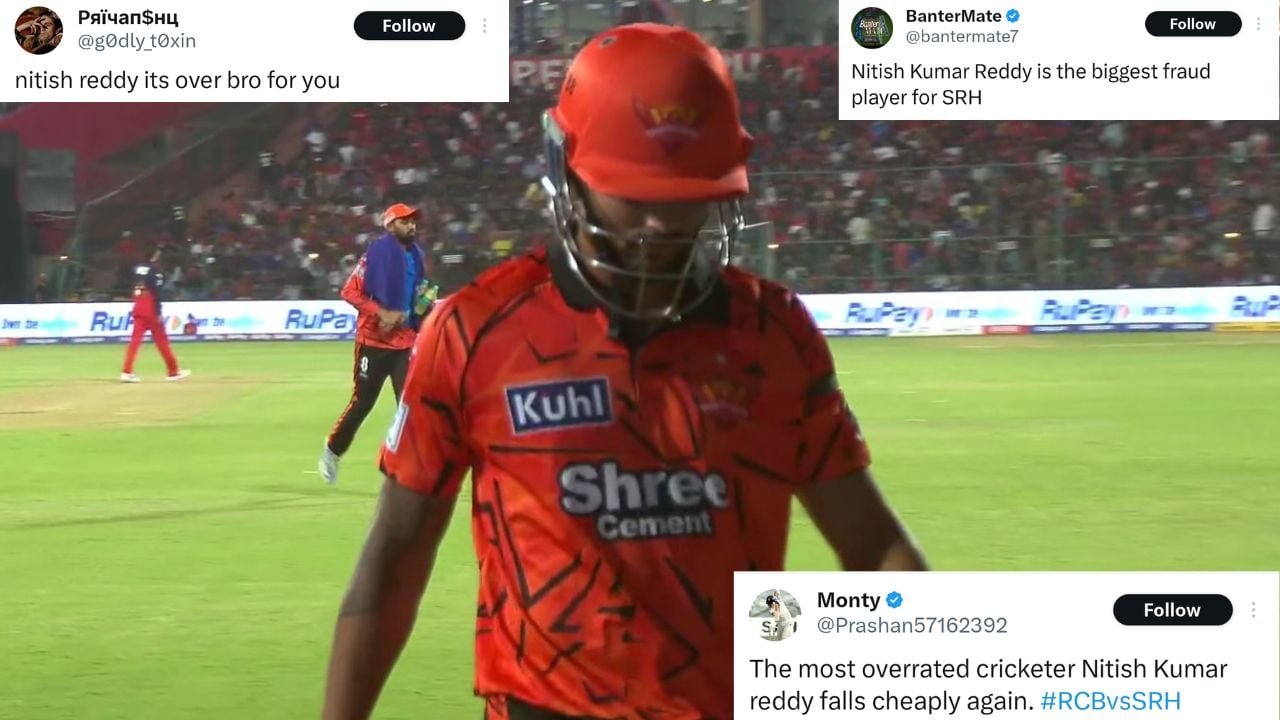
“Nitish Kumar Reddy is biggest fraud”: Fans fume as SRH star fails vs RCB in IPL 2026 opener
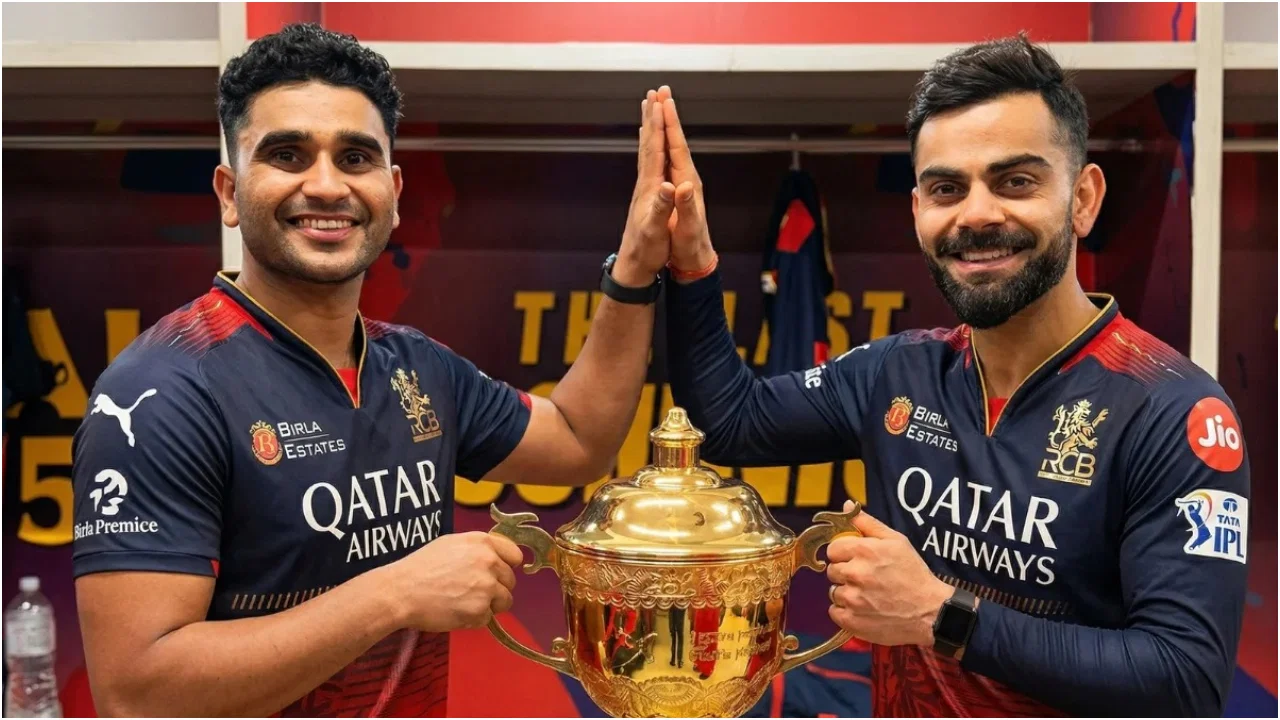
Who is Abhinandan Singh? The Virat Kohli troublemaker who made his IPL debut for RCB vs SRH
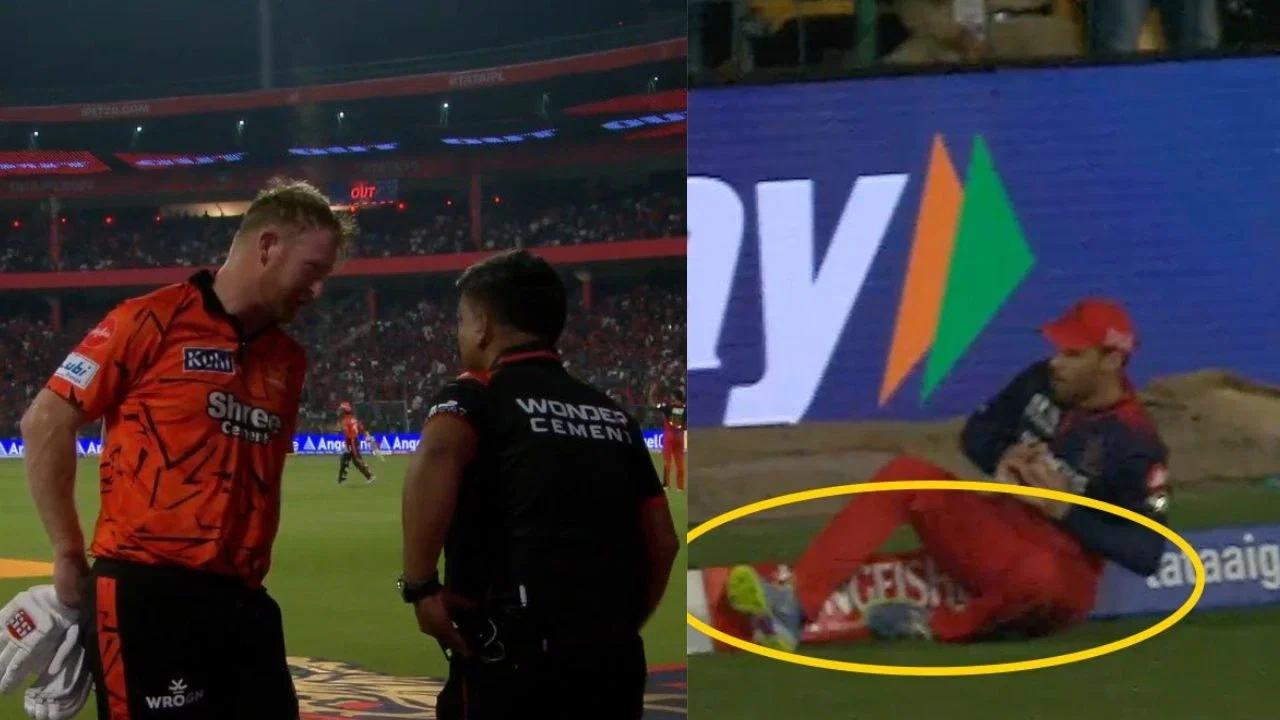
Heinrich Klaasen engages in heated chat with 4th umpire after Phil Salt’s controversial catch in IPL 2026
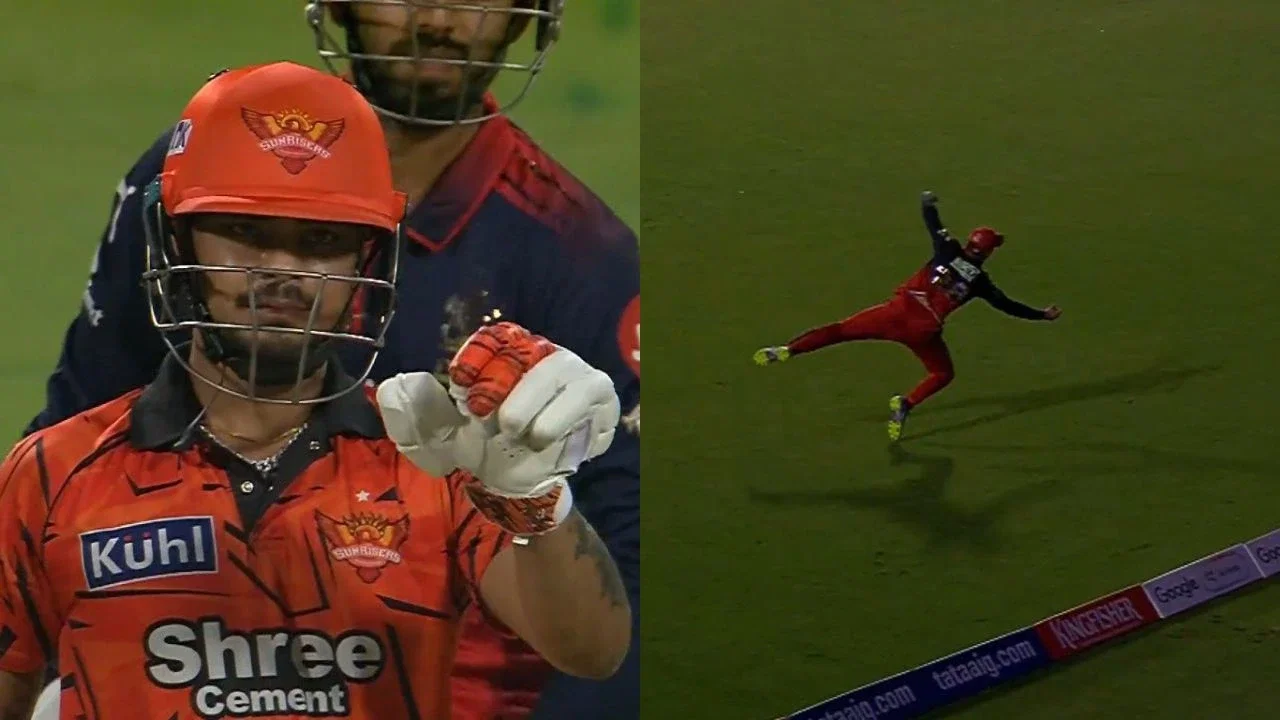
Phil Salt grabs one of the greatest catches in IPL history to dismiss Ishan Kishan
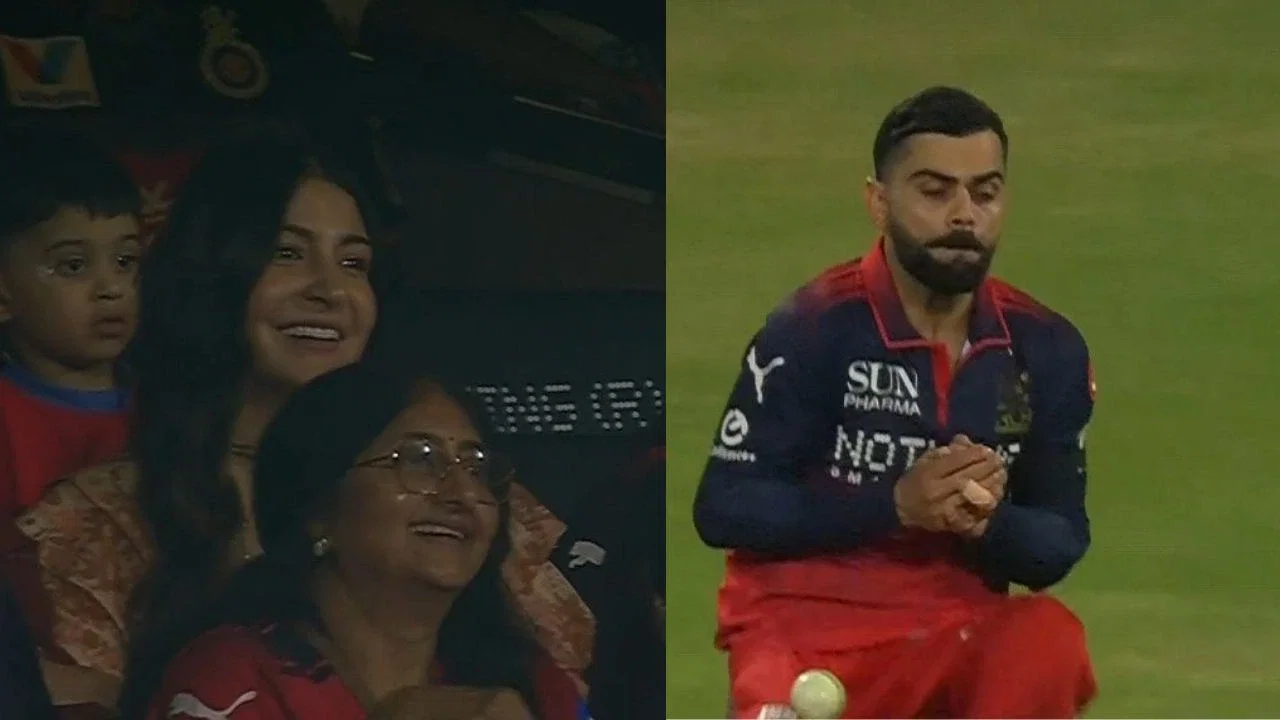
Anushka Sharma laughs as Virat Kohli drops a sitter in RCB vs SRH clash (Watch Video)

