“This will haunt them”: Shoaib Malik issues open threat to India over rejecting Asia Cup trophy
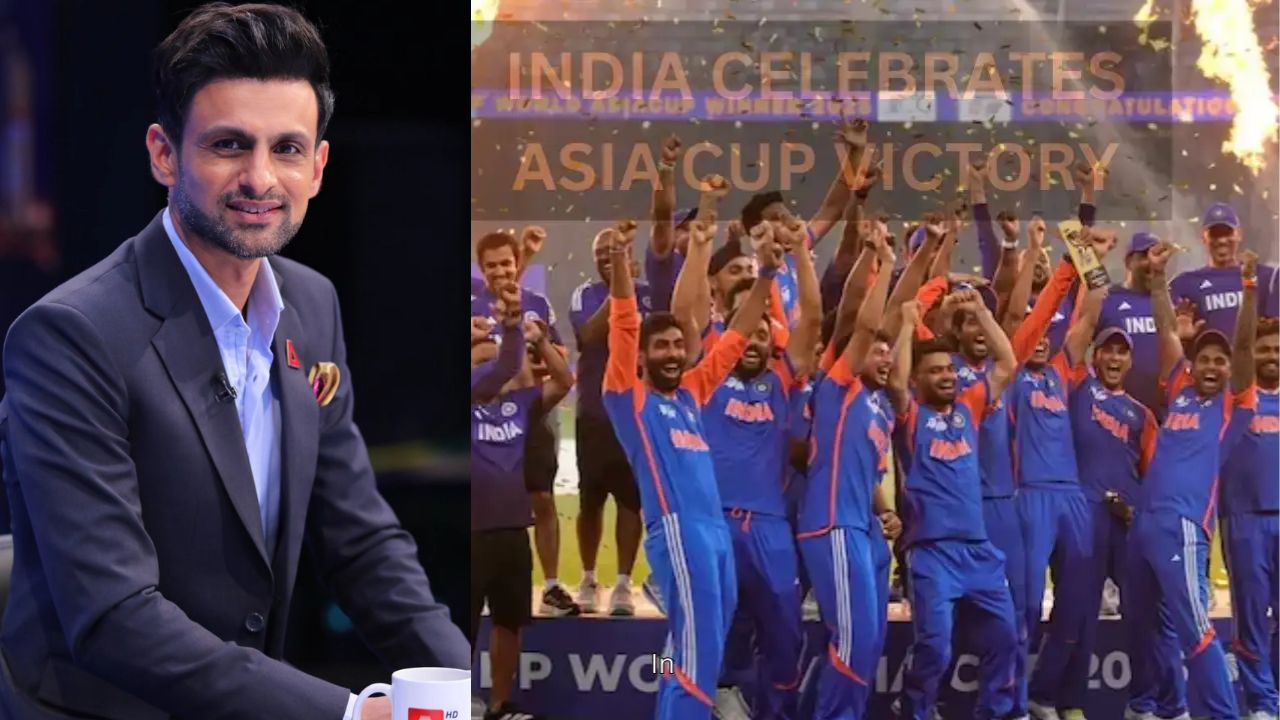
Pakistani Star Shoaib Malik Criticizes Indian Team’s Refusal to Accept Asia Cup Trophy
Former Pakistan skipper Shoaib Malik has shared his thoughts on the recent controversy surrounding the Indian cricket team’s decision not to accept the Asia Cup trophy from the hands of the Asian Cricket Council’s chief, Mohsin Naqvi. The incident took place after India defeated Pakistan to win their 9th Asia Cup title, making it the first time the two teams faced each other in the final of the continental championship.
Malik’s Criticism
Malik expressed his disappointment at the Indian team’s gesture, stating that the players’ hard work in winning the Asia Cup seemed to have gone in vain when they refused to accept the trophy. He highlighted the pressure and effort put in by the Indian players throughout the tournament and emphasized the significance of such a victory in a close match.
He warned that while the Indian players may be celebrating their victory now, the decision not to accept the trophy would eventually haunt them in the future. Malik believes that athletes and sportsmen are expected to give their best on the field and accept the rewards that come with their hard work.
Reasons Behind the Refusal
Reports from the Indian Express suggest that the immediate trigger for the Indian team’s refusal was Naqvi’s social media activity. He reposted images that were derogatory and insulting to the Indian side, including posts featuring Pakistani cricketers in flight suits with images of fighter jets in the background. This, along with previous posts during the tournament, led to the Indian team’s decision not to accept the trophy from Naqvi.
BCCI’s Response
In response to the controversy, the Board of Control for Cricket in India (BCCI) announced a significant prize money of INR 21 Crore for the Indian team and support staff who were part of the winning squad in the Asia Cup. The move was seen as a way to appreciate the efforts of the players and compensate for the refusal to accept the trophy.
As the debate continues, the impact of the Indian team’s decision not to accept the Asia Cup trophy remains a topic of discussion among fans and experts. While some view it as a stand against perceived injustices, others believe that accepting the trophy would have been a fitting end to their hard-fought victory.
In the world of cricket, where sportsmanship and respect are highly valued, the aftermath of the Asia Cup final has left a mark on the Indian team’s reputation. Only time will tell whether Shoaib Malik’s prediction of the decision haunting the Indian players in the future will come true.
Impact on Indian Cricket
The controversy surrounding the Indian team’s refusal to accept the Asia Cup trophy has sparked debates not only among fans but also within the cricketing community. The decision has raised questions about sportsmanship, national pride, and the role of social media in modern sports.
By choosing not to accept the trophy, the Indian team made a bold statement that transcended the boundaries of the cricket field. It showcased their unity and solidarity in the face of what they perceived as disrespect towards their country. The move highlighted the team’s commitment to upholding their values and standing up against any form of perceived injustice.
Social Media and Sports Diplomacy
The role of social media in shaping sports diplomacy has become increasingly significant in today’s interconnected world. The incident involving Mohsin Naqvi’s social media posts and the Indian team’s response underscores the impact of online interactions on real-world relationships and sporting events.
Sports have often been considered a platform for fostering goodwill and understanding between nations. However, the misuse of social media by officials or individuals associated with the sport can inadvertently strain diplomatic ties and escalate tensions between rival teams. Moving forward, governing bodies may need to establish guidelines to prevent such incidents from affecting the spirit of the game.
Lessons in Sportsmanship
While the aftermath of the Asia Cup final may have cast a shadow on the Indian team’s victory, it also offers valuable lessons in sportsmanship and resilience. The incident serves as a reminder that true sportsmanship is not just about winning on the field but also about conducting oneself with integrity and grace in the face of adversity.
By standing by their principles and refusing to compromise their values, the Indian team has shown that there are more important things in sports than just silverware. The episode has reinforced the idea that sports can be a powerful platform for promoting positive values and fostering mutual respect among competitors.
Looking Ahead
As the cricketing world reflects on the Asia Cup controversy, it is clear that the repercussions of the Indian team’s decision will be felt for some time. The incident has sparked discussions on a wide range of issues, from sports ethics to social media conduct, and has prompted stakeholders to reevaluate their approaches to similar situations in the future.
While Shoaib Malik’s prediction of the decision haunting the Indian players remains speculative, one thing is certain – the incident has left a lasting impact on the cricketing community. It serves as a reminder that sports are not just about winning trophies but also about upholding values that transcend the boundaries of the playing field.
Ultimately, the Asia Cup controversy has opened up new conversations about sportsmanship, diplomacy, and the evolving landscape of modern cricket. It offers a chance for introspection and growth within the sport, encouraging players and officials to navigate future challenges with integrity and respect for the game.
Latest News
Shubman Gill out? Virat Kohli’s Test comeback as captain suggested by CSK legend
Jason Gillespie gives major update on Glenn Maxwell’s availability for PSL 2026
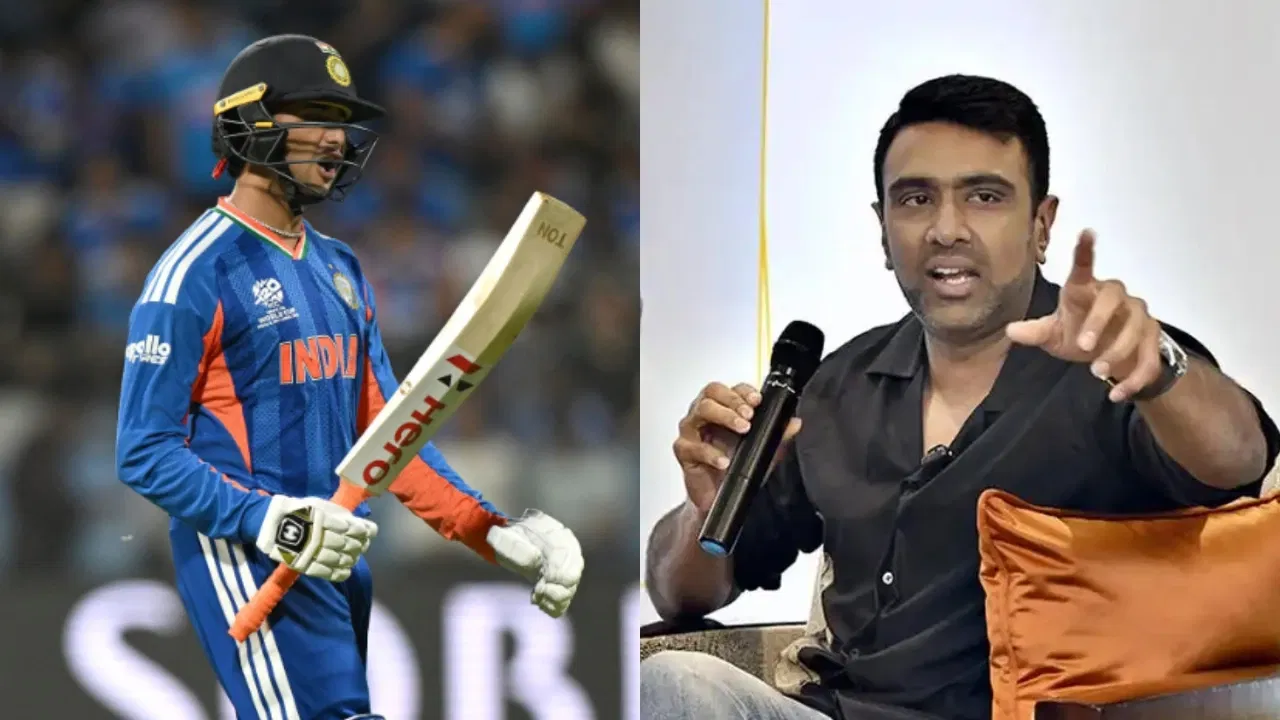
‘I’m a big fan but…’: Ravichandran Ashwin criticises Abhishek Sharma after failure vs RCB.
LHQ vs KRK Match Prediction, Pitch & Weather Report, Playing XIs, Head-to-Head, Free Live Streaming – PSL 2026 Match 6
IPL teams on alert!: Sri Lanka fitness crisis sees almost 50% players fail tests
Ben Duckett in trouble? Sunil Gavaskar pushes BCCI for tougher punishment
MS Dhoni faking injury? Michael Vaughan suspects ‘strategic manoeuvre’ in CSK camp for IPL 2026
KKR coach criticises Impact Player rule, provides huge Matheesha Pathirana update
Sam Curran reveals private chat with Brendon McCullum after England axing
Ravichandran Ashwin brutally teased by Virender Sehwag on IPL 2026 debut
Virat Kohli’s ego under spotlight! Ex-KKR star makes bold claim after heroics vs SRH
Jay Shah rises to No. 22 among most powerful people in India in 2026; Virat Kohli, Gautam Gambhir included

SRH suffer huge blow! Daniel Vettori confirms another overseas pacer injured amid crisis
IPL Points Table 2026: Updated Standings, Orange Cap, Purple Cap After RCB vs SRH Match 1