

Tilak Varma attacks Gautam Gambhir haters, throws Axar Patel’s success in their faces
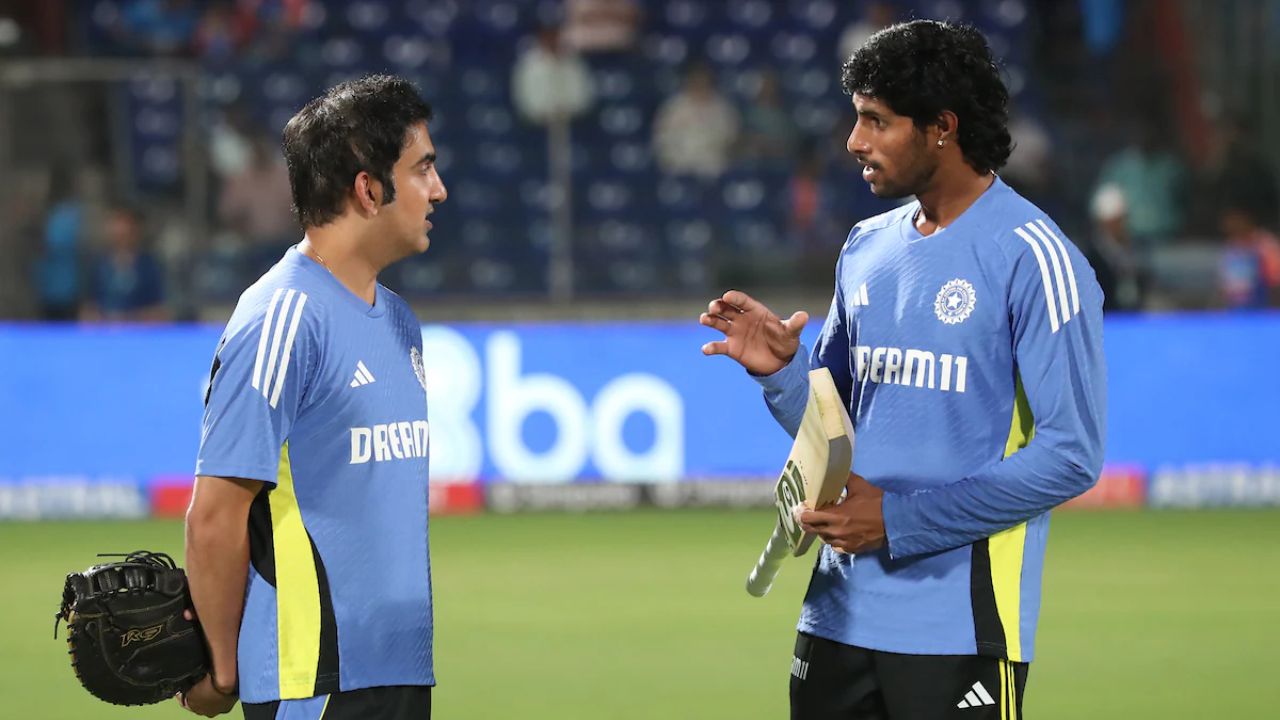
Tilak Varma Shares Insights on India’s Batting Strategies
Young Indian batsman Tilak Varma recently shed light on the batting strategies employed by skipper Suryakumar Yadav and head coach Gautam Gambhir ahead of the crucial third T20I against South Africa. Varma emphasized the team’s unity in prioritizing the collective goal over individual preferences, expressing his readiness to adapt to any batting position.
Flexibility Amid Criticism
Amid criticism for frequently altering the batting order in T20Is, India surprised many by promoting Axar Patel to No. 3 during the second T20I against South Africa. However, the move did not yield the desired results as Patel struggled to score only 21 runs off 21 balls while chasing a target of 214.
Varma, backing India’s decision to shuffle the batting order, emphasized the team’s flexibility and his personal willingness to bat at any position between No. 3 and No. 6. “Absolutely, everyone is flexible except the openers. I’m ready to bat at No. 3, 4, 5, or 6, wherever the team wants me. Everyone knows the batting order is flexible,” Varma stated.
Varma’s Versatility
Varma’s adaptability was on full display as he entered the crease at No. 5 during the second T20I and amassed 62 runs from just 34 deliveries, including five sixes and two fours. His track record shows success at various positions – scoring 443 runs at a strike rate of 169.73 at No. 3, 490 runs at a strike rate of 128.60 at No. 4, and 110 runs at a strike rate of 144.73 at No. 5.
Team-First Mentality
Citing Axar Patel’s impactful performance in last year’s T20 World Cup final, Varma stressed the importance of prioritizing the team’s needs over individual preferences. He highlighted the willingness of all batters, except the openers, to adjust their roles based on the match situation, echoing the sentiment of being ready to bat anywhere for the team.
Yadav’s Perspective
Following the T20I opener, Suryakumar Yadav reaffirmed India’s middle order’s adaptability, emphasizing the need for flexibility between No. 3 and No. 6. Yadav emphasized the value of having players who can fulfill various roles depending on the game’s demands, stating that such versatility is an asset to the team.
Upcoming Decisive Match
With the series tied at 1-1, India and South Africa are gearing up for the crucial third T20I. Scheduled for Sunday, December 14, in Dharamsala, the match holds significance as India aims to secure a series victory. Dharamsala, where India faced their only T20I defeat against South Africa in 2015, sets the stage for an intense battle between the two cricketing giants.
Overall, the insights shared by Tilak Varma provide a glimpse into India’s strategic approach to batting in the upcoming match, emphasizing adaptability, unity, and the team’s collective mentality towards achieving success.
Key Factors in India’s Batting Strategies
India’s approach to batting in T20Is is shaped by a variety of factors, including the conditions of the pitch, the opposition’s bowling attack, and the match situation. The team’s flexibility in adjusting the batting order reflects a willingness to adapt to the ever-changing dynamics of the game. By showcasing versatility and readiness to take on different roles, players like Tilak Varma exemplify the team’s commitment to putting the collective goal above individual achievements.
The Psychological Aspect of Batting
Batting in cricket is not just about physical skills but also involves a significant psychological component. The ability to remain composed under pressure, make quick decisions, and adapt to varying circumstances is crucial for success. By fostering a team-first mentality, India’s batting lineup aims to create a cohesive and resilient unit that can tackle challenges head-on and perform consistently in high-stakes situations.
Strategic Thinking and Game Awareness
Understanding the strategic nuances of the game and being aware of the opposition’s strengths and weaknesses are essential for making informed decisions on the field. India’s batting strategies are underpinned by a deep analysis of the game, meticulous planning, and the ability to think on their feet. By staying proactive and constantly evaluating their approach, the team seeks to stay ahead of the curve and outmaneuver their opponents.
The Role of Leadership in Shaping Batting Strategies
Effective leadership, as demonstrated by skipper Suryakumar Yadav and head coach Gautam Gambhir, plays a pivotal role in shaping India’s batting strategies. Their guidance, tactical acumen, and ability to inspire confidence in the team are instrumental in fostering a positive and winning mindset. By instilling a sense of unity, purpose, and determination, the leadership team sets the tone for a cohesive and competitive batting lineup.
Looking Ahead: The Importance of Adaptability
As India prepares for the decisive third T20I against South Africa, the ability to adapt and thrive under pressure will be paramount. The team’s willingness to experiment with different batting orders, embrace new challenges, and learn from past experiences positions them well for success. By staying agile, open-minded, and focused on the collective goal, India aims to clinch victory and showcase their prowess on the international stage.
Conclusion
In conclusion, India’s batting strategies are anchored in adaptability, unity, and a team-first mentality. By leveraging the versatility and skills of individual players like Tilak Varma, the team aims to build a formidable batting lineup that can navigate the complexities of modern cricket. As the crucial third T20I approaches, India’s strategic approach to batting will be put to the test, highlighting the team’s resilience, strategic acumen, and unwavering commitment to success.
Stay tuned as India takes on South Africa in a high-stakes showdown that is sure to captivate cricket fans worldwide.
Latest News
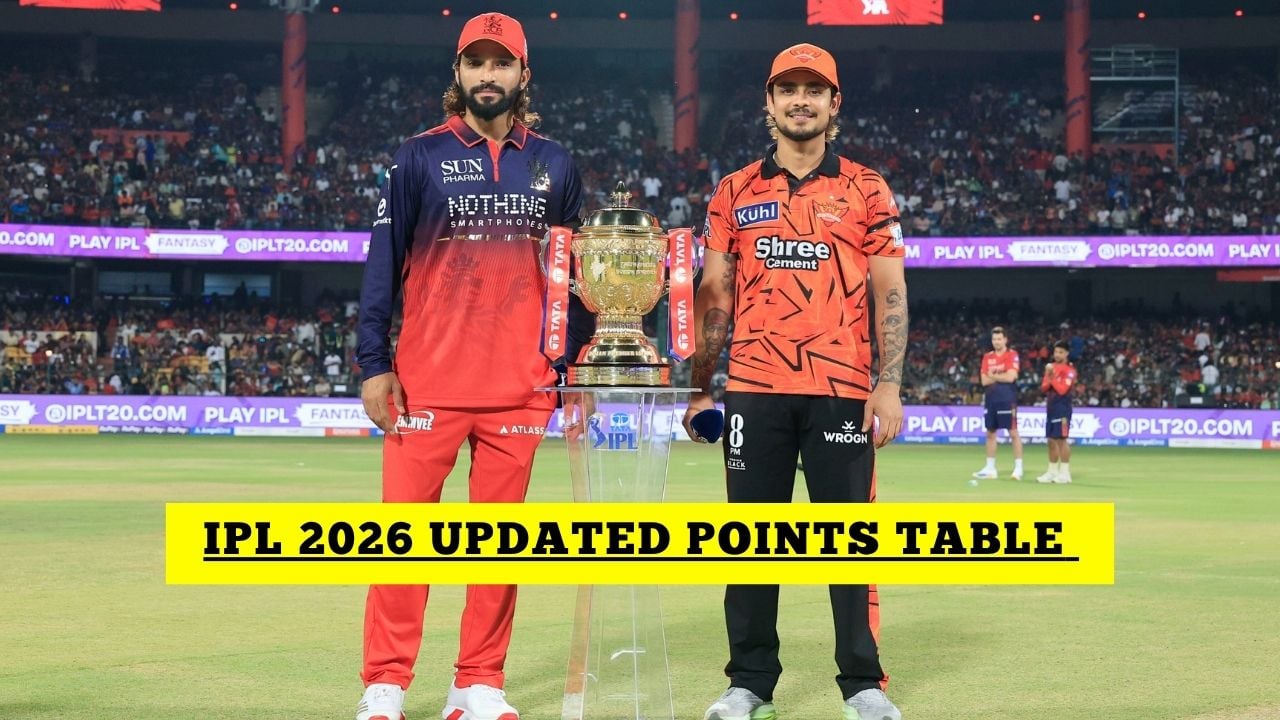
IPL Points Table 2026: Updated Standings, Orange Cap, Purple Cap After RCB vs SRH Match 1
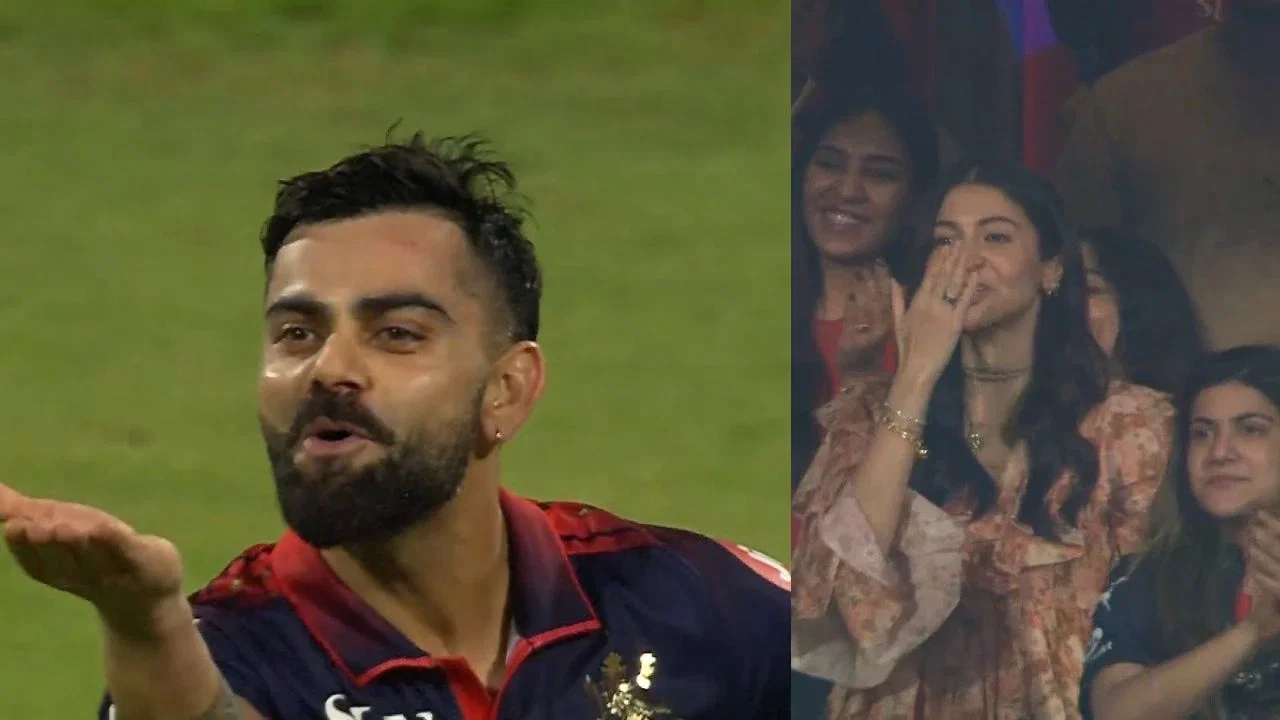
Virat Kohli, Anushka Sharma share adorable flying kiss moment after RCB vs SRH clash
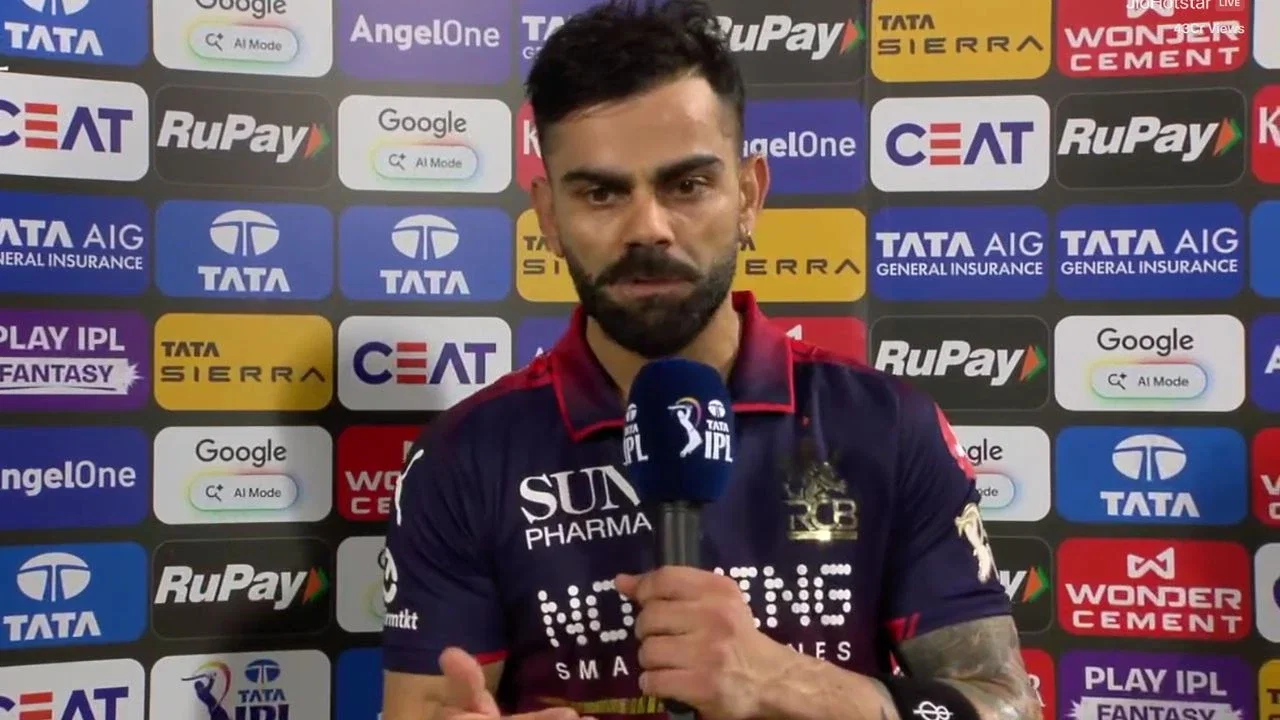
“Absolutely world-class”: Virat Kohli backs Devdutt Padikkal for permanent Team India spot
Rajat Patidar refuses to comment on Virat Kohli; Ishan Kishan admits enjoying after SRH’s loss to RCB

Mumbai Indians suffer blow! Mitchell Santner, Will Jacks ruled out of IPL 2026 games
MI vs KKR Match Prediction – Who Will Win Match No.2? | IPL 2026
Mumbai Indians Playing XI vs Kolkata Knight Riders Playing XI- Match No. 2 | IPL 2026
MI vs KKR Match 2 Preview: Free Live Streaming, Pitch & Weather Report, Head-to-Head | IPL 2026

Not English cricket! Jos Buttler credits IPL for his success as a cricketer

“Nitish Kumar Reddy is biggest fraud”: Fans fume as SRH star fails vs RCB in IPL 2026 opener
Who is Abhinandan Singh? The Virat Kohli troublemaker who made his IPL debut for RCB vs SRH
Heinrich Klaasen engages in heated chat with 4th umpire after Phil Salt’s controversial catch in IPL 2026
Phil Salt grabs one of the greatest catches in IPL history to dismiss Ishan Kishan
Anushka Sharma laughs as Virat Kohli drops a sitter in RCB vs SRH clash (Watch Video)

