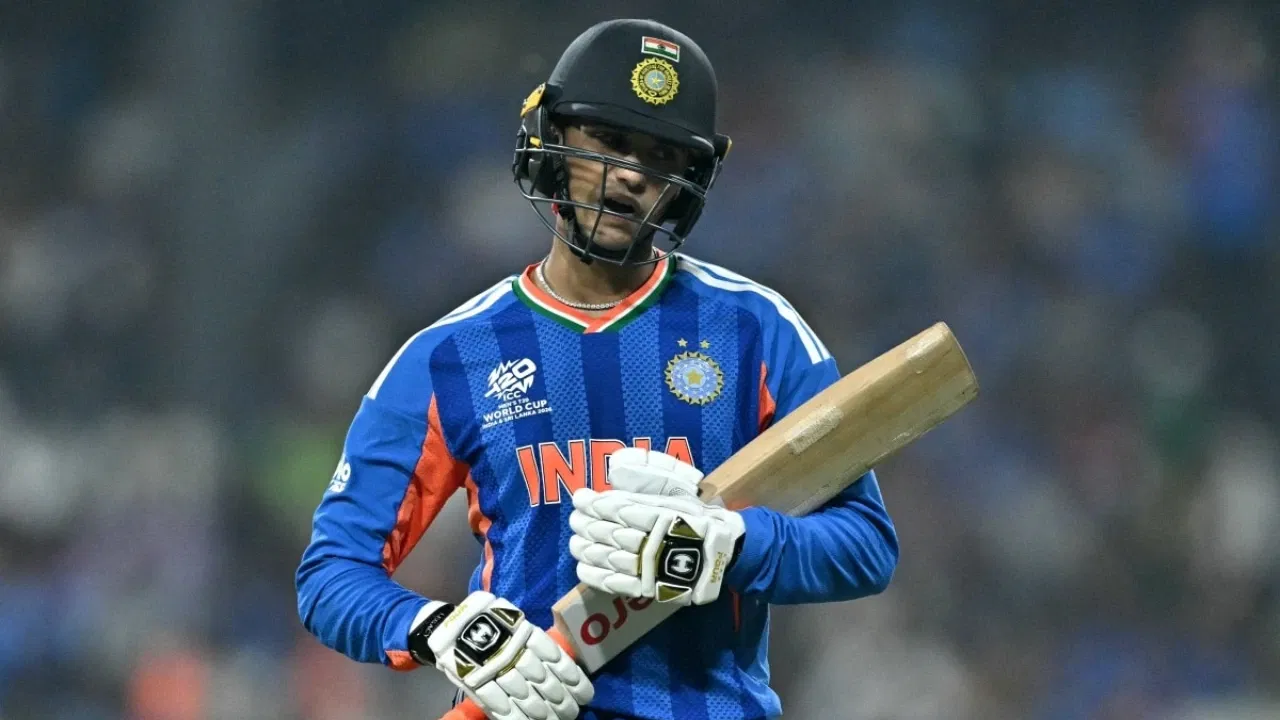
“Toh vo khel kyu raha hai?” Mohammad Hafeez slams Miks Hesson for Babar Azam’s role in team
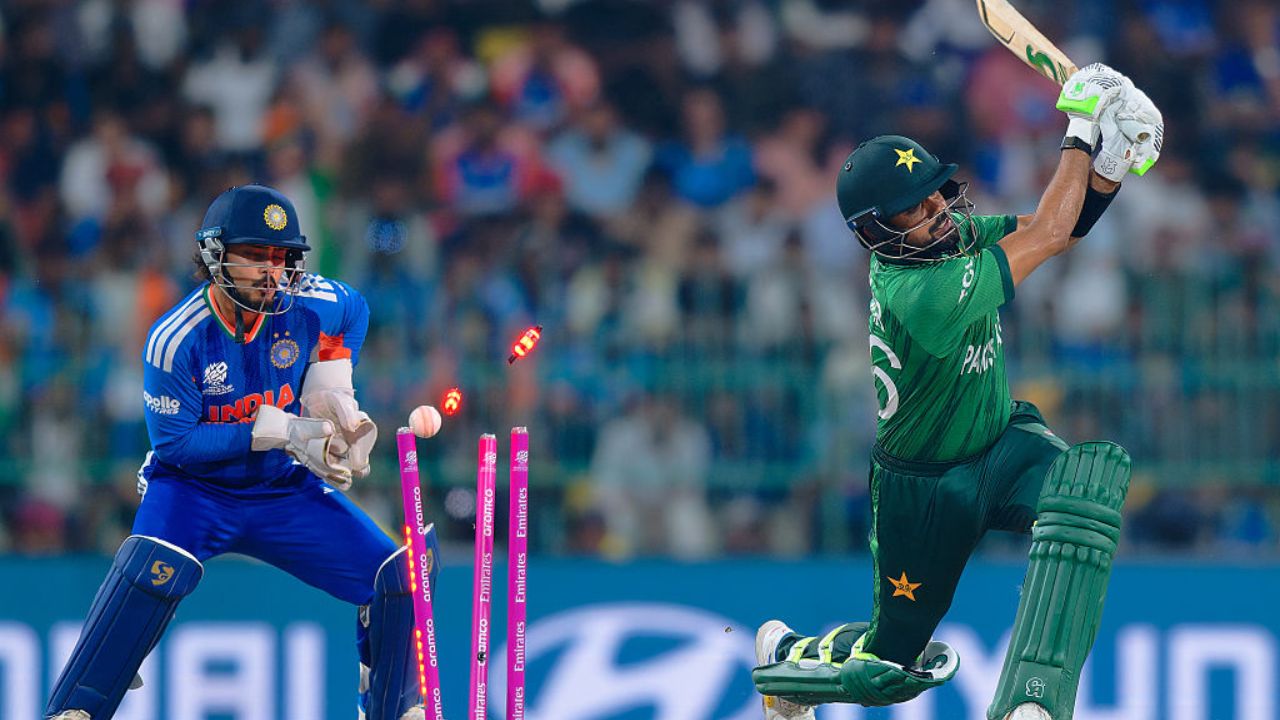
Former Pakistan Captain Mohammad Hafeez Criticizes Coach Mike Hesson Over Babar Azam’s Strike Rate
In a recent controversy, former Pakistan cricket captain Mohammad Hafeez has publicly criticized the head coach of Pakistan’s men’s cricket team, Mike Hesson, for his comments on Babar Azam’s strike rate. Hafeez expressed his confusion and disagreement with Hesson’s remarks, stating that they made no sense to him.
Background: The Issue Surrounding Babar Azam
The criticism stemmed from comments made by Mike Hesson regarding Babar Azam’s performance in T20 matches. Hesson suggested that Azam’s strike rate might not be suitable for top-order batting when the team needs to score quickly. This led to a heated exchange between Hafeez and Hesson during a discussion on Game On Hai.
Following a disappointing loss to Team India, Pakistan was under pressure to perform well against Namibia. During the crucial match, Sahibzada Farhan shone with a brilliant century, while Babar Azam, who was expected to bat at number 4, did not get the chance to bat due to a decision made by the team management.
Hesson’s Criticism of Azam’s Role in the Team
Despite Pakistan’s victory over Namibia, questions still lingered about Babar Azam’s role in the team. Hesson pointed out that Azam’s strike rate in the powerplay during T20 World Cups is less than 100, which might not be ideal for the team’s strategy. He mentioned that Azam’s role primarily lies in providing stability in the middle overs rather than the early or late stages of the game.
Hafeez, on the other hand, raised concerns about the logic behind Hesson’s comments. He questioned why Babar Azam was included in the playing combination if his style of play did not align with the team’s strategy. Hafeez expressed his confusion over the situation and sought clarity on the matter.
Looking Ahead: Resolving the Conflict
The clash of opinions between Mohammad Hafeez and Mike Hesson has brought attention to the dynamics within the Pakistan cricket team. As the team navigates through various challenges and performances, the role of key players like Babar Azam becomes a focal point of discussion.
It remains to be seen how the team management addresses the concerns raised by Hafeez and Hesson and how they plan to utilize Azam’s skills effectively in future matches. The debate around strike rates, batting positions, and overall team strategy continues to evolve, shaping the narrative of Pakistan’s cricketing journey.
Stay tuned for more updates on this developing story as Pakistan’s men’s cricket team strives for success amidst internal critiques and external pressures.
Analysis of the Criticism
Delving deeper into the criticism from Mohammad Hafeez, it highlights a broader debate within the cricketing world about the balance between strike rate and stability in a team’s batting lineup. While a high strike rate is often celebrated in T20 cricket for its ability to score quickly, it is essential to acknowledge the importance of anchoring the innings and providing stability during crucial phases of the game.
Babar Azam, known for his technically sound batting and ability to build an innings, brings a different dimension to Pakistan’s batting lineup. His role as a stabilizing force in the middle overs can be invaluable in setting up a platform for explosive hitters to capitalize on later in the innings. Understanding and leveraging each player’s strengths within a team’s strategy is crucial for success in modern cricket.
Strategic Considerations for Team Management
As Pakistan’s coaching staff navigates the complexities of team selection and strategy formulation, finding the right balance between aggression and stability becomes paramount. The discussion around Babar Azam’s role sheds light on the strategic decisions that teams must make to optimize their batting order and maximize their chances of success in different match situations.
It is crucial for team management to communicate effectively with players like Azam, ensuring that they understand their roles and responsibilities within the team’s overall game plan. By aligning individual strengths with collective objectives, teams can create a cohesive and effective unit capable of tackling diverse challenges on the field.
Implications for Babar Azam and Team Pakistan
For Babar Azam, the criticism and scrutiny surrounding his strike rate present an opportunity for introspection and growth. While Azam’s talent and potential as a batsman are undeniable, adapting to the evolving demands of T20 cricket and refining his approach to suit the team’s needs will be crucial for his long-term success.
As the face of Pakistan’s batting lineup, Azam’s ability to evolve as a player and contribute effectively in various match scenarios will be closely monitored by fans, pundits, and selectors alike. How Azam responds to the feedback and adjusts his game could have far-reaching implications for Pakistan’s fortunes in international cricket.
Conclusion: Navigating the Controversy
Ultimately, the controversy surrounding Babar Azam’s strike rate underscores the nuanced nature of decision-making in cricket and the inherent tensions between individual brilliance and team requirements. As Pakistan’s men’s cricket team continues its journey in the international arena, finding the right balance between innovation and tradition, aggression and stability, will be key to achieving sustained success.
While debates and disagreements are inevitable in the world of sports, it is essential for all stakeholders to approach them with an open mind, a spirit of collaboration, and a shared commitment to the team’s objectives. As the dust settles on this particular episode, the focus shifts back to the cricket field, where performances will ultimately speak louder than words.
For the latest updates on the evolving dynamics of Pakistan’s men’s cricket team and the ongoing saga surrounding Babar Azam’s role, stay tuned to our coverage for in-depth analysis and insights into the world of cricket.
Latest News

Dancer Yuzvendra Chahal steals the show at Shikhar Dhawan’s wedding
Quinton de Kock opens up on heartbreaking loss against India in T20 World Cup 2024
“Toh vo khel kyu raha hai?” Mohammad Hafeez slams Miks Hesson for Babar Azam’s role in team
Sanju Samson to replace Tilak Varma in India Playing XI vs South Africa
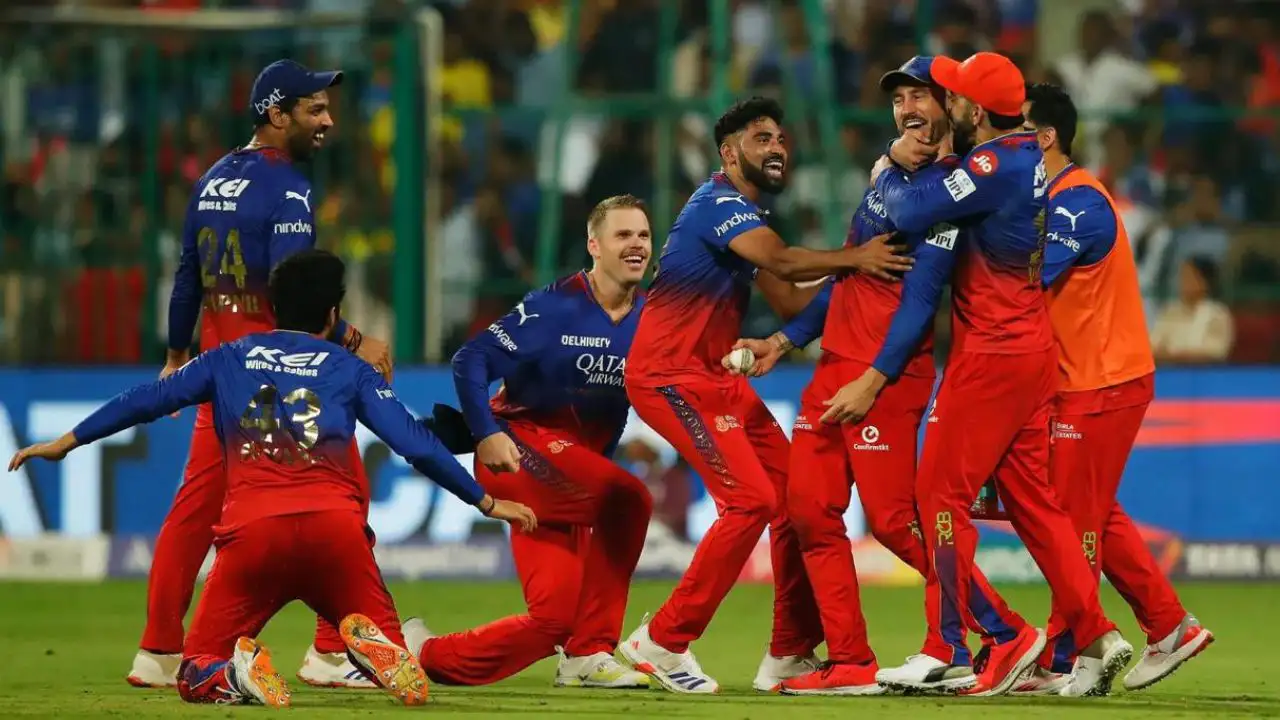
Ex-RCB star all set to retire from international cricket after T20 World Cup
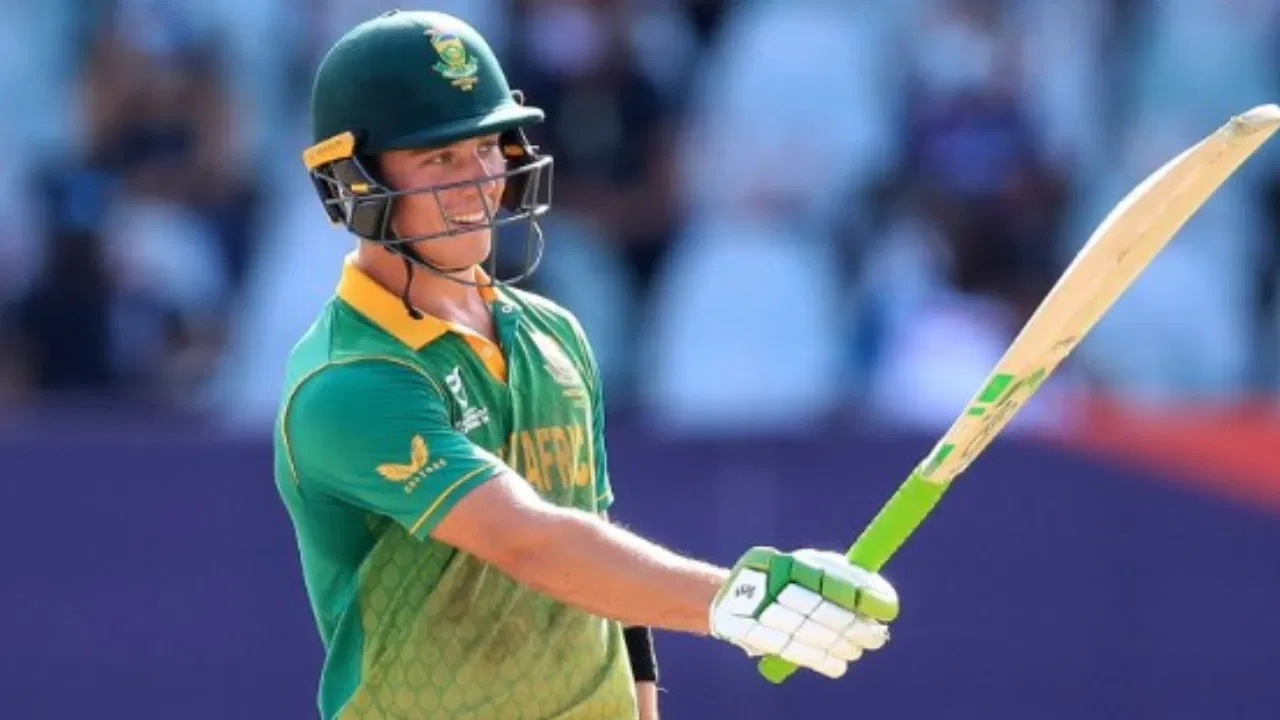
South Africa coach opens up on Dewald Brevis’ poor form ahead of India clash
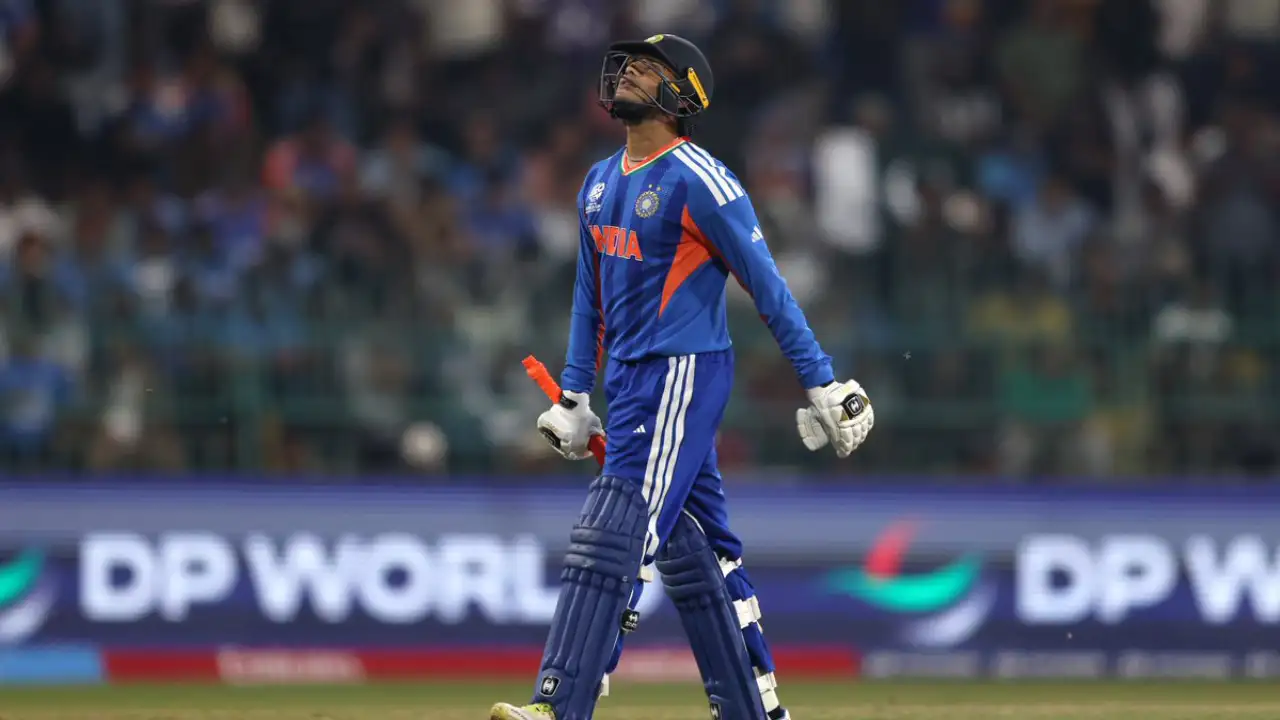
Ashwell Prince reacts to Abhishek Sharma’s poor form

Gautam Gambhir uncomfortable? Suryakumar Yadav breaks silence on pressure inside camp amid T20 World Cup 2026
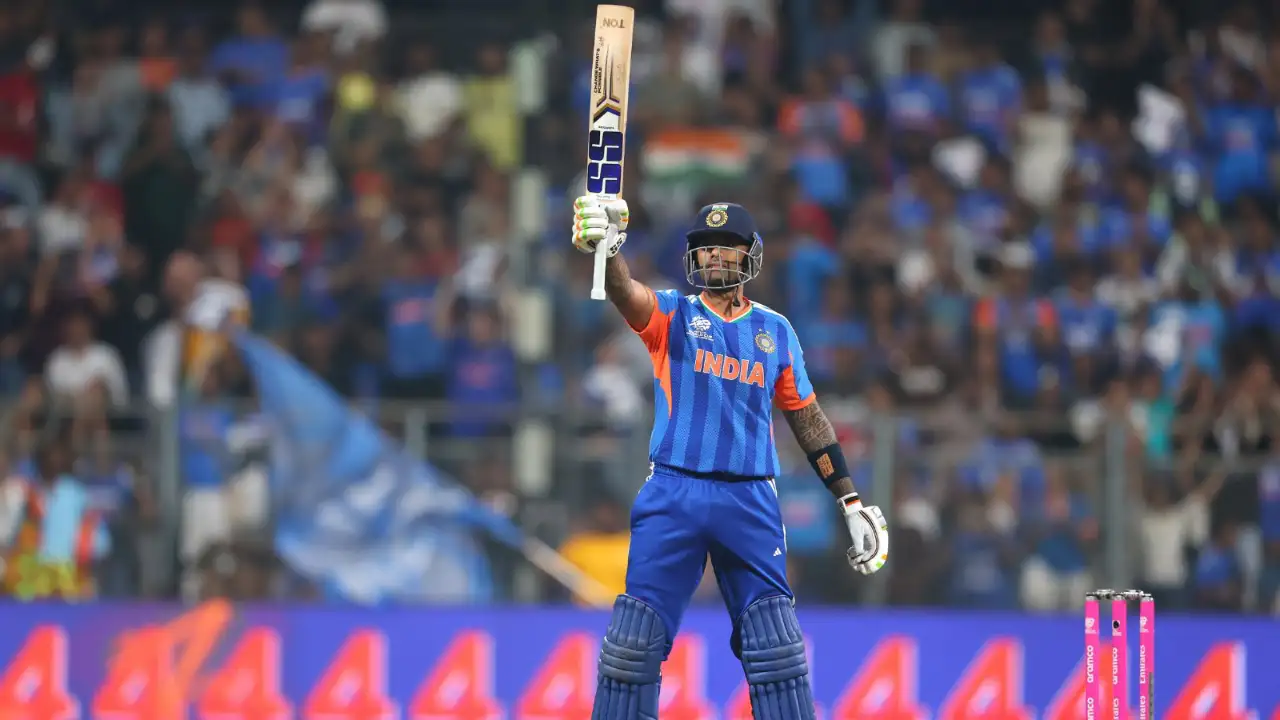
Suryakumar Yadav features as ICC officially announces Player of the Month nominees for January 2026
England Playing XI vs Sri Lanka Playing XI, Match No.42, Super 8s Group 2 – ICC T20 World Cup 2026
ENG vs SL Match Prediction: Who Will Win Game No.42? ICC T20 World Cup 2026
ENG vs SL Match No.42 Preview: Free Live Streaming, Pitch & Weather Report, Head-to-Head, Playing XIs | ICC T20 World Cup 2026
Ravi Shastri flags ‘unfair advantage’ for South Africa ahead of India clash
A positive that Abhishek Sharma has got three zeros: Ravi Shastri offers bizarre verdict on India opener’s poor form