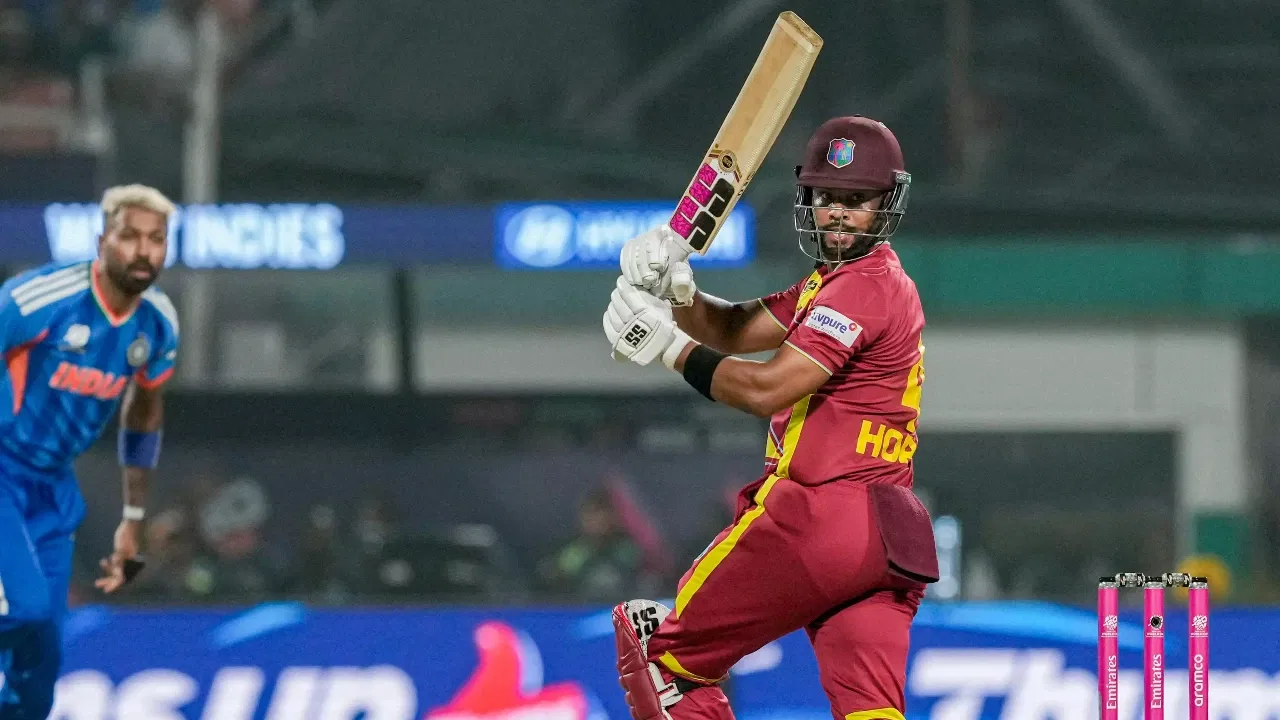
Toss curse and dew danger looms large over India’s Vizag decider against South Africa
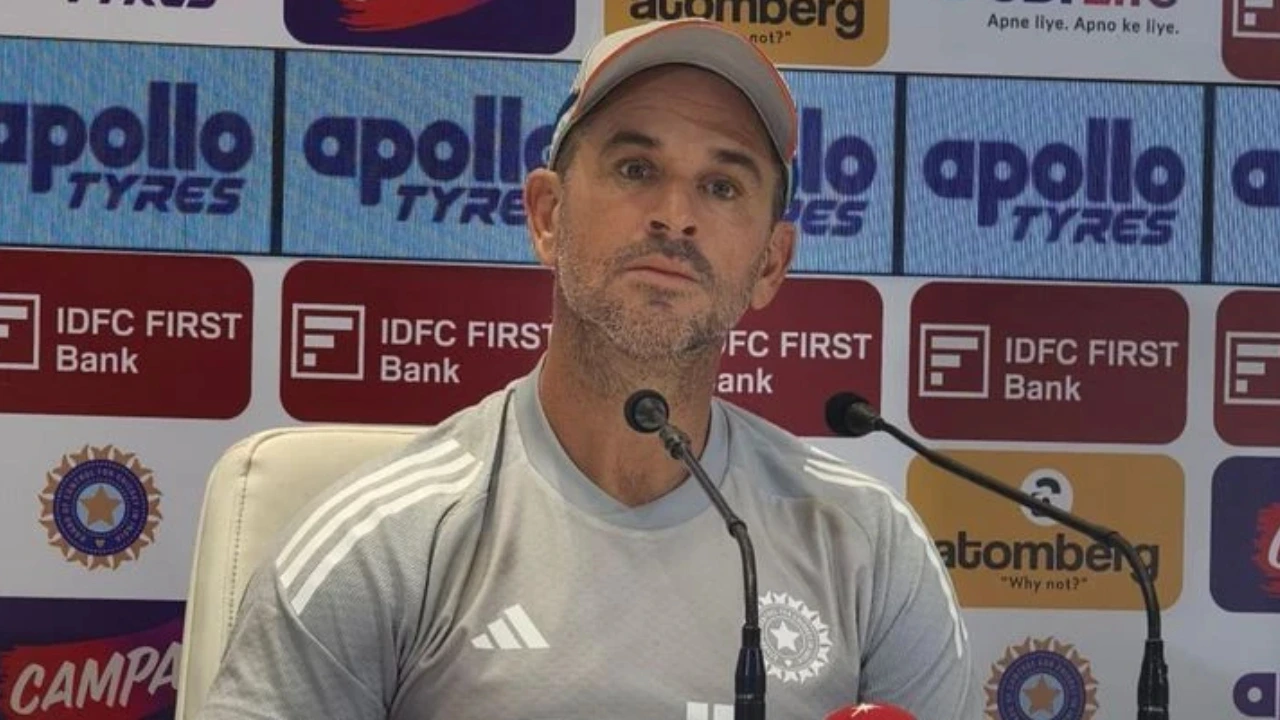
Ryan ten Doeschate Reveals Dew Factor’s Influence in India vs. South Africa ODI Series
India’s assistant coach, Ryan ten Doeschate, recently opened up about how the dew factor has been impacting the matches in the ongoing three-match ODI series between India and South Africa. The series has been a rollercoaster ride for both teams, with India winning the Ranchi thriller but losing the Raipur high-scoring game, leading to a 1-1 tie.
Decisive Match in Visakhapatnam
With the series now level at 1-1, all eyes are on the final match scheduled in Visakhapatnam on Saturday, December 6. Ryan ten Doeschate emphasized that once again, dew is expected to play a significant role in determining the outcome of the series decider. To counter this challenge, the Indian team is leaving no stone unturned in their preparations.
However, what has added an extra layer of difficulty for India is their extraordinary run of bad luck at the toss. The team has lost an unprecedented twenty tosses in a row, a statistical rarity that occurs only once in a million scenarios. Ryan ten Doeschate humorously mentioned that losing again in the series decider would almost push them into a two-million-to-one zone of bad luck.
Preparations and Strategies
During a pre-match press conference, Ryan ten Doeschate shared insights into the team’s preparations for the crucial Vizag clash. He mentioned that the team is actively training with wet balls to understand the changes in grip and tactics needed when dew comes into play on the field.
Moreover, Ryan highlighted a flaw in the new ball system introduced in ODI cricket, where teams now use only one ball after the 34th over. While the intention behind this rule change was to make batting more challenging by allowing the ball to age and soften, it poses challenges in dewy conditions. The coach stressed the importance of finding innovative solutions to cope with these challenges and adapt to the evolving dynamics of the game.
Looking Ahead
As the stage is set for the series decider in Visakhapatnam, India faces the dual challenge of combating the dew factor and overcoming their toss curse. Ryan ten Doeschate expressed confidence in the team’s ability to adapt and rise to the occasion, emphasizing the importance of being prepared for any obstacles that come their way on the field.
As fans eagerly anticipate the thrilling conclusion of the India vs. South Africa ODI series, all eyes will be on how India tackles the dew factor and navigates through the complexities of the game to emerge victorious in the series decider.
The Impact of Dew on Cricket Matches
The dew factor has been a longstanding challenge in cricket matches, especially in limited-overs formats like ODIs. Dew refers to the moisture that settles on the ground during the evening or night, making the outfield wet and affecting the ball’s grip and movement. This can significantly alter the playing conditions, making it challenging for bowlers to grip the ball properly and execute their deliveries with precision.
Teams often have to adjust their strategies and tactics to counter the impact of dew on the game. Bowlers may struggle to generate swing or spin, while fielders find it hard to grip the ball cleanly, leading to missed catches or fumbles. Batsmen, on the other hand, may benefit from the wet outfield as the ball skids off the surface, making stroke play easier and increasing scoring opportunities.
In high-pressure matches like the India vs. South Africa ODI series, where every run and wicket is crucial, the dew factor becomes even more critical in determining the outcome of the game. Teams must be prepared to deal with these challenges and adapt their gameplay accordingly to stay competitive and capitalize on any advantage they can gain.
Strategies to Counter the Dew Factor
To combat the dew factor, teams employ various strategies and tactics to minimize its impact on their performance. Bowlers may resort to using different grips or variations in their deliveries to maintain control over the ball. They may also focus on bowling tighter lines and lengths to limit scoring opportunities for the batsmen.
Fielding teams often resort to drying agents like towels or sawdust to absorb moisture from the ball and outfield, improving grip and fielding efficiency. Players may also wear specialized gloves or use resin to enhance their grip while fielding or bowling in dewy conditions.
On the batting front, teams may adopt a more aggressive approach to take advantage of the wet outfield and score quick runs. Batsmen may look to play more attacking shots and capitalize on loose deliveries to keep the scoreboard ticking and put pressure on the opposition.
The Evolution of Cricket Tactics
Cricket is a sport that constantly evolves, with teams and players adapting to changing conditions and rules to stay competitive. The introduction of new ball rules in ODI cricket, as highlighted by Ryan ten Doeschate, is one example of how the game continues to evolve to challenge players and teams.
As teams face new challenges like the dew factor, they must innovate and find creative solutions to overcome obstacles and succeed in different conditions. This adaptability and willingness to embrace change are crucial for teams to stay ahead in the game and continue to perform at the highest level.
Conclusion
As the India vs. South Africa ODI series reaches its climax in Visakhapatnam, the role of the dew factor in shaping the outcome of the matches cannot be understated. Teams must be prepared to face this challenge head-on and adjust their strategies to navigate through the complexities of the game.
With the stakes high and the pressure mounting, the final match promises to be a thrilling contest between two competitive sides vying for victory. As fans eagerly await the series decider, the impact of the dew factor and the teams’ ability to adapt to changing conditions will undoubtedly play a crucial role in determining the ultimate winner of the series.
Latest News
ECB loses IPL owners’ contract from the Hundred after shortlisting Pakistan players for auction
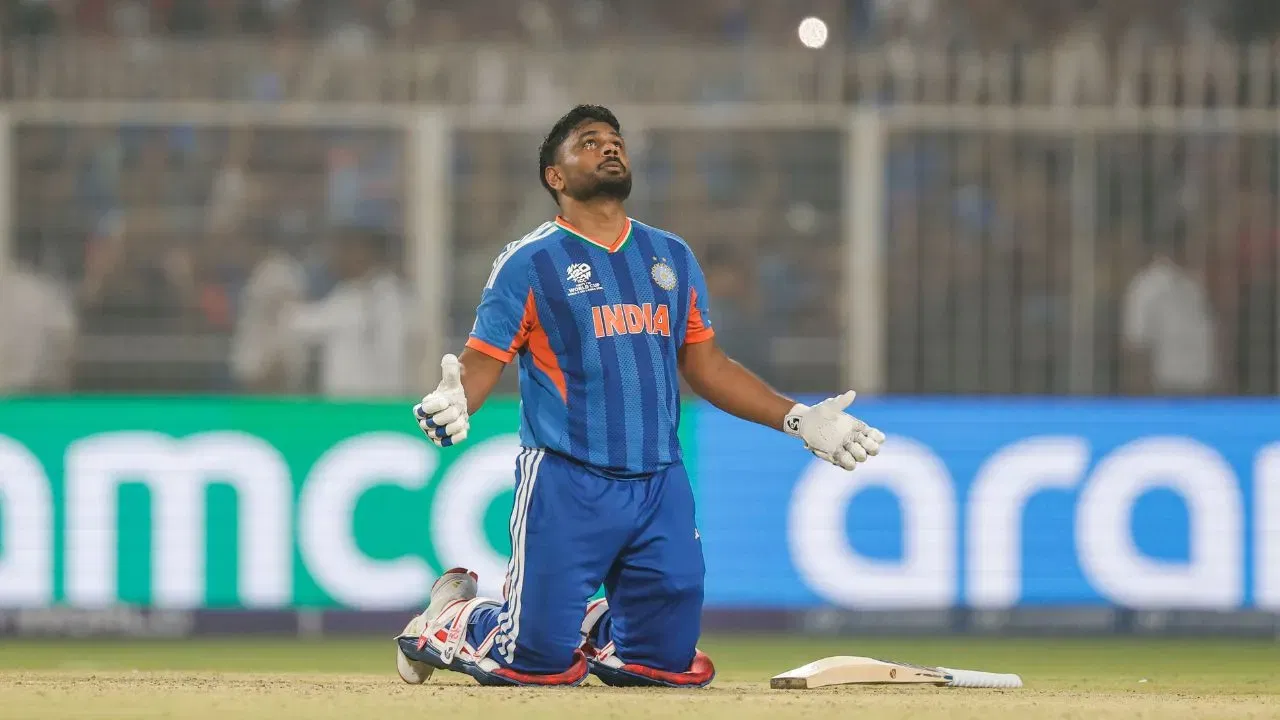
Sanju Samson achieves rare milestone after 97 not out against West Indies

PCB cracks whip after Pakistan miss semi-finals spot in 2026 T20 World Cup
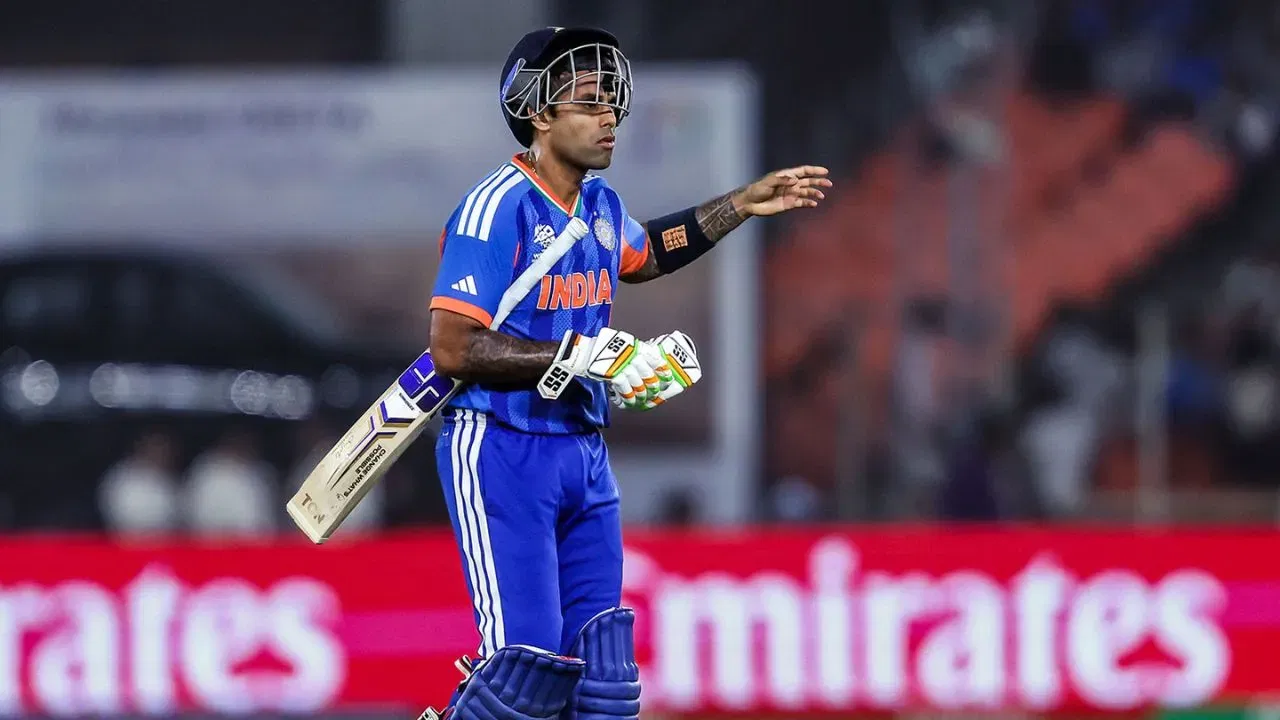
No Suryakumar Yadav at 2028 T20 WC! Michael Vaughan drops brutal verdict on team India captain’s future

Mohsin Naqvi remove Aleem Dar from PCB’s selector post T20 WC Disaster
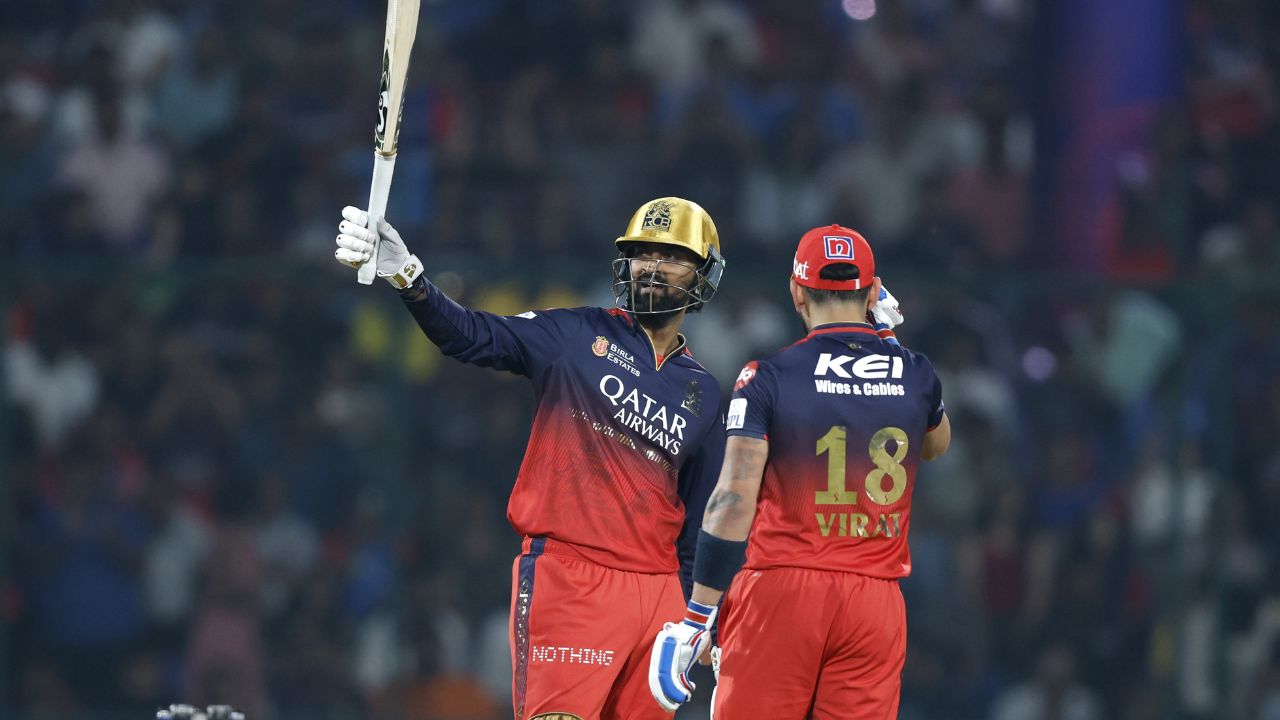
Not Ravindra Jadeja! Krunal Pandya combines South Africa legend and New Zealand star as ultimate fielder

KKR superstar overtakes Nicholas Pooran, scripts historic West Indies milestone

Sunil Gavaskar reminds the world of Sanju Samson’s ‘ups and downs’ after heroics vs West Indies

Shahid Afridi launches brutal attack on son-in-law Shaheen Afridi after repeated failures

Faf du Plessis, Anil Kumble credit India’s off-spin crisis for Sanju Samson’s rise
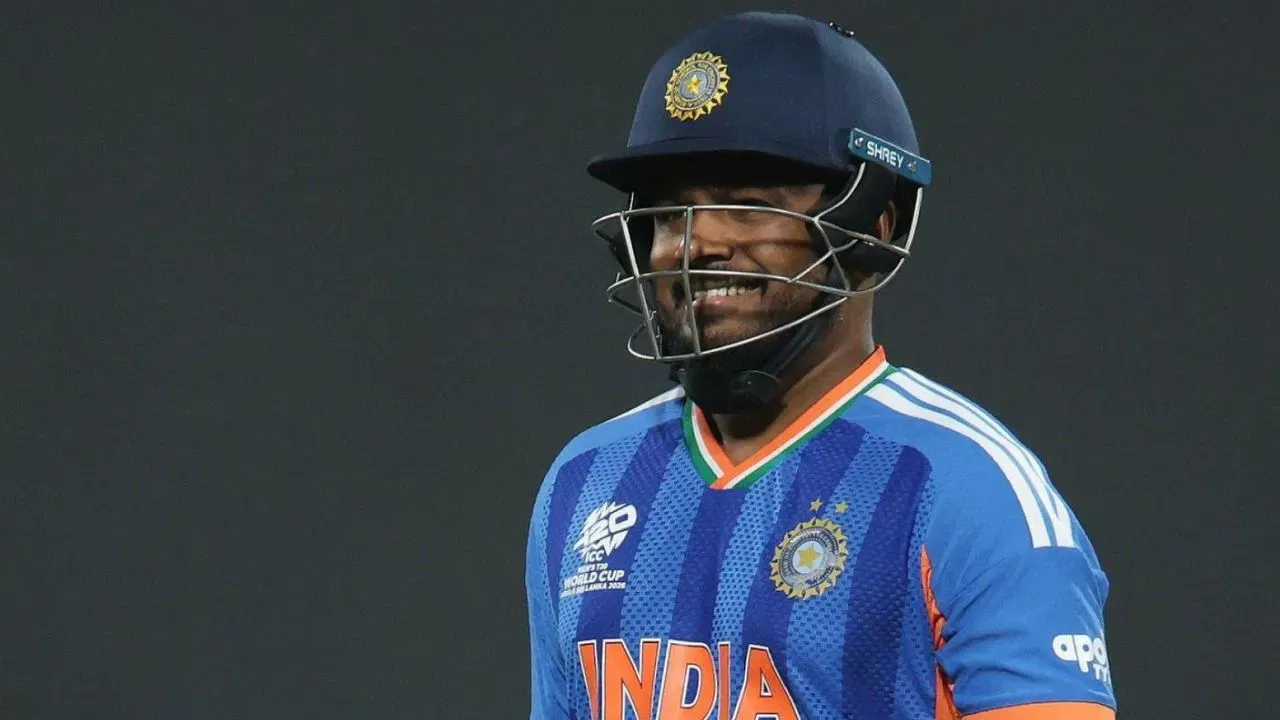
Ex-India batter puts Sanju Samson and Virat Kohli in the same bracket after match-winning knock
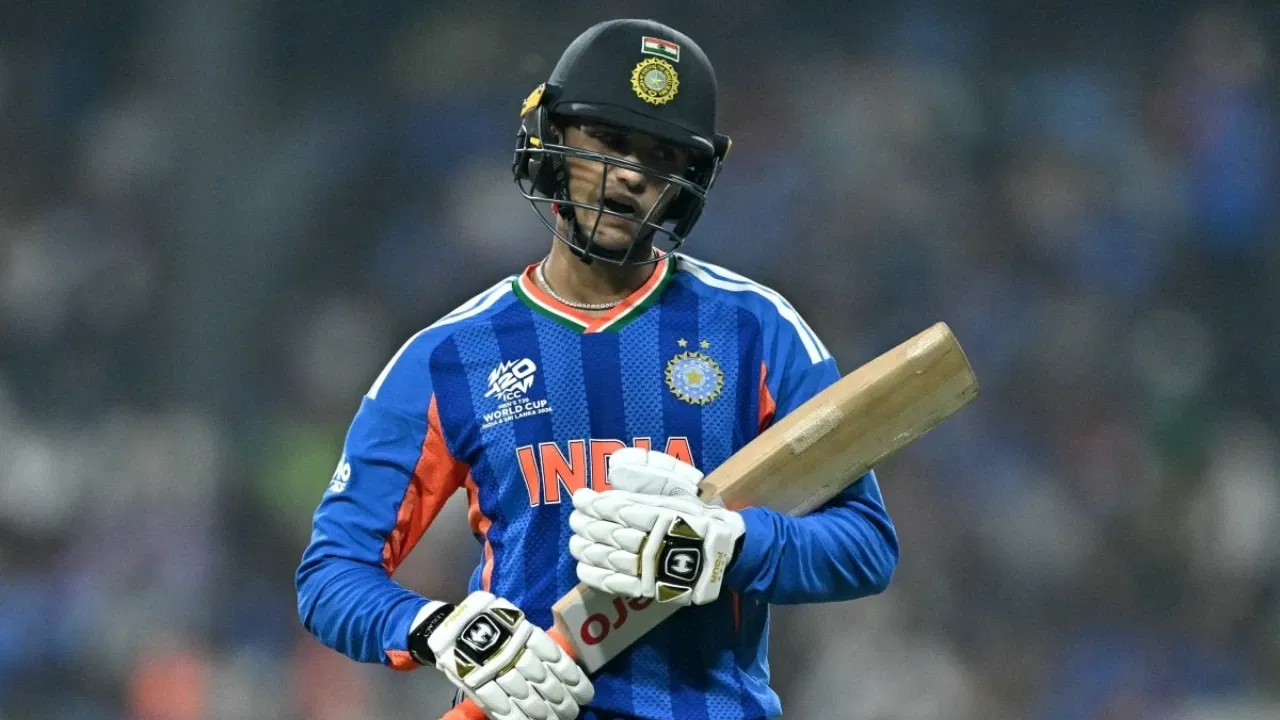
Murali Kartik questions Abhishek Sharma’s attitude after another low score vs WI
Sanju Samson’s blazing knock draws Rohit Sharma comparison from ex-Pakistan Skipper

Anil Kumble tears West Indies apart after their negative mindset against India