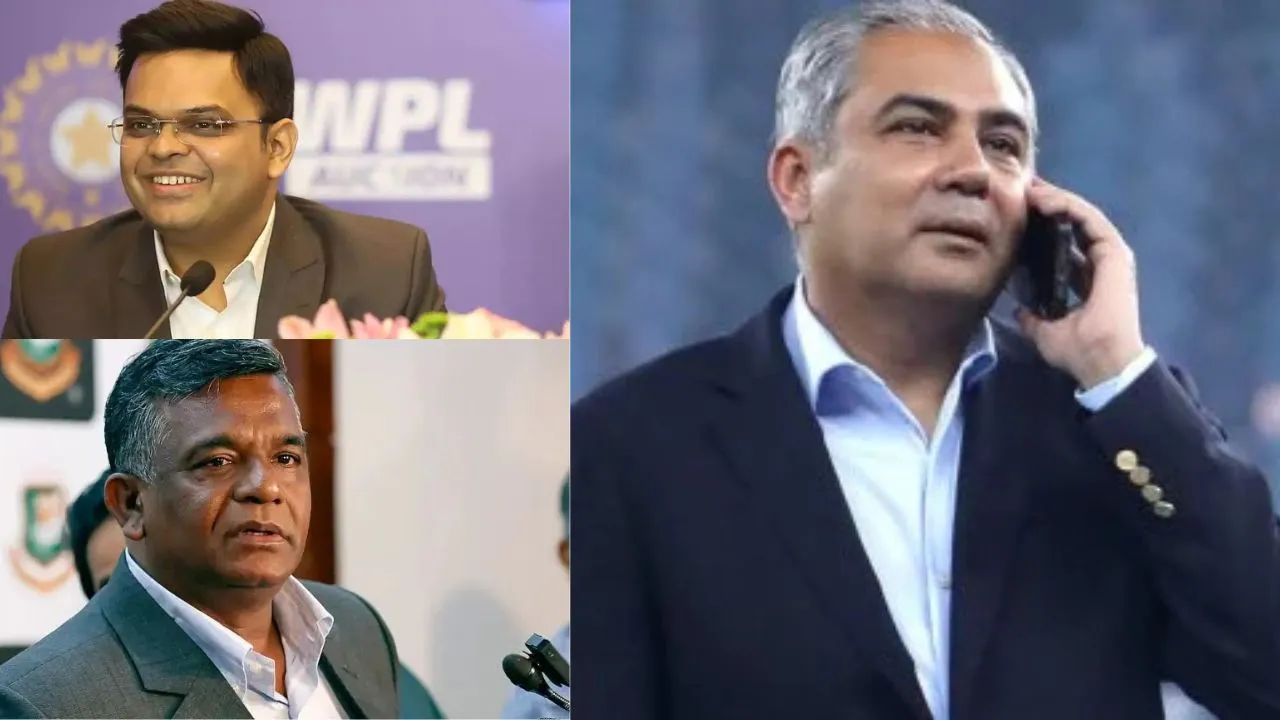
Tri-series with India, bilateral series resumption: ICC reject PCB’s demands
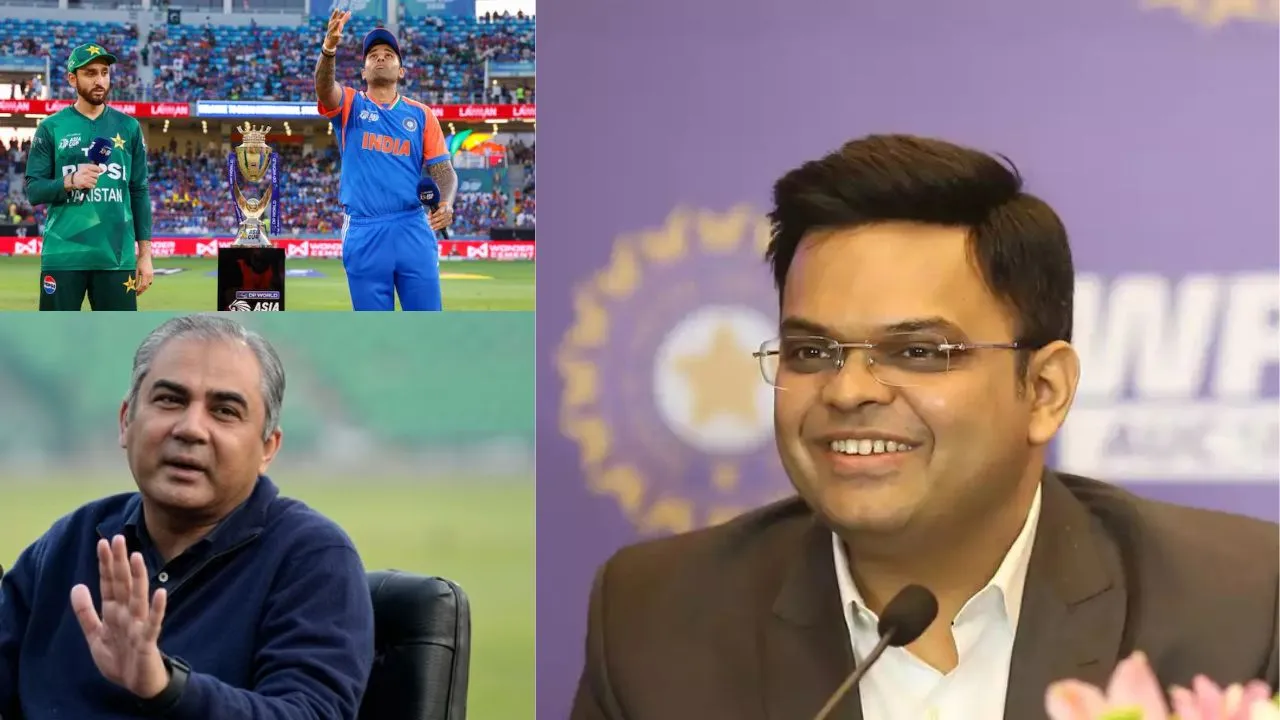
Pakistan’s Participation in ICC T20 World Cup 2026 Still Uncertain
Amidst the ongoing ICC T20 World Cup 2026, the cricket fraternity is eagerly awaiting confirmation on whether Pakistan will face India on February 15 for the group round fixture. The tournament commenced on February 7, but the status of the highly anticipated match remains unclear, keeping fans on edge.
Threat of Boycott
The Pakistan Cricket Board (PCB) has thrown the International Cricket Council (ICC) into a dilemma by threatening to boycott the match against India. This bold move is in protest against the ICC’s decision to eject Bangladesh from the tournament. Talks are currently underway between the ICC and PCB to resolve the situation and ensure that the February 15th match takes place as scheduled.
Government Intervention
Adding to the complexity of the situation, the Government of Pakistan recently announced through official channels that the men’s cricket team would participate in the T20 World Cup 2026 but would not compete against their arch-rivals on the specified date in Colombo, Sri Lanka. The stance taken by the government has raised questions about the PCB’s official position.
PCB’s Ultimatum
Mohsin Naqvi, the head of the PCB, has been a vocal advocate for boycotting the match, a decision that appears to have been influenced by a meeting between Naqvi and Prime Minister Shehbaz Sharif. While the repercussions of such a boycott could lead to severe consequences for Pakistan cricket, including potential bans from future tournaments, the ICC has urged the PCB to reconsider and honor their commitment to participate.
Failed Negotiations
Recent reports suggest that discussions between ICC and PCB officials have not yielded a resolution, with the PCB presenting several demands that were ultimately rejected by the ICC. These demands included requests for bilateral engagements with the BCCI, a tri-nation series involving India and Bangladesh, and an Indian tour of Bangladesh.
The root of the issue traces back to the ICC’s dispute with Bangladesh, which Pakistan exacerbated by threatening a boycott of the entire tournament. However, it was later clarified that the boycott would only apply to the match against India, hinting at potential political motives behind Pakistan’s stance.
In the Crossfire: Mohsin Naqvi Faces Backlash
As tensions escalate, the Bangladesh Cricket Board has aligned with the ICC to navigate the conflict and ensure a resolution to the India versus Pakistan row. The cricketing world eagerly awaits further developments as the fate of the highly anticipated match hangs in the balance.
Stay tuned for more updates on this evolving story!
Historical Rivalry Between India and Pakistan
The longstanding cricketing rivalry between India and Pakistan adds another layer of complexity to the current situation. Matches between these two nations are not merely sporting events but also carry significant political and cultural weight. The history of cricket matches between India and Pakistan is marked by intense competition, fervent support from fans, and occasional controversies both on and off the field.
Given the high stakes involved, any disruption or cancellation of the India-Pakistan match in the ICC T20 World Cup 2026 would have far-reaching implications within the cricketing community and beyond. The outcome of this standoff between the PCB and the ICC could potentially impact future cricketing relations between the two countries.
Impact on Players and Fans
While the administrative and political dynamics play out behind the scenes, it’s essential to recognize the impact on the players and fans. The players, who have been training and preparing for this prestigious tournament, are caught in the middle of this conflict. The uncertainty surrounding the match against India can create anxiety and distraction for the players, affecting their performance on the field.
For the fans, especially those eagerly anticipating the India-Pakistan clash, the ambiguity surrounding the fixture is disappointing and frustrating. Cricket fans from both nations look forward to these high-profile encounters as they transcend sport and become cultural events that bring people together despite political tensions.
Global Cricketing Landscape
The standoff between the PCB and the ICC also sheds light on the larger dynamics at play in the global cricketing landscape. As one of the most popular and widely followed sports in the world, cricket’s governance, decision-making processes, and power dynamics have significant implications for the sport’s future.
The current situation underscores the need for effective communication, transparency, and conflict resolution mechanisms within cricket’s governing bodies to prevent such disputes from escalating and disrupting the game. The outcome of this standoff will set a precedent for how cricketing disputes are handled in the future and could impact the sport’s credibility and integrity.
Resolution and Moving Forward
As negotiations continue between the PCB and the ICC, cricket fans and stakeholders around the world are hopeful for a swift and amicable resolution to the current impasse. The potential boycott of the India-Pakistan match, while a significant development, also presents an opportunity for dialogue, compromise, and reconciliation.
Regardless of the outcome, the lessons learned from this episode can serve as a catalyst for positive change within the cricketing community, promoting unity, sportsmanship, and the spirit of the game above all else. As the cricketing world watches closely, the hope is that a resolution can be reached that upholds the integrity of the sport and allows the players to showcase their talents on the field.
Stay tuned for further updates as this story unfolds and shapes the future of cricket on the global stage.
Latest News
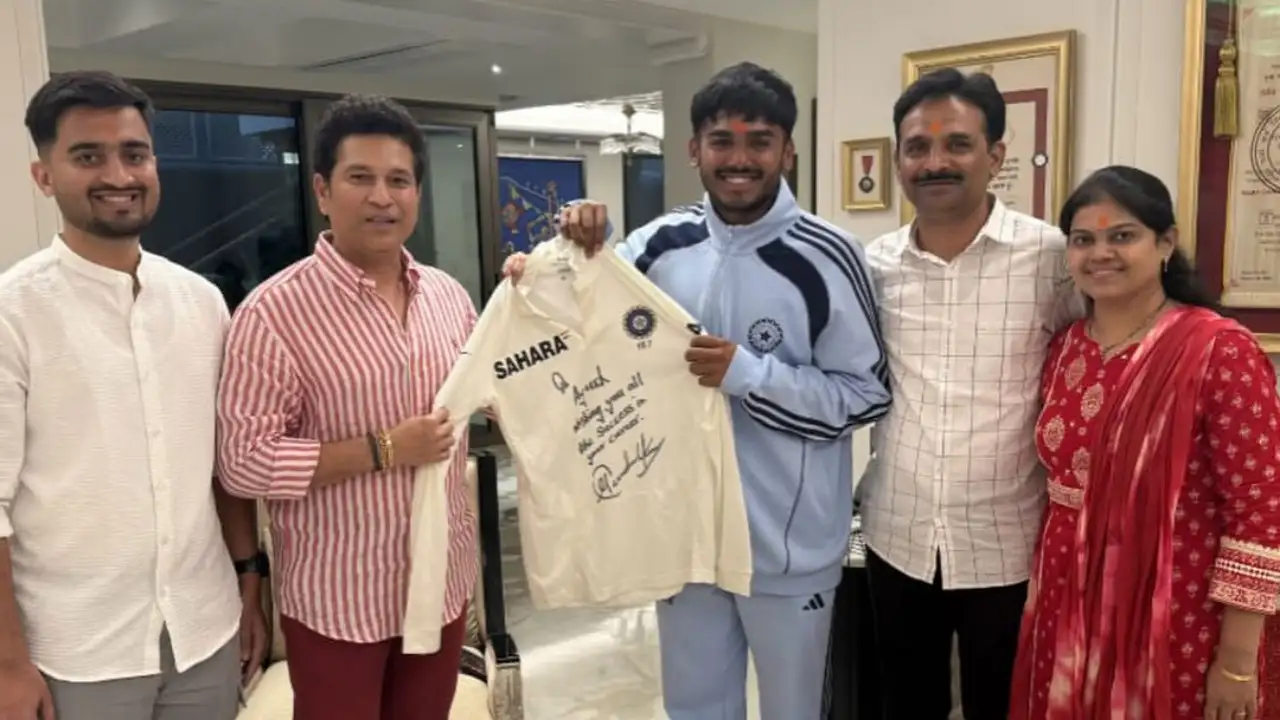
Sachin Tendulkar comes up with heartwarming gesture for U-19 World Cup winner Ayush Mhatre
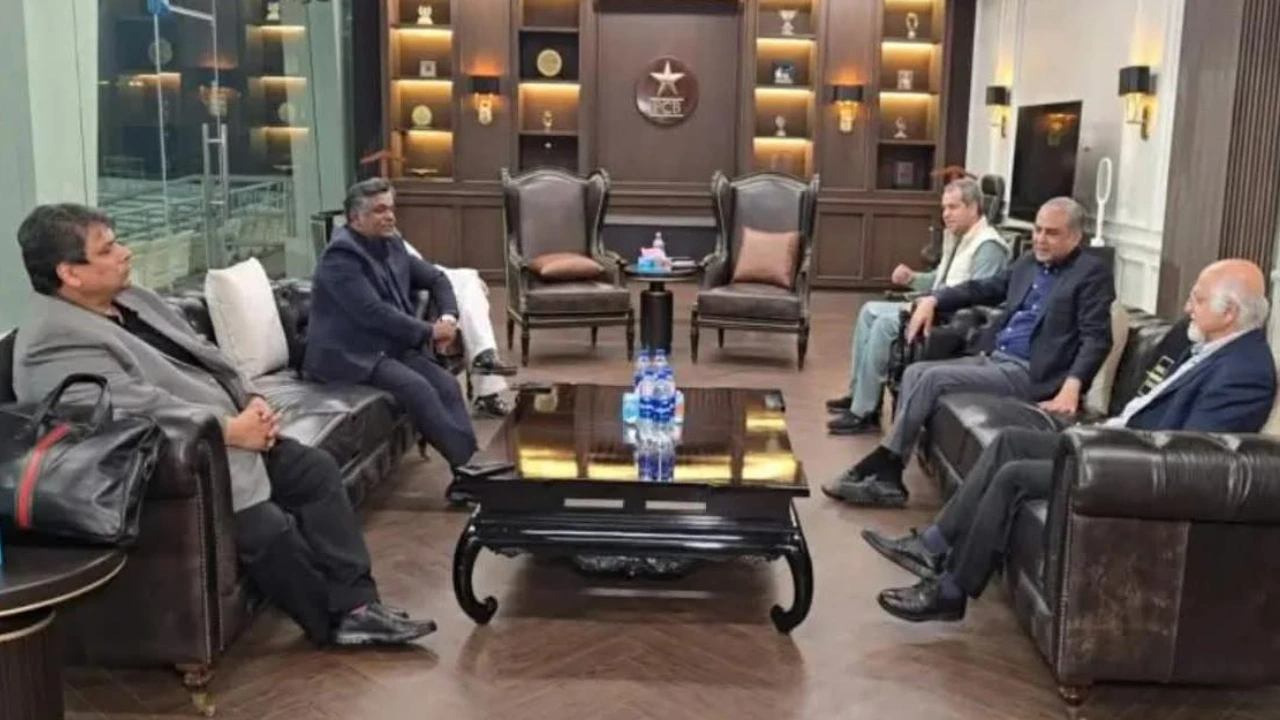
Breaking: India vs Pakistan game to go ahead as scheduled
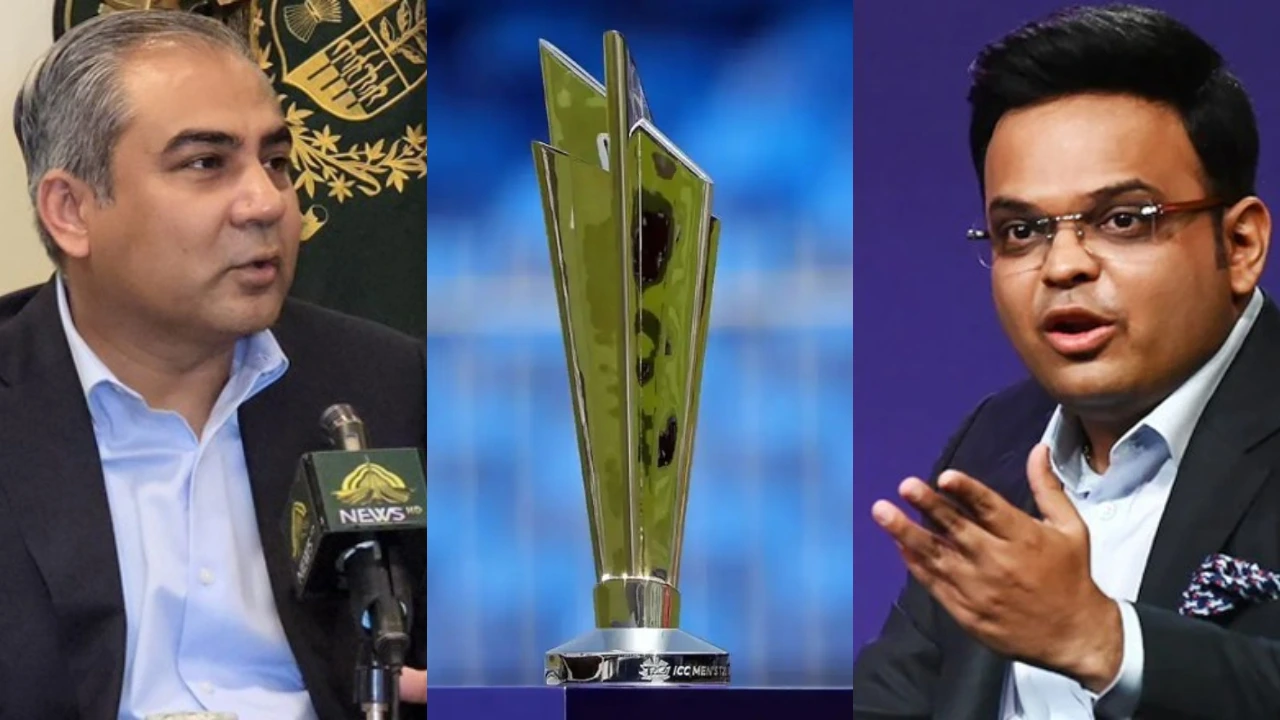
Mohsin Naqvi cries about Asia Cup row in front of ICC; shock India-Pakistan-Bangladesh Tri-series demand revealed
Mohsin Naqvi cries about Asia Cup row in front of ICC; shock India-Pakistan-Bangladesh Tri-series demand revealed
Mohsin Naqvi cries about Asia Cup row in front of ICC; shock India-Pakistan-Bangladesh Tri-series demand revealed
Tri-series with India, bilateral series resumption: ICC reject PCB’s demands
Tri-series with India, bilateral series resumption: ICC reject PCB’s demands
Tri-series with India, bilateral series resumption: ICC reject PCB’s demands
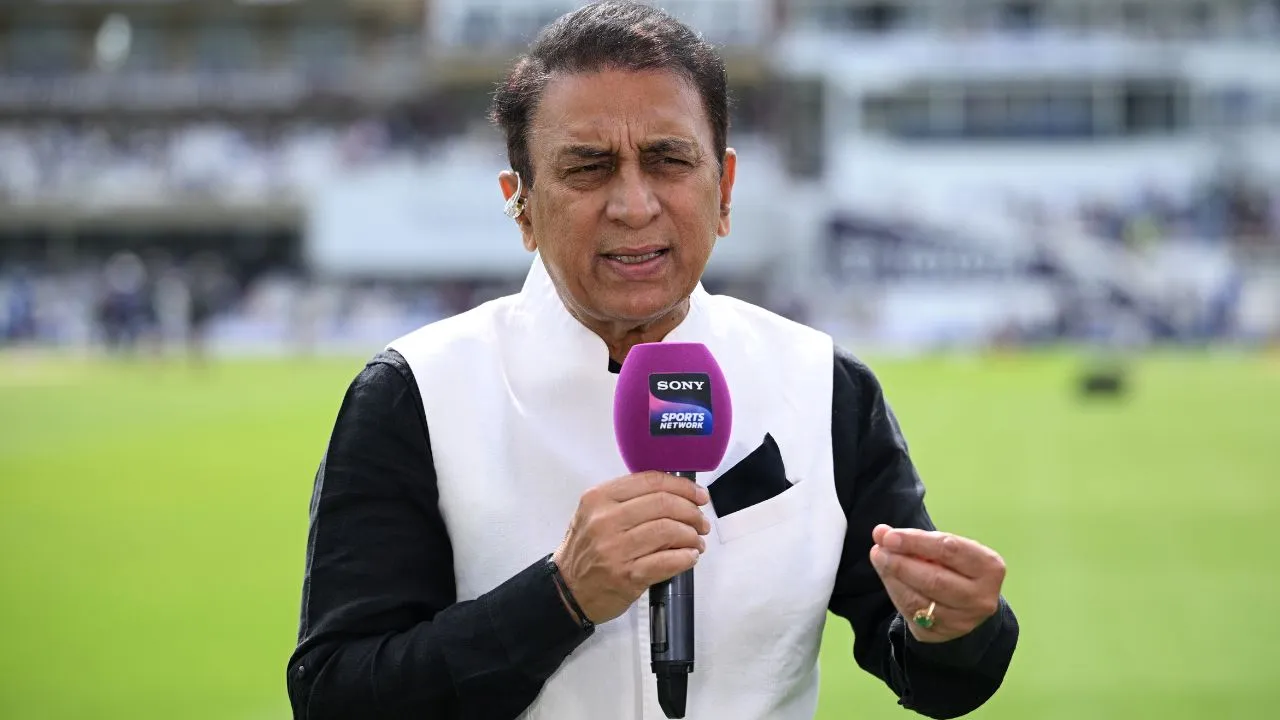
Jaundiced people: Sunil Gavaskar hits back at Nasser Hussain
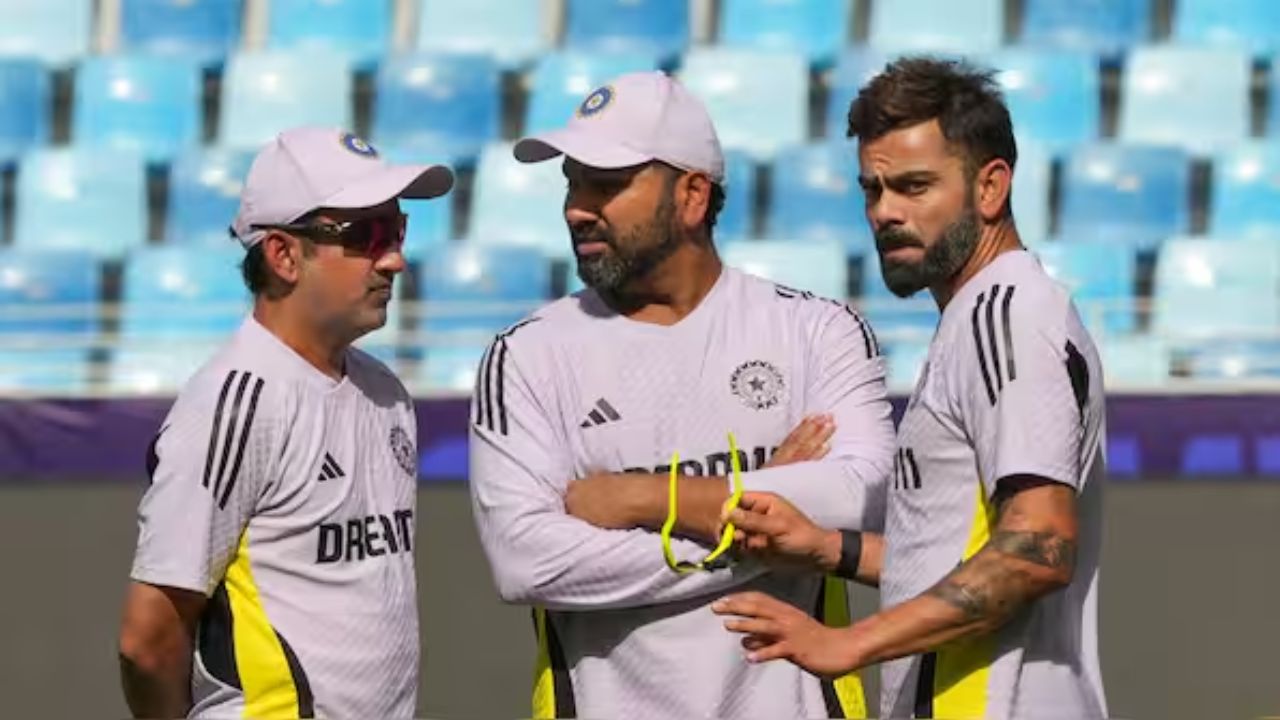
BCCI’s central contract list announced, Rohit Sharma and Virat Kohli demoted
BCCI’s central contract list announced, Rohit Sharma and Virat Kohli demoted
BCCI’s central contract list announced, Rohit Sharma and Virat Kohli demoted
BCCI’s central contract list announced, Rohit Sharma and Virat Kohli demoted
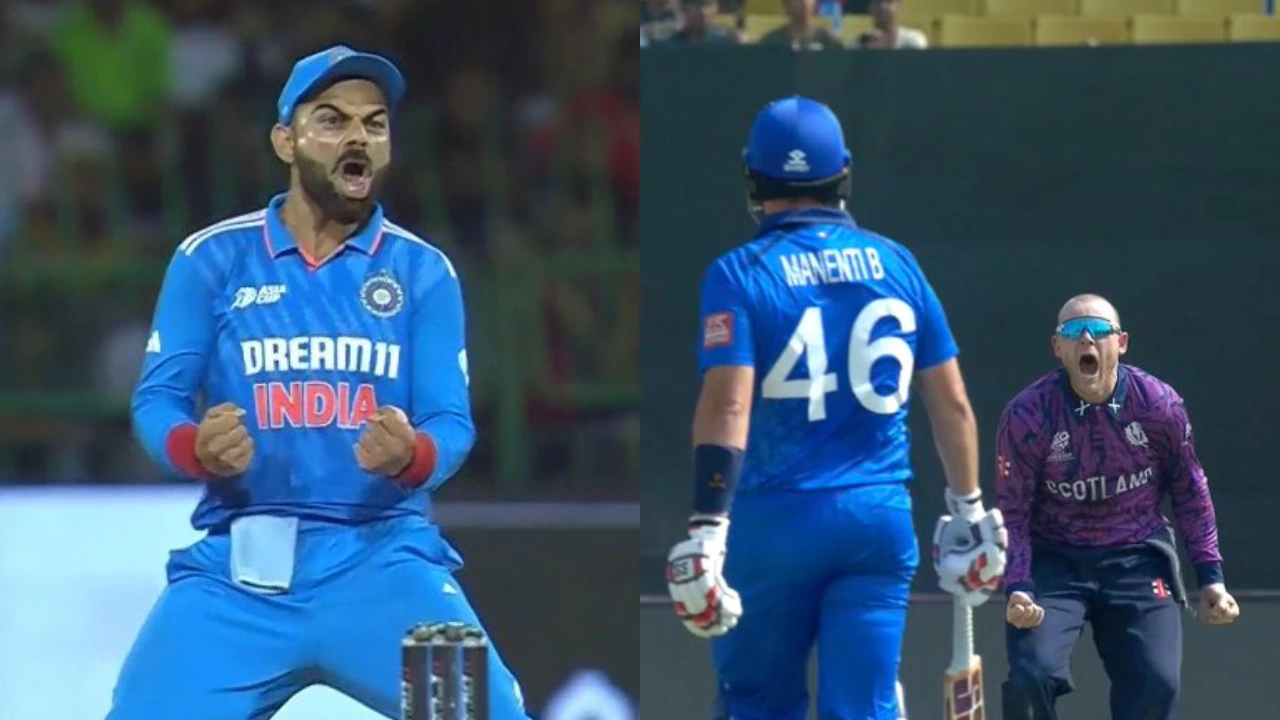
Michael Leask turns Virat Kohli, gives Harry Manenti fiery send-off in Scotland vs Italy T20 World Cup clash