Tri-series with India, bilateral series resumption: ICC reject PCB’s demands
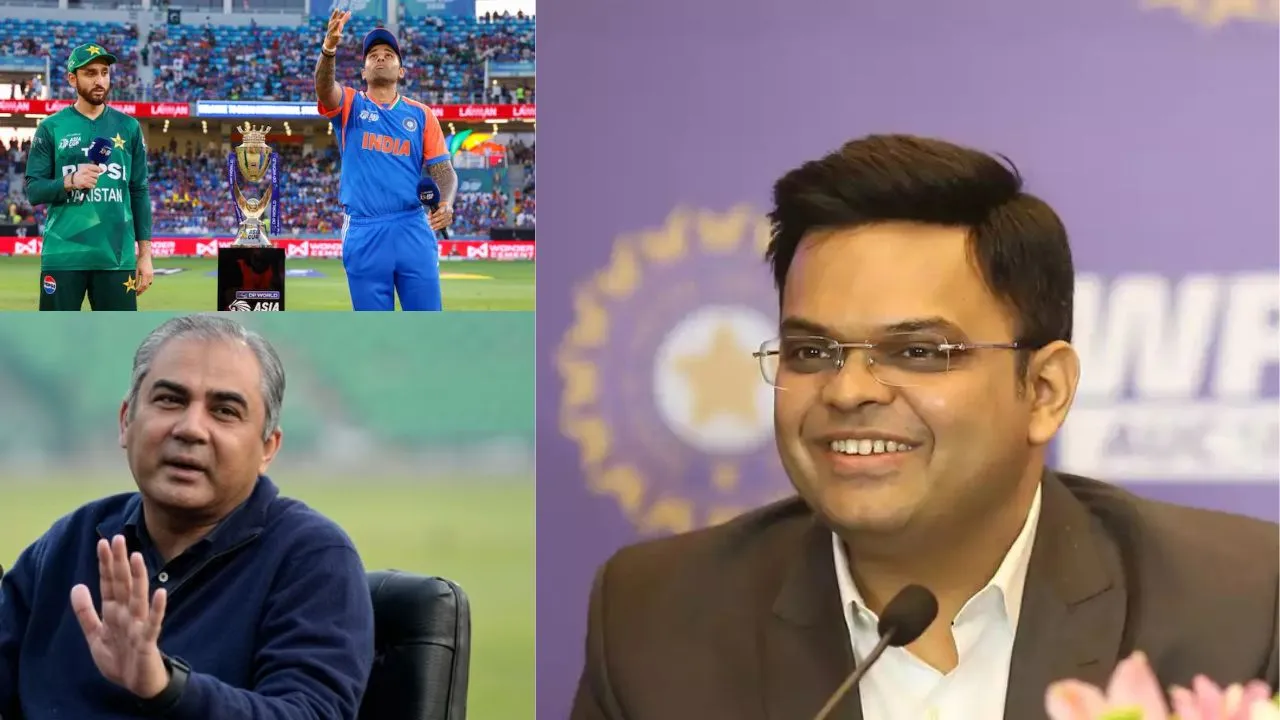
Will Pakistan vs. India Match Happen in the ICC T20 World Cup 2026?
As the ICC T20 World Cup 2026 unfolds, cricket fans are eagerly awaiting the highly anticipated match between Pakistan and India scheduled for February 15. However, the cricket world is currently in a state of uncertainty as the Pakistan Cricket Board (PCB) has hinted at a possible boycott of the match.
PCB Threatens Boycott Over Bangladesh’s Ejection
The PCB’s threat to boycott the match stems from the recent ejection of Bangladesh from the tournament by the International Cricket Council (ICC). The PCB has expressed strong protest against this decision and has been engaged in discussions with the ICC to resolve the issue.
The Government of Pakistan recently announced through official channels that the men’s cricket team would participate in the ICC T20 World Cup 2026 but would not face their arch-rivals, India, on February 15 in Colombo, Sri Lanka. This decision has raised questions about the PCB’s stance on the matter.
Mohsin Naqvi’s Influence on PCB’s Decision
Mohsin Naqvi, the head of the PCB, has been a key figure in the decision-making process regarding the boycott threat. Following a meeting with Prime Minister Shehbaz Sharif, Naqvi has been vocal about the possibility of boycotting the match against India, citing political reasons for the stance taken by the PCB.
If Pakistan were to skip the match against India, there could be severe repercussions from the ICC, including potential bans from future tournaments. However, the ICC, under the leadership of Jay Shah, has urged the PCB to adhere to the original schedule and participate in the match.
PCB’s Demands and ICC’s Response
Recent reports suggest that the PCB officials presented a series of demands to the ICC in an attempt to reverse their boycott decision for the match against India. However, the ICC rejected the PCB’s demands, leading to further uncertainty regarding the fate of the fixture.
Some of the demands made by the PCB included requests for bilateral engagements with the Indian cricket team, a tri-nation series involving India, Pakistan, and Bangladesh, and the Indian team’s tour to Bangladesh. Unfortunately, the ICC turned down all of these demands, prolonging the standoff between the two parties.
The Political Dimension of the Standoff
What initially began as a dispute between the ICC and Bangladesh escalated when Pakistan threatened to boycott the entire tournament. However, it was later clarified that the boycott would only apply to the match against India. This move has led many to speculate about the political motivations behind Pakistan’s stance on the matter.
As the discussions between the ICC and the PCB continue, cricket fans around the world are eagerly awaiting a resolution to the standoff. The future of the Pakistan vs. India match in the ICC T20 World Cup 2026 hangs in the balance, with both teams and their respective boards closely monitoring the developments.
Impact on Fans and Stakeholders
The uncertainty surrounding the Pakistan vs. India match in the ICC T20 World Cup 2026 has not only left fans on edge but has also impacted various stakeholders in the cricketing world. Sponsors, broadcasters, and event organizers have all been closely following the developments, as the match between the two cricketing giants is not just a game but a global spectacle that draws massive viewership and commercial interest.
With the potential boycott looming, sponsors who have invested heavily in the tournament are concerned about the implications of a high-profile match being canceled. Broadcasters who have secured rights to air the game are also facing uncertainty, as the Pakistan vs. India clash is a major revenue driver for them. Event organizers are working tirelessly behind the scenes to find a resolution that satisfies all parties involved and ensures the smooth continuation of the tournament.
Historical Context and Rivalry
The rivalry between Pakistan and India in cricket is one of the most intense and storied rivalries in the sport. Dating back to their first Test match in 1952, the two nations have a long history of fierce competition on the cricket field. Matches between Pakistan and India are not just about cricket; they carry with them a history of political tensions, cultural differences, and national pride.
Throughout the decades, matches between Pakistan and India have been marked by electrifying performances, nail-biting finishes, and moments of pure sporting brilliance. The intense rivalry between the two teams has captured the imagination of fans worldwide and has become a staple of cricketing folklore.
Global Implications
While the standoff between the PCB and the ICC over the Pakistan vs. India match may seem like a local issue, its implications are far-reaching and have the potential to impact the global cricketing landscape. The ICC, as the governing body of international cricket, plays a crucial role in ensuring the integrity and competitiveness of the sport.
A boycott by Pakistan could set a dangerous precedent for other cricketing nations, leading to future conflicts and disruptions in the international cricket calendar. The ICC’s handling of this situation will be closely scrutinized by cricket boards around the world, as the outcome will have implications for how disputes between member countries are resolved in the future.
Resolution and Way Forward
As the cricketing world holds its breath, hoping for a resolution to the standoff, both the PCB and the ICC are under pressure to find a way forward that satisfies all parties involved. The fans, who are the lifeblood of the sport, are eagerly awaiting a decision that will allow them to witness the much-anticipated clash between Pakistan and India.
While the political dimensions of the standoff cannot be ignored, ultimately, it is the spirit of the game and the love for cricket that should guide the decision-making process. Whether through dialogue, compromise, or intervention from neutral parties, the hope is that a solution will be reached that upholds the integrity of the sport and allows the tournament to proceed smoothly.
In the end, regardless of the outcome of the Pakistan vs. India match in the ICC T20 World Cup 2026, the passion and fervor of cricket fans around the world will endure, reminding us all of the power of sport to unite and inspire.
By delving into the historical context, global implications, and stakeholder perspectives, we can see that the standoff between Pakistan and India goes beyond a mere cricket match; it embodies the complexities and passions that define the sport. The eventual resolution of this conflict will not only shape the immediate future of the tournament but will also leave a lasting impact on the cricketing world as a whole.
Latest News
Breaking: India vs Pakistan game to go ahead as scheduled
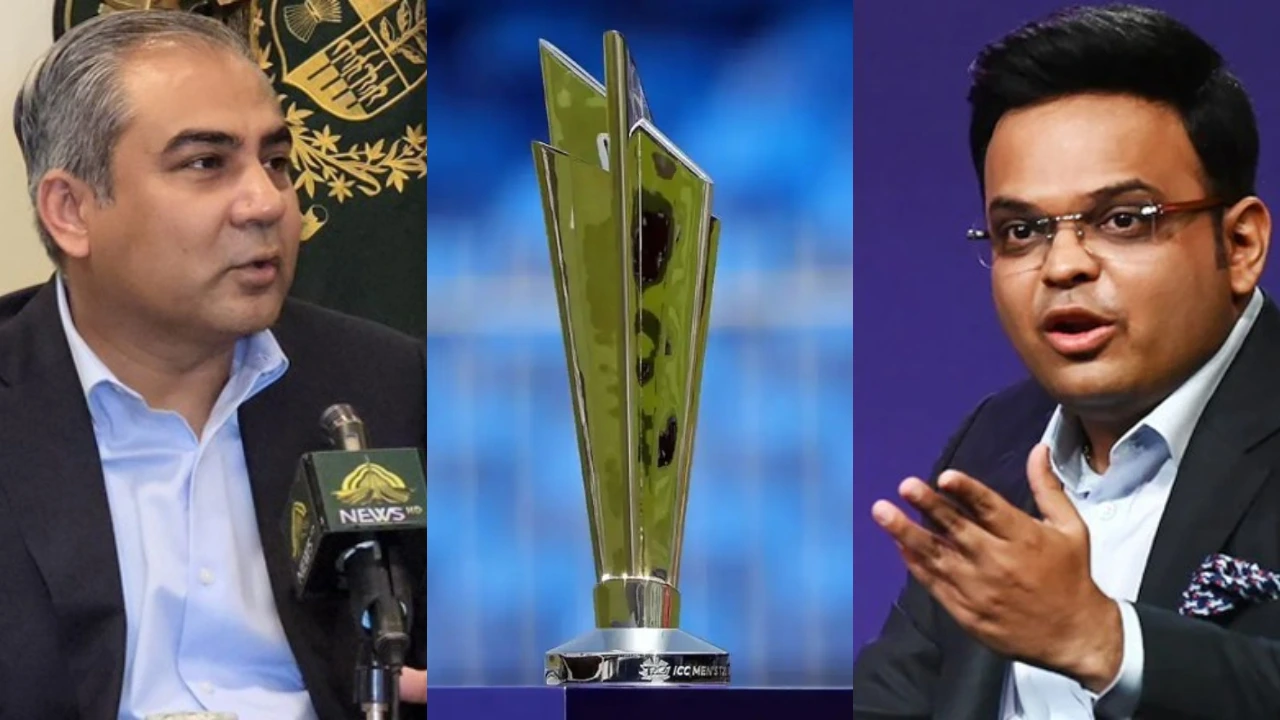
Mohsin Naqvi cries about Asia Cup row in front of ICC; shock India-Pakistan-Bangladesh Tri-series demand revealed
Mohsin Naqvi cries about Asia Cup row in front of ICC; shock India-Pakistan-Bangladesh Tri-series demand revealed
Mohsin Naqvi cries about Asia Cup row in front of ICC; shock India-Pakistan-Bangladesh Tri-series demand revealed
Tri-series with India, bilateral series resumption: ICC reject PCB’s demands
Tri-series with India, bilateral series resumption: ICC reject PCB’s demands
Tri-series with India, bilateral series resumption: ICC reject PCB’s demands
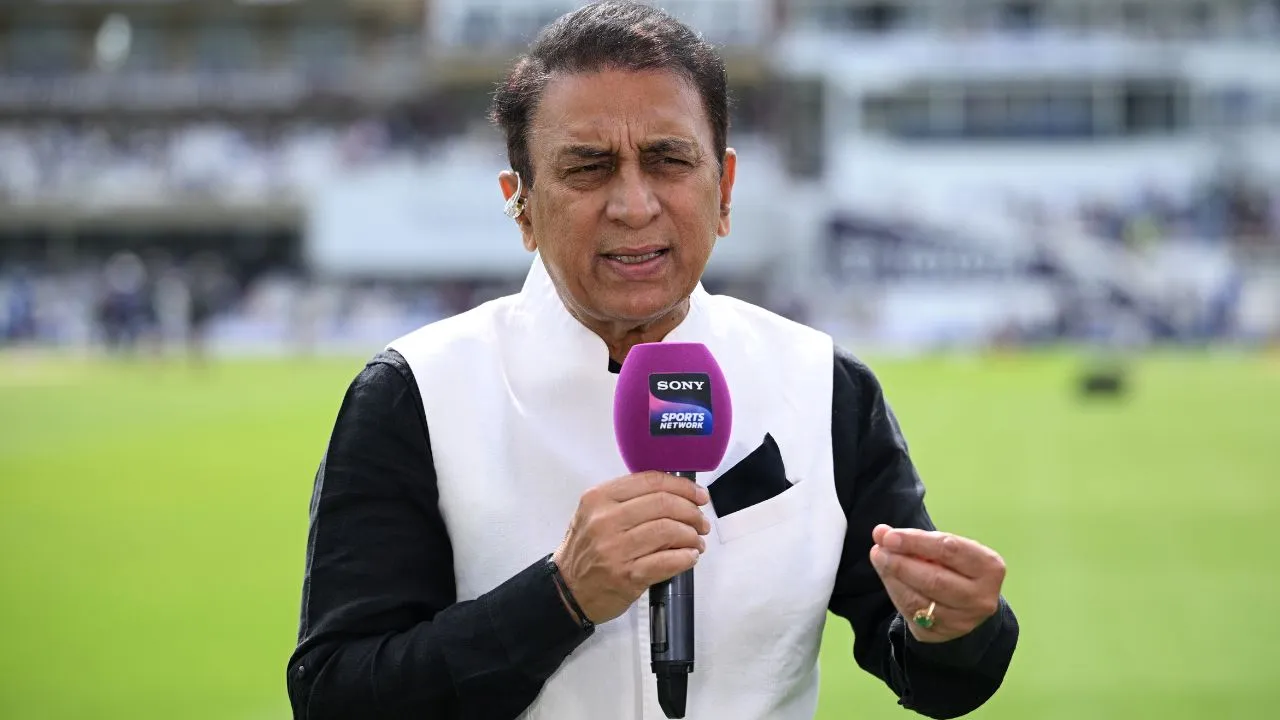
Jaundiced people: Sunil Gavaskar hits back at Nasser Hussain
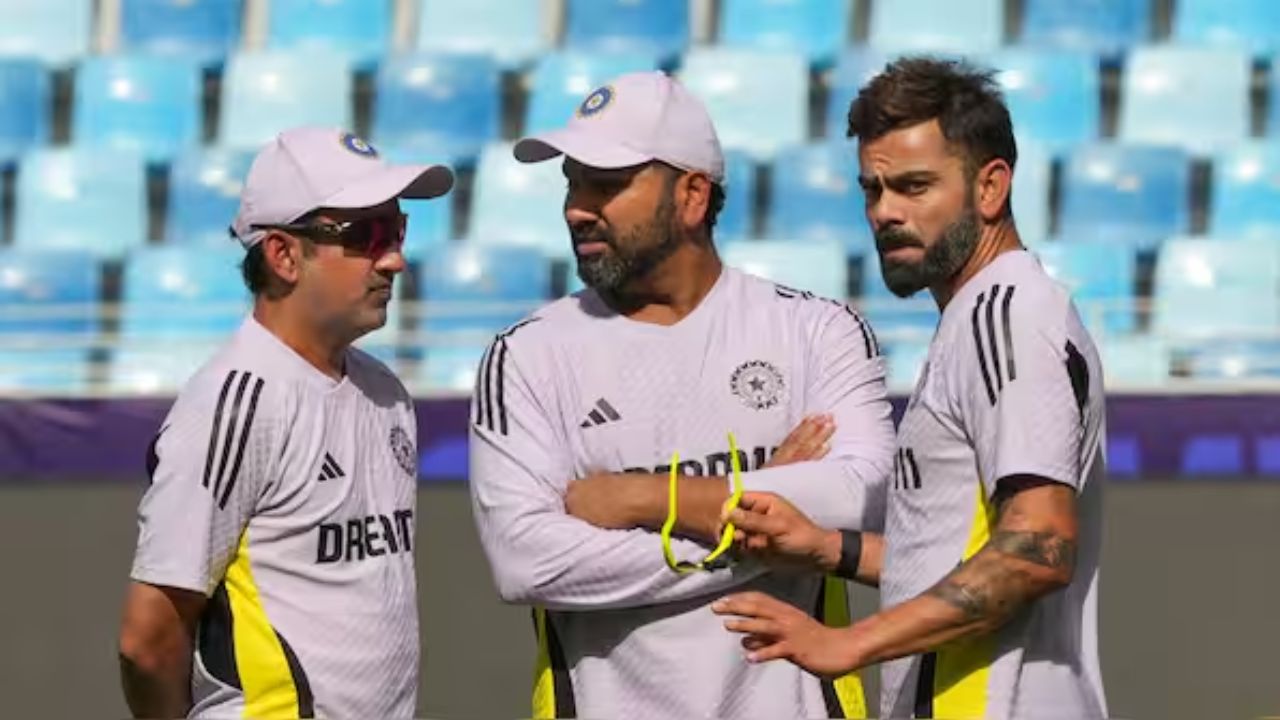
BCCI’s central contract list announced, Rohit Sharma and Virat Kohli demoted
BCCI’s central contract list announced, Rohit Sharma and Virat Kohli demoted
BCCI’s central contract list announced, Rohit Sharma and Virat Kohli demoted
BCCI’s central contract list announced, Rohit Sharma and Virat Kohli demoted
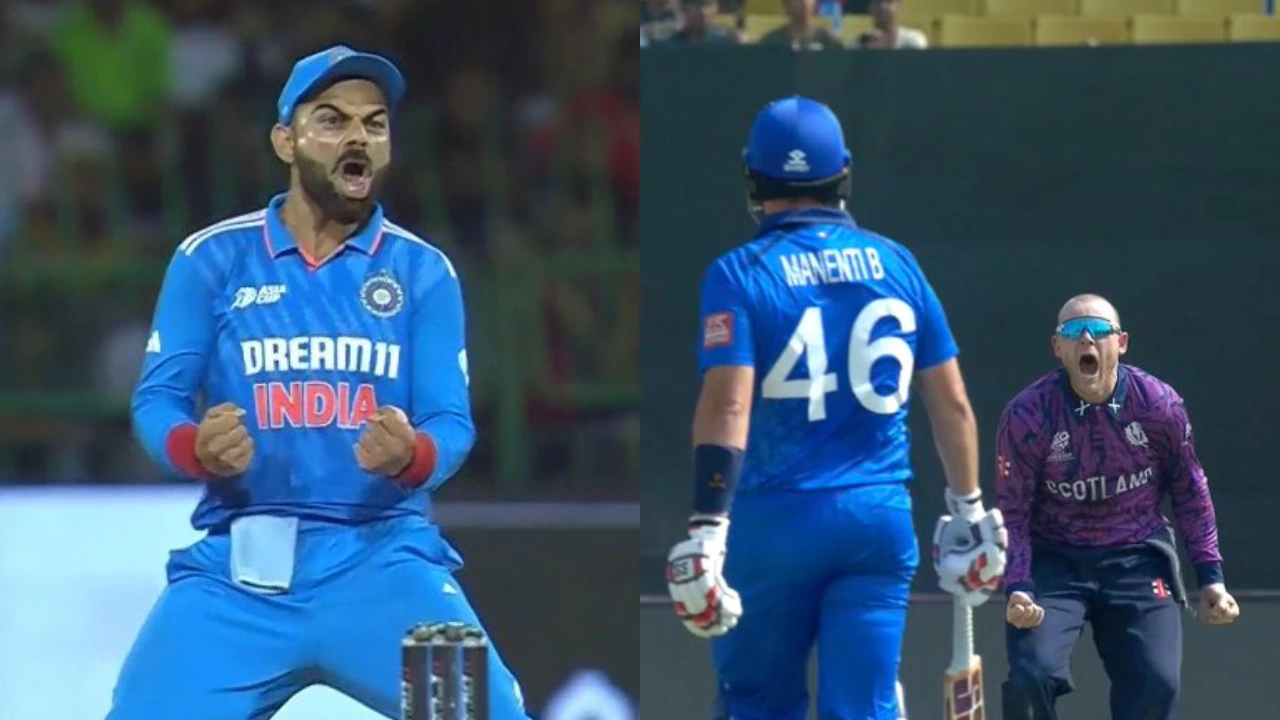
Michael Leask turns Virat Kohli, gives Harry Manenti fiery send-off in Scotland vs Italy T20 World Cup clash
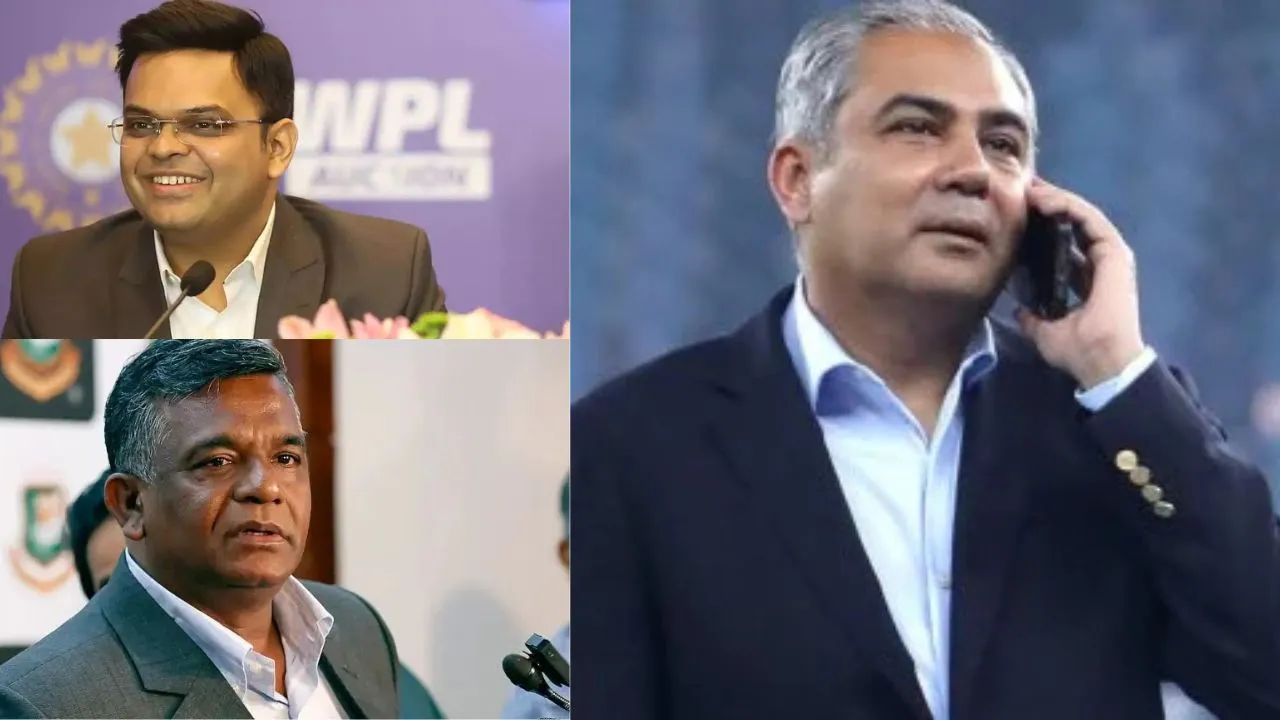
Mohsin Naqvi in trouble! Bangladesh Cricket Board teams up with ICC to end India vs Pakistan row