Usman Khawaja MOCKS Mohsin Naqvi over fine policy after T20 WC disaster
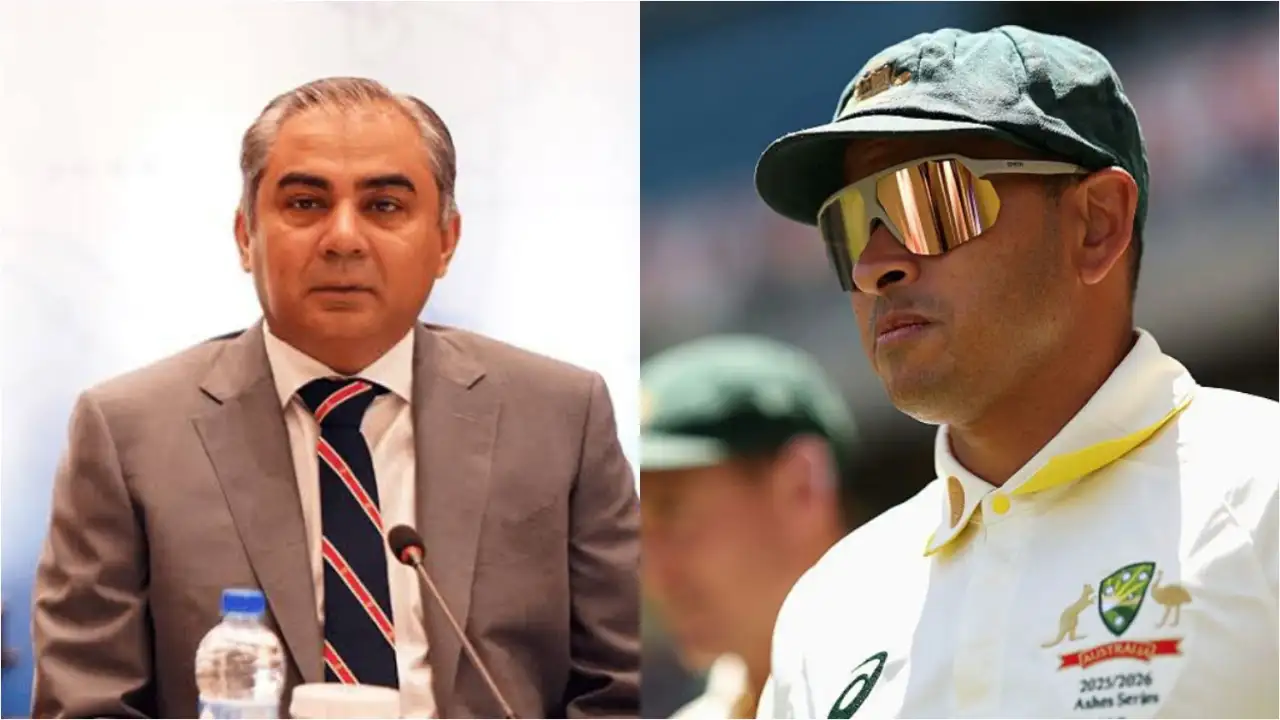
Usman Khawaja Criticizes PCB for Penalizing T20 World Cup Players
Former Australian cricketer Usman Khawaja expressed disbelief and dissatisfaction over the Pakistan Cricket Board (PCB) penalizing their T20 World Cup 2026 players for not meeting expectations. Khawaja took to social media to criticize the board’s decision, stating that Pakistan has become a drama series for him.
Pakistan’s T20 World Cup Elimination
The Pakistan National Cricket Team was eliminated from the Super 8 stage of the ongoing T20 World Cup, despite winning their last match against Sri Lanka. Due to a low run rate, the Salman Ali Agha-led team was unable to advance further in the tournament.
Usman Khawaja’s Reaction
Khawaja openly mocked the PCB for penalizing the cricketers, stating that while winning and losing are part of the game, imposing fines for underperformance is uncommon in cricket. The decision shocked cricket experts and fans, with Khawaja being the latest to speak out against the board.
Comparing Pakistan to a drama series, Khawaja criticized the PCB for adding more pressure and stress on the players by issuing fines. He questioned the effectiveness of such penalties in improving performance and expressed sympathy for the Pakistani players who are already under immense pressure.
PCB Fines
According to media reports, all members of Pakistan’s T20 World Cup 2026 squad have been fined PKR 5 million (US$ 18,000 approx.) each by the PCB following their disappointing campaign. Khawaja’s comments have sparked a debate about the board’s decision and its impact on player morale and performance.
Usman Khawaja’s Final Thoughts
In a video reaction, Khawaja emphasized the burden placed on Pakistani players, especially considering the scrutiny they face from the nation. He described the situation as a “drama series” and expressed anticipation for what unfolds next in Pakistani cricket.
Khawaja’s criticism sheds light on the challenges faced by players in high-pressure situations and raises questions about the role of boards in supporting and nurturing talent. The controversy surrounding the PCB’s decision to penalize players highlights the need for a more supportive and constructive approach to player development.
As the cricketing world continues to react to the PCB’s actions, the focus remains on the well-being and performance of the players who carry the hopes and aspirations of a nation on their shoulders.
Impact of Penalizing Players
The decision to penalize the players of the Pakistan National Cricket Team following their elimination from the T20 World Cup has raised concerns about the impact it may have on their morale and performance. Usman Khawaja’s criticism highlights the psychological toll such penalties can take on athletes who are already facing immense pressure to perform at the highest level.
Penalizing players for underperformance can create a culture of fear and anxiety within the team, leading to a decline in confidence and motivation. Instead of fostering a supportive environment where players can learn from their mistakes and grow, harsh punishments may hinder their ability to bounce back and improve their game.
Player Development and Support
Usman Khawaja’s remarks bring attention to the importance of providing adequate support and guidance to players during challenging times. Rather than resorting to punitive measures, cricket boards and management staff should focus on enhancing player development through constructive feedback, coaching, and mentoring programs.
Investing in the mental and emotional well-being of athletes is crucial for ensuring long-term success and sustainability in competitive sports. By prioritizing player welfare and creating a positive team culture, boards can help players overcome setbacks and reach their full potential on the field.
Future of Pakistani Cricket
The controversy surrounding the PCB’s decision to fine the T20 World Cup players has sparked discussions about the direction of Pakistani cricket and the reforms needed to foster a more supportive and nurturing environment for talent. Usman Khawaja’s comments serve as a catalyst for reflection on how cricket boards can better serve their players and contribute to the growth of the sport.
As Pakistan looks towards the future of cricket, there is an opportunity to reevaluate the existing structures and implement changes that prioritize the holistic development of athletes. By embracing a culture of learning, resilience, and empowerment, cricket boards can empower players to overcome challenges and excel on the global stage.
Supporting Athletes in High-Pressure Situations
Usman Khawaja’s critique of the PCB’s decision underscores the need for compassion and understanding when dealing with athletes in high-pressure situations. The world of professional sports can be unforgiving, with athletes constantly under scrutiny and expectations to deliver results.
By offering support, guidance, and encouragement to players, cricket boards can create a nurturing environment that enables athletes to thrive and reach their peak performance. Usman Khawaja’s advocacy for a more empathetic approach towards player development resonates with the broader conversation about mental health and well-being in sports.
Conclusion
In conclusion, Usman Khawaja’s criticism of the PCB’s decision to penalize the T20 World Cup players sheds light on the challenges faced by athletes in competitive sports. By advocating for a more supportive and constructive approach to player development, Khawaja emphasizes the importance of nurturing talent and prioritizing player welfare.
As the cricketing community reflects on the implications of the PCB’s actions, there is an opportunity to reevaluate traditional practices and embrace a more holistic approach to athlete development. By fostering a culture of empathy, resilience, and growth, cricket boards can create an environment where players can thrive and succeed in the face of adversity.
Latest News
Harry Brook drops a SITTER as Sanju Samson gets a second chance in T20 WC semi-final
Fans lose patience as Abhishek Sharma falls cheaply to off-spin yet again
Usman Khawaja MOCKS Mohsin Naqvi over fine policy after T20 WC disaster

IND vs ENG semi-final witnesses a MS Dhoni-Rohit Sharma’s reunion at Wankhede
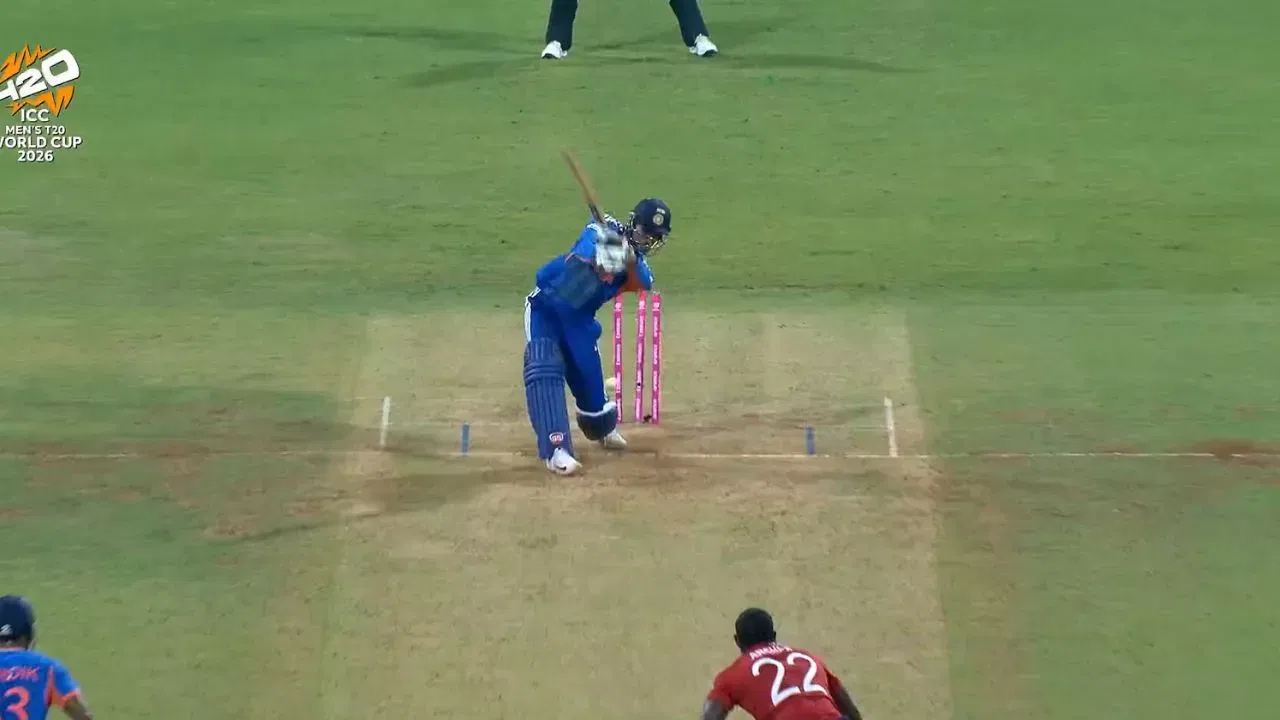
Jofra Archer Bamboozles Tilak Varma after getting hammered for three sixes
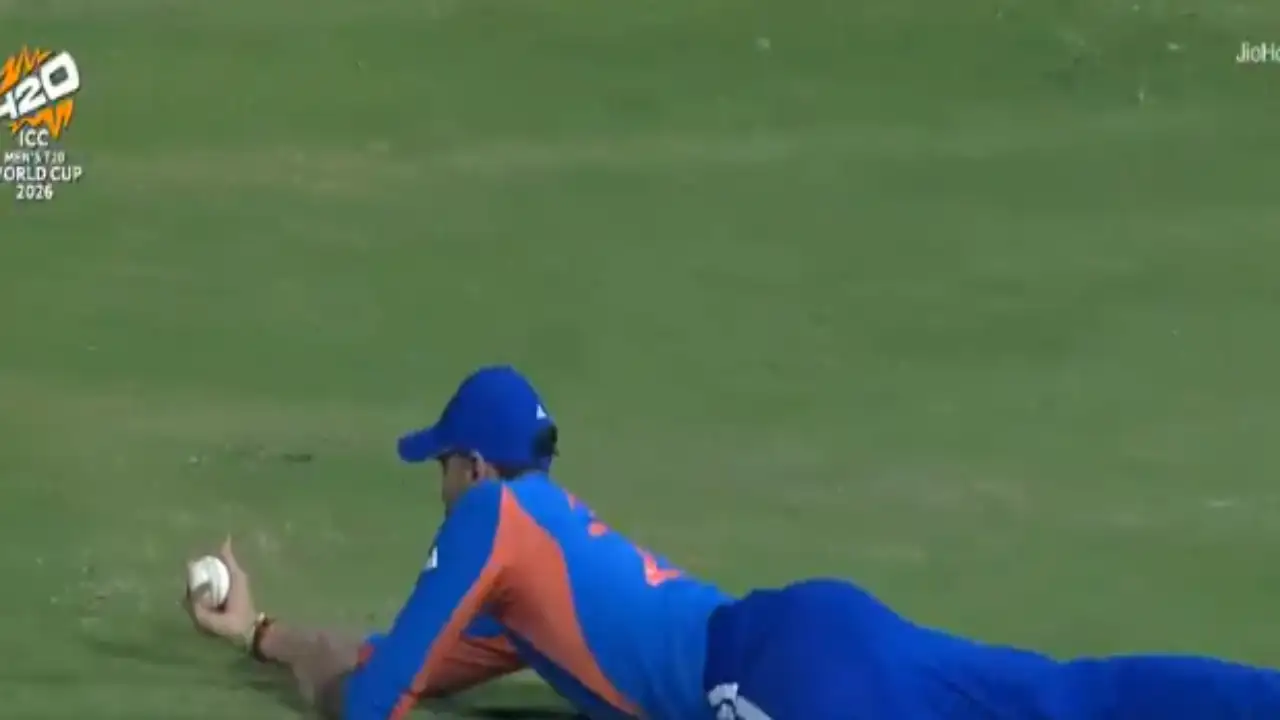
Axar Patel’s takes a UNBELIEVABLE catch to dismiss Harry Brook
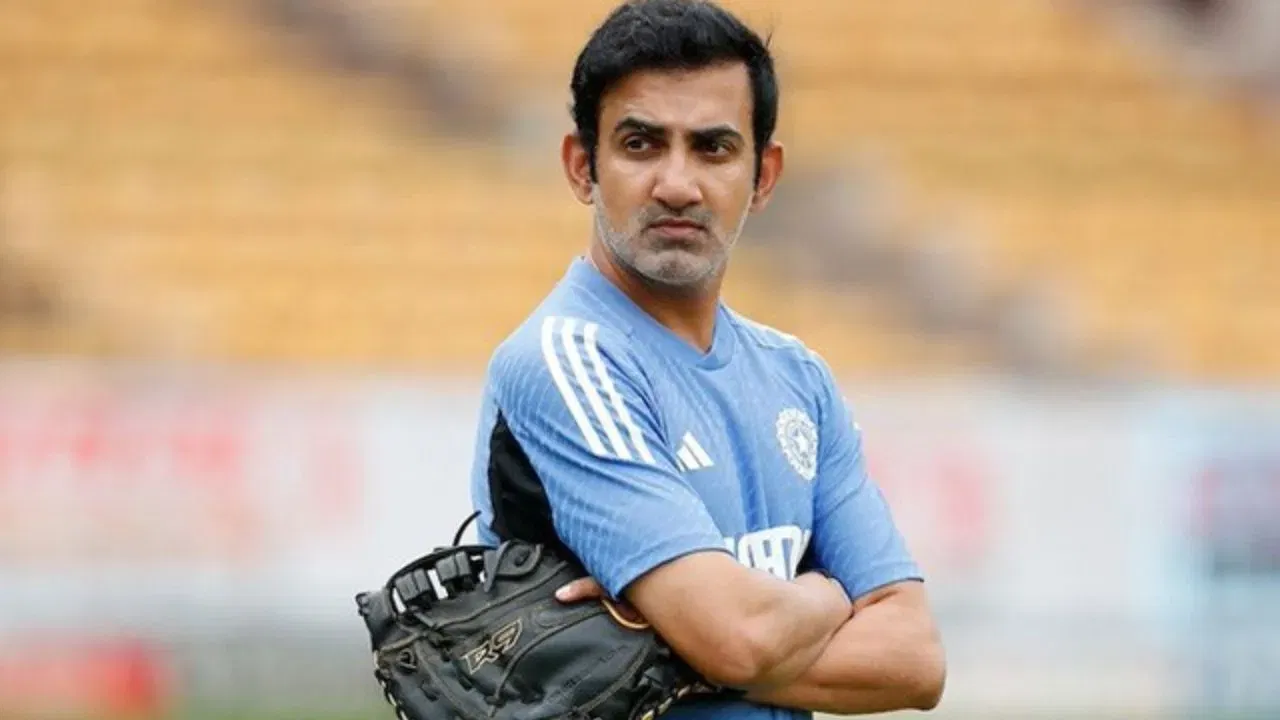
Gautam Gambhir leaves Team India camp before T20 World Cup 2026 semi-final for this huge reason
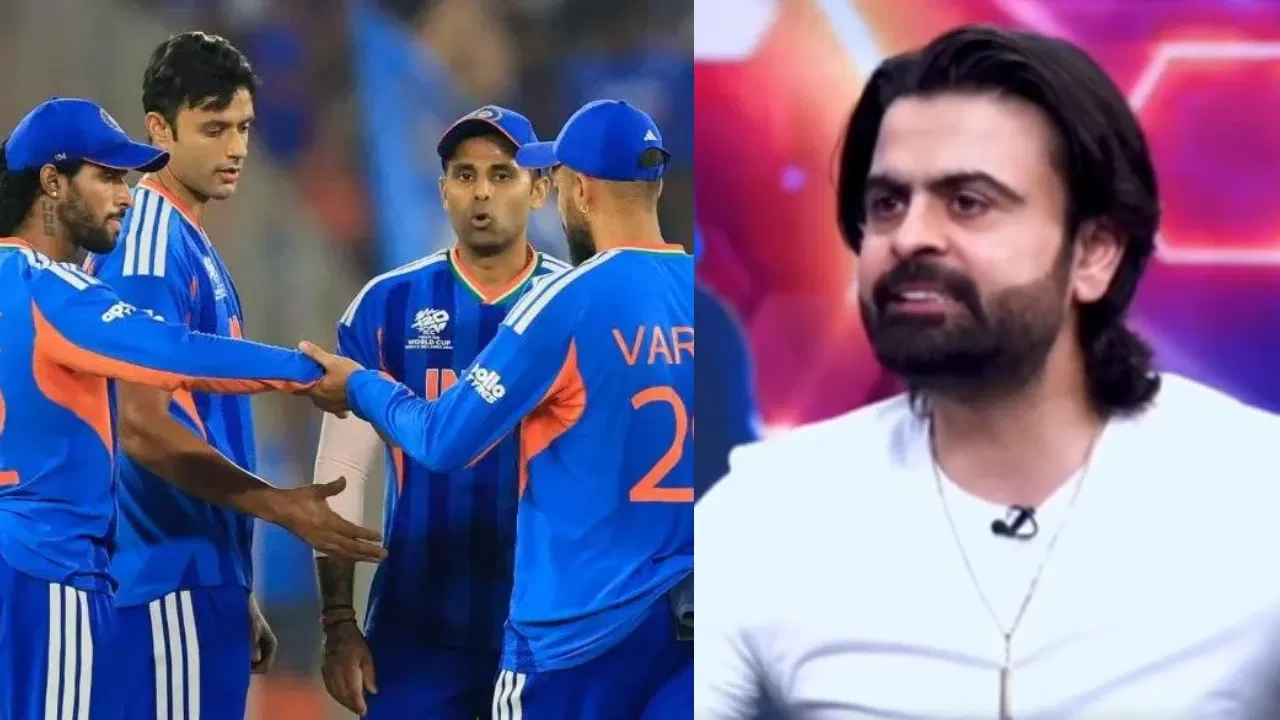
ICC can’t test Indian cricketers: Ahmed Shehzad sparks controversy with shocking dope-test claim
Mohammad Amir BLOCKS Sarfaraz Ahmed’s appointment as Pakistan’s head coach
Salman Mirza BANNED by PCB after misconduct allegations in Sri Lanka
Ex-KKR star claims Shivam Dube is a combination of ‘Yuvraj Singh & MS Dhoni’
Not Abhishek Sharma! Faf du Plessis declares Finn Allen the real T20 superstar
Not Harry Brook! Michael Vaughan picks star India all-rounder in combined XI
“His bowling is terrible” – Ex-India captain tears into Sam Curran before IND vs ENG semi-final