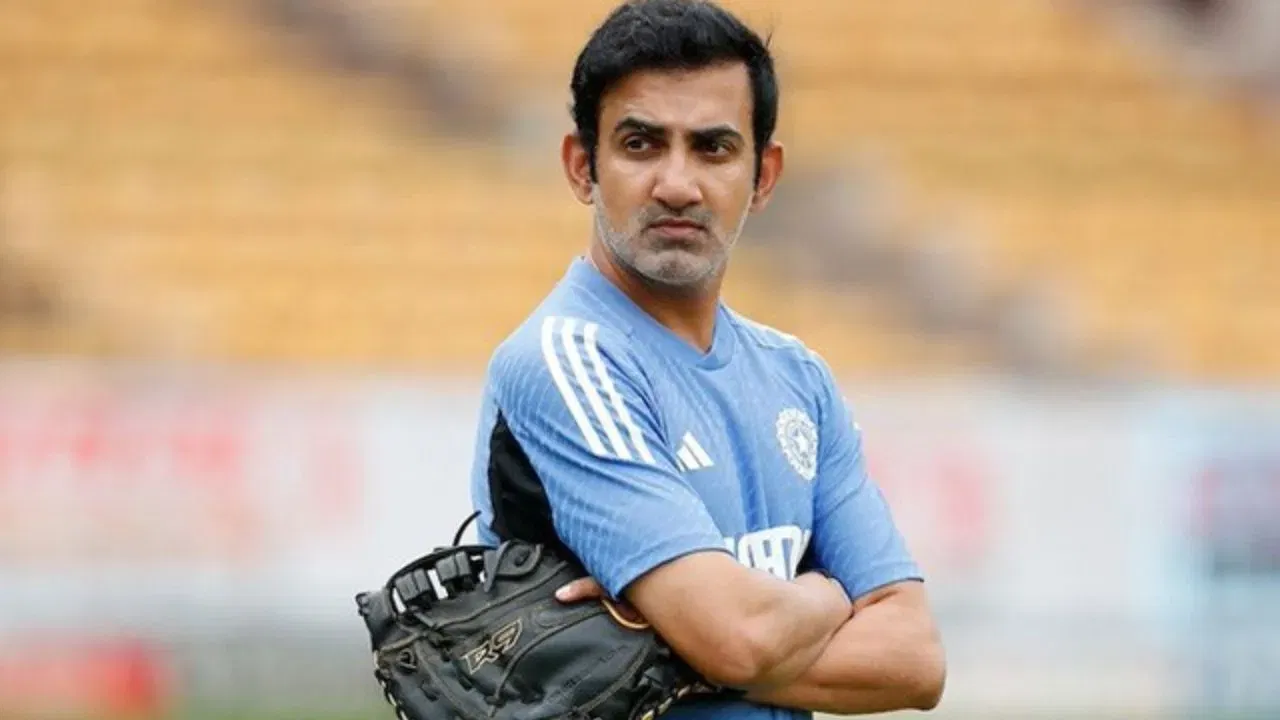
Vaibhav Suryavanshi’s age fraud allegations compel BCCI to take serious action
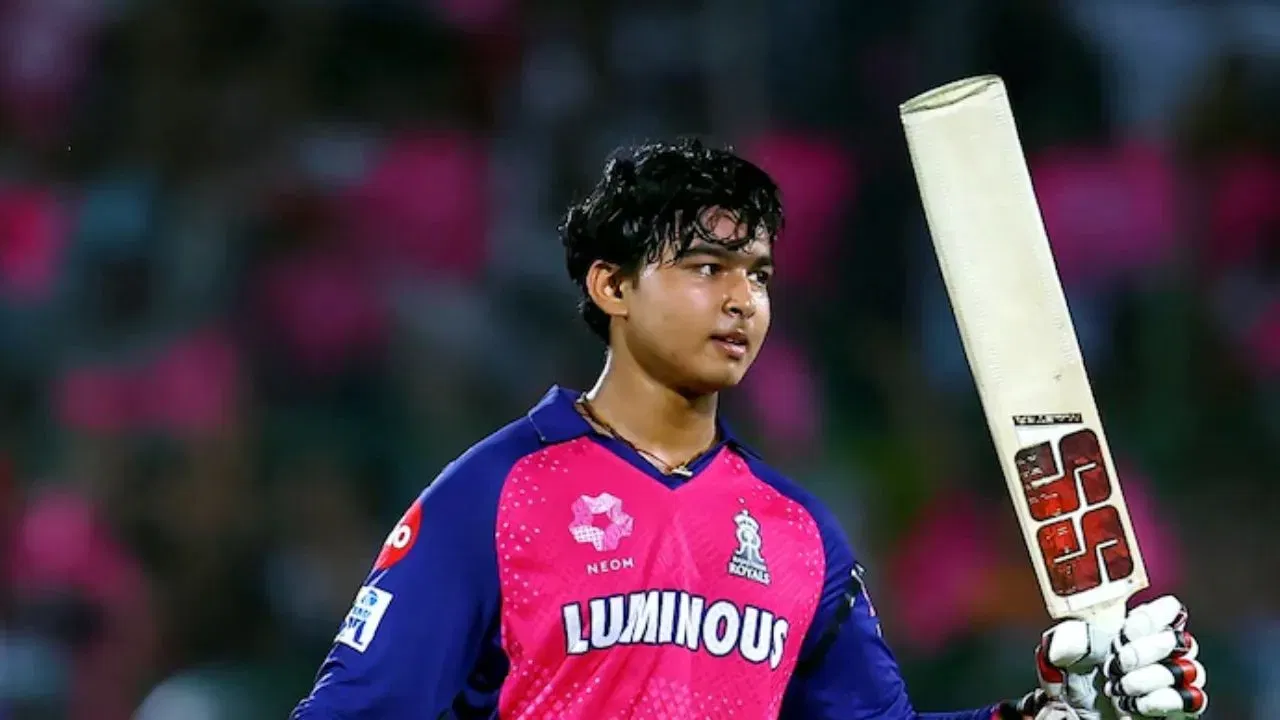
BCCI Implements New Rules to Combat Age Fraud in Junior Cricket
In a strategic move to eliminate age fraud and ensure fairness in junior cricket, the Board of Control for Cricket in India (BCCI) has introduced significant updates to its Age Verification Programme (AVP). This decision comes after years of issues with age-fudging that have plagued the junior cricket scene.
Major Changes in the Age Verification Programme
One of the most notable changes in the revamped AVP is the allowance for young players to undergo a second bone test if necessary. Previously, players between the ages of 14 and 16 for boys and 12 to 15 for girls were only permitted one bone test, which determined their eligibility for BCCI’s age-level tournaments.
Under the previous system, the BCCI used X-ray scans to assess a player’s bone age and then added one year to calculate the player’s ‘mathematical age.’ This mathematical age was used to determine if the player was eligible for U-16 or U-19 tournaments.
With the introduction of the second test, the BCCI aims to provide a more accurate and fair process, giving deserving players a better chance to showcase their skills and compete at their appropriate age level.
Enhancing Fairness and Accuracy
The decision to allow a second bone test comes in response to the limitations of the initial testing method. While bone tests are grounded in scientific principles, they are not foolproof and can sometimes yield inaccurate results. By giving players a second opportunity to prove their eligibility, the BCCI hopes to reduce the instances of players being wrongly marked as overage due to the inherent uncertainties of bone testing.
Moreover, the BCCI has taken stringent measures to combat age fraud in junior cricket. One such measure is the mandatory submission of an Aadhaar card with a recent photo by all players before undergoing the bone test. This move enhances the security and fairness of the verification process, ensuring that only the correct player participates in the testing.
Conducting Bone Age Testing
The bone age testing is an annual process conducted by the BCCI officials, typically in July and August. Officials travel to each state to oversee the tests, which are carried out at authorized hospitals. Each state is allocated a specific time slot for the testing, with an average of 40-50 boys and 20-25 girls undergoing the tests in each state.
Overall, the BCCI’s updated Age Verification Programme is a step forward in promoting transparency, accuracy, and fairness in junior cricket. By implementing these new rules and procedures, the board aims to create a level playing field for young cricketers and maintain the integrity of age-group tournaments.
Challenges in Age Verification
One of the challenges faced by the BCCI in combating age fraud is the pressure on young players to perform at higher age categories. In a highly competitive environment like junior cricket, players may succumb to the temptation of falsifying their age to gain a competitive edge. This not only undermines the spirit of the game but also hampers the development of genuine talent.
Additionally, the cultural and socio-economic factors prevalent in India contribute to the prevalence of age fraud in cricket. In many cases, players come from backgrounds where accurate documentation of birth dates may be lacking or inconsistent. This creates a loophole that dishonest individuals can exploit to manipulate their age for personal gain.
Impact on Players and the Game
Age fraud not only affects the integrity of junior cricket tournaments but also has a detrimental impact on the players involved. Young cricketers who are wrongly accused of age-fudging may face stigma, ridicule, and even exclusion from future opportunities. This can have a lasting psychological effect on the player and may deter them from pursuing a career in cricket.
Moreover, age fraud distorts the talent identification process, as older players posing as younger ones may overshadow genuine talent that deserves recognition and support. This leads to a skewed representation of skills and abilities in age-group tournaments, hindering the overall development of cricket at the grassroots level.
Educating Players and Officials
While stringent rules and procedures are crucial in combating age fraud, education plays a vital role in preventing such malpractices. The BCCI should invest in awareness campaigns and training programs to educate players, coaches, and officials about the repercussions of age fraud and the importance of fair play.
By fostering a culture of integrity and transparency within the cricketing community, the BCCI can instill values of honesty and sportsmanship from a young age. This not only deters players from engaging in age-fudging but also cultivates a sense of respect for the rules and regulations of the game.
Future Outlook
As the BCCI continues to refine its Age Verification Programme and implement new measures to combat age fraud, the future of junior cricket in India looks promising. By prioritizing fairness, accuracy, and ethical conduct, the board sets a strong foundation for the growth and sustainability of the sport at the grassroots level.
It is essential for all stakeholders in Indian cricket to rally behind these initiatives and work together towards creating a transparent and equitable environment for young cricketers to thrive. With a collective effort to uphold the values of integrity and fairness, the future stars of Indian cricket can emerge with confidence, skill, and a genuine passion for the game.
By addressing the root causes of age fraud, promoting ethical behavior, and nurturing talent with honesty and integrity, the BCCI paves the way for a brighter and more authentic future for junior cricket in India.
Latest News
Prithvi Shaw declares his mission to return to team India begins from IPL 2026
Irfan Pathan questions Arshdeep Singh’s bowling ahead of IPL 2026
“Mind is somewhere else”: Yuvraj’s Father exposes Abhishek Sharma’s indiscipline lifestyle
EX-RCB pacer joins KKR as replacement of Harshit Rana ahead of IPL 2026

“Win our first trophy”: Sanjiv Goenka crowns LSG as champions ahead of IPL 2026
New catching rule? Captains warned over ‘Incomplete’ catches ahead of IPL 2026
Pat Cummins in awe of Ishan Kishan’s captaincy

Ex-India star accuses teammates of ‘Racism’, blames it for early international exit
“I love watching Shreyas Iyer bat” – PBKS all-rounder Cooper Connolly ahead of IPL 2026
Yograj Singh gives Ravichandran Ashwin belt treatment because of Arjun Tendulkar remarks
CSK legend advises Shubman Gill the best way to bounce back in T20I team
Jasprit Bumrah Injury Scare, reason behind visit to CoE revealed
“Didn’t invite me”: R Ashwin puts Kuldeep Yadav in spotlight over wedding snub
Ireland Cricket announced the full list of central contracts for the 2026-27 season