Virat Kohli declared ‘Useless’ in white-ball cricket by England legend
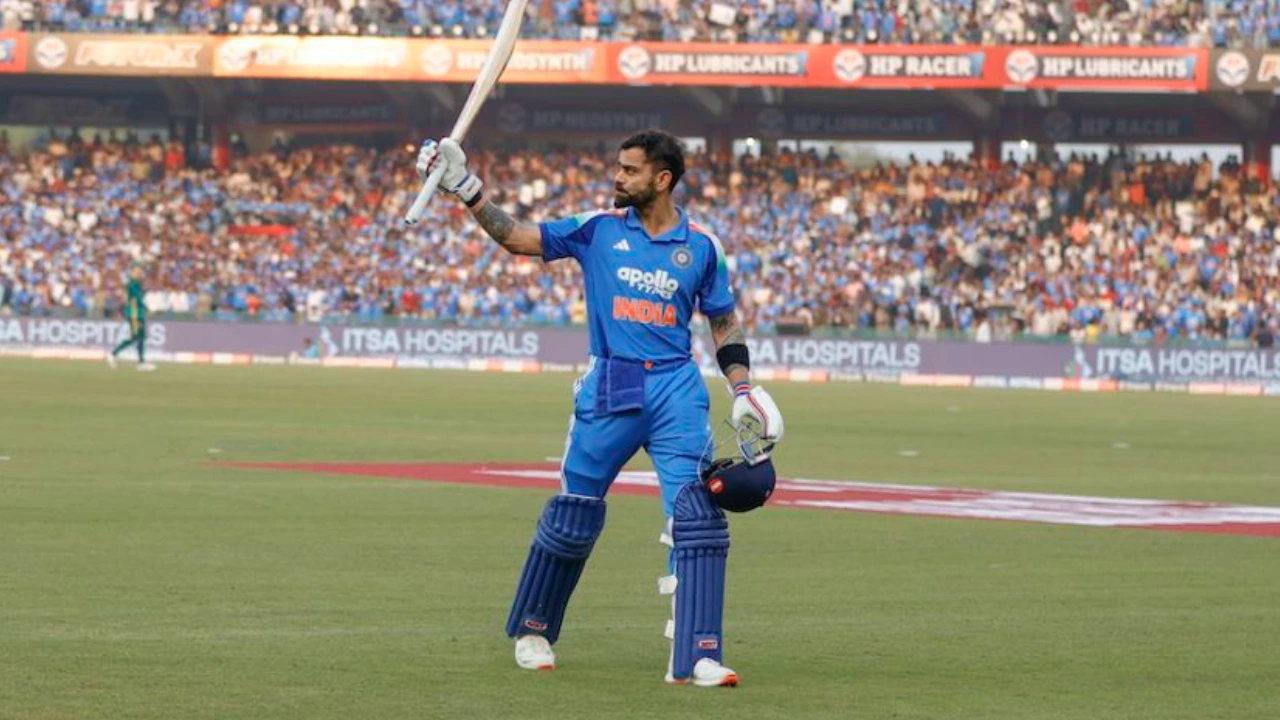
Former England Spinner Monty Panesar’s Insights on Indian Cricket and the Impact of Virat Kohli’s Absence
In a recent interview with ANI, former England spinner Monty Panesar shared his thoughts on the current state of Indian cricket and the absence of Virat Kohli in limited-overs and red-ball formats. Panesar believes that while India may not miss Kohli as much in white-ball cricket, his absence has been keenly felt in Test cricket.
Virat Kohli’s Impact on Indian Cricket
Panesar pointed out that Virat Kohli’s legacy as one of India’s greatest Test captains is undeniable. Under Kohli’s leadership, India reached the top spot in the ICC Test Rankings and achieved significant milestones, including their first-ever Test series win in Australia, a formidable home record, and qualification for the WTC Finals in 2021.
As a captain, Kohli led India to 40 Test wins out of 68 matches, showcasing his prowess and influence on the team. His aggressive and intense approach to the game set a high standard for his teammates and solidified India’s position as a dominant force in Test cricket.
The Impact of Kohli’s Absence
While discussing Kohli’s absence in the current Indian team, Panesar highlighted the noticeable dip in intensity and performance, particularly in Test cricket. He mentioned that the gap between the Ranji Trophy system and the Indian Test team is significant, leading to a lack of readiness among young Indian players for the challenges of five-day matches.
Panesar also emphasized that Indian youngsters are more inclined towards playing T20 cricket and securing lucrative IPL contracts, rather than focusing on the demands of Test cricket. He suggested that the lack of emphasis on longer formats could hinder India’s ability to make a strong comeback in Test cricket in the near future.
Shubman Gill’s Challenge in Filling Kohli’s Shoes
Regarding the potential successors to Kohli’s legacy, Panesar mentioned that Shubman Gill faces a challenging task in matching the former captain’s aggression and intensity on the field. While acknowledging Gill’s talent, Panesar noted that the young batter may struggle to replicate Kohli’s impact as a Test skipper.
Overall, Panesar’s insights shed light on the intricate dynamics of Indian cricket and the enduring influence of Virat Kohli on the team’s performance across different formats. As India navigates through the transition phase post-Kohli’s captaincy, the challenges and opportunities for emerging players like Shubman Gill will shape the future of Indian cricket on the global stage.
The Evolution of Indian Cricket Post-Kohli Era
With Virat Kohli stepping down as India’s Test captain and relinquishing his role in limited-overs formats, the landscape of Indian cricket is undergoing a significant transformation. The void left by Kohli’s departure as captain opens up new opportunities for leadership and talent development within the team.
One key aspect to consider is the shift in team dynamics and strategies with the appointment of Rohit Sharma as India’s new Test captain. Sharma’s calm demeanor and tactical acumen bring a different perspective to captaincy, which could influence the team’s approach to the game. As India transitions to a new era of leadership, the players will need to adapt to Sharma’s style and vision for the team.
The Role of Young Players in Shaping Indian Cricket’s Future
As Monty Panesar mentioned, the focus on T20 cricket and the allure of the IPL have drawn the attention of young Indian cricketers away from the longer formats of the game. However, this trend also presents an opportunity for emerging talents to prove their mettle and establish themselves in the Test arena.
Players like Shubman Gill, Prithvi Shaw, and Rishabh Pant have shown glimpses of their potential in Test cricket, but now is the time for them to step up and fill the void left by senior players like Kohli. The onus is on these young cricketers to embrace the challenges of Test cricket, hone their skills, and contribute significantly to India’s success in the longer format.
The Importance of Mentorship and Guidance
With the departure of experienced players like Kohli, Ajinkya Rahane, and Cheteshwar Pujara from captaincy roles, the need for mentorship and guidance within the team becomes crucial. Senior players who have been part of successful campaigns can play a pivotal role in nurturing and mentoring the next generation of Indian cricketers.
Establishing a strong support system that includes coaches, mentors, and former players can help young talents navigate the challenges of international cricket and ensure a smooth transition into leadership roles. The mentorship programs and leadership development initiatives can instill confidence, instill a sense of responsibility, and foster a sense of camaraderie within the team.
Looking Ahead: The Future of Indian Cricket
As India embarks on a new chapter in its cricketing journey post-Kohli’s era, the focus shifts towards building a strong foundation for sustained success across all formats. The challenges posed by Kohli’s absence present an opportunity for the team to redefine its strategies, foster young talent, and adapt to the evolving dynamics of the game.
While the legacy of Virat Kohli will continue to inspire generations of cricketers, the future of Indian cricket lies in the hands of the next crop of players who are ready to embrace the challenges, seize the opportunities, and uphold the rich cricketing tradition of the nation on the global stage.
By leveraging the insights provided by Monty Panesar and analyzing the current state of Indian cricket, the team can navigate through the transitional phase post-Kohli’s captaincy with resilience, determination, and a collective vision for success.
Latest News
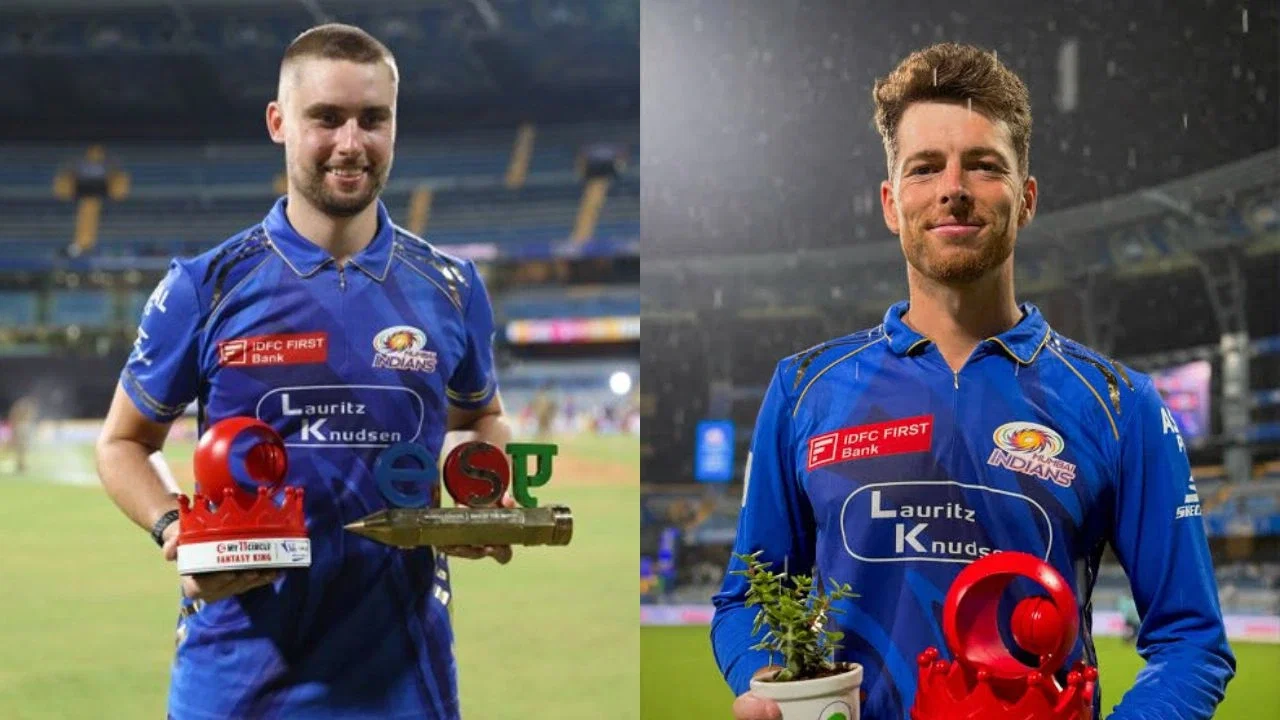
Mumbai Indians suffer blow! Mitchell Santner, Will Jacks ruled out of IPL 2026 games
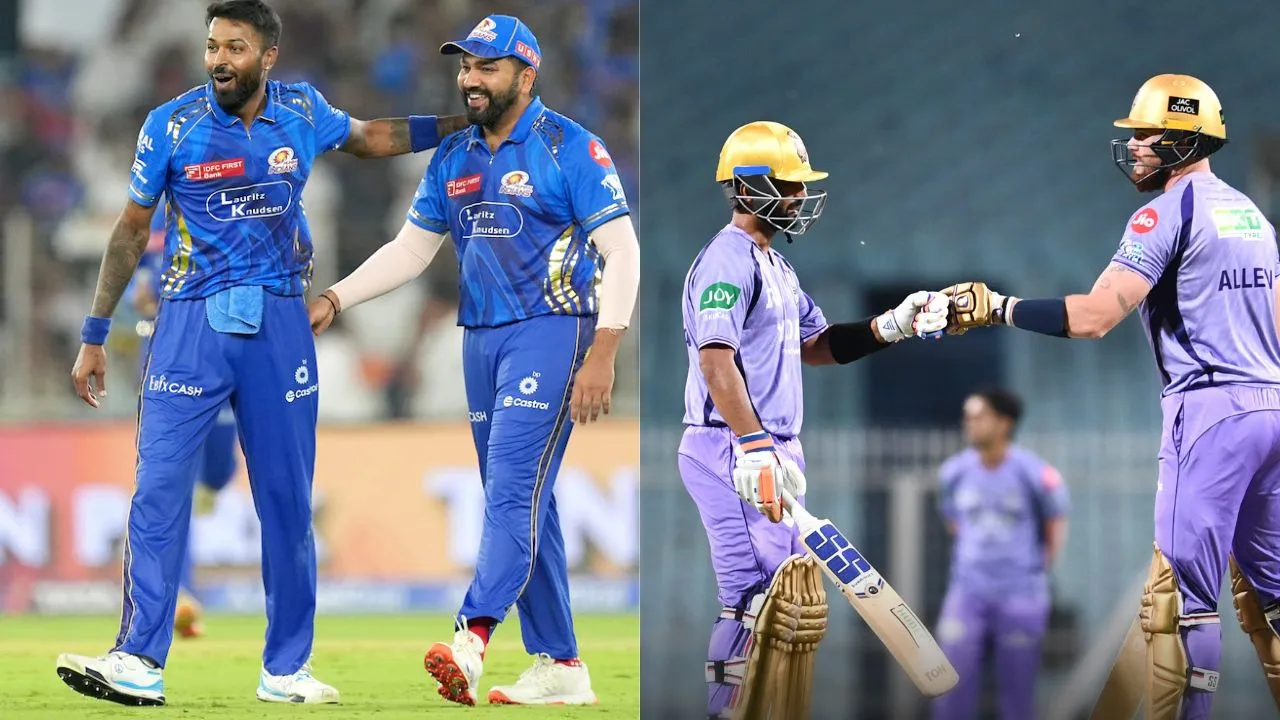
MI vs KKR Match Prediction – Who Will Win Match No.2? | IPL 2026
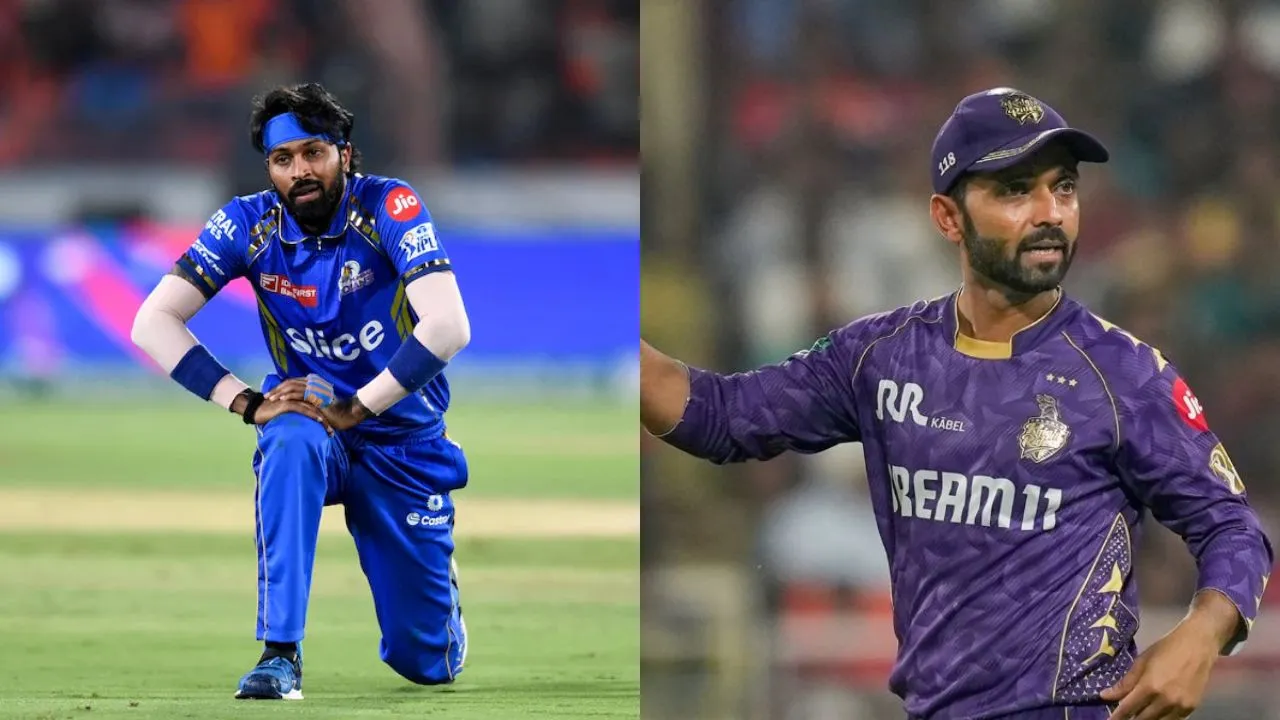
Mumbai Indians Playing XI vs Kolkata Knight Riders Playing XI- Match No. 2 | IPL 2026
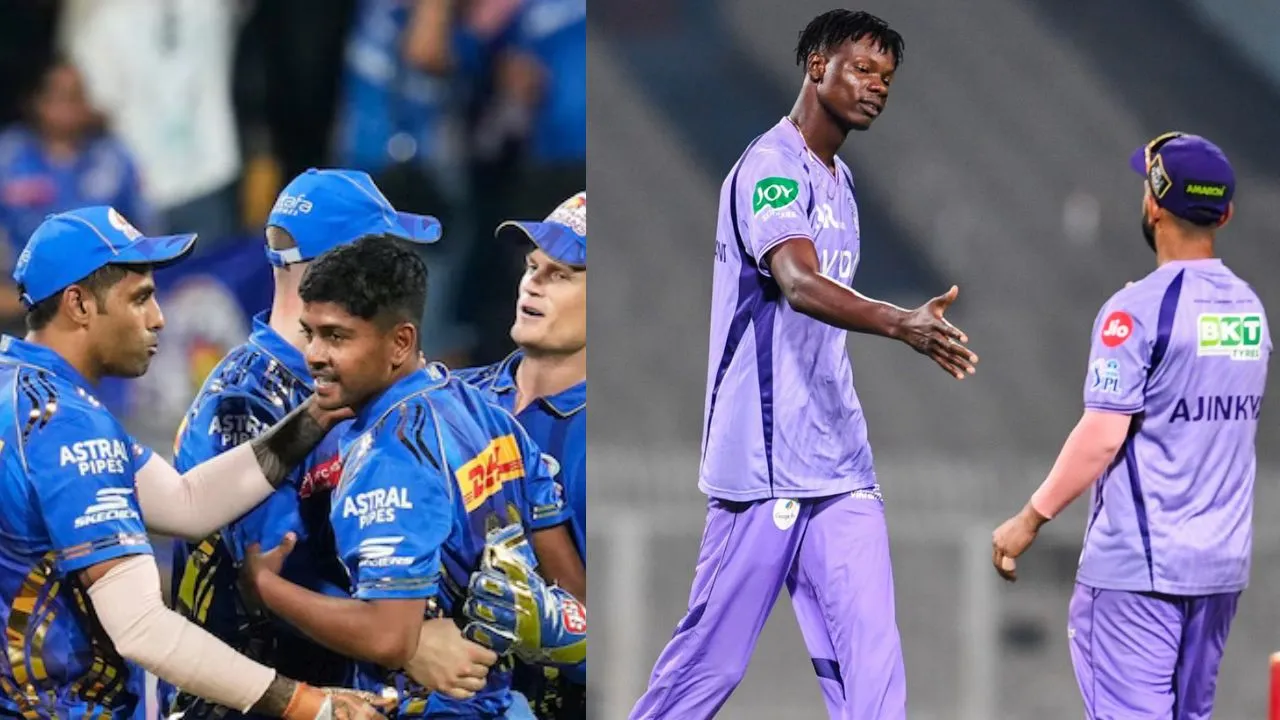
MI vs KKR Match 2 Preview: Free Live Streaming, Pitch & Weather Report, Head-to-Head | IPL 2026
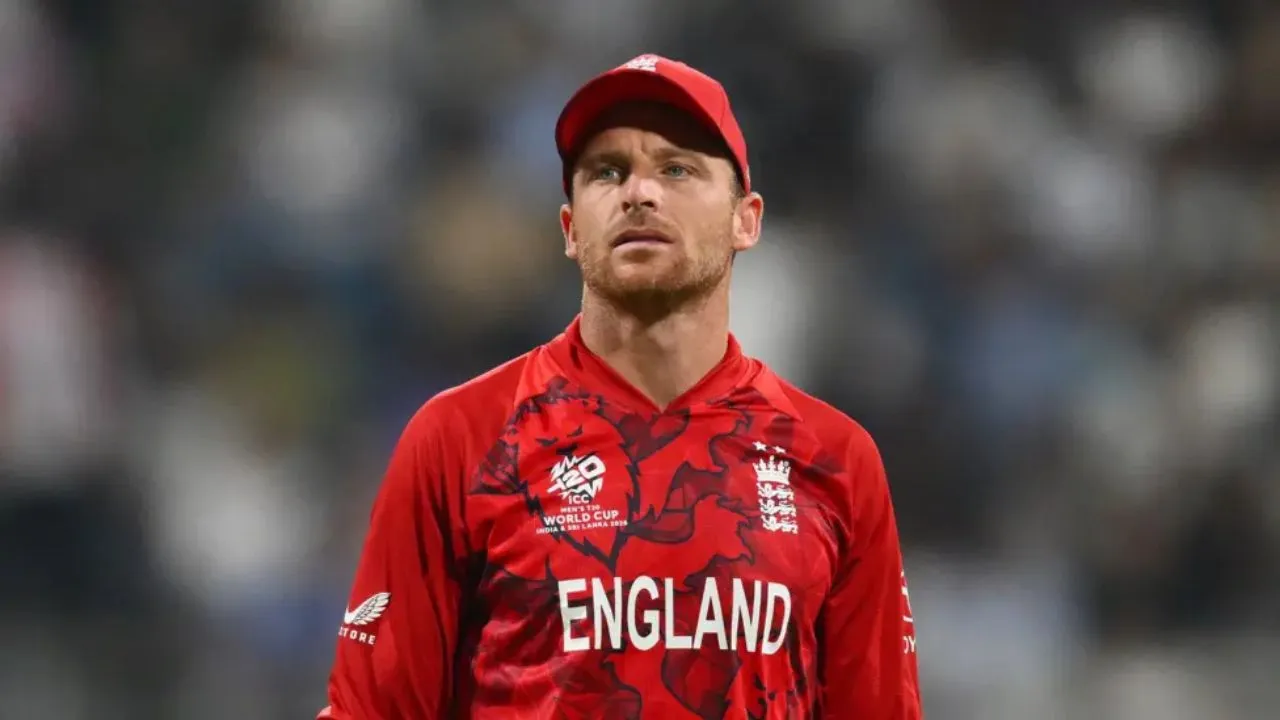
Not English cricket! Jos Buttler credits IPL for his success as a cricketer
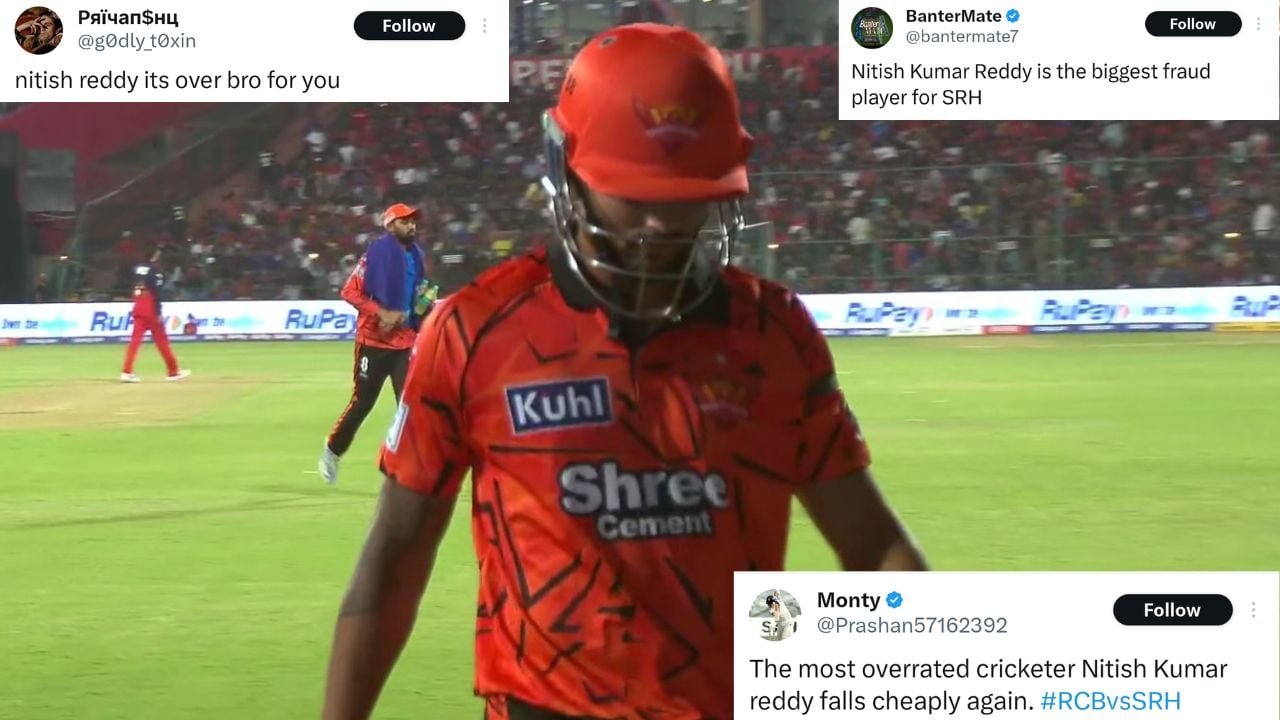
“Nitish Kumar Reddy is biggest fraud”: Fans fume as SRH star fails vs RCB in IPL 2026 opener
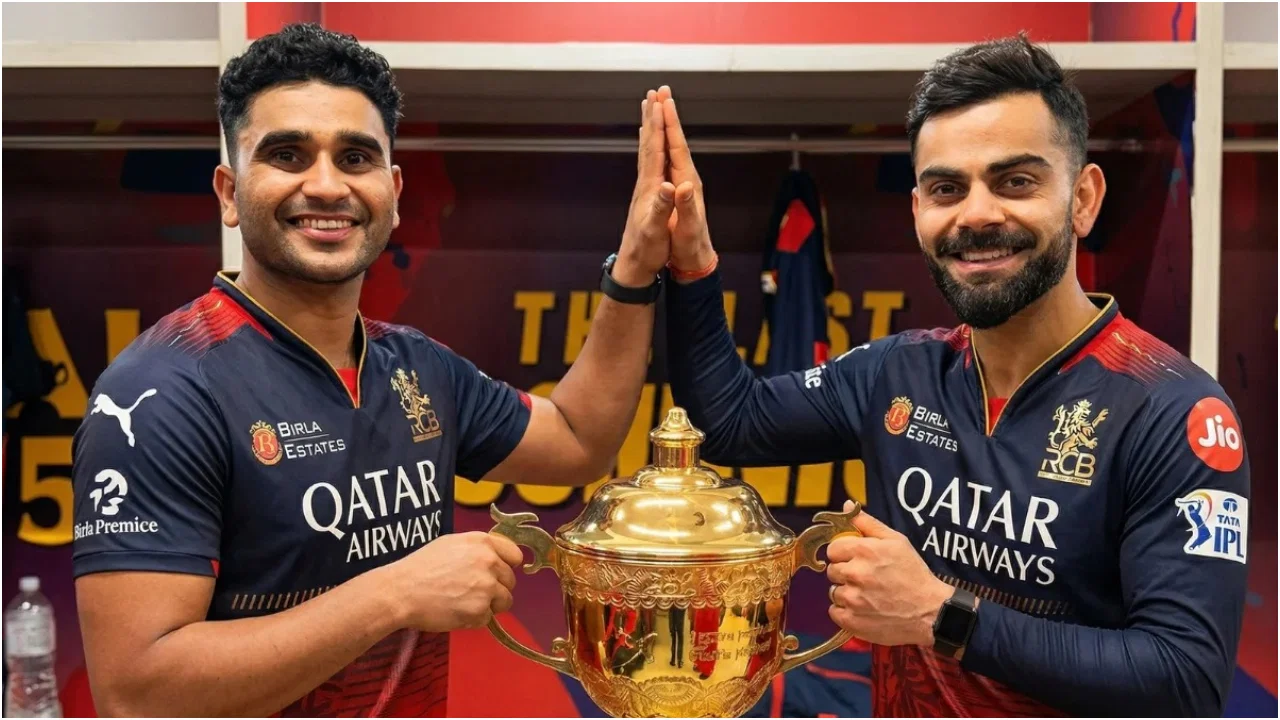
Who is Abhinandan Singh? The Virat Kohli troublemaker who made his IPL debut for RCB vs SRH
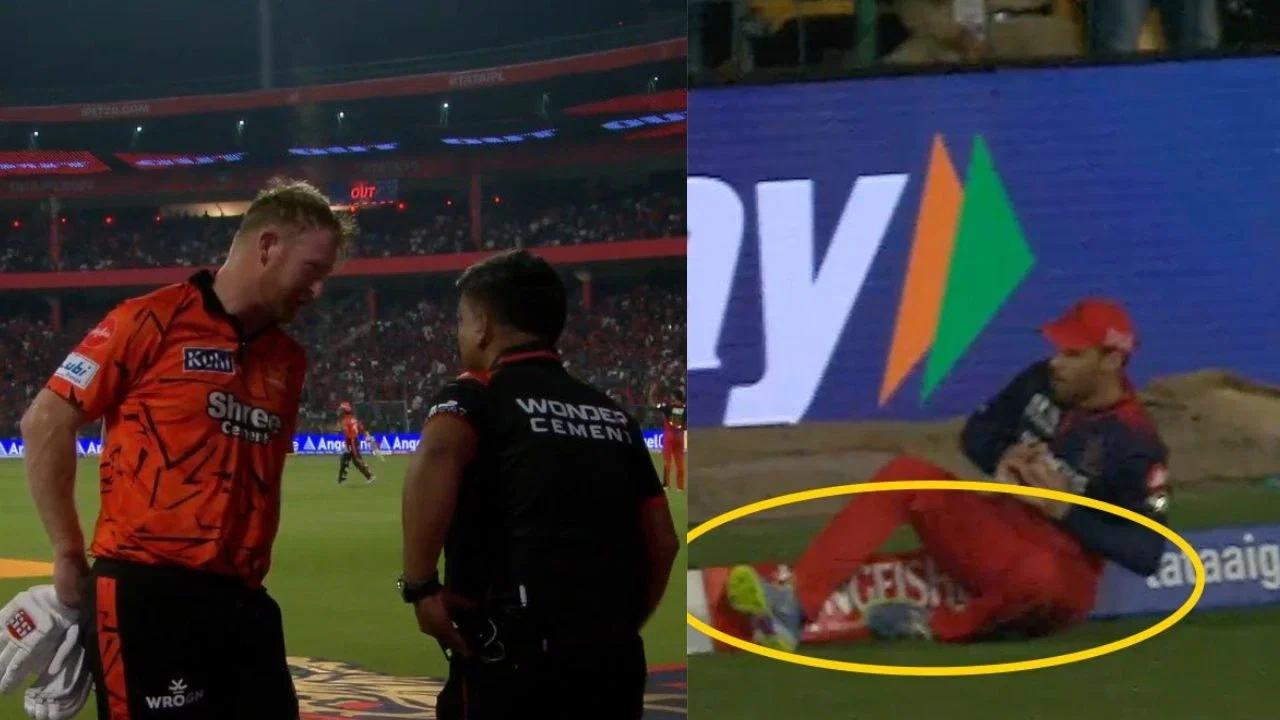
Heinrich Klaasen engages in heated chat with 4th umpire after Phil Salt’s controversial catch in IPL 2026
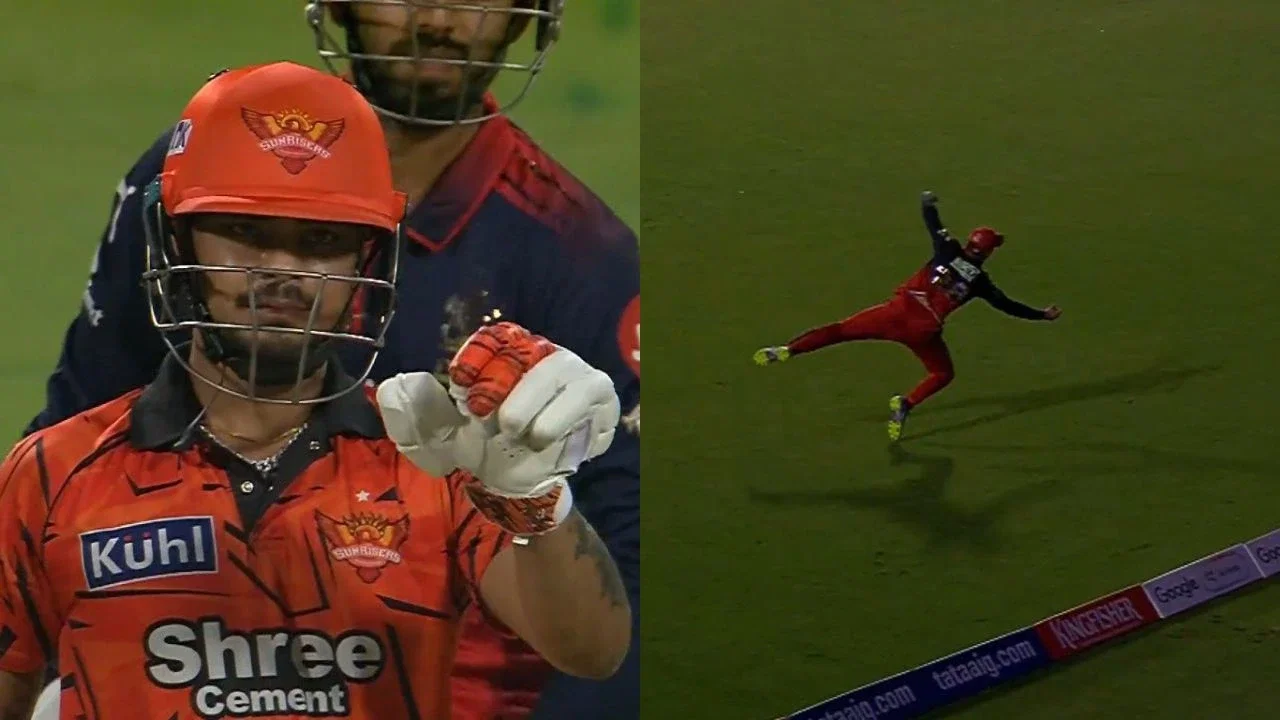
Phil Salt grabs one of the greatest catches in IPL history to dismiss Ishan Kishan
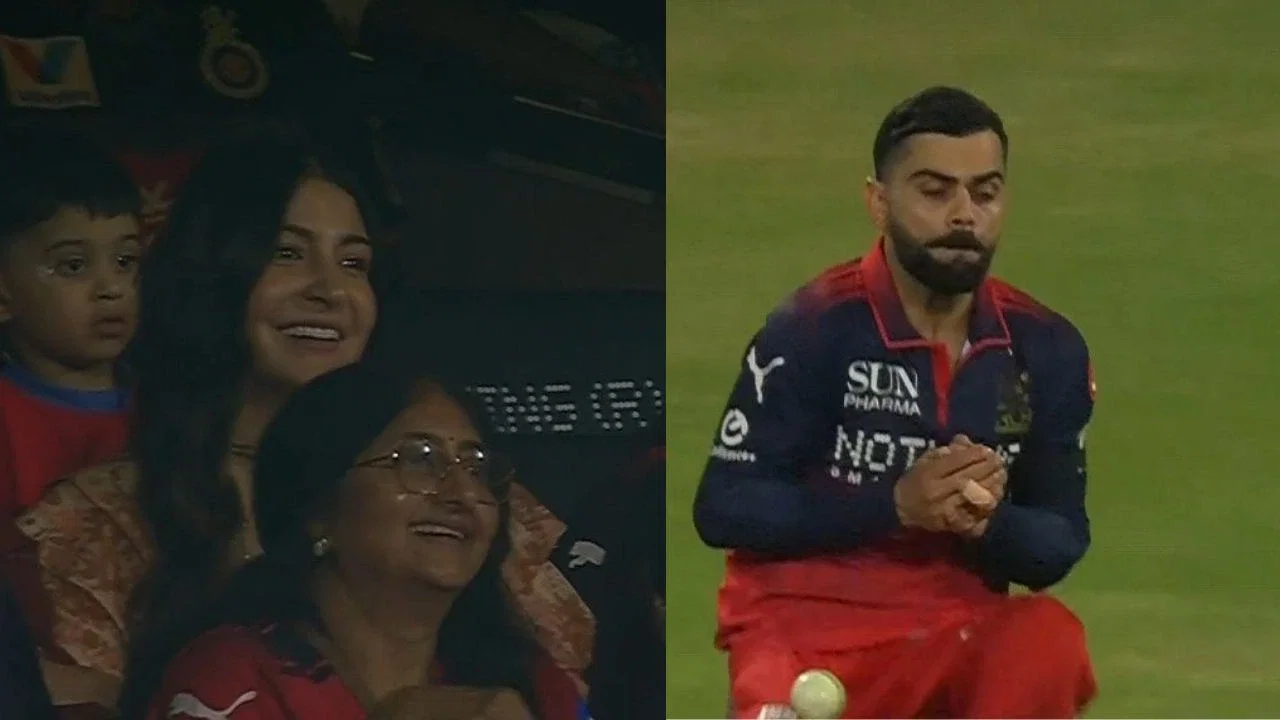
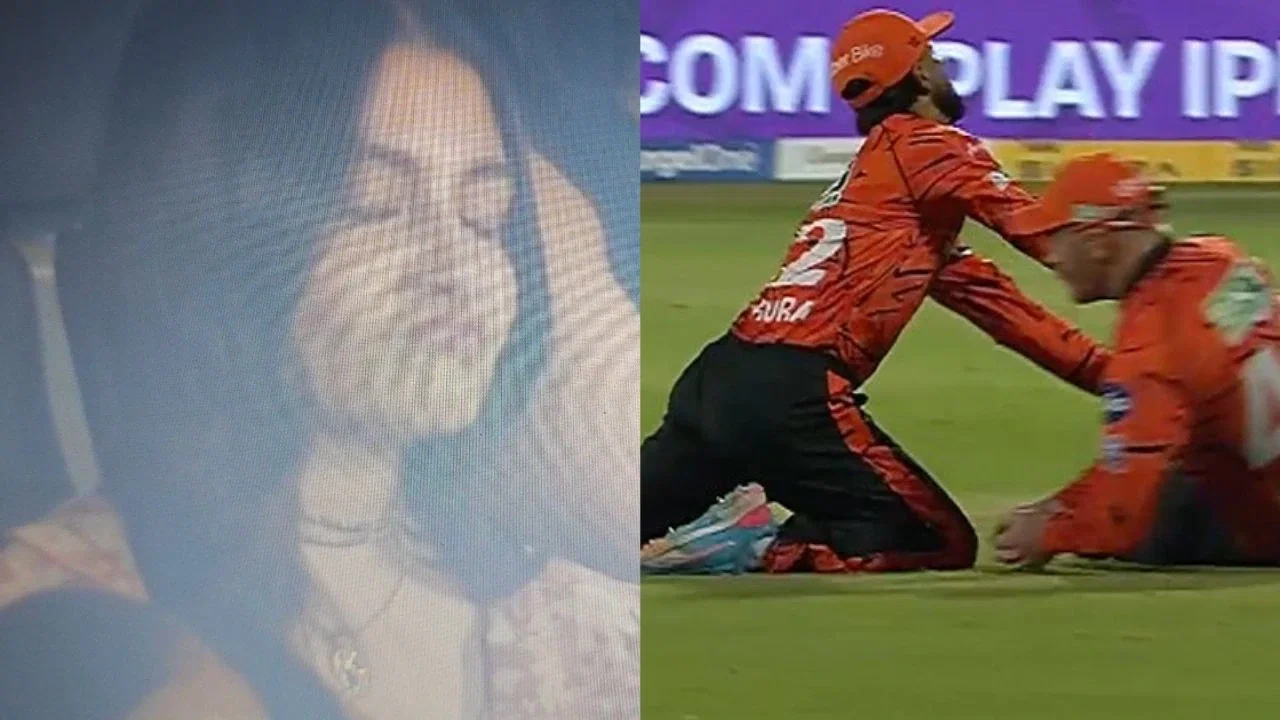
Anushka Sharma laughs as Virat Kohli drops a sitter in RCB vs SRH clash (Watch Video)
Anushka Sharma laughs as Virat Kohli drops a sitter in RCB vs SRH clash (Watch Video)
Anushka Sharma laughs as Virat Kohli drops a sitter in RCB vs SRH clash (Watch Video)
Anushka Sharma laughs as Virat Kohli drops a sitter in RCB vs SRH clash (Watch Video)
Anushka Sharma laughs as Virat Kohli drops a sitter in RCB vs SRH clash (Watch Video)