Virat Kohli-Rohit Sharma’s forced retirements have made Gautam Gambhir a villain in team India- Report
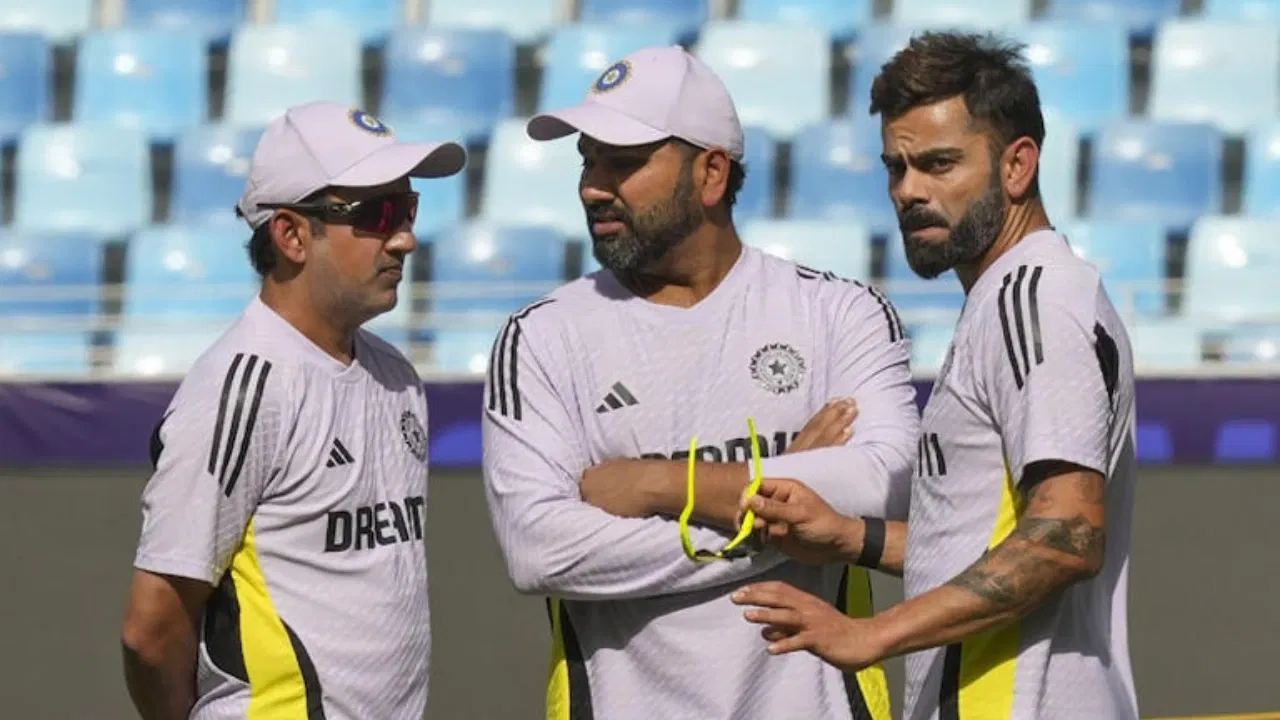
Cracks in Gautam Gambhir’s Leadership Exposed as India Suffers Defeat Against England
The pressure is mounting on India’s head coach, Gautam Gambhir, as the team faces yet another setback in the red-ball format. While Gambhir has seen success in white-ball cricket, the recent loss to England in the first Test at Headingley has raised questions about his leadership.
Headingley Defeat Highlights Leadership Issues
The defeat at Headingley was a bitter pill to swallow for India, especially considering the team’s dominant performance in multiple sessions of the match. Despite five Indian players scoring centuries and posting a massive total in the first innings, England managed to chase down a target of over 370 runs with ease on the final day. The Indian bowlers lost control, and the lower order collapsed, ultimately leading to England’s victory by 5 wickets.
Many are now questioning Gambhir’s strategies, with some suggesting a mindset issue within the Indian Test team. There seems to be a focus on personal glory over team success, leading to a lack of match-winning moments and a celebration of personal milestones over collective achievements.
Rohit Sharma’s Snub and Team Morale
The lack of unity within the red-ball team has been a cause for concern, with rumors of lingering tensions from past tours affecting team dynamics. Rohit Sharma’s exclusion from the Sydney Test without clear communication or support from Gambhir has sparked insecurities among players.
Players are now more focused on self-preservation rather than team sacrifice, fearing the repercussions of one bad match on their place in the XI. Gambhir’s coaching style, which prioritizes individual form over team objectives, has been criticized for instilling this fear among the players.
Challenges in Bowling Attack
The current Indian team boasts talent on paper, but on the field, there is a lack of unity and collective effort. The bowling attack, led by Jasprit Bumrah, is struggling, with other bowlers like Mohammed Shami and Prasidh Krishna lacking rhythm and precision.
Players are playing it safe rather than adopting a smart cricket approach, leading to a series of underwhelming performances. The recent result against England has shone a light on Gambhir’s unintentional approach, where individual interests seem to take precedence over team goals.
Looking Ahead
As India prepares to face England in the second Test in Birmingham from July 2, the team will be looking to bounce back and turn the tide in the five-match series. With pressure mounting on Gambhir and the need for unity and collective effort becoming more apparent, the upcoming matches will be crucial for India’s red-ball team.
Overall, the challenges faced by the team highlight the importance of strong leadership, unity, and a collective focus on team objectives to succeed in the competitive world of Test cricket.
Leadership Style and Communication
One of the key aspects that have come under scrutiny in Gautam Gambhir’s leadership is his communication with the team. Effective communication is crucial in any team sport, especially in Test cricket, where strategies need to be clear and roles defined. Gambhir’s leadership style, known for its intensity and focus on individual performances, may be causing a disconnect within the team.
While Gambhir’s aggressive approach has worked well in limited-overs cricket, the longer format requires a more nuanced understanding of player psychology and team dynamics. Building trust and fostering a supportive environment where players feel valued and understood is essential for success in Test matches.
Mental Toughness and Resilience
Another area that needs attention is the mental toughness and resilience of the Indian team. Test cricket is a game of endurance and patience, where the ability to bounce back from setbacks is crucial. The recent defeat against England has exposed vulnerabilities in the team’s mental strength, with players struggling to maintain composure under pressure.
Gambhir’s role in instilling confidence and belief in his players during challenging times is vital. Encouraging a positive mindset, fostering resilience, and emphasizing the importance of staying focused on the team’s goals rather than individual achievements can help the team overcome obstacles and perform consistently at a high level.
Strategic Adaptability and Game Awareness
Adaptability and game awareness are essential qualities for a successful Test captain. Gambhir’s approach to tactics and strategy may need reevaluation, especially in high-pressure situations where quick decision-making is crucial. The ability to read the game, make timely changes, and adapt to changing conditions are hallmarks of effective leadership in Test cricket.
Developing a strategic mindset that prioritizes collective success over personal milestones can help the team navigate through tough situations and come out on top. Encouraging a proactive and innovative approach to gameplay can make a significant difference in the team’s performance on the field.
Team Building and Unity
Building team cohesion and unity is paramount in Test cricket, where players spend long periods together on and off the field. Gambhir’s role in fostering a positive team environment, where players feel supported, respected, and united in their goals, is crucial for success in the longer format.
Organizing team-building activities, promoting open communication, and encouraging a sense of camaraderie among players can enhance team spirit and collective performance. Emphasizing the value of teamwork and instilling a sense of belonging within the squad can help create a strong foundation for sustained success in Test matches.
Conclusion
As India gears up for the upcoming Test matches against England, the focus will be on addressing the leadership challenges and building a cohesive and resilient team under Gautam Gambhir’s guidance. By fostering effective communication, promoting mental toughness, enhancing strategic adaptability, and nurturing team unity, the Indian team can overcome the hurdles and emerge stronger in the competitive world of Test cricket.
With a renewed focus on collective success and a shared commitment to team objectives, India has the potential to turn the tide and achieve victory in the remaining matches of the series.
Latest News
Irfan Pathan questions Arshdeep Singh’s bowling ahead of IPL 2026
“Mind is somewhere else”: Yuvraj’s Father exposes Abhishek Sharma’s indiscipline lifestyle

EX-RCB pacer joins KKR as replacement of Harshit Rana ahead of IPL 2026

“Win our first trophy”: Sanjiv Goenka crowns LSG as champions ahead of IPL 2026
New catching rule? Captains warned over ‘Incomplete’ catches ahead of IPL 2026

Pat Cummins in awe of Ishan Kishan’s captaincy

Ex-India star accuses teammates of ‘Racism’, blames it for early international exit
“I love watching Shreyas Iyer bat” – PBKS all-rounder Cooper Connolly ahead of IPL 2026

Yograj Singh gives Ravichandran Ashwin belt treatment because of Arjun Tendulkar remarks

CSK legend advises Shubman Gill the best way to bounce back in T20I team

Jasprit Bumrah Injury Scare, reason behind visit to CoE revealed
“Didn’t invite me”: R Ashwin puts Kuldeep Yadav in spotlight over wedding snub
Ireland Cricket announced the full list of central contracts for the 2026-27 season
Gautam Gambhir gets court protection against deep fake allegations