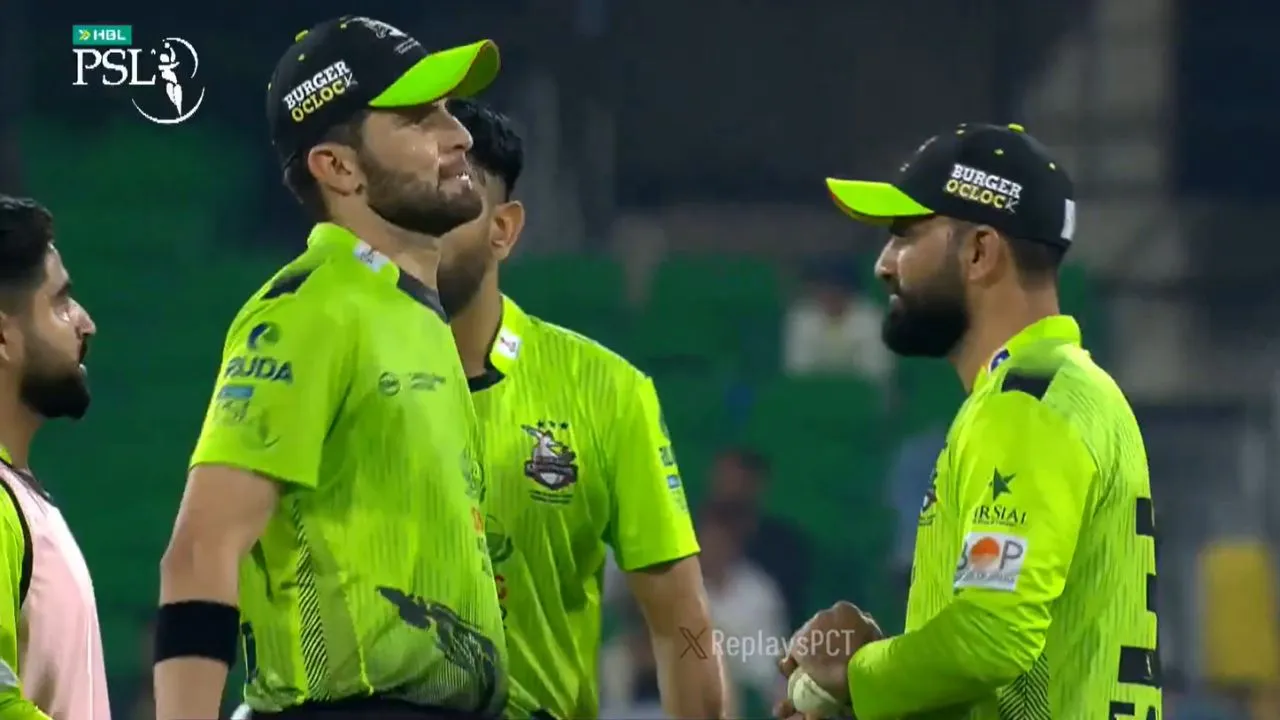
Virat Kohli used to harass India by Pakistan
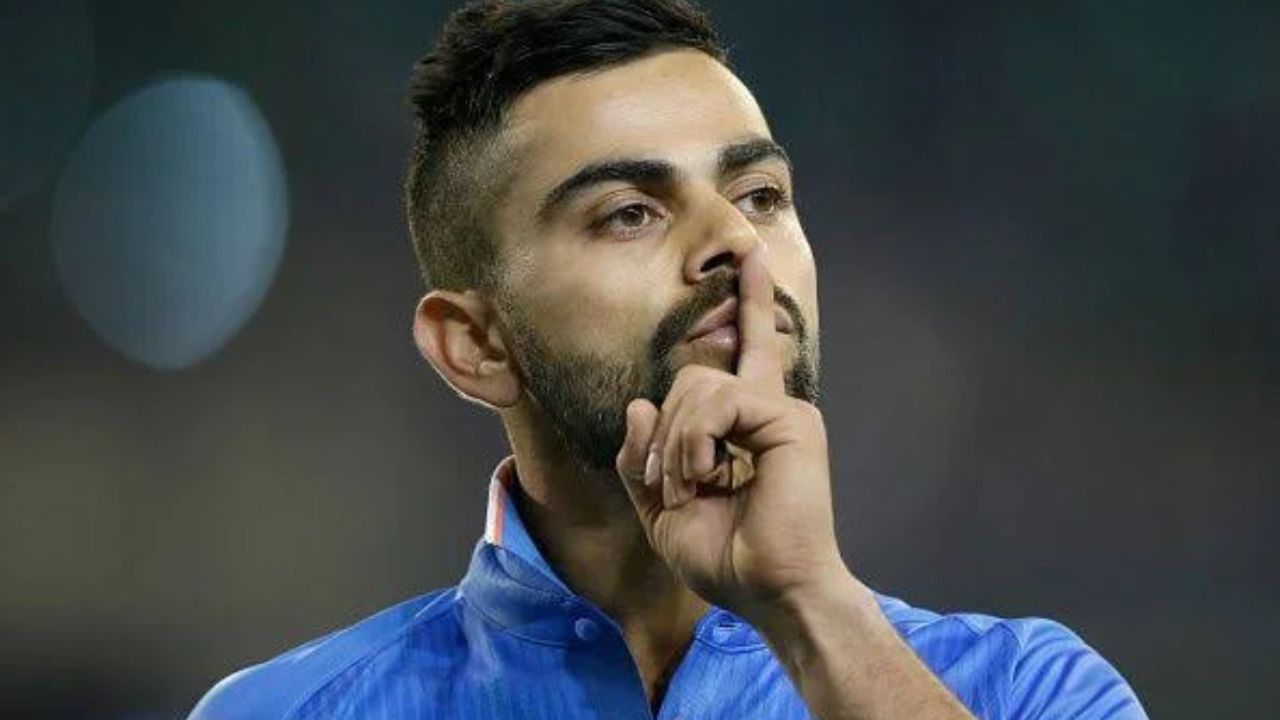
Mohammad Amir Praises Virat Kohli Amid Asia Cup Handshake Controversy
In the midst of the ongoing handshake controversy surrounding the Asia Cup, former Pakistan pacer Mohammad Amir took to social media to praise former Indian skipper Virat Kohli. The controversy began after India’s players, led by Suryakumar Yadav, walked off without the customary handshakes with Pakistan players following their group-stage match on September 14.
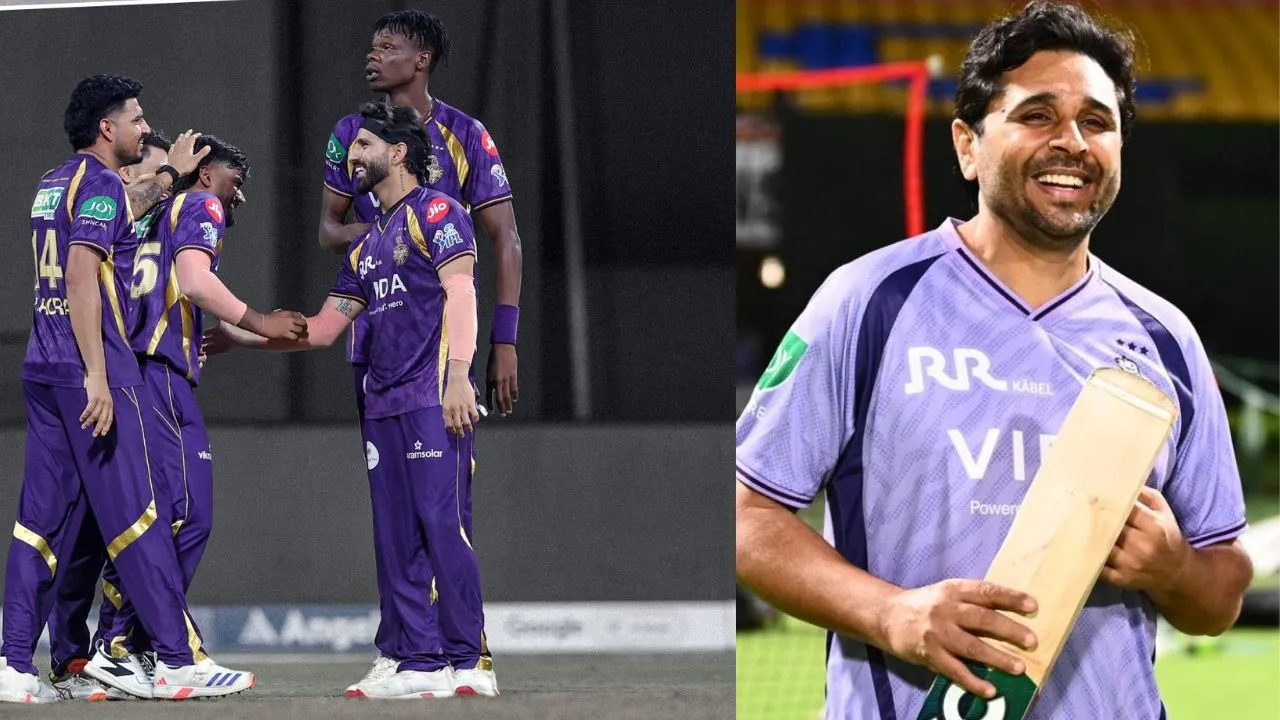
Amid the tensions, Mohammad Amir shared a picture on social media with Virat Kohli from the 2016 T20 World Cup, where Kohli had gifted him a bat before the India-Pakistan clash at Eden Gardens in Kolkata. In his post, Amir referred to Kohli as the “best player and best human being” in Indian cricket history. While initially seen as a compliment, many viewed it as a subtle dig at the current Indian team in light of the no-handshake incident, sparking fresh debates among fans in both countries.
No-Handshake Controversy Leads to Dispute Between PCB and ICC
The fallout from the no-handshake incident has escalated into a dispute between the Pakistan Cricket Board (PCB) and the International Cricket Council (ICC). The PCB, under chairman Mohsin Naqvi’s leadership, may face potential sanctions for repeated breaches of Players and Match Officials Area (PMOA) regulations.
The conflict began when the PCB demanded the removal of match referee Andy Pycroft from the Asia Cup, accusing him of violating the spirit of cricket. Despite two rejections from the ICC, Pycroft continued to oversee games, including the Pakistan-UAE fixture that started an hour late on Wednesday due to the PCB’s threats to withdraw. After negotiations, the game proceeded as scheduled, with Pakistan securing a victory over the UAE.
PCB Confirms Andy Pycroft’s Apology
Before the start of the game against the UAE, the PCB confirmed that Andy Pycroft had apologized to captain Salman Ali Agha, coach Mike Hesson, and the team manager. However, a video released by the PCB of Pycroft’s apology was muted, leading to speculation about the actual content of the conversation.
ICC CEO Sanjog Gupta informed the PCB that filming inside the Players and Match Officials Area violated regulations, as phones are strictly prohibited in that zone under the Anti-Corruption Code. The ICC is now considering potential disciplinary action or financial penalties in response to the PCB’s actions.
As tensions continue to rise between the PCB, ICC, and the cricketing community at large, the aftermath of the Asia Cup handshake controversy shows no signs of dissipating soon.
Virat Kohli’s Influence on the Game
Virat Kohli’s impact on the game of cricket extends beyond his skills on the field. Widely regarded as one of the best batsmen in the world, Kohli’s sportsmanship and camaraderie with fellow players have earned him respect around the globe. His gesture of gifting a bat to Mohammad Amir before a high-stakes India-Pakistan match showcases his generosity and sportsman spirit, setting a positive example for players of all levels. Kohli’s ability to transcend boundaries and foster goodwill among rival teams is a testament to his character both on and off the field.
Implications of No-Handshake Controversy
The no-handshake incident between India and Pakistan at the Asia Cup has ignited discussions about sportsmanship, respect, and the unwritten rules of cricket. Handshakes between opposing teams after a match are a longstanding tradition that symbolize mutual respect and good sportsmanship. The refusal of the Indian team to participate in this ritual has sparked debates among fans, pundits, and cricketing authorities about the appropriate conduct on and off the field. The controversy underscores the importance of upholding the spirit of the game and respecting opponents, regardless of the outcome.
Challenges Faced by the PCB
The ongoing disputes between the PCB and the ICC highlight the challenges faced by cricket boards in managing their relationships with the global governing body. The PCB’s insistence on removing match referee Andy Pycroft from the Asia Cup reflects their commitment to upholding fair play and integrity in the sport. However, the ICC’s response to the demands and subsequent threats of withdrawal have created a rift that could have long-term implications for Pakistan cricket. Balancing the need for accountability and adherence to regulations with maintaining positive relationships with international bodies is a delicate dance for cricket boards around the world.
Importance of Communication and Transparency
Effective communication and transparency are essential in resolving conflicts and maintaining trust within the cricketing community. The muted video of Andy Pycroft’s apology to the PCB team raises questions about the clarity and openness of the dialogue between the parties involved. Clear and honest communication is crucial in addressing misunderstandings, clarifying intentions, and finding common ground to move forward. As the PCB, ICC, and other stakeholders navigate the aftermath of the handshake controversy, fostering open lines of communication and transparency will be key in rebuilding relationships and restoring faith in the integrity of the game.
Looking Ahead
As the fallout from the Asia Cup handshake controversy continues to unfold, the cricketing world is faced with a critical juncture in addressing issues of sportsmanship, governance, and accountability. The actions and responses of key players, including Virat Kohli, Mohammad Amir, the PCB, and the ICC, will shape the future of the game and its values. By prioritizing respect, communication, and transparency, stakeholders can work together to strengthen the sport and uphold its principles in the face of challenges and controversies.
By delving deeper into the implications of the handshake controversy, the challenges faced by cricket boards, and the importance of communication and transparency, the expanded content offers a comprehensive analysis of the complex dynamics at play in the aftermath of the Asia Cup incident.
Latest News
MS vs HYDK Match Prediction, Pitch & Weather Report, Playing XIs, Head-to-Head, Free Live Streaming – PSL 2026 Match 8
ISU vs PSZ Match Prediction, Pitch & Weather Report, Playing XIs, Head-to-Head, Free Live Streaming – PSL 2026 Match 7
Ravindra Jadeja breaks silence on fiery send-off to Shivam Dube in RR vs CSK IPL 2026 clash
Mohsin Naqvi and PCB fines Naseem Shah for criticizing Pakistan’s top politician
IPL Points Table 2026: Updated Standings, Orange Cap, Purple Cap After RR vs CSK Match 3
Lahore Qalandars fines Shaheen Shah Afridi over security concerns
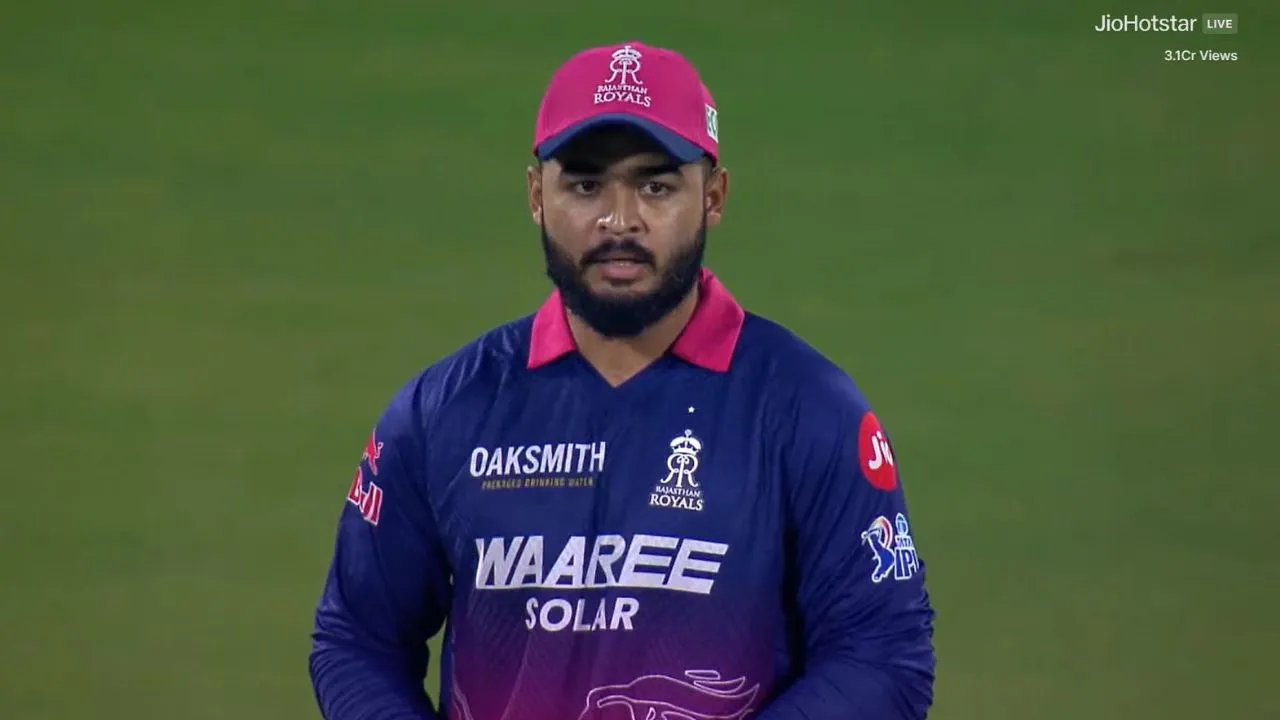
“All bowlers did well”: Riyan Parag praises bowling unit after RR’s dominating win over CSK in IPL 2026
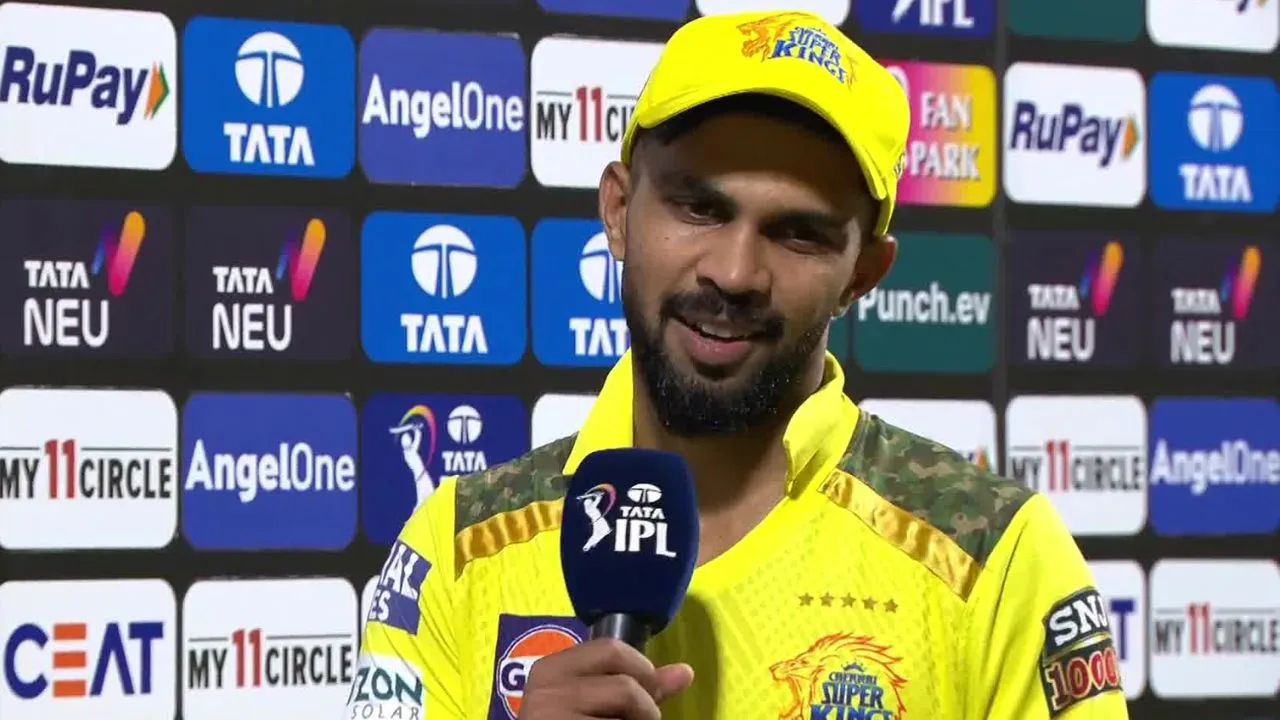
“A lot of mistakes”: Ruturaj Gaikwad points at batting collapse after humilating loss vs RR in IPL 2026
Aakash Chopra hits back at fan with sharp reply on social media
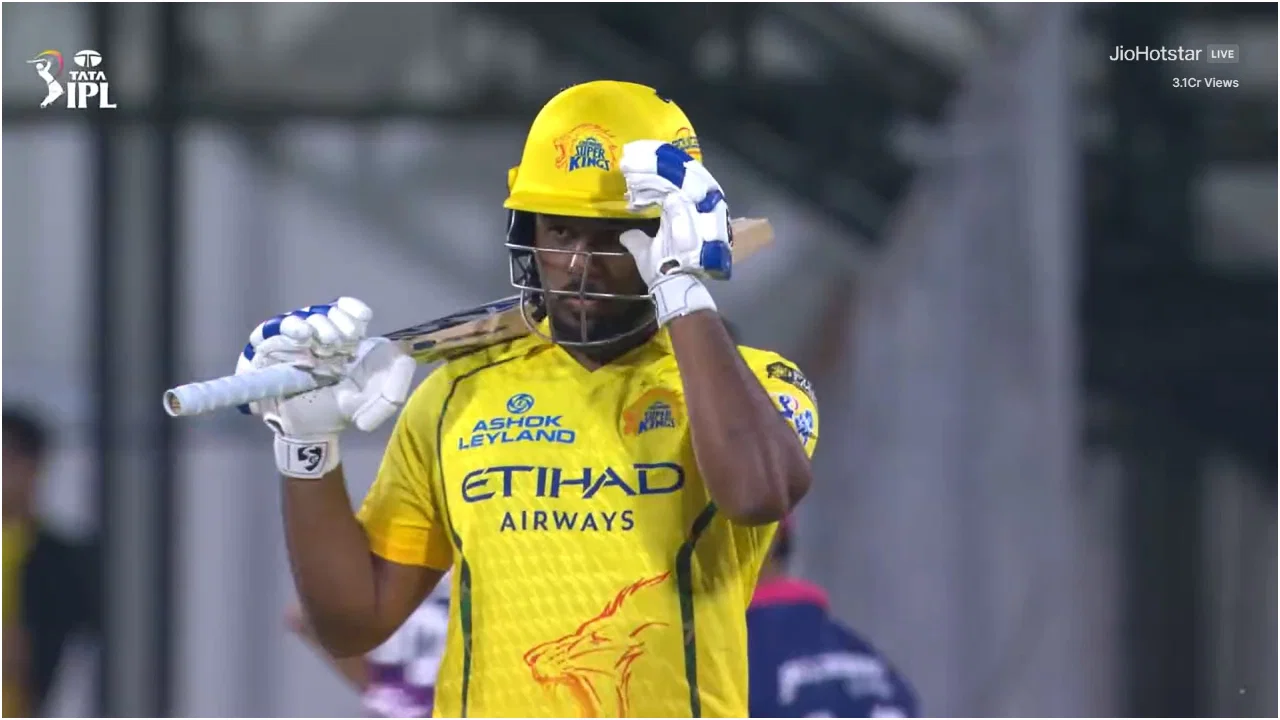
Sanju Samson castled for 6 by Nandre Burger, fails badly on CSK debut in IPL 2026
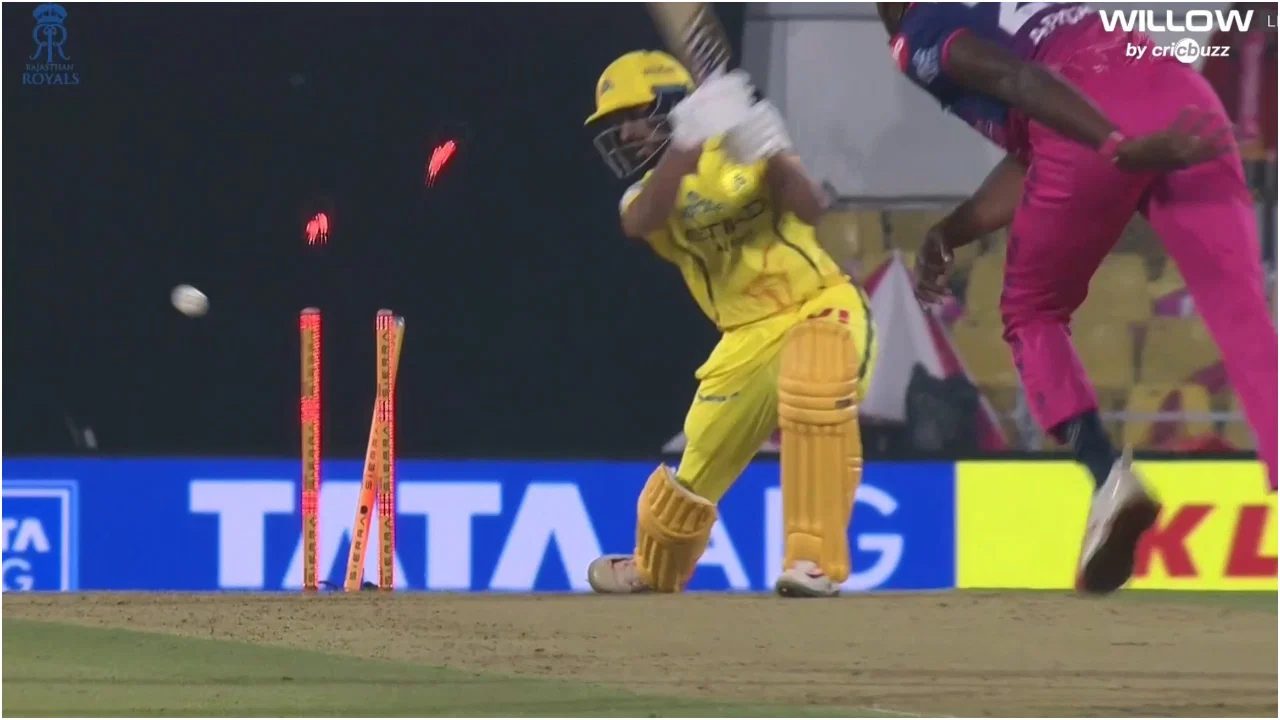
Jofra Archer strikes gold, sends Ruturaj Gaikwad packing for 6
“Is a big mistake”: Manvinder Bisla urges patience, backs KKR bowlers to bounce back
“Bas bhai ab aur nahi”: Fans trolls CSK after batting collapse vs RR in IPL 2026
‘Rohit Sharma will worry all IPL teams’ – Ex-RCB captain issues warning to CSK and others