Waqar Younis hits back at Rashid Latif and Mohammad Hafeez after 90s players’ interrogation in Pakistan

Former Pakistan Legends Engage in Heated Exchange Amidst ICC Champions Trophy 2025
In the midst of Pakistan’s disappointing campaign in the ICC Champions Trophy 2025, tensions escalated between former cricketing legends Waqar Younis and Rashid Latif. The tournament saw Pakistan exit at the group stage despite being the hosts and defending champions, prompting criticism from Younis and his longtime teammate Wasim Akram. However, Rashid Latif’s response to their comments ignited a heated exchange that captivated cricket fans worldwide.
Rashid Latif’s Critique of the 90s Players
Following Pakistan’s lackluster performance in the Champions Trophy, Rashid Latif took aim at the 90s players, including Younis and Akram, urging the current team to distance themselves from the former stars. Latif expressed his belief that the presence of these veteran players was hindering the team’s progress, citing the 17-year gap between Pakistan’s World Cup victories as evidence of their negative influence on the sport.
Furthermore, Latif made controversial remarks about Younis and Akram, referring to them as ‘Dubai boys’ and insinuating that their motivations were driven by financial gain rather than a genuine commitment to Pakistan cricket. These comments sparked a war of words between the former teammates, escalating the tension surrounding Pakistan’s cricketing landscape.
Waqar Younis Hits Back at Rashid Latif
Not one to back down from criticism, Waqar Younis swiftly responded to Latif’s accusations on social media. Younis highlighted his and Akram’s unparalleled achievements in the game, emphasizing their contributions to Pakistan cricket during the 90s era. With Akram retiring as the highest wicket-taker in ODIs and Younis following closely behind, the duo solidified their status as two of the best fast-bowlers in cricket history.
In a tweet, Younis affectionately referred to himself and Akram as ’90’s KA LONDA’, showcasing their impressive records in Test and ODI cricket. The tweet not only defended their legacy but also reignited nostalgia among fans who witnessed the dominance of these cricketing icons during their prime.
Impact on Pakistani Cricket
The public spat between Younis, Akram, and Latif has drawn attention to the complexities within Pakistan cricket, shedding light on generational divides and differing perspectives on the sport’s evolution. As the cricketing community debates the roles of past players in shaping the future of the game, the exchange between these legendary figures serves as a reflection of the passion and intensity that define Pakistan’s cricketing culture.
While the Champions Trophy may have ended in disappointment for Pakistan, the verbal jousting between these cricketing giants has sparked a renewed interest in the sport, captivating fans and pundits alike. As the debate rages on, one thing remains certain – the legacy of players like Younis, Akram, and Latif will continue to shape the narrative of Pakistani cricket for years to come.
The Evolution of Cricketing Strategies
One aspect that the heated exchange between Waqar Younis and Rashid Latif brings to light is the evolution of cricketing strategies over the years. The tactics and playing styles that were successful in the 90s may no longer be as effective in the modern game. With advancements in technology, data analysis, and fitness regimes, cricket has become a more scientific and data-driven sport. This shift has led to changes in how teams approach the game, from team selection to match strategies.
While former players like Younis and Akram may have excelled in their era, the current generation of cricketers operates in a different landscape. The demands of the game have evolved, requiring players to adapt and constantly improve their skills to stay competitive. This clash of eras highlights the challenges faced by past greats in accepting and embracing the changes that have come to define modern cricket.
Leadership and Mentorship in Cricket
Another aspect that the feud between Younis and Latif brings to the forefront is the role of leadership and mentorship in cricket. Former players often serve as mentors, coaches, or commentators, providing valuable insights and guidance to the next generation of cricketers. However, conflicts between past and present players can hinder this mentorship dynamic, impacting the development and growth of the sport.
It is essential for cricketing legends to support and mentor young players, passing on their knowledge and experience to shape the future of the game. By fostering a positive and collaborative environment, these players can contribute to the success of the team and the sport as a whole. The clash between Younis and Latif underscores the importance of maintaining respect and unity within the cricketing community to ensure the continuity of success.
The Global Impact of Pakistani Cricket
Despite the internal tensions within Pakistani cricket, the global impact of the sport remains significant. Pakistan has produced some of the most talented and revered cricketers in history, capturing the hearts of fans worldwide. The rivalry between Younis, Akram, and Latif has garnered international attention, showcasing the passion and intensity that define Pakistani cricket.
As fans from different countries follow the drama unfolding between these cricketing legends, the appeal of the sport transcends borders and unites people from diverse backgrounds. The legacy of Pakistani cricket extends beyond its borders, influencing the way the game is played and perceived on a global scale. The ongoing debate surrounding the role of past players in shaping the future of the sport highlights the enduring impact of Pakistani cricket on the world stage.
Looking Ahead: Building a Stronger Cricketing Community
As the dust settles on the exchange between Younis, Akram, and Latif, the focus now shifts to the future of Pakistani cricket. It is crucial for all stakeholders in the cricketing community to come together, set aside their differences, and work towards a common goal of promoting the growth and success of the sport. By fostering a culture of unity, respect, and collaboration, Pakistan can build a stronger foundation for the next generation of cricketers.
Ultimately, the passion and love for cricket that unite fans and players alike should take precedence over individual egos and conflicts. By embracing the diversity of opinions and experiences within the cricketing community, Pakistan can pave the way for a brighter and more inclusive future for the sport. As the nation looks towards upcoming tournaments and challenges, the lessons learned from the recent exchange between cricketing legends can serve as a catalyst for positive change and sustainable growth in Pakistani cricket.
Latest News
Ben Duckett opts out from IPL 2026, set to face ban
“Players will prevail”: Sourav Ganguly’s drops big verdict on ‘Impact Player’ rule ahead of IPL 2026
“Players will prevail”: Sourav Ganguly’s drops big verdict on ‘Impact Player’ rule ahead of IPL 2026
3 LSG players who could struggle in IPL 2026 – ft Rishabh Pant
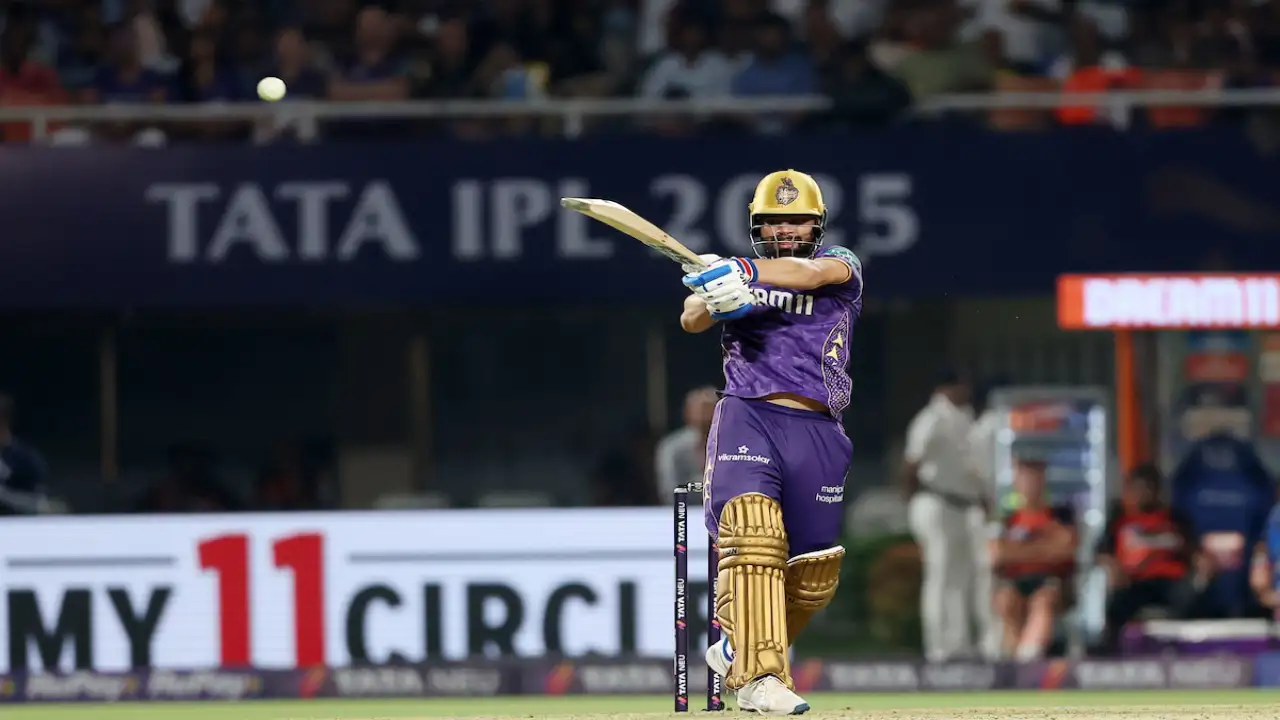
Rinku Singh gets major role for KKR ahead of IPL 2026
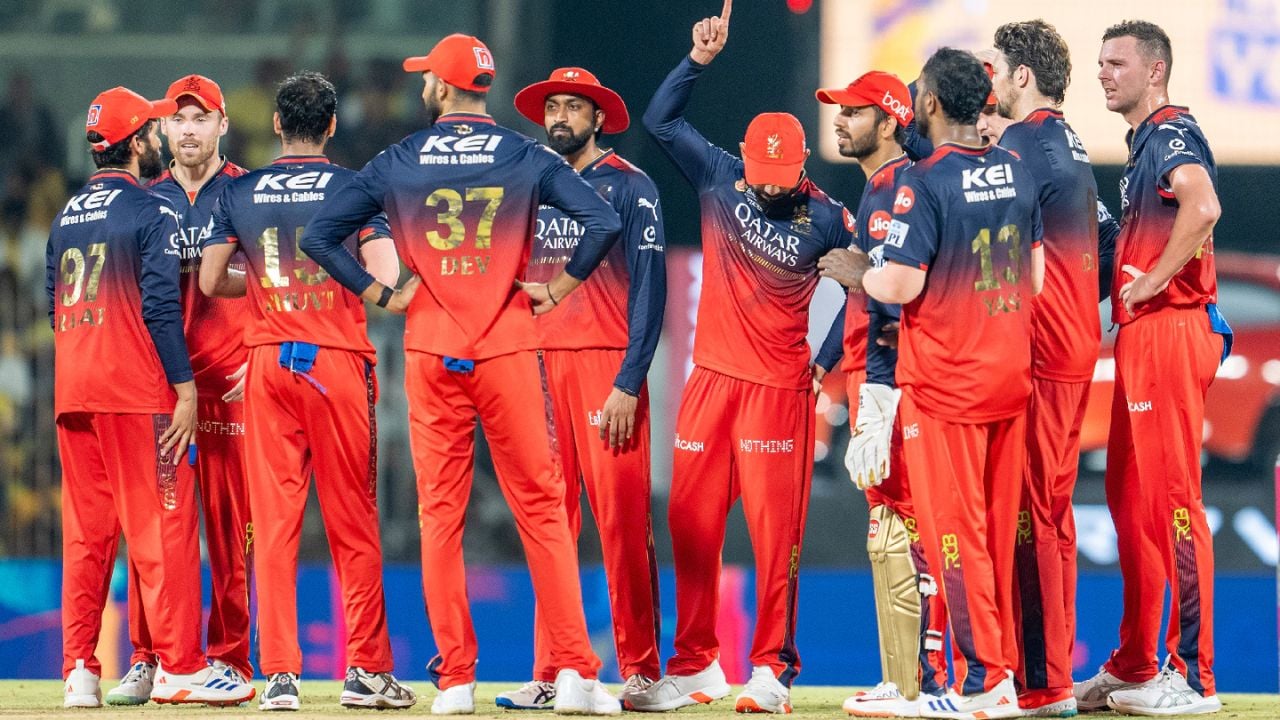
RCB gets new buyer ahead of IPL 2026, sold to…..

KKR take massive step to honour Andre Russell forever
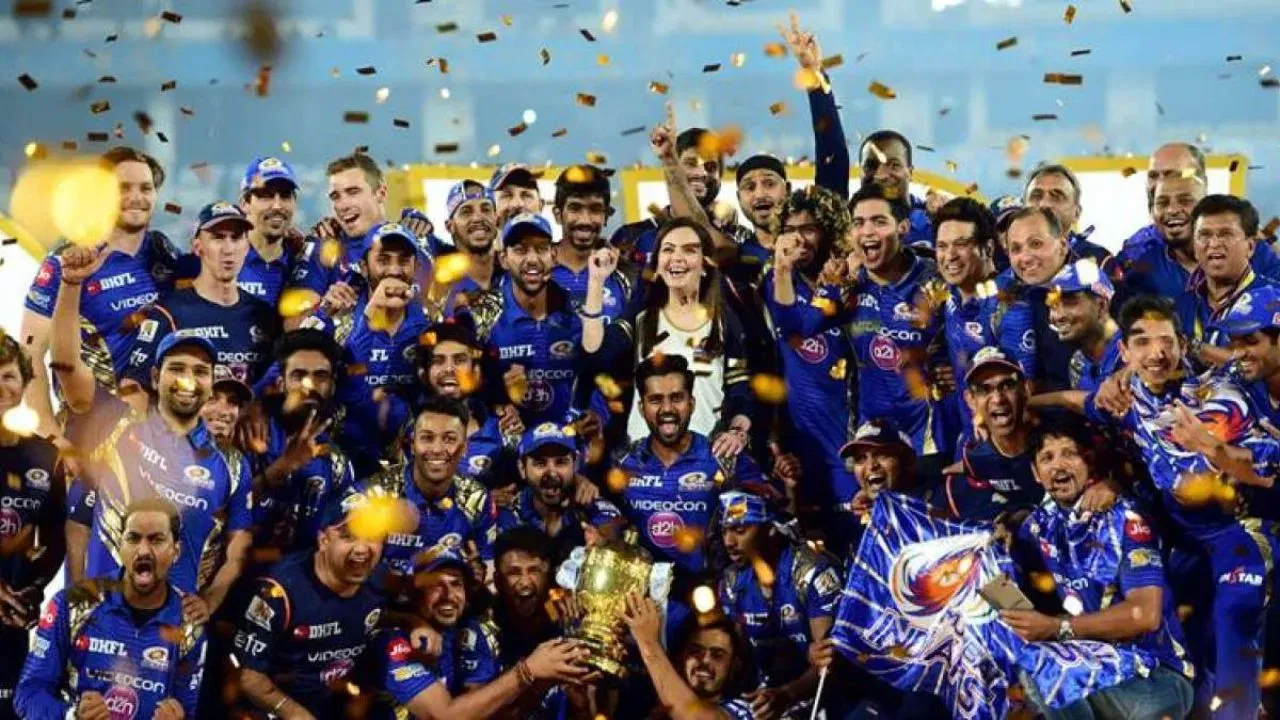
“Mumbai Indians are winning it” – Ex-England captain makes bold prediction for IPL 2026

Mayank Yadav reveals real story behind his recovery and Sanjiv Goenka’s support
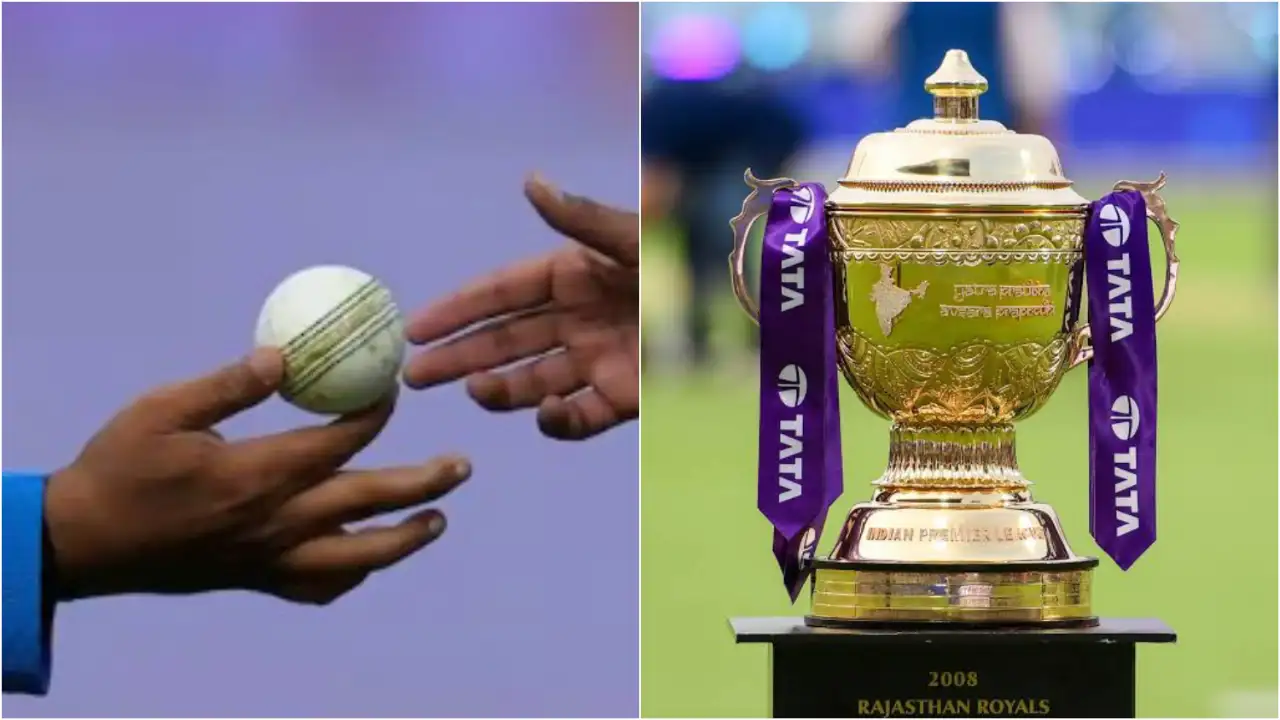
IPL 2026 ball change rule explained
Ottis Gibson reveals plan to revive Babar Azam’s confidence ahead of PSL 2026

Liam Livingstone survives as Rob Key confirms England spot after shocking interview claims
Kevin Pietersen credits RCB and IPL for career revival

Ottneil Baartman set to join CSK in IPL 2026 as replacement of….