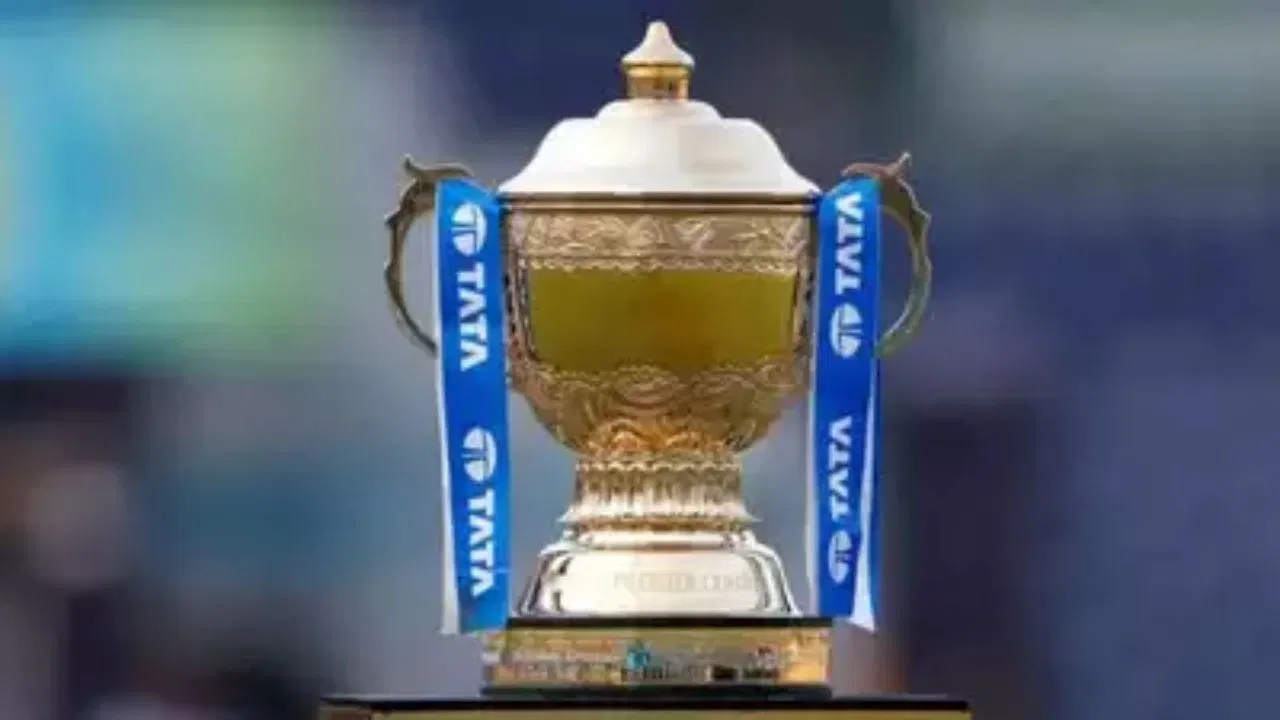
Wasim Akram begs Jay Shah, IPL Team Owners to pick Pakistan players
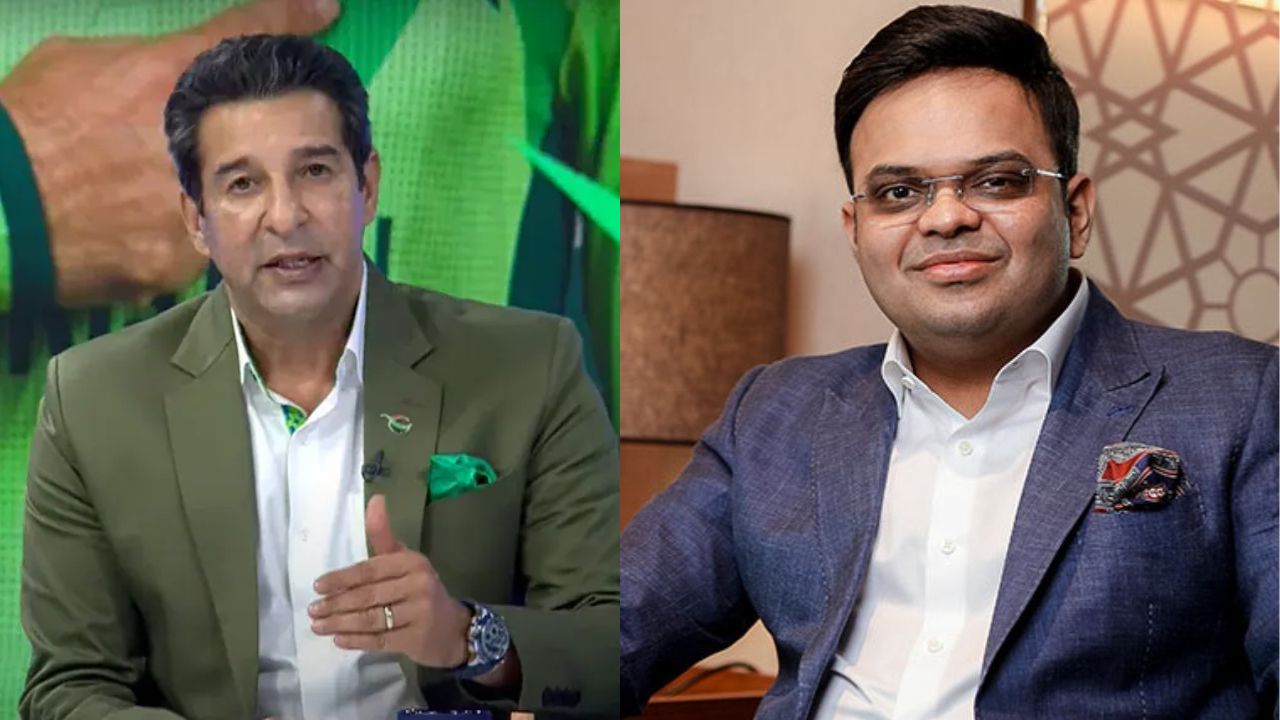
Former Pakistani Legend Wasim Akram Calls for Politics-Free Cricket
Former Pakistan cricket legend, Wasim Akram, recently voiced his concerns about the interference of politics in the game. He strongly believes that players should be chosen solely based on their talent and not their nationality or any other external factors. Akram emphasized that every nation should be represented in cricket, regardless of the ongoing political tensions between countries.
Rising Tensions Between India and Pakistan
The tension between India and Pakistan has escalated ever since the 2025 Asia Cup. Both cricket boards have allowed political influences to seep into the game, turning what should be a friendly competition into a war-like situation. Akram, in a recent interview, expressed his disappointment at the intrusion of politics in cricket, stating that sports should be kept separate from political agendas.
Pakistan faced a setback when India’s franchise team, the India Champions, pulled out of a game against Pakistan’s Champions in the World Championship of Legends. Despite the Board of Control for Cricket in India (BCCI) distancing itself from the decision, the incident further fueled the animosity between the two nations.
Call for Unbiased Treatment of Players
Akram emphasized the need for unbiased treatment of players from all nations. He cited examples from global competitions such as The Hundred, where several franchises are now owned by Indian investors. The former cricketer highlighted the importance of picking players purely based on their skills and not their nationality.
He urged cricket boards, including the International Cricket Council (ICC), to ensure that players from every nation are given equal opportunities in league cricket. Despite the current trend of leagues being dominated by owners from specific countries, Akram stressed the importance of inclusivity in team selections.
Restrictions on Pakistani Players
While Pakistani players have been allowed to participate in various global franchise tournaments, they are notably absent from the Indian Premier League (IPL). The BCCI’s restrictions prevent Indian players from participating in leagues outside the country, leading to limitations in cross-border exchange of players.
The privatization of leagues like the Big Bash League and The Hundred, with Indian owners showing interest in acquiring teams, raises concerns about the participation of Pakistani players in these tournaments. The recent feuds between the BCCI and the Pakistan Cricket Board (PCB) further complicate the situation, potentially impacting the representation of Pakistani talent in international leagues.
In conclusion, Wasim Akram’s call for a politics-free cricket environment resonates with many fans and players who believe in the spirit of the game. As the cricketing world navigates through geopolitical challenges, the need for inclusivity and fairness in player selections becomes increasingly vital for the growth and success of the sport.
Global Impact of Political Interference in Cricket
The issue of political interference in cricket goes beyond just the rivalry between India and Pakistan. Countries around the world have experienced conflicts and tensions spilling over into the realm of sports, affecting player selections and international competitions. For instance, the strained relationships between Australia and South Africa, or England and Zimbabwe, have at times influenced cricketing decisions based on political considerations rather than merit.
Former cricketers and analysts have long argued that the essence of cricket lies in its ability to bring people together, transcending borders and differences. When politics seeps into the game, it not only compromises the integrity of the sport but also deprives fans of the opportunity to witness the best talent competing on a level playing field.
Impact on Player Development and Opportunities
One of the major consequences of political interference in cricket is the hindrance it poses to the development and growth of players, particularly those from nations embroiled in political conflicts. Young talents may find their opportunities limited due to external factors beyond their control, leading to a loss of potential and diversity in the sport.
Additionally, the exclusion of players from certain countries in prestigious leagues like the IPL not only affects the individuals but also deprives fans of witnessing a truly global representation of cricketing talent. The restrictions placed on Pakistani players, for example, not only impact their careers but also diminish the overall quality and appeal of the tournaments they are excluded from.
Role of International Bodies in Ensuring Fair Play
The responsibility of maintaining the integrity and fairness of cricket falls on international bodies like the ICC. By advocating for a politics-free environment and promoting inclusivity in player selections, these organizations can set a standard for all cricket boards to follow. Clear guidelines and regulations that prioritize talent over nationality can help mitigate the influence of politics on the game.
Furthermore, creating platforms for dialogue and collaboration between cricket boards from different nations can foster understanding and cooperation, ultimately contributing to a more harmonious and equitable cricketing landscape. By fostering a spirit of sportsmanship and unity, the cricketing community can transcend political barriers and uphold the values that define the sport.
Looking Towards a Politics-Free Future
As fans, players, and stakeholders of the game, it is imperative to advocate for a politics-free future in cricket. By supporting initiatives that promote inclusivity, fairness, and merit-based selections, we can help preserve the essence of the sport and ensure that every player, regardless of nationality, has the opportunity to showcase their skills on a global stage.
Ultimately, the words of Wasim Akram serve as a reminder of the importance of keeping sports and politics separate, allowing cricket to serve as a unifying force that brings people together through a shared love for the game. As we navigate through the complexities of a changing world, let us strive to uphold the principles of integrity, inclusivity, and respect in cricket, paving the way for a brighter and more inclusive future for the sport we all cherish.
Latest News
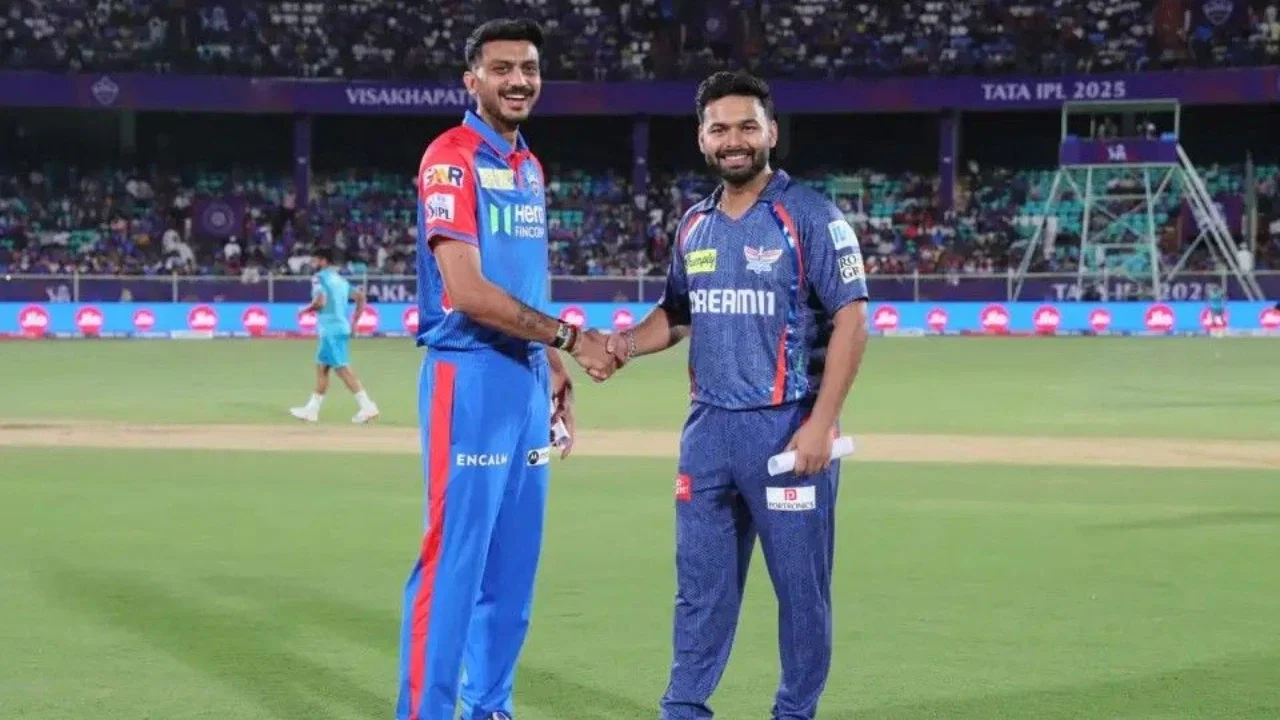
LSG vs DC Match No. 5 Preview: Free Live Streaming, Pitch & Weather Report, Head-to-Head | IPL 2026
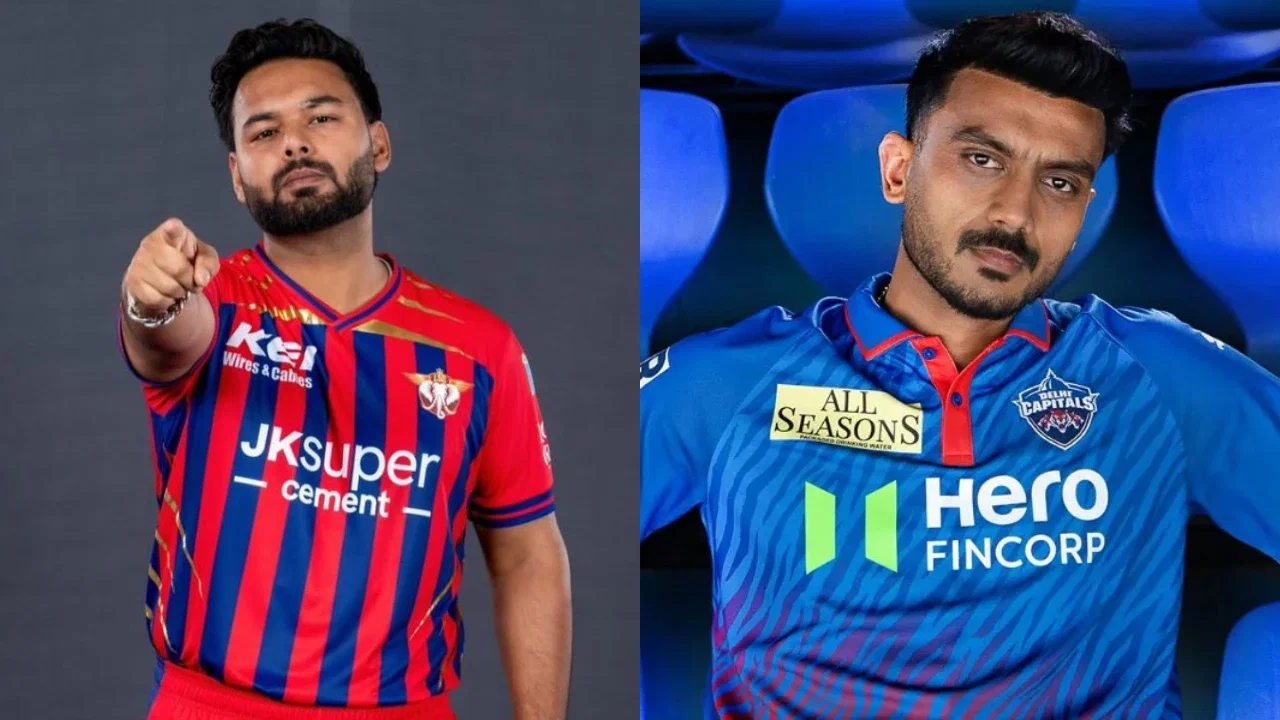
LSG vs DC Match Prediction – Who Will Win Match No.5? | IPL 2026
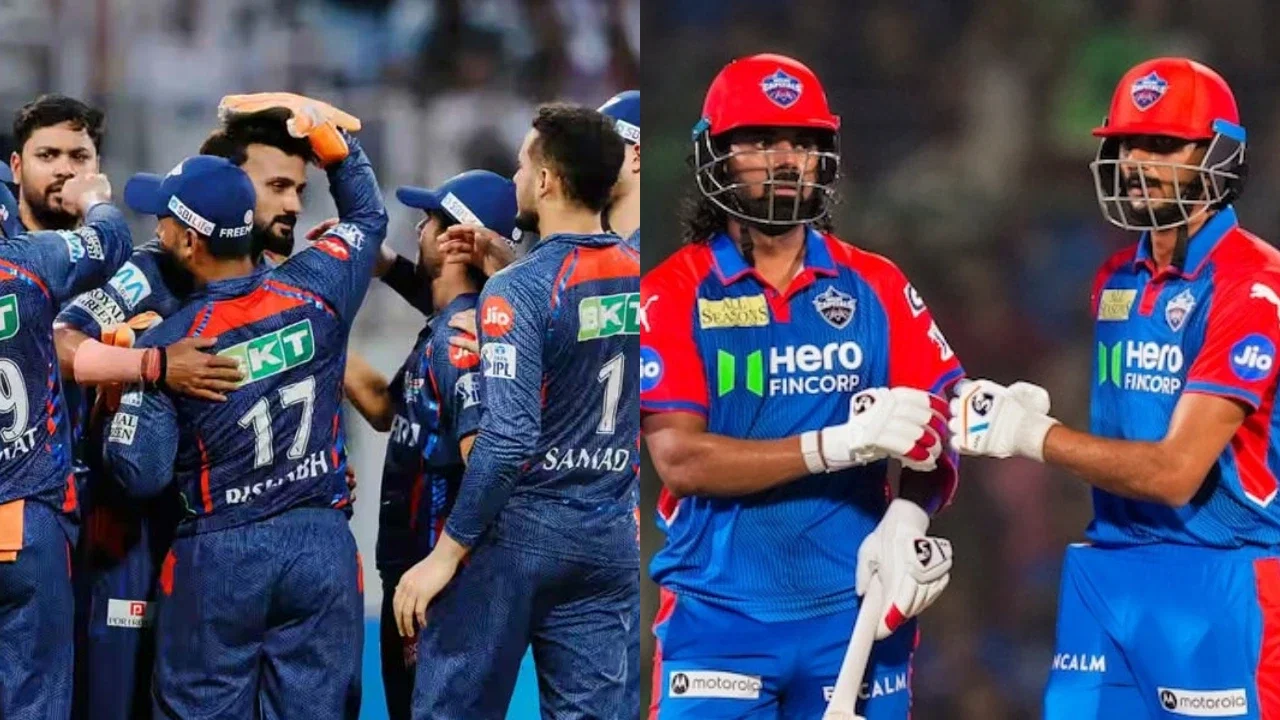
LSG Playing XI vs DC Playing XI – Match No. 5 | IPL 2026
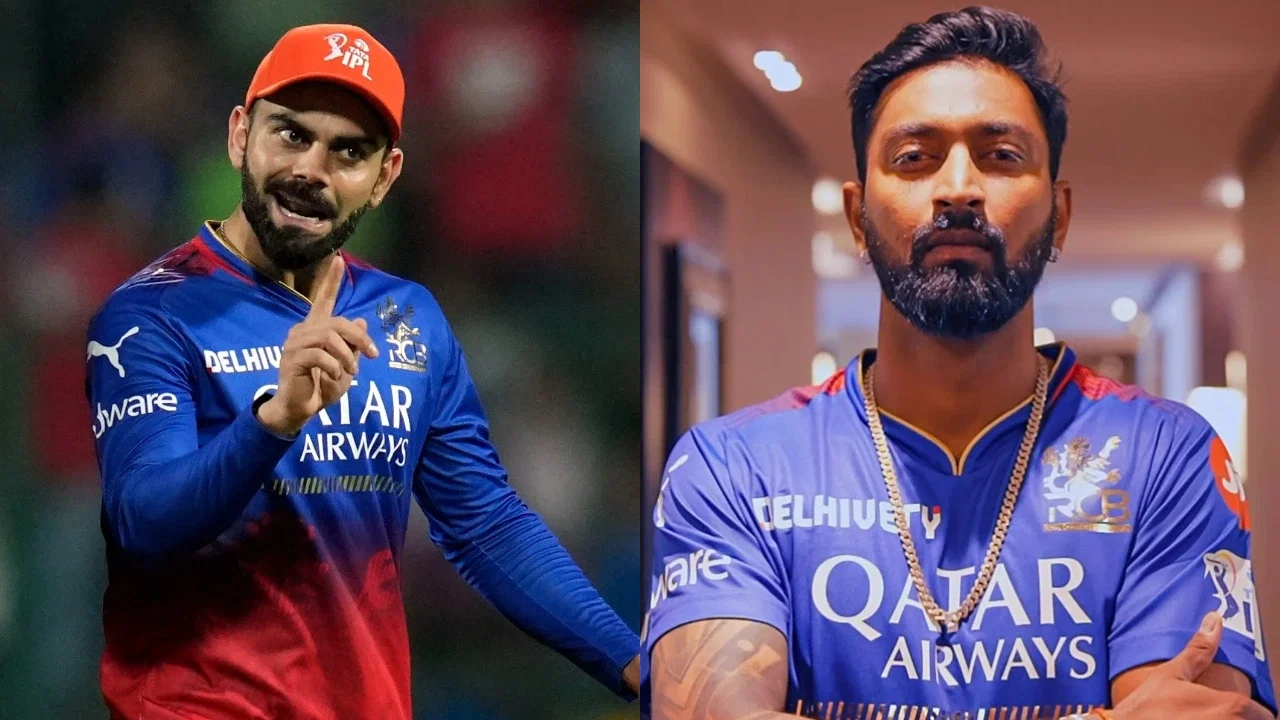
Krunal Pandya breaks silence on India snub, opens up on Virat Kohli
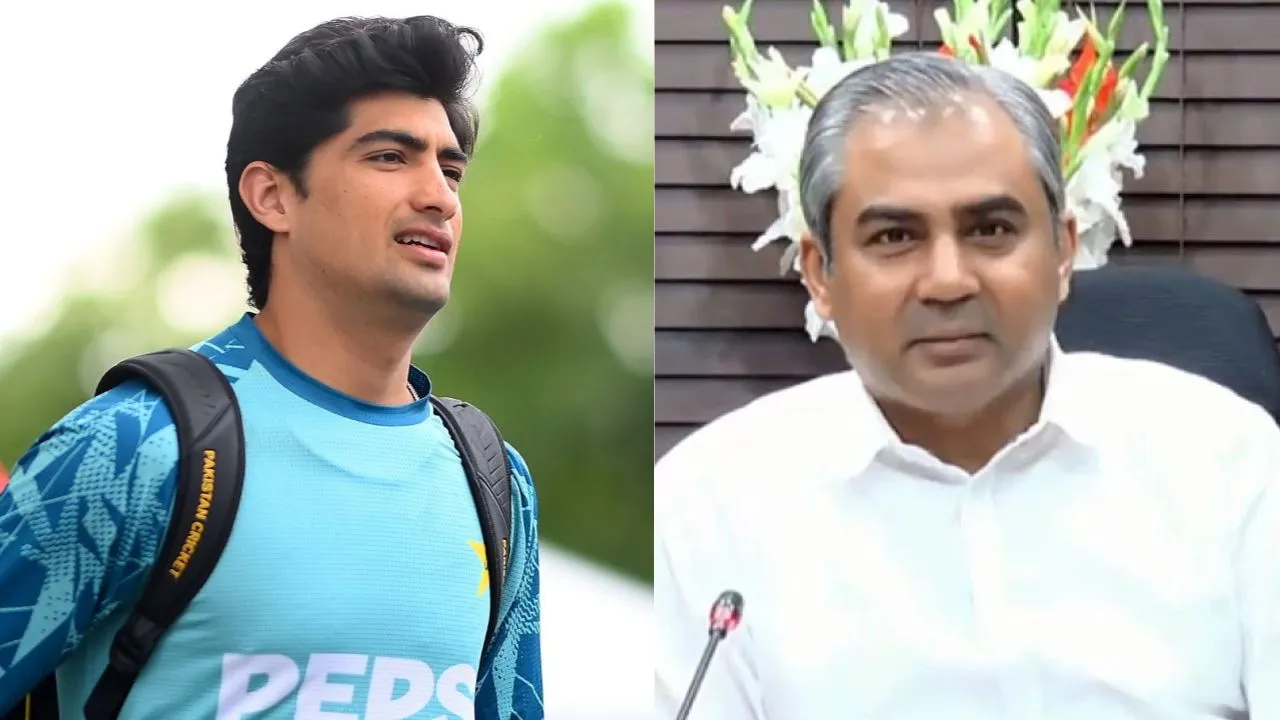
Mohsin Naqvi enforces new social media rules for Pakistan players following Naseem Shah incident
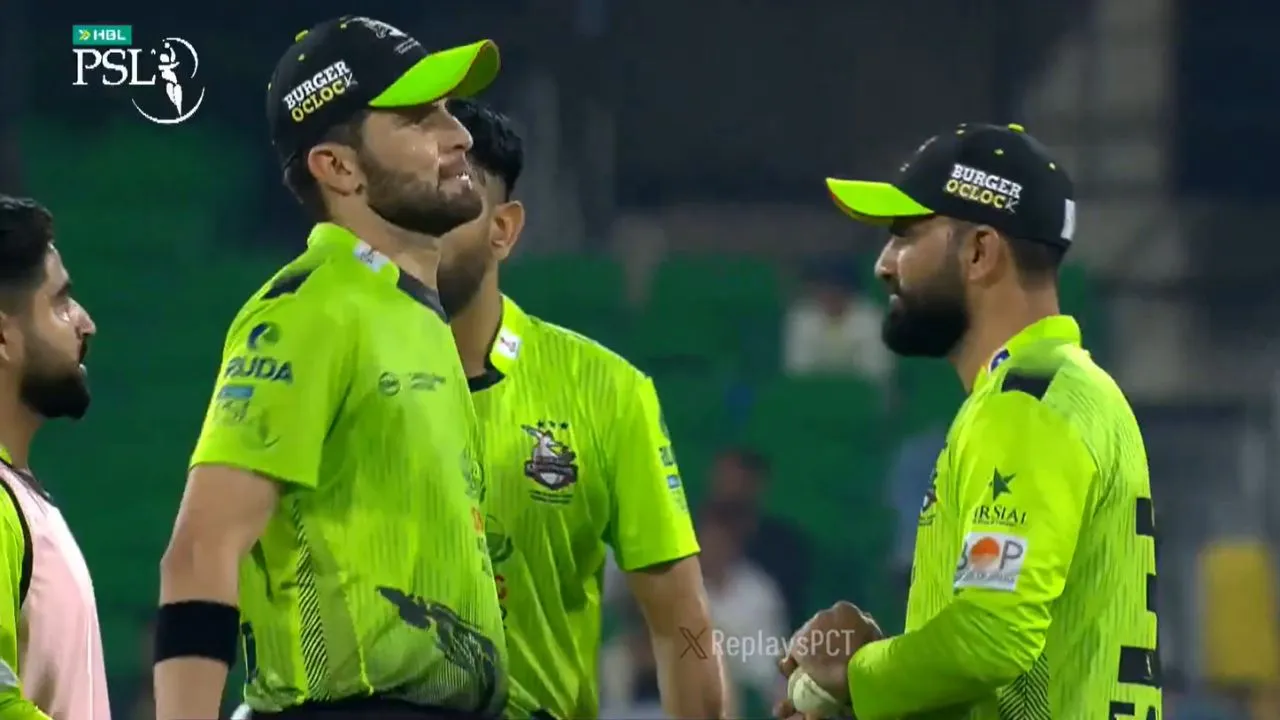
Fakhar Zaman officially handed cricket ban after PSL 2026 ball-tampering controversy
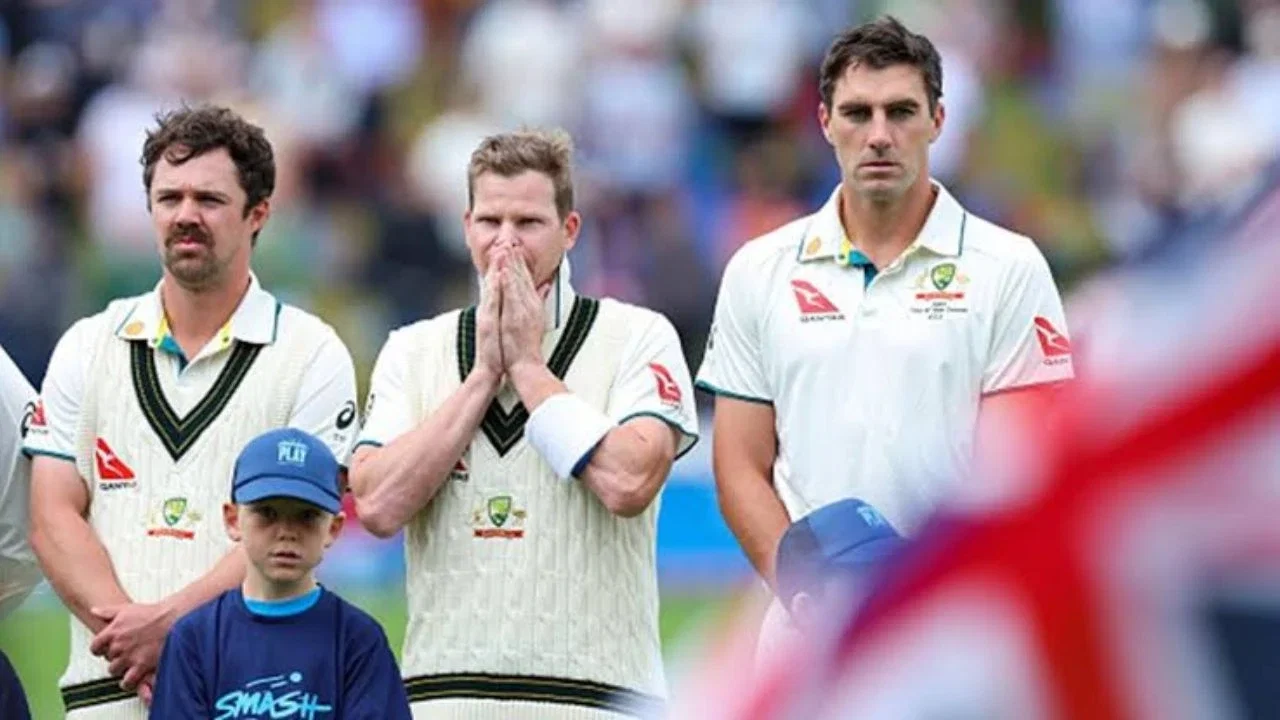
Pat Cummins forces Cricket Australia to slash central contracts list to secure premium deal
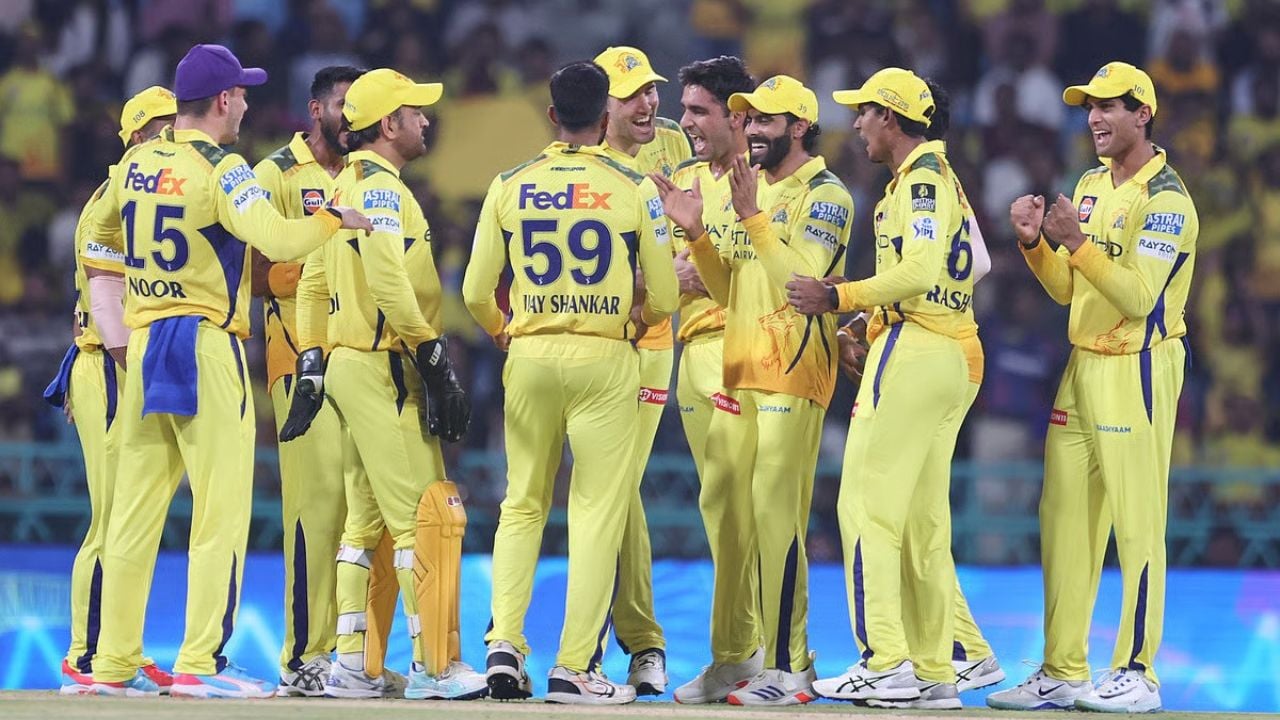
CSK’s big promise to players revealed amid IPL 2026: “Whatever BCCI offers, we’ll double it”
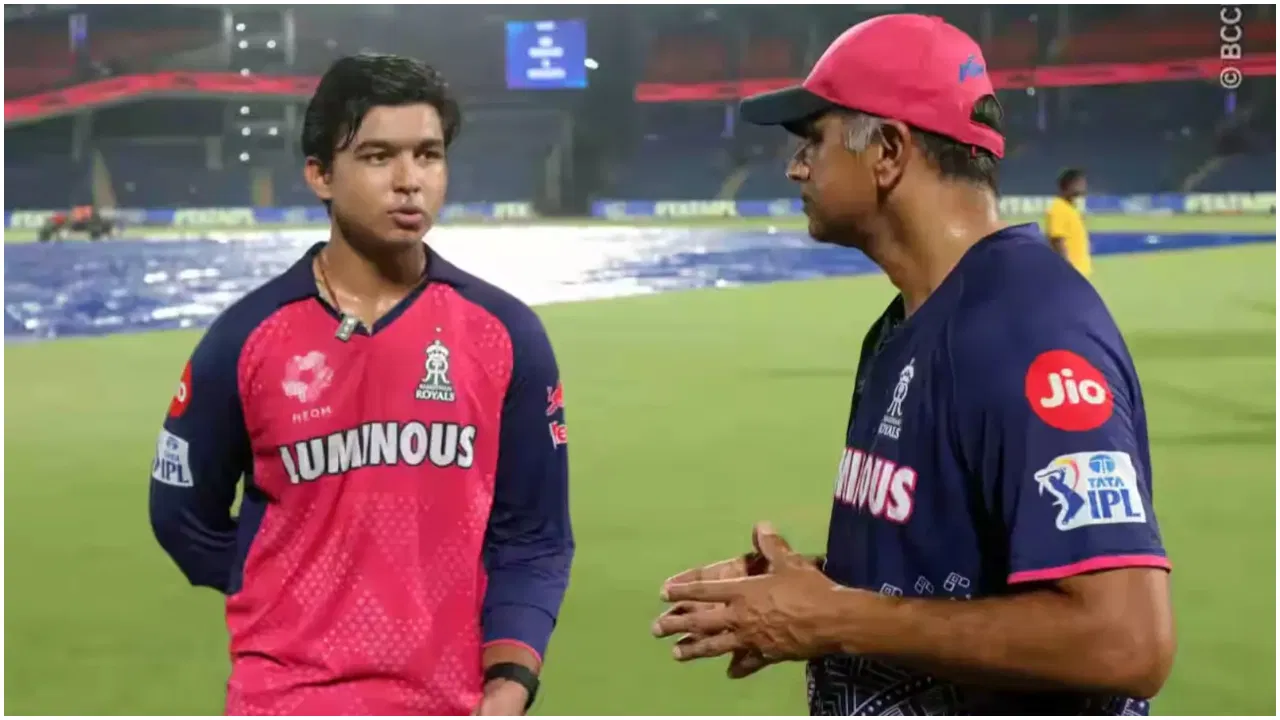
Ravichandran Ashwin rules out Vaibhav Sooryavanshi’s India call-up
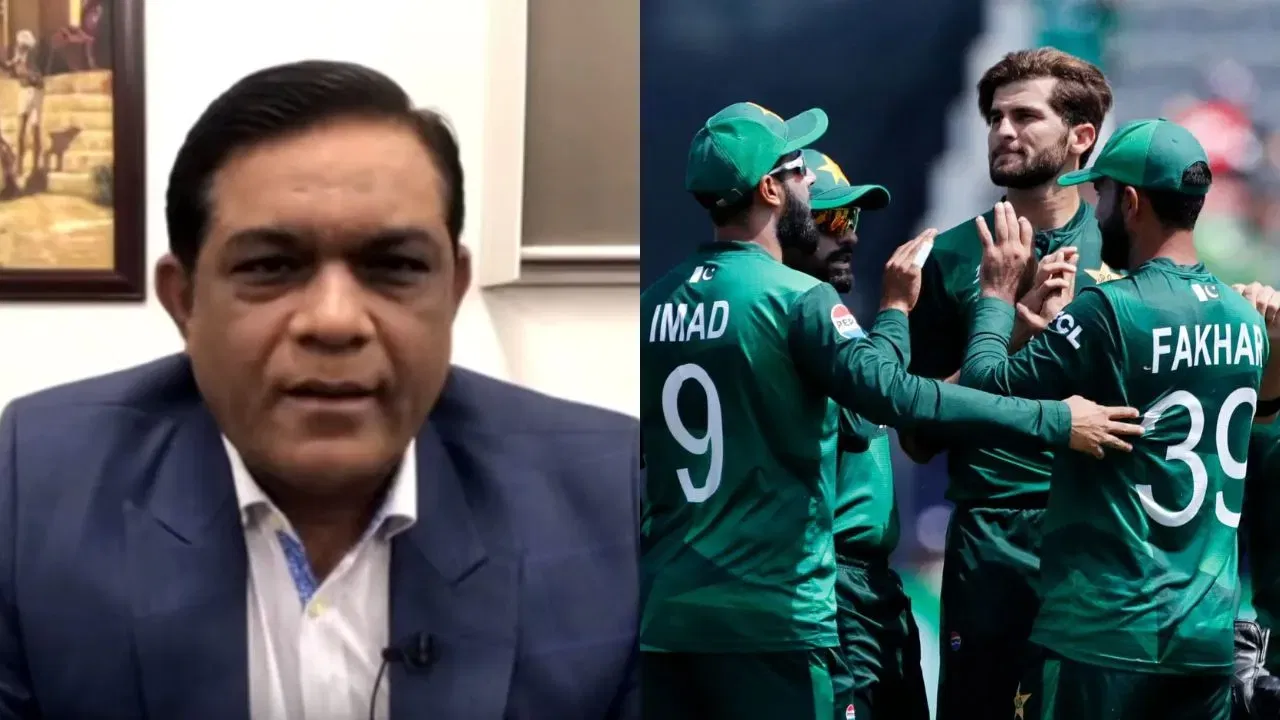
Rashid Latif claims PSL ball-tampering row was deliberately created for attention amid IPL rivalry
Mohammed Shami breaks silence on retirement buzz after India snub; has special message for LSG
Mohammed Shami reveals IPL 2026 Top 4, leaves out five-time champions
Mohammed Shami hits back at Ravichandran Ashwin over LSG’s poor IPL 2026 prediction
Riyan Parag mocked Sanju Samson? Batter’s muscle-flex celebration after sensational 6 vs CSK goes viral