

Wasim Akram or Jasprit Bumrah? Pakistan legend names the GOAT pacer of Cricket

Pakistan Legend Wasim Akram Praises Jasprit Bumrah as a Modern-Day Great
Legendary fast bowler Wasim Akram has lauded Indian pacer Jasprit Bumrah as a world-class bowler ahead of the upcoming cricket season
With the Asia Cup 2025 set to kick off on September 9 in the UAE, anticipation is rising in the cricket world. Wasim Akram, a former Pakistan fast bowler, has expressed admiration for Jasprit Bumrah’s exceptional skills and the strategic management of the Indian team in nurturing his talent.
Wasim Akram highlighted that in today’s cricket landscape, fast bowlers face constant challenges due to the aggressive nature of T20 cricket and the attacking mindset in Test and ODI matches. Despite these hurdles, Bumrah continues to outshine with his precision and variety, establishing himself as one of the most lethal bowlers in modern cricket.
Akram, speaking on the show “Hasna Mana Hai,” praised Bumrah, stating, “He is a world-class bowler, no doubt about it. He has a very unusual action, he has pace, and the way India is managing him is incredible. Full credit to the management and their mindset.”
Wasim Akram Advocates for Appreciation of Bumrah’s Achievements
Akram emphasized the importance of recognizing Bumrah’s accomplishments without drawing comparisons to past eras. He acknowledged Bumrah’s unique talents and highlighted the evolution of cricket over time. Akram stated, “One should not compare eras. He is a right-arm fast bowler; I was a left-arm quick. I’ve seen debates on social media, but neither he cares nor do I. He is a modern great. I did my bit in my time, but he is very impressive.”
Addressing the challenges faced by modern bowlers, Akram discussed the increased pressure on players in today’s game. He noted the impact of T20 cricket on Test matches and highlighted Bumrah’s ability to thrive in a high-intensity environment where batsmen are constantly seeking to score runs.
Wasim Akram Criticizes Proposed Two-Tier Test Cricket System
Akram also expressed his disapproval of the proposed two-tier Test cricket system, warning that isolating teams like Pakistan, West Indies, and Bangladesh into a lower division would hinder their progress rather than enhance it. He stressed the importance of quality competition in Test cricket for the growth of the sport.
In a final statement, Akram stated, “Test cricket needs quality teams. There’s no point in letting associate teams play tests before developing their first-class structure.”
Indian Players Clear Pre-Season Fitness Tests in Bengaluru
Positive Start for Indian Cricket as Players Prepare for Asia Cup 2025
As the Indian cricket team gears up for the upcoming season, all players successfully completed the pre-season fitness tests at the BCCI Centre of Excellence in Bengaluru. The assessments included the Yo-Yo drill and DXA scans, providing insights into the players’ physical condition and strength levels.
Notable players such as Jasprit Bumrah, Mohammed Siraj, Washington Sundar, and Shardul Thakur passed all tests with flying colors, demonstrating their readiness for the Asia Cup 2025. With a focus on maintaining peak fitness levels, the Indian team is poised for a competitive and exciting season ahead.
The Evolution of Fast Bowling in Modern Cricket
Wasim Akram’s praise for Jasprit Bumrah sheds light on the evolution of fast bowling in modern cricket. The demands on fast bowlers have significantly changed over the years, with the rise of T20 cricket adding new challenges to the traditional roles of pacers. Bumrah’s success in various formats of the game showcases his adaptability and skill in navigating these challenges.
Unlike in Akram’s era, where swing and seam were the primary weapons for fast bowlers, Bumrah relies on his unique action, pace, and accuracy to deceive batsmen. This shift in focus highlights the changing dynamics of the game and the need for bowlers to constantly innovate to stay ahead of the competition.
The Impact of Effective Player Management
Akram’s acknowledgment of the Indian team’s management in nurturing Bumrah’s talent underscores the importance of effective player management in modern cricket. The strategic handling of players, especially young talents like Bumrah, plays a crucial role in their development and long-term success.
By recognizing and harnessing Bumrah’s potential, the Indian team has been able to maximize his impact on the field while also ensuring his longevity in the game. This approach not only benefits the individual player but also contributes to the overall success of the team in international competitions.
The Debate on Comparing Players Across Eras
Akram’s stance on avoiding comparisons between players from different eras sparks a larger debate within the cricketing community. While it is natural for fans and pundits to draw parallels between past legends and current stars, it is essential to appreciate each player’s unique contributions in their respective times.
By acknowledging Bumrah’s greatness without pitting him against past legends like Akram himself, we can celebrate the diversity of talent and playing styles that enrich the sport of cricket. This approach fosters a deeper appreciation for the evolution of the game and the skills displayed by players across generations.
Promoting Quality Competition in Test Cricket
Akram’s criticism of the proposed two-tier Test cricket system highlights the importance of promoting quality competition in the longest format of the game. By maintaining a level playing field and allowing teams to compete against each other regardless of their rankings, the essence of Test cricket as a true test of skill and endurance is preserved.
Ensuring that teams like Pakistan, West Indies, and Bangladesh have the opportunity to compete against top-ranked sides is crucial for their growth and development as cricketing nations. By advocating for inclusivity and quality competition, Akram underscores the value of preserving the integrity and spirit of Test cricket.
In conclusion, Wasim Akram’s praise for Jasprit Bumrah not only highlights the Indian pacer’s exceptional talent but also offers valuable insights into the evolving landscape of modern fast bowling and the significance of effective player management in nurturing young talents. By avoiding comparisons between players from different eras and advocating for quality competition in Test cricket, Akram emphasizes the importance of recognizing and celebrating the diverse skills and contributions of players across generations.
Latest News

IPL Points Table 2026: Updated Standings, Orange Cap, Purple Cap After RCB vs SRH Match 1

Virat Kohli, Anushka Sharma share adorable flying kiss moment after RCB vs SRH clash
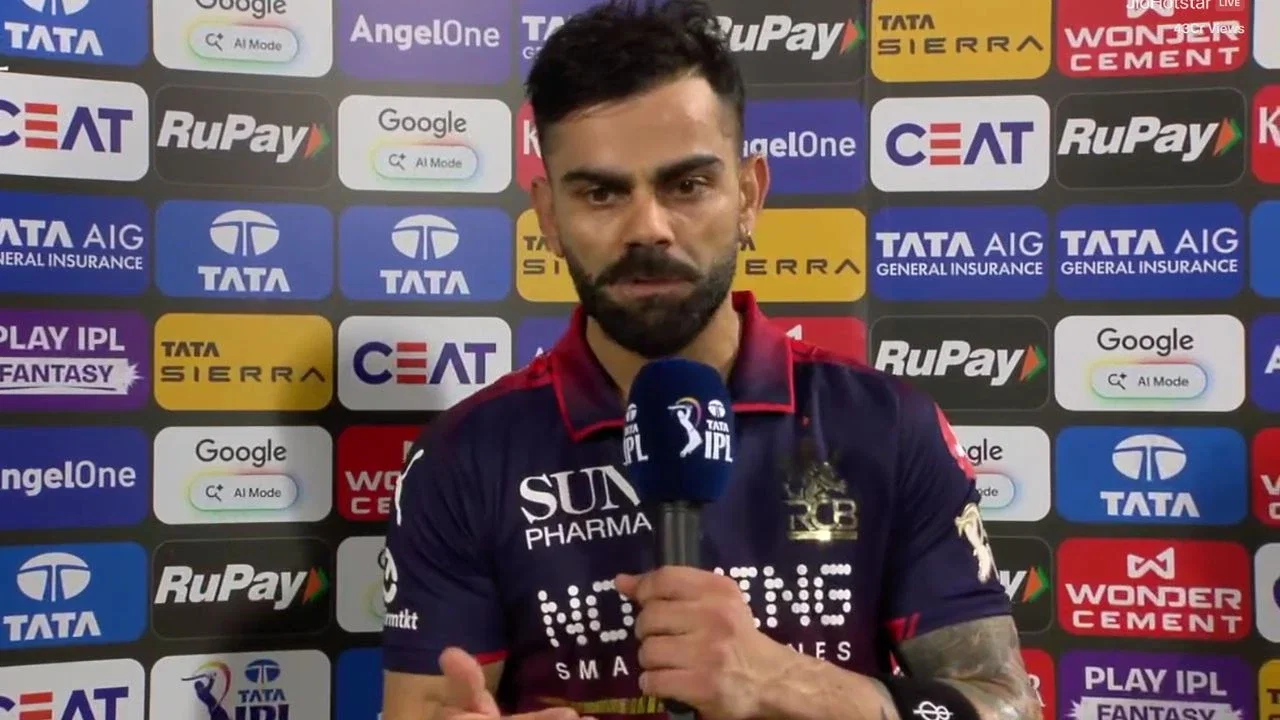
“Absolutely world-class”: Virat Kohli backs Devdutt Padikkal for permanent Team India spot

Rajat Patidar refuses to comment on Virat Kohli; Ishan Kishan admits enjoying after SRH’s loss to RCB

Mumbai Indians suffer blow! Mitchell Santner, Will Jacks ruled out of IPL 2026 games

MI vs KKR Match Prediction – Who Will Win Match No.2? | IPL 2026

Mumbai Indians Playing XI vs Kolkata Knight Riders Playing XI- Match No. 2 | IPL 2026

MI vs KKR Match 2 Preview: Free Live Streaming, Pitch & Weather Report, Head-to-Head | IPL 2026

Not English cricket! Jos Buttler credits IPL for his success as a cricketer

“Nitish Kumar Reddy is biggest fraud”: Fans fume as SRH star fails vs RCB in IPL 2026 opener
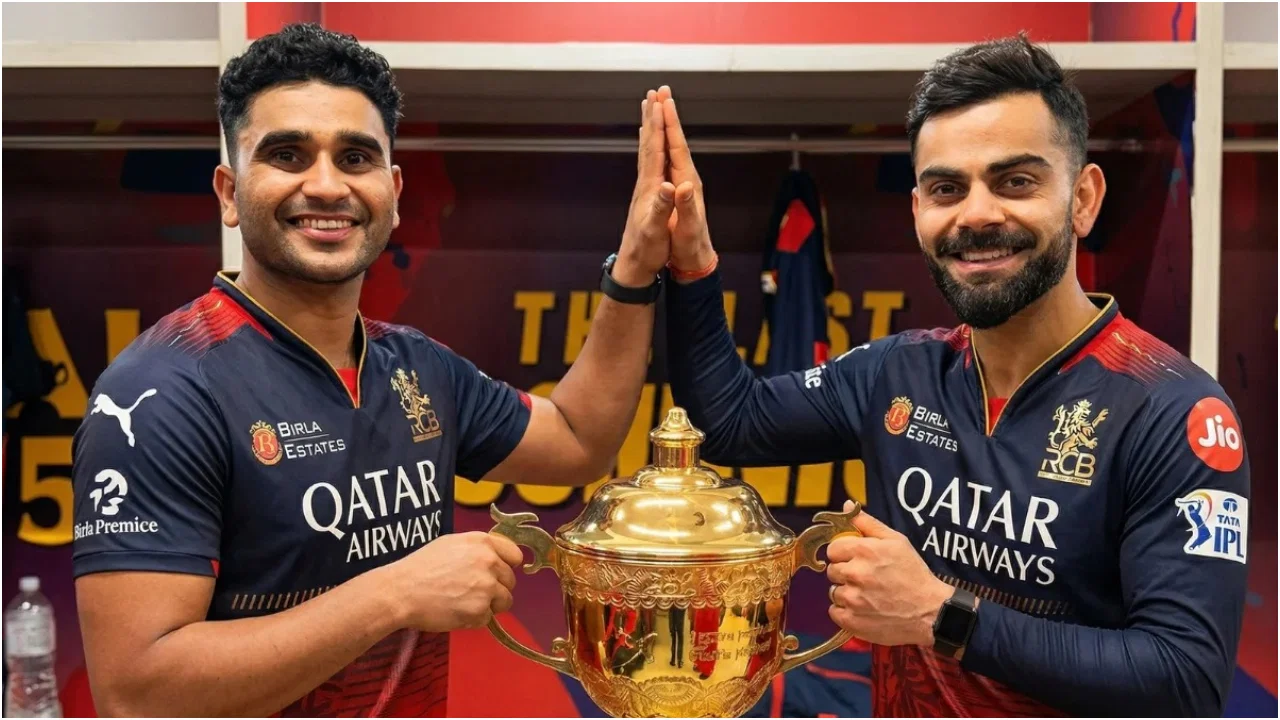
Who is Abhinandan Singh? The Virat Kohli troublemaker who made his IPL debut for RCB vs SRH

Heinrich Klaasen engages in heated chat with 4th umpire after Phil Salt’s controversial catch in IPL 2026

Phil Salt grabs one of the greatest catches in IPL history to dismiss Ishan Kishan

Anushka Sharma laughs as Virat Kohli drops a sitter in RCB vs SRH clash (Watch Video)

