Wasim, Waqar targeted as Rashid Latif threatens to expose ’90s cricketers: “Match-fixing was at its peak”
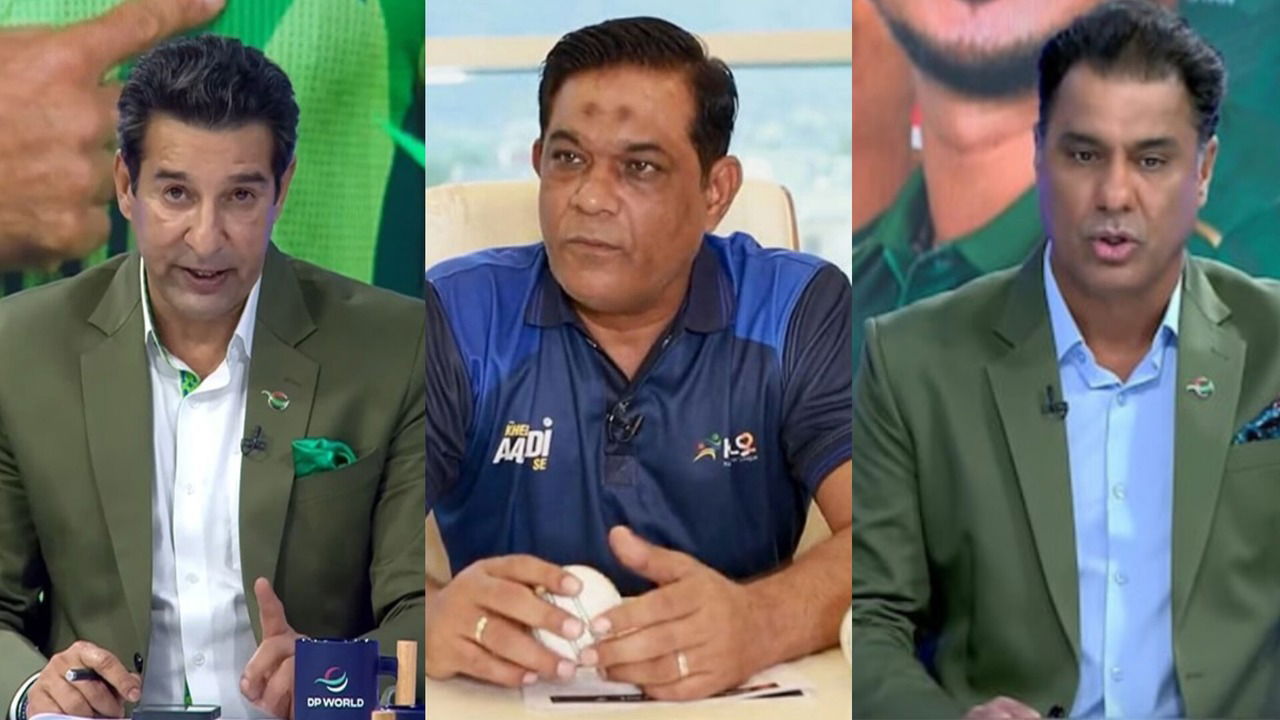
Former Pakistan Captain Rashid Latif Set to Expose Match-Fixing Scandals of the 1990s
Former Pakistan cricket captain Rashid Latif has stirred up controversy by announcing his plans to release a book that will shed light on the dark world of match-fixing that plagued the sport in the 1990s. After the conclusion of the ICC Champions Trophy 2025, Latif revealed that his upcoming book will uncover the details of how fixing occurred during that era and disclose the individuals involved in these illicit activities.
Revelations from a Cricket Veteran
Having represented Pakistan from 1992 to 2003, Rashid Latif’s cricket career spans over a decade, during which he also captained the national team in several matches. With 37 Test matches and 166 ODIs under his belt, Latif brings a wealth of experience to his startling claims regarding the rampant match-fixing that tainted the cricketing world in the ’90s.
“I have started writing a book. Match-fixing was at its peak in the ’90s. I will expose everything—how fixing happened and who was involved. I will disclose what went on in ’90s cricket and also reveal which former captain submitted a presidential pardon request,” Rashid Latif stated, as quoted by Sportstak.
Legacy of Pakistan’s 1990s Cricket Stars
Latif’s revelations come on the heels of criticism from former all-rounder Mohammad Hafeez, who labeled Pakistan’s 1990s cricket stars as underachievers who left a minimal legacy for future generations. The 56-year-old Latif echoed similar sentiments, attributing Pakistan’s 17-year drought in winning another World Cup to the reluctance of former players to step aside and allow fresh talent to flourish.
Reflecting on Pakistan’s triumph in the 1992 ODI World Cup under the captaincy of Imran Khan, Latif highlighted the missed opportunities in the 1996 and 1999 editions, culminating in a loss to Australia in the 1999 ODI World Cup final. He emphasized the need for a generational shift in management to enable the current players to strive for excellence on the international stage.
Pakistan’s Recent ICC Struggles
Despite their rich cricketing history, Pakistan’s recent performances in international tournaments have been lackluster. The team’s premature exit from the ICC Champions Trophy 2025 followed disappointing campaigns in the 2023 ODI World Cup and the 2024 T20 World Cup, raising concerns among fans and experts alike.
With only two ICC titles since their 1992 World Cup victory, Pakistan’s Test team also faced setbacks in the World Test Championship, finishing at the bottom in the 2023-25 cycle and failing to qualify for the final in three consecutive editions. A recent home series loss to Bangladesh further highlighted the challenges facing Pakistan’s cricketing future.
As Rashid Latif prepares to unveil the secrets of the 1990s match-fixing scandals in his upcoming book, the cricketing world braces itself for a potentially explosive exposé that could reshape perspectives on Pakistan’s cricketing legacy.
Unveiling the Shadows of Match-Fixing
Rashid Latif’s decision to delve into the murky waters of match-fixing in the 1990s sheds light on a dark chapter in cricket history. The revelations set to be disclosed in his upcoming book have the potential to reshape perceptions of the era and provide a deeper understanding of the challenges faced by the sport at the time. By exposing the mechanisms and individuals involved in match-fixing, Latif aims to bring transparency and accountability to the fore, offering a cautionary tale for the future of cricket.
The Impact on Cricketing Legacies
Latif’s critique of Pakistan’s 1990s cricket stars and their perceived underachievement raises questions about the lasting impact of match-fixing scandals on players’ legacies. The tarnished reputation of that era’s cricketers not only affects their personal standing but also casts a shadow over Pakistan’s cricketing heritage as a whole. By addressing these issues head-on, Latif provides an opportunity for introspection and growth within the cricketing community, encouraging a more transparent and ethical approach to the game.
Challenges in Modern Cricket
As Pakistan grapples with recent disappointments in international tournaments, including struggles in the Test arena and lackluster performances in ICC events, the revelations from Latif’s book may serve as a catalyst for change. By confronting the ghosts of the past, the cricketing fraternity can move towards a more sustainable and competitive future, rooted in integrity and fair play. The lessons learned from the match-fixing scandals of the 1990s can inform policies and practices aimed at safeguarding the sport from similar pitfalls in the years to come.
Latif’s forthcoming book promises to be a significant milestone in cricket literature, offering a firsthand account of a tumultuous period in the sport’s history. By sharing his insights and experiences, Latif provides a unique perspective on the challenges faced by players, administrators, and fans alike. As the cricketing world awaits the release of this groundbreaking work, anticipation grows for the revelations that will reshape the narrative of Pakistan’s cricketing legacy and shed light on the complexities of match-fixing in a global sporting context.
In conclusion, Rashid Latif’s courageous decision to confront the match-fixing scandals of the 1990s serves as a beacon of hope for a future built on transparency, accountability, and ethical conduct. By shining a light on the shadows of the past, Latif paves the way for a brighter tomorrow in cricket, where integrity and fair play reign supreme.
Latest News
Ben Duckett opts out from IPL 2026, set to face ban

“Players will prevail”: Sourav Ganguly’s drops big verdict on ‘Impact Player’ rule ahead of IPL 2026
“Players will prevail”: Sourav Ganguly’s drops big verdict on ‘Impact Player’ rule ahead of IPL 2026
3 LSG players who could struggle in IPL 2026 – ft Rishabh Pant
Rinku Singh gets major role for KKR ahead of IPL 2026
RCB gets new buyer ahead of IPL 2026, sold to…..

KKR take massive step to honour Andre Russell forever
“Mumbai Indians are winning it” – Ex-England captain makes bold prediction for IPL 2026

Mayank Yadav reveals real story behind his recovery and Sanjiv Goenka’s support
IPL 2026 ball change rule explained
Ottis Gibson reveals plan to revive Babar Azam’s confidence ahead of PSL 2026
Liam Livingstone survives as Rob Key confirms England spot after shocking interview claims
Kevin Pietersen credits RCB and IPL for career revival

Ottneil Baartman set to join CSK in IPL 2026 as replacement of….