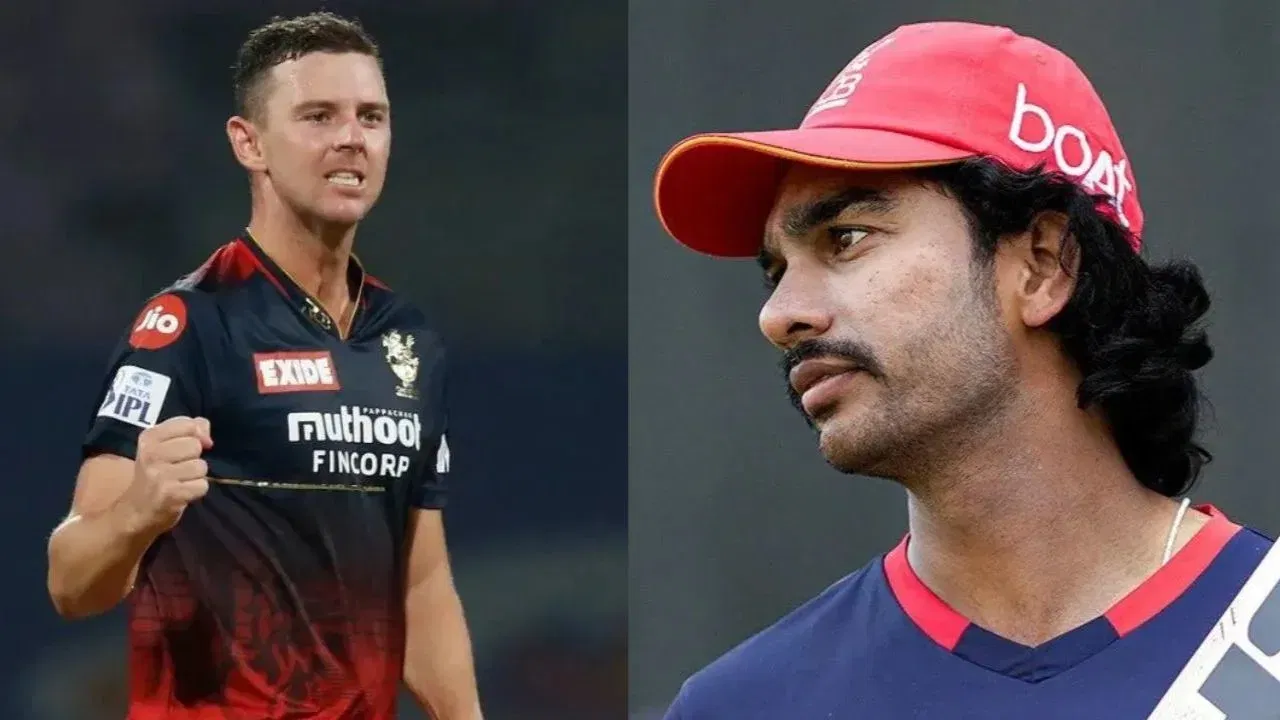
Watch: Rohit Sharma fumes at KL Rahul, Axar Patel as India’s DRS blunder gifts Joe Root a lifeline
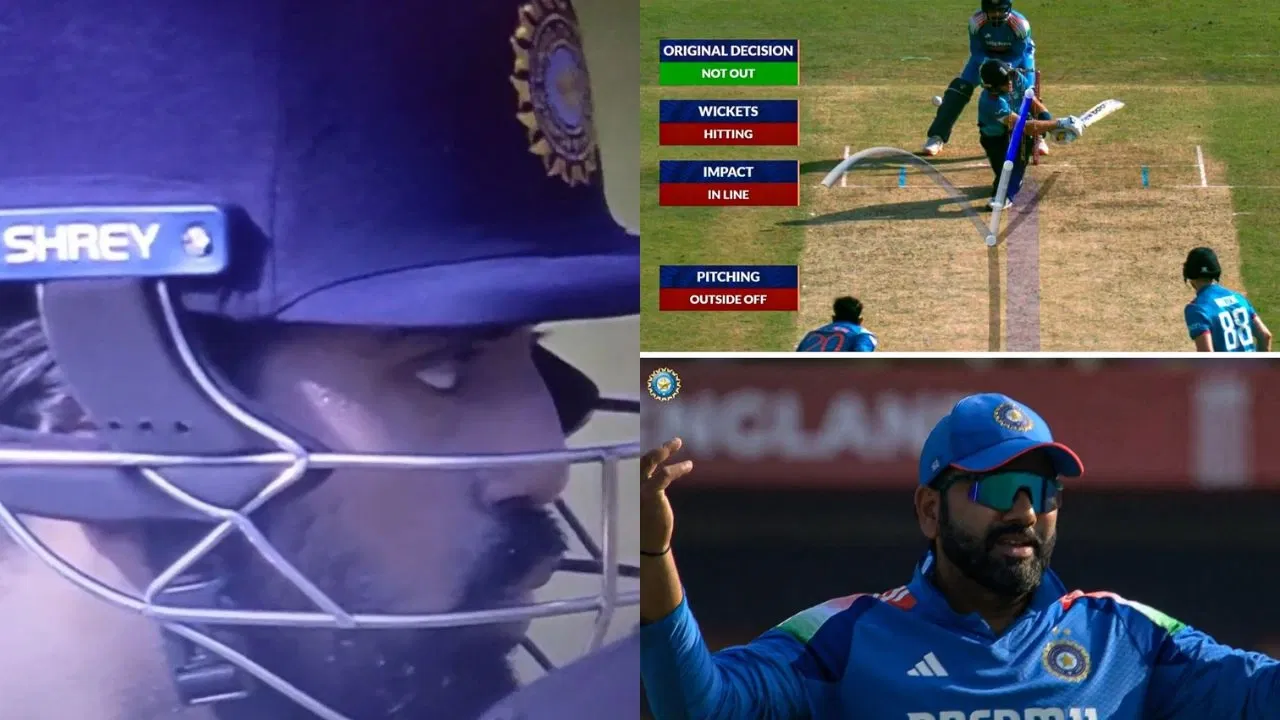
India Skipper Rohit Sharma’s Decision Costs Team in Second ODI Against England
During the second ODI of the three-match series between India and England, Team India skipper Rohit Sharma made a crucial decision that could prove costly for the Men in Blue. The match took place at the Barabati Stadium in Cuttack on Sunday, February 9, with England skipper Jos Buttler winning the toss and opting to bat first.
Missed DRS Opportunity Against Joe Root
One of the key moments of the match came when Rohit Sharma decided not to take the Decision Review System (DRS) against star England batter Joe Root. In the 25th over of England’s innings, Axar Patel’s delivery struck Root on the pads, leading to a strong LBW appeal from the Indian team. Despite the appeal, umpire Chris Brown ruled it not out. After consulting with KL Rahul and Axar, Rohit chose not to review the decision. However, DRS later showed that the decision would have been overturned, with three reds indicating that Root was out. This missed opportunity could have provided India with a crucial breakthrough.
Varun Chakravarthy and Ravindra Jadeja Shine with the Ball
Debutant bowler Varun Chakravarthy made an immediate impact by dismissing Phil Salt for 26, marking his maiden wicket for India in 50-over cricket. Varun’s inclusion in the squad was based on his impressive performance in the T20I series against England, where he took 14 wickets in five matches. Meanwhile, Ravindra Jadeja secured the prized scalp of Ben Duckett, who scored a quick 65 off 56 balls. Despite Duckett’s aggressive start, Jadeja’s bowling led to his dismissal.
Challenges for England’s Middle Order
After a strong start by England’s openers, the team faced challenges against India’s spinners, particularly following Duckett’s dismissal. With a predominantly right-handed middle order, England struggled against the spin trio of Axar Patel, Varun Chakravarthy, and Ravindra Jadeja. Despite the challenges, Joe Root and Jos Buttler worked to stabilize the innings. Harry Brook, part of England’s middle order, was dismissed by fast bowler Harshit Rana after scoring 21 off 52 balls.
England, after opting to bat first for the second consecutive game, reached 200/3 in 35 overs. Root (45 off 54) and Buttler (22 off 20) remained at the crease. The England team is in a must-win situation in the second ODI after losing the series opener. In the first match, Shubman Gill played a match-winning knock of 87 off 96 balls, helping India secure a four-wicket victory in Nagpur and take a 1-0 lead in the series.
As the series progresses, both teams will look to make strategic decisions and capitalize on opportunities to secure a win in the three-match series.
The Importance of Decision Review System (DRS) in Modern Cricket
The use of the Decision Review System (DRS) has become increasingly crucial in modern cricket, as seen in the second ODI between India and England. The technology allows teams to challenge on-field umpiring decisions by reviewing them through various camera angles and ball-tracking technology. In this match, Rohit Sharma’s decision not to take the DRS against Joe Root highlighted the significance of making informed choices when it comes to reviewing key moments in the game. As teams strive for precision and accuracy in decision-making, the utilization of technology like DRS can often be the difference between success and missed opportunities.
Strategic Bowling Changes and Tactical Adjustments
While Varun Chakravarthy and Ravindra Jadeja showcased their bowling prowess in the second ODI, the match also underscored the importance of strategic bowling changes and tactical adjustments in cricket. With the game evolving rapidly, captains need to be proactive in rotating their bowlers, setting creative field placements, and adapting to the conditions on the field. Varun’s early breakthrough and Jadeja’s key wicket demonstrated the impact of well-thought-out bowling strategies in restricting the opposition’s scoring and taking crucial wickets at pivotal moments.
The Pressure of Must-Win Scenarios in Cricket Series
As England found themselves in a must-win situation in the second ODI after losing the series opener, the pressure of such scenarios can significantly influence players’ performances and decision-making on the field. In a three-match series, each game becomes even more critical, with teams aiming to bounce back from defeats and secure a series victory. The mental aspect of the game becomes paramount in must-win situations, requiring players to stay composed, execute their skills under pressure, and seize opportunities to turn the tide in their favor.
Key Players to Watch in the Remaining Matches
With the series finely poised at 1-0 in favor of India, key players from both teams will be under the spotlight in the remaining matches. Players like Shubman Gill, who played a match-winning innings in the series opener, and Joe Root, who has been a consistent performer for England, will be crucial in shaping the outcome of the series. The battle between India’s spinners and England’s middle order, as highlighted in the second ODI, will also be a key factor to watch as the series progresses. The performances of these players and the strategic decisions made by the teams will ultimately determine the winner of the series.
In conclusion, the second ODI between India and England provided valuable insights into the dynamics of modern cricket, emphasizing the importance of technology, strategic decision-making, and handling pressure in high-stakes scenarios. As the series heads towards its conclusion, fans can expect more thrilling encounters and strategic battles between two formidable teams vying for supremacy on the cricket field.
Latest News
“Mumbai Indians are winning it” – Ex-England captain makes bold prediction for IPL 2026
Mayank Yadav reveals real story behind his recovery and Sanjiv Goenka’s support
IPL 2026 ball change rule explained
Ottis Gibson reveals plan to revive Babar Azam’s confidence ahead of PSL 2026
Liam Livingstone survives as Rob Key confirms England spot after shocking interview claims
Kevin Pietersen credits RCB and IPL for career revival
Ottneil Baartman set to join CSK in IPL 2026 as replacement of….
“Great news for IPL”: Sourav Ganguly reacts to Rajasthan Royals being sold for staggering $1.63 billion
NZ vs SA 5th T20I Preview: Free Live Streaming, Pitch & Weather Report, Head-to-Head | South Africa tour of New Zealand 2026
NZ vs SA Match Prediction – Who Will Win 5th T20I? | South Africa tour of New Zealand 2026
New Zealand Playing XI vs South Africa Playing XI – 5th T20I | South Africa tour of New Zealand 2026
PBKS spinner calls Virat Kohli his idol, makes bold dismissal claim ahead of IPL 2026
“Not stupid”: Adam Gilchrist, Mark Waugh break silence on ECB not sacking Brendon McCullum
Revealed: Why RCB players will wear black armbands and No.11 jersey in IPL 2026?