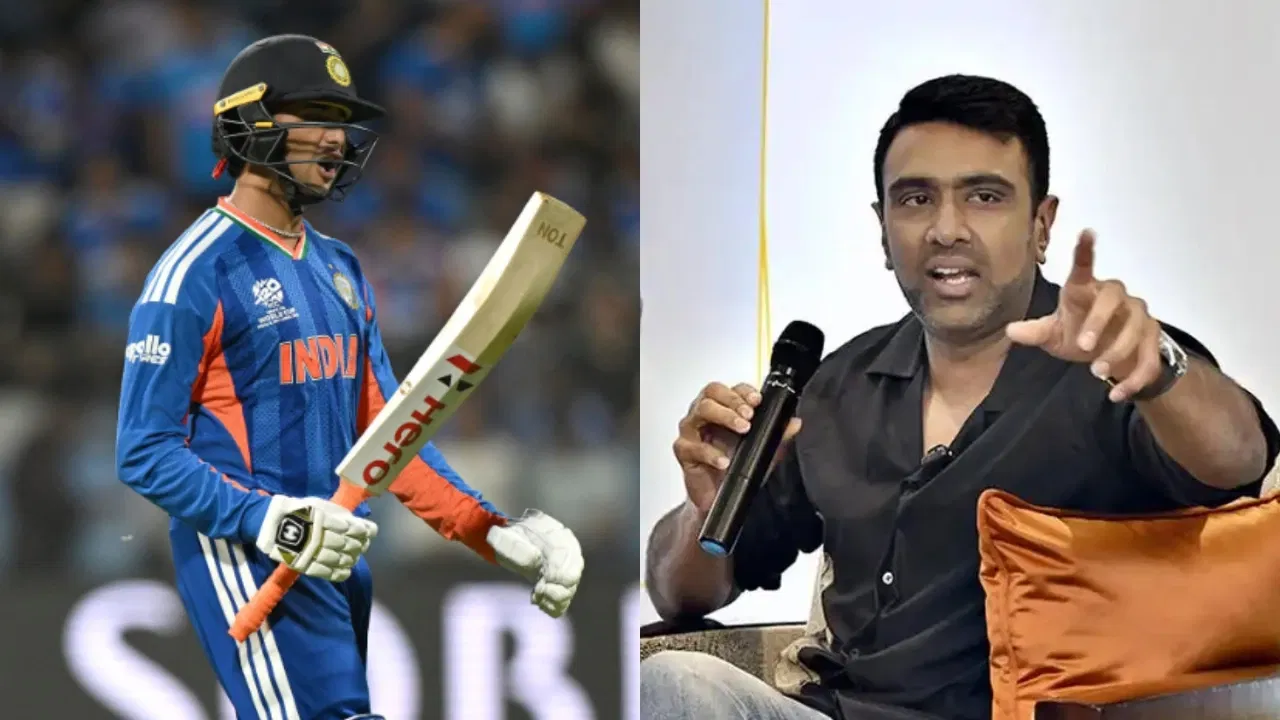
Watch: Suryakumar Yadav imitates Rohit Sharma’s iconic celebration without Asia Cup trophy after insulting Mohsin Naqvi
India Clinches Ninth Asia Cup Title with Dominant Performance
India once again asserted their dominance over Pakistan by securing their ninth Asia Cup title in a historic final match. Despite the victory, the Indian skipper shocked everyone by refusing to accept the trophy from ACC Chief Mohsin Naqvi, creating a memorable moment in the world of cricket.
Outstanding Performances by Indian Players
In the final, India faced Pakistan for the first time in Asia Cup history and emerged victorious, showcasing their exceptional cricketing skills. Notable performances came from dynamic batter Suryakumar Yadav, who played a crucial role in India’s success throughout the tournament. Additionally, Kuldeep Yadav stood out as the highest wicket-taker, making a remarkable comeback to the Indian T20I side.
The final match saw Tilak Varma, Sanju Samson, and Shivam Dube demolishing the Pakistan bowling attack, leading India to a convincing victory and their ninth Asia Cup title.
Controversial Trophy Refusal
After the match, Suryakumar Yadav and the Indian management made headlines by refusing to accept the Asia Cup trophy from Mohsin Naqvi, who heads both the ACC and the Pakistan Cricket Board. This decision led to a dramatic conclusion of the presentation ceremony, with Naqvi leaving the stage with the trophy.
Commenting on the incident, host broadcaster presenter Simon Doull confirmed, “I have been informed by the Asian Cricket Council (ACC) that the Indian cricket team will not be collecting their awards tonight.”
Unique Celebrations and Roasting
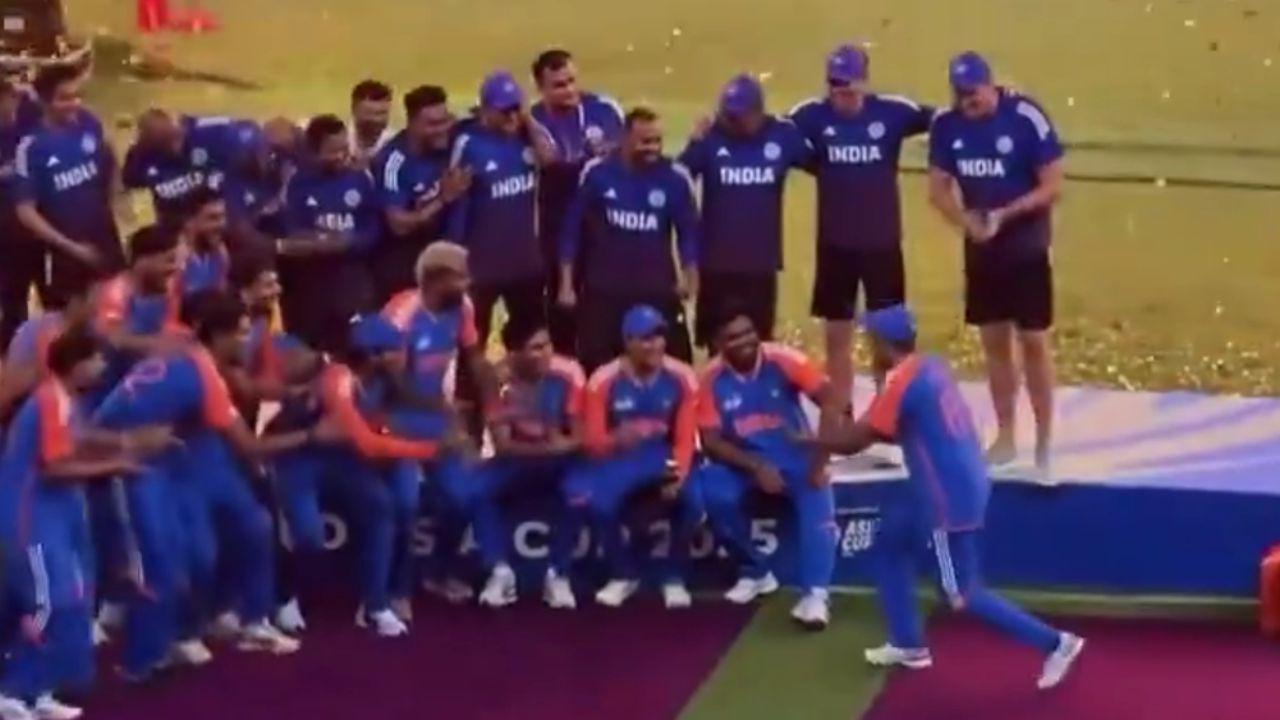
Despite the controversial trophy refusal, Indian players did not shy away from celebrating their victory in a unique and humorous way. Videos surfaced on social media showing Suryakumar Yadav and his teammates mimicking lifting an imaginary trophy, followed by imitating Rohit Sharma’s iconic slow walking celebration.
The Indian team’s playful celebrations not only showcased their camaraderie but also added an element of humor to the post-match proceedings, much to the delight of fans.
India’s Complete Dominance Over Pakistan
Throughout the Asia Cup tournament, India faced Pakistan three times, emerging victorious on each occasion with a 3-0 scoreline. The matches saw standout performances from different players, including Kuldeep Yadav, Abhishek Sharma, and Tilak Varma, who shone in the final.
Reflecting on the team’s success, Suryakumar Yadav humbly stated, “If you tell me about trophies, my trophies are sitting in the dressing room, all the 14 guys with me, the support staff, those are the real trophies throughout this journey in the Asia Cup.”
India’s remarkable performance in the Asia Cup final not only showcased their cricketing prowess but also highlighted their unity and sportsmanship on and off the field.
India’s Strategic Gameplay and Consistent Performance
India’s victory in the Asia Cup final was not only a result of individual brilliance but also a testament to their strategic gameplay and consistent performance throughout the tournament. The team’s meticulous planning, adaptability to different match situations, and cohesive teamwork were key factors in their success against tough opponents like Pakistan.
Under the leadership of captain Rohit Sharma, India displayed a strong batting lineup with players like Suryakumar Yadav, who showcased his aggressive yet composed approach, and Tilak Varma, who impressed with his ability to anchor the innings when needed. The bowling department, led by Kuldeep Yadav and Abhishek Sharma, consistently delivered crucial breakthroughs, keeping the opposition under pressure.
Impact of Emerging Talent and Experience
One of the defining aspects of India’s performance in the Asia Cup was the perfect blend of emerging talent and experienced players in the squad. While young talents like Sanju Samson and Shivam Dube showcased their potential with match-winning performances, seasoned players like Ravindra Jadeja and Jasprit Bumrah provided stability and guidance to the team.
This combination of youth and experience not only added depth to India’s squad but also ensured a balance in terms of skills, temperament, and leadership on the field. The mentorship provided by senior players to the younger generation played a crucial role in enhancing the team’s overall performance and success in the tournament.
Impact of Player Fitness and Mental Strength
Another critical factor in India’s triumph in the Asia Cup final was the focus on player fitness and mental strength. The team’s rigorous training regimes, focus on nutrition, and mental conditioning programs contributed to their physical and mental preparedness for high-pressure matches.
Players like Suryakumar Yadav, who showcased exceptional fitness levels and mental resilience, were able to perform consistently under challenging circumstances, highlighting the importance of a holistic approach to player development. The team’s ability to stay calm and composed in crucial moments, as seen in the final against Pakistan, was a result of their mental fortitude and belief in their abilities.
Future Prospects and International Competitions
With their ninth Asia Cup title secured, India’s cricket team is now setting their sights on future international competitions, including the upcoming ICC events. The team’s success in the Asia Cup has not only boosted their confidence but also highlighted areas for further improvement and refinement in their gameplay.
As they prepare for upcoming challenges on the global stage, India will look to build on their Asia Cup victory, fine-tune their strategies, and continue their winning momentum against top cricketing nations. The experience gained from the Asia Cup final, along with the lessons learned from facing tough opponents like Pakistan, will serve as valuable assets for India as they strive for excellence in the world of cricket.
In conclusion, India’s dominant performance in the Asia Cup final was a culmination of skill, teamwork, strategy, and mental strength. The team’s refusal to accept the trophy, unique celebrations, and overall camaraderie showcased a different side of their victory, emphasizing the spirit of sportsmanship and unity that defines Indian cricket.
Latest News
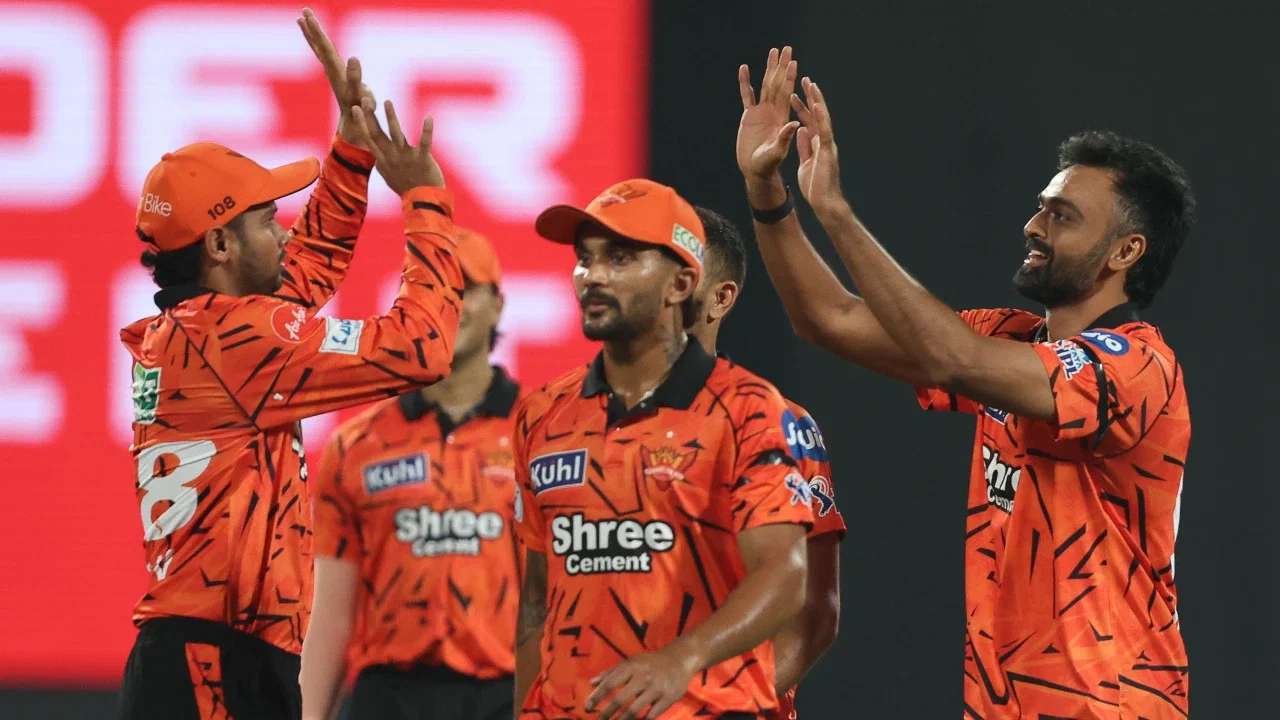
“Only God can save them”: SRH’s bowling attack slammed as “fake” and “terrible” after RCB thrashing
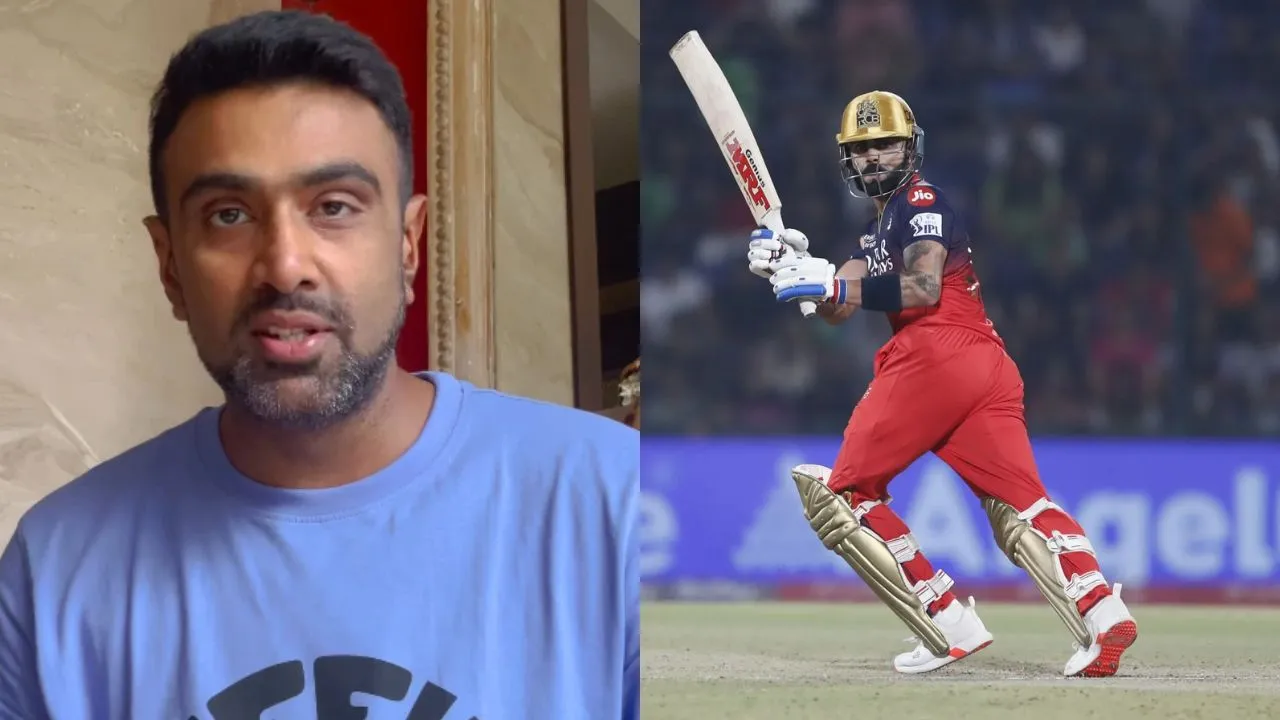
“I find him quite bizarre”: Ravichandran Ashwin’s no-nonsense verdict on Virat Kohli
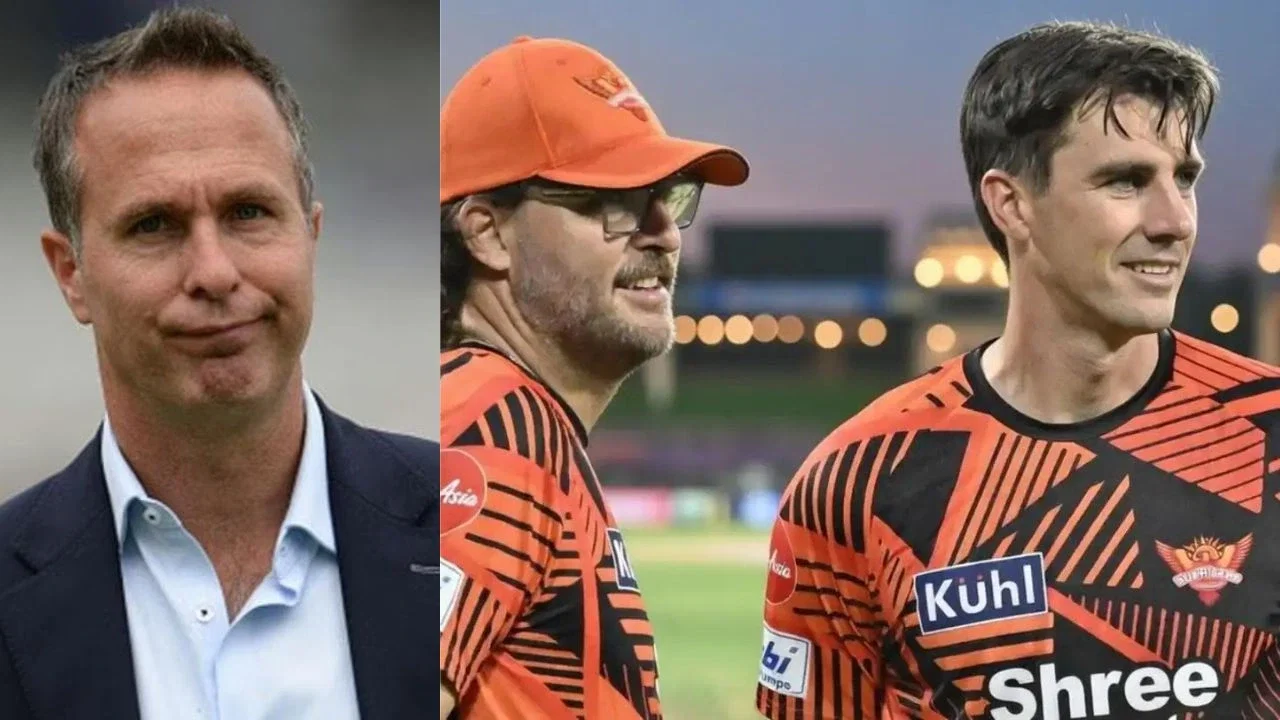
Michael Vaughan makes a bold declaration on IPL 2026, hands SRH no chance for the playoffs
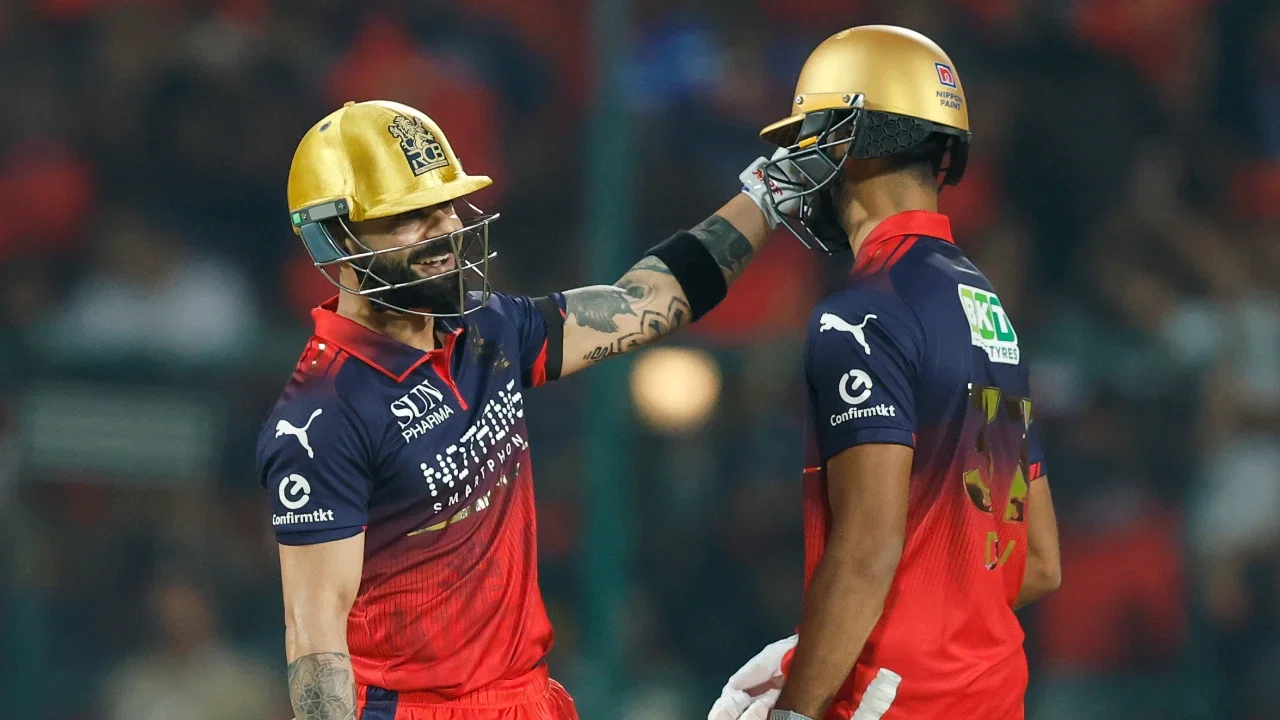
‘Virat Kohli made my job easier’: Devdutt Padikkal bows down to King after heroics vs SRH

“We dedicate this win to 11 fans”: RCB captain Rajat Patidar pays tribute to stampede victims
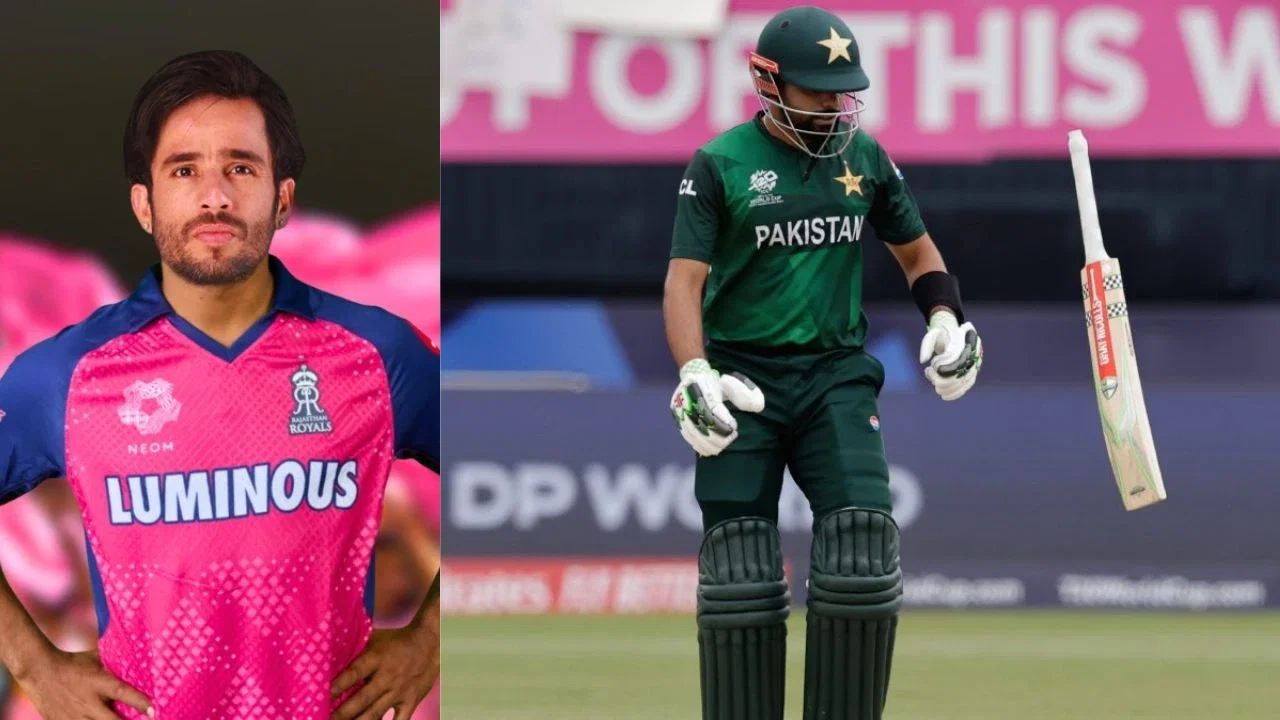
Ravi Bishnoi trolls Babar Azam from the Rajasthan Royals training camp

Mumbai Indians on the verge of history ahead of IPL 2026 clash against KKR
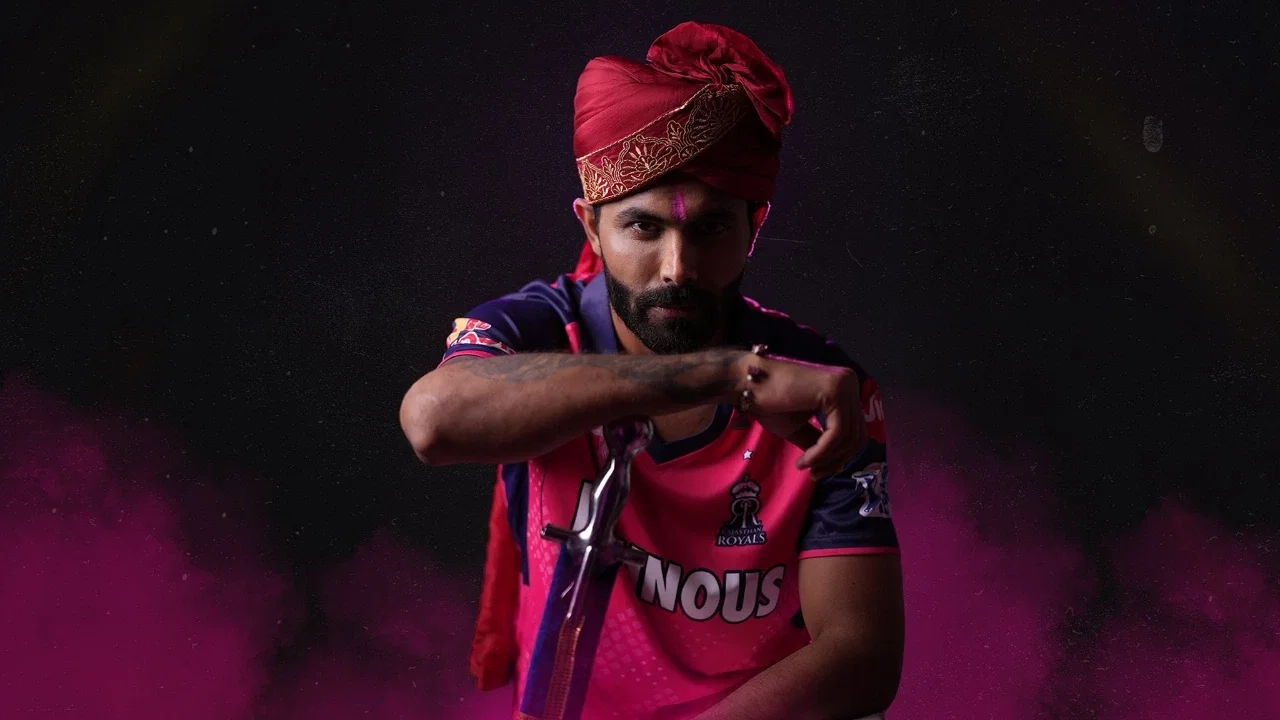
Jofra Archer imitates Ravindra Jadeja’s bowling action in nets amid IPL 2026 (Watch video)

‘Tommy, Ek ko papa chun le’: Harbhajan Singh delivers abusive responses to commentary critics
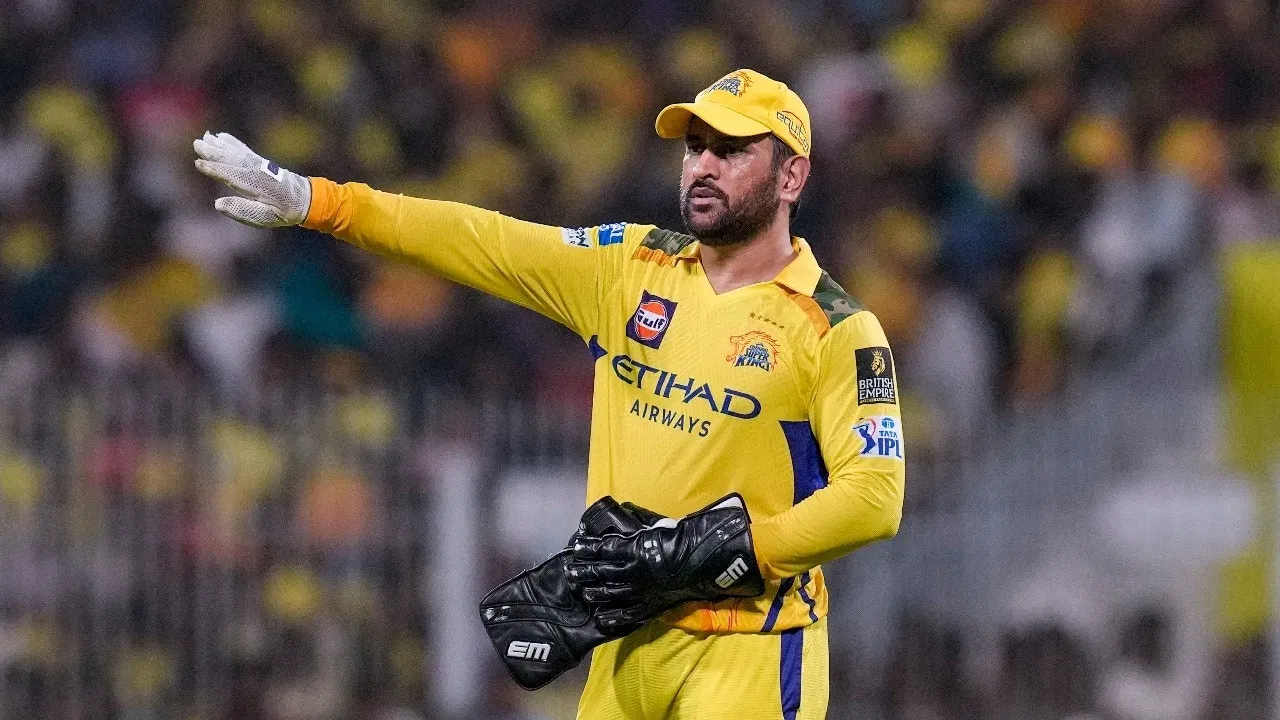
Huge blow for CSK! MS Dhoni likely out for six matches in IPL 2026
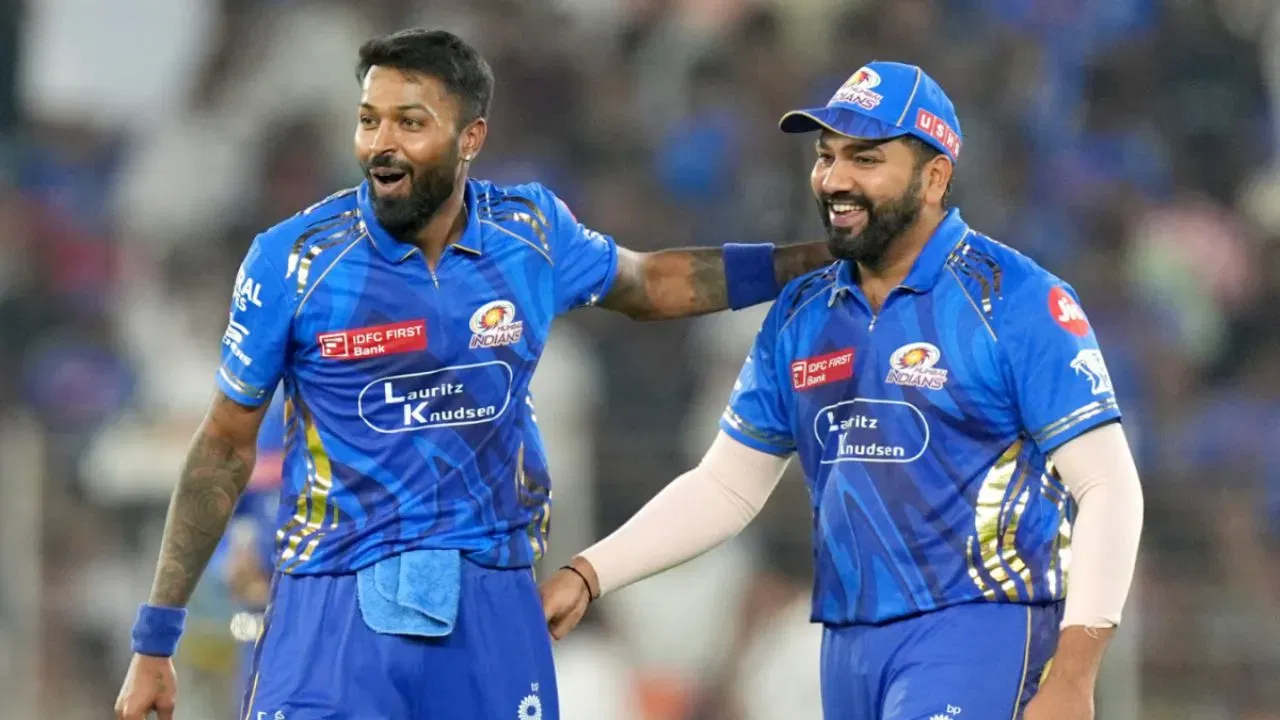
Rohit Sharma to wreak havoc at Wankhede! Ex-BCCI selector’s massive warning for KKR bowlers
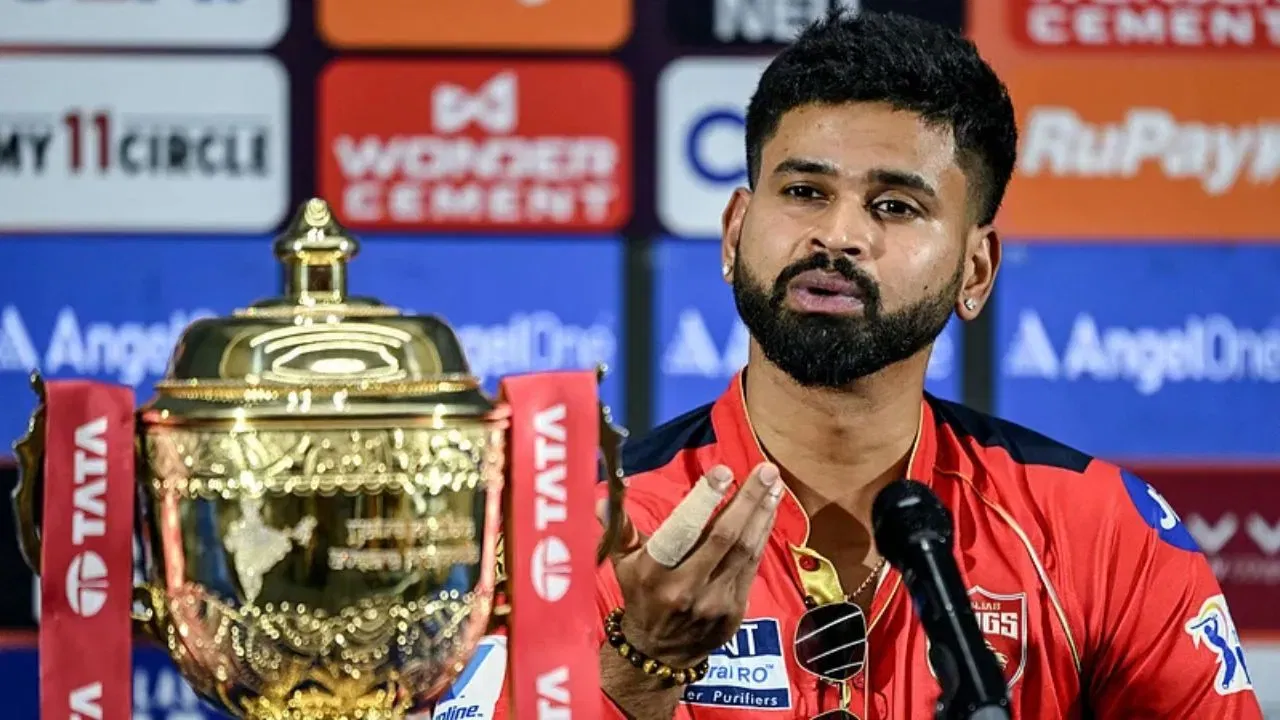
‘Shreyas Iyer is one of the strongest captains in IPL’ – Australia star in awe of PBKS skipper
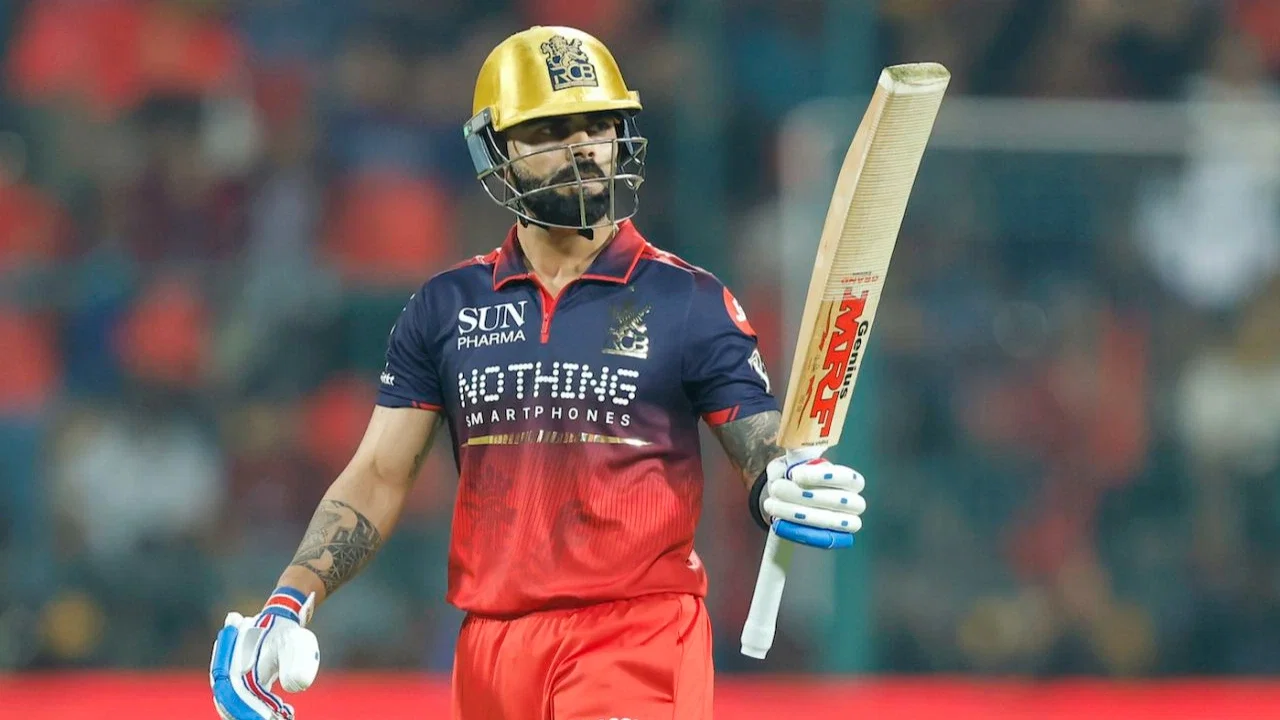
Shubman Gill out? Virat Kohli’s Test comeback as captain suggested by CSK legend
Jason Gillespie gives major update on Glenn Maxwell’s availability for PSL 2026