Watch: Usman Khawaja hits historic low with 20-ball duck as Kagiso Rabada shines in WTC Final
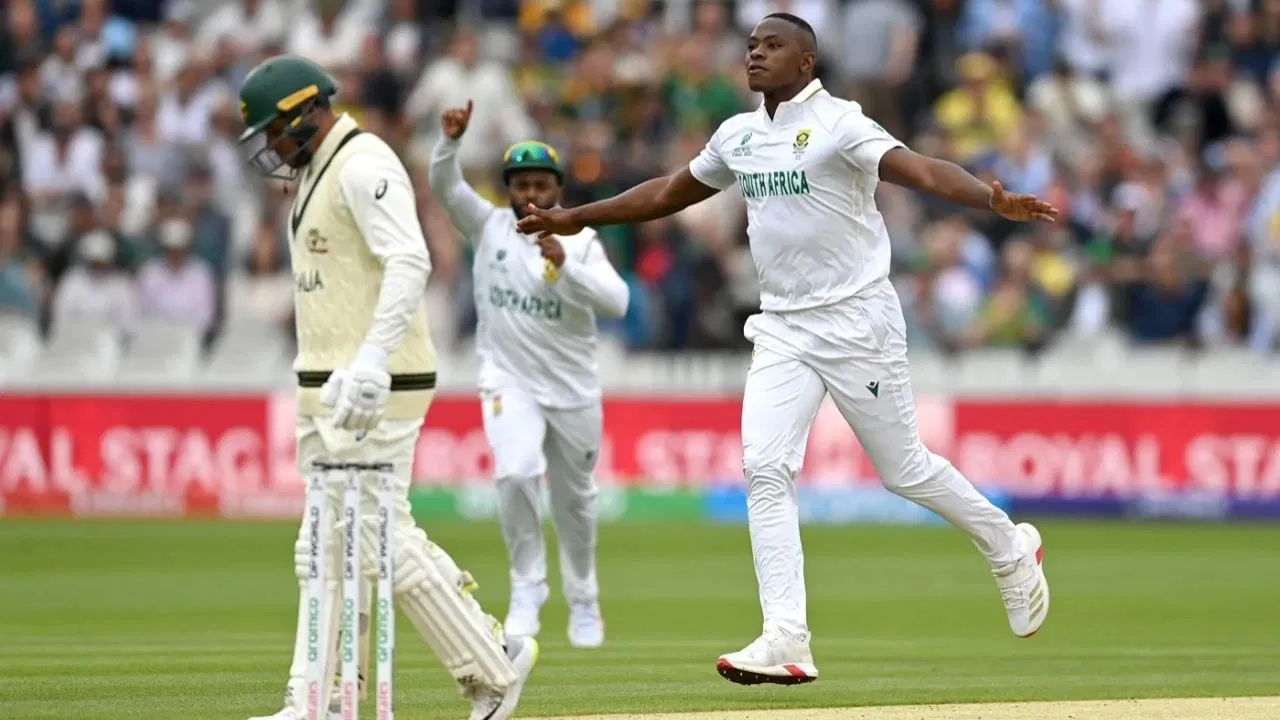
The Fall of Usman Khawaja in the ICC World Test Championship Final
Veteran opening batter Usman Khawaja suffered a setback in Australia’s first innings of the ICC World Test Championship (WTC) 2025 Final against South Africa. Khawaja found himself in the record books for the wrong reasons after being dismissed for a duck off 20 balls in the summit clash of the longer format.
South Africa vs. Australia: The Battle for WTC Glory
South Africa captain Temba Bavuma won the toss and chose to bowl first against Australia in the final at Lord’s on Wednesday, June 11. Australia is vying to become the first team to clinch back-to-back WTC titles. On the other hand, South Africa, the table-toppers, are determined to secure their maiden WTC trophy.
Usman Khawaja’s Slow Start in the Final
Usman Khawaja faced a disappointing outing in the first innings as he failed to score any runs. Despite facing 20 balls, he was unable to get off the mark. South Africa’s Kagiso Rabada claimed his wicket in the seventh over with a brilliant delivery.
Khawaja’s duck goes down in history as one of the slowest by an Australian opener in Test cricket. He ranks third, tied with Sammy Jones (1888), behind David Warner (22 balls) and Shaun Marsh (21). Additionally, it stands as the second-slowest duck by a Test opener against South Africa, only trailing Michael Atherton.
Usman Khawaja’s Struggle in ICC Finals
This isn’t Khawaja’s first duck in an ICC final as he now records his second. The left-handed batter has managed just 13 runs in three innings at a poor average of 4.33. With this dismissal, Khawaja joins a list of players who have been out for zero twice in ICC finals, alongside Jasprit Bumrah, Tillakaratne Dilshan, and Brendon McCullum.
Rabada has had Khawaja’s number in Test cricket, dismissing him six times. This puts Rabada on par with Jasprit Bumrah and Chris Woakes, with only Stuart Broad having gotten the better of Khawaja more frequently (8 times).
Australia’s Struggle Continues
Kagiso Rabada continued to trouble Australia as he removed Cameron Green for just four runs. With Steve Smith at the crease, Australia found themselves in trouble at 26 for 2 in 9.3 overs. Currently, Australia is struggling at 46 for 3 in 18 overs.
Rabada, making a strong comeback after a one-month suspension for recreational drug use, finished his first spell with figures of 2 for 9 from six overs. He consistently tested the outside edge with the movement of the Dukes ball. Labuschagne was dismissed for 17 by Marco Jansen, adding to Australia’s woes with Travis Head joining Smith in the middle.
As the battle for WTC glory unfolds, Australia faces an uphill task to recover from the early blows and set a competitive total against a resilient South African side.
The Importance of Early Wickets in Test Cricket
Getting off to a good start in a Test match is crucial for setting the tone of the game. Early wickets can put immense pressure on the batting team and give the bowling side a significant advantage. In the case of Usman Khawaja’s dismissal for a duck, South Africa gained the upper hand early on in the final, putting Australia on the back foot.
For Australia, losing key wickets in quick succession can disrupt their batting rhythm and destabilize their innings. Usman Khawaja’s failure to score runs not only affected his personal performance but also had a ripple effect on the team’s momentum. It is essential for Australia to regroup and rebuild their innings to put up a competitive total against a strong South African bowling attack.
The Mental Aspect of Facing Adversity in Cricket
Cricket is not just a physical game but also a mental battle. For Usman Khawaja, facing a setback in a high-stakes match like the WTC final can be mentally challenging. Dealing with the disappointment of a duck and the pressure of performing under scrutiny requires mental resilience and the ability to bounce back stronger.
Khawaja will need to maintain a positive mindset and focus on the next opportunity to contribute to his team’s success. Overcoming failures and learning from mistakes is a fundamental aspect of a professional cricketer’s journey. How Khawaja responds to this adversity will be a testament to his mental strength and character as a player.
Impact on Team Dynamics and Strategy
Usman Khawaja’s early dismissal has forced Australia to reevaluate their batting strategy and adjust their game plan. With key players like Steve Smith and Travis Head at the crease, Australia will need to build a solid partnership to stabilize their innings and counter the South African bowling attack.
The team management and coaching staff will play a critical role in guiding the players through this challenging phase and keeping them focused on the task at hand. Adapting to the match situation, analyzing the opposition’s bowling tactics, and making tactical decisions on the field will be key to Australia’s chances of staging a comeback in the final.
The Unpredictability of Cricket and the Need for Adaptability
Cricket is a sport known for its unpredictability, where fortunes can change rapidly from one session to the next. Usman Khawaja’s dismissal illustrates the unpredictable nature of the game and the need for players to adapt to changing circumstances. In a high-pressure match like the WTC final, adaptability and quick thinking are essential skills for success.
As Australia navigates through a challenging phase in the final, they will need to remain flexible in their approach, make strategic adjustments, and seize opportunities to turn the tide in their favor. The ability to respond effectively to setbacks and make the most of favorable conditions will determine the outcome of the match and ultimately, the quest for WTC glory.
By delving into the mental and strategic aspects of cricket, we can gain a deeper understanding of the dynamics at play in high-stakes matches like the ICC World Test Championship final and the impact of individual performances on team dynamics and overall outcomes.
Latest News
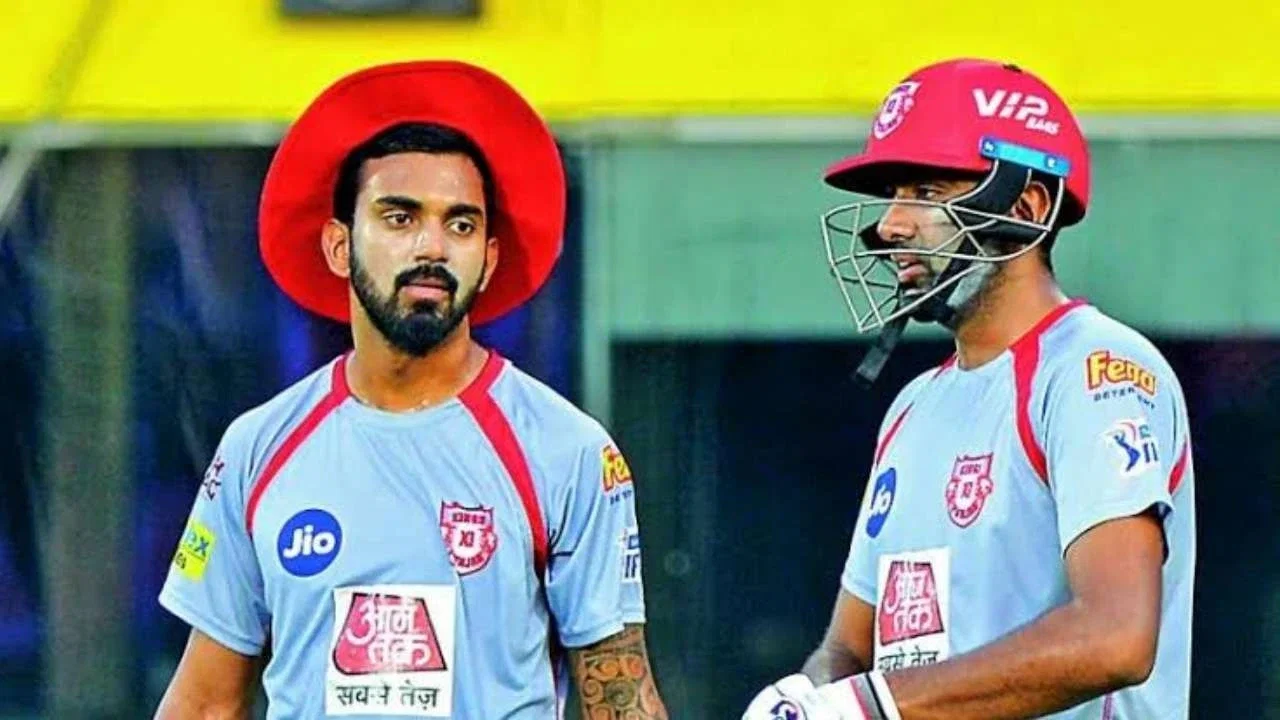
KL Rahul will win the Orange Cap in IPL 2026 if…: Ravichandran Ashwin makes bold claim

RCB coach rules Josh Hazlewood out of IPL 2026 opener, Pat Cummins update arrives
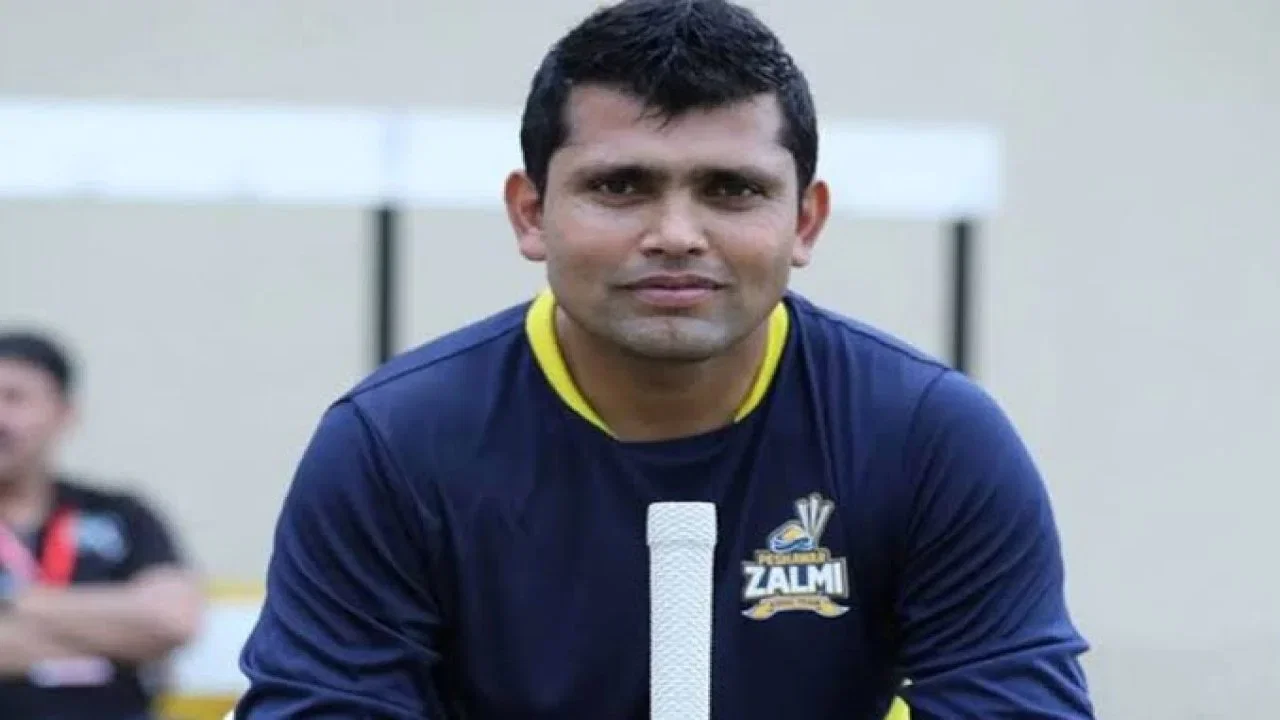
Kamran Akmal trolls Pakistan Super League after Hyderabad Kingsmen jersey turns ball pink

Prithvi Shaw backed to dominate IPL 2026 by Irfan Pathan
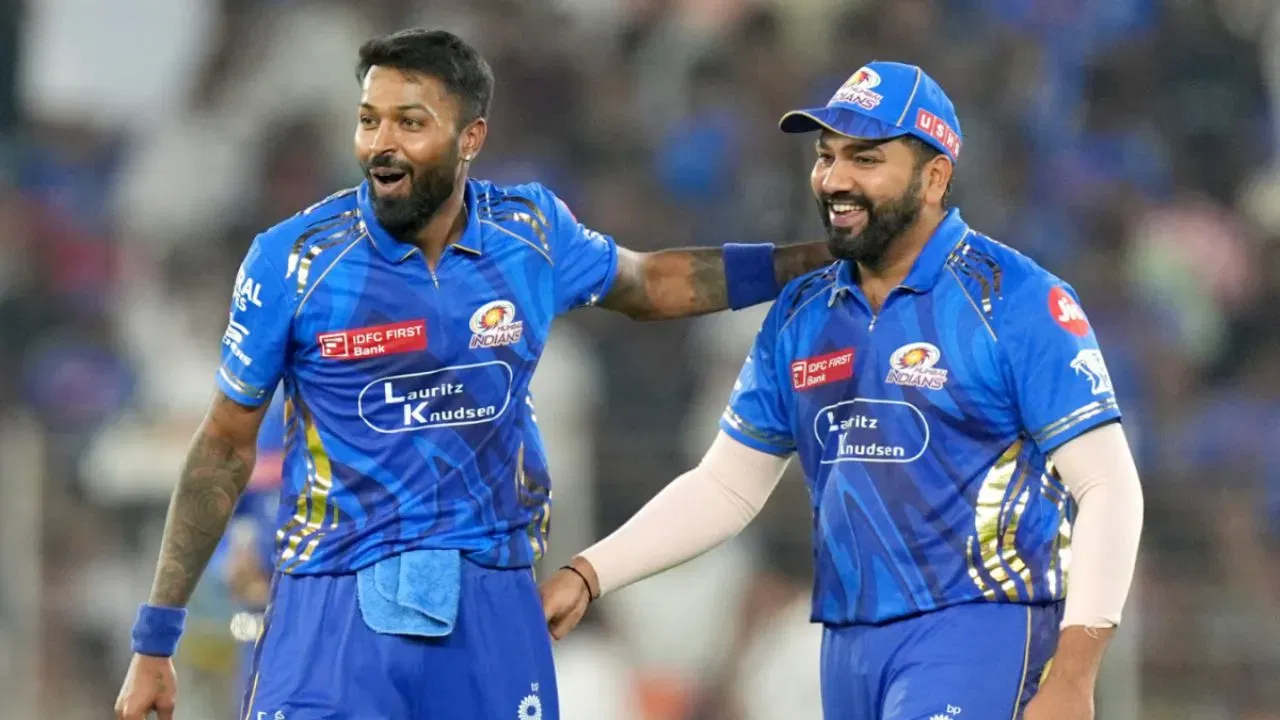
Rohit Sharma loses cool! Hits car, ignores fans in shocking moment before IPL 2026

RCB vs SRH Match No. 1 Preview: Free Live Streaming, Pitch & Weather Report, Head-to-Head | IPL 2026
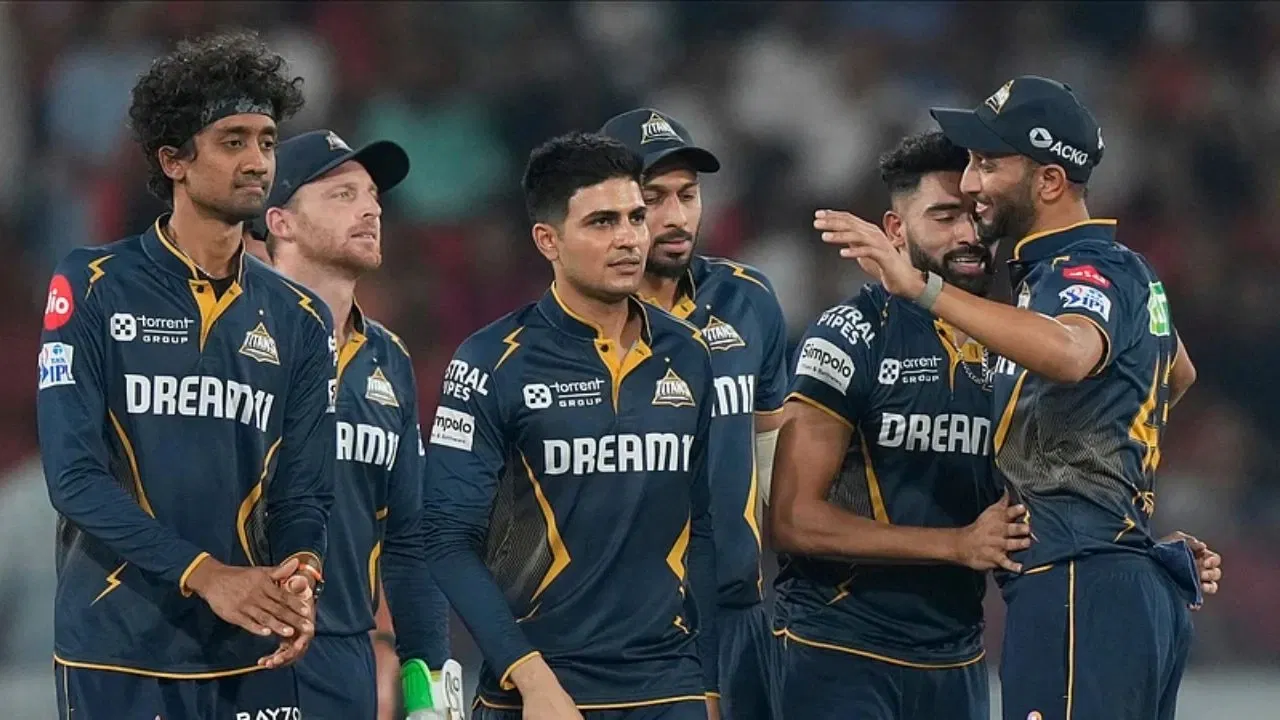
Gujarat Titans IPL 2026 Full Schedule: GT Fixtures, Dates, Timings and Venues | Squad and Coaches
Naseem Shah humiliates Pakistan government with ‘Queen jibe’, massive punishment loading
Hardik Pandya fulfills promise, gifts ₹10 lakh to Wankhede groundstaff in beautiful gesture

IPL 2026 top four teams predicted by Faf du Plessis, Harbhajan Singh, and other experts
Ravichandran Ashwin joins IPL 2026 commentary panel, full list officially revealed
BCCI set to earn over ₹1,550 crore from Royal Challengers Bengaluru and Rajasthan Royals sales
“Tu to Allan Donald ban gaya hai” – Virat Kohli in awe of Venkatesh Iyer’s stunning delivery in RCB nets

IPL 2026 Purple Cap winner announced; KKR spinner picked as the frontrunner